Grains & Rice
Gari
Toasted, fermented cassava granules eaten as a staple across West Africa.
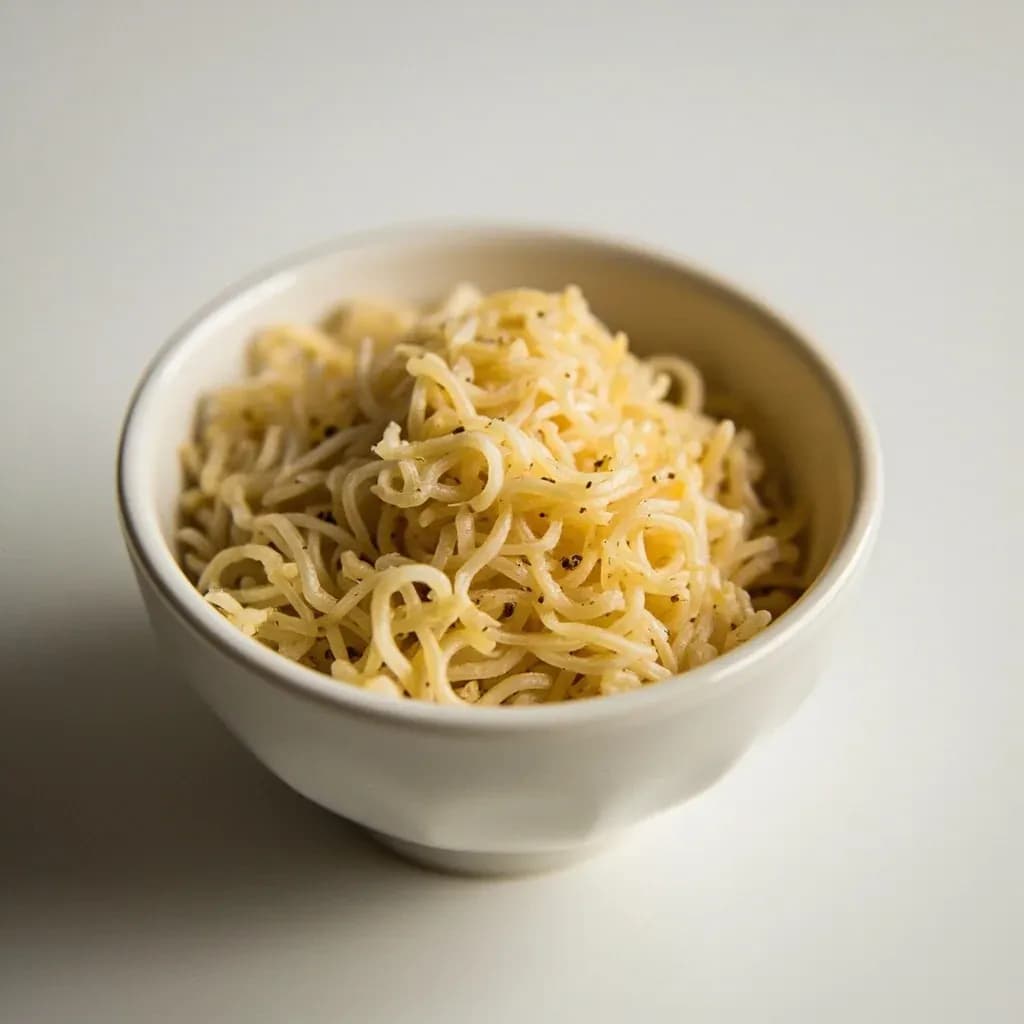
Gari is made by grating, fermenting, pressing, and dry-roasting cassava into crisp, sandy granules. A West African staple, it is soaked into the dough eba, mixed with water and sugar as a refreshing drink, or sprinkled over beans. Its slight sourness comes from the fermentation step, and it stores for months once dry.
Gari is a cornerstone of West African cuisine: granular, toasted, and fermented cassava that serves as a primary carbohydrate staple for hundreds of millions of people. The production process is ingenious—fresh cassava roots are washed, peeled, grated, packed in sacks, and allowed to ferment for several days as weight compresses liquid from the pulp. This fermentation is critical on two fronts: it activates natural microorganisms that break down cyanogenic glycosides (compounds that make raw cassava toxic) to safe levels, and it develops the characteristic sour, nutty flavor that distinguishes gari from bland starches. After fermentation, the damp pulp is sieved and toasted in large, shallow pans over medium heat until the granules are dry, crisp, and free-flowing.
The result is a remarkably shelf-stable product—6 to 12 months when kept cool and dry—that requires no refrigeration. Gari's versatility is remarkable: it becomes a smooth, elastic dough called eba when rehydrated with hot water, making it the perfect vehicle for rich, cooked soups and stews. It can be eaten dry as a portable snack, soaked in cold water for a quick meal, or incorporated into jollof-style dishes. In Nigeria, gari has achieved cultural and economic prominence so significant that "the price of gari" appears in market pricing indices—a shorthand for food cost fluctuations that ordinary citizens understand instantly.
- Measured in
- g
- Storage
- Pantry
Types & varieties
Standard, most common type; cream-colored; neutral flavor base for soups and stews
Palm oil added during toasting; richer flavor and slightly higher fat content; preferred in parts of Ghana and southern Nigeria; may provide added vitamin A if oil is fortified
Specialty type from Ijebu region of Nigeria; very fine granules; intentionally more sour due to extended fermentation; considered premium and commands higher prices
A finer, more thoroughly fermented variant; softer, smoother texture when rehydrated; used interchangeably with standard gari in many regions
Sweetened snack variants; mixed with coconut, peanuts, or sugar for eating out of hand as a portable treat
Fermentation: The Critical Safety Step
The fermentation step in gari production is non-negotiable for both safety and flavor. Raw cassava contains cyanogenic glycosides, primarily linamarin and lotaustralin, which release hydrogen cyanide when cells are damaged. At high enough concentrations, these compounds cause acute cyanide poisoning, and chronic exposure leads to konzo—a permanent paralytic neurological condition. During fermentation, natural bacteria and yeasts produce organic acids that hydrolyze these glycosides, reducing cyanide to negligible levels. The fermentation also creates lactic acid and subtle volatile compounds that give gari its distinctive sour, slightly yeasty flavor. Skipping or shortening fermentation—sometimes attempted to speed production—produces a product that can be genuinely dangerous.
- Bitter cassava varieties contain higher cyanide potential and require more rigorous, extended fermentation than sweet varieties
- Traditional sack fermentation with applied weight typically takes 3–5 days; the pulp temperature, smell, and texture all change as fermentation progresses
- Well-fermented gari will have a definite sour smell; sweet or neutral-smelling gari may be under-fermented
- Modern producers sometimes use abbreviated wet fermentation followed by brief boiling to accelerate safe production, though traditional makers consider this inferior
Making Eba: The Art of the Dough
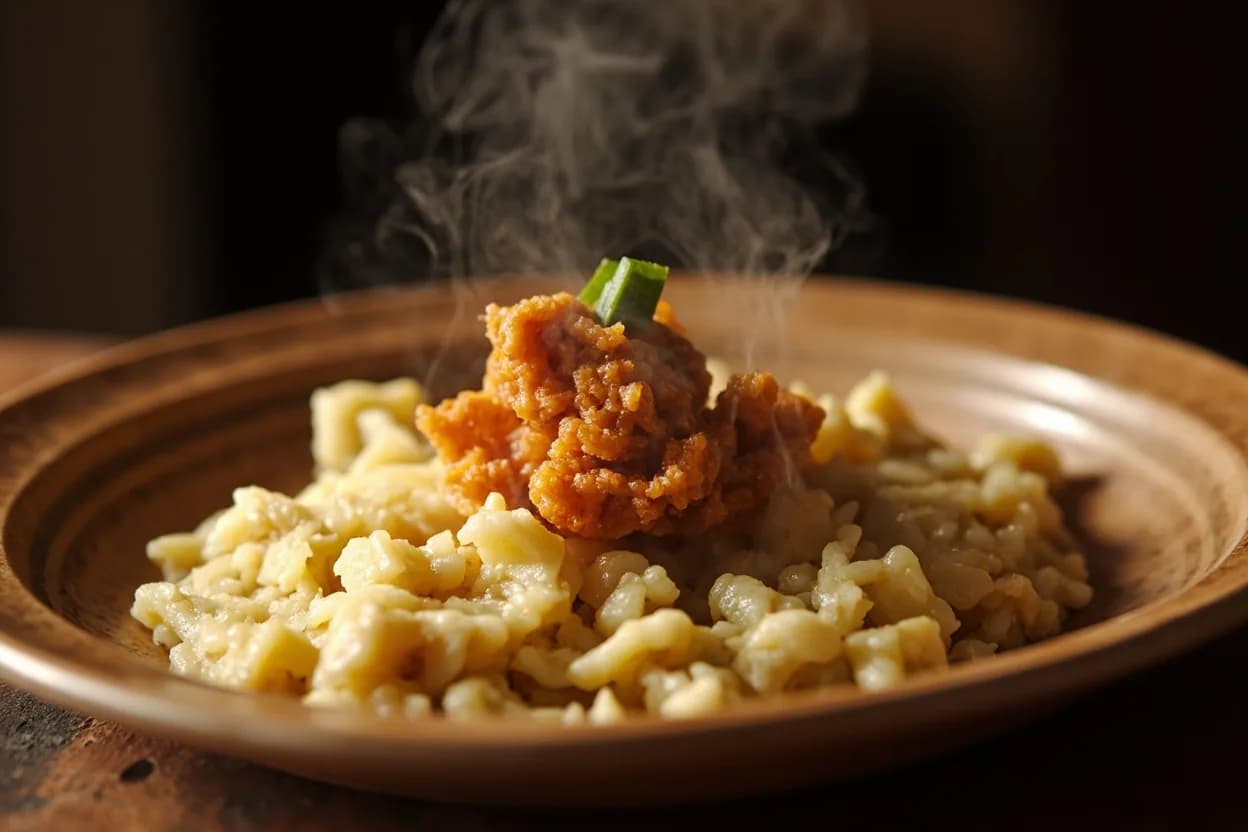
Eba is gari reconstituted as a smooth, stiff dough—the everyday "swallow" that accompanies soups across West Africa. The technique matters. Water that is too hot (boiling) turns the starches gelatinize too rapidly, creating a gluey, unworkable mass. Water that is too cool leaves dry, unevenly hydrated lumps. The target is just-off-boiling, around 95°C (203°F). Add gari gradually to the water while stirring continuously with a wooden spoon or using the traditional method of working it with your hands (dipped in cold water to prevent sticking). The ideal eba is smooth, elastic, and holds its shape without crumbling when scooped.
- Standard ratio is approximately 1 part water to 1.5 parts gari by volume, adjusted for desired firmness
- Some cooks prefer to add gari to a dry pan first, then pour hot water over while stirring—this gives more control over consistency
- Eba is always served immediately; unlike some doughs, it does not hold well and becomes hard and stiff as it cools
- Traditional serving: place a mound of eba in the center of a wide bowl or on a plate, with soup arranged around or poured over it; eat with the fingers of the right hand only
Common uses
Tips & pitfalls
- Fermentation is non-negotiable: properly fermented gari has reduced cyanide content and better flavor; under-fermented cassava products can be genuinely toxic
- To make eba, add gari to hot (not boiling) water gradually while stirring—too-hot water makes it gluey, too-cold water leaves dry lumps; aim for just-off-boiling (around 95°C)
- The water-to-gari ratio is roughly 1:1.5 by volume for a firm dough; adjust slightly based on desired consistency
- For gari foto, toast the dry gari granules in a dry pan briefly before cooking—this deepens the flavor and improves texture
- Store in airtight containers in a cool, dry place; humidity causes clumping and spoilage
- When buying, check for uniform, free-flowing granule size; clumps indicate moisture exposure during storage
- Yellow gari should have a consistent orange color from palm oil—if it looks pale, it may be artificially colored or inadequately processed
- Gari made from bitter cassava varieties requires more rigorous fermentation; white gari in formal markets is typically from sweet cassava
- For gari soakings (cold preparation), add a pinch of salt and let sit for 2–3 minutes to allow granules to fully hydrate before eating
Nutrition
Nutrition
No USDA FoodData Central match for Gari yet. We surface a per-100 g profile once a generic whole-food entry is matched and verified.
In the shops
Matched grocery products
No matched grocery products for Gari yet.
Good to know
- Origin
- West Africa; Yoruba people developed the processing technique for cassava, which was introduced from the Americas by Portuguese traders in the 16th century
- Main Producers
- Nigeria (largest global producer), Ghana, Benin, Togo, Sierra Leone
- Base Ingredient
- Cassava root (Manihot esculenta)
- Color
- White/cream (unfortified) or yellow (with added palm oil)
- Flavor
- Slightly sour, nutty, faintly fermented; yellow gari has a richer, oilier taste
- Fermentation
- Reduces naturally occurring cyanogenic glycosides to safe levels while developing flavor
- Shelf Life
- 6–12 months when stored cool, dry, and pest-free
- Primary Form for Eating
- Rehydrated with hot water into a stiff dough called "eba"
Substitutes
- Fine Cassava Flakes — Closest texture and base ingredient; not fermented, so lacks the characteristic sourness; requires toasting and brief fermentation for closer results
- Breadfruit Flour — Different flavor but similar binding texture when rehydrated; works acceptably as an eba substitute
- Yam Flour (Elubo) — Made from cooked, dried yams; similar use as eba base; nuttier flavor, more expensive
- Instant Plantain Flour — Similar mouthfeel when rehydrated; sweeter profile; not a traditional substitute but functional in emergencies
- Semolina (Rolled Wheat) — Different grain entirely; acceptable in fusion contexts but not traditional
Pairs with
Also called
Cassava Granules · Garri
Appears in these dishes
Related

White Rice
Fluffy long-grain rice — the neutral base for almost any meal

White Bread
Soft sandwich loaf for toast, sandwiches, and crumbs
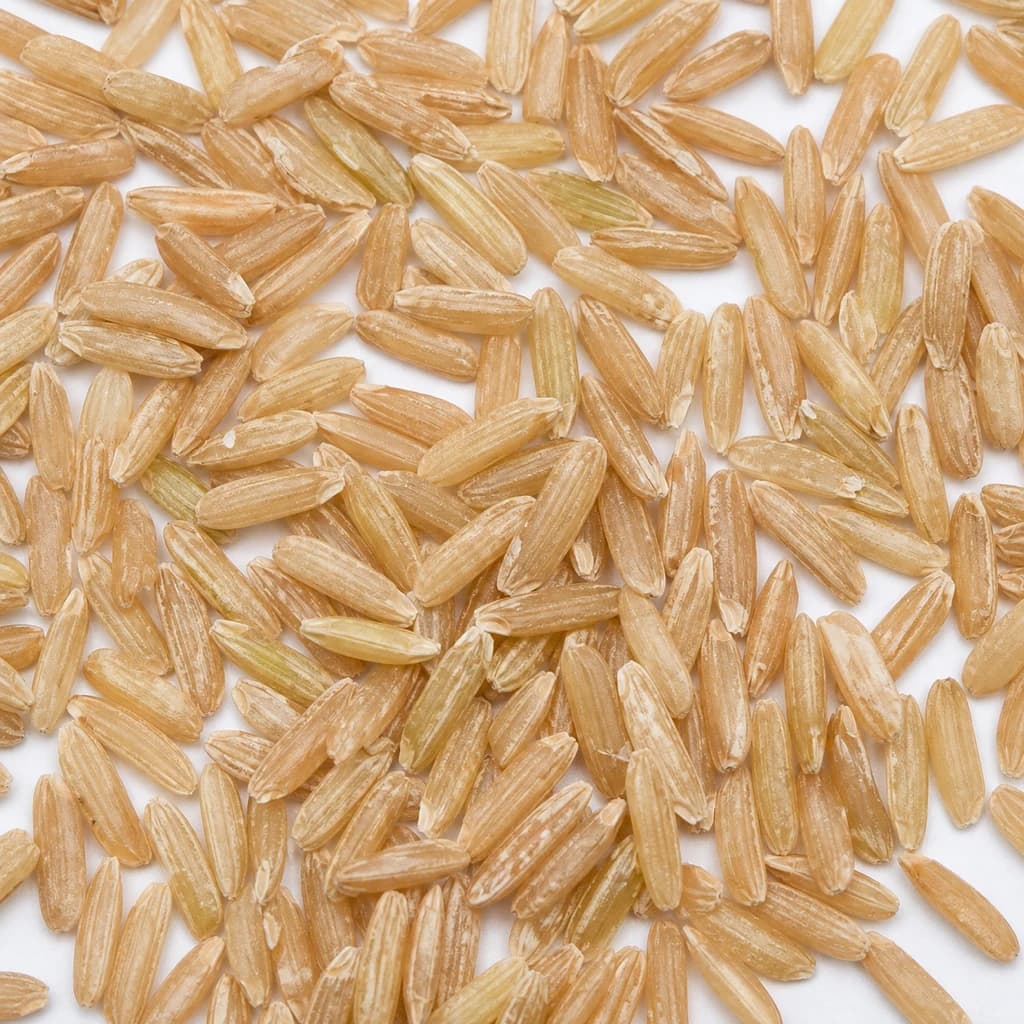
Brown Rice
Nutty, whole-grain rice with chew and extra fiber

Basmati Rice
Fragrant, long-grain rice that cooks up light and separate
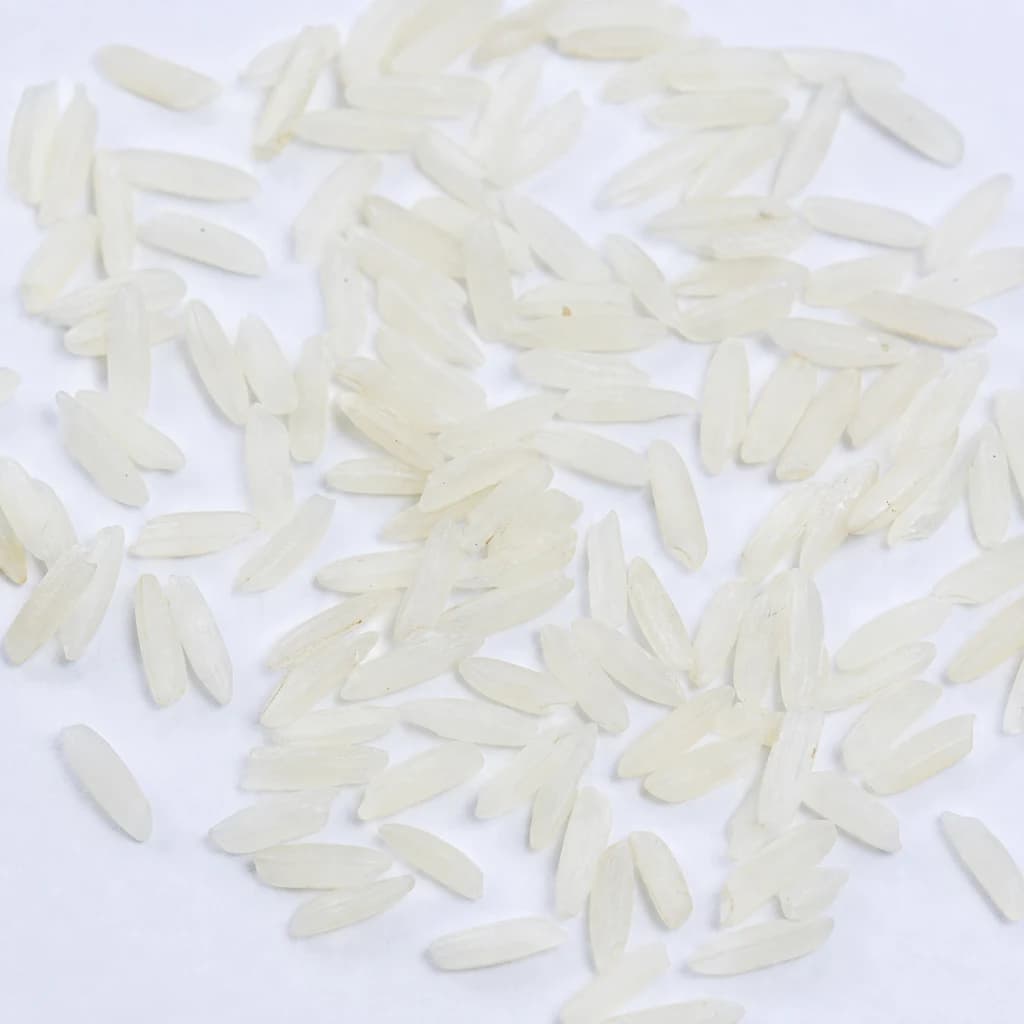
Jasmine Rice
Soft, floral-scented rice that's the pillar of Thai meals
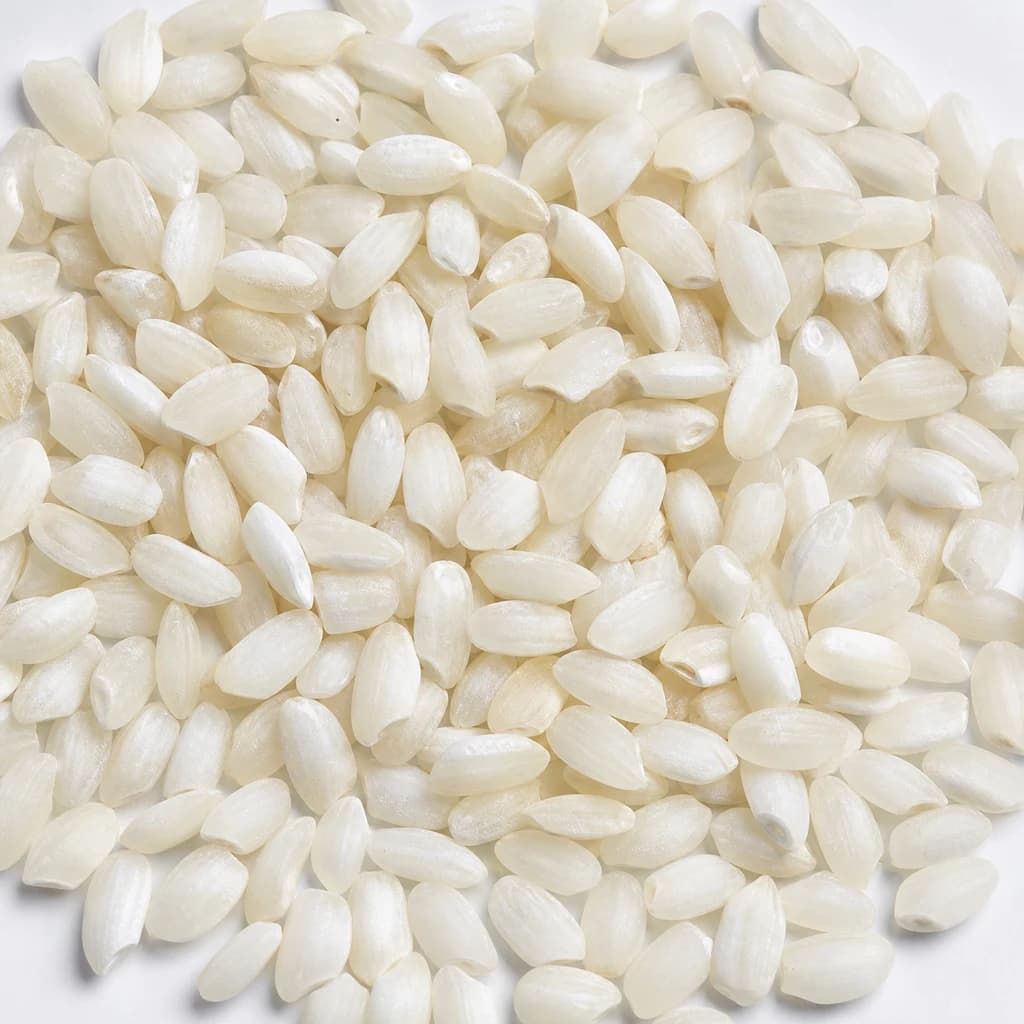
Arborio Rice
Plump, starchy rice that makes risotto creamy
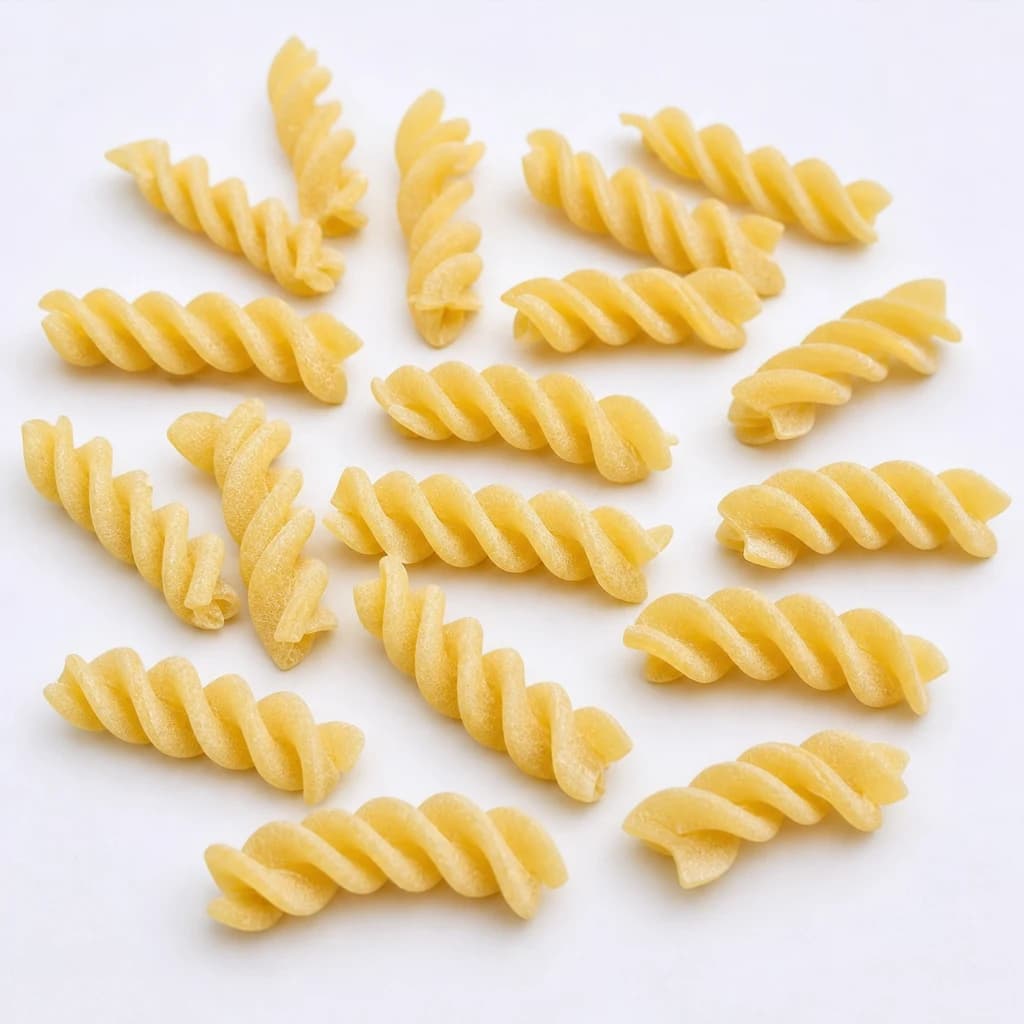
Fusilli
Spiraled pasta that twirls up sauce and dresses cold salads
Rolled Oats
Hearty flakes for porridge, granola, and chewy cookies