Baking
Yam Flour
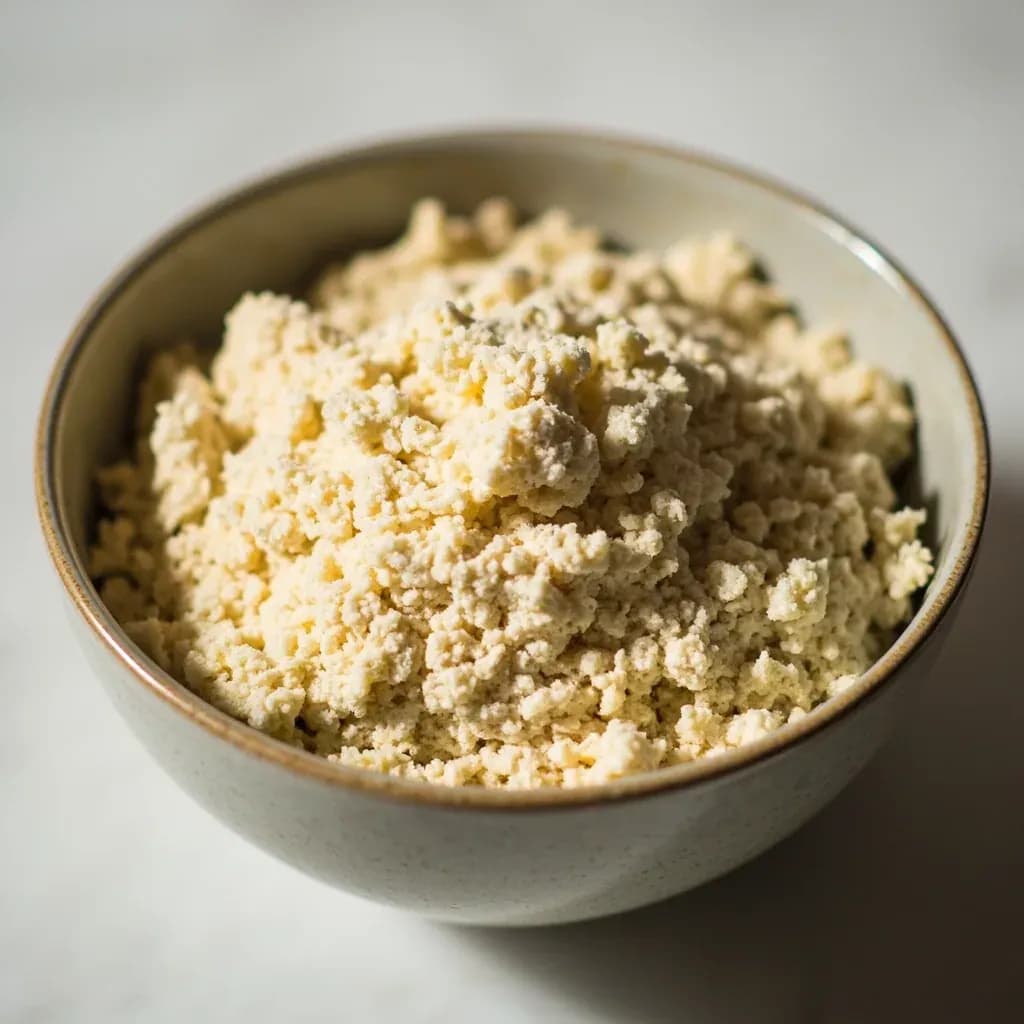
Dried milled yam used to make amala, a smooth Nigerian swallow eaten with soups.
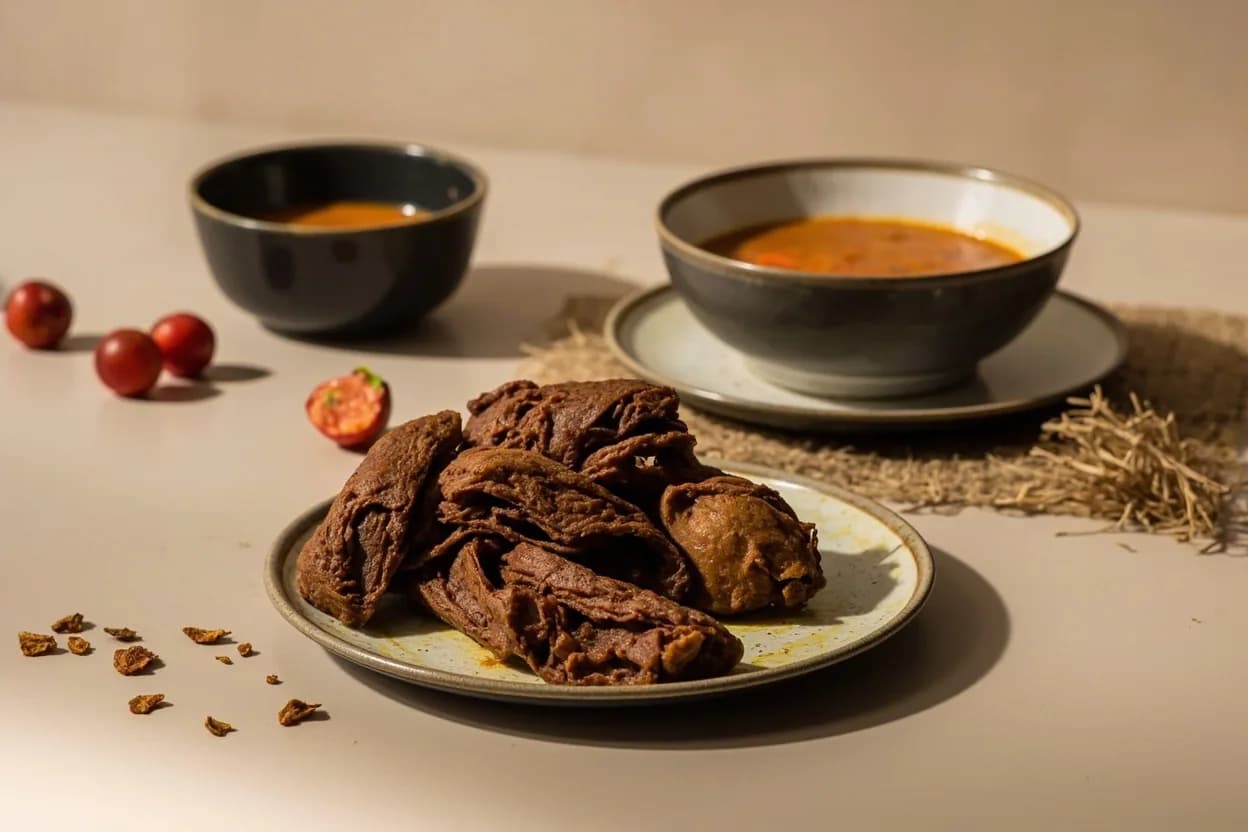
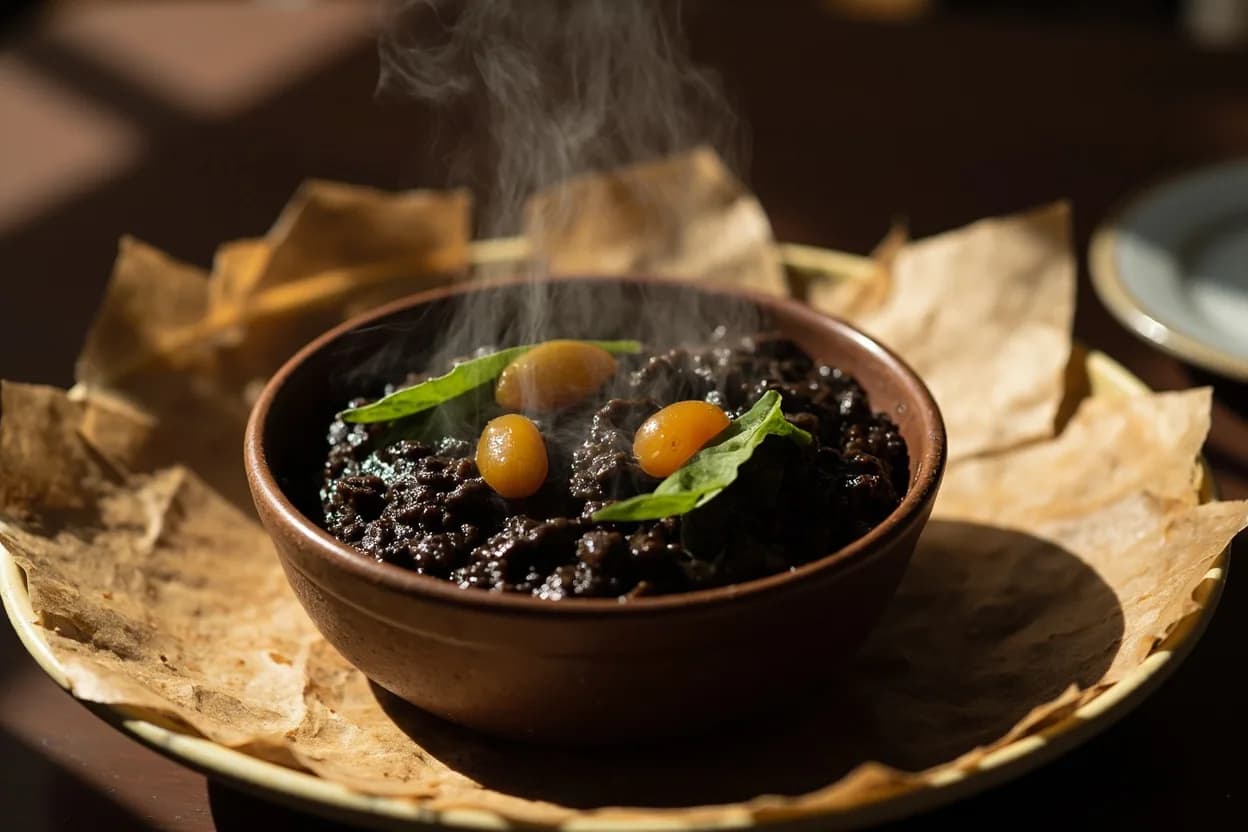
Yam flour is made by drying and milling slices of white yam into a fine powder. In Nigeria it is stirred into hot water to make amala, a smooth dark-brown swallow served with soups like ewedu and gbegiri. The flour has an earthy aroma and turns characteristically brown once cooked.
Yam flour is dried yam tuber that has been peeled, sliced, and ground into a fine powder ranging from off-white to cream-colored. It is the modern, shelf-stable incarnation of a traditional West African staple, produced by sun-drying yam slices before milling them into flour. The flour behaves quite differently from fresh yam: when cooked with water, it hydrates rapidly and transforms into a dense, smooth paste with a slightly elastic quality prized in Nigerian cuisine. White yam flour (elubo odu) is by far the most common variety, ground from Dioscorea rotundata, the species considered the king of yams in Nigeria. The flour reconstitutes into amala, a smooth swallow that serves as the edible counterpart to richly seasoned soups. What makes yam flour remarkable is its ability to create a completely smooth, lump-free texture when prepared correctly — a skill that distinguishes competent cooks in Yoruba and neighboring cultures. Commercial yam flour has made this traditional preparation accessible beyond West Africa, though the quality varies considerably between brands based on how finely the yams are milled and how well they were dried.
- Measured in
- g
- Storage
- Pantry
Types & varieties
Most common variety; produces pale cream-colored amala from Dioscorea rotundata white yams; neutral flavor and smoothest texture
Made from yellow-fleshed yam varieties; yields slightly golden amala; higher natural moisture content can shorten shelf life
Ground from Dioscorea alata water yams; produces denser, slightly gluey amala; more common in rural areas and harder to find commercially
Common uses
Tips & pitfalls
- Toast the flour briefly in a dry pan over medium heat for 1–2 minutes before adding water — this develops a nuttier, more complex flavor in the finished amala
- Add flour to water gradually in small increments, never all at once, to prevent lumps and ensure even hydration
- Stir vigorously and continuously in one direction (clockwise is traditional) to develop the smooth, elastic texture characteristic of good amala
- Remove from heat the instant the dough pulls cleanly from the pot sides — overcooked amala becomes rubbery, dense, and nearly impossible to swallow
- If lumps form during cooking, pass the hot mixture through a fine sieve immediately and stir in a small amount of hot water to smooth
- Use boiling water, not warm or cool — the rapid temperature change is essential for proper gelatinization and smooth texture
- Test freshness by smelling: fresh yam flour smells faintly sweet and nutty; stale flour smells flat or musty
- Leftover amala can be sliced thin and fried in palm oil until crispy for a completely different textural experience called amala fried cake
Nutrition
Nutrition
No USDA FoodData Central match for Yam Flour yet. We surface a per-100 g profile once a generic whole-food entry is matched and verified.
In the shops
Matched grocery products
No matched grocery products for Yam Flour yet.
Good to know
- Origin
- West Africa; Nigeria is the world's largest yam producer and primary source of commercial yam flour
- Primary Use
- Making amala — the smooth Nigerian swallow served with ewedu, gbegiri, and ogbono soups
- Form
- Dried, milled yam tubers ground to a fine off-white to cream-colored powder
- Shelf Life
- 6–12 months in an airtight container, stored in a cool, dry place away from humidity
- Consistency
- 1 part flour to 3–4 parts water yields 2–3 servings of smooth amala
- Prep Time
- Amala takes 8–12 minutes from start to serving once water is boiling
- Equipment Needed
- Heavy-bottomed pot to prevent scorching; wooden spoon or balloon whisk for stirring
- Storage Warning
- Moisture causes caking and mold; insects contaminate unsealed flour quickly
Substitutes
- Cassava Flour — Most common substitute; produces a smoother but slightly grainier swallow with less yam flavor; widely available in West African markets
- Cocoyam Flour — Makes a pale, smooth swallow with an earthy flavor; acceptable for those avoiding yam but not traditional for amala-based meals
- Plantain Flour — Creates a denser, sweeter swallow; works adequately with soups but lacks the neutral flavor profile preferred in Nigerian context
- Gari (Fermented Cassava Granules) — Not a direct substitute — the coarse texture is too grainy for smooth amala; use only in emergencies and grind very finely before cooking
Pairs with
Also called
Elubo · Amala Flour
Appears in these dishes
Related

All-Purpose Flour
The do-anything flour for bread, cakes, sauces, and dredging

Bread Flour
High-protein flour for chewy, well-risen breads
Whole Wheat Flour
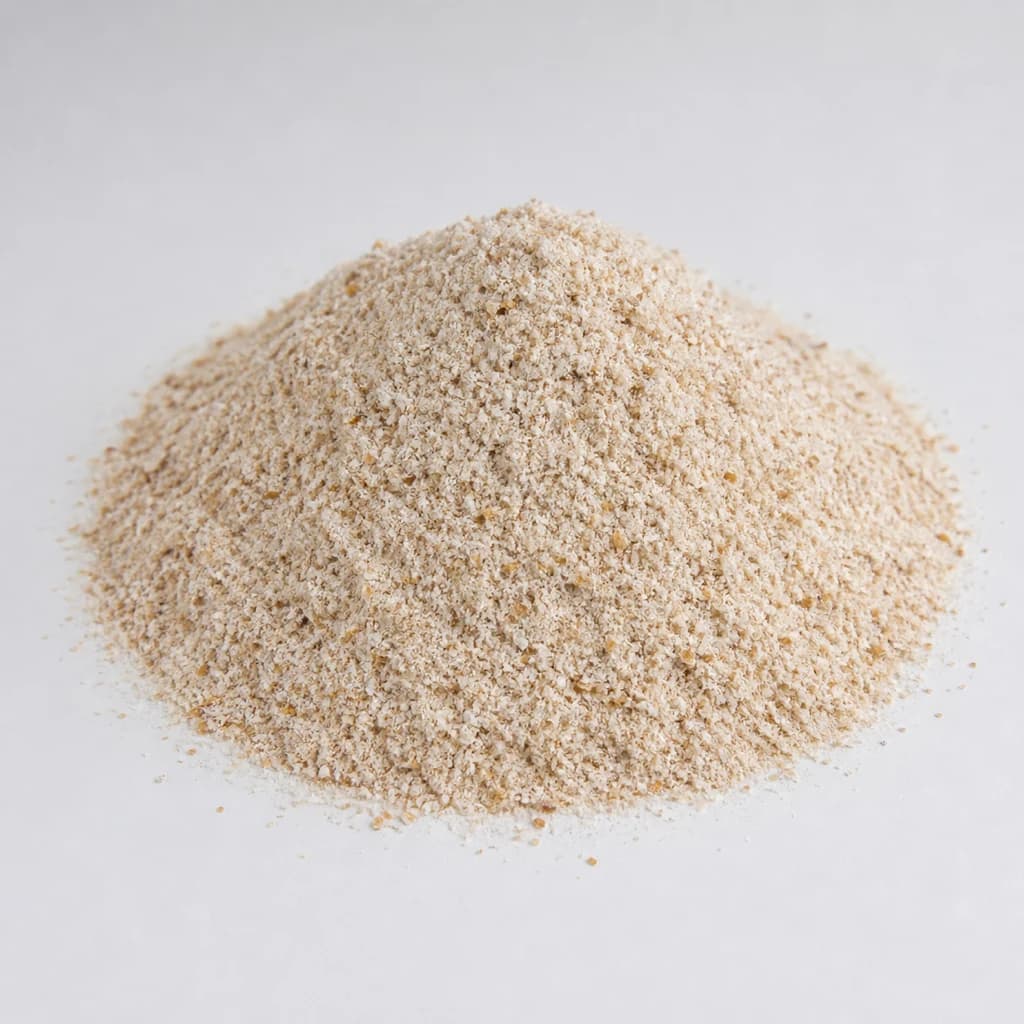
Nutty, whole-grain flour for hearty breads and bakes
Cake Flour
Fine, low-protein flour for tender, delicate cakes
Almond Flour
Nutty, gluten-free flour for macarons and tender bakes

Baking Powder
All-in-one leavener for fluffy cakes, pancakes, and biscuits

Baking Soda
Pure leavener that needs acid to lift — and tenderize
Yeast
Living leaven that makes bread rise and dough come alive