Grains & Rice
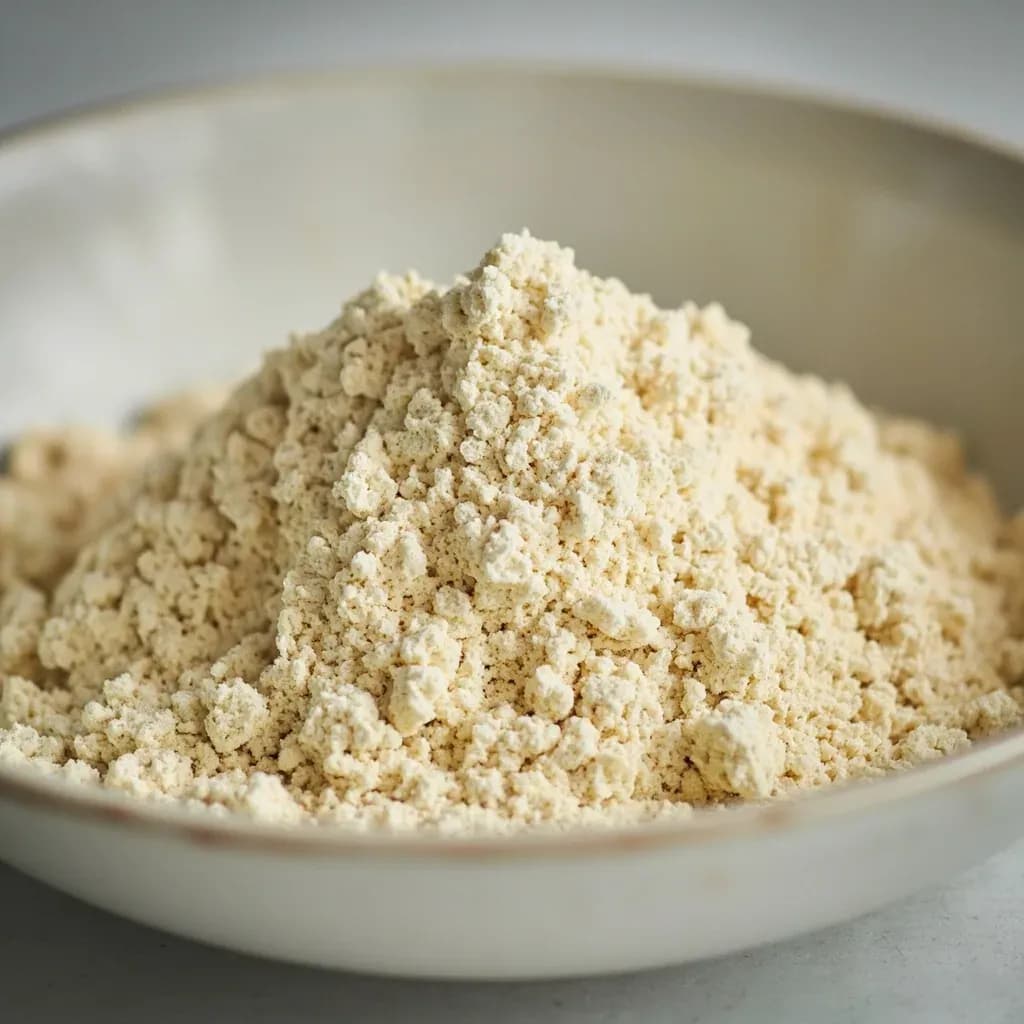
Funje Flour Base
Cassava (or corn) flour cooked into Angola's smooth, stiff staple porridge.
Funje is an Angolan staple made by stirring cassava flour (or sometimes cornmeal) into boiling water to form a smooth, stiff, dough-like porridge. It is bland by design, serving as a neutral base eaten with flavorful stews, fish, and sauces. The flour base is what cooks pour in to build it.
Funje is Angola's essential starchy staple — a dense, smooth porridge made by cooking cassava or corn flour in boiling water until it reaches a firm, pliable consistency. Unlike fluffy polenta or American cornbread, funje is deliberately neutral and dense, designed to absorb and carry the bold flavors of surrounding stews rather than assert its own character. It occupies a unique role in the meal: the edible utensil that replaces fork and spoon, rolled into small balls with the right hand and used to scoop calulu, moamba, or grilled fish directly from the shared platter.
The dish bridges Angola's African heritage and Portuguese colonial influences. Cassava (known locally as mandioca or yuca) arrived from South America via Portuguese trade routes and gradually displaced indigenous grains to become the dominant starch in Angolan cuisine. Funje appears on tables in Luanda's coastal neighborhoods and inland provinces alike, unifying a geographically diverse nation around a single culinary foundation. The porridge is always an accompaniment — never served as a soup — and is meant to remain deliberately plain so it can perform its dual function as food and fork.
In texture and purpose, funje parallels ugali in East Africa, sadza in Southern Africa, and fufu across West Africa — part of a pan-African family of stiff porridges that serve as the structural backbone of meals. The flour itself (called farinha de funje when sold commercially) keeps for 6–12 months in an airtight container, making it a practical pantry staple for both urban and rural households.
- Measured in
- g
- Storage
- Pantry
Types & varieties
Made from cassava flour; the more traditional Angolan version, slightly denser texture
Made from corn (maize) flour; lighter color and milder flavor; common in coastal regions
Commercially sold flour blend specifically calibrated for funje; may include cassava and corn mixed
Common uses
Tips & pitfalls
- Always add flour to boiling water gradually while whisking vigorously — never dump all at once or lumps will form that persist through cooking
- Cook at a gentle simmer for 5–10 minutes after initial thickening to eliminate raw flour taste and achieve smooth elasticity
- The porridge is done when it pulls cleanly from the sides of the pot with a slight sheen — test by dragging a wooden spoon through the center
- Season the cooking water with salt and a small amount of palm oil for authentic flavor and the characteristic orange-red tint
- If the mixture becomes too stiff, add hot water sparingly and stir vigorously; cold water causes clumping that cannot be reversed
- Common mistake: removing from heat too early — the raw flour taste will persist and the texture will be gluey rather than smooth
- Use a heavy-bottomed pot to distribute heat evenly and prevent scorching on the bottom, which imparts a burnt taste
- Traditional preparation uses a wooden paddle (cafungo) to stir — the rhythmic motion develops the correct smooth, cohesive texture that holds together when rolled
Nutrition
Nutrition
No USDA FoodData Central match for Funje Flour Base yet. We surface a per-100 g profile once a generic whole-food entry is matched and verified.
In the shops
Matched grocery products
No matched grocery products for Funje Flour Base yet.
Good to know
- Base flour
- Cassava flour (predominant) or corn flour
- Origin
- Angola, Central/Southwest Africa
- Category
- Starch staple / thickener
- Typical preparation
- Flour whisked into boiling water, cooked until smooth and stiff
- Consistency
- Dense, smooth porridge; firm enough to hold shape when scooped
- Traditional service
- Eaten by hand, rolled into small balls to scoop stews
- Shelf life (flour)
- 6–12 months in airtight container, away from moisture
- Gluten-free
- Yes, when made from cassava or corn (verify no wheat additive)
- Common synonyms
- Funge, funji; Farinha de Funje (the flour itself)
Substitutes
- Fine cornmeal or masa harina — Closest substitute for funje de milho; cook the same way with boiling water and salt
- Cassava starch or tapioca flour — Creates a glossier, slightly more gelatinous result; use slightly less water than usual
- Semolina (coarse wheat flour) — Not gluten-free; produces a similar dense porridge texture common in West African cooking
- Fufu flour (West African cassava blend) — Functionally identical; same preparation method and result
Pairs with
Also called
Funge · Cassava Funje
Related

White Rice
Fluffy long-grain rice — the neutral base for almost any meal

White Bread
Soft sandwich loaf for toast, sandwiches, and crumbs
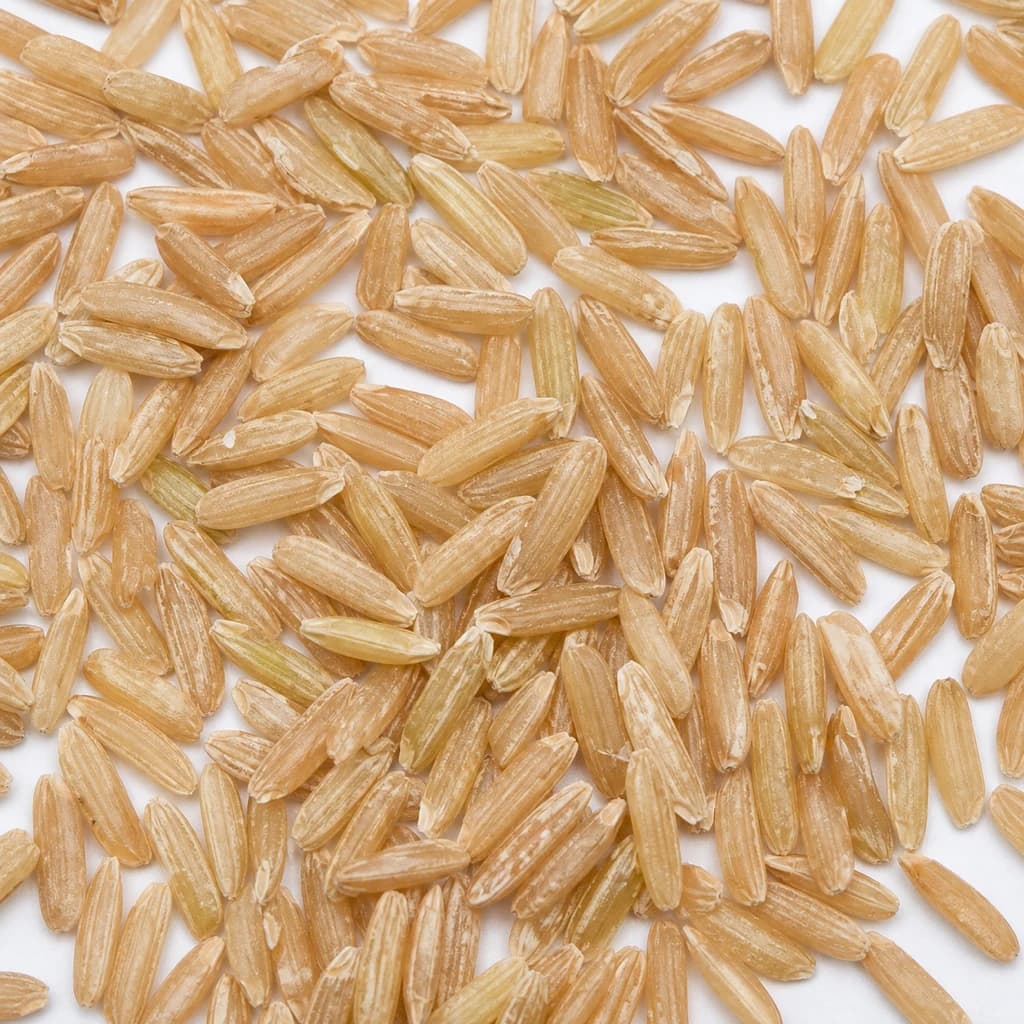
Brown Rice
Nutty, whole-grain rice with chew and extra fiber

Basmati Rice
Fragrant, long-grain rice that cooks up light and separate
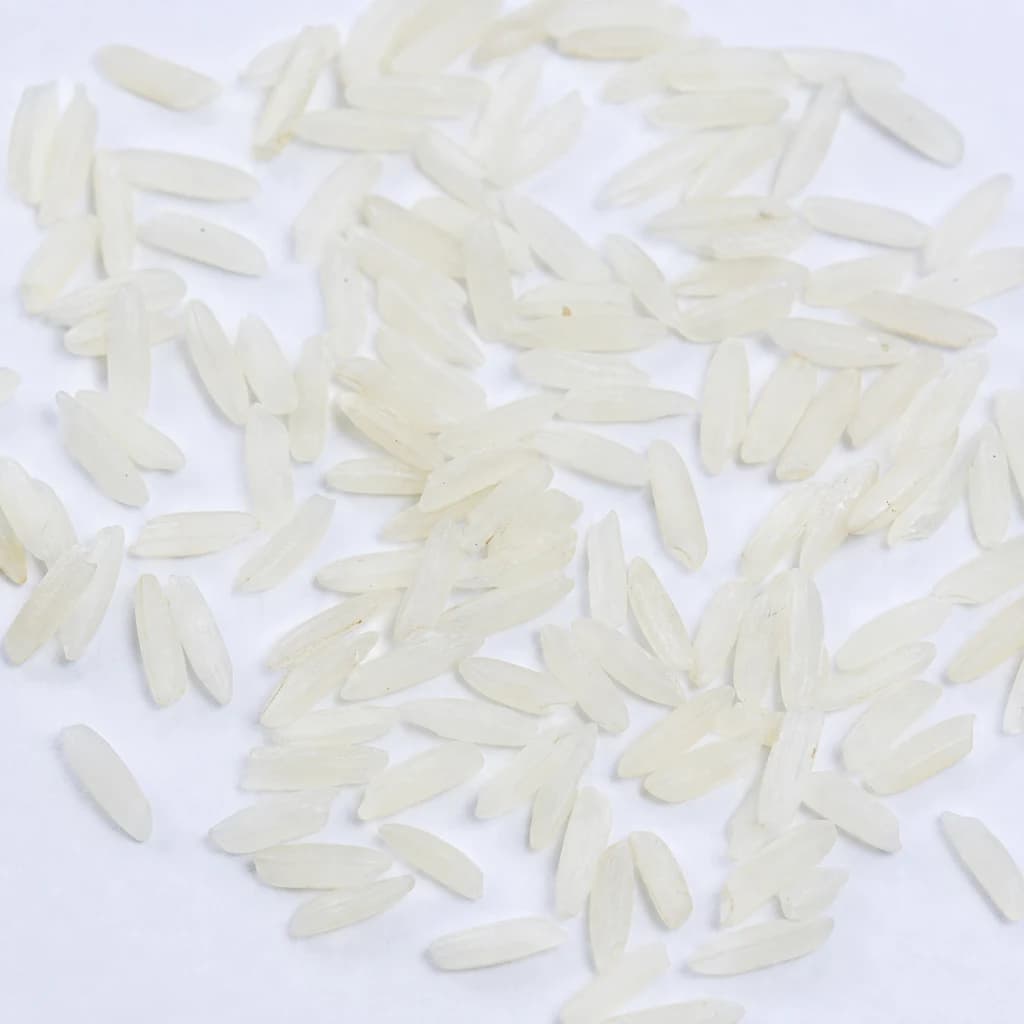
Jasmine Rice
Soft, floral-scented rice that's the pillar of Thai meals
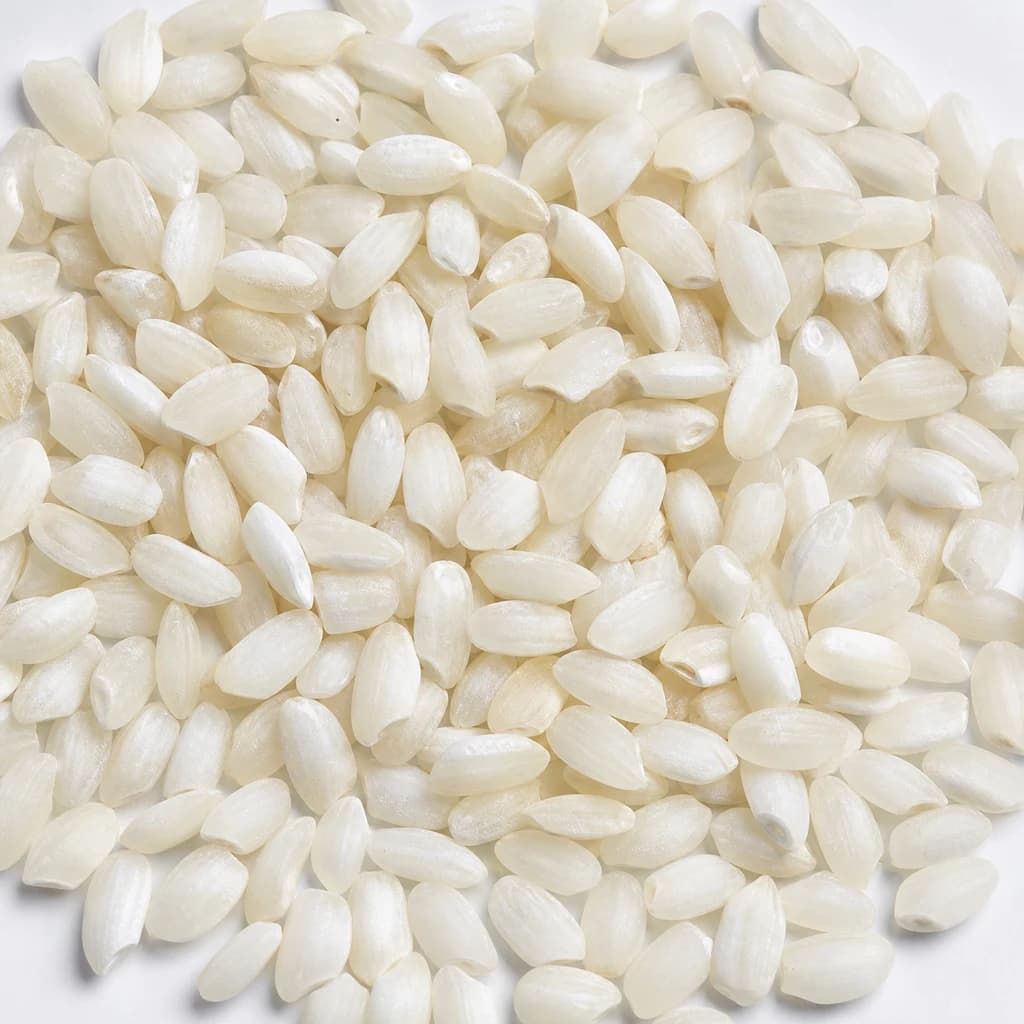
Arborio Rice
Plump, starchy rice that makes risotto creamy
Fusilli
Spiraled pasta that twirls up sauce and dresses cold salads
Rolled Oats
Hearty flakes for porridge, granola, and chewy cookies