Grains & Rice
Hard Dough Bread
Dense, slightly sweet Jamaican white bread with a firm, springy crumb.
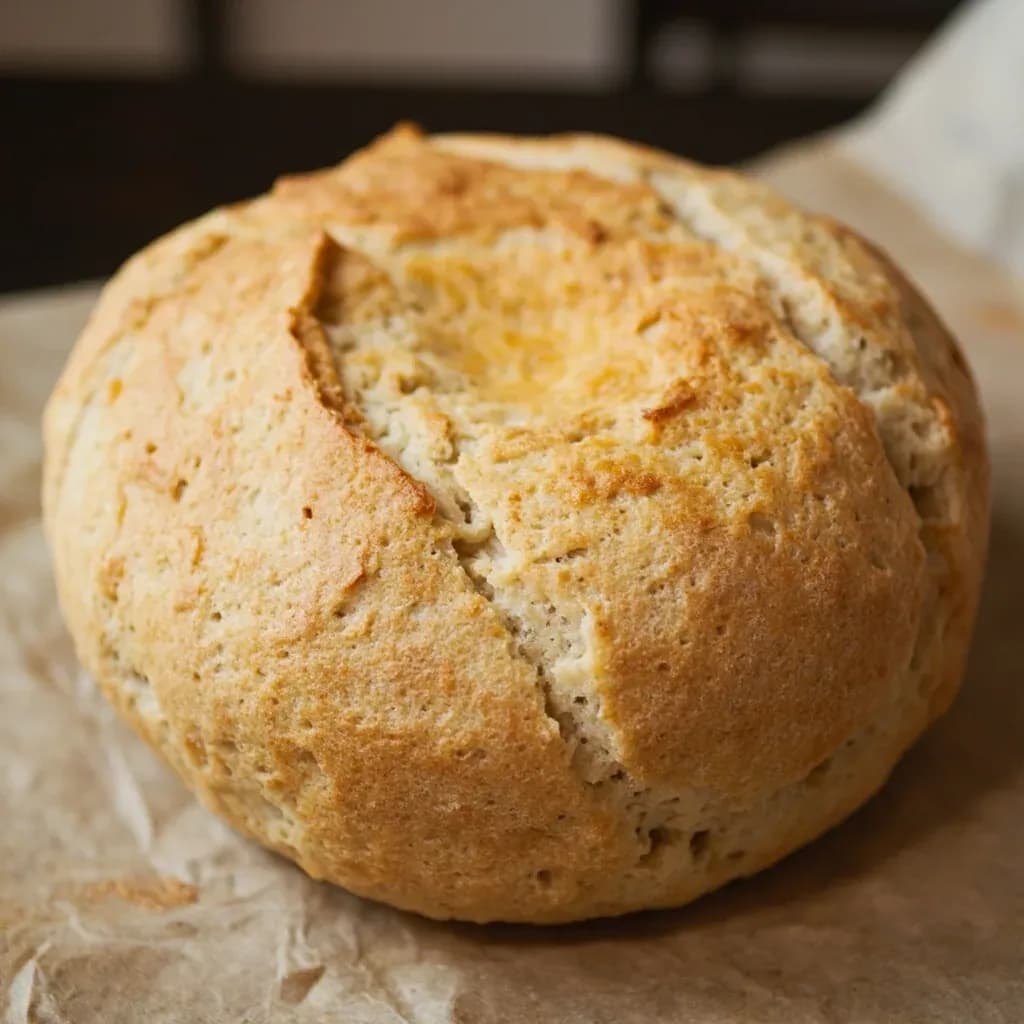
Hard dough bread, or 'hardo' bread, is a dense Caribbean white loaf with a firm, springy, slightly sweet crumb. A Jamaican staple influenced by Chinese baking, it holds up well to toasting and sandwiches. It is sold in round or sandwich loaves and prized for its substantial chew.
Hard Dough Bread is a dense, slightly sweet white bread that originated in Jamaica and remains a cornerstone of Caribbean baking. Unlike standard sandwich bread, it is formulated with lard or vegetable shortening, which tenderizes the crumb and gives it a firm, springy texture that holds together beautifully when sliced thin. A modest amount of sugar in the dough contributes a subtle sweetness that balances savory fillings. The bread typically achieves a glossy, golden-brown crust via egg wash, making it visually distinctive on the bakery shelf. Its denser structure and lower moisture content give it a significantly longer shelf life than typical white bread—an important practical advantage in warm Caribbean climates. Hard Dough Bread is traditionally served alongside Jamaican beef patties, where its sturdiness holds up to the flaky curried filling, but its versatility extends well beyond that iconic application.
- Measured in
- piece
- Storage
- Pantry
Allergens
Types & varieties
Most common; rectangular loaf for sandwich slicing
Small, individual-sized round loaves, often sold at bakeries
Some traditional versions incorporate coconut milk for added richness and subtle sweetness
Modern variation using partial whole wheat flour; slightly denser
Why the Fat Matters
Lard or shortening is not incidental in Hard Dough Bread—it is structural. These fats coat flour proteins during mixing, temporarily hindering gluten development, then melt during baking to leave a tender, close-grained crumb. The result is bread that cuts cleanly without crumbling, an essential quality for slicing thin and for withstanding wet fillings. Vegetable shortening is the practical modern substitute that delivers nearly identical results.
- Lard produces the most traditional flavor and texture
- Vegetable shortening works well and is more widely available
- Avoid substituting oil, which changes crumb structure significantly
Hard Dough vs. Standard White Bread
The distinction is not merely density. Hard Dough contains more fat and slightly more sugar than standard white sandwich bread, and it is typically baked at a lower temperature for longer, which develops the crust gradually without over-drying the dense interior. The crumb should spring back when pressed lightly—a sign of proper gluten structure and adequate hydration. Unlike fluffy commercial white bread, Hard Dough does not compress easily, making it suitable for hearty sandwiches and dishes with wet fillings.
- Test doneness by tapping the bottom of the loaf—it should sound hollow
- The bread continues to set as it cools; patience prevents a gummy center
- A slightly tacky dough (not sticky) produces the best dense crumb
Common uses
Tips & pitfalls
- Allow the loaf to cool completely—at least 1 hour after removing from the oven—before slicing. Cutting too soon produces gummy, compressed cuts that seal rather than separate.
- Knead thoroughly for 8–10 minutes by hand (or 4–6 minutes in a stand mixer with dough hook) to develop the gluten structure that gives the characteristic dense, springy crumb.
- Use an egg wash (beaten egg or egg yolk mixed with a splash of water or milk) before baking to achieve the signature glossy, golden-brown crust.
- For an even denser crumb with better keeping quality, reduce hydration slightly below typical bread formulas—the dough should be firm and slightly tacky, not sticky.
- Brush the crust with butter immediately after removing from the oven for a softer, more pliable crust that won't crack when sliced thin.
- Store cut side down on a cutting board or in a paper bag to maintain freshness without trapping moisture that leads to sogginess.
- To refresh day-old bread, slice and toast lightly before serving—this restores crispness to the crust and plumps the crumb.
- If baking in a humid climate, reduce sugar slightly to prevent excess browning before the interior fully sets.
Nutrition
Energy
1113 kJ · per 100 g
Where the calories come from
Protein
12.5g
25% DV
Carbs
47.1g
17% DV
Fat
3.1g
4% DV
Fiber
6.3g
23% DV
Sugars
9.4g
of which
Sodium
375mg
16% DV
Source · USDA FoodData Central · approx. Bread, potato
View on FDC →In the shops
Matched grocery products
No matched grocery products for Hard Dough Bread yet.
Good to know
- Origin
- Jamaica, Caribbean
- Type
- Dense white sandwich bread
- Primary Flour
- Refined wheat flour
- Key Fat
- Lard or vegetable shortening
- Sweetener
- Sugar (small amount)
- Typical Yeast
- Instant or active dry yeast
- Crumb Texture
- Firm, dense, slightly springy
- Crust
- Golden-brown, often glossy from egg wash
- Shelf Life
- 5–7 days at room temperature (longer than standard white bread)
- Storage
- Cool dry place; freeze for extended storage
- Common Size
- Standard loaf pan, also available as small individual rounds
- Cultural Significance
- Staple in Jamaican cuisine; traditional accompaniment for Jamaican beef patties
Substitutes
- Cuban Bread — Closest texture and structure; slightly softer but holds similar density for sandwiches and can substitute in beef patties
- French Pain de Campagne — Acceptable for toasting; softer crumb but similar sturdy crust and good slicing quality
- Portuguese Broa — Comparable density; more cornmeal gives a different flavor profile but similar structural integrity
Pairs with
Also called
Hardo Bread · Jamaican Hard Dough Bread
Appears in these dishes
Related

White Rice
Fluffy long-grain rice — the neutral base for almost any meal

White Bread
Soft sandwich loaf for toast, sandwiches, and crumbs
Brown Rice
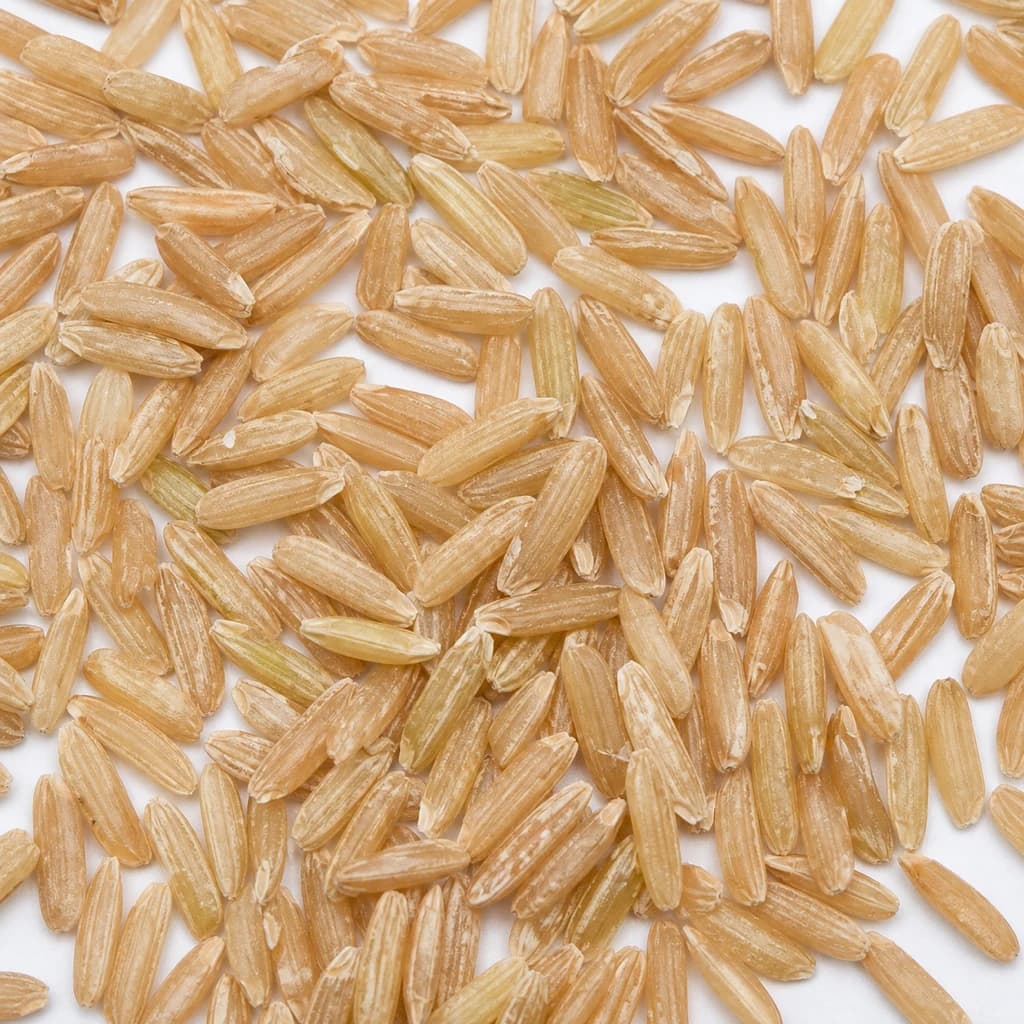
Nutty, whole-grain rice with chew and extra fiber

Basmati Rice
Fragrant, long-grain rice that cooks up light and separate
Jasmine Rice
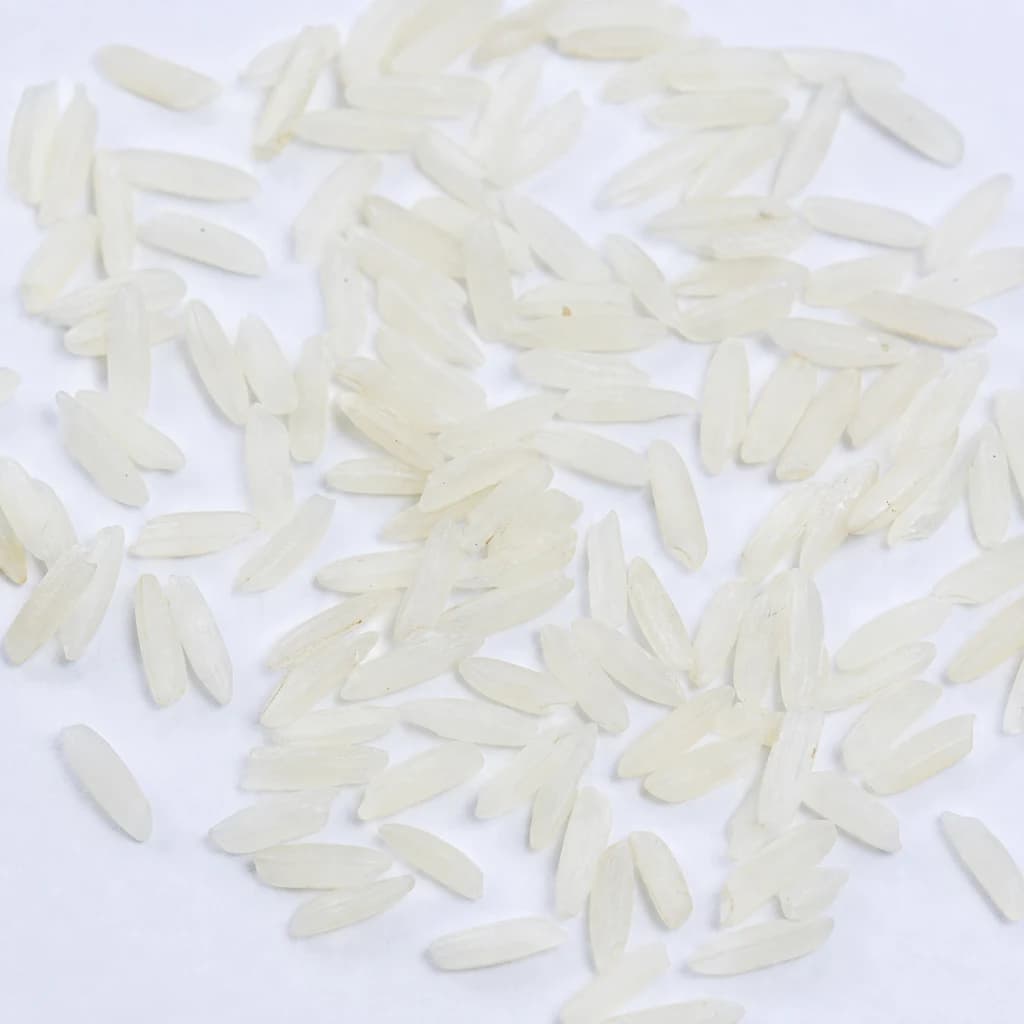
Soft, floral-scented rice that's the pillar of Thai meals
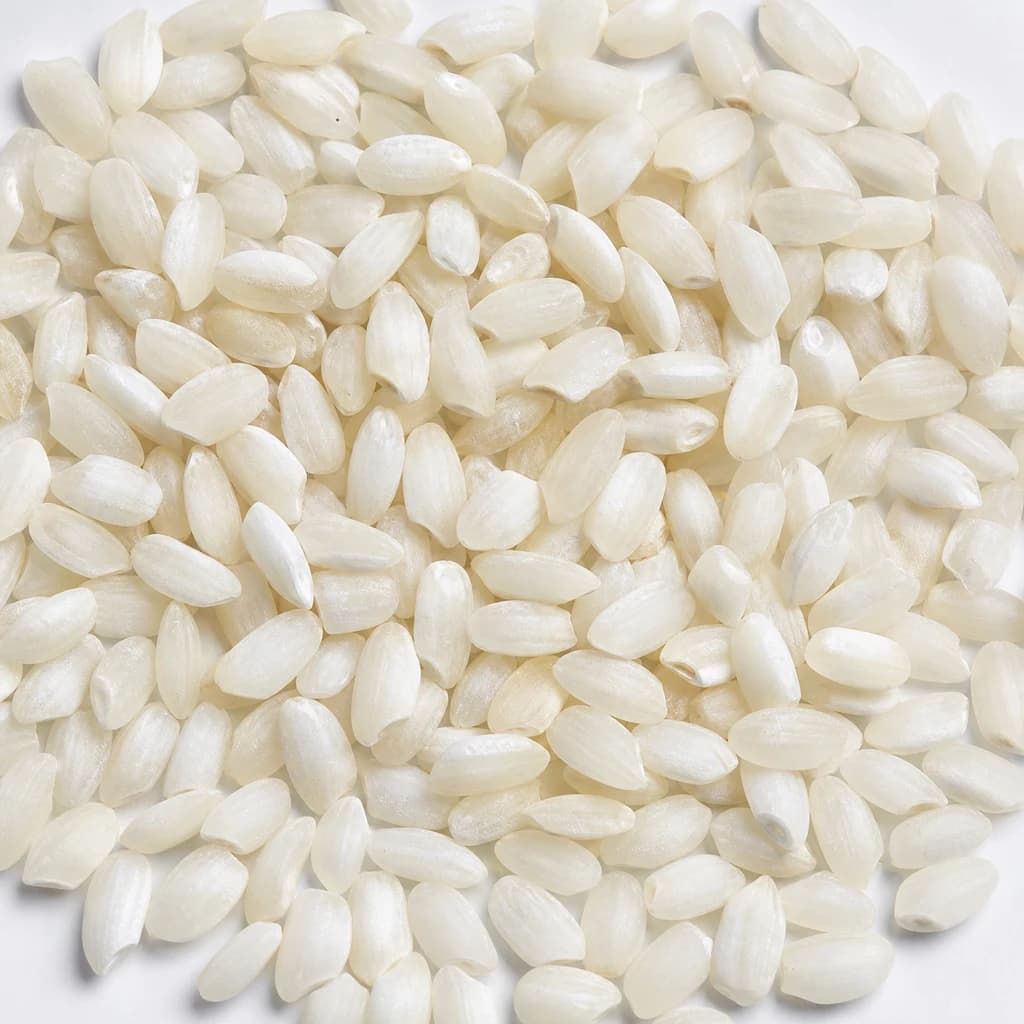
Arborio Rice
Plump, starchy rice that makes risotto creamy
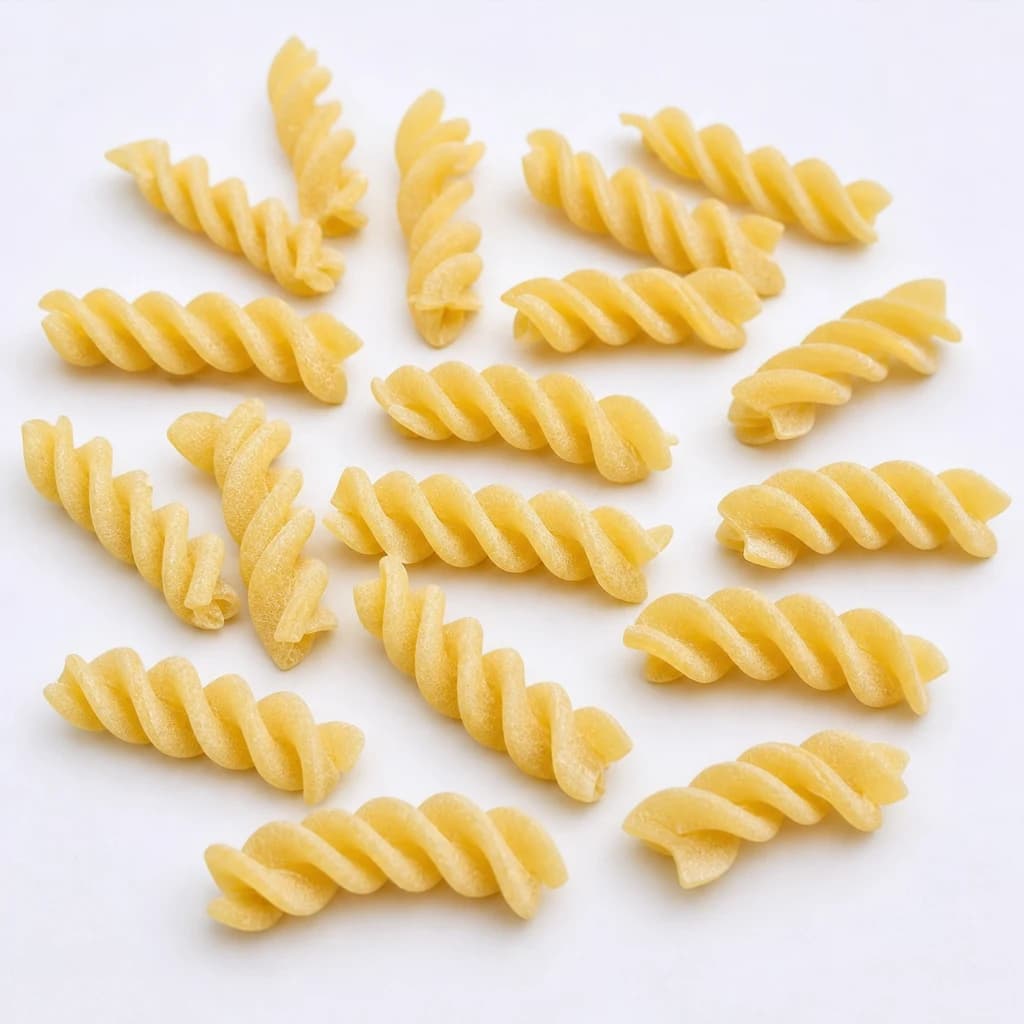
Fusilli
Spiraled pasta that twirls up sauce and dresses cold salads
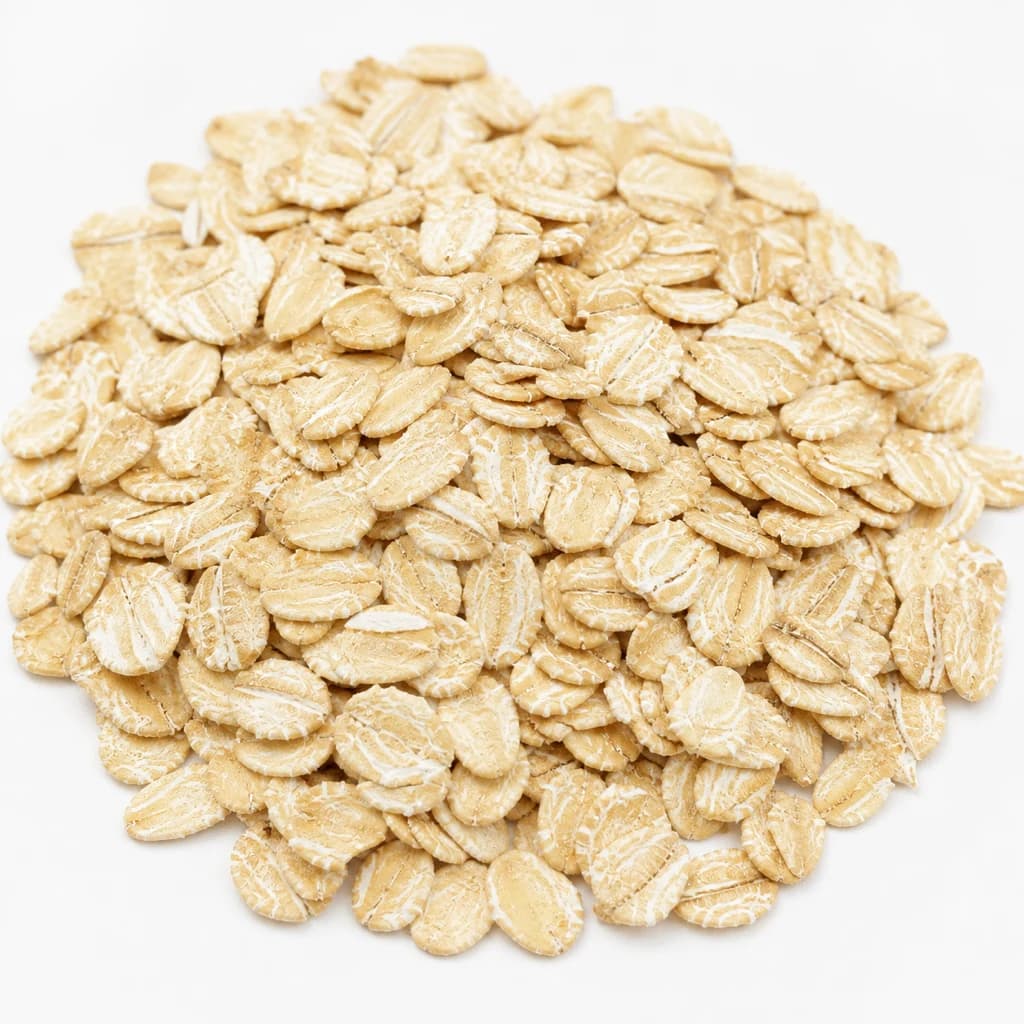
Rolled Oats
Hearty flakes for porridge, granola, and chewy cookies