Grains & Rice
Maris Otter Malt
Prized English barley malt giving ales a rich, biscuity, nutty backbone.
Maris Otter is a heritage two-row barley variety malted for brewing, especially traditional English ales. It is celebrated for the deep, biscuity, slightly nutty malt character it lends to beer and its reliable performance in the mash. Brewers and bakers value its full, bready flavor over more neutral modern malts.
Maris Otter is a two-row winter malting barley variety developed at the Plant Breeding Institute in Cambridge, England in 1966 by Dr. G. D. H. Bell. Despite being nearly six decades old and largely replaced by higher-yielding modern varieties in large-scale commercial brewing, it remains the benchmark English base malt for craft and traditional brewers. Its enduring appeal lies in consistently excellent modification during malting, a favorable protein-to-enzyme ratio, and a distinctive rich, biscuity, nutty flavor that defines traditional British ale character. The variety has experienced renewed interest with the craft brewing revival and is now also grown in North America by specialty maltsters, though flavor intensity can vary slightly depending on growing conditions and malting regime. When sourced properly, Maris Otter delivers a depth of malt backbone that modern high-yield varieties simply cannot match, making it the preferred choice for any beer where authentic English character is the goal.
- Measured in
- g
- Storage
- Pantry
Allergens
Types & varieties
The standard form; lightly kilned to preserve enzymatic activity and delicate flavor
Traditional floor malting gives slightly more complex flavor; smaller batches, artisan producers
A darker version (typically 10–15 EBC) for adding color and richer malt character
Why Maris Otter Dominates Traditional English Brewing
Maris Otter succeeded the older Proctor variety because it offered superior malting characteristics: even germination, consistent modification, and a desirable kernel size that milled well. The variety produces a malt with the classic English flavor profile—honeyed biscuits, toasted bread crust, and a subtle nuttiness—that became inseparable from styles like Best Bitter, Ordinary Bitter, and Strong Ales. Modern high-yield varieties may offer greater agricultural efficiency, but they often produce malt with a blander, less complex character. When sourcing, specify 'Maris Otter' rather than generically 'English pale malt' to ensure you receive this specific variety and its authentic character.
- Request the crop year when ordering; fresher malt produces noticeably better flavor
- North American-grown Maris Otter may have slightly different flavor nuances due to climate and soil
Assessing Quality Before Use
Properly modified Maris Otter should feel slightly soft when bitten and show visible signs of modification when split. The husks should remain largely intact after milling, which protects against stuck sparges in the lauter tun. A simple sink-or-float test can indicate viability: fresh, viable kernels sink in water. Conducting a modified iodine test before committing to a full mash helps identify conversion issues early.
- Avoid malt that smells papery, stale, or musty—these indicate aged or improperly stored stock
- Visible mold, dark spotting, or excessive dust signals contamination or spoilage
Common uses
Tips & pitfalls
- Buy freshly milled grain or mill just before use; ground malt stales faster than whole grain
- Crush malt gently with a mill set to produce mostly broken husks, not flour; husks protect against stuck sparges
- Steep crushed malt in strike water at 152–156°F (67–69°C) for enzymatic conversion; lower temps favor more maltose, higher temps more dextrins
- Test for complete conversion with an iodine test: a drop of iodine turning blue-black indicates unconverted starch remains
- Store in a sealed container with oxygen absorbers or use within 3 months for best flavor; aged malt develops stale, papery notes
- Do not over-sparge; Maris Otter's moderate tannins require attention to pH (target 5.2–5.6) to avoid astringency
- When substituting in recipes designed for other malts, reduce extraction efficiency by ~3–5% if using American-grown Maris Otter
Nutrition
Nutrition
No USDA FoodData Central match for Maris Otter Malt yet. We surface a per-100 g profile once a generic whole-food entry is matched and verified.
In the shops
Matched grocery products
No matched grocery products for Maris Otter Malt yet.
Good to know
- Type
- Two-row winter malting barley (Hordeum vulgare)
- Origin
- Plant Breeding Institute, Cambridge, England, 1966
- Grain Protein
- Approximately 9.5–11% (lower than many modern varieties)
- Extract Yield
- High friability; typically 80%+ when properly malted
- Typical EBC Color
- 5–8 EBC (pale ale malt); varies by kilning
- Enzymatic Activity
- Moderate to good diastatic power despite base malt status
- Storage
- Cool, dry place; best within 6 months of delivery for peak flavor
- Availability
- Widely available from UK and US malt suppliers; check freshness before purchase
Substitutes
- Golden Promise — Scottish malting barley variety; similar rich, malty backbone; excellent 1:1 substitute if unavailable
- Optic — Modern English variety; cleaner, slightly less complex flavor; good 1:1 substitute in brewing
- Halcyon — Another Cambridge-bred variety; higher extract, slightly sweeter; use at 90% the amount
- Biscuit Malt — Provides similar toasted, biscuity character but adds significant color (25–45 EBC); use sparingly as complement, not direct substitute
- Munich Malt (light) — Imparts rich, malty sweetness but minimal enzymes; best used as 10–20% of grist with a base malt that has high diastatic power
Pairs with
Also called
Maris Otter Pale Malt
Related

White Rice
Fluffy long-grain rice — the neutral base for almost any meal

White Bread
Soft sandwich loaf for toast, sandwiches, and crumbs
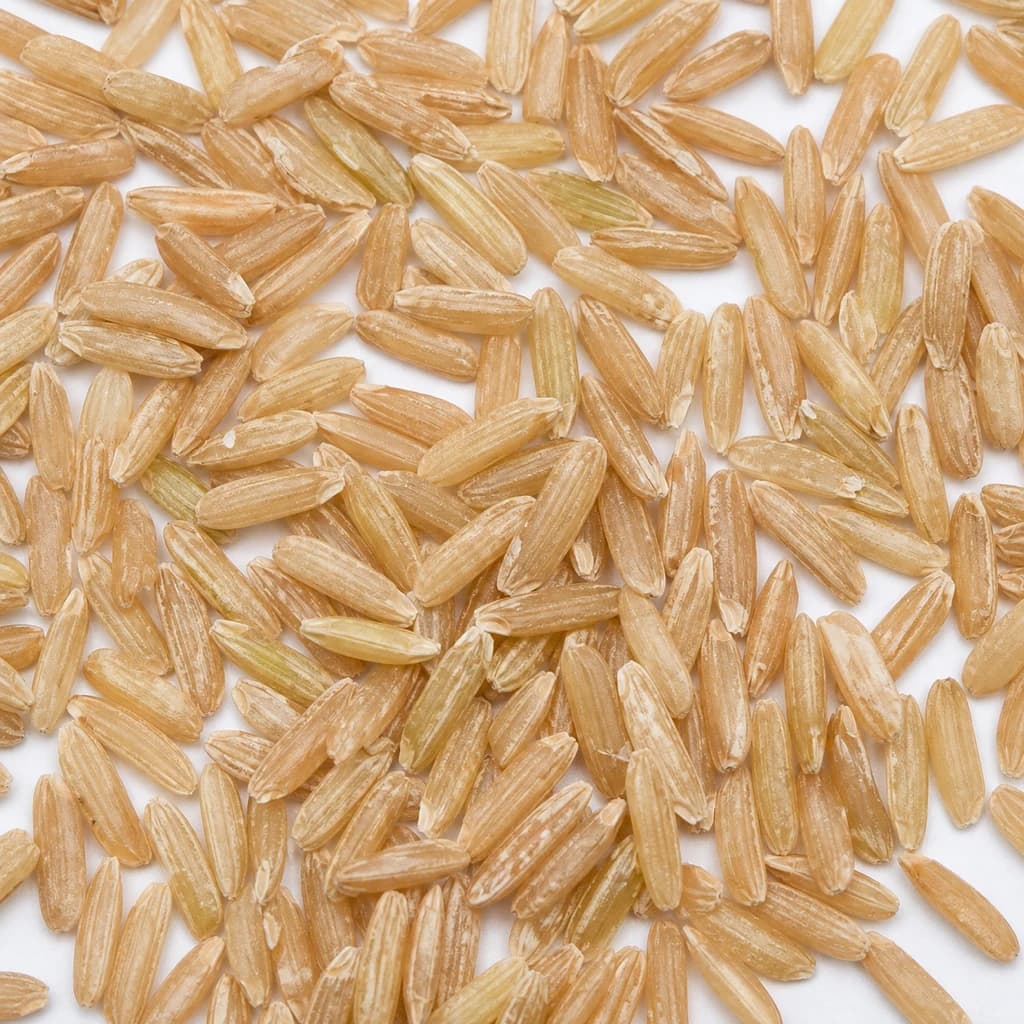
Brown Rice
Nutty, whole-grain rice with chew and extra fiber

Basmati Rice
Fragrant, long-grain rice that cooks up light and separate
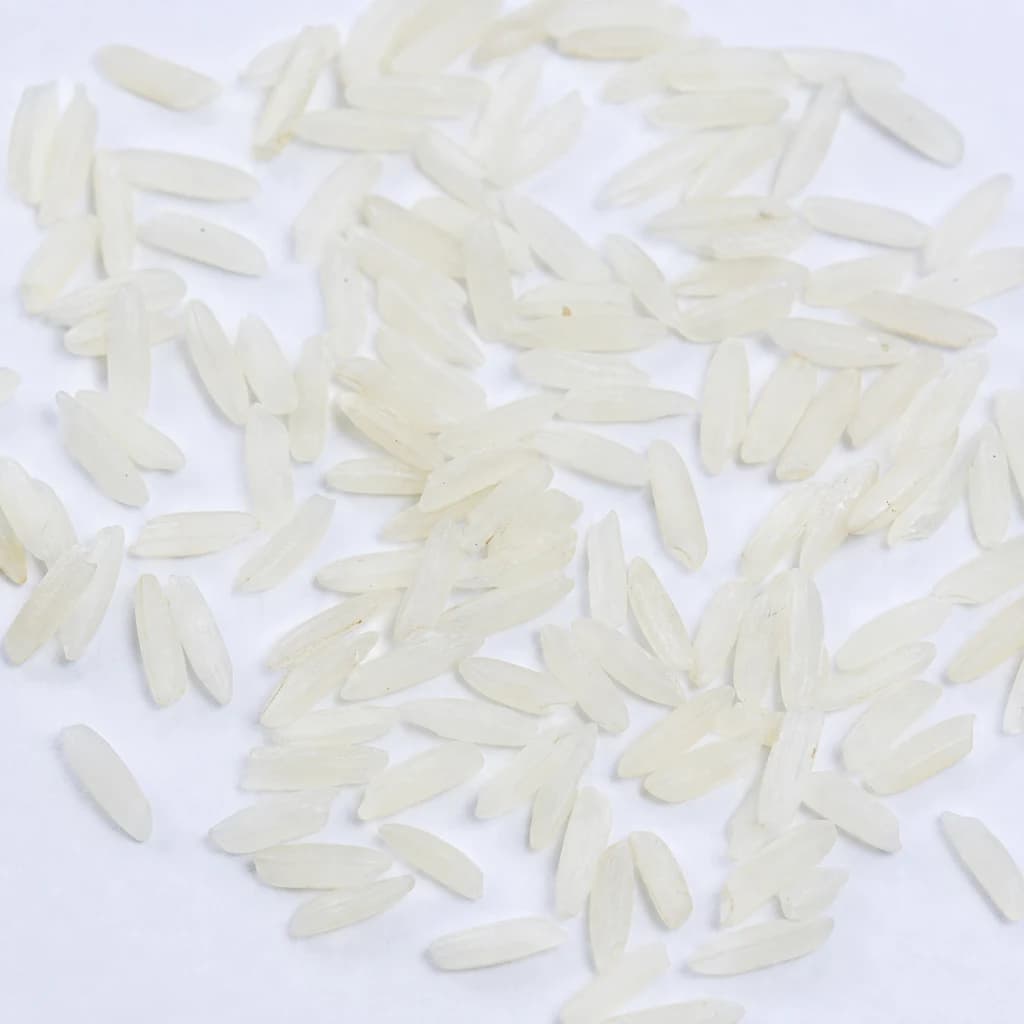
Jasmine Rice
Soft, floral-scented rice that's the pillar of Thai meals
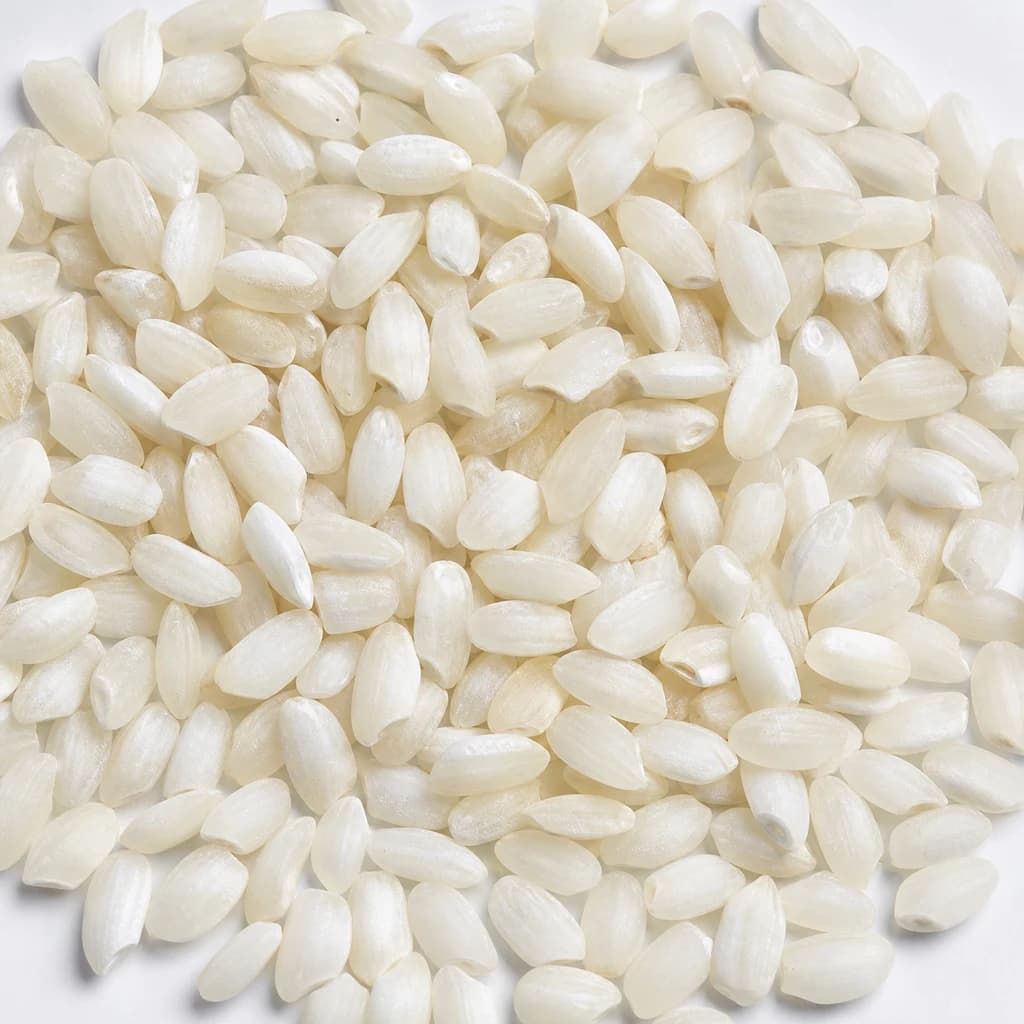
Arborio Rice
Plump, starchy rice that makes risotto creamy
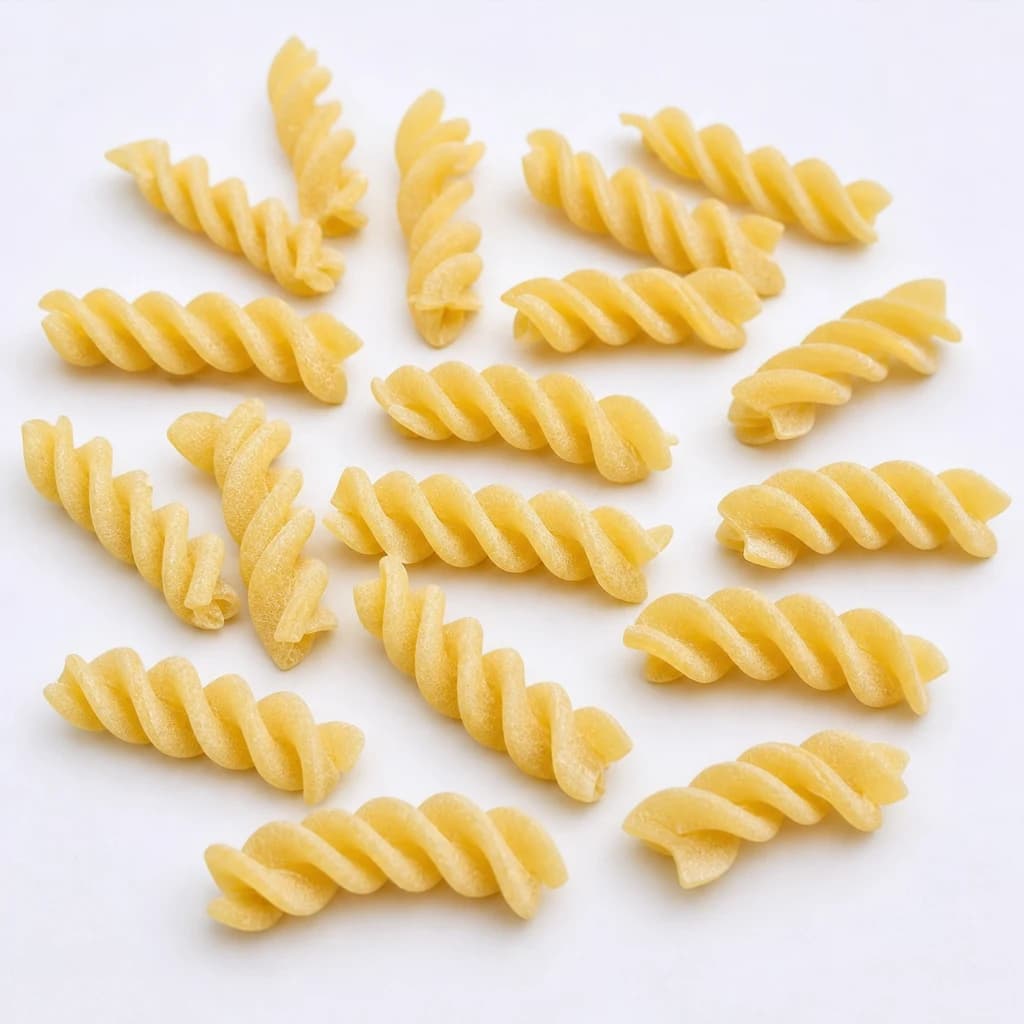
Fusilli
Spiraled pasta that twirls up sauce and dresses cold salads
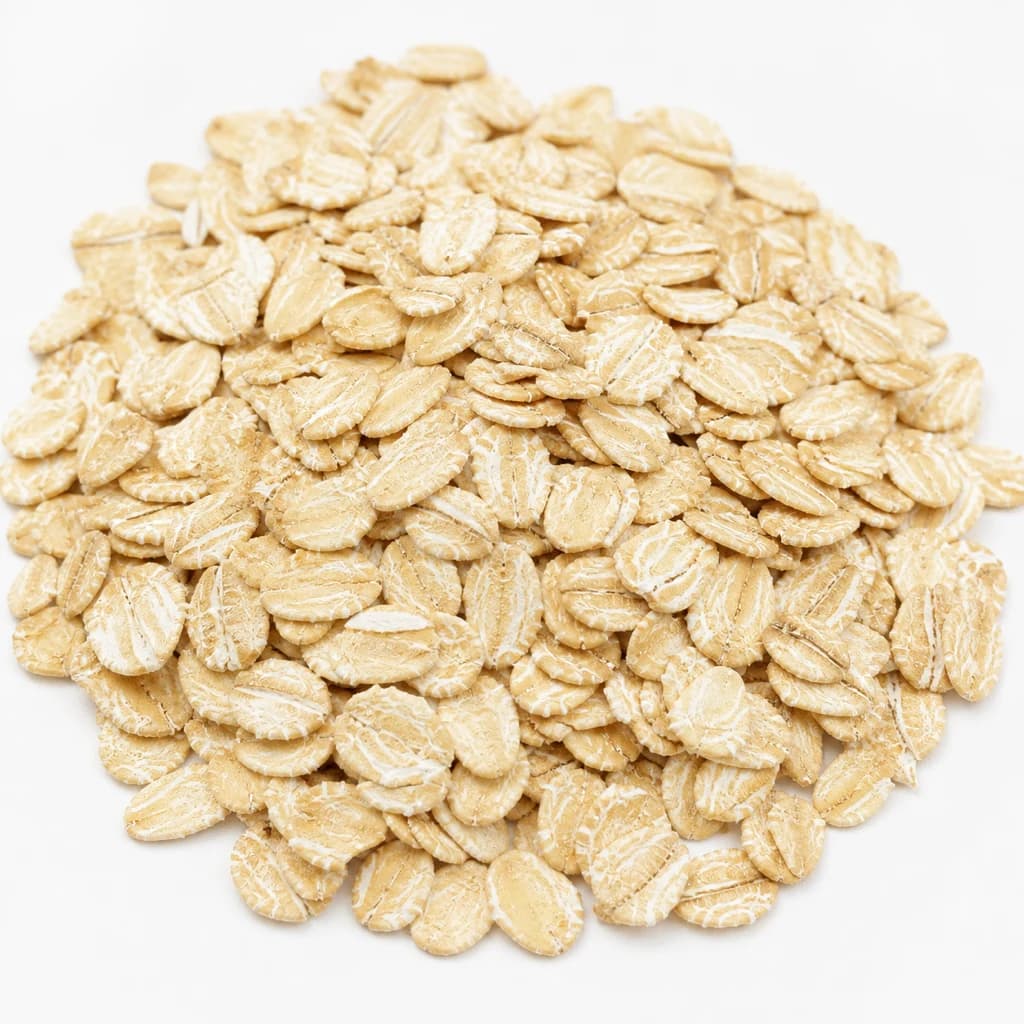
Rolled Oats
Hearty flakes for porridge, granola, and chewy cookies