Grains & Rice
Munich Malt
Kilned barley malt that lends amber color and a deep, malty bread flavor to beer.
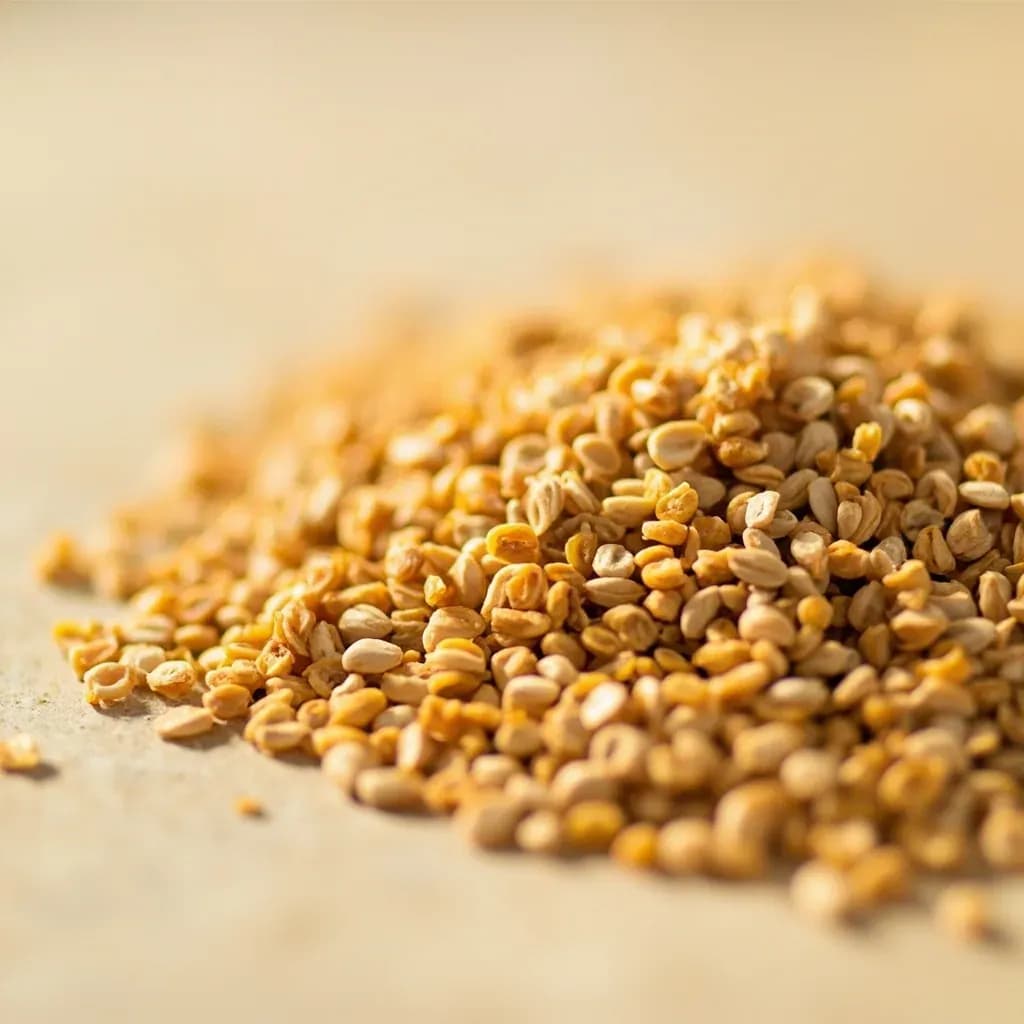
Munich malt is a barley malt kilned at higher temperatures to develop richer color and intense malty, toasty flavor. It is a backbone of German lagers, bocks, and Oktoberfest beers, contributing amber hues and bready sweetness. Brewers use it as a base or specialty malt to boost malt-forward character.
Munich malt is a kilned barley malt developed in mid-19th century Munich that imparts rich amber-to-copper hues and a deep, malty bread flavor to beer. Unlike roasted malts that are subjected to high heat to produce acrid, burnt flavors, Munich malt is kilned at 220–250°F (105–120°C) using indirect heat, producing toast, biscuit, and bread-crust character without smoke contamination. The result is a malt that colors beer with warmth rather than harshness—a key reason German brewers developed the darker Munich II varieties to achieve depth of color without the astringency of roasted barley or black patent.
Technically, Munich malt is classified as a specialty malt, not a base malt, because its diastatic power (35–60°Lint max) is insufficient to convert its own starches. This means it must be used alongside a high-enzyme base malt—typically at least 50% of the grist—to ensure complete conversion. The malt's moderate protein content (10–12%) and moisture (~4%) contribute to good body and shelf stability, while its extract yield (~78–80% fine grind dry basis) is slightly lower than pale base malts. All true German Munich malts must meet Reinheitsgebot (German Beer Purity Law) standards, which guarantees the use of quality two-row barley and careful kilning practices. Note that Munich malt and Munich malt extract are distinct products—the latter is liquid wort evaporated from a Munich malt mash, used primarily by extract brewers.
Munich malt's flavor profile intensifies with kilning level: standard Munich (8–10°L) delivers clean bread and toast notes ideal for Märzen and Festbier, while Munich II or Munich Dark (15–20°L) brings deeper caramel, biscuit, and bread-crust complexity suited to Dunkel and Doppelbock. The malt excels in any beer where malty richness takes center stage over hop bitterness or ester-forward fermentation character.
- Measured in
- g
- Storage
- Pantry
Allergens
Types & varieties
8–10°L; lighter end of the spectrum; classic for Märzen and Festbier
15–20°L; deeper color and more intense toasted, bread-crust character
Typically 6–8°L; lighter style for subtle malty additions
Typically 13–15°L; darker, richer style for deeper amber and brown beers
Understanding Kilning vs. Roasting
The distinction between kilning and roasting defines Munich malt's character. Kilning uses sustained, indirect heat to dry and toast the grain, preserving enzymatic activity and developing mellow toasty flavors. Roasting, as used for roasted barley or black patent, applies direct high heat that caramelizes sugars and creates dark pigments, but also generates bitter, astringent compounds. This is why Munich malt can provide substantial color—up to 20°L in the darkest varieties—without the harshness of true roasted grains.
- Munich malt is always kilned, never roasted
- Darker color comes from longer kilning, not higher heat intensity
- This distinction allows Munich malt to color beer with warmth rather than astringency
Mashing Considerations
Because Munich malt lacks sufficient diastatic power, proper mash planning is essential. The enzymatic power must come from a base malt, and that base malt must dominate the grist to ensure complete conversion. Mashing at 154–158°F (68–70°C) emphasizes Munich malt's contribution by enhancing body and residual sweetness; lower temperatures would increase attenuation and diminish the malty character you're seeking to build.
- Always include a base malt with high diastatic power (Pilsner, Pale Ale, or Lager malt) at 50%+ of grist
- Mash thickness affects enzyme efficiency—stiffer mashes concentrate enzymes
- Monitor runoff gravity; a stalled runoff often signals insufficient enzymatic support
Common uses
Tips & pitfalls
- Always include a high-diastatic base malt (Pale Ale, Pilsner, or Lager malt) at 50%+ of grist to provide enzymatic power for conversion.
- Mash at 154–158°F (68–70°C) to enhance body and emphasize malty sweetness over attenuation.
- Toast character intensifies with kilning level; match darkness to the target beer style.
- Do not exceed ~60% of grist unless brewing a true all-Munich malt beer, as very high percentages can result in a stuck mash due to low enzymatic power.
- Store in airtight containers; Munich malt's lower moisture makes it less prone to spoilage than pale malt, but it still absorbs odors from its environment.
- When substituting, remember Vienna Malt is lighter (3–6°L) and requires about 1.5× the amount to match Munich's color contribution.
- For extract brewers, Munich malt extract provides similar flavor but reduces fermentation control—use it as a starting point and adjust with specialty grains.
- Match hop character to Munich's richness: Noble German varieties (Hallertau, Mittelfrüh) complement Bavarian styles, while earthy English varieties work better with Scottish or Irish interpretations.
Nutrition
Nutrition
No USDA FoodData Central match for Munich Malt yet. We surface a per-100 g profile once a generic whole-food entry is matched and verified.
In the shops
Matched grocery products
No matched grocery products for Munich Malt yet.
Good to know
- Origin
- Munich, Germany; developed in the mid-19th century
- Base Grain
- Two-row barley (primarily)
- Color Range
- 8–20°L (Lovibond) depending on variety
- Diastatic Power
- Low (35–60°Lint max); insufficient to self-convert
- Kilning Temperature
- 220–250°F (105–120°C)
- Typical Usage Rate
- 5–50% of grist; up to 100% in Munich-style lagers
- Moisture Content
- ~4%
- Protein Content
- 10–12%
- Extract Yield
- ~78–80% fine grind dry basis
- Shelf Life
- At least one year when stored cool, dry, and dark
Substitutes
- Vienna Malt — Lighter color (3–6°L) and slightly less intense malty flavor; use 1.5× the amount for similar results
- Melanoidin Malt — Provides similar bread, biscuit complexity and reddish hue; different malting process but comparable flavor contribution
- Biscuit Malt / Victory Malt — Toasted, bread-like flavor but lighter color (25–45°L); use sparingly and consider color impact
- Dark Munich Extract — Liquid extract version for extract brewers; adds color and flavor but reduces fermentation control
Pairs with
Also called
Munich Barley Malt
Related

White Rice
Fluffy long-grain rice — the neutral base for almost any meal

White Bread
Soft sandwich loaf for toast, sandwiches, and crumbs
Brown Rice
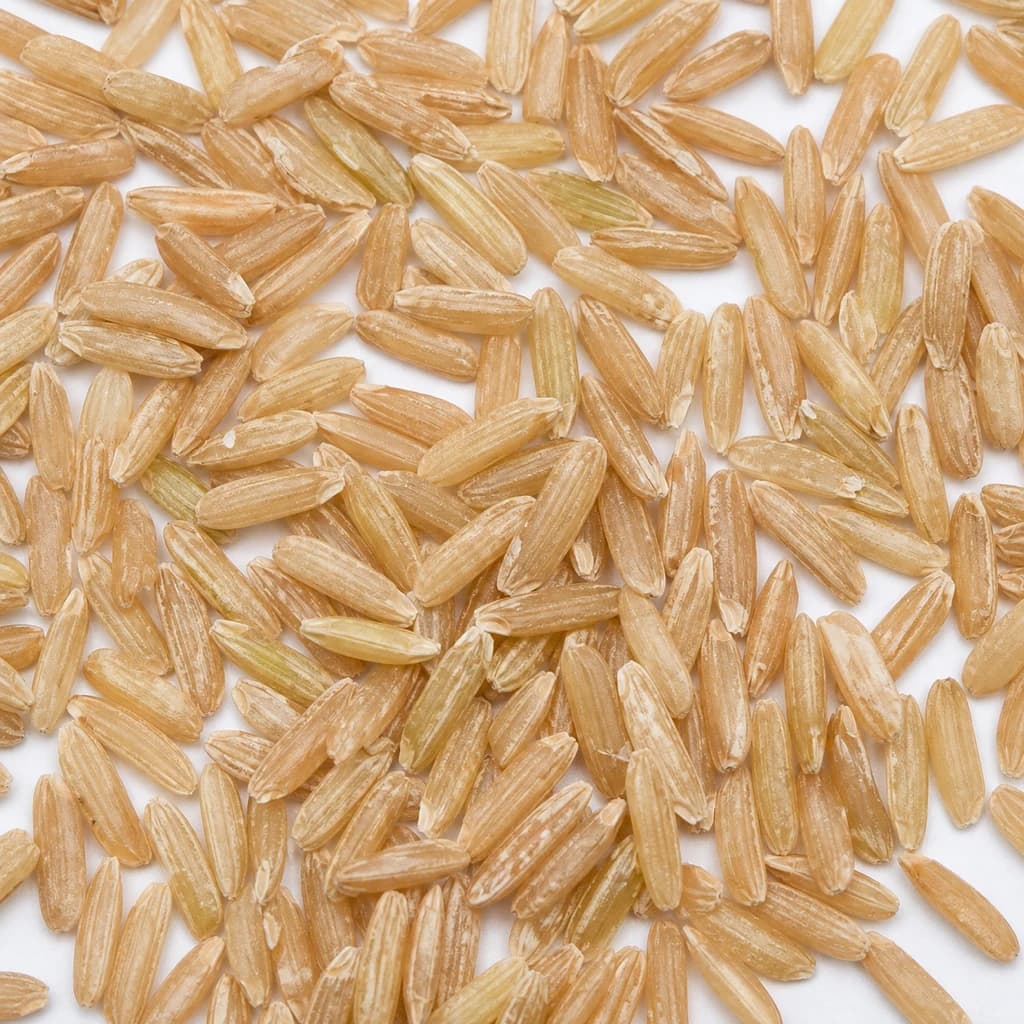
Nutty, whole-grain rice with chew and extra fiber

Basmati Rice
Fragrant, long-grain rice that cooks up light and separate
Jasmine Rice
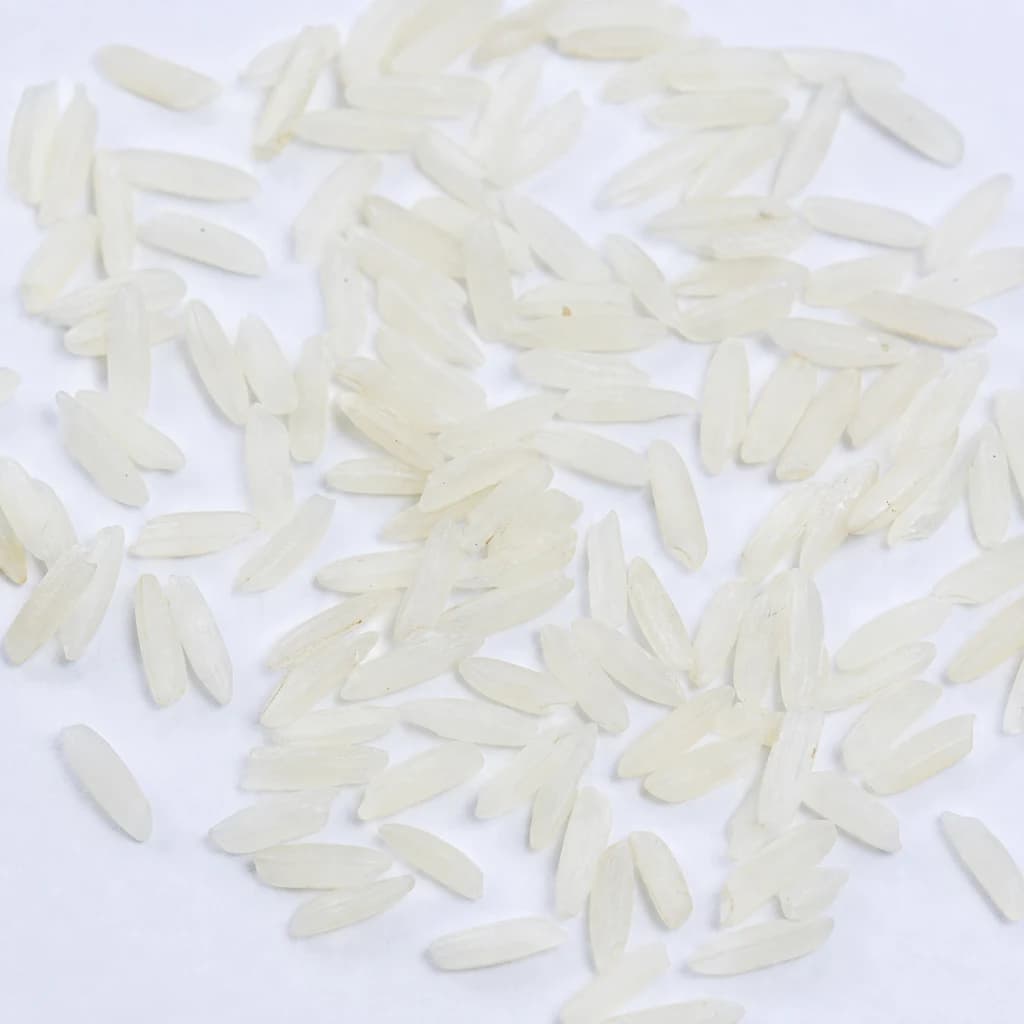
Soft, floral-scented rice that's the pillar of Thai meals
Arborio Rice
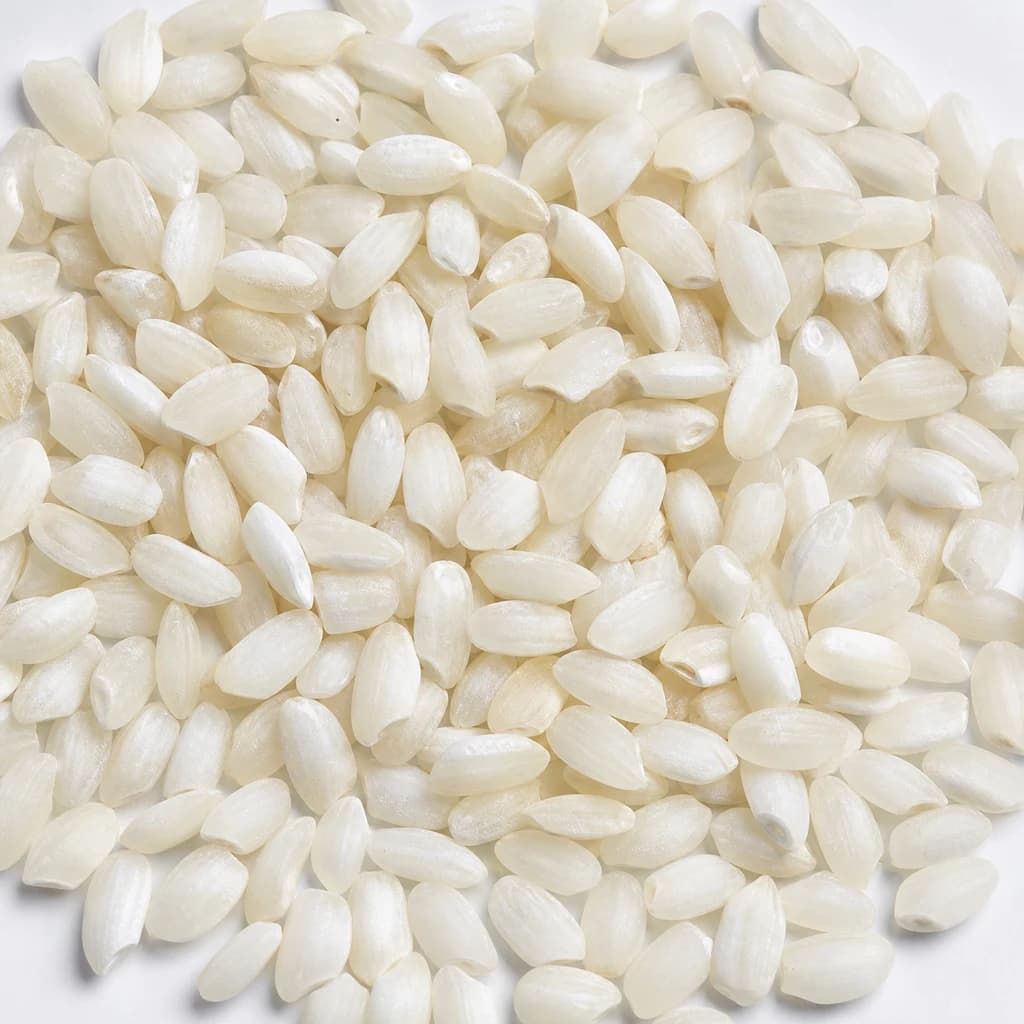
Plump, starchy rice that makes risotto creamy
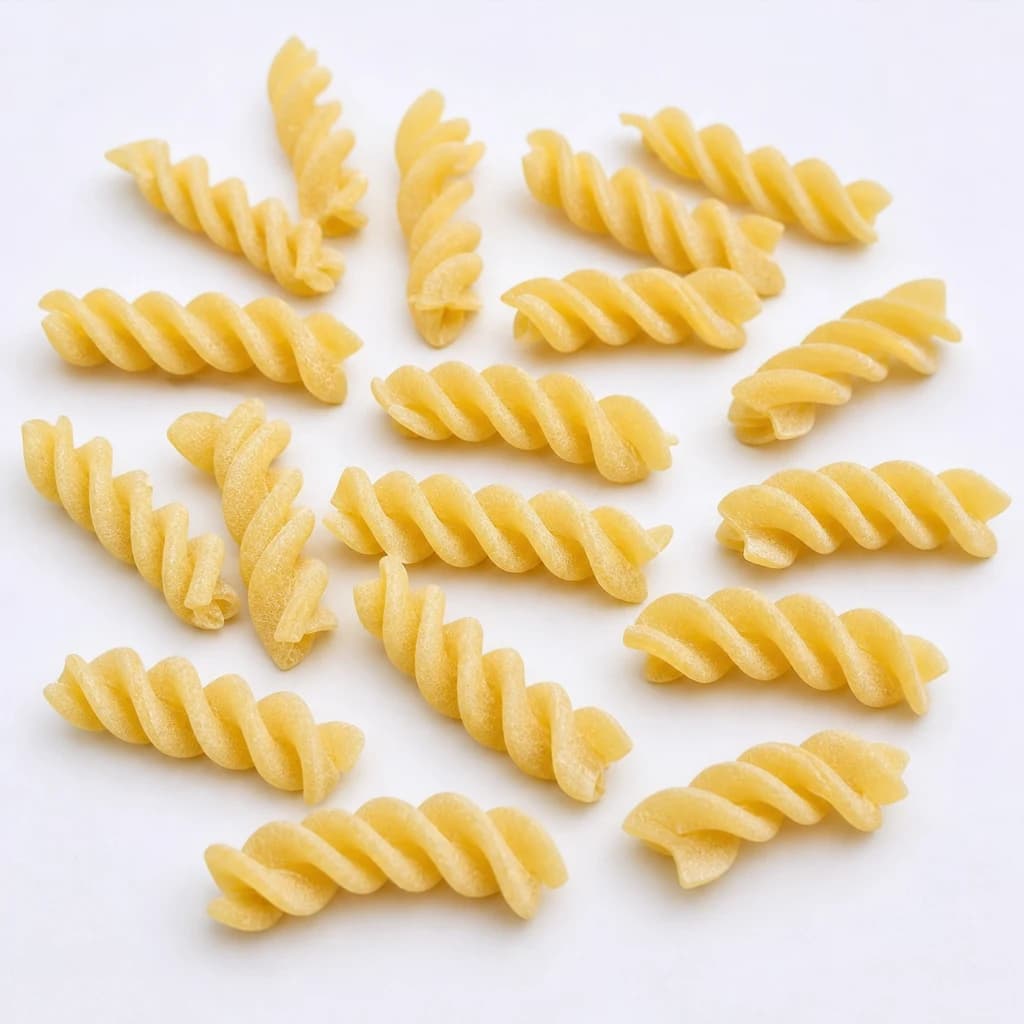
Fusilli
Spiraled pasta that twirls up sauce and dresses cold salads
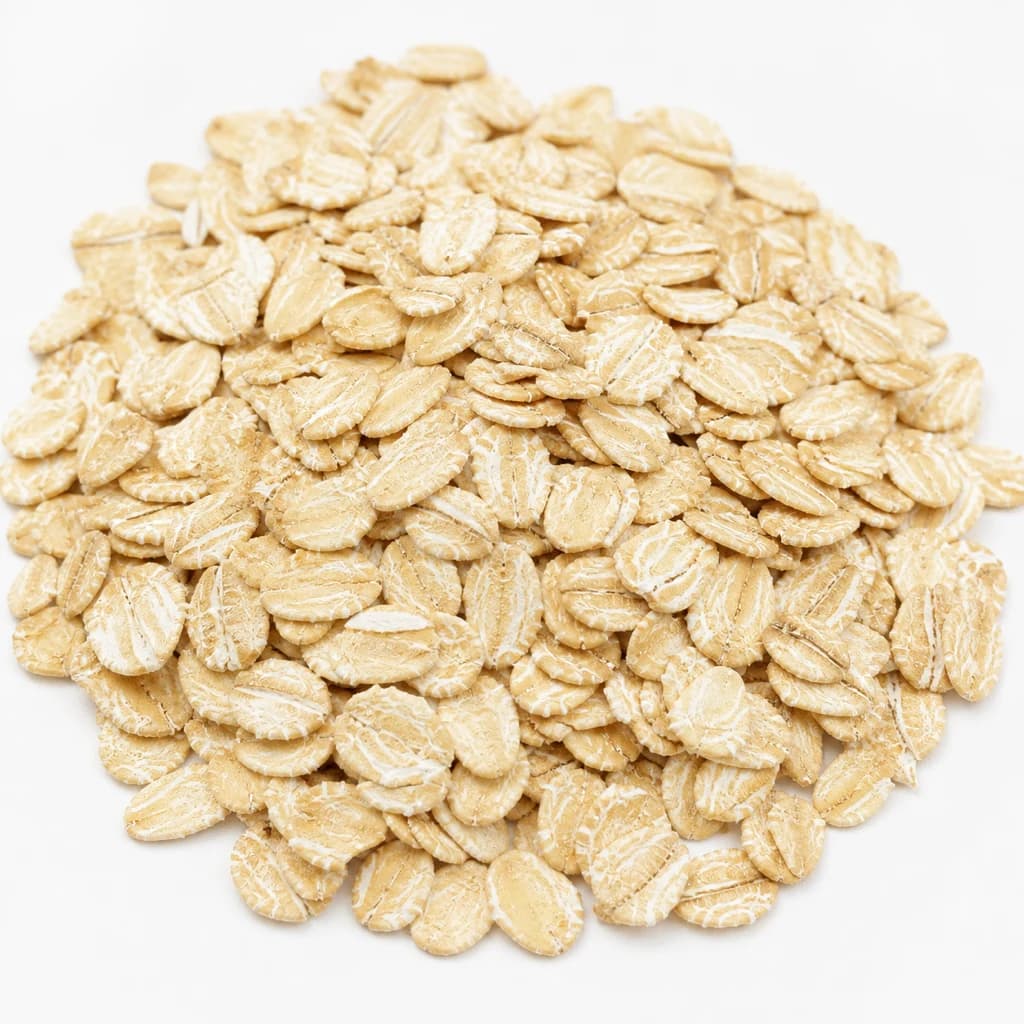
Rolled Oats
Hearty flakes for porridge, granola, and chewy cookies