Baking
Wheat Malt
Malted wheat used in brewing for head retention and a soft, bready flavor.
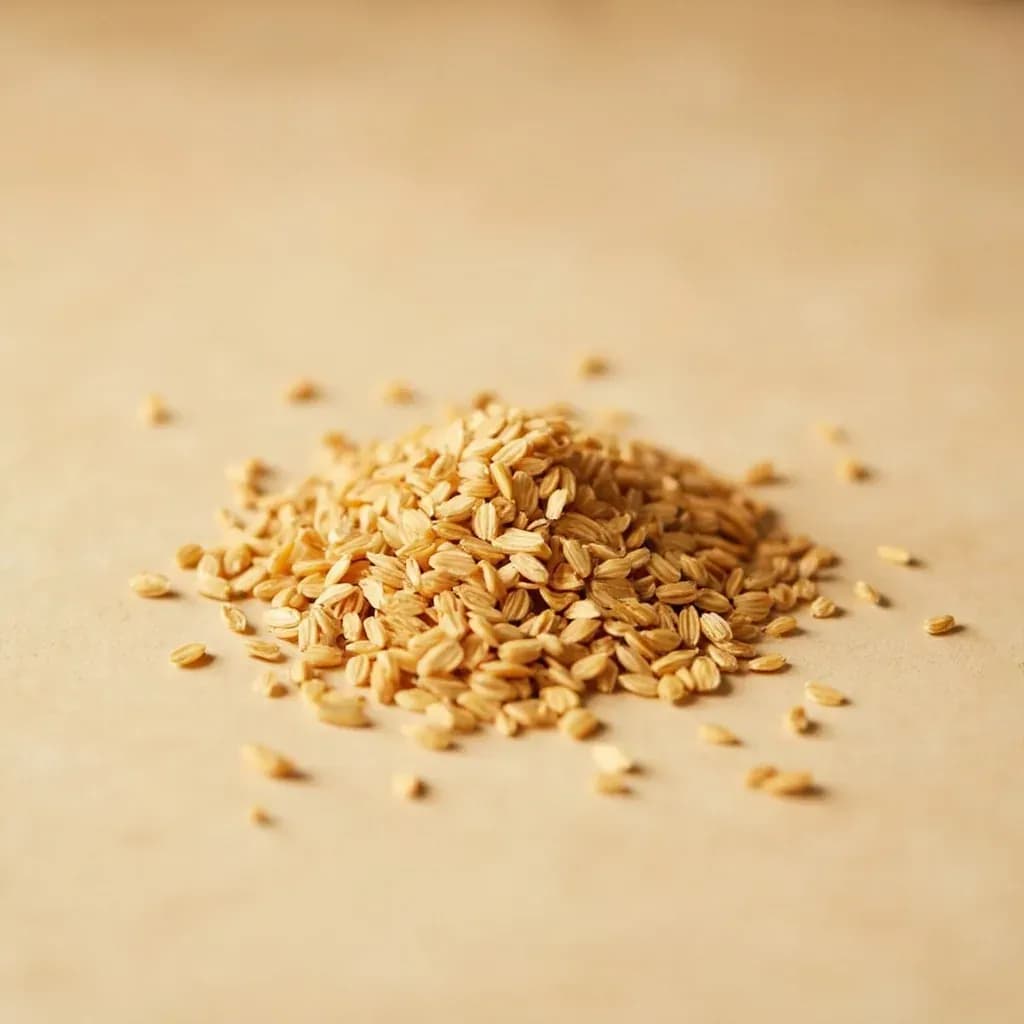
Wheat malt is wheat that has been germinated and kilned, used primarily in brewing wheat beers and contributing to lasting foam head and a smooth, bready flavor. In baking and malt syrups it adds a mild malty sweetness. It is higher in protein than barley malt.
Malted wheat is wheat grain that has undergone a controlled germination and drying process known as malting. The grain is steeped in water, allowed to germinate briefly to activate its natural enzymes—primarily amylase—then kilned at specific temperatures to halt further growth. This process transforms the wheat into an ingredient that actively converts starches to fermentable sugars, making it invaluable in both brewing and baking. In the baker's kitchen, wheat malt does double duty: it provides enzymatic activity that strengthens fermentation in weaker flours while contributing a distinct bready, slightly sweet flavor and promoting the Maillard reaction that creates deeply golden, crisp crusts. Unlike barley malt, wheat malt contains higher protein content, which enhances gluten development and water absorption, resulting in doughs with superior structure and a more tender, open crumb. The enzymatic strength of malted wheat is measured in degrees Lintner, with diastatic powders typically ranging from 20-50°L—the higher the number, the more aggressively the enzymes will work to break down starches during fermentation. Understanding the difference between diastatic (enzyme-active) and non-diastatic (enzyme-inactive) malt is essential for successful baking, as the former accelerates fermentation while the latter adds flavor and color without affecting fermentation timing.
- Measured in
- g
- Storage
- Pantry
Allergens
Types & varieties
Low-kiln temperature (as low as 140°F/60°C); highest enzymatic activity; light color; used for both brewing and baking.
Steamed then roasted; no enzymatic activity; contributes sweetness, amber color, and caramel notes; used at 5-15% in bread recipes.
Made from hard red wheat; kilned to medium color (~300°Lovibond); adds robust, bready flavor; common in artisan breads.
Made from white winter wheat; milder flavor; lighter color than red wheat malt.
Powdered form with high enzyme content; added at 0.5-2% of flour weight to supplement weak flours; not suitable for long-ferment or sourdough recipes.
Kilned at high temperature; enzymes destroyed; adds flavor and color without affecting fermentation timing; used at 1-5% of flour weight.
Diastatic vs. Non-Diastatic: Choosing the Right Type
The distinction between diastatic and non-diastatic malt is the most important practical choice for bakers. Diastatic malt contains active enzymes that break down starches into sugars during fermentation, which accelerates yeast activity and dough rise. This makes diastatic malt ideal for strengthening weak flours like standard all-purpose, which lack the protein and enzyme content of professional high-gluten flours. However, these aggressive enzymes are incompatible with long-ferment recipes, cold retardation, or sourdough—where controlled, slow fermentation is the goal. In these cases, the enzymes will over-ferment the dough, breaking down too much gluten and creating a sticky, unstable crumb. Non-diastatic malt has been kilned at temperatures high enough to destroy enzyme activity while retaining flavor compounds and color-promoting melanoidins. Use non-diastatic malt when you want the bready sweetness and crust color without altering fermentation dynamics.
- Use diastatic malt with quick-rise yeasted breads and weak flours
- Use non-diastatic malt for sourdough, long cold ferments, and when flavor is the primary goal
- Never add diastatic malt to a sourdough starter—it will consume the culture's food supply too rapidly
- Combining both types lets you tune enzyme activity and flavor independently
Using Malt in Bread Formulas
When adding malted wheat to bread formulas, precision matters. For diastatic malt, start at 0.5-1% of total flour weight; this is sufficient to noticeably improve dough strength and rise in standard all-purpose flour. Going above 2% risks over-fermentation, sticky dough, and a final crumb that tears easily. For non-diastatic malt, 1-3% adds pleasant sweetness and promotes crust browning without any fermentation risk—beginners should start here. Torrefied wheat malt, which has been roasted to develop caramelized sugars, can be used at 5-15% for breads where you want pronounced toasty, caramel notes, as in German-style pretzels or artisan hearth loaves. Always weigh malt ingredients rather than measuring by volume, as densities vary significantly and accuracy directly affects dough behavior.
- Weigh malt additions for accuracy; volumetric measurement introduces significant error
- Add diastatic malt directly to flour before adding liquid
- Soak torrefied wheat malt in warm water for 20 minutes before adding to dough for even distribution
- Adjust hydration when using malt—malt extracts and powders absorb water differently than flour
Common uses
Tips & pitfalls
- Use diastatic malt only with strong, fast-fermenting yeasts or commercial yeast; enzymes will over-ferment sourdough starters
- For bread flour at home, add 1-2% diastatic malt by weight of flour to compensate for lower protein vs. professional flour
- Torrefied wheat malt should be ground before adding to dough, or use it as a coating for crusty breads
- Non-diastatic malt is safer for beginners—use 1-3% of flour weight for flavor and browning without fermentation risk
- Too much malt (above 5%) in yeasted breads can make dough sticky and over-ferment rapidly
- Store malted wheat away from heat and moisture to preserve enzymatic potency and flavor
- When substituting malt extract for honey in bread, use on a 1:1 weight basis; expect a less fermented, less sweet result since malt extract is less fermentable than honey
- Malted wheat berries can be sprouted further from the malt stage for sourdough flavor complexity if desired
Nutrition
Energy
1418 kJ · per 100 g
Where the calories come from
Protein
13.7g
27% DV
Carbs
71.1g
26% DV
Fat
2.5g
3% DV
Sodium
2mg
0% DV
Source · USDA FoodData Central · approx. Wheat, durum
View on FDC →In the shops
Matched grocery products
No matched grocery products for Wheat Malt yet.
Good to know
- Definition
- Malted wheat is wheat grain steeped, germinated, then kilned to activate enzymes that convert starches to fermentable sugars.
- Primary Baking Function
- Enzyme source for dough fermentation; adds bready, slightly sweet flavor; promotes Maillard browning in crusts.
- Available Forms
- Dried malted wheat (whole kernel, cracked, or flour-like powder); malted wheat flour; liquid malt extract.
- Enzymatic Activity
- Measured in degrees Lintner (°L). Diastatic malt powder typically 20-50°Lintner. Enzymatic activity destroyed by kilning above 150°F (65°C).
- Protein Content
- Wheat malt contributes higher protein than barley malt, aiding gluten development and water absorption in dough.
- Storage
- Keep dried malted wheat in airtight container in cool, dry, dark place. Loses enzymatic potency over 6-12 months. Liquid extract keeps 1-2 years sealed.
- Typical Usage Rate
- Diastatic malt: 0.5-2% of flour weight. Non-diastatic malt: 1-5% of flour weight.
- Origin
- Malted grains used since ancient Egypt. Wheat malt prominent in German brewing tradition for wheat beers since medieval times.
Substitutes
- Barley Malt — Similar enzymatic and flavor properties, but slightly lower protein. Use at equivalent weight ratios. Best substitute for overall malt functionality.
- Diastatic Soy Flour — High enzyme activity; can replace diastatic malt for boosting fermentation in weak flours. Use at 0.25-0.5% of flour weight—enzymes are more concentrated.
- Vital Wheat Gluten — Replaces the protein enhancement function of wheat malt but does not contribute sweetness or enzymatic activity. Use 1-2% of flour weight for gluten boost only.
- Honey or Molasses — Replaces the sweetness and browning function of malt in enriched breads. Use at equivalent weight to malt extract; fermentation behavior will differ noticeably.
Also called
Malted Wheat
Related

All-Purpose Flour
The do-anything flour for bread, cakes, sauces, and dredging

Bread Flour
High-protein flour for chewy, well-risen breads
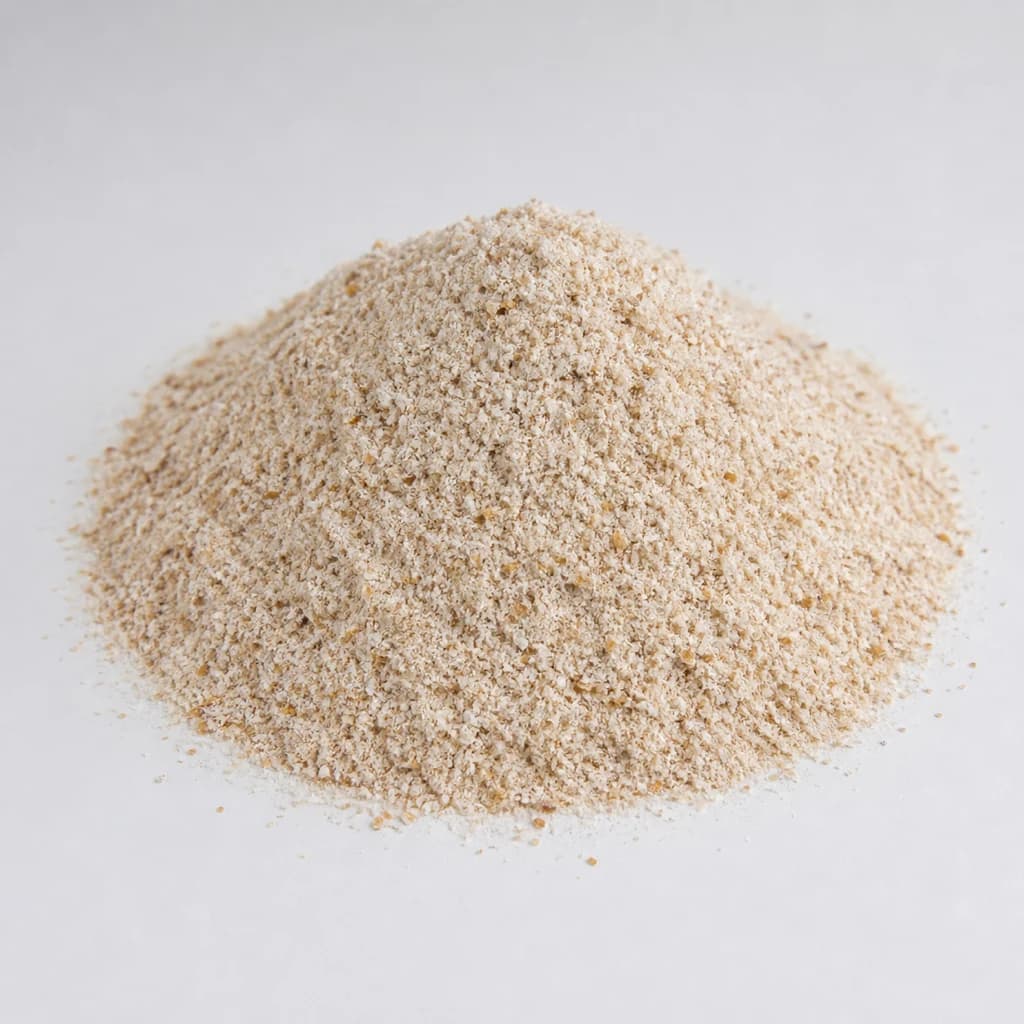
Whole Wheat Flour
Nutty, whole-grain flour for hearty breads and bakes
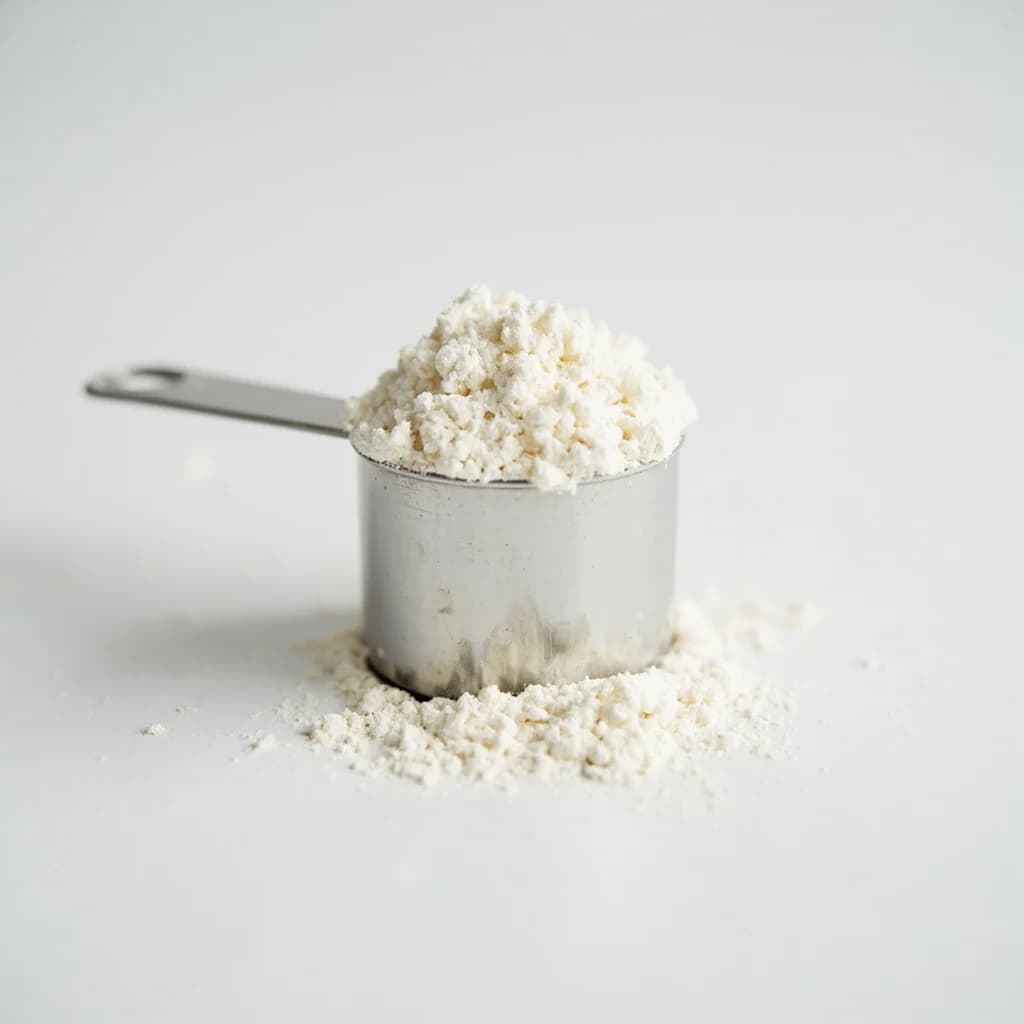
Cake Flour
Fine, low-protein flour for tender, delicate cakes
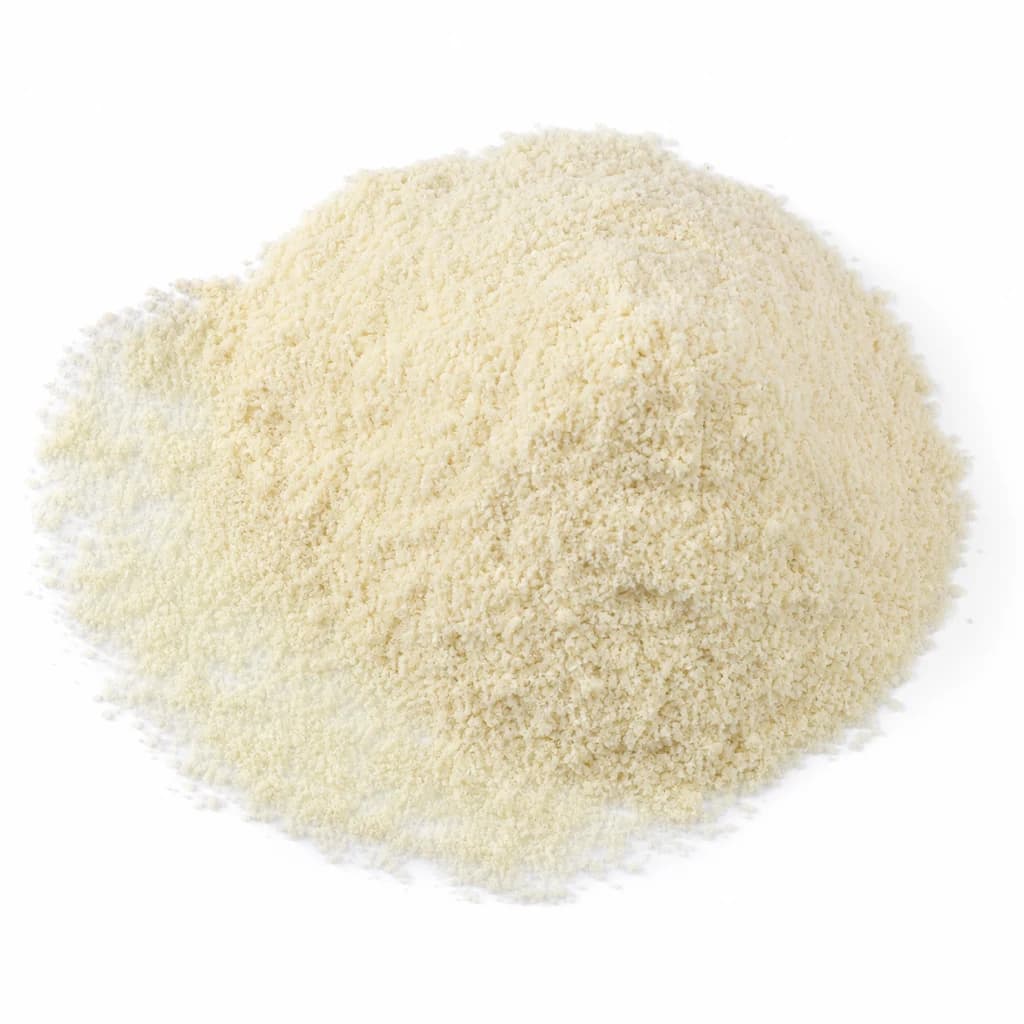
Almond Flour
Nutty, gluten-free flour for macarons and tender bakes

Baking Powder
All-in-one leavener for fluffy cakes, pancakes, and biscuits

Baking Soda
Pure leavener that needs acid to lift — and tenderize
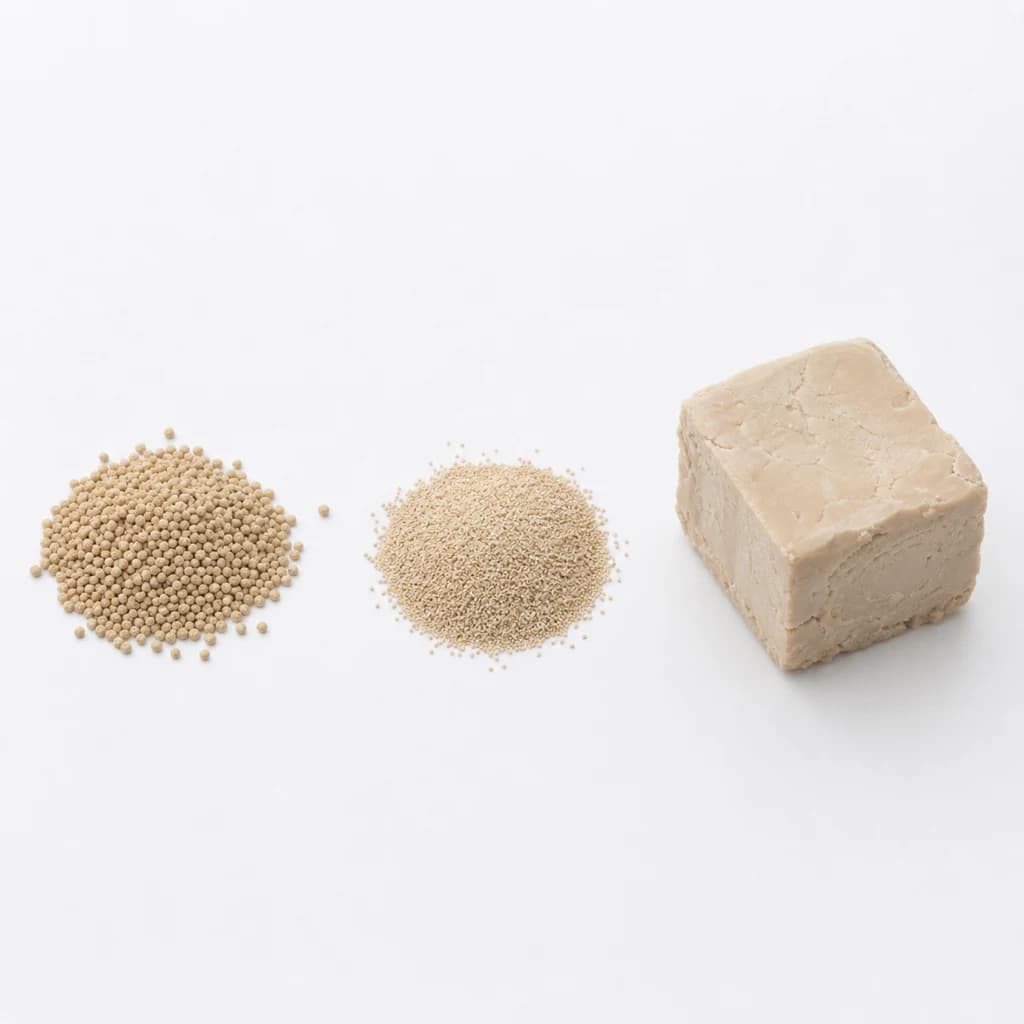
Yeast
Living leaven that makes bread rise and dough come alive