Baking
Wheat Gluten
Concentrated wheat protein used to boost bread structure or make seitan.
Wheat gluten, or vital wheat gluten, is the protein extracted from wheat flour after the starch is washed away. Added to bread dough it strengthens the crumb and improves rise; rehydrated and cooked on its own it becomes seitan, a chewy meat substitute. In Japan, cooked gluten is known as fu and used in soups and simmered dishes.
Wheat gluten is the concentrated protein fraction of wheat flour, isolated by washing dough with water to dissolve and remove the starch, leaving behind a sticky, elastic protein mass. The two primary proteins—glutenin, which provides elasticity, and gliadin, which provides extensibility—align during hydration and kneading into a cohesive matrix that traps gas and gives bread its structure. Vital wheat gluten, the dried powdered form, typically contains 75–80% protein and is used to strengthen doughs made with low-protein or whole-grain flours, or as the foundation for making seitan. The gluten network is what allows dough to stretch without tearing during proofing and oven spring; more gluten means greater gas retention, improved chew, and a more open, elastic crumb. Because wheat gluten contains virtually no starch, it behaves fundamentally differently from flour—adding it changes the protein-to-starch ratio of a formula in ways that affect hydration needs, fermentation, and final texture. Understanding this distinction prevents common misuse, such as treating vital wheat gluten as a simple 1:1 substitute for whole wheat flour. Bakers reach for wheat gluten when a recipe's flour simply cannot develop enough structure on its own, whether for a hearty whole-grain loaf, a chewy bagel, or a dense, meat-like seitan.
- Measured in
- g
- Storage
- Pantry
Allergens
Types & varieties
Dried, milled powder; the most widely available form. Reconstitutes when mixed with water and is the standard product for baking applications.
Pre-hydrated and dried; disperses more readily in batter without lumping. Useful for mixer-free applications.
Wet gluten washed from dough; sold in Asian markets as "mianjin" or "gluten flour." Requires cooking before use.
Technically a product, not a raw variety, but the cooked form of wheat gluten. Made by simmering fresh gluten in a seasoned broth.
How Wheat Gluten Differs from Flour
Wheat gluten and wheat flour are not interchangeable. Whole wheat flour contains roughly 10–15% protein alongside starch, bran, and germ; vital wheat gluten is nearly pure protein with the starch removed. When you add gluten to a formula, you are increasing protein content without adding the starch that provides food for fermentation and contributes to browning and flavor. This changes the hydration ratio, fermentation behavior, and crust development of your dough. If a recipe calls for whole wheat flour and you substitute a blend of white flour and vital wheat gluten, expect a different texture, fermentation rate, and crust color than the original.
- Vital wheat gluten contains no starch; whole wheat flour does
- Gluten adds protein without the food source for yeast fermentation
- Crust browning may be reduced when gluten replaces whole wheat flour
- Hydration needs increase when adding gluten because starch absorbs water that gluten does not
The Science of the Gluten Matrix
When wheat flour meets water, the gluten proteins hydrate and, through mechanical action (kneading or mixing), align into long, interconnected strands. Glutenin forms the backbone with its elastic, springy properties; gliadin fills the gaps and allows the network to stretch. This matrix is what traps the carbon dioxide produced by yeast, allowing dough to rise. A well-developed gluten network can stretch thin without tearing (extensibility) and snap back into shape (elasticity). Whole grains, rye, and low-protein flours produce weaker networks that tear easily or collapse under gas pressure. Adding vital wheat gluten supplements the native protein, giving these flours the structural capacity they lack.
- Glutenin provides spring and snap-back; gliadin provides stretch and flexibility
- Hydration time matters—gluten proteins must fully absorb water before they align
- Resting dough relaxes the gluten network, making shaping easier without losing structure
- Overmixing can break the gluten strands, weakening the final structure
Common uses
Tips & pitfalls
- Start with 1–2 tablespoons of vital wheat gluten per cup (125g) of flour; more is not better—exceeding 5% of total flour weight produces a rubbery, dense crumb
- Hydrate the gluten powder in warm water for 5–10 minutes before incorporating it into dry ingredients; this ensures even distribution and prevents lumps
- Store vital wheat gluten in an airtight container in a cool, dry pantry; it absorbs moisture from the air, which degrades its performance and clumping occurs
- For seitan, knead fresh gluten well before shaping, then simmer in a well-flavored liquid; overcooking makes it tough and chewy
- If your bread dough springs back excessively after adding gluten, reduce hydration slightly to compensate for the change in flour composition
- Vital wheat gluten does not function as a 1:1 substitute for whole wheat flour; the removed starch changes the formula balance and affects browning, fermentation, and flavor
- Instant wheat gluten disperses more readily in batter without lumping, making it preferable for mixer-free or no-knead applications
Nutrition
Energy
1548 kJ · per 100 g
Where the calories come from
Protein
75.2g
150% DV
Carbs
13.8g
5% DV
Fat
1.9g
2% DV
Fiber
0.6g
2% DV
Sugars
0g
of which
Sodium
29mg
1% DV
Source · USDA FoodData Central · Vital wheat gluten
View on FDC →In the shops
Matched grocery products
No matched grocery products for Wheat Gluten yet.
Good to know
- Protein Content
- 75–80% protein by weight; approximately 3.4 kcal per gram of protein.
- Primary Proteins
- Glutenin (elasticity) and gliadin (extensibility); hydration and kneading align these into the gluten matrix.
- Physical Form
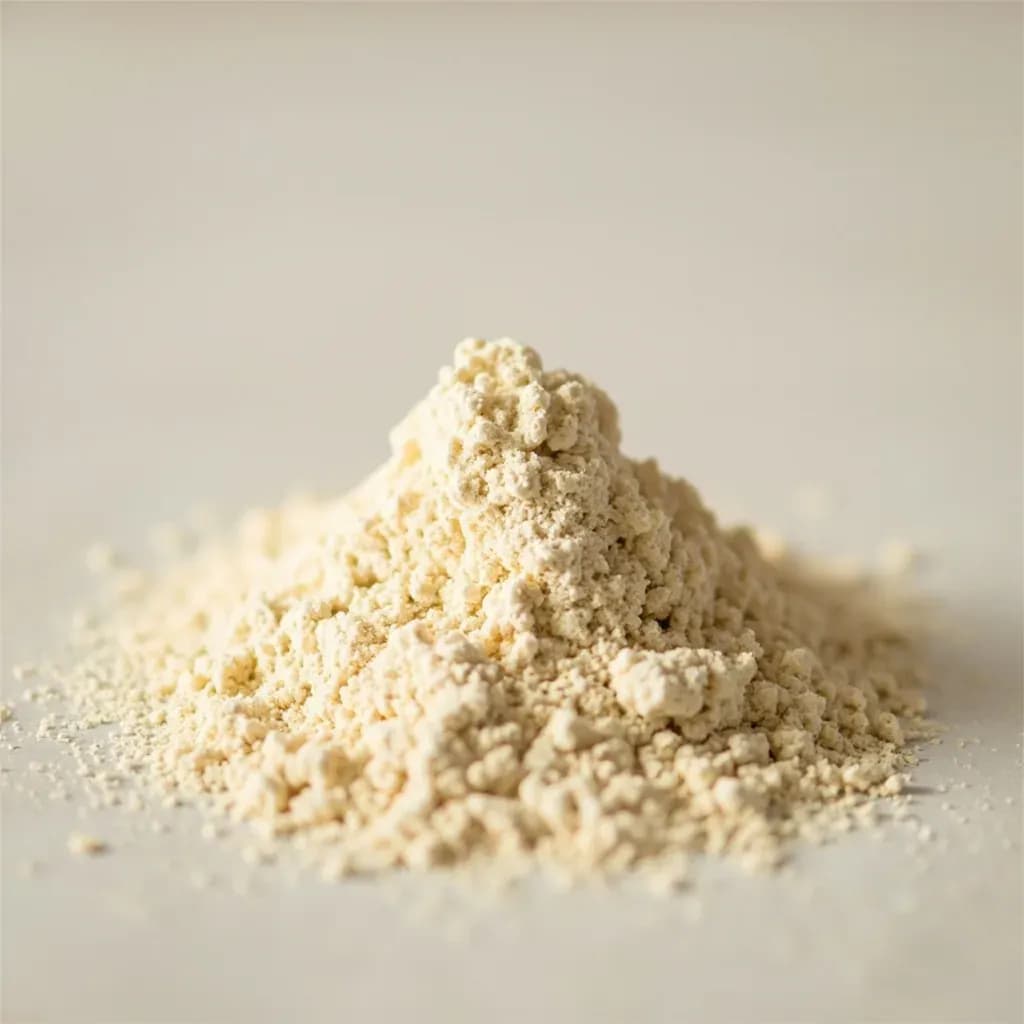
- Vital wheat gluten is a fine off-white to cream-colored powder. Fresh gluten is a sticky, elastic mass.
- Origin
- Separated from wheat flour by washing dough with water, which dissolves starch and leaves the protein network intact.
- Yield
- One pound of vital wheat gluten yields roughly 1.5–2 lbs of fresh gluten when fully hydrated.
- Shelf Life
- 12 months in a sealed container in a cool, dry pantry; keep away from humidity.
- Legal Status
- Classified as an optional ingredient in bread in the U.S.; not restricted for standard baking use.
Substitutes
- Whey Protein Isolate — Similar protein boost; use 1:1 by weight but expect a slightly different texture and flavor profile.
- Egg Whites — Add structure and some elasticity; use 1 egg white per tablespoon of vital wheat gluten in lean doughs.
- Xanthan Gum — Provides binding and structure but does not add protein; use ¼ tsp per cup of flour in gluten-free applications.
- Soy Flour — Adds protein and some binding; use 2 tablespoons per cup of flour. Imparts a noticeable soy flavor.
Pairs with
Also called
Fu · Vital Wheat Gluten · Seitan Base
Related

All-Purpose Flour
The do-anything flour for bread, cakes, sauces, and dredging

Bread Flour
High-protein flour for chewy, well-risen breads
Whole Wheat Flour
Nutty, whole-grain flour for hearty breads and bakes
Cake Flour
Fine, low-protein flour for tender, delicate cakes
Almond Flour
Nutty, gluten-free flour for macarons and tender bakes

Baking Powder
All-in-one leavener for fluffy cakes, pancakes, and biscuits

Baking Soda
Pure leavener that needs acid to lift — and tenderize
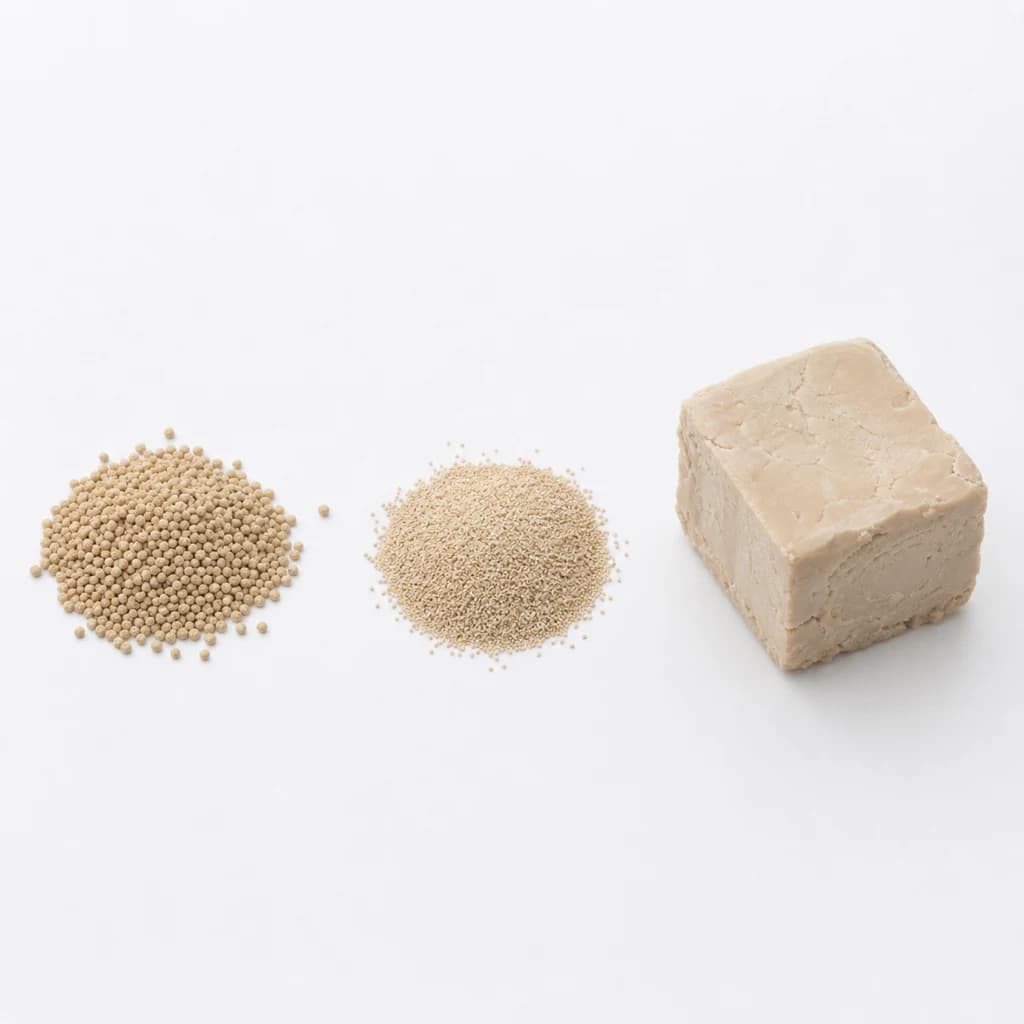
Yeast
Living leaven that makes bread rise and dough come alive