Dairy & Eggs
Liquid Egg Whites
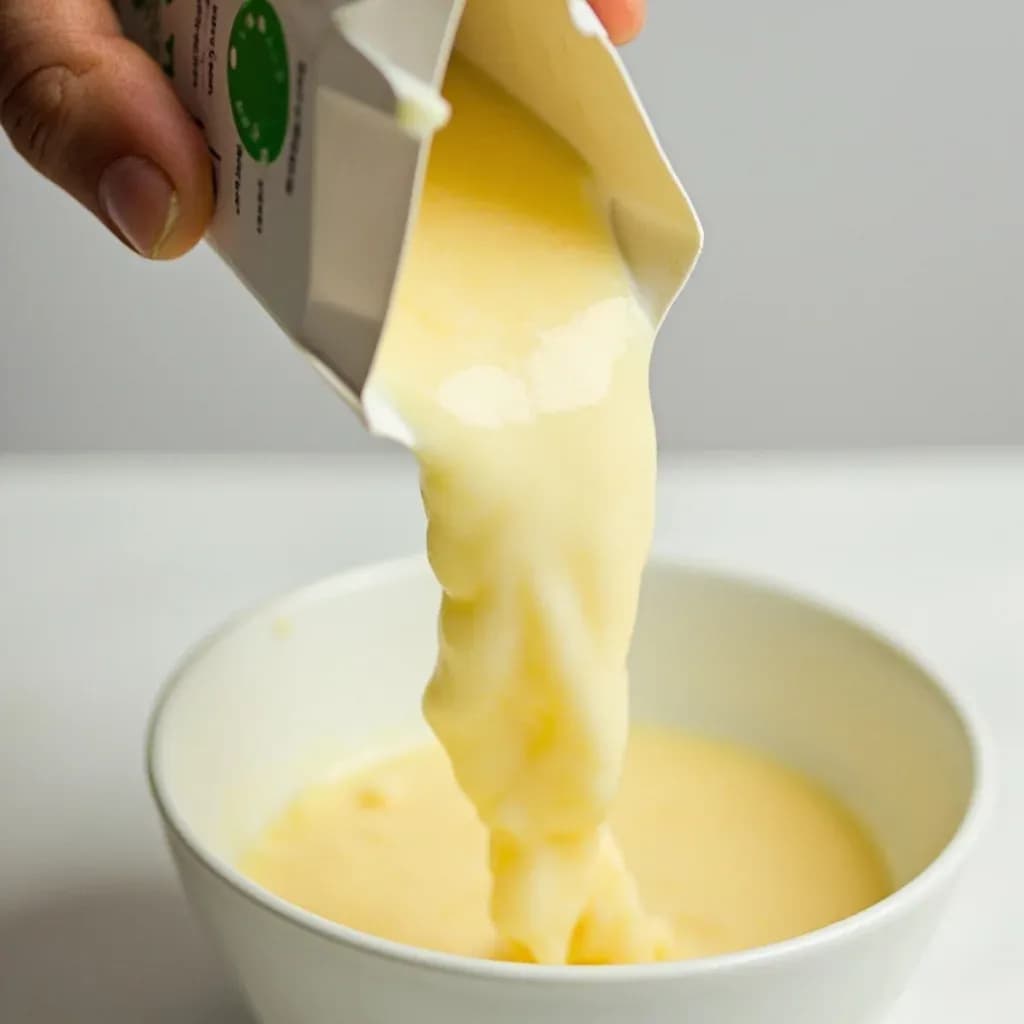
Pre-separated pasteurized egg whites for meringues, omelets and protein-rich baking.
Liquid egg whites are pasteurized egg whites sold in cartons, ready to pour without separating yolks. They are used for high-protein omelets, meringues, macarons, cocktails and lighter baked goods. Being pasteurized, they are safe for uncooked applications and convenient for measuring.
Liquid egg whites are commercially pre-separated, pasteurized egg whites packaged for convenient use without the mess or waste of cracking and separating dozens of whole eggs. They arrive in refrigerated cartons (typically 16–32 fluid ounces) or shelf-stable aseptic containers as a pourable liquid, heat-treated at 130°F or higher to eliminate Salmonella risk—meaning they are safe to use in uncooked applications like royal icing or protein shakes. The product democratized egg-white-heavy cooking by removing the labor of separation and the guilt of unused yolks, making high-volume applications like commercial baking and fitness nutrition far more accessible. In behavior, liquid egg whites foam readily when whipped with a pinch of cream of tartar or mild acid, trapping air in a protein network that provides structure, lift, and texture in everything from delicate meringues to cloud-soft angel food cakes. Their negligible fat content (97–98% fat-free) makes them ideal for low-cholesterol cooking, while their pure protein profile—about 10–11 grams per quarter-cup serving—supports muscle recovery and high-protein baking without the fat and cholesterol found in whole eggs or yolks.
- Measured in
- ml
- Storage
- Fridge
Allergens
Types & varieties
From standard production hens; most affordable; pasteurized for safety in all applications
From hens with limited or enhanced housing; same liquid product with ethical sourcing distinction
From organically fed hens; USDA organic certified; typically also cage-free
Some brands add calcium, vitamin E, or B vitamins to appeal to fitness and wellness consumers
Packaged in sterile cartons, non-refrigerated until opened; ideal for pantry stock and emergency preparedness
Why Use Liquid Egg Whites Instead of Fresh?
The choice between liquid egg whites and freshly separated whites involves trade-offs worth understanding. Liquid whites eliminate the tedious process of cracking and carefully separating dozens of eggs—particularly valuable when a recipe demands eight, twelve, or more whites. They also eliminate yolk-contamination risk during separation and remove the problem of unused yolks destined for discard. Commercially pasteurized liquid whites offer guaranteed food safety, making them preferable for applications where eggs will not reach 160°F internally. However, for exacting work like Swiss or Italian meringue buttercream, delicate macaron batter, or competition-level pavlova, many professionals argue that fresh whites offer superior foam stability and a cleaner flavor, partly because commercial processing and any additives can subtly affect how the proteins hydrate and unfold during whipping.
- Use liquid whites for: everyday baking, protein drinks, large-scale production, and any application where convenience outweighs marginal performance differences
- Use fresh whites for: competition baking, delicate French or Swiss meringues, and recipes where foam quality is paramount
Understanding Foam Formation
Egg white proteins (primarily ovalbumin, conalbumin, and ovomucoid) unfold when whipped, exposing hydrophobic regions that bond with each other and trap air bubbles. The fat in egg yolks—and even trace amounts of grease—coats these proteins and prevents proper bonding, which is why absolute cleanliness matters. Acid (cream of tartar, lemon juice, or vinegar) partially denatures the proteins, allowing them to whip to greater volume and hold structure longer. Sugar added after soft peaks form interferes less with initial foam formation and instead strengthens the foam walls as it dissolves, creating a glossy, stable meringue that holds its shape under baking or frosting loads.
- Room temperature whites (65–70°F) whip faster and achieve greater volume than cold whites
- Cold whites hold their structure slightly better once whipped—useful for applications where stability during standing matters
- Cream of tartar increases volume by 20–30% and prevents weeping in baked meringues
Common uses
Tips & pitfalls
- Use a spotlessly clean bowl and whisk: even 1/8 teaspoon of yolk or grease will prevent whites from foaming; wipe with lemon juice or white vinegar on a paper towel if unsure of cleanliness.
- Room temperature whites (65–70°F) whip faster and to greater volume than cold whites, but cold whites hold structure slightly better once whipped; for most baking, bring to room temperature first.
- Add a pinch of cream of tartar (about 1/8 teaspoon per cup of whites) to stabilize the foam and increase volume by 20–30%.
- Add sugar only after soft peaks form—adding sugar too early inhibits initial foam formation and can result in flat, dense meringue.
- Never add salt until the end of whipping; salt breaks down the foam structure. A few drops of lemon juice achieves the same stabilizing effect without compromising volume.
- Stop whipping at stiff peaks: overbeaten whites become dry, grainy, and will weep when baked, producing a tough, deflated result.
- Store opened cartons no longer than the "best by" date; always sniff before using—spoiled egg white develops a distinct unpleasant sulfur odor.
- If freezing, portion into zip-lock bags or ice cube trays for convenient measurement; thaw completely in the refrigerator overnight before using.
Nutrition
Energy
218 kJ · per 100 g
Where the calories come from
Protein
10.9g
22% DV
Carbs
0.7g
0% DV
Fat
0.2g
0% DV
Fiber
0g
0% DV
Sugars
0.7g
of which
Sodium
166mg
7% DV
Source · USDA FoodData Central · Egg, white, raw, fresh
View on FDC →In the shops
Matched grocery products
 €3.45
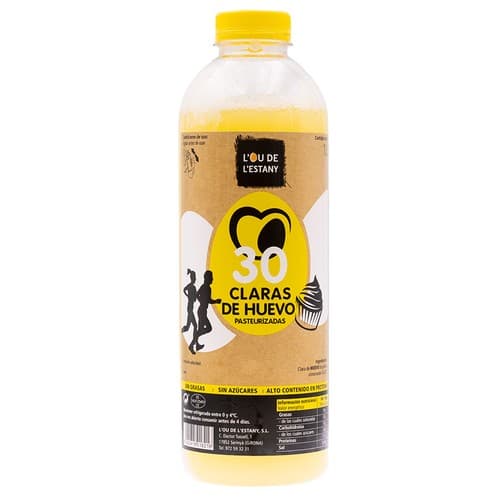
€3.45Egg White
L'OU DE L'ESTANY · l · Bonpreu
 €2.99
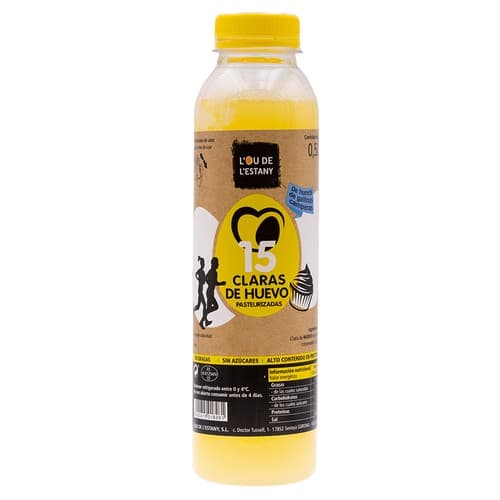
€2.99Free-Range Hen Egg White
L'OU DE L'ESTANY · l · Bonpreu
 €1.70
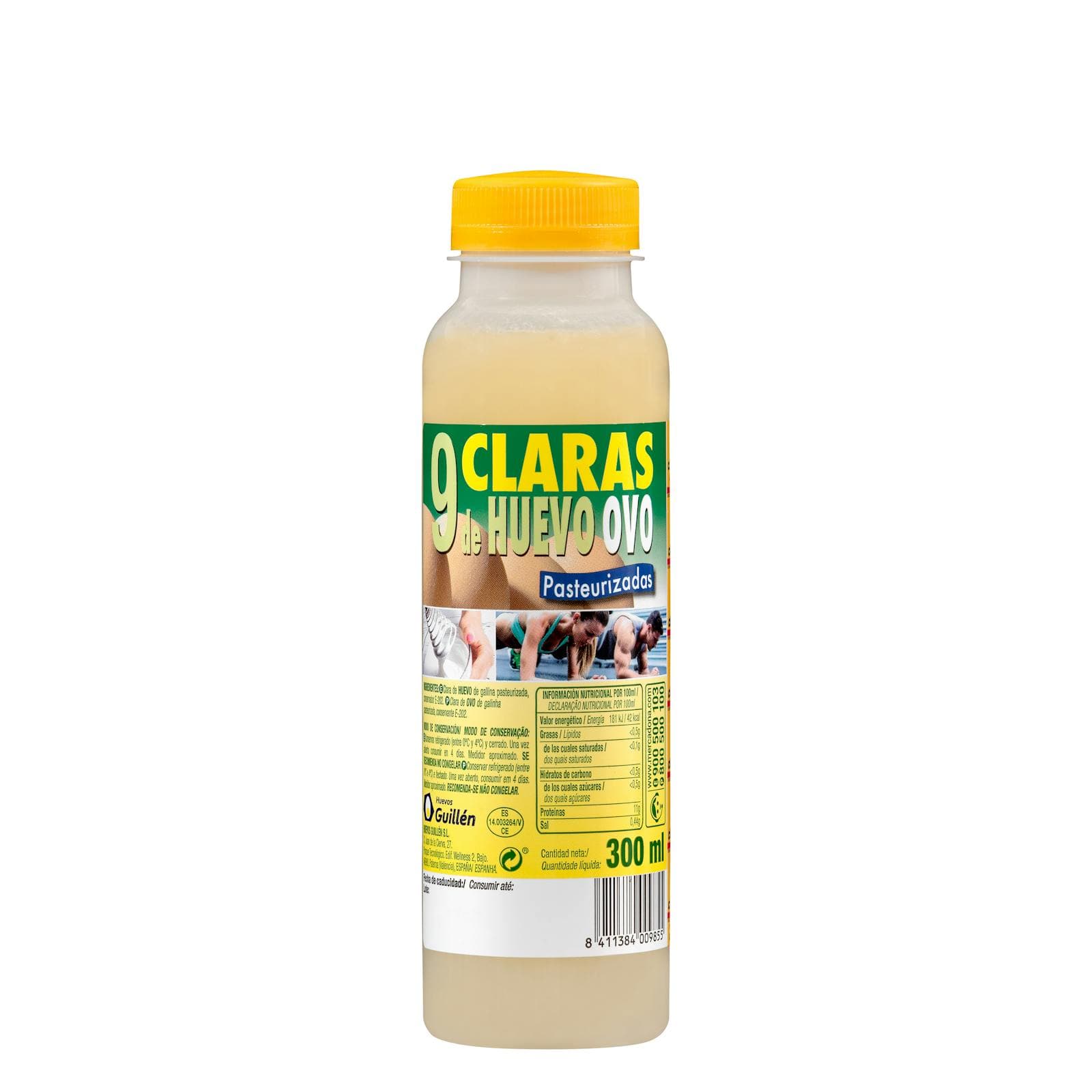
€1.70Pasteurized Liquid Egg Whites
0.3 L · Mercadona
 €2.85
€2.85Liquid Pasteurized Egg Whites
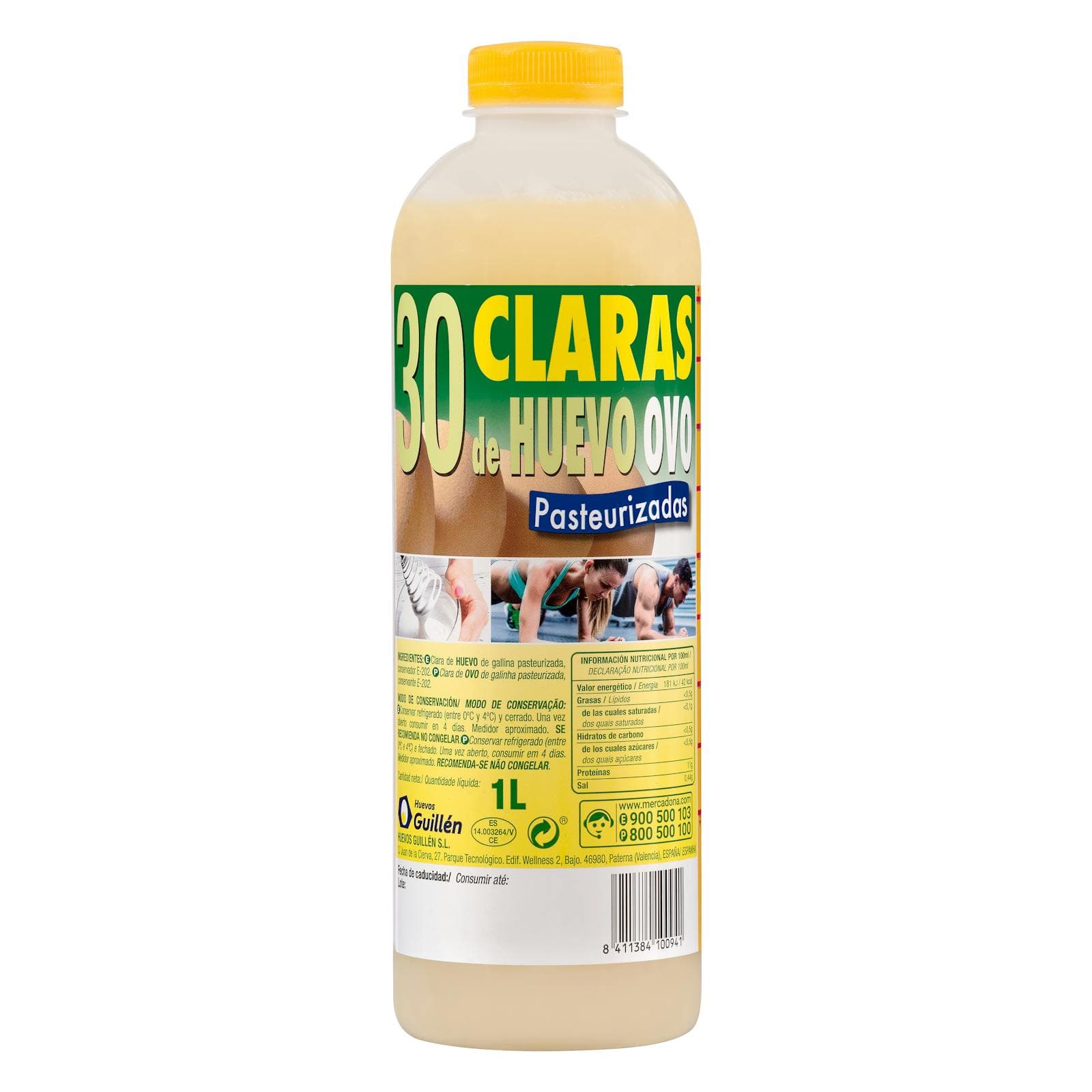
1 L · Mercadona
 €4.75
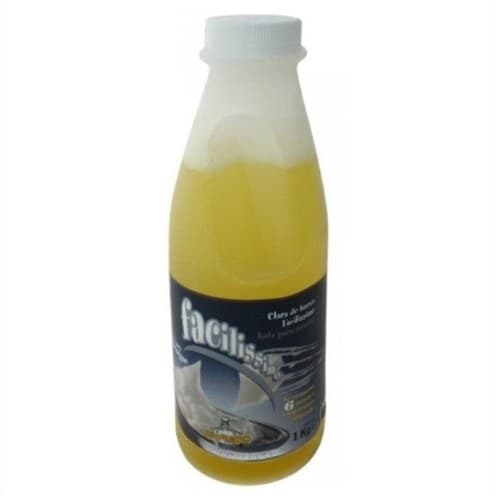
€4.75ÉLITE EUROVO Pasteurized Egg White
ÉLITE EUROVO · kg · Bonpreu
Good to know
- Source
- Pre-separated pasteurized whites from conventional, cage-free, free-range, or organic hens
- Form
- Liquid, sold in refrigerated cartons (16–32 fl oz) or aseptic shelf-stable cartons (non-refrigerated until opened)
- Pasteurization
- Heat-treated at 130°F minimum; safe to consume raw without cooking to safe internal temperature
- Yield
- 1 cup liquid egg white ≈ 8 large egg whites; 1 tablespoon ≈ 1 large egg white
- Protein
- Approximately 1 g per tablespoon; 10–11 g per ¼ cup serving
- Cholesterol
- Zero—cholesterol resides exclusively in the yolk, which is absent
- Fat Content
- 97–98% fat-free with negligible fat in commercial preparations
- Shelf Life
- Refrigerated: 2–4 days after opening or per "best by" date; frozen: up to 1 year (thaw overnight in refrigerator)
- Freeze Stability
- Freezes well; thaw completely in refrigerator before use; texture may degrade slightly after freezing
- Typical Additives
- Some brands add calcium, vitamin E, or minor thickeners (xanthan gum, sodium alginate); check label for dietary restrictions
Substitutes
- Fresh Egg Whites — Separate from whole eggs; use 1 large white per tablespoon of liquid product. Fresh whites yield slightly better foam stability for delicate meringues and competition-level baking.
- Egg White Powder + Water — Reconstitute per package directions (typically 1 tablespoon powder + 2 tablespoons water = 1 large egg white). Slightly inferior foam quality but acceptable for baking and protein drinks.
- Aquafaba — Liquid from canned chickpeas; use 3 tablespoons per egg white. Creates acceptable vegan meringues but with less volume and a subtle bean-like flavor in savory applications.
- Commercial Egg White Replacer — Typically a blend of dried egg whites, vegetable gums, and calcium salts; follow label ratios. Purpose-built for egg-free baking with predictable results.
Pairs with
Also called
egg whites · liquid egg white · Carton Egg Whites
Appears in these dishes
Related

Whole Milk
Rich, full-fat milk for drinking, coffee, sauces, and baking
Butter
Golden fat for searing, baking, and finishing a sauce
Yogurt
Tangy, creamy culture for breakfast, sauces, and marinades
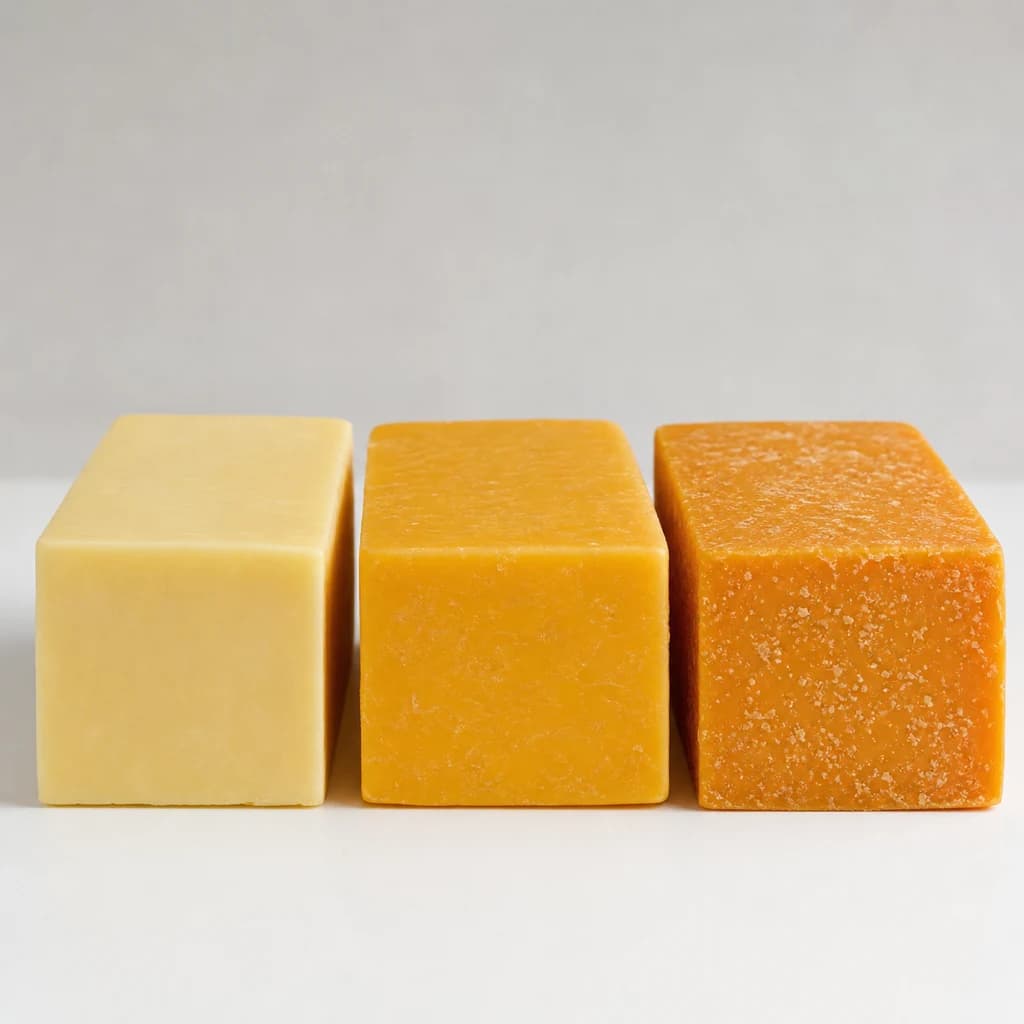
Cheddar Cheese
Sharp, melty cheese for sandwiches, gratins, and grating
Skim Milk
Fat-free milk for lighter drinking, coffee, and cooking
Heavy Cream
Rich cream that whips, enriches sauces, and sets ganache

Sour Cream
Tangy, thick cream for dolloping, baking, and dips
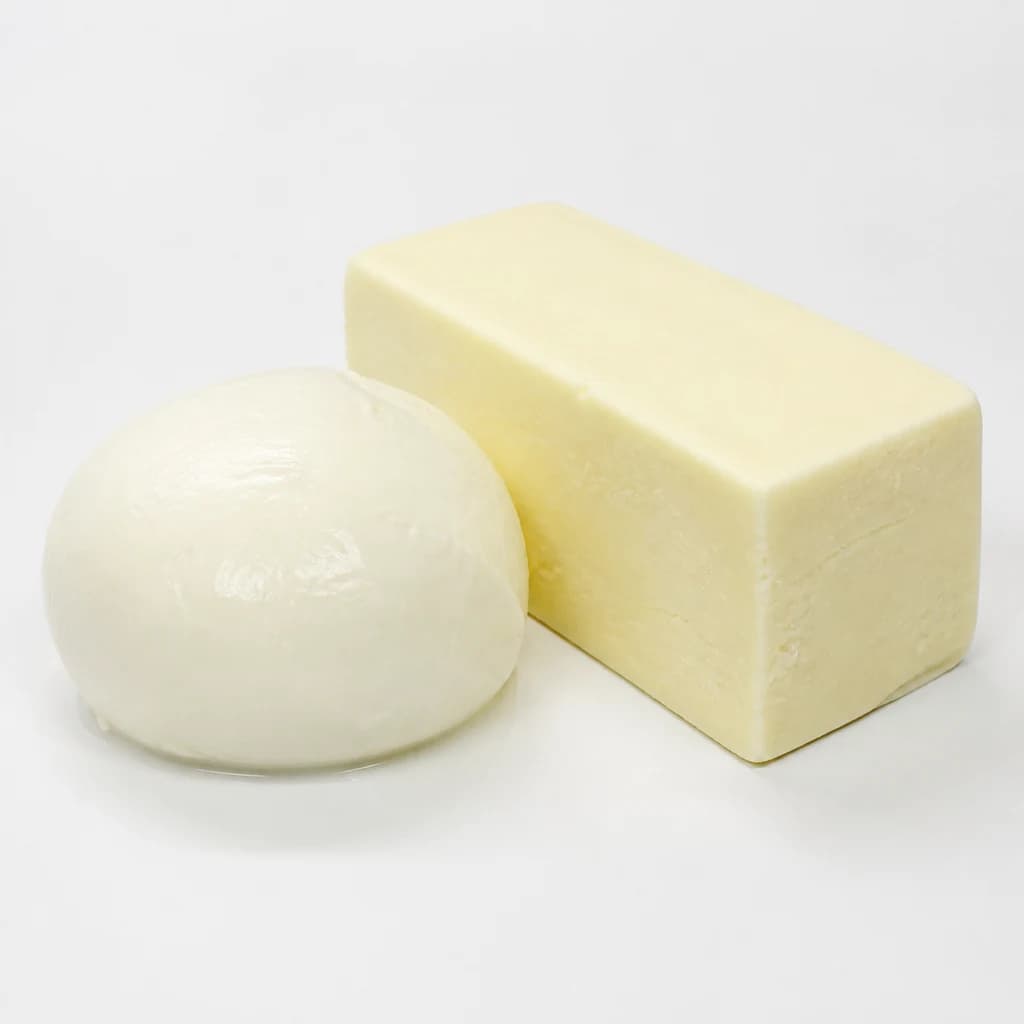
Mozzarella
Soft, milky cheese that melts into stretchy pizza pulls