Baking
Vienna Malt
Lightly kilned malted barley lending toasty golden color and bready flavor.
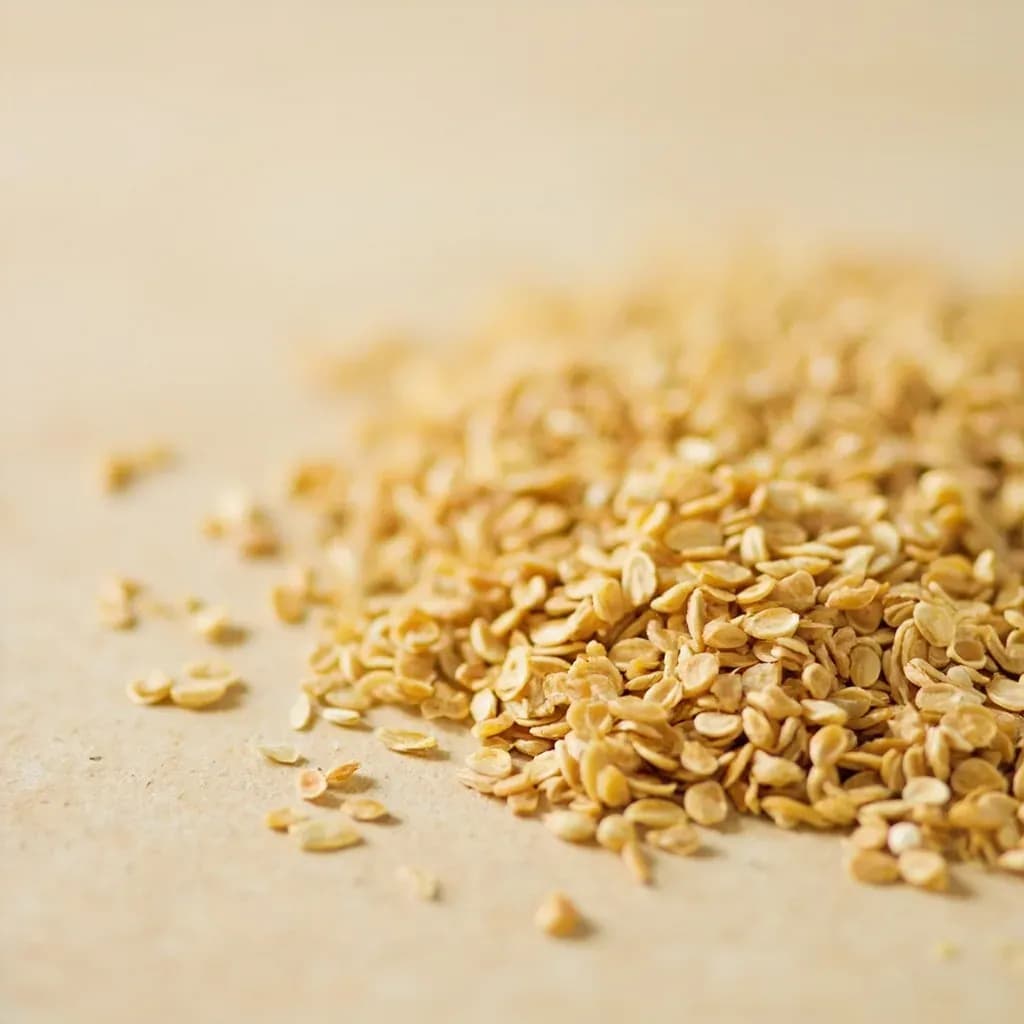
Vienna malt is a malted barley kilned slightly more than pale malt, producing a deeper golden color and a toasty, lightly biscuity flavor. It is a brewing malt central to Vienna lagers and amber beers, and is also used in malt-forward baked goods. It contributes both color and a gentle malt sweetness.
Vienna malt is a specialty kilned barley malt developed in mid-19th century Vienna, Austria, for the production of the city's namesake lagers. It occupies a distinctive niche between pale base malts and darker roasted varieties—kilned at approximately 170–180°F (75–85°C), it undergoes enough heat to develop rich Maillard reaction products that create its characteristic toasty, bready flavor without the astringency of darker malts. This controlled kilning also gives Vienna malt its signature golden-to-amber color range of 3–6° Lovibond. Crucially, the malt retains almost no diastatic power, meaning it contributes flavor and color but cannot convert starches to sugars on its own. While this entry carries a Baking category, Vienna malt is fundamentally a brewing ingredient; its toasted grain character does appear in some artisan bread formulations, but bakers seeking malt's fermenting or dough-strengthening properties should look to malted barley flour or diastatic malt powder instead.
- Measured in
- g
- Storage
- Pantry
Allergens
Types & varieties
The classic Viennese-style malt; the reference standard for this category
Baking vs. Brewing: Choosing the Right Malt Product
Vienna malt's toasted grain character occasionally appears in rustic bread formulas, but it is not a baking staple. If your goal is to add malt flavor to bread, crackers, or rolls, consider the broader category of malted barley products available to bakers: malted milk powder adds subtle sweetness and color; malt extract provides fermentable sugars and browning; diastatic malt flour (active malted barley flour) contains enzymes that strengthen dough and improve rise. Vienna malt, by contrast, is enzyme-inactive from its kilning and will not contribute to dough development. Brewers, meanwhile, should treat Vienna malt as a specialty grain to be used alongside sufficient base malt for enzymatic conversion.
- Malted barley flour: enzyme-active, strengthens dough
- Malt extract: syrup or powder, adds sweetness and color
- Diastatic malt powder: enzyme supplement for better oven spring
- Vienna malt: flavor and color only; cannot aid fermentation
Common uses
Tips & pitfalls
- Use Vienna malt as a specialty grain, not a base malt—it lacks sufficient enzymes for starch conversion and must be paired with enzymatically active malts.
- Vienna malt is enzyme-inactive from its kilning; bakers seeking dough-strengthening benefits should use diastatic malt flour or malted milk powder instead. The toasted character can be replicated by adding a small amount of craft beer brewed with Vienna malt to doughs, or by incorporating actual Vienna malt for a beer-inspired flavor in artisan loaves.
- When brewing extract batches, steep crushed Vienna malt in hot water at 150–170°F for 30 minutes to extract flavor without harsh tannin extraction.
- Combine Vienna malt with Munich malt for deeper color and more intense bready character, or with pilsner malt for a cleaner, more neutral base.
- Common mistake: using Vienna malt as the sole grain bill will result in incomplete fermentation due to its negligible diastatic power—always include a base malt like pilsner or pale ale malt.
- In brewing, additions of 5–15% of the total grist are sufficient to impart noticeable toasted character without overwhelming hop flavors.
Nutrition
Energy
1473 kJ · per 100 g
Where the calories come from
Protein
9.9g
20% DV
Carbs
77.7g
28% DV
Fat
1.2g
1% DV
Fiber
15.6g
56% DV
Sugars
0.8g
of which
Sodium
9mg
0% DV
Source · USDA FoodData Central · approx. Barley, pearled, raw
View on FDC →In the shops
Matched grocery products
No matched grocery products for Vienna Malt yet.
Good to know
- Type
- Specialty brewing malt (kilned barley)
- Origin
- Vienna, Austria; developed mid-19th century
- Kilning Temperature
- Approximately 170–180°F (75–85°C)
- Color Contribution
- 3–6° Lovibond (golden to amber)
- Diastatic Power
- Very low to none (no enzymatic activity)
- Flavor Profile
- Toasty, bready, malty; no roasted or smoky notes
- Primary Use
- Brewing Vienna-style lagers and Märzen/Oktoberfest ales
Substitutes
- Munich malt (light) — Provides similar bready, toasted flavor with slightly darker color (8–10°L); swap 1:1 in recipes
- Wheat malt — Offers a different character—less bready, more neutral wheat notes; not a close flavor match
Pairs with
Also called
Vienna Malted Barley
Related

All-Purpose Flour
The do-anything flour for bread, cakes, sauces, and dredging

Bread Flour
High-protein flour for chewy, well-risen breads
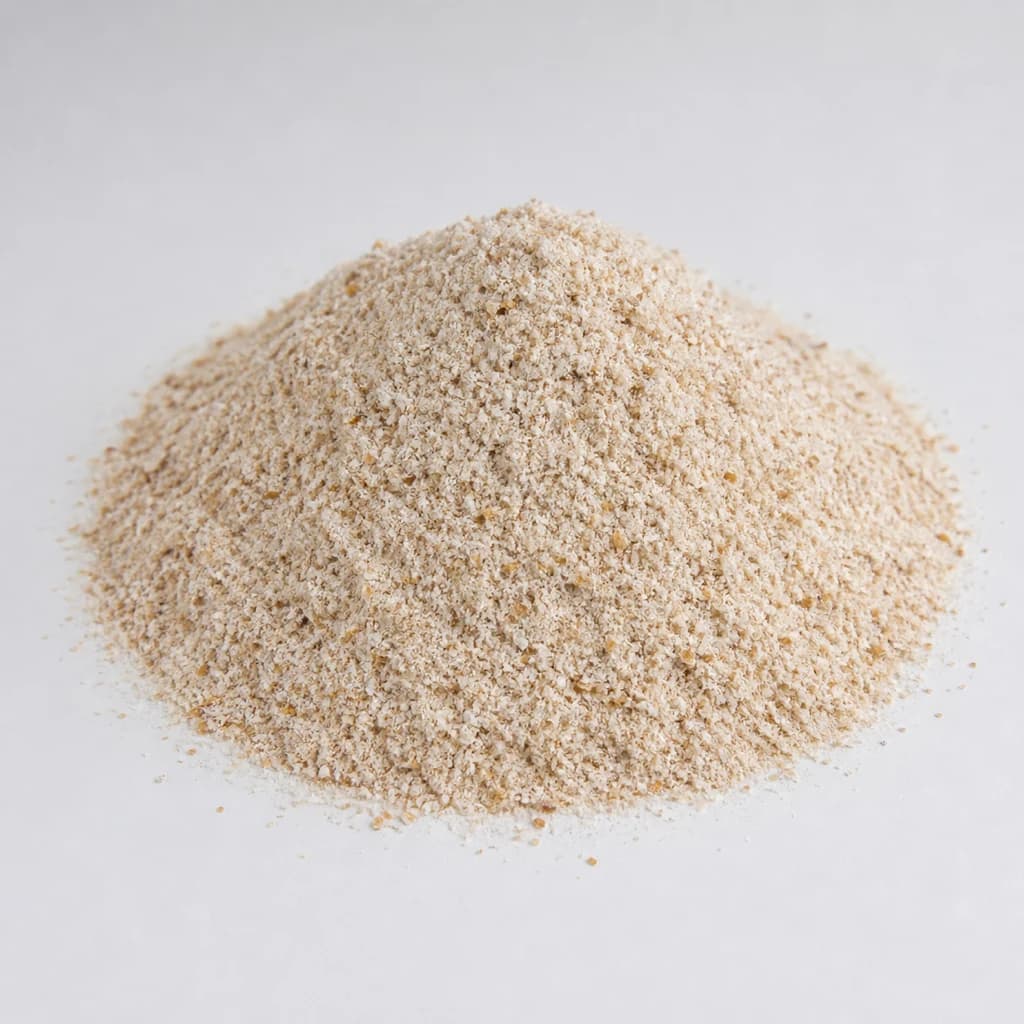
Whole Wheat Flour
Nutty, whole-grain flour for hearty breads and bakes
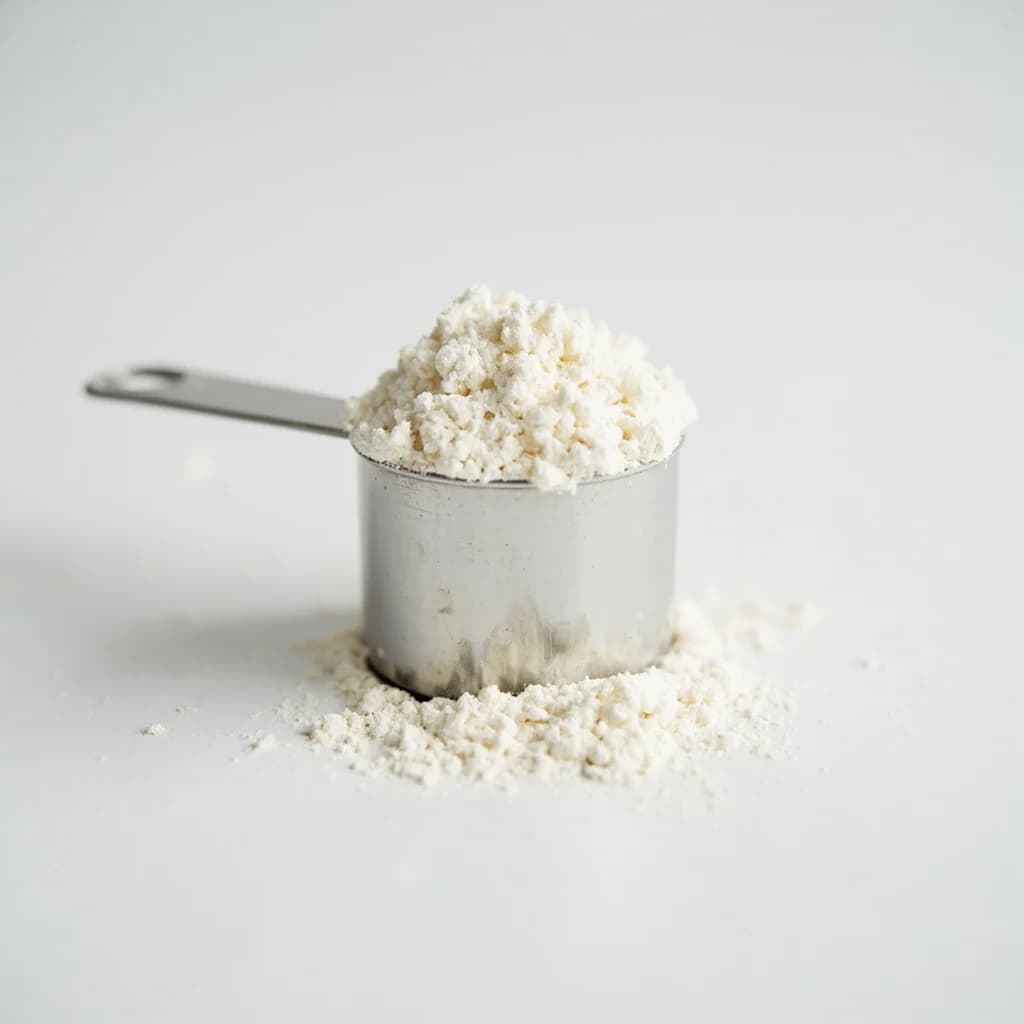
Cake Flour
Fine, low-protein flour for tender, delicate cakes
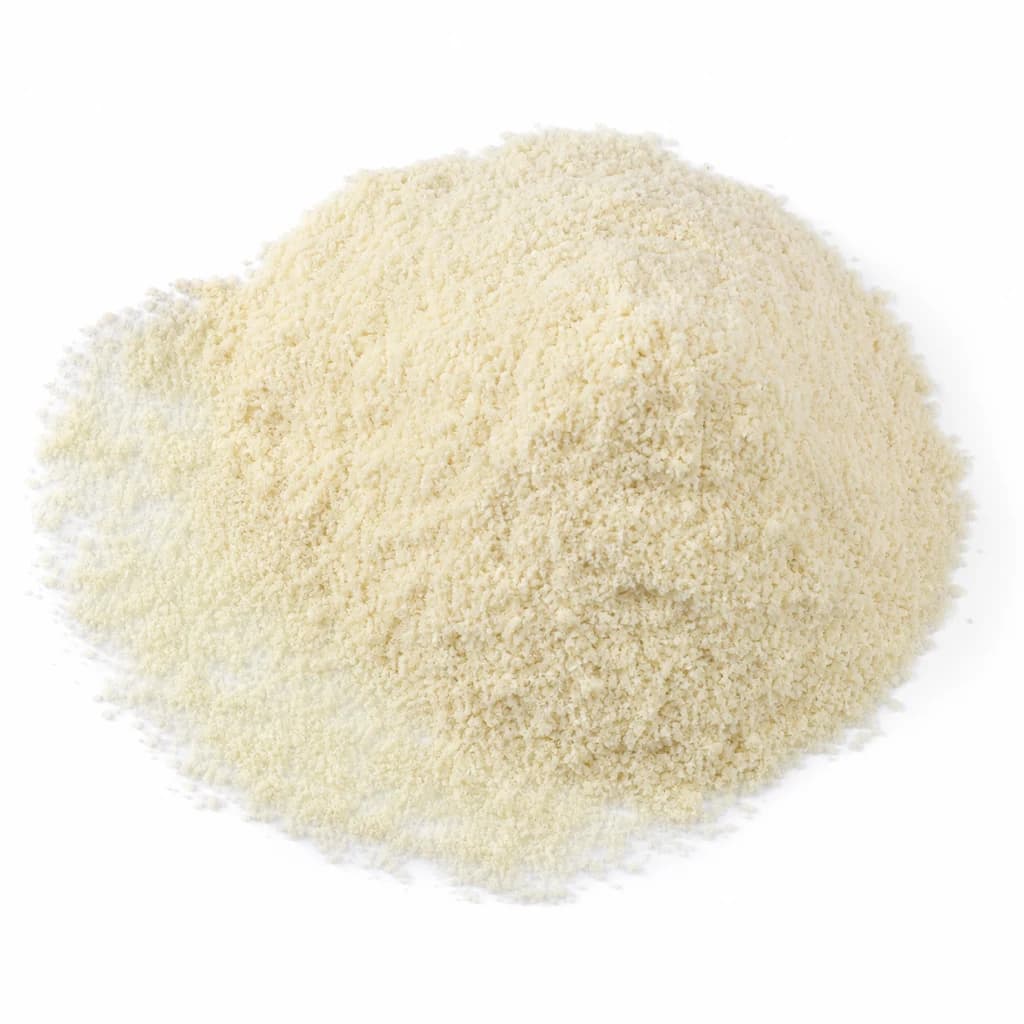
Almond Flour
Nutty, gluten-free flour for macarons and tender bakes

Baking Powder
All-in-one leavener for fluffy cakes, pancakes, and biscuits

Baking Soda
Pure leavener that needs acid to lift — and tenderize
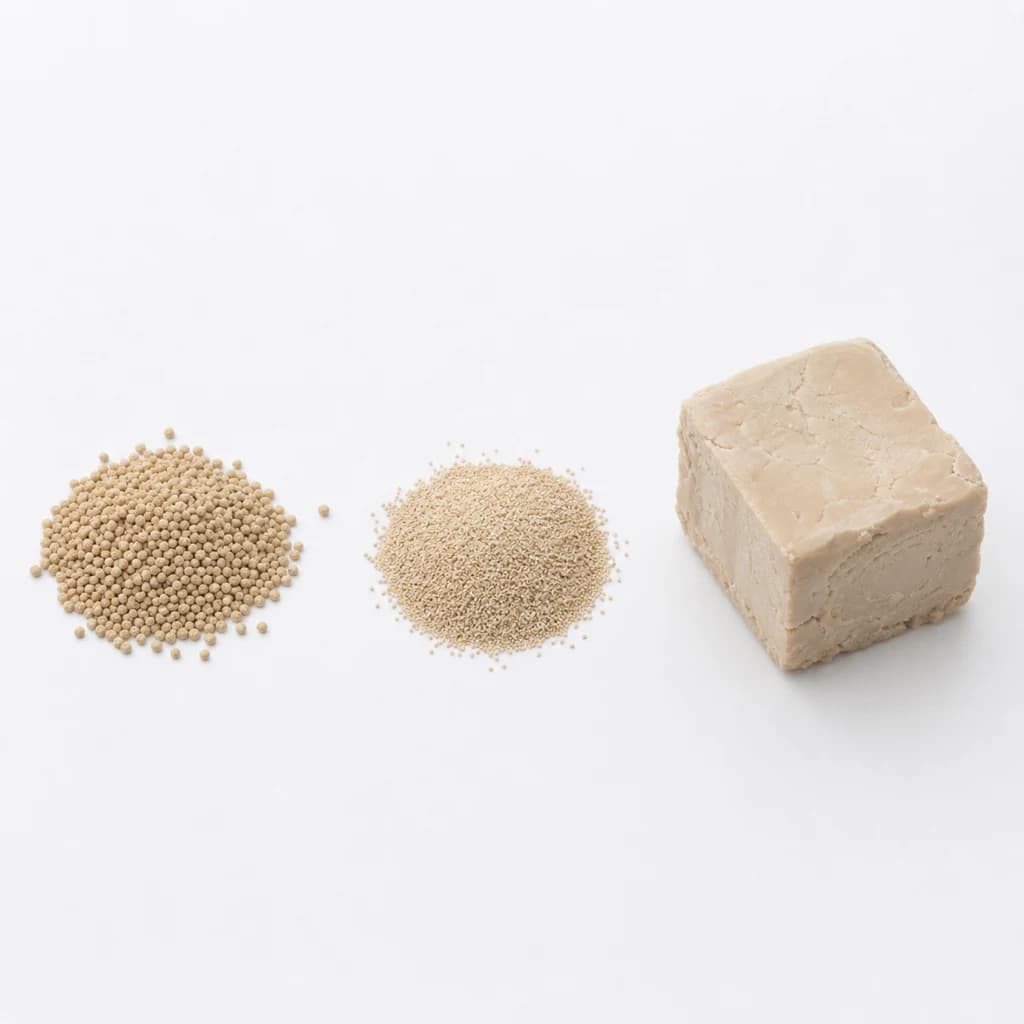
Yeast
Living leaven that makes bread rise and dough come alive