Grains & Rice
Mixed Grain Rice Blend (Japgok)
Korean blend of rice with assorted whole grains and beans for nutty, hearty bap.
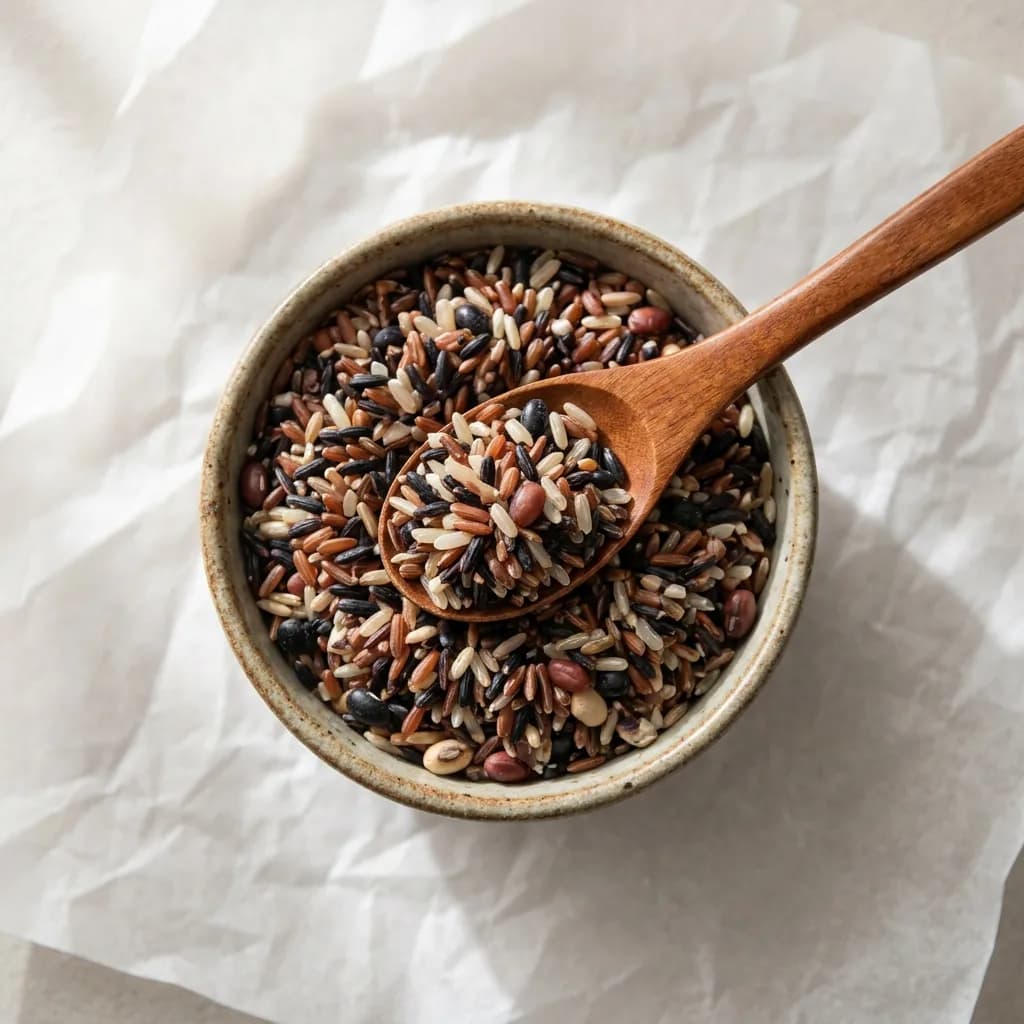
Japgok is a Korean multigrain mix combining white or brown rice with grains and legumes such as barley, millet, sorghum, black rice, and beans. Cooked together it makes japgokbap, a nutty, chewy, more nutritious bowl of rice eaten as an everyday staple. The blend varies by household and adds color, fiber, and flavor to plain rice.
Japgokbap (잡곡밥) is the Korean approach to multigrain rice: short-grain white rice blended with whole grains like barley, millet, sorghum, and glutinous rice, plus legumes such as adzuki beans, black soybeans, or black beans. The name literally means "mixed grain rice" and reflects a centuries-old dietary principle—pairing grains with legumes produces a more complete protein, increasing lysine availability and boosting the overall nutritional density beyond what polished white rice offers. In Korean households, japgokbap is not a specialty dish but an everyday staple, valued as a heartier, more nutritious alternative to plain bap.
The texture of japgokbap differs markedly from plain white rice. Whole grains add resistance to each bite—barley brings a mild chew, millet contributes slight tenderness, and beans introduce creamy pockets that break against the palate. The proportions matter: typically 70–80% white rice anchors the blend, preventing it from becoming too dense or gritty, while the 20–30% whole grains and legumes provide the nutty character and visual interest. Because these whole grains and legumes absorb water and cook at different rates than white rice, the cooking method requires adjustments—chiefly longer soaking times and slightly more water than plain rice.
Modern Korean cuisine has kept japgokbap deeply embedded in daily practice, but it also carries ceremonial weight. The five-grain variety (오곡밥) specifically—traditionally rice, barley, millet, sorghum, and beans—is prepared for Chuseok (Korean Thanksgiving) and other holidays as a way of honoring the harvest and the balance of nature. Supermarkets sell pre-mixed bags labeled 잡곡 for convenience, but many Korean home cooks still assemble their own blends to control grain ratios and preferred legumes.
- Measured in
- g
- Storage
- Pantry
Types & varieties
White rice blended with barley; the most common household variety, mild and slightly chewy
Uses cheongseong barley (glutinous barley) for a noticeably stickier, more cohesive texture
Adzuki beans cooked with rice; traditionally served at special occasions and memorials
Black soybeans added for deep color contrast, extra protein, and a richer, earthier flavor
Rice, barley, millet, sorghum, and beans; prepared for Chuseok and other holidays as a ceremonial dish
Pre-packaged mixes with varied grain proportions; check the label for specific soaking and water adjustments
Why Japgokbap Belongs on Your Table
The nutritional case for japgokbap is straightforward: whole grains contribute dietary fiber, B vitamins, and minerals like magnesium and iron that polished white rice largely lacks, while beans add protein and lysine. But the case for cooking it goes beyond nutrition. The flavor is more complex—barley has a faintly sweet, nutty quality, millet is mild and slightly earthy, and black soybeans bring a deep, almost meaty richness. When you cook these together with white rice, the grains absorb the starchy, savory liquid from the rice and take on a unified character that is greater than the sum of its parts. A bowl of japgokbap can stand up to strongly seasoned banchan and rich soups that plain white rice would be overwhelmed by.
Building Your Own Blend
Pre-mixed commercial bags are convenient, but assembling your own blend gives you control over texture and flavor. A reliable starting point is: 1 cup white short-grain rice, 2 tablespoons barley, 1 tablespoon millet, and 1 tablespoon black beans or adzuki beans. Scale up from there. Barley is the most forgiving grain to start with—its mild flavor integrates seamlessly with rice. Millet adds tenderness but can disappear if overused. Sorghum contributes a pleasant firmness but requires a longer soak. Beans are the variable: black soybeans hold their shape well, adzuki beans become creamy and slightly sweet, and black beans bleed color into the rice, turning it a dusky gray-violet (which is natural and perfectly fine).
- Start with a small proportion of whole grains—20% by volume—until you know how your rice cooker or pot handles the blend
- Toasting dry grains in a dry pan for 2–3 minutes before soaking deepens their nutty flavor
- Store your custom blend in an airtight container in the freezer to keep the oils in the grains from going rancid
Common uses
Tips & pitfalls
- Soak harder legumes separately for at least 2 hours or overnight—black soybeans will remain crunchy if added dry, while adzuki beans need only 30 minutes to 1 hour
- Use 10–20% more water than you would for plain rice—whole grains absorb substantially more liquid
- Barley and sorghum expand considerably during cooking; never fill your rice cooker more than halfway with the uncooked blend
- Commercial pre-mixed bags vary widely in grain ratio and composition—always check the package for specific water and soak instructions
- A pinch of salt or a small drizzle of toasted sesame oil added after cooking amplifies grain flavors without masking them
- Leftover japgokbap reheats well in the microwave covered with a damp paper towel, which restores moisture and prevents the grains from drying out
- Do not rush the resting period after cooking—10 minutes under a tight cover gives the grains time to settle and finish cooking evenly
Nutrition
Energy
1536 kJ · per 100 g
Where the calories come from
Protein
7.5g
15% DV
Carbs
76.3g
28% DV
Fat
3.2g
4% DV
Fiber
3.6g
13% DV
Sugars
0.7g
of which
Sodium
5mg
0% DV
Source · USDA FoodData Central · approx. Rice, brown, long-grain, raw (Includes foods for USDA's Food Distribution Program)
View on FDC →In the shops
Matched grocery products
No matched grocery products for Mixed Grain Rice Blend (Japgok) yet.
Good to know
- Korean Name
- 잡곡밥 (Japgokbap)
- Base Grain
- Short-grain white rice (백미)
- Typical Composition
- 70–80% white rice, 20–30% mixed whole grains and legumes
- Common Grains
- Barley, millet, sorghum, glutinous rice, brown rice
- Common Legumes
- Adzuki beans, black soybeans, black beans
- Legume Soak Time
- 30 minutes to 2+ hours depending on legume type; adzuki beans 30 min–1 hr, black soybeans 2+ hrs
- Water Ratio
- Approximately 1:1.1 to 1:1.2 (10–20% more than plain rice)
- Dietary Principle
- Grain-legume pairing creates complementary proteins for improved nutrition
Substitutes
- Brown Rice — Cooks similarly in method but lacks the visual variety and layered nutty notes of a true japgok blend; increase water by about 15% and extend cooking time by 10–15 minutes
- Wild Rice Blend — Provides similar texture contrast with a distinct earthy flavor; requires significantly longer cooking time than white rice and may need to be parcooked before combining
- Non-Korean Multigrain Mix — May substitute successfully in terms of nutrition but will lack traditional Korean grains like barley or sorghum; adjust water and soaking times to match the specific grains included
Pairs with
Also called
Japgok · 잡곡 · Multigrain Rice
Related

White Rice
Fluffy long-grain rice — the neutral base for almost any meal

White Bread
Soft sandwich loaf for toast, sandwiches, and crumbs
Brown Rice
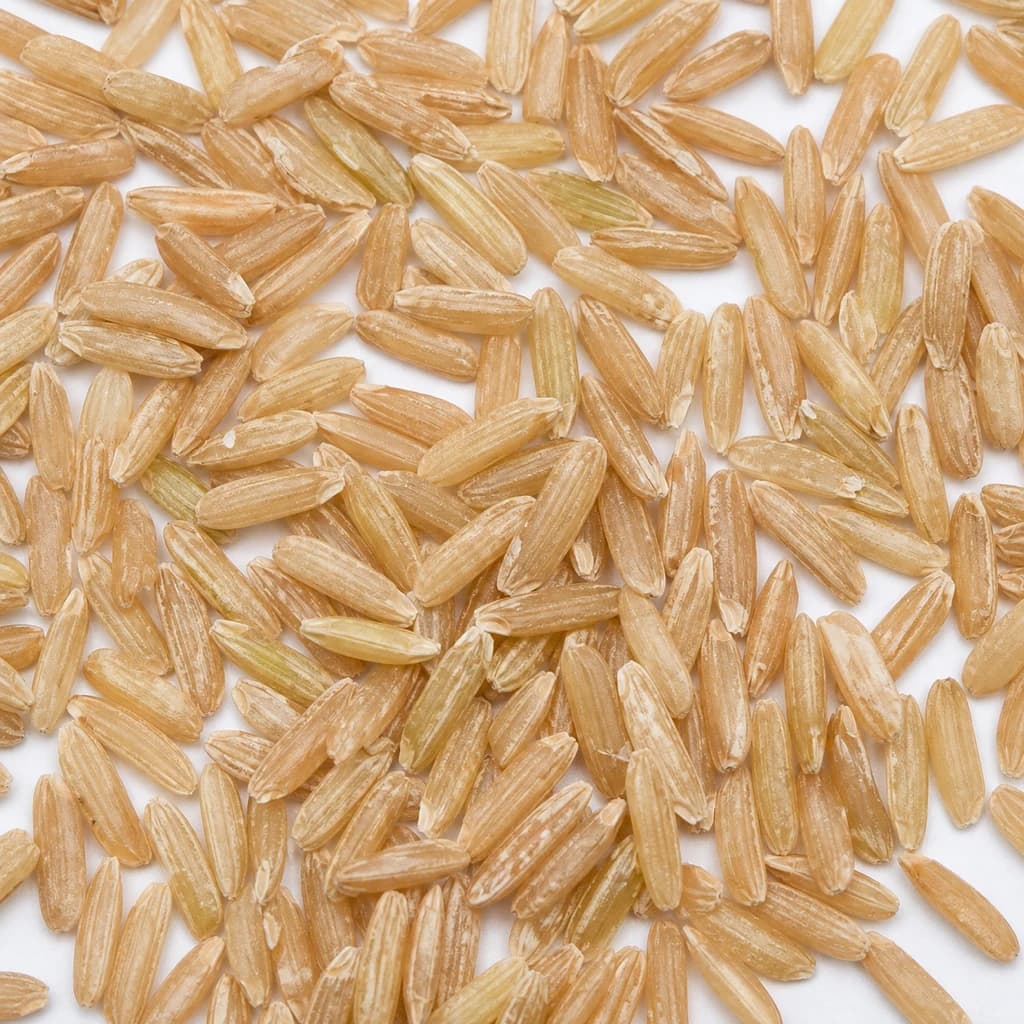
Nutty, whole-grain rice with chew and extra fiber

Basmati Rice
Fragrant, long-grain rice that cooks up light and separate
Jasmine Rice
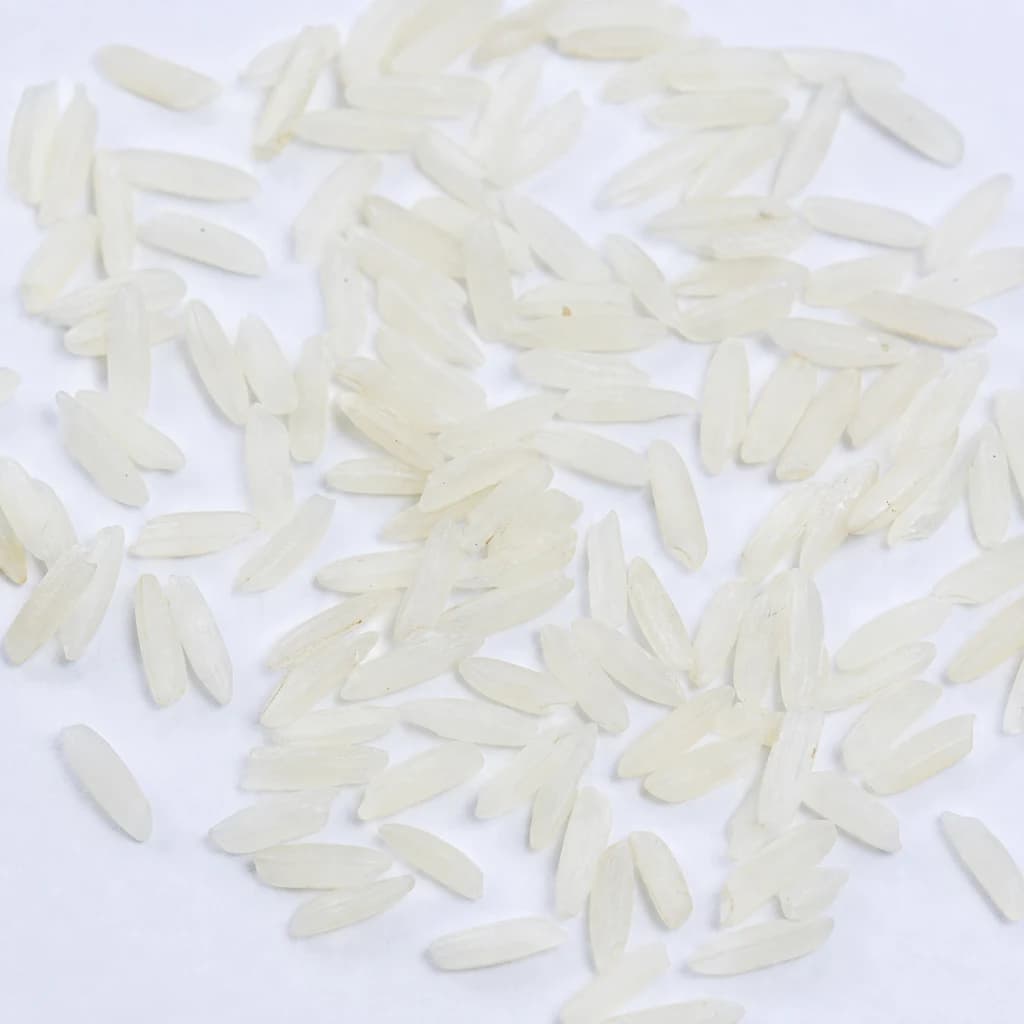
Soft, floral-scented rice that's the pillar of Thai meals
Arborio Rice
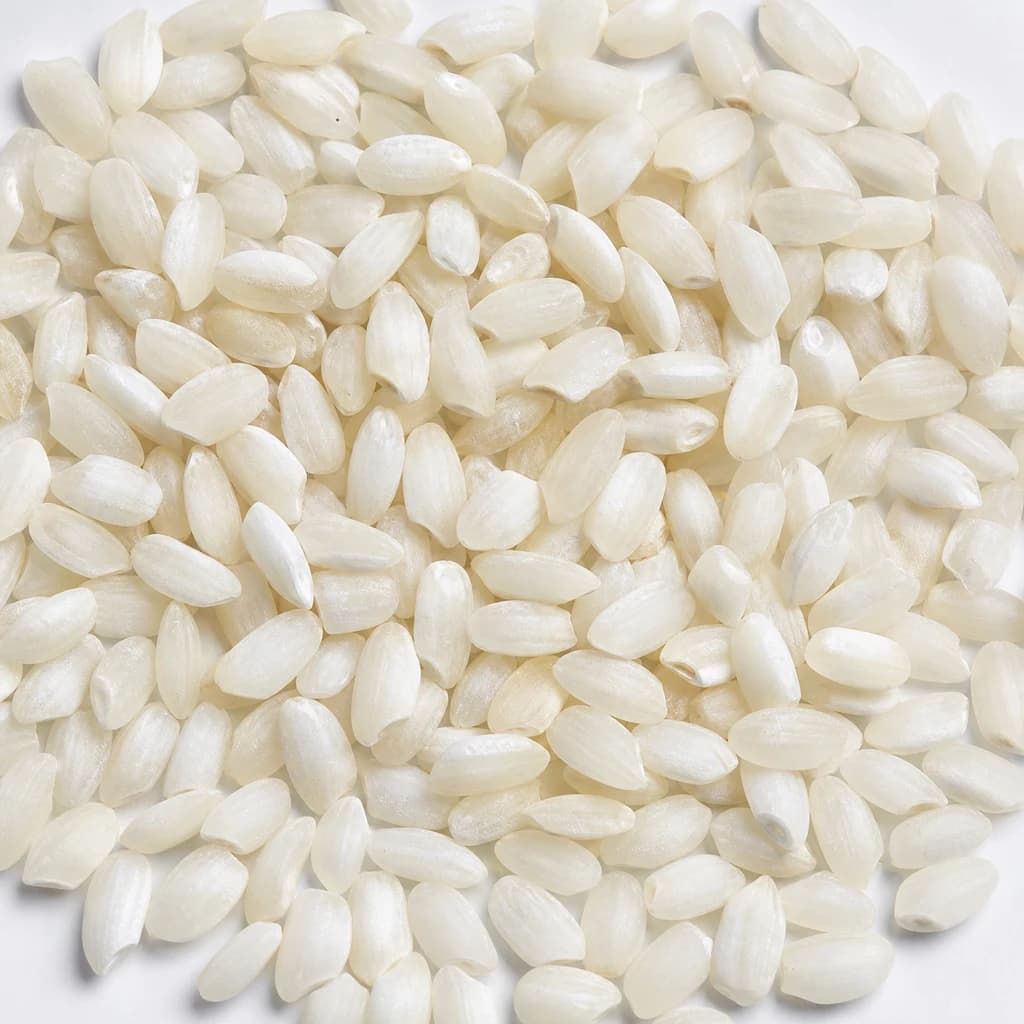
Plump, starchy rice that makes risotto creamy
Fusilli
Spiraled pasta that twirls up sauce and dresses cold salads
Rolled Oats
Hearty flakes for porridge, granola, and chewy cookies