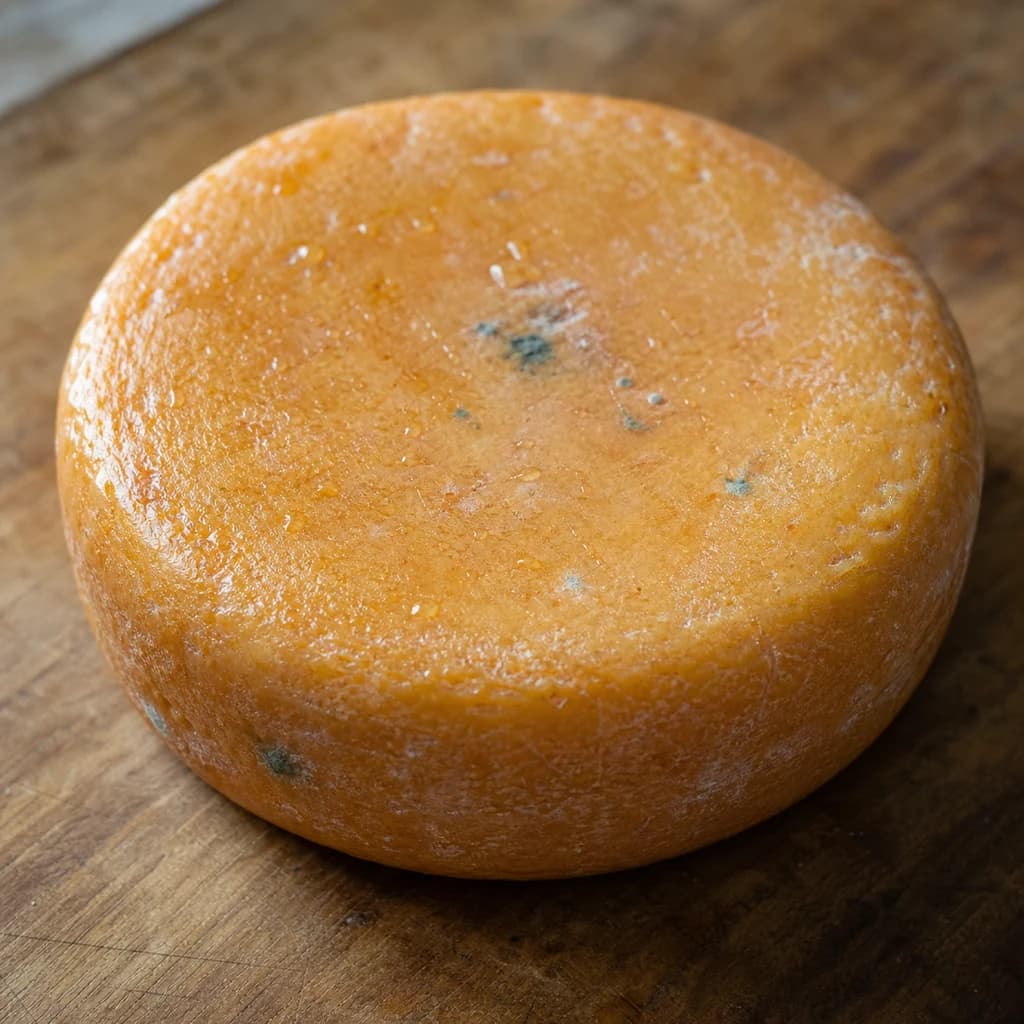
Natural form
A whole Oka cheese wheel showing its distinctive orange washed rind and smooth exterior.
Shows the defining visual identity of Oka — the orange rind and wheel shape that make it recognizable at first glance.
Dairy & Eggs
Oka Cheese
Canadian semi-soft washed-rind cheese with a nutty, fruity aroma, sliced for sandwiches or melted.
Oka is a Canadian washed-rind cow's-milk cheese first made by Trappist monks in Oka, Quebec. It is semi-soft with a smooth, supple paste, an orange rind, and a pungent, nutty, slightly fruity flavor. It is enjoyed on crackers, in sandwiches, or melted in cooking.
Oka is one of Canada's founding artisan cheeses, born in 1933 when Trappist monks at the Abbey of Oka set out to recreate the washed-rind tradition they knew from French monasteries like Port-Salut and Époisses. The result is a semi-soft cow's-milk cheese with a distinctive orange-washed rind that is fully edible and contributes to the overall flavor. When young, Oka is smooth, pliable, and slightly sticky on the surface; the interior yields easily to pressure. As it ages—particularly in the artisan and Reserve varieties—the paste firms and develops crystalline flecks and a deeper, earthier, more pronounced nutty and fruity character. The cheese occupies a particular niche in the Canadian pantry: it melts reliably without turning greasy, holds its shape in fondue, and has enough structural integrity to slice cleanly for sandwiches. It is a workhorse of Quebec cooking and a reliable bridge between the worlds of charcuterie and hot preparation. The original Trappist monks still produce a small-quantity farmstead version using raw milk, which commands a premium and is rarely found outside the region, but the Agropur artisan line has restored much of the quality that slipped after production rights left monastic hands in 1963.
The washed-rind process is what defines Oka's character. During aging, the rind is periodically hand-rubbed with a brine solution, which encourages the development of specific surface bacteria. This gives Oka its aromatic complexity—fruity and nutty at peak freshness, with a faint tang that deepens with age—without the aggressive ammonia punch of a truly pungent washed-rind cheese. The orange color comes from the washing process itself, common in Canadian cheese of this style. Oka classifies as a Canadian artisanal cheese under Quebec heritage designation, and its production standards distinguish the true Oka from imitations.
In the kitchen, Oka's real strength is versatility across temperature ranges. Cold, it makes a satisfying sandwich cheese with enough fat content to avoid gumminess. At room temperature, the fats relax and the aroma opens, revealing the fruity notes that distinguish it from blander alternatives. Heated, it melts smoothly and evenly, making it one of the more reliable choices for any application where you want creamy, cohesive cheese pull without the stringiness of low-moisture mozzarella or the oiliness of young cheddar. Understanding these three states—cold, room temperature, and heated—is the practical foundation for getting the most out of Oka in any dish.
- Measured in
- g
- Storage
- Fridge
Allergens
Types & varieties
The standard version; mild, creamy, excellent melting cheese for everyday use
Aged 4+ months; deeper orange color, more complex flavor, noticeably firmer texture with crystals
Premium aged variety; pronounced nutty character and crystalline notes from extended aging
Rare traditional version made by the monks with raw milk; small production, sought by collectors
How Washed-Rind Cheeses Behave in Heat
Washed-rind cheeses like Oka have a higher moisture content than firm aged cheeses, which makes them melt at lower temperatures—around 130–140°F (54–60°C). This is an advantage: you get smooth, even melting without the graininess that plagues some cheeses when they seize up. The trade-off is that the fat can separate and pool if heated too aggressively. The practical rule is moderate, steady heat rather than a blast of high broiler fire. Oka also contains more free fatty acids than a mild cheddar, which gives it that characteristic nutty aroma when heated but also means it can turn slightly sharp if scorched. The rind, while edible, becomes leathery when heated and is best removed before cooking unless you are using it as a structural element, as in a baked cheese course where the rind forms a bowl.
- Oka melts cohesively between 130–140°F (54–60°C); beyond 160°F (71°C) fat begins to separate
- For a baked cheese appetizer (like baked brie), score the rind and add flavorings before roasting at 350°F (175°C)
- In gratins or casseroles, add Oka in the last 10 minutes to prevent over-browning and oil separation
- In fondue, the cheese holds its shape in strands rather than clumping, because the rind provides a slight structural matrix
Buying and Assessing Freshness
Look for a wheel with a uniform orange rind free of dark blotches or excessive moisture pooling. Press the center gently: it should yield slightly under pressure and spring back, not collapse. The aroma at the rind should be pleasantly nutty and fruity. A strong ammonia smell indicates age or temperature abuse—though a very faint ammonia note on a wedge from the cut face is normal for washed-rind cheeses and dissipates quickly at room temperature. If you can, buy Oka from a shop with good turnover, since the cheese oxidizes and dries from the cut face over time. Whole wheels keep far better than pre-cut wedges, so if you have storage space, buy the wheel and cut it yourself with a hot, clean knife for the cleanest edges.
- Reject wheels with a dull, desiccated surface or visible mold on the cut face that wasn't there when whole
- Ask to smell the cheese before buying—fruit and nut are good; aggressive ammonia is not
- Pre-cut wedges often cost more per gram and degrade faster; a whole wheel is better value and quality
- Seasonal availability varies: the monks' farmstead version appears sporadically in autumn and winter
Common uses
Tips & pitfalls
- Let Oka rest at room temperature for 30–45 minutes before serving or cooking—this is not optional for flavor, the fats and aroma compounds simply do not express themselves when cold
- For melting applications, slice thin against the grain (1/4 inch or less) so heat penetrates evenly; thick chunks heat unevenly and the exterior can overcook before the center melts
- For charcuterie or a cheese board, cut into wedges to expose the rind and the paste together—this shows off the cheese's color gradient and gives tasters the rind-to-center flavor progression
- When baking Oka in a crust or pastry, keep oven at 350°F (175°C) or below; temperatures above 400°F (200°C) cause the surface to blister and the interior fat to separate, making the cheese greasy
- Store cut cheese cut-side down on wax or butcher paper over a plate or container, loosely tented with plastic wrap—the paper breathes, the plastic prevents drying, and the plate catches any excess moisture that could make the rind slimy
- If the rind develops a pronounced ammonia odor but the interior smells fine, trim the rind; the paste beneath is still good, especially for cooking where the smell cooks off
- Do not freeze Oka—its high moisture content means ice crystals shred the paste on thawing, leaving a mealy, crumbly texture useless for melting
- When making a grilled cheese or quesadilla, combine Oka with a higher-acid cheese like aged cheddar or gruyère; the acid balances the richness and the Oka contributes superior melt behavior
- If your Oka seems bland, try it with a pinch of fleur de sel on top—the salt opens up the fruity, nutty notes noticeably
- Use the rind intentionally in soups: cut a thick slab, sear it in butter, and float it in a bowl of soup; it adds umami depth without needing to be eaten
Nutrition
Energy
1628 kJ · per 100 g
Where the calories come from
Protein
25.6g
51% DV
Carbs
1.6g
1% DV
Fat
31.1g
40% DV
Fiber
0g
0% DV
Sugars
1.6g
of which
Sodium
800mg
35% DV
Source · USDA FoodData Central · approx. Cheese, fontina
View on FDC →In the shops
Matched grocery products
No matched grocery products for Oka Cheese yet.
Good to know
- Origin
- Oka, Quebec, Canada — Abbey of Oka, founded 1881 by Trappist monks
- Created
- 1933 by Trappist monks at the Abbey of Oka
- Type
- Semi-soft washed-rind cheese (Trappist style)
- Milk
- Cow's milk, typically pasteurized; traditional farmstead version uses raw milk
- Rind
- Orange-washed, edible rind
- Texture
- Smooth, pliable, slightly sticky when young; firmer with visible crystals when aged
- Flavor
- Nutty and fruity with light tang; deeper and earthier when aged
- Aging
- Standard Oka: 4–10 weeks; artisan and Reserve varieties: 4+ months
- Producer
- Originally Trappist monks; now produced by Agropur cooperative under license; monks still make a farmstead version
- Availability
- Year-round; widely available in Canada; specialty retailers internationally
- Storage
- Refrigerate wrapped in wax or butcher paper then plastic, or in an airtight container; 2–3 weeks
- Shape
- Traditional wheel, approximately 1.5 kg (3.3 lbs)
- Classification
- Canadian artisanal (Quebec heritage cheese)
Substitutes
- Port-Salut — The closest French equivalent; same monastic Trappist lineage, similar mild nutty flavor and melting behavior—use at a 1:1 ratio
- Münster — Both the American and original French versions work; flavor runs slightly more pungent but the texture and melt profile are nearly identical
- Livarot — A stronger-smelling French washed-rind cousin; substitute if you want a more assertive aroma and don't mind the intensity
- Saint-Nectaire — Semi-soft French cheese with comparable melting properties and a similar nutty paste; good direct substitution in hot applications
- Colby or Monterey Jack — Not authentic replacements, but work in a pinch for cold applications or mild melting where a washed-rind character is not essential
Pairs with
Also called
oka cheese · oka
Related

Whole Milk
Rich, full-fat milk for drinking, coffee, sauces, and baking
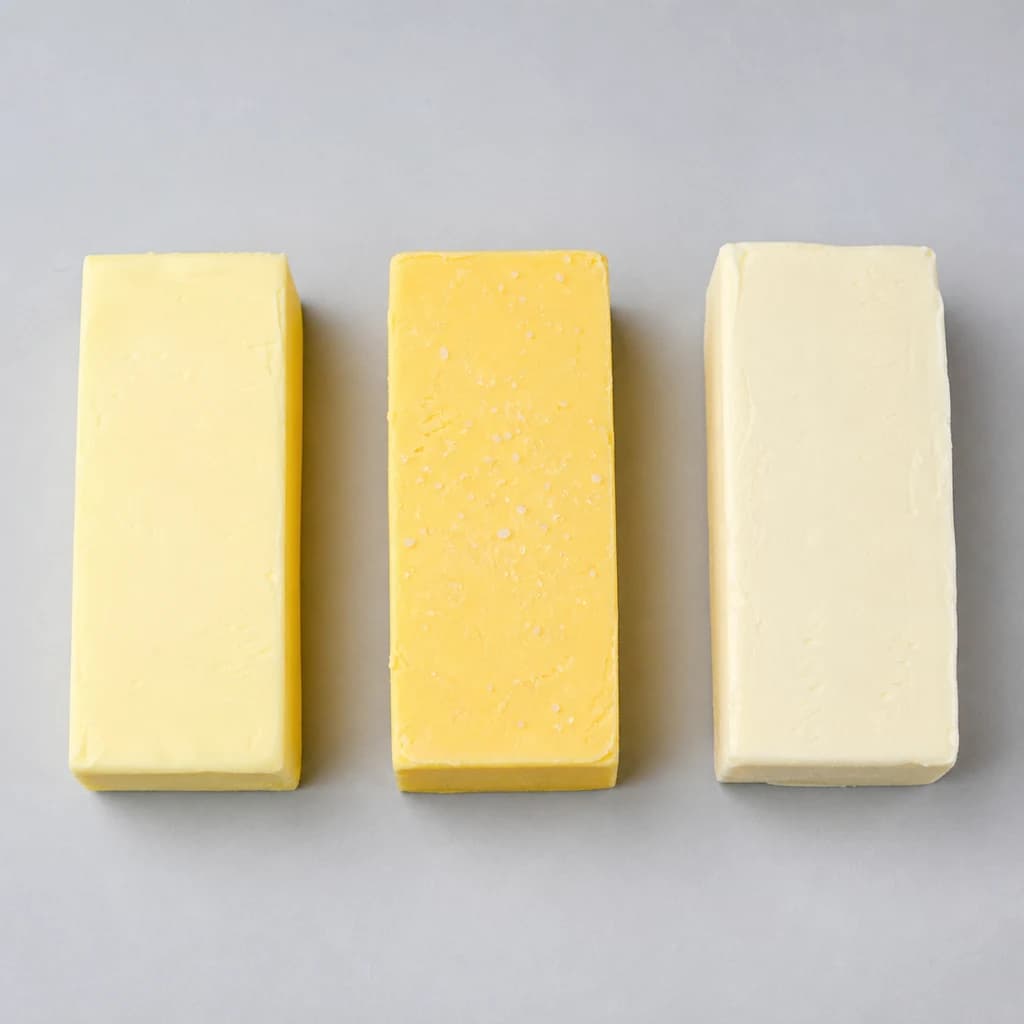
Butter
Golden fat for searing, baking, and finishing a sauce
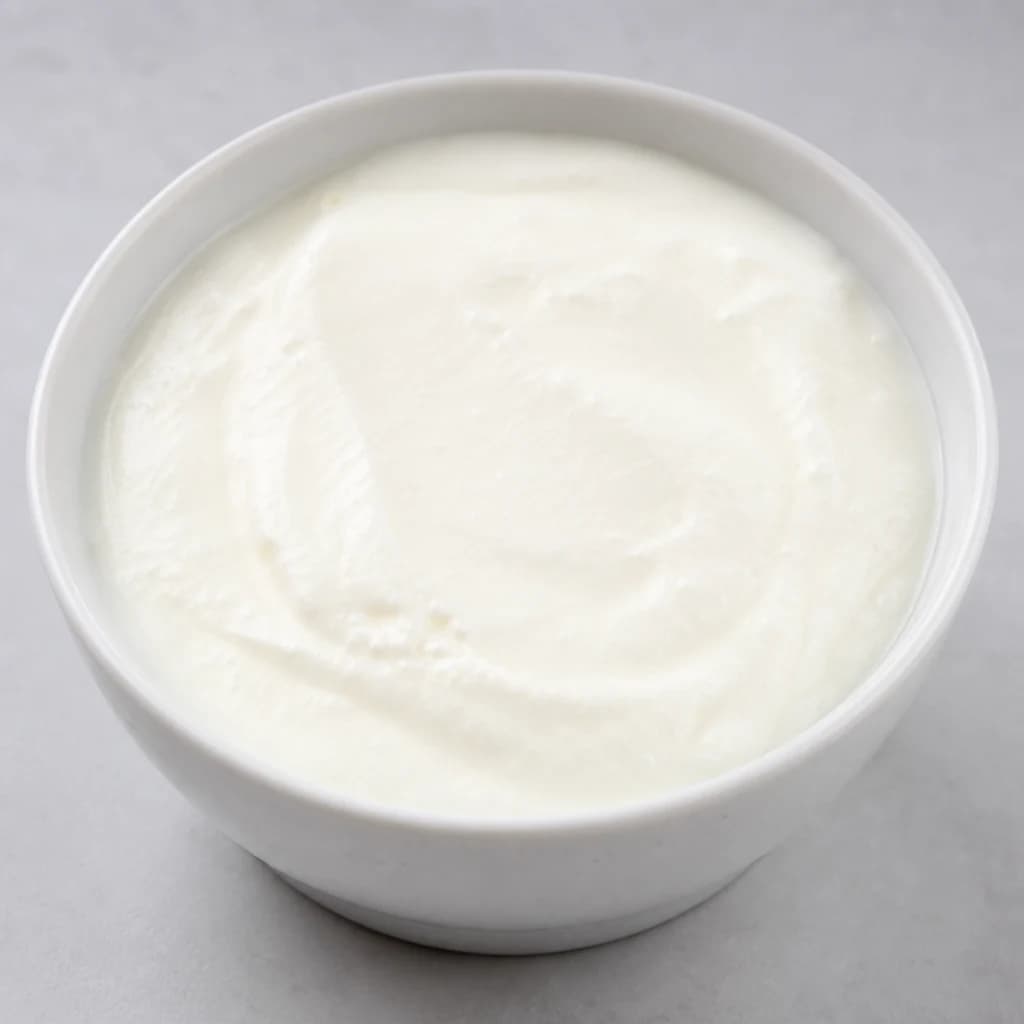
Yogurt
Tangy, creamy culture for breakfast, sauces, and marinades
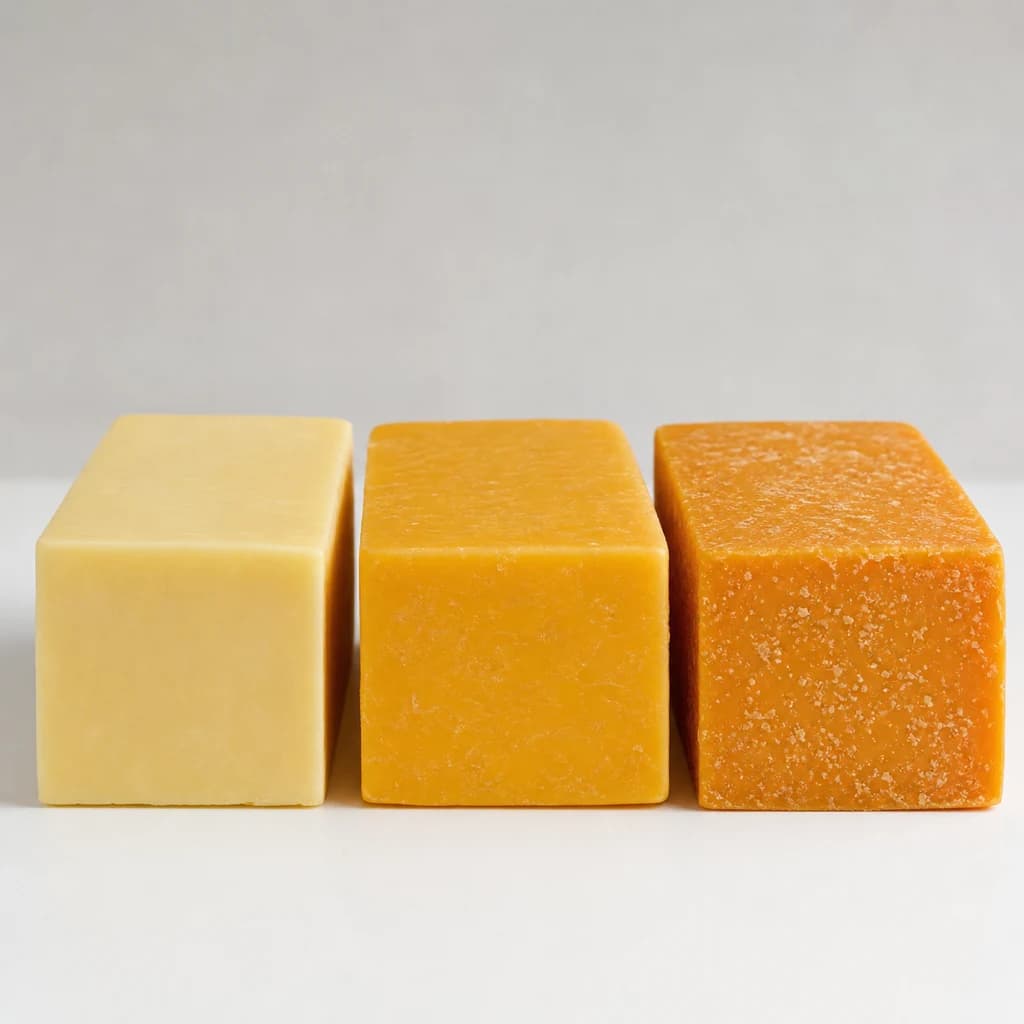
Cheddar Cheese
Sharp, melty cheese for sandwiches, gratins, and grating
Skim Milk
Fat-free milk for lighter drinking, coffee, and cooking
Heavy Cream
Rich cream that whips, enriches sauces, and sets ganache

Sour Cream
Tangy, thick cream for dolloping, baking, and dips
Mozzarella
Soft, milky cheese that melts into stretchy pizza pulls