Grains & Rice
Paratha
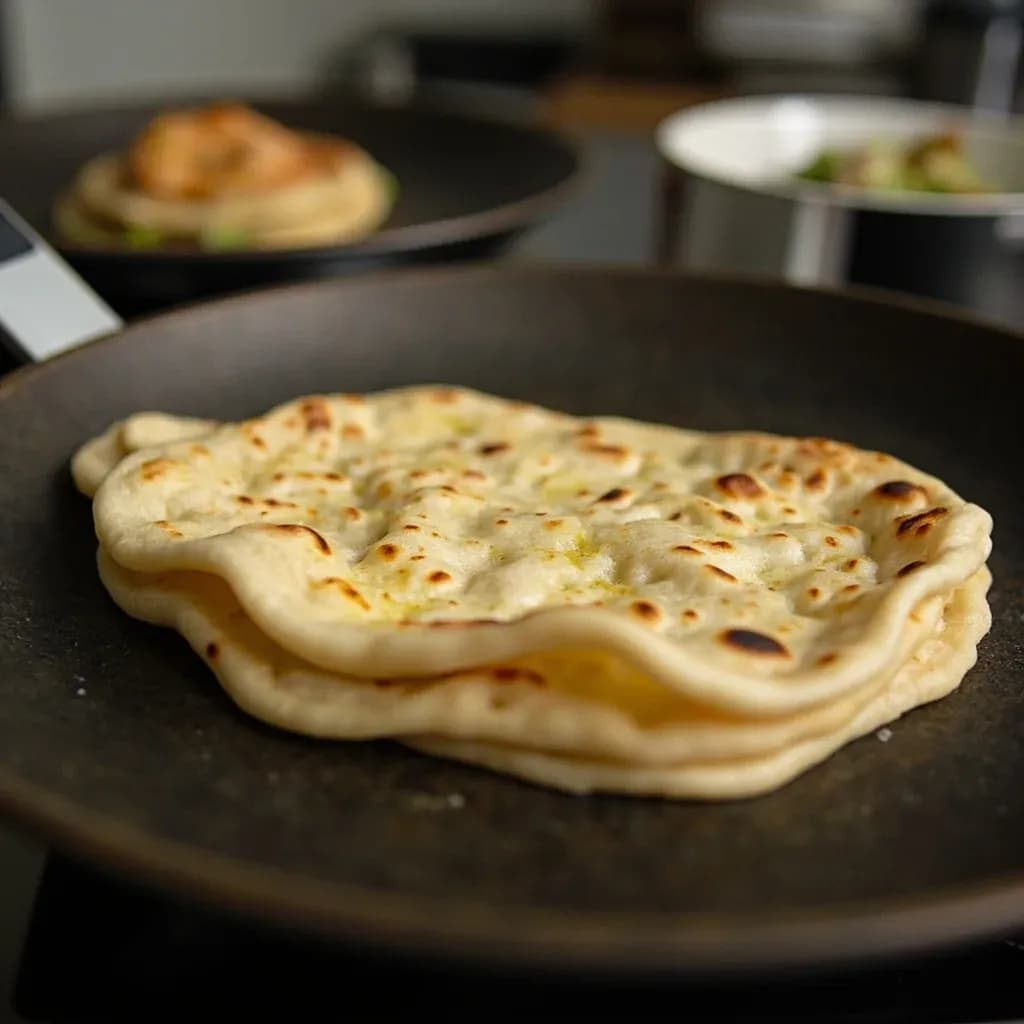
Flaky, layered Indian flatbread pan-fried with ghee, often stuffed with vegetables.
Paratha is a South Asian unleavened flatbread made by folding and layering whole-wheat dough, then pan-frying it in ghee or oil until crisp and flaky. It is eaten plain with curries and yogurt or stuffed with spiced potato, paneer, or radish. The repeated folding creates its signature crisp, layered texture.
Paratha is a pan-fried flatbread from the Indian subcontinent distinguished by its flaky, laminated texture — the result of layering thin sheets of dough with ghee or oil before cooking. Unlike simple rotis or chapatis, paratha involves a deliberate lamination process where fat is applied between folded dough layers, creating the buttery, separable sheets that make each bite rich and satisfying. The dough itself is stiffer than standard roti dough to support this layering technique, and the bread is cooked on a flat iron tawa with significantly more fat than most other Indian breads. Paratha occupies a special place in South Asian cuisine as both an everyday bread and a celebratory one — from humble breakfast tables across North India to street food stalls and formal meals alike. Regional variations extend throughout India, Pakistan, Bangladesh, and Nepal, each with its own approach to the fundamental lamination technique.
- Measured in
- piece
- Storage
- Freezer
Allergens
Types & varieties
Layered with ghee only, no filling — the foundational un-stuffed variety
Extra flaky with many visible layers; achieved through more ghee incorporated during rolling
Stuffed with spiced mashed potato — the most common stuffed variety across India
Stuffed with spiced grated cauliflower
Stuffed with spiced grated white radish
Spinach incorporated into dough or used as stuffing
Fenugreek leaves mixed into the dough
Stuffed with spiced cooked lentils, typically chana dal or urad dal
Stuffed with spiced crumbled paneer cheese
Stuffed with spiced minced meat, usually lamb or mutton
Mint leaves mixed into the dough for bright, herbal flavor
Chili and spice powder incorporated directly into the dough
Kerala style; uses coconut oil, slightly sweet, layered with eggs or meat
The Layering Technique
The hallmark of paratha is its laminated structure. After the first roll into a thin oval, cold ghee is spread across the surface, then the dough is folded in thirds like a letter, turned 90 degrees, rolled again, and the process is repeated. Each fold-and-roll cycle adds distinct layers. Lachedar parathas may go through this cycle four to six times, creating dozens of paper-thin layers that separate during cooking. The key is cold, solid ghee — warm or melted ghee absorbs into the dough rather than sitting between layers as a barrier.
- Each layering cycle adds distinct cooked layers
- Cold ghee is essential for proper separation
- More cycles mean flakier bread but also more skill required
- Stuffed parathas use a single layer cycle after sealing the filling
Dough Consistency
Paratha dough should be firmer than chapati dough — it should hold its shape when rolled and not stick to the work surface without excessive flour. A stiff dough supports the layers without tearing during folding and cooking. Knead just until smooth, then rest covered for at least 30 minutes. Resting relaxes the gluten and makes the dough pliable enough to roll thin without springing back, while the firmness prevents collapse during frying.
- Aim for a smooth, non-sticky dough slightly firmer than roti dough
- Resting is not optional — it prevents tearing and snapping during rolling
- Test readiness: dough should spring back slowly when poked
Common uses
Tips & pitfalls
- Use cold ghee straight from the refrigerator when making layers — it creates better separation and flakiness
- Rest the dough covered for at least 30 minutes at room temperature; this relaxes gluten and makes rolling easier without snapping back
- Do not over-knead the dough — just bring it together until smooth; over-kneading makes parathas tough
- Dust with flour sparingly while rolling; excess flour creates a pasty crust when cooked and can seal the layers shut
- Cook on medium-high heat; too low makes parathas absorb excess oil and become soggy
- Flip 2–3 times during cooking, pressing gently with a spatula to encourage layer separation and even browning
- For stuffed parathas, seal the edges thoroughly before rolling to prevent filling from escaping during cooking
- Apply ghee generously between layers and on the surface while cooking for authentic flavor and texture
Nutrition
Nutrition
No USDA FoodData Central match for Paratha yet. We surface a per-100 g profile once a generic whole-food entry is matched and verified.
In the shops
Matched grocery products
No matched grocery products for Paratha yet.
Good to know
- Origin
- Indian subcontinent, primarily North India
- Primary Flour
- Whole wheat flour (atta)
- Cooking Fat
- Ghee (clarified butter) or vegetable oil
- Cooking Method
- Pan-fried on a flat iron tawa or griddle
- Typical Size
- 15–20 cm (6–8 inches) diameter
- Difficulty
- Moderate — layering technique improves with practice
- Prep Time
- 30–60 minutes including dough resting
- Cook Time
- 4–8 minutes per paratha
- Yield
- 6–10 parathas from one standard dough batch
- Storage
- Best fresh; wrap and store at room temperature up to 24 hours, reheat on tawa
Substitutes
- Roti/Chapati — Uses less fat and is not layered; texture is softer but lacks the flaky, laminated quality of paratha
- Naan — Leavened with yogurt and yeast, cooked in a tandoor; different texture and flavor profile
- Puffed Kulcha — Leavened with baking powder, softer interior, different cooking method but similar serving context
- Roomali Roti — Thinner and cooked directly on open flame; acceptable substitute for lighter paratha applications
Pairs with
Also called
Frozen Paratha · Lachha Paratha
Related

White Rice
Fluffy long-grain rice — the neutral base for almost any meal

White Bread
Soft sandwich loaf for toast, sandwiches, and crumbs
Brown Rice
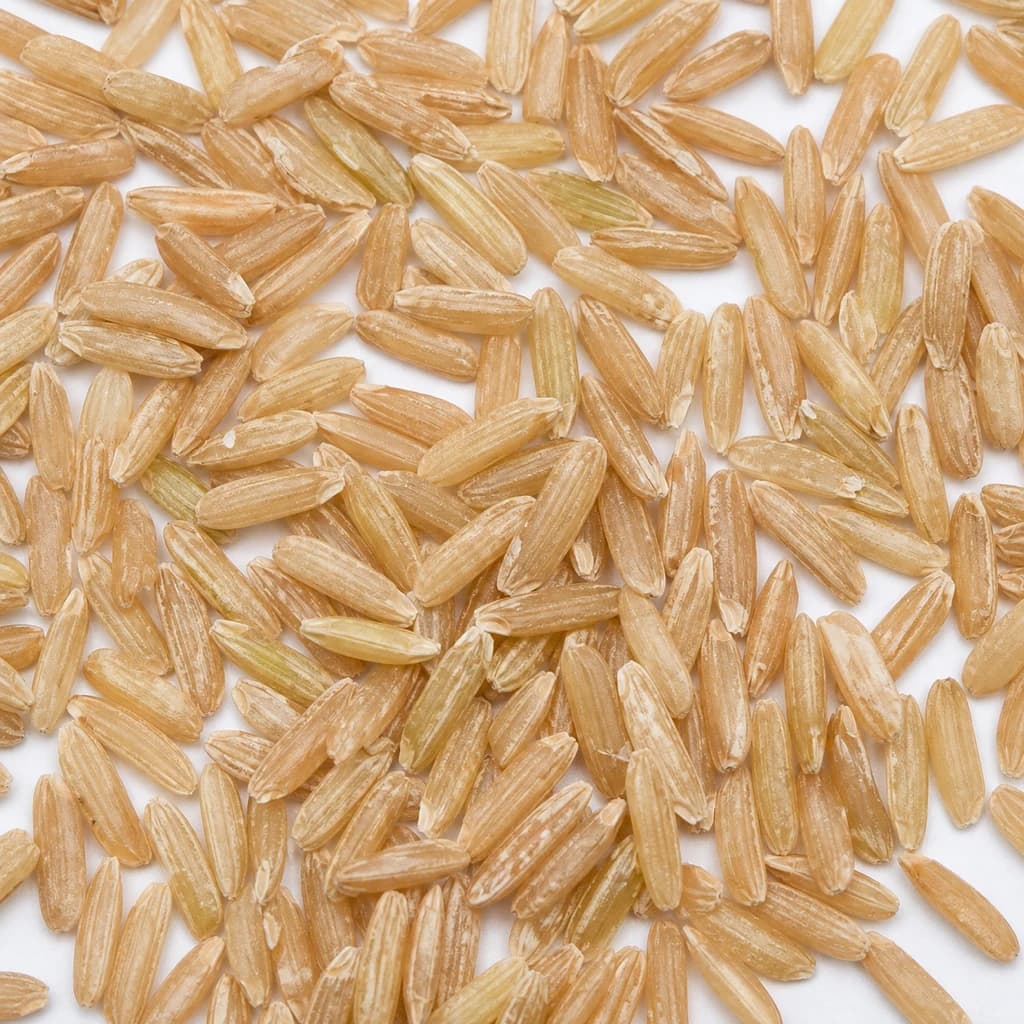
Nutty, whole-grain rice with chew and extra fiber

Basmati Rice
Fragrant, long-grain rice that cooks up light and separate
Jasmine Rice
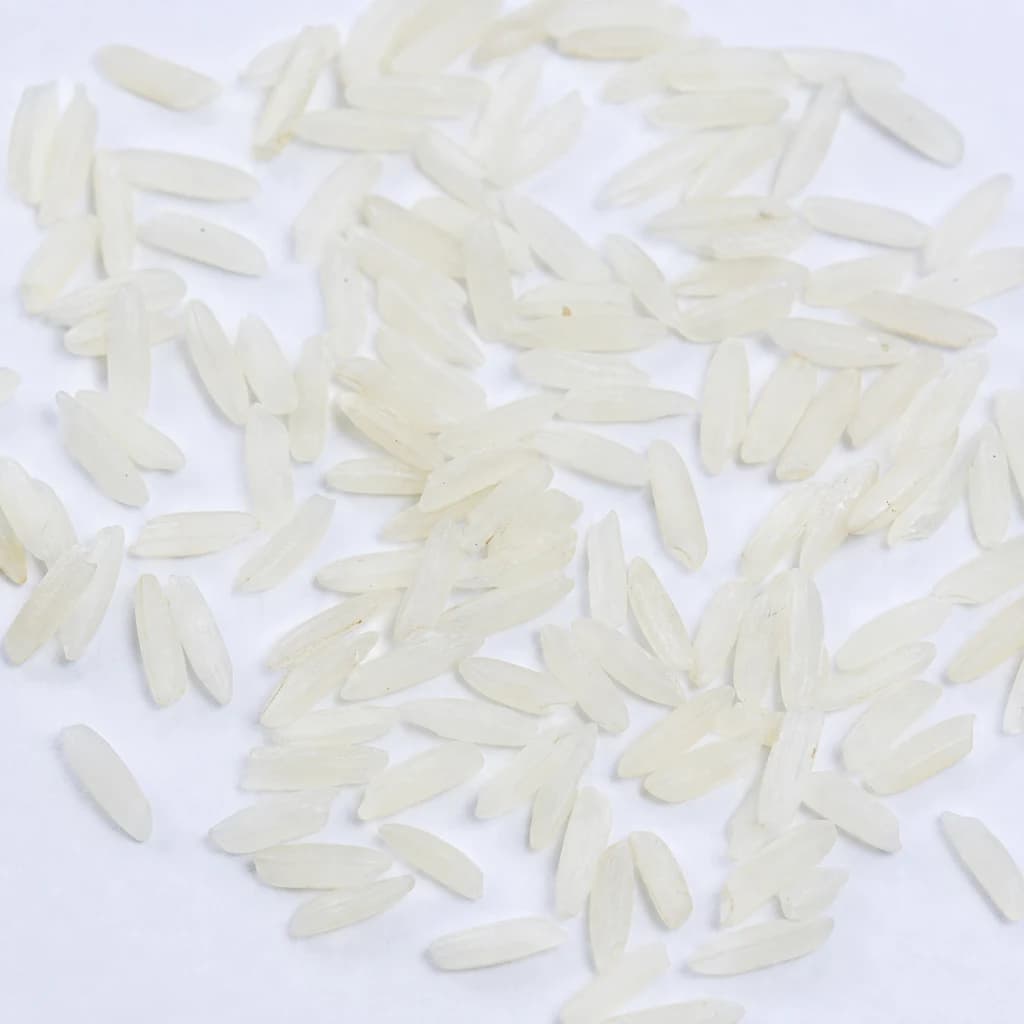
Soft, floral-scented rice that's the pillar of Thai meals
Arborio Rice
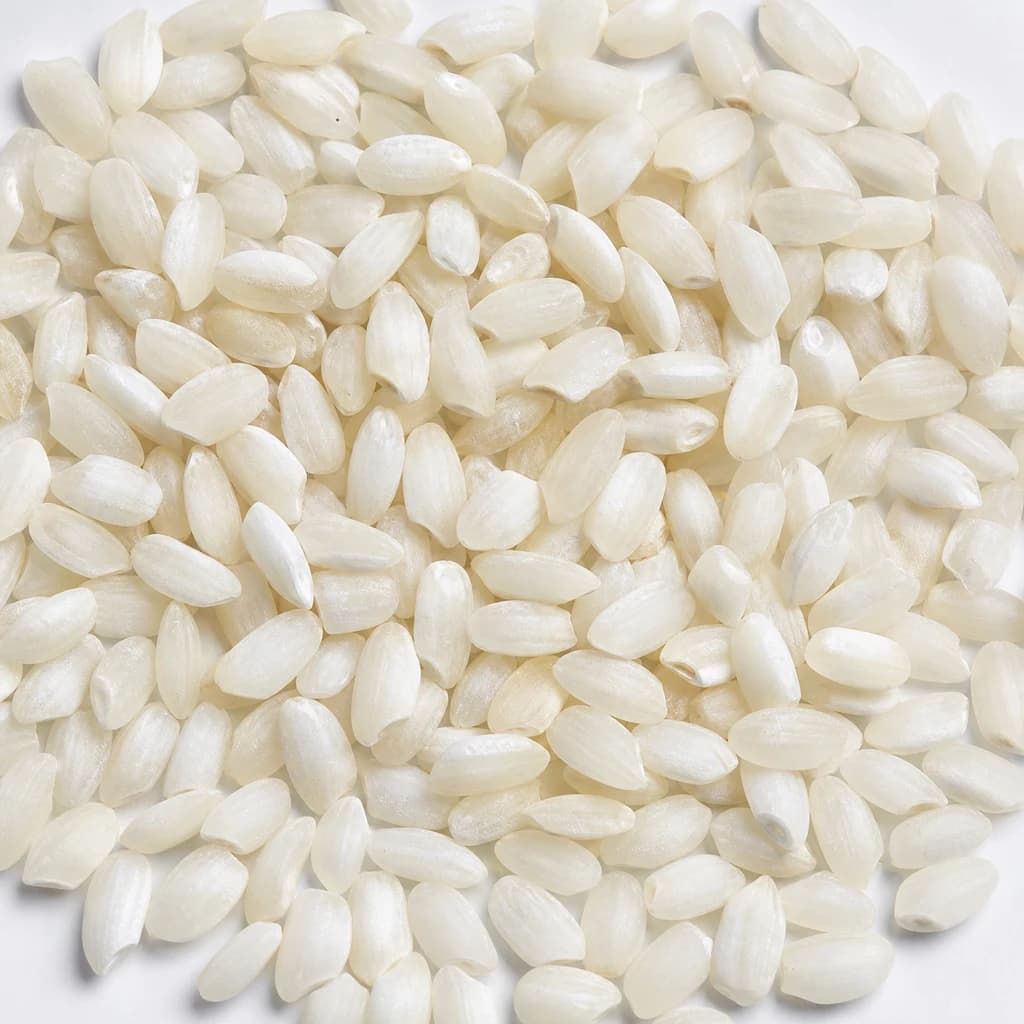
Plump, starchy rice that makes risotto creamy
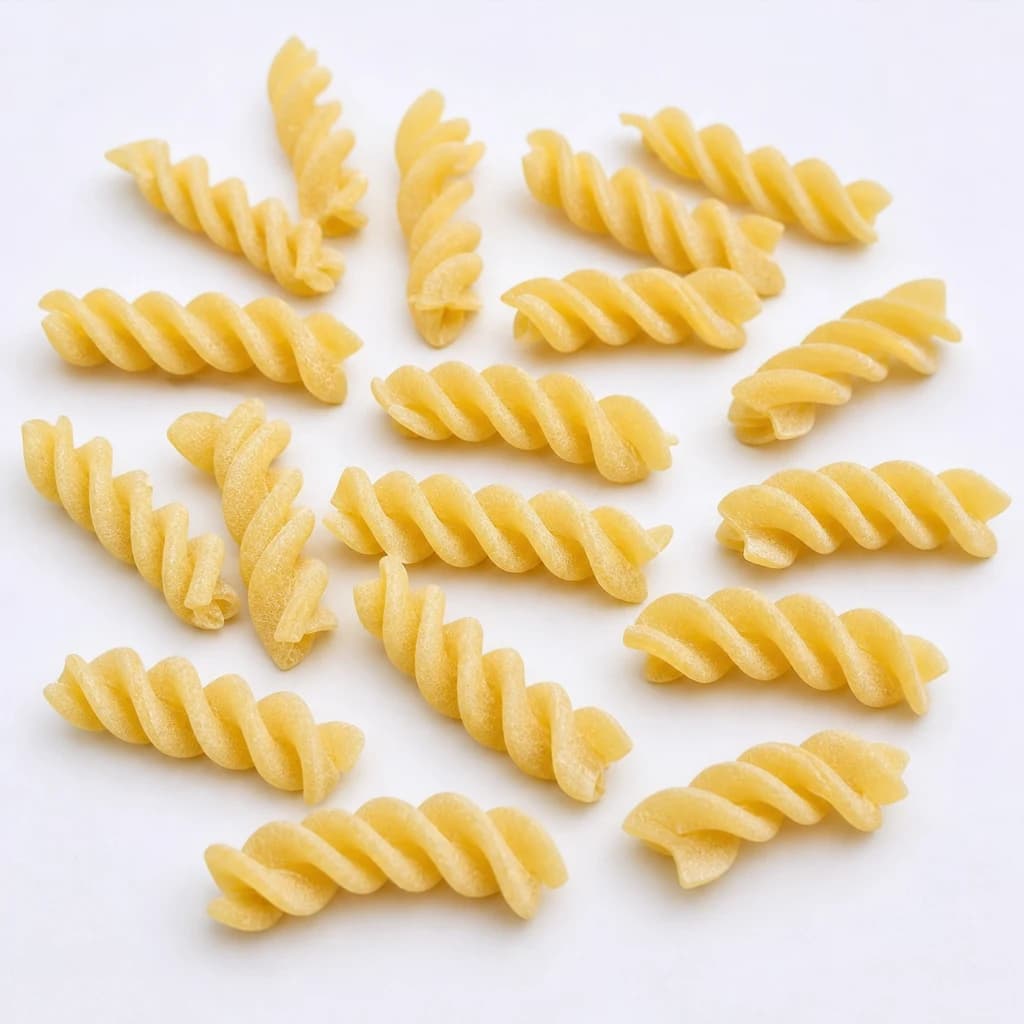
Fusilli
Spiraled pasta that twirls up sauce and dresses cold salads
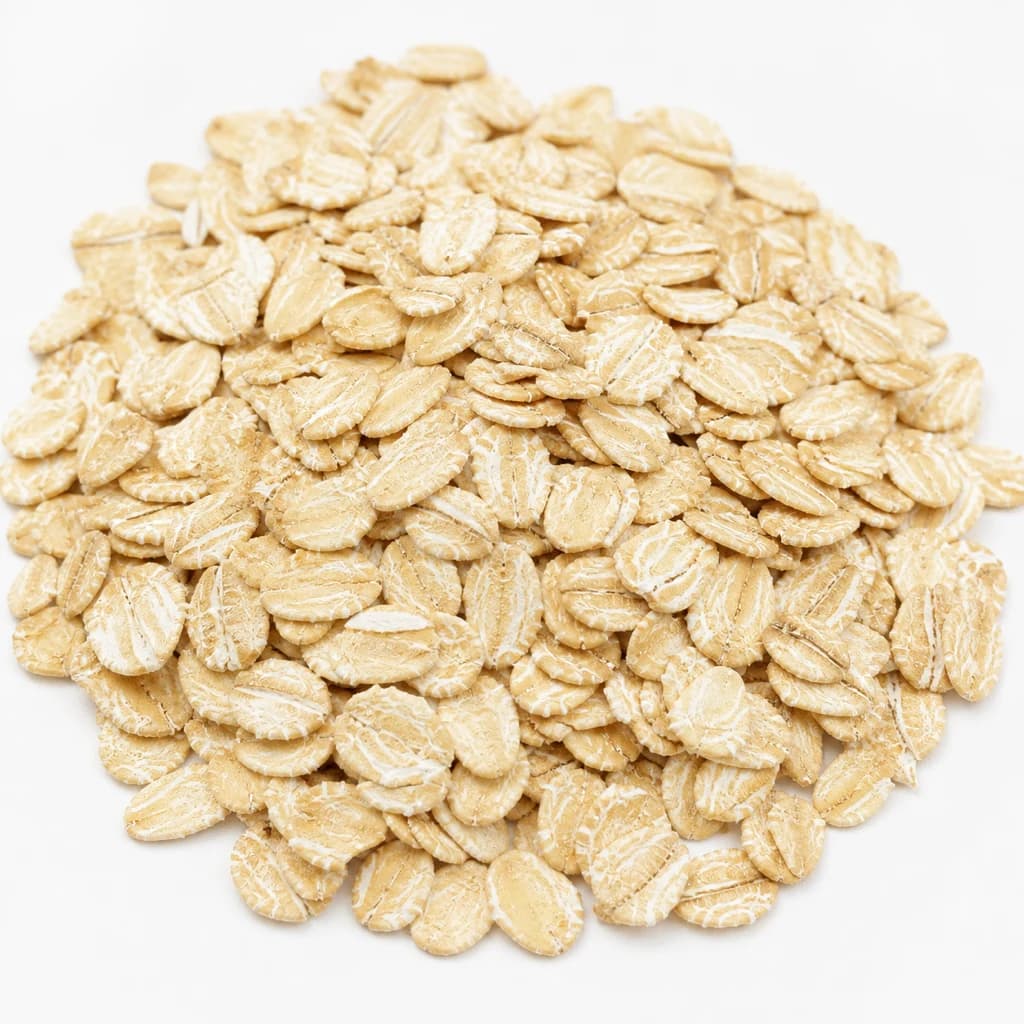
Rolled Oats
Hearty flakes for porridge, granola, and chewy cookies