Grains & Rice
Naan
Soft, blistered leavened flatbread baked in a tandoor, served with curries.
Naan is a leavened South and Central Asian flatbread traditionally slapped onto the hot wall of a tandoor oven, giving it puffy, charred bubbles and a chewy, tender crumb. Often enriched with yogurt, milk, or butter, it is the classic accompaniment to curries and grilled meats. Variations include garlic, butter, and stuffed naan.
Naan is a leavened flatbread native to South and Central Asia, perfected in the tandoor ovens of the Indian subcontinent and now found across the Middle East and beyond. Unlike unleavened breads such as roti or chapati, naan relies on yeast to develop its signature air pockets and pillowy interior, while yogurt added to the dough produces a mild tang and tender crumb. The result is a bread with remarkable versatility—a soft, flexible vehicle that cradles sauces and a blistered, slightly smoky crust that provides textural contrast.
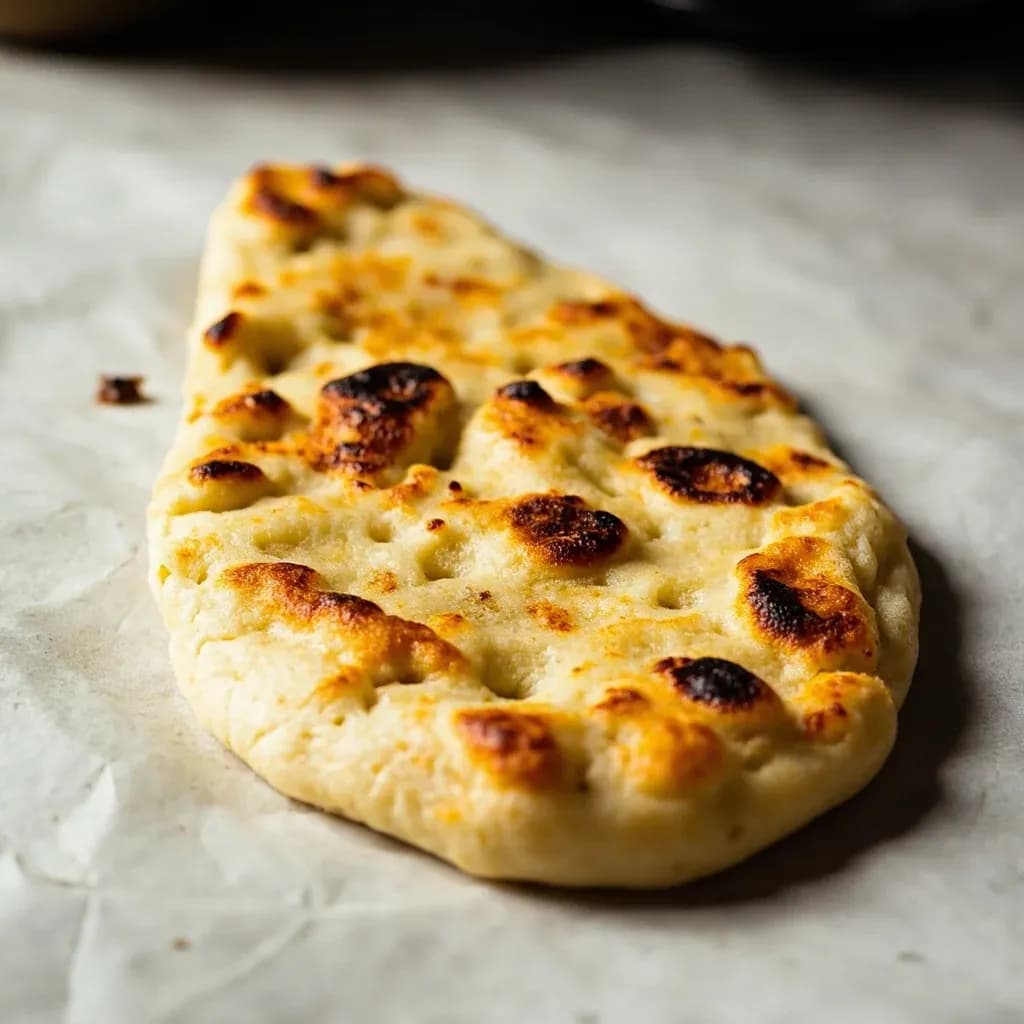
The defining characteristic of authentic naan is the charred, spotted surface that develops from direct contact with extreme heat. In a traditional tandoor, the dough is slapped against the clay oven walls at temperatures exceeding 500°F (260°C), where it blisters and chars within 2–3 minutes. At home, this effect is achieved most reliably with a screaming-hot cast iron skillet or a pizza stone set to maximum oven temperature, optionally finishing under the broiler. The blisters are not merely cosmetic; they concentrate flavor and create the textural interplay that distinguishes naan from softer commercial versions.
Naan dough is remarkably forgiving and can be mixed by hand or machine without precision timing. The addition of oil or ghee keeps the dough supple during rising, and a brief rest after mixing relaxes the gluten for easier shaping. While commercial naan is widely available, fresh homemade naan is noticeably superior in flavor and texture—the yogurt tang is fresher, the char more pronounced, and the interior lighter. Supermarket versions are typically baked at lower temperatures, producing a pallid, rubbery result that lacks the characteristic blisters and requires aggressive reheating to approach authenticity.
- Measured in
- piece
- Storage
- Pantry
Allergens
Types & varieties
Chopped fresh garlic pressed into surface before baking; most common restaurant variation
Brushed generously with melted butter immediately after removal from oven
Stuffed with spiced minced lamb or beef before rolling and baking
Stuffed with spiced mashed potato; popular vegetarian option
Thicker, larger, and more robust; from the Peshawar region of Pakistan
Brushed with ghee and topped with white sesame seeds before baking
Similar leavened flatbread but often stuffed and cooked with less blistering; associated with Punjabi cuisine
Often topped with poppy seeds, nuts, or dried fruit; sweeter profile
Saffron-infused naan; savory-sweet, associated with Awadhi and Mughlai cuisine
Common uses
Tips & pitfalls
- Use a very hot cooking surface or oven—naan needs 500°F (260°C) or higher to develop authentic blisters; lower temperatures produce pallid, doughy results
- Bring dough to room temperature before rolling; cold dough resists stretching and cooks unevenly
- Roll dough thinner at the center than the edges to achieve a plump center and crispy rim after cooking
- For skillet naan: preheat cast iron until it smokes, cook first side 2–3 minutes until bubbles form and edges look set, flip once and cook 1–2 more minutes
- For oven naan: place on preheated pizza stone or steel at maximum oven temp (500°F+) and bake 3–5 minutes until blistered
- Brush cooked naan immediately with melted butter or ghee to keep it soft and add richness
- If baking in a standard home oven without a stone, position rack in highest slot and use the broiler for the final minute to char the top
- Rest dough 5–10 minutes after mixing before shaping—this relaxes gluten and produces a more tender crumb
- Do not over-knead; naan dough should be soft and slightly tacky, not tight and elastic
- Adding a tablespoon of oil to the dough keeps it supple and prevents it from drying during rising
Nutrition
Energy
1113 kJ · per 100 g
Where the calories come from
Protein
12.5g
25% DV
Carbs
47.1g
17% DV
Fat
3.1g
4% DV
Fiber
6.3g
23% DV
Sugars
9.4g
of which
Sodium
375mg
16% DV
Source · USDA FoodData Central · approx. Bread, potato
View on FDC →In the shops
Matched grocery products
No matched grocery products for Naan yet.
Good to know
- Origin
- South and Central Asia; popularized in the Indian subcontinent and Middle East
- Primary Leavening
- Yeast (instant or active dry)
- Key Inclusions
- Plain yogurt, egg (optional), sugar, salt, sometimes ghee or oil
- Traditional Cooking Method
- Tandoor (clay oven) at 450–550°F (230–290°C)
- Home Cooking Method
- Cast iron skillet, pizza stone in oven at highest setting, or broiler
- Texture
- Soft, pillowy interior with charred, blistered spots on the surface
- Typical Size
- 6–10 inches (15–25 cm) diameter, ½–¾ inch thick
- Flavor Profile
- Mildly tangy from yogurt, slightly smoky, faintly sweet from dough fermentation
- Shelf Life
- 2–3 days at room temperature (wrapped); up to 3 months frozen
- Yield
- 8–10 pieces from standard recipe (~500g flour)
- Active Prep Time
- 20–30 minutes plus 1–2 hour rise
- Cooking Time
- 2–4 minutes per piece (tandoor/skillet); 3–5 minutes (oven)
- Difficulty
- Intermediate; forgiving dough but requires high heat for authentic results
Substitutes
- Pita Bread — Lacks naan's tangy flavor and char but provides similar pocket structure; best when warmed thoroughly
- Lavash — Thinner and softer; acceptable for wraps but not for scooping heavy curries
- Paratha — Flakier and richer from layered ghee; acceptable substitute when fried in a pan until crisp
- Roti / Chapati — Unleavened and more neutral; usable in a pinch but much different texture
- Biscuits (American) — Crude substitute for Southern-style meals; too crumbly for Indian dishes
Pairs with
Also called
Afghan Naan · Tandoori Naan
Appears in these dishes
Related

White Rice
Fluffy long-grain rice — the neutral base for almost any meal

White Bread
Soft sandwich loaf for toast, sandwiches, and crumbs
Brown Rice
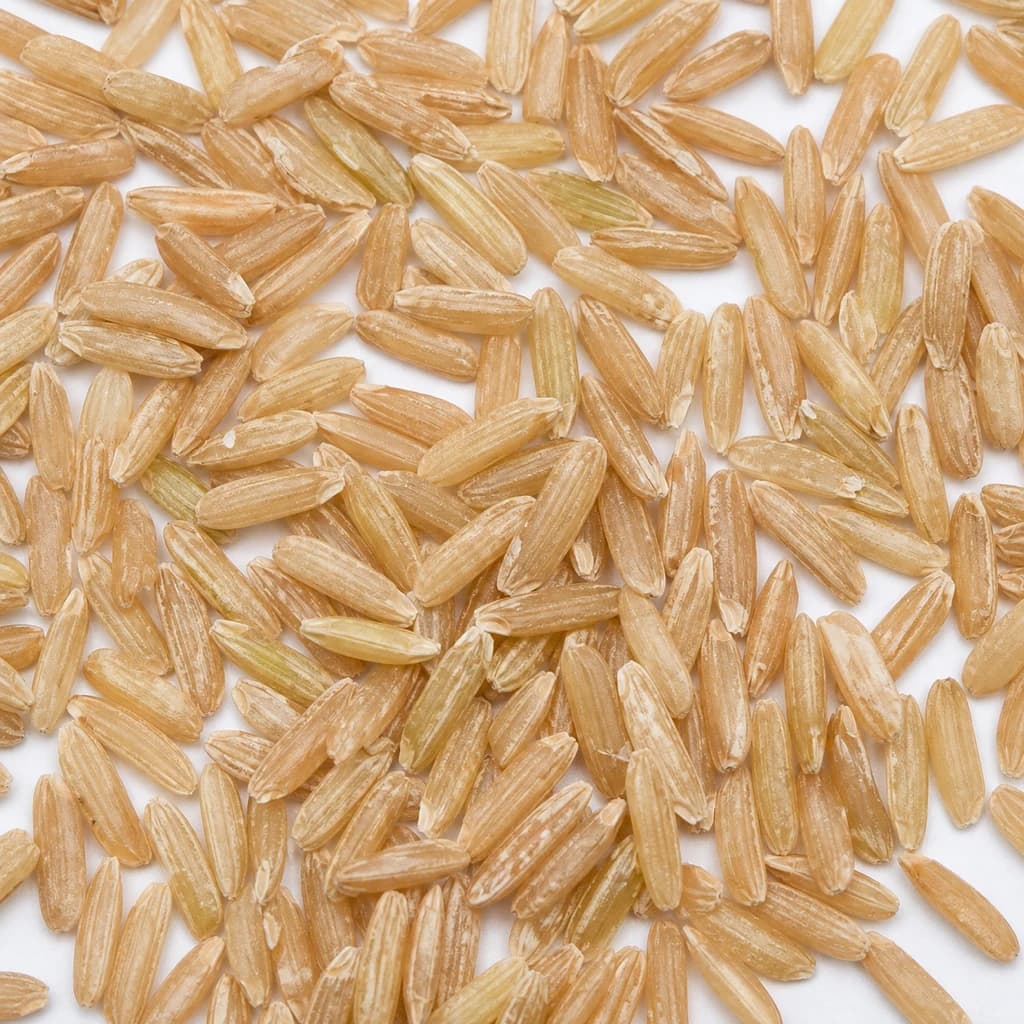
Nutty, whole-grain rice with chew and extra fiber

Basmati Rice
Fragrant, long-grain rice that cooks up light and separate
Jasmine Rice
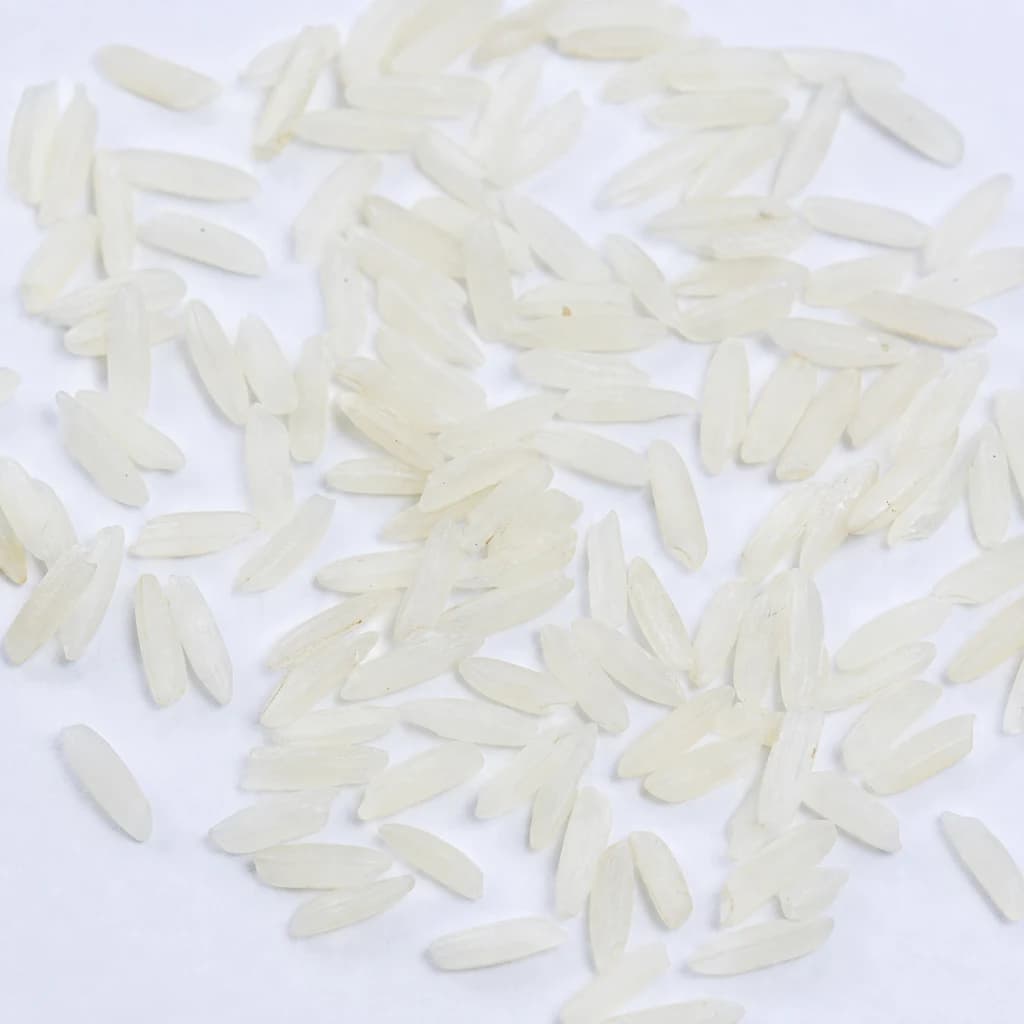
Soft, floral-scented rice that's the pillar of Thai meals
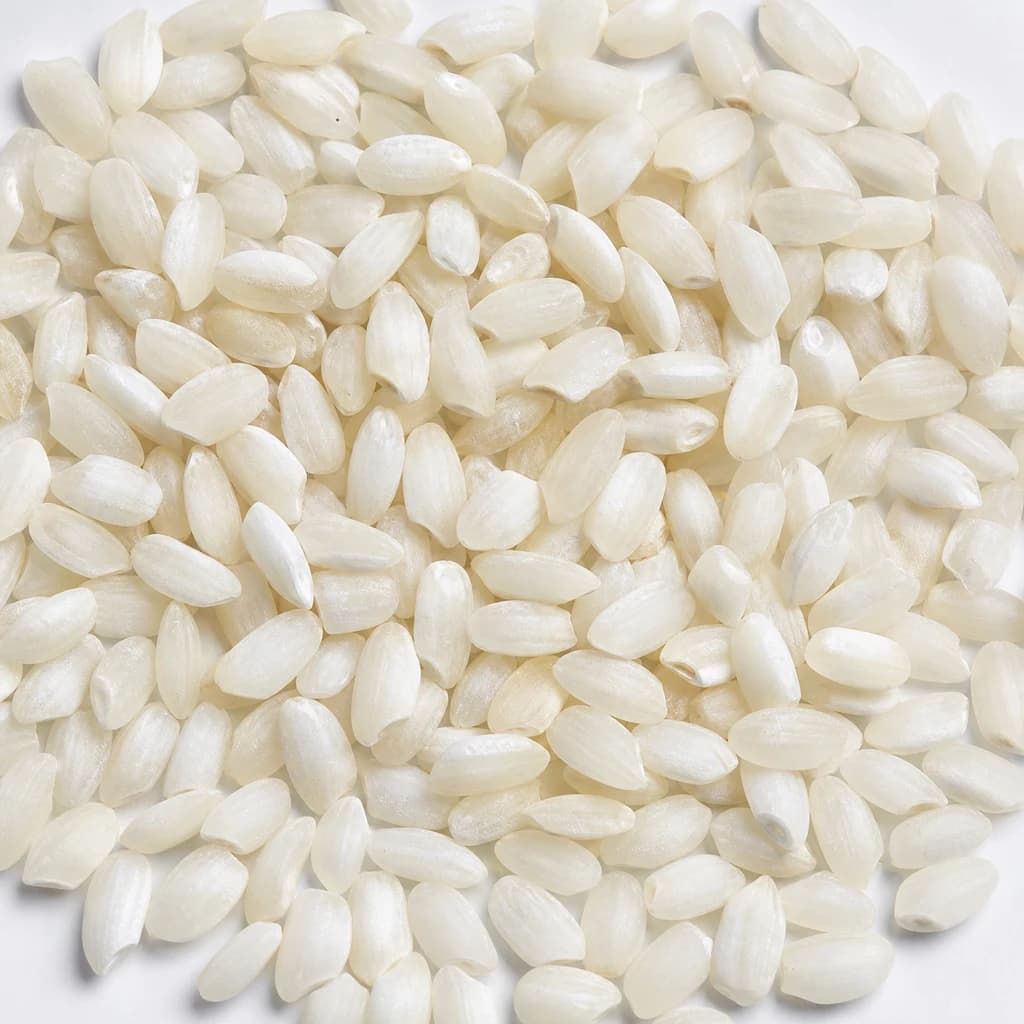
Arborio Rice
Plump, starchy rice that makes risotto creamy
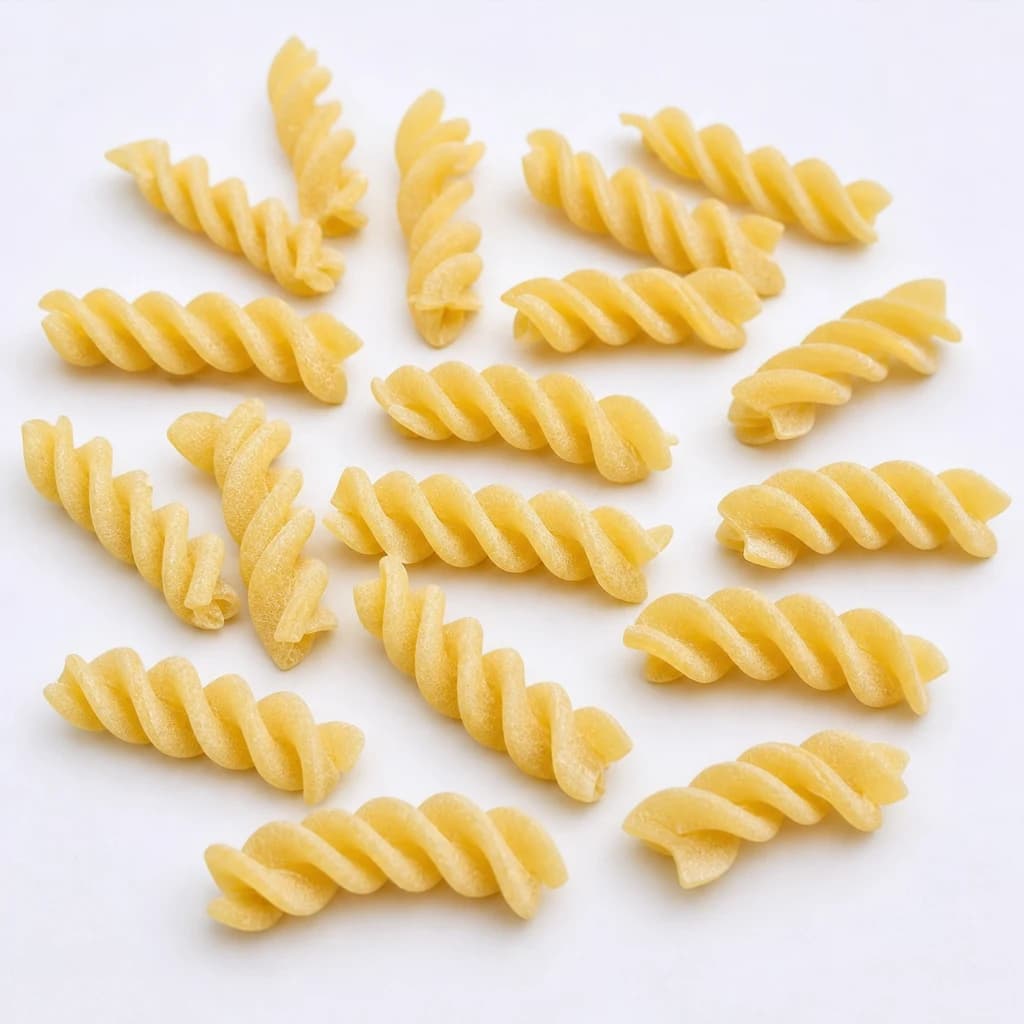
Fusilli
Spiraled pasta that twirls up sauce and dresses cold salads
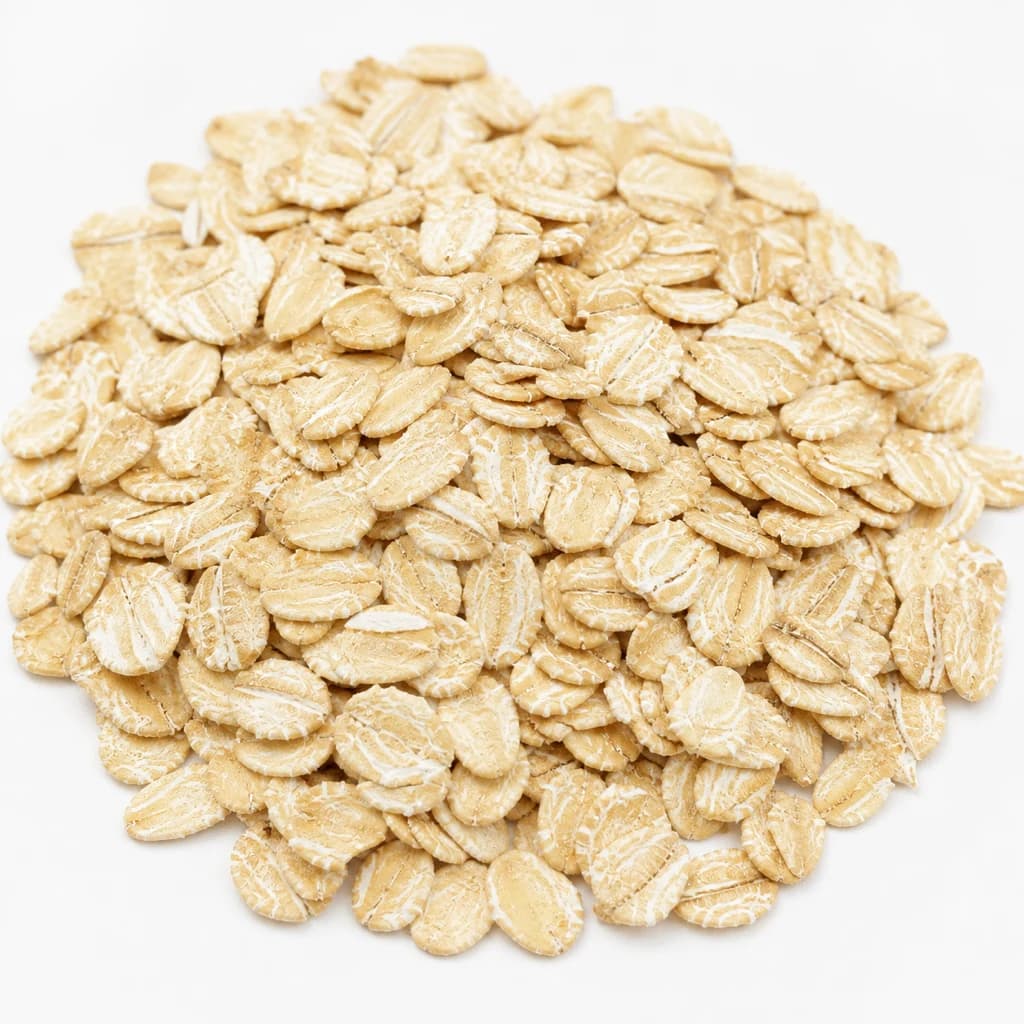
Rolled Oats
Hearty flakes for porridge, granola, and chewy cookies