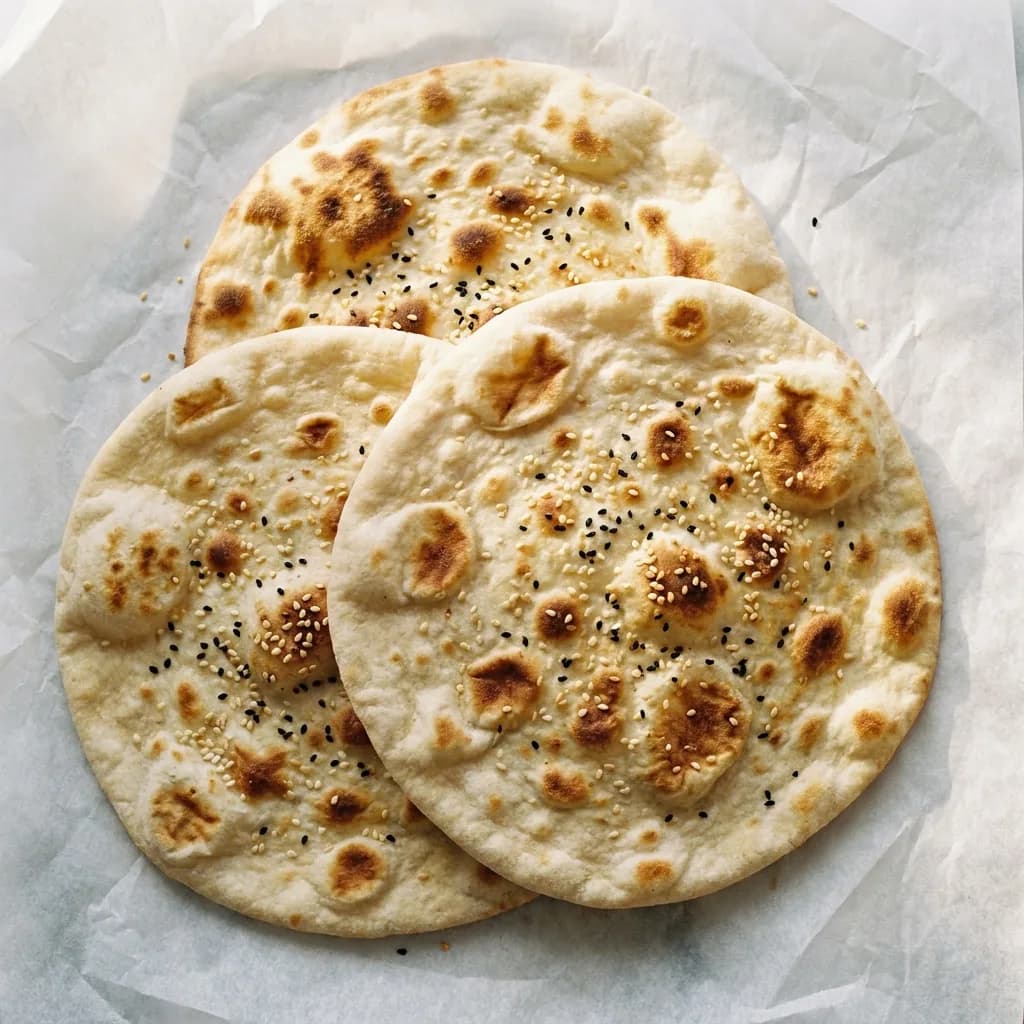
Grains & Rice
Lavash
Thin, soft Armenian flatbread rolled around fillings or dried into crisp shards.
Lavash is a thin, unleavened flatbread of Armenian origin, traditionally baked against the wall of a tonir clay oven. Eaten fresh and soft it wraps kebabs, herbs, and cheese; left to dry it becomes a crisp cracker that can be revived with a sprinkle of water. It is a UNESCO-recognized cultural staple across the Caucasus and Iran.
Lavash is an ancient flatbread originating from the Caucasus and Armenian highlands, recognized by UNESCO in 2014 as Intangible Cultural Heritage for its deep-rooted significance in Armenian culinary tradition. Traditionally baked against the walls of a tonir (a subterranean clay oven) or on a saj—a convex metal plate placed over an open flame—lavash embodies a technique refined over centuries. The bread transitions between two distinct states: fresh and pliable, perfect for wrapping around savory fillings, or dried and crisp, yielding brittle shards that serve as scoops or crackers. Its remarkable thinness—approaching translucency when properly stretched—sets it apart from other flatbreads and makes it uniquely versatile in the kitchen.
At its core, lavash is an unleavened or lightly leavened bread built from flour, water, and salt. The dough responds well to high hydration, producing a supple, elastic sheet that can be rolled thinner than a tortilla with practice. When fresh, it carries a subtle chew and mild wheat flavor that lets bold fillings shine; when dried, it develops a satisfying snap. The thin fresh sheets tear easily when hot, so handle with care when wrapping warm proteins and vegetables.
In Armenian culture, the presentation of lavash rolled into a cylinder at the start of a meal carries symbolic weight—it represents hospitality and abundance. Iranian and Kurdish traditions have developed their own variations, typically favoring slightly thicker iterations or seed-topped finishes, but the underlying technique remains consistent across regions.
- Measured in
- piece
- Storage
- Pantry
Allergens
Types & varieties
The classic paper-thin version; soft when fresh, rolled into cylinders around fillings, or dried crisp
Similar thin style with regional variations in thickness and hydration levels
Often slightly thicker with sesame or poppy seed toppings
Rolling Technique
The key to excellent lavash lies in dough hydration and resting time. High hydration (60–70% water to flour) produces the most pliable dough, while a 30–60 minute covered rest allows gluten to relax, reducing spring-back during rolling. Work from the center outward with even, firm pressure, flipping the dough frequently and dusting generously with flour at each turn. The dough sticks readily once thin, so flour is your ally.
- Use a large work surface—counter space matters for thin rolling
- Flip dough every few rolls to prevent sticking and ensure even thickness
- Test doneness by watching for rapid bubble formation when cooking
Cooking on a Saj or Skillet
A properly heated saj or heavy cast iron skillet (400–450°F/200–230°C) is essential. Place dough on the hot surface and watch for bubbles to form within 30–60 seconds—these indicate moisture escaping and the bread setting. Flip once when bubbles appear and edges begin to lift. The second side cooks faster. For домашних conditions without a saj, a preheated pizza stone or cast iron works well, though you may need to adjust timing.
- Do not oil the cooking surface—the dry heat creates proper blistering
- If bubbles don't form, the surface isn't hot enough
- Thicker dough needs slightly longer cook time per side
Storage and Reheating
Fresh lavash stacks well between paper towel layers to absorb condensation. Wrap in a clean cloth, then place in a plastic bag at room temperature. To revive slightly stale lavash, spritz with water and heat briefly in a dry skillet or oven. For crisp shards, bake fresh sheets at 350°F until golden and brittle, 5–8 minutes, then break into irregular pieces.
- Never refrigerate fresh lavash—it dries out faster
- Dried lavash stores indefinitely in an airtight container
- Reheat only what you'll serve immediately; lavash stales quickly once cooled
Common uses
Tips & pitfalls
- Let dough rest 30–60 minutes covered; this relaxes gluten for easier thin rolling without spring-back
- Use high hydration dough (60–70% water to flour) for the most pliable bread
- Dust surfaces generously with flour when rolling; the dough sticks readily when thin
- Roll from center outward with even pressure; flip dough frequently to prevent sticking
- Cook on a very hot surface (400–450°F/200–230°C); bubbles form rapidly and indicate done-ness
- Traditional saj cooking: flip once when bubbles appear and edges begin to lift, 30–60 seconds per side
- Store fresh lavash stacked with paper towels between layers to prevent condensation
- To crisp: bake fresh sheets at 350°F until golden and brittle, 5–8 minutes
Nutrition
Nutrition
No USDA FoodData Central match for Lavash yet. We surface a per-100 g profile once a generic whole-food entry is matched and verified.
In the shops
Matched grocery products
No matched grocery products for Lavash yet.
Good to know
- Origin
- Armenia, Caucasus region; UNESCO Intangible Cultural Heritage (2014)
- Type
- Unleavened or lightly leavened flatbread
- Traditional Ingredients
- Wheat flour, water, salt; optionally yeast or baking powder for easier rolling
- Cooking Method
- Baked on walls of a tonir (clay oven) or saj (convex metal plate)
- Fresh Texture
- Soft, pliable, slightly chewy; paper-thin when fully rolled
- Dried Texture
- Crisp, brittle shards used as scoops or crackers
- Shelf Life
- 2–3 days wrapped at room temperature; weeks if dried
- Difficulty
- Easy to moderate; requires practice to roll tissue-thin without tearing
Substitutes
- Flour Tortilla — Closest Western substitute; slightly thicker but flexible and suitable for wraps
- Markouk/Lebanese Saj Bread — Virtually identical thin flatbread; use 1:1 and toast briefly if too soft
- Pita Bread (soft) — Thicker and bready; not ideal for thin-wrapped applications but acceptable for sandwiches
- Roti/Chapati — Indian unleavened bread; softer texture but workable for wraps
Pairs with
Also called
Armenian Flatbread
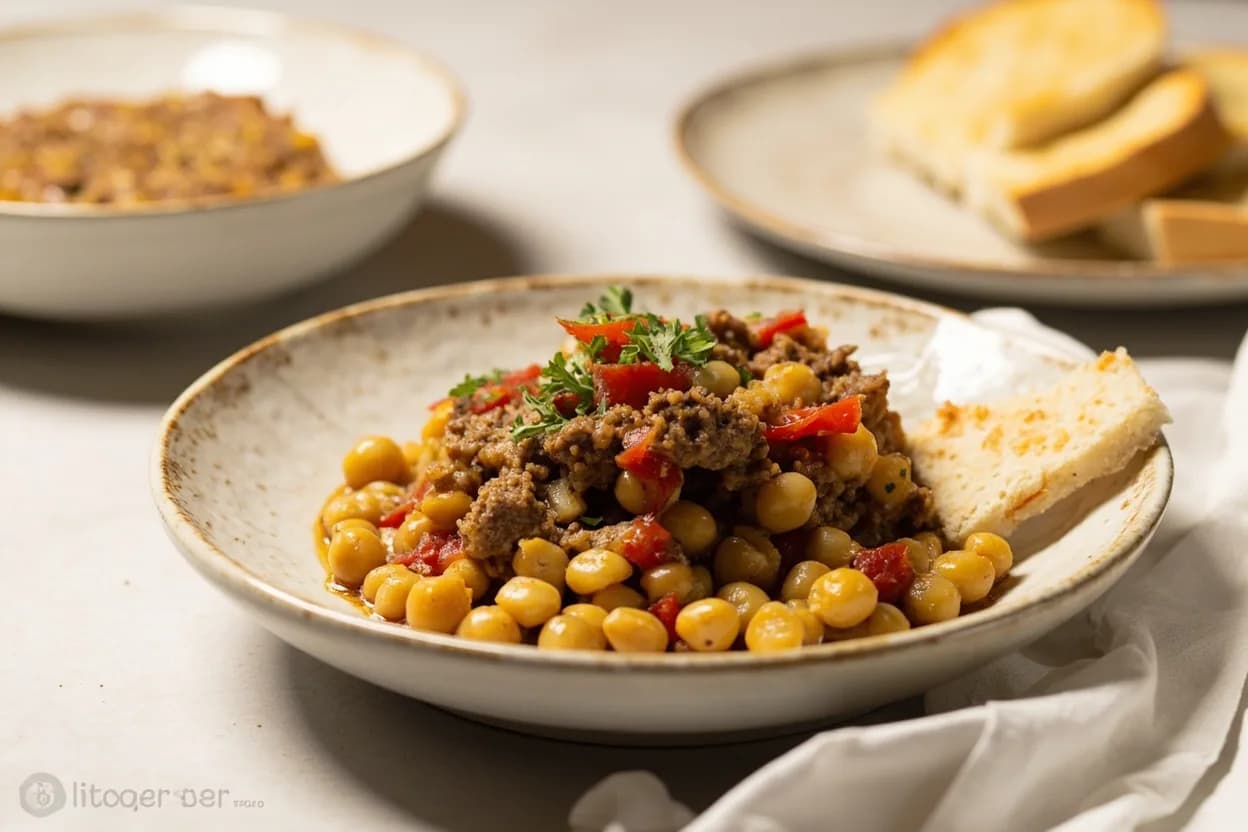
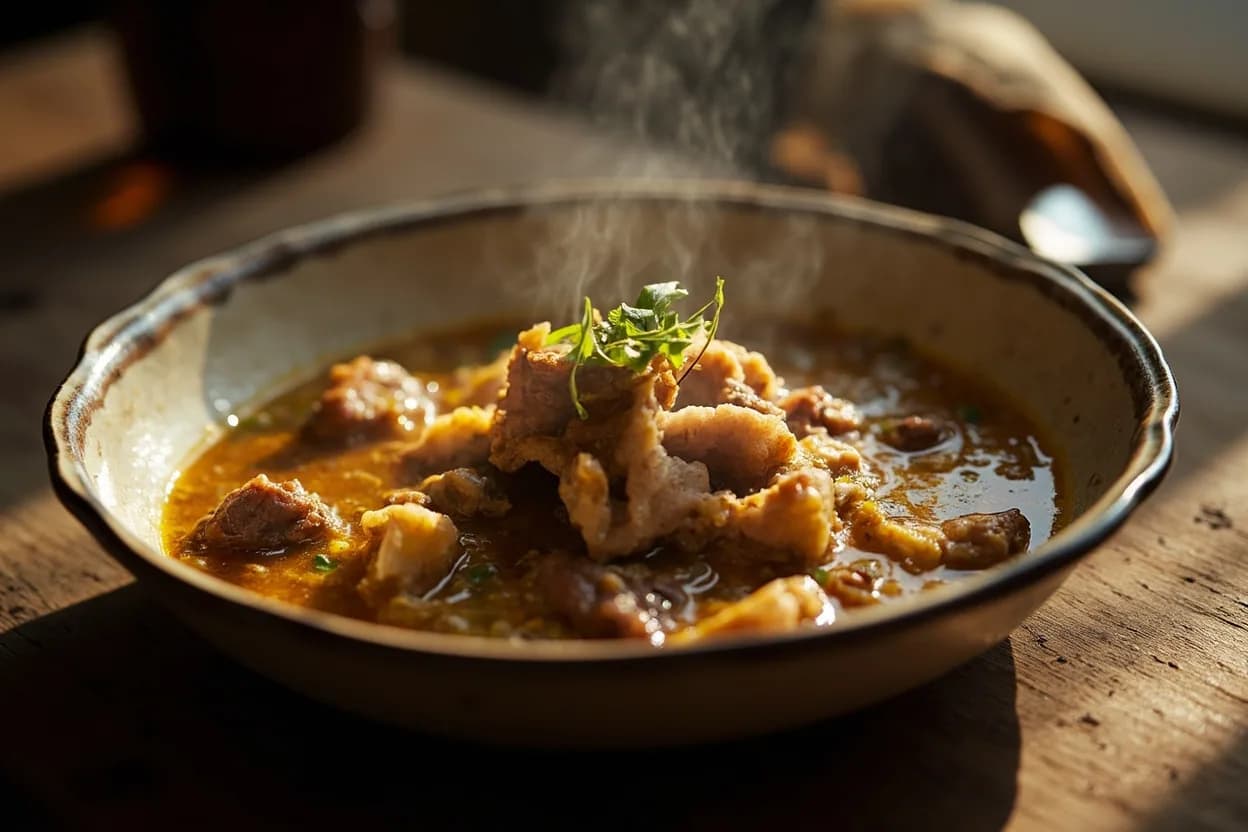
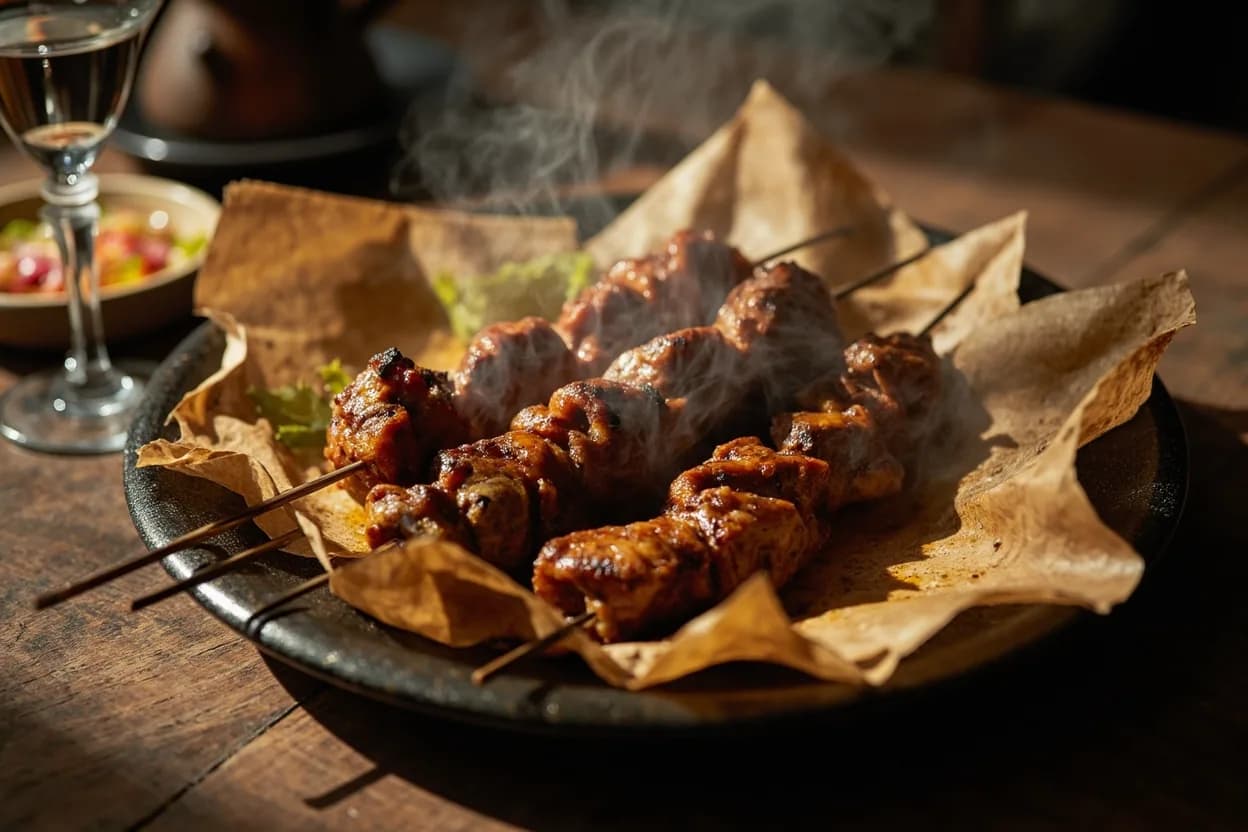
Appears in these dishes
Related

White Rice
Fluffy long-grain rice — the neutral base for almost any meal

White Bread
Soft sandwich loaf for toast, sandwiches, and crumbs
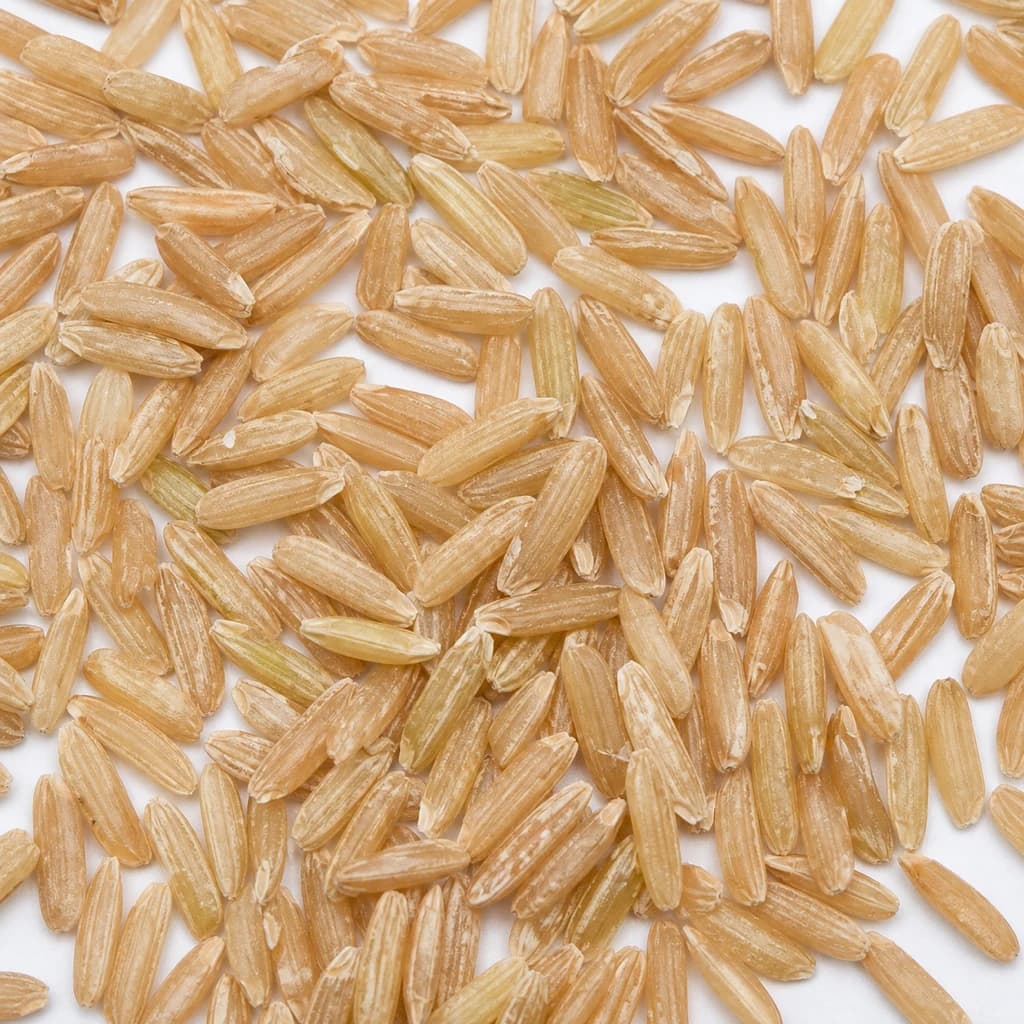
Brown Rice
Nutty, whole-grain rice with chew and extra fiber

Basmati Rice
Fragrant, long-grain rice that cooks up light and separate
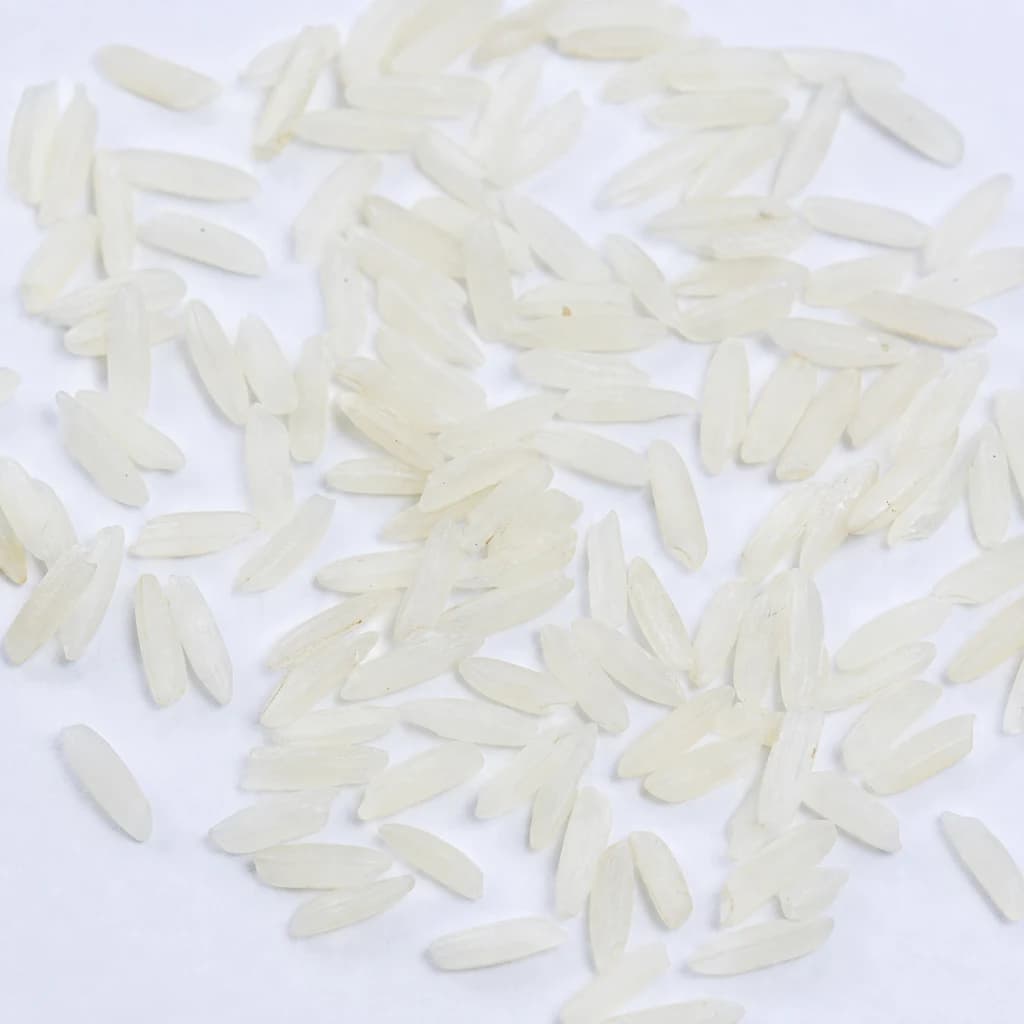
Jasmine Rice
Soft, floral-scented rice that's the pillar of Thai meals
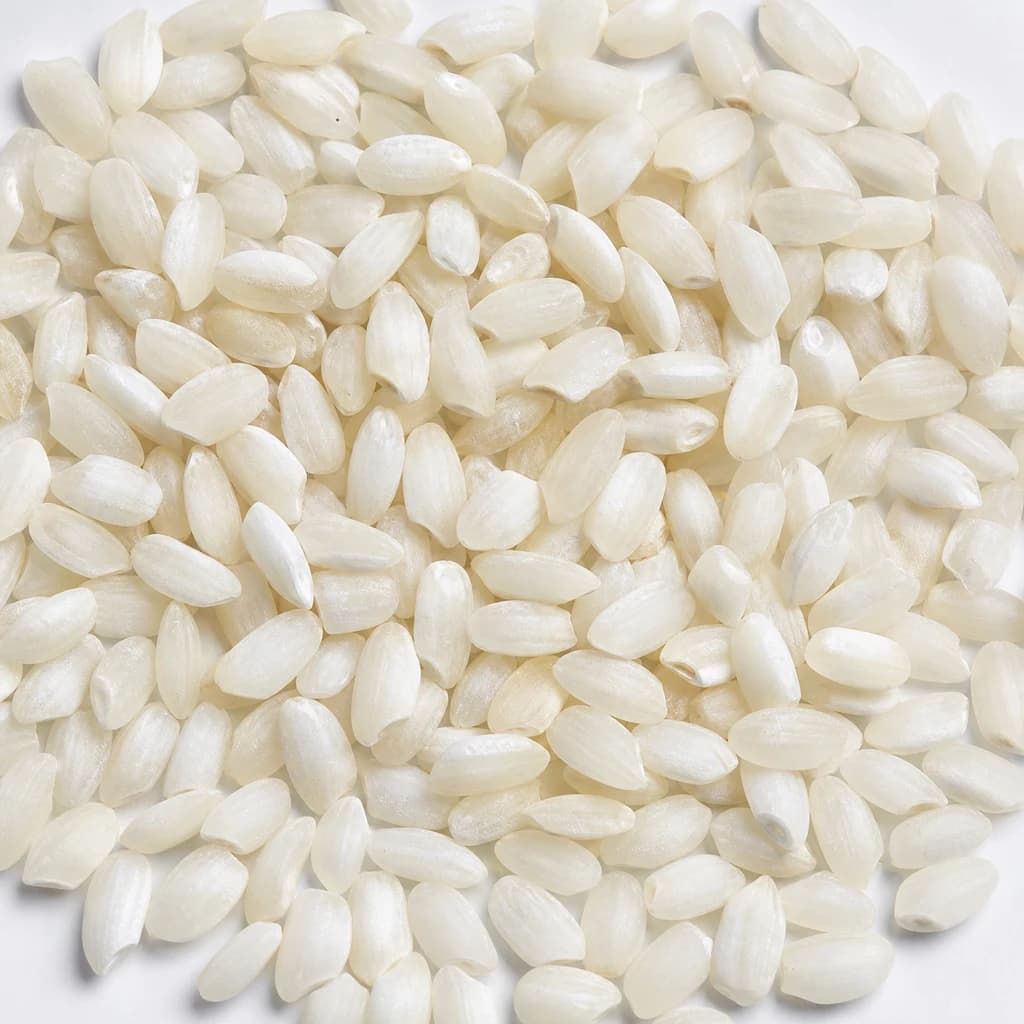
Arborio Rice
Plump, starchy rice that makes risotto creamy
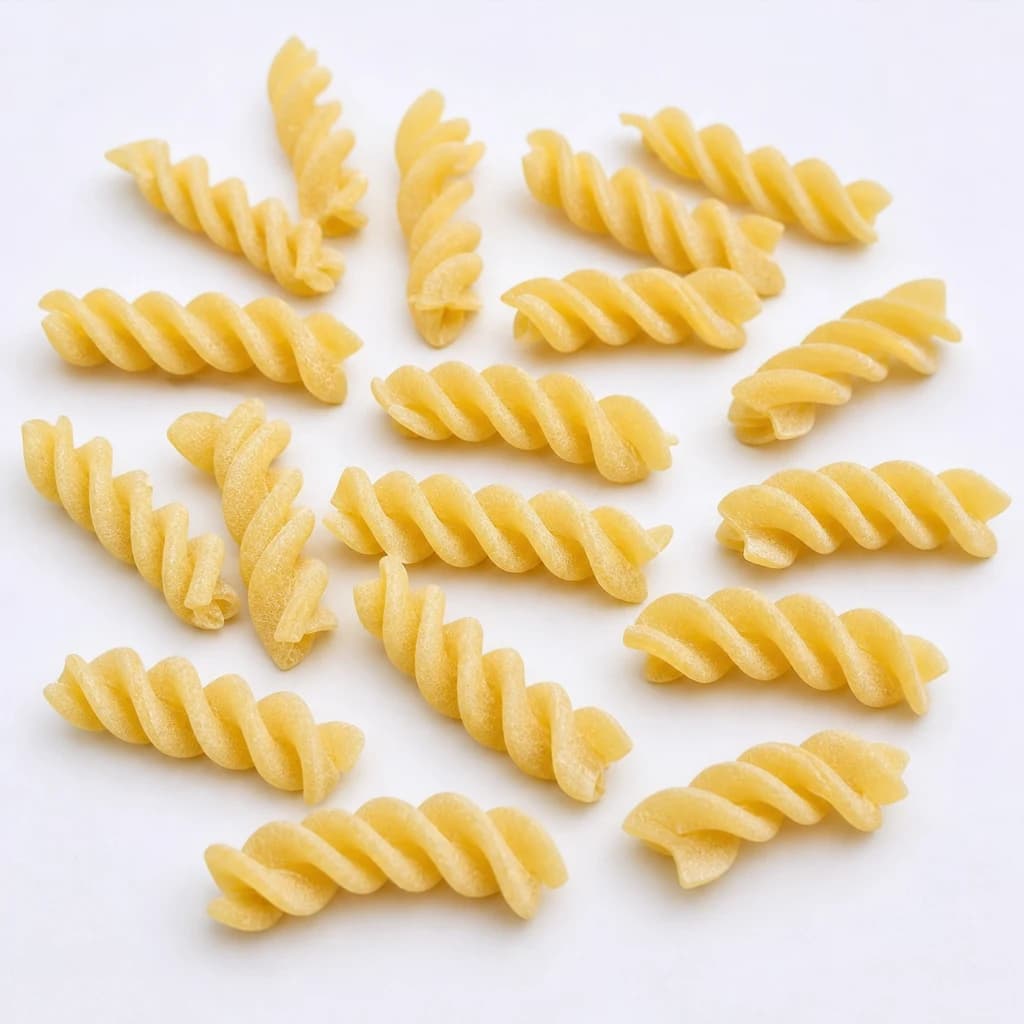
Fusilli
Spiraled pasta that twirls up sauce and dresses cold salads
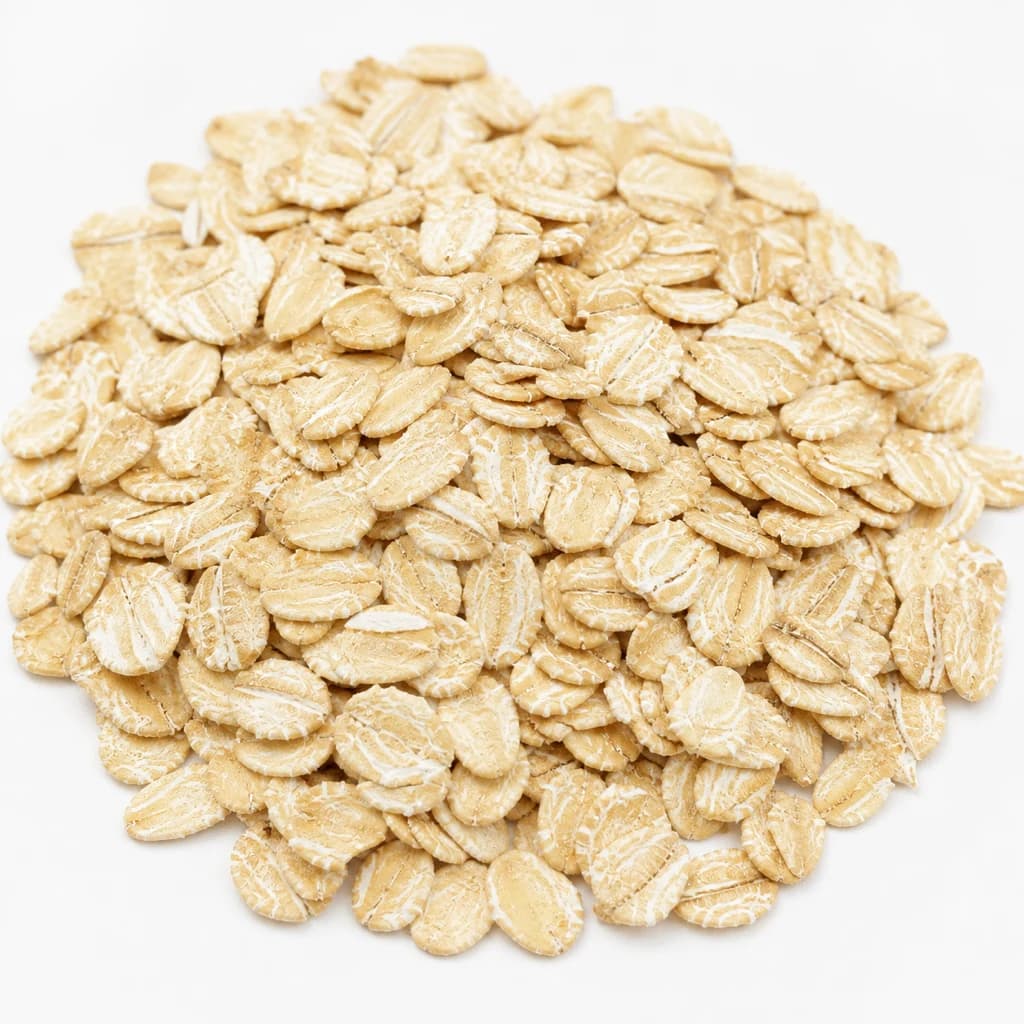
Rolled Oats
Hearty flakes for porridge, granola, and chewy cookies