Grains & Rice
Pita Bread
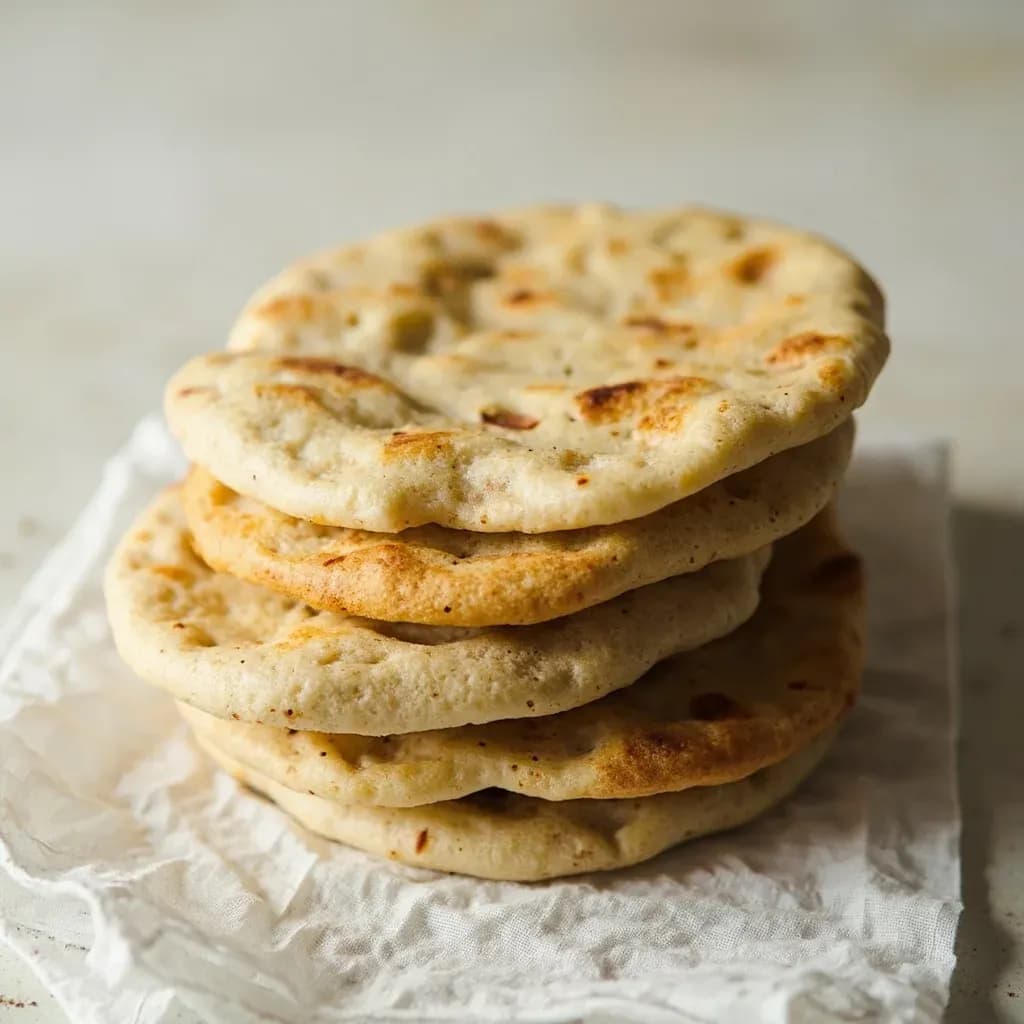
Round flatbread that puffs into a pocket, perfect for stuffing or dipping.
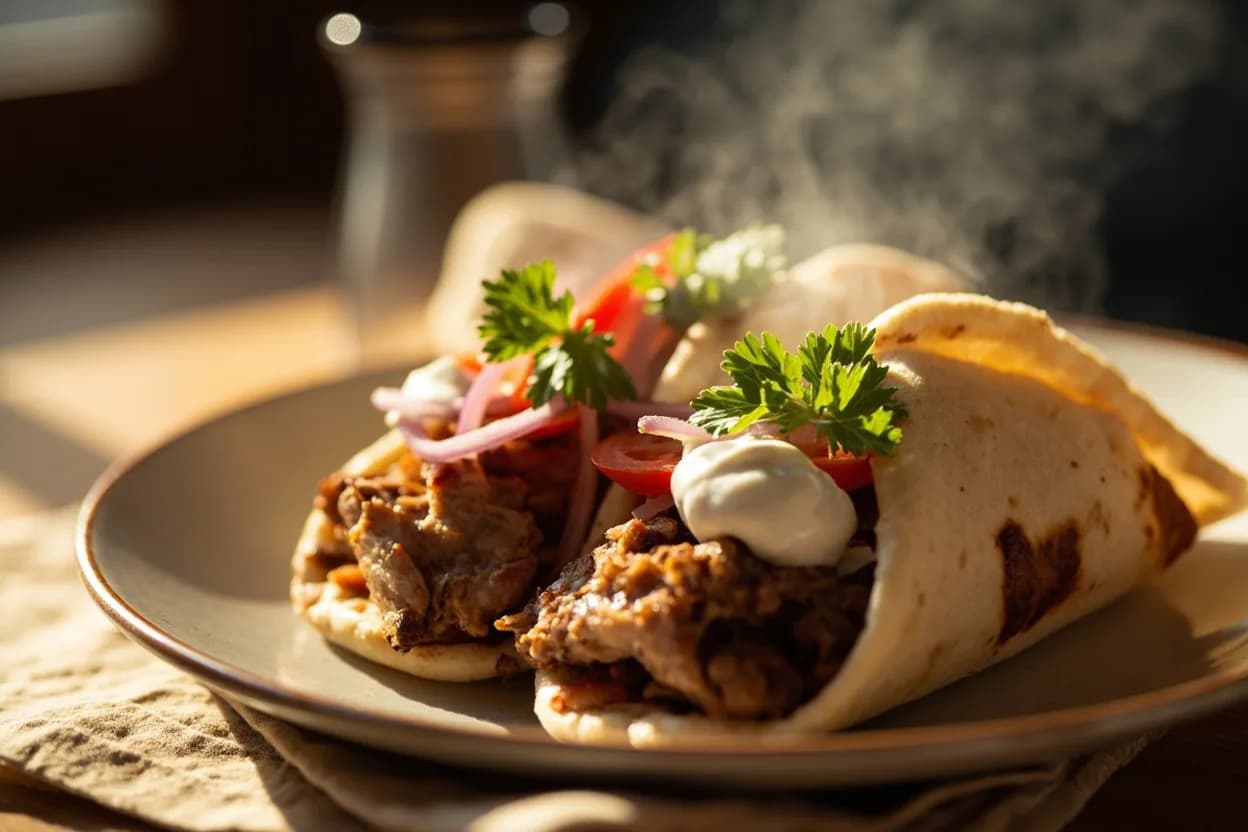
Pita is a leavened wheat flatbread baked at high heat so steam inflates it into a hollow pocket. A staple across the Middle East and Mediterranean, it is split and filled with falafel or shawarma, torn for dipping into hummus, or toasted into chips. Whole-wheat and pocketless versions are also common.
Pita is a round, leavened flatbread that has been a dietary cornerstone across the Eastern Mediterranean and Middle East for millennia—rooted in the cuisines of Mesopotamia, the Levant, and Egypt. Unlike standard sandwich bread, pita is distinguished by its unique ability to form an internal pocket during baking. This hollow center forms when steam generated inside the dough at high temperatures expands rapidly, delaminating the bread into two layers that seal at the edges. The result is a versatile vessel: sturdy enough to hold wet fillings without falling apart, yet soft enough to tear and scoop. While the pocket variety is what most Western consumers recognize, traditional versions like markouk are intentionally flat, single-layer breads used for wrapping—underscoring that pita is a category, not a single product. The bread's cultural role runs deeper than convenience: it functions as an eating implement, a plate, and a social touchstone across communities where breaking bread together carries ritual weight.
- Measured in
- piece
- Storage
- Pantry
Allergens
Types & varieties
Standard version made with refined wheat flour; mild flavor, soft texture, best-defined pocket
Made with whole grain flour; denser, nuttier; pocket may be less pronounced
Larger, thinner; common in Greek-American cuisine for gyros; may have different structural characteristics from Levantine pocket pita
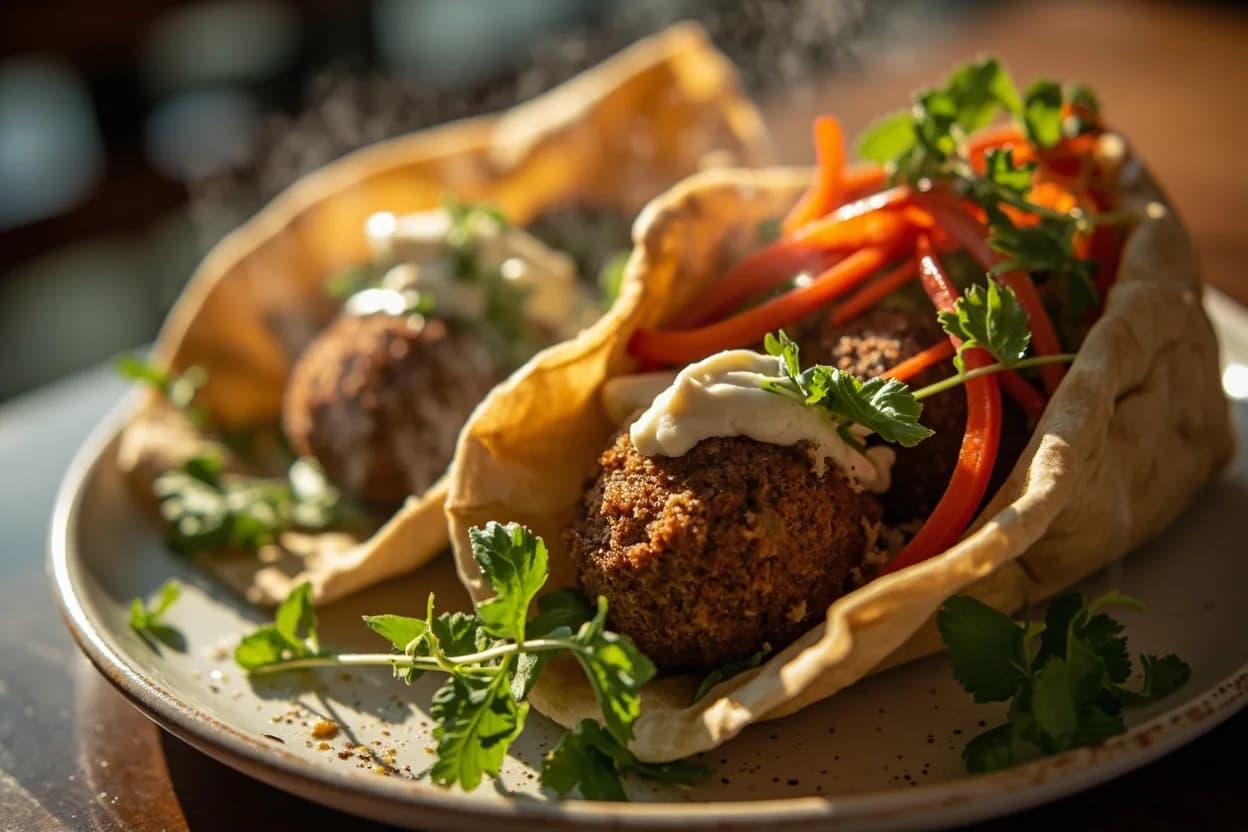
Smaller, thicker; typically single-pocket; the standard for Levantine falafel and shawarma sandwiches
Large, thin, unleavened or lightly leavened flatbread without a pocket; used for wrapping; predates pocket varieties in some regions
Bite-sized rounds, 3–4 inches; common for appetizers, hors d'oeuvres, and portion-controlled servings
The Science of the Pocket
The pocket forms when moisture inside the dough transforms to steam at high baking temperatures. As the dough surface sets quickly in the hot oven, steam pressure builds inward, forcing the layers apart. The key variables are: oven heat (450°F minimum), dough hydration (wetter is better—aim for a slightly tacky, not firm, dough), and sufficient yeast activity to create gas cells that become steam-filled voids. Traditional tandoor ovens, reaching 900°F, produce near-instant puffing in 2–3 minutes. Home ovens require the baking stone or steel to simulate that thermal mass; a hot skillet on the stovetop can rescue under-puffed pitas. Not all pita-style breads are meant to pocket—flat varieties like markouk rely on a different technique and tradition entirely.
- High heat (450°F+) is non-negotiable for pocket formation
- Wetter dough puffs better than dry, stiff dough
- A baking stone or steel mimics tandoor conditions in a home oven
- Under-puffed pitas can be finished directly on a hot cast-iron skillet
Common uses
Tips & pitfalls
- Ensure dough is well-hydrated; if it feels stiff, add water—the dough should be slightly tacky to the touch
- Do not over-knead; just develop enough gluten for elasticity, about 5–7 minutes by hand or 3–4 minutes with a stand mixer
- Let dough rise until fully doubled, roughly 1–1.5 hours at room temperature; insufficient rise means weak puff
- Roll discs to about 1/4 inch thick; too thin won't hold a pocket, too thick won't puff fully
- Bake on a preheated baking stone or steel at maximum oven heat for maximum oven spring
- If pita doesn't puff fully in the oven, place it directly on a hot dry cast-iron skillet for 30 seconds per side—this residual heat often triggers the final lift
- Brush baked pitas lightly with water or spray before storing to keep them pliable and soft
- Refresh stale pita by running briefly under cold water and reheating 5–7 minutes at 350°F
- Frozen pita goes directly from freezer to oven at 400°F for 2–3 minutes—no need to thaw first
Nutrition
Energy
1151 kJ · per 100 g
Where the calories come from
Protein
9.1g
18% DV
Carbs
55.7g
20% DV
Fat
1.2g
2% DV
Fiber
2.2g
8% DV
Sodium
536mg
23% DV
Source · USDA FoodData Central · Bread, pita, white, unenriched
View on FDC →In the shops
Matched grocery products
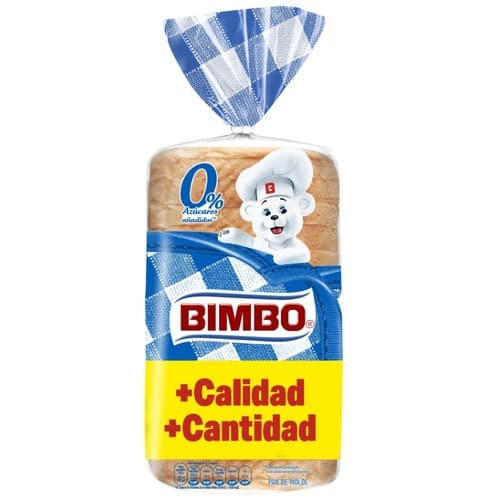 €1.50
€1.50Large Sandwich Bread
BIMBO · kg · Bonpreu
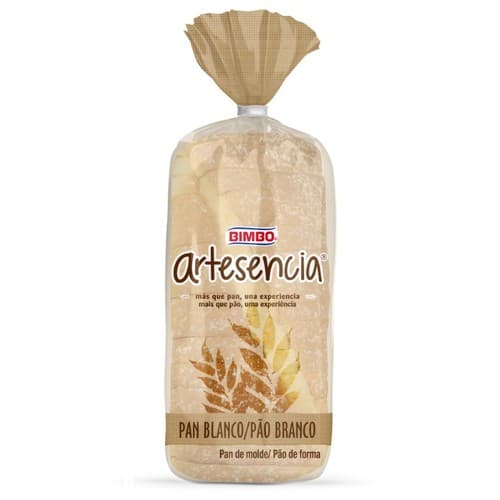 €2.89
€2.89Artisan Sandwich Bread
BIMBO · kg · Bonpreu
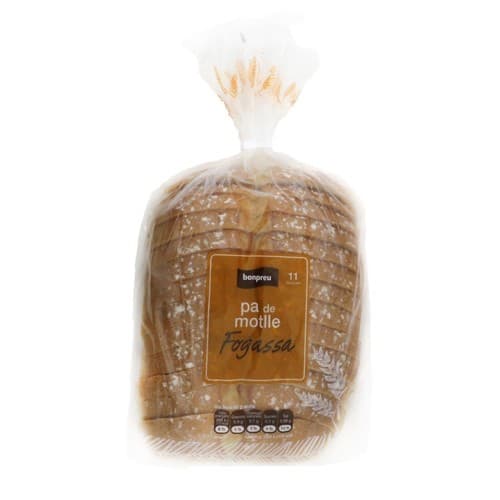 €1.27
€1.27Fogassa Sandwich Bread Bonpreu
BONPREU · kg · Bonpreu
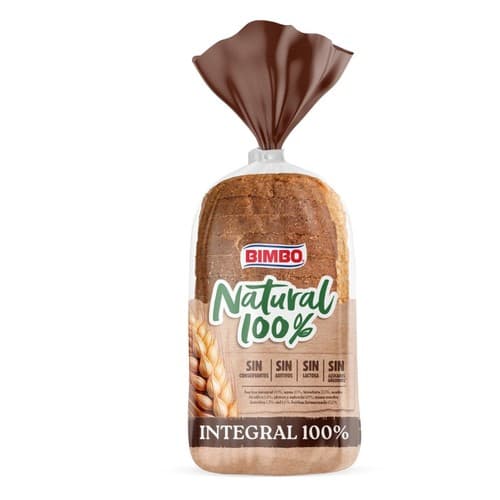 €2.99
€2.99100% Whole Wheat Sandwich Bread
BIMBO · kg · Bonpreu
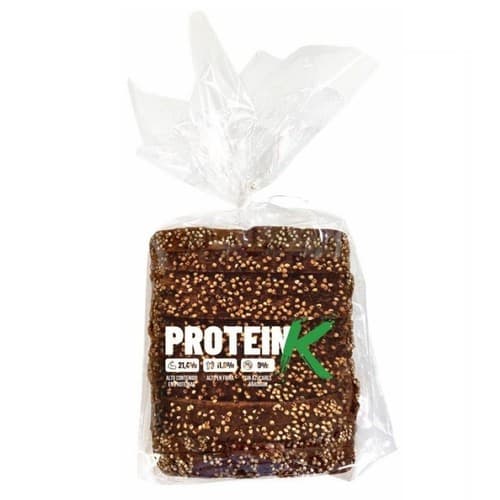 €2.99
€2.99KETTERER Protein Sandwich Bread
KETTERER · kg · Bonpreu
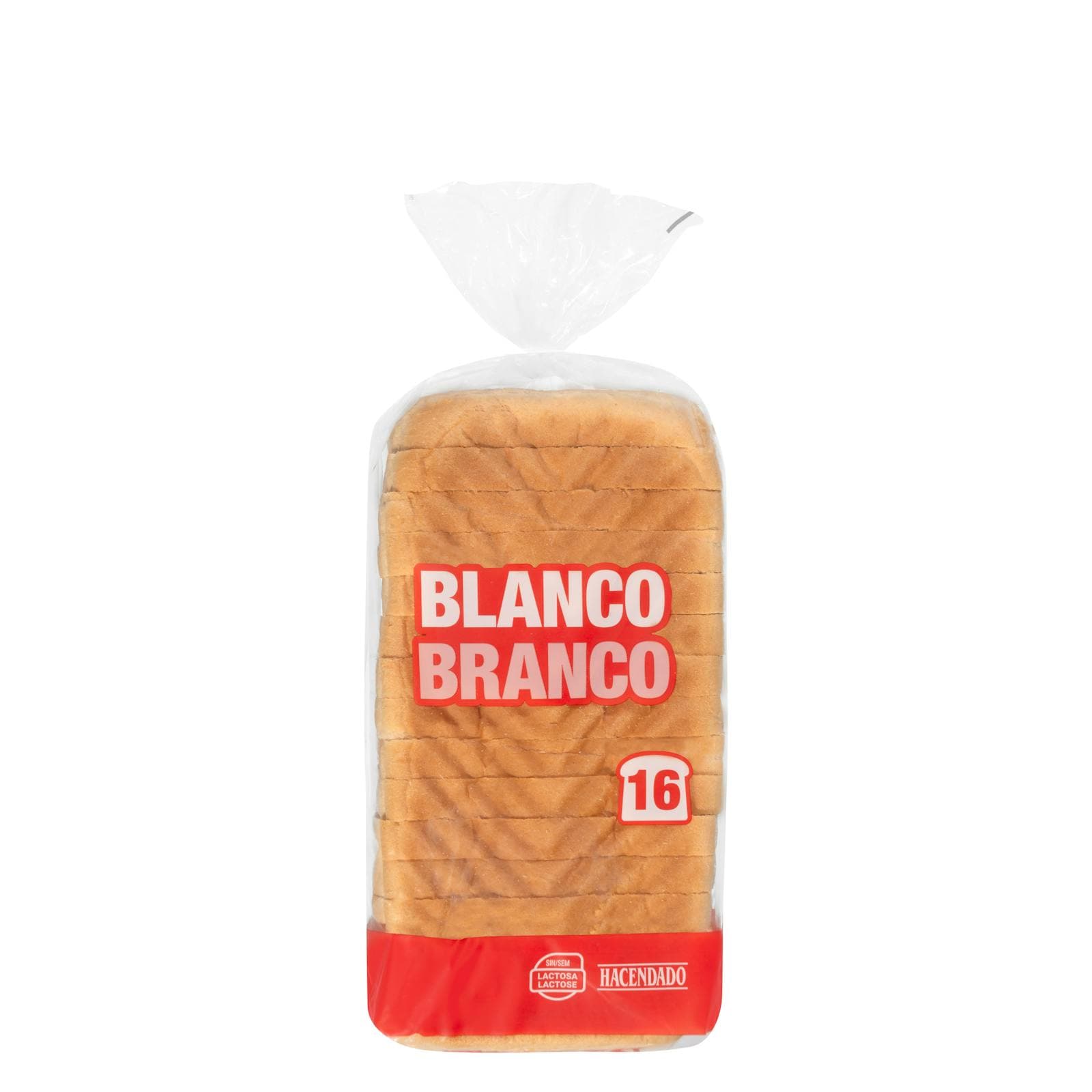 €0.80
€0.80White Sliced Bread
Hacendado · 460 g · Mercadona
Good to know
- Origin
- Eastern Mediterranean / Middle East (Mesopotamia, Levant, Egypt)
- Main Ingredients
- Wheat flour, water, yeast, salt; sometimes sugar or a small amount of fat
- Typical Size
- 6–8 inches diameter (Lebanese/Syrian); up to 12+ inches (Greek/larger Middle Eastern)
- Baking Temperature
- 450–500°F (230–260°C); traditionally baked in a tandoor or tannur oven at 900°F+
- Calories
- 165–250 per standard 6–7 inch pita (varies by brand and size)
- Leavening
- Yeast (instant or active dry); dough rises once before shaping
- Storage (Fresh)
- Room temperature in a paper bag, 1–2 days; plastic traps moisture and causes sogginess
- Storage (Frozen)
- Freezes well in airtight bag, up to 3 months; thaw at room temperature or bake directly from frozen
Substitutes
- Arabic Bread (Khubz Arabi) — Nearly identical flatbread; same preparation and uses; often slightly thinner; direct substitute in any application
- Naan — Indian flatbread; softer and more pliable, baked in a tandoor or hot skillet; acceptable substitute for wraps and dipping, though different in character
- Flour Tortilla — Mexican flatbread; lacks pocket structure but works for wraps and dipping; softer texture overall
- Other Arabic Flatbreads — Any store-bought Middle Eastern flatbread substitutes directly; check whether it has a pocket if stuffing is intended
- Pizza Dough — Can be stretched and baked into a pocket-like shape; requires higher hydration dough and similar high-heat technique
- Focaccia — Not ideal; too thick and oily, lacks pocket; acceptable only for tearing and dipping, not stuffing
Pairs with
Also called
Pitta · Arabic Bread · Pocket Bread
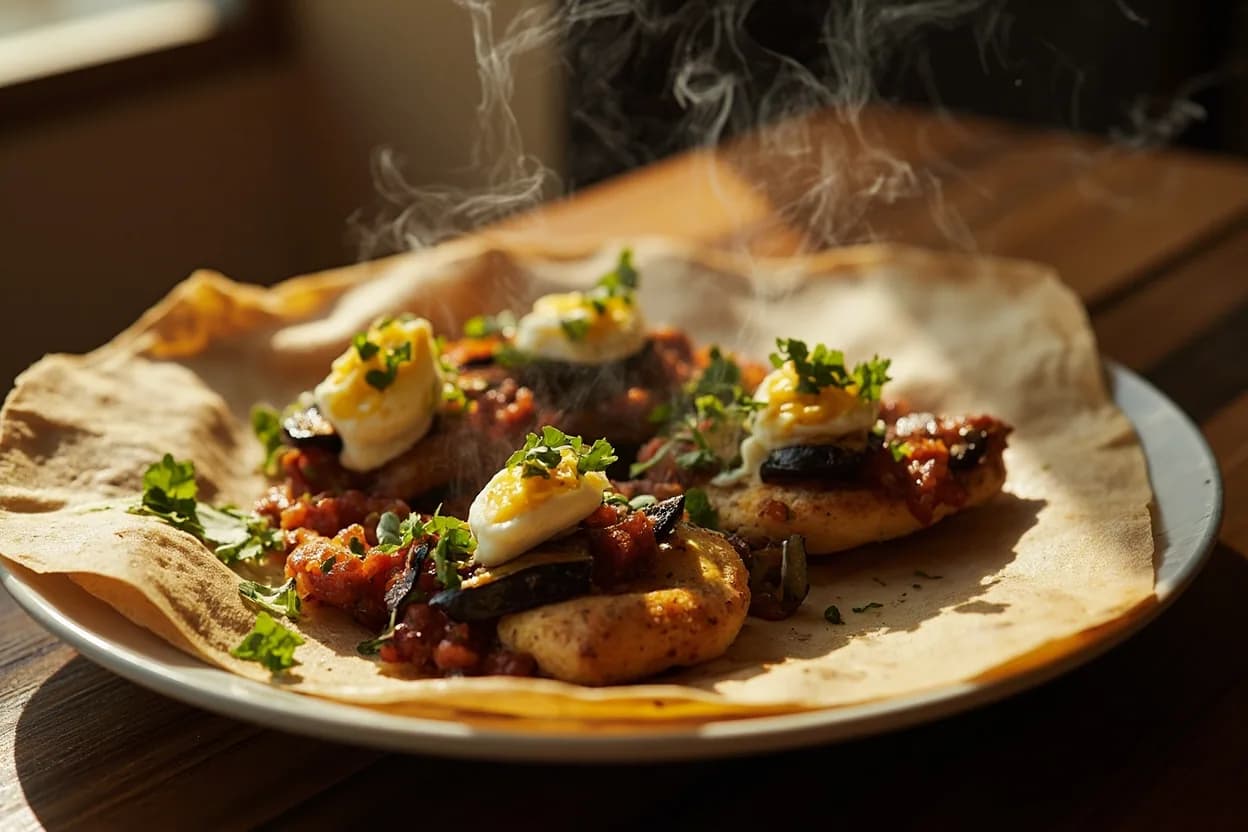
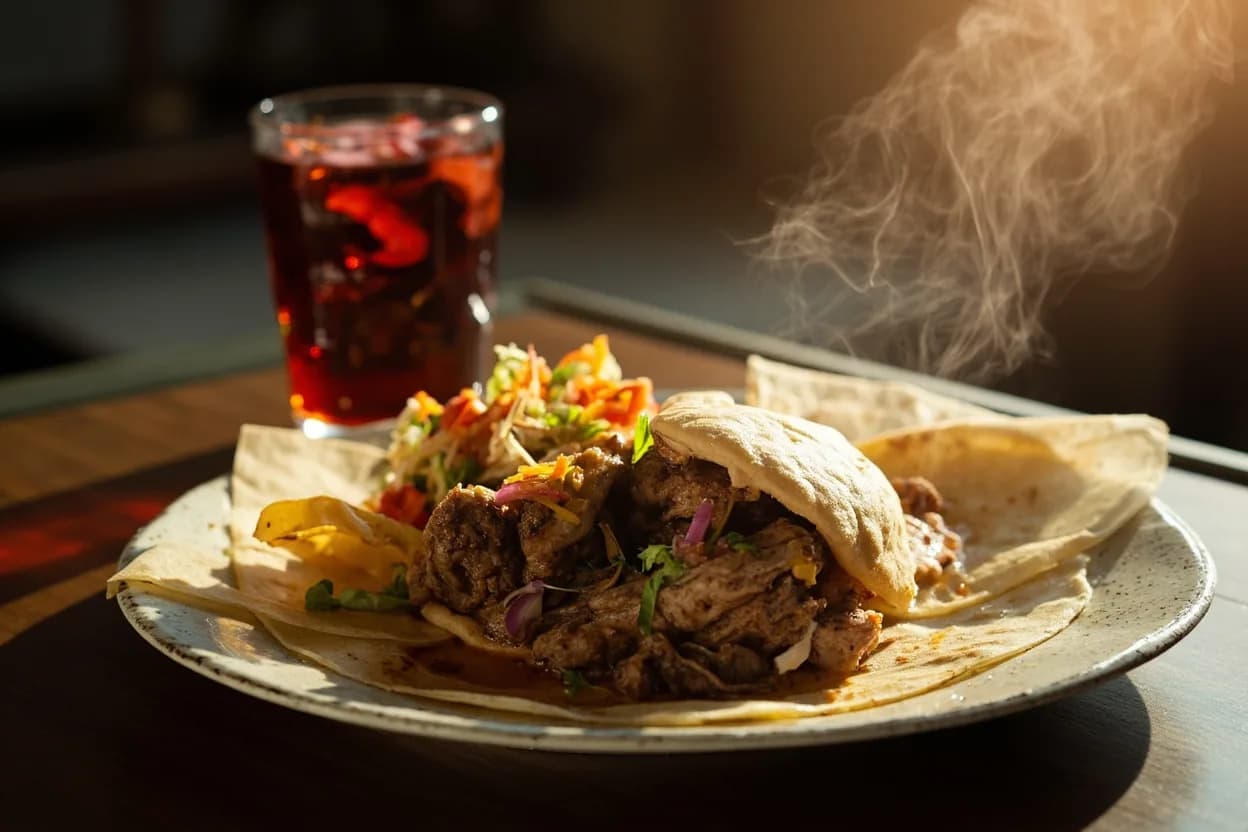
Appears in these dishes
Related

White Rice
Fluffy long-grain rice — the neutral base for almost any meal

White Bread
Soft sandwich loaf for toast, sandwiches, and crumbs
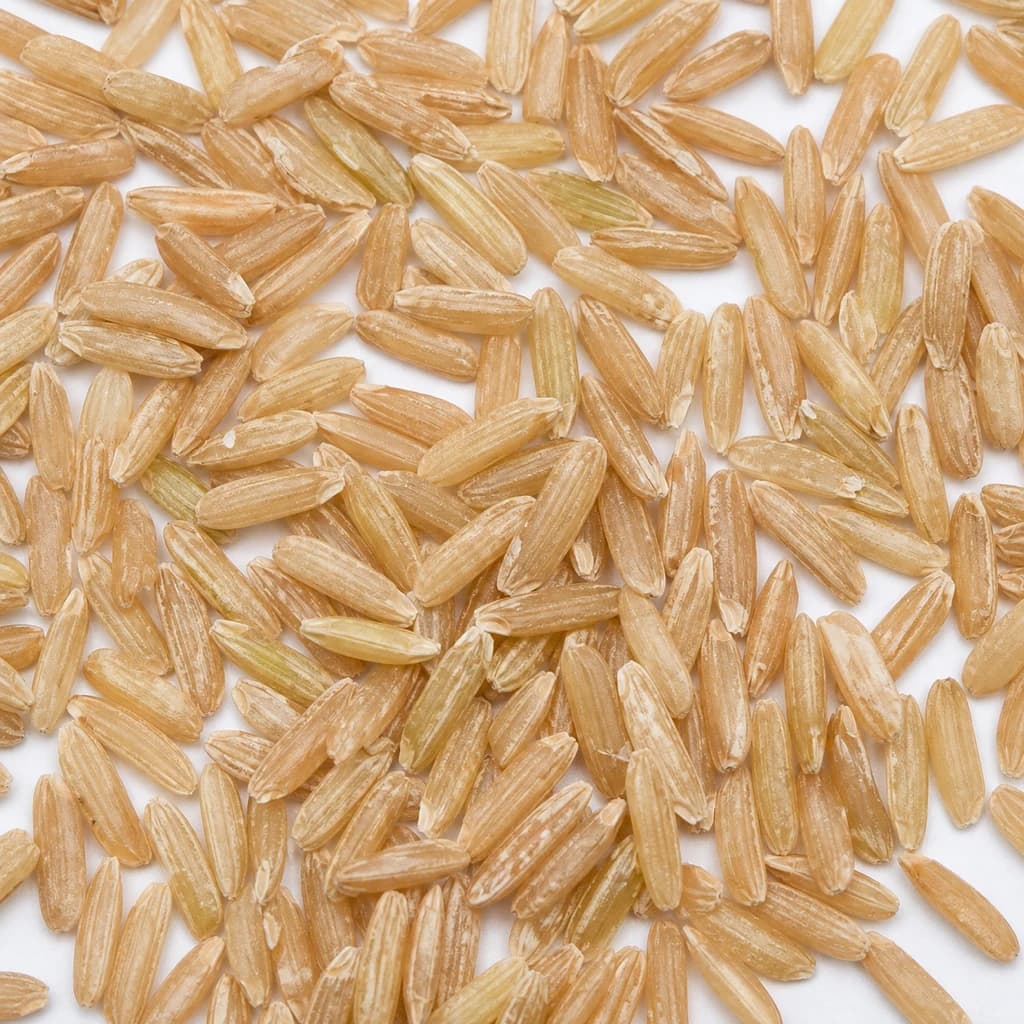
Brown Rice
Nutty, whole-grain rice with chew and extra fiber

Basmati Rice
Fragrant, long-grain rice that cooks up light and separate
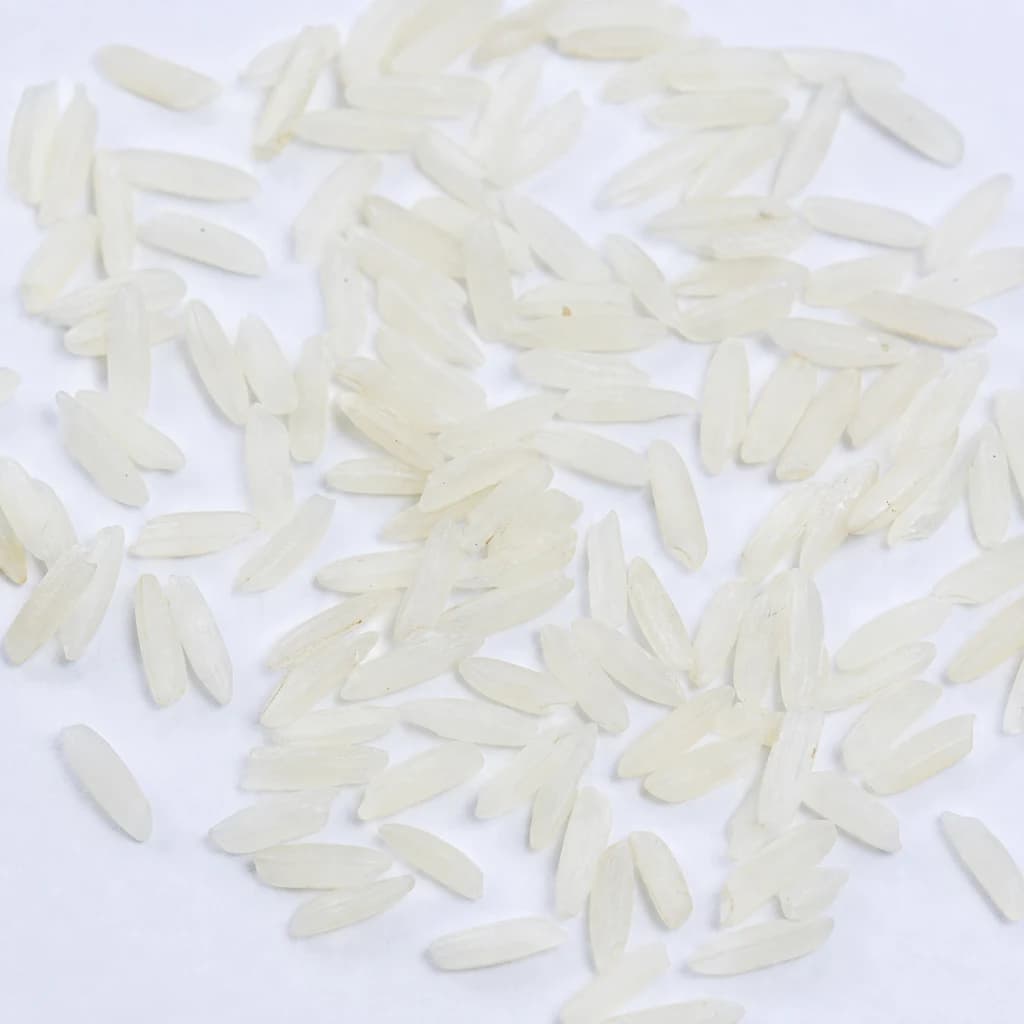
Jasmine Rice
Soft, floral-scented rice that's the pillar of Thai meals
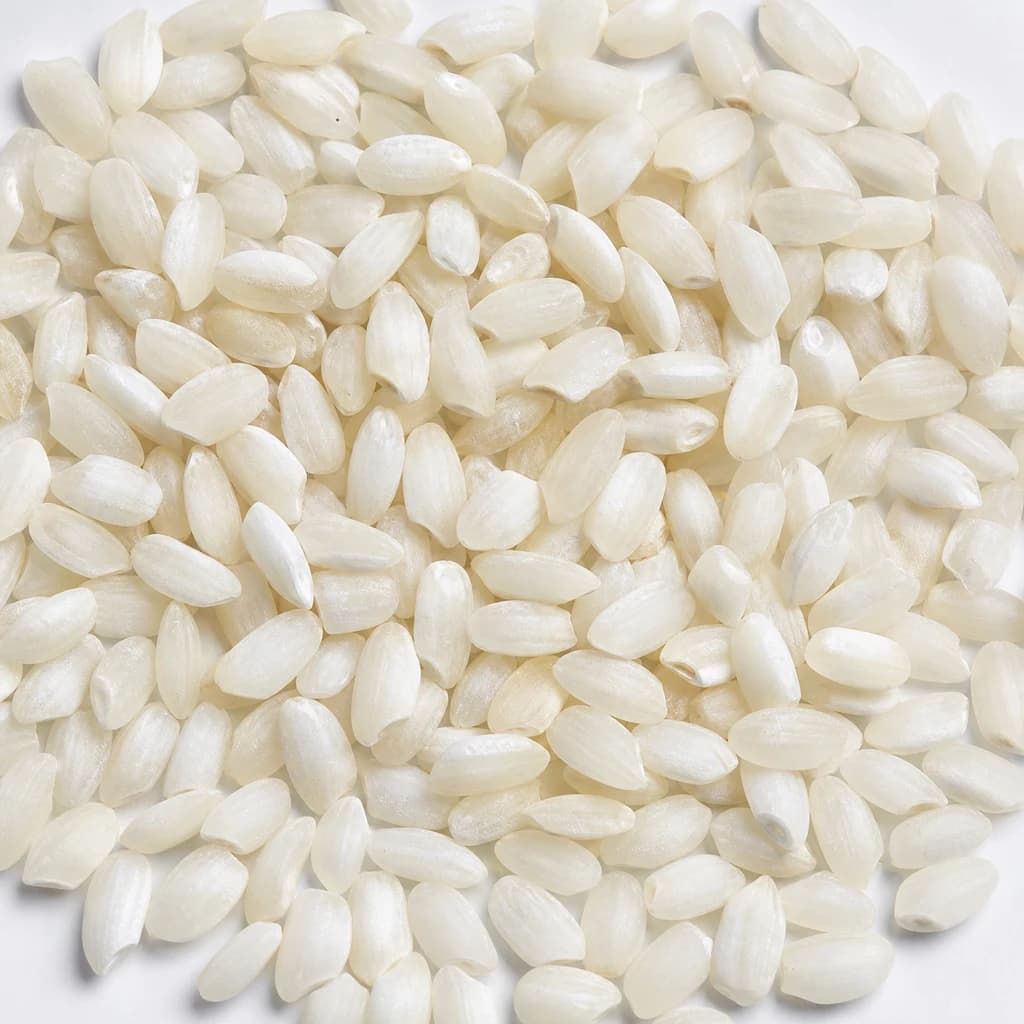
Arborio Rice
Plump, starchy rice that makes risotto creamy
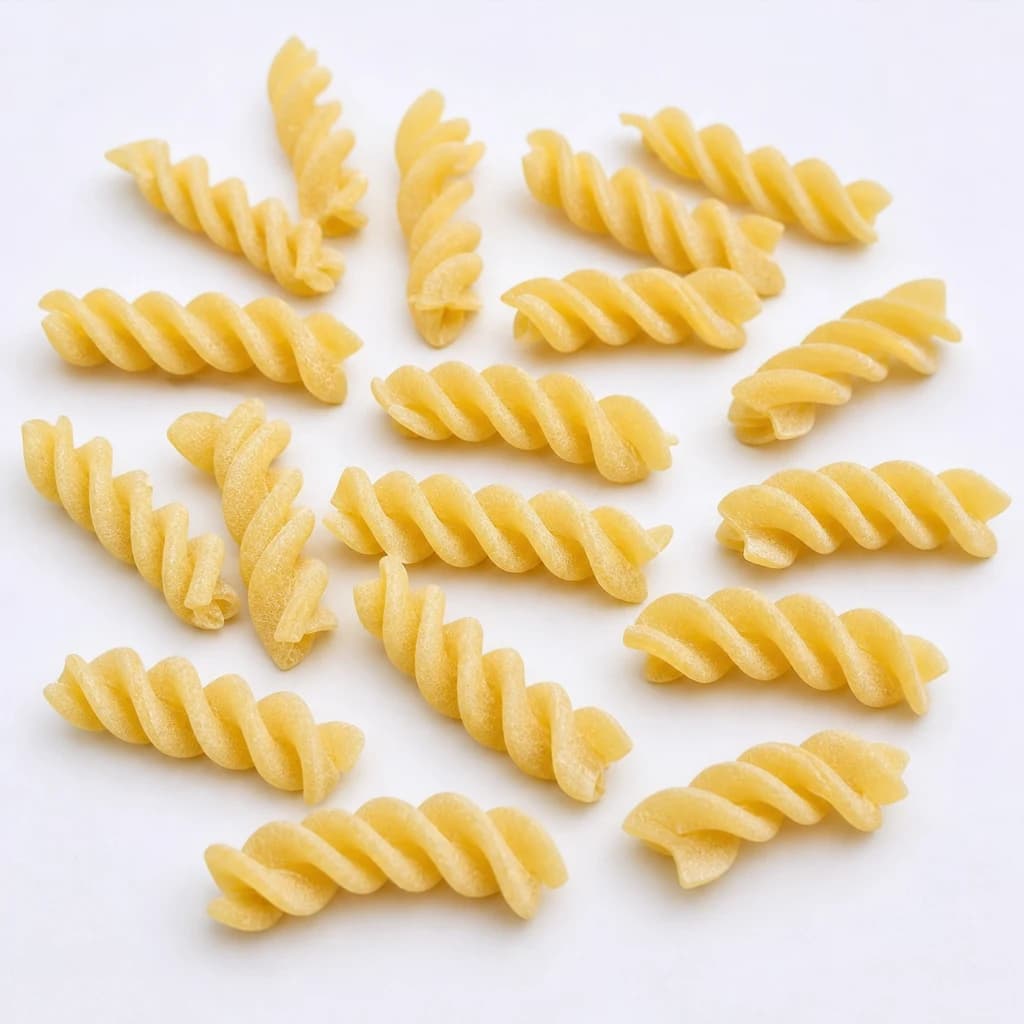
Fusilli
Spiraled pasta that twirls up sauce and dresses cold salads
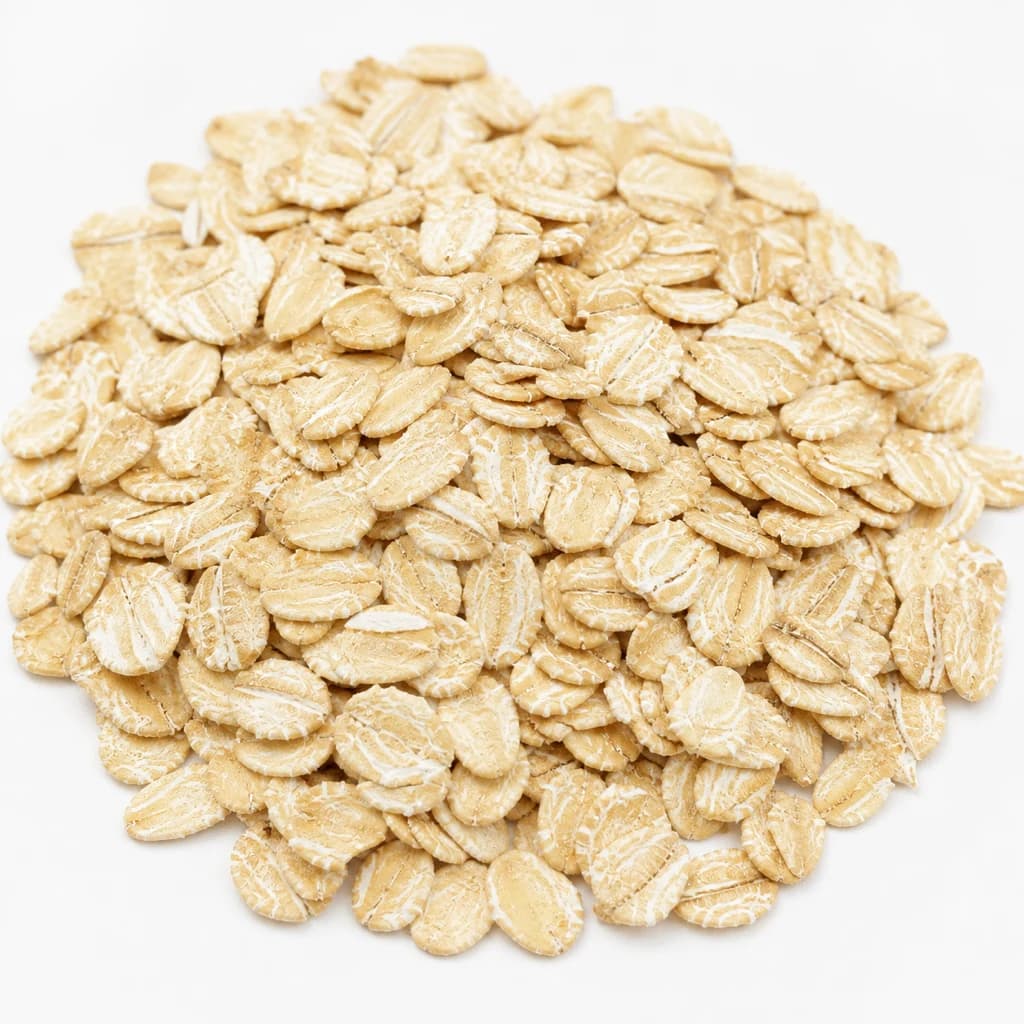
Rolled Oats
Hearty flakes for porridge, granola, and chewy cookies