Produce
Pearl Onion
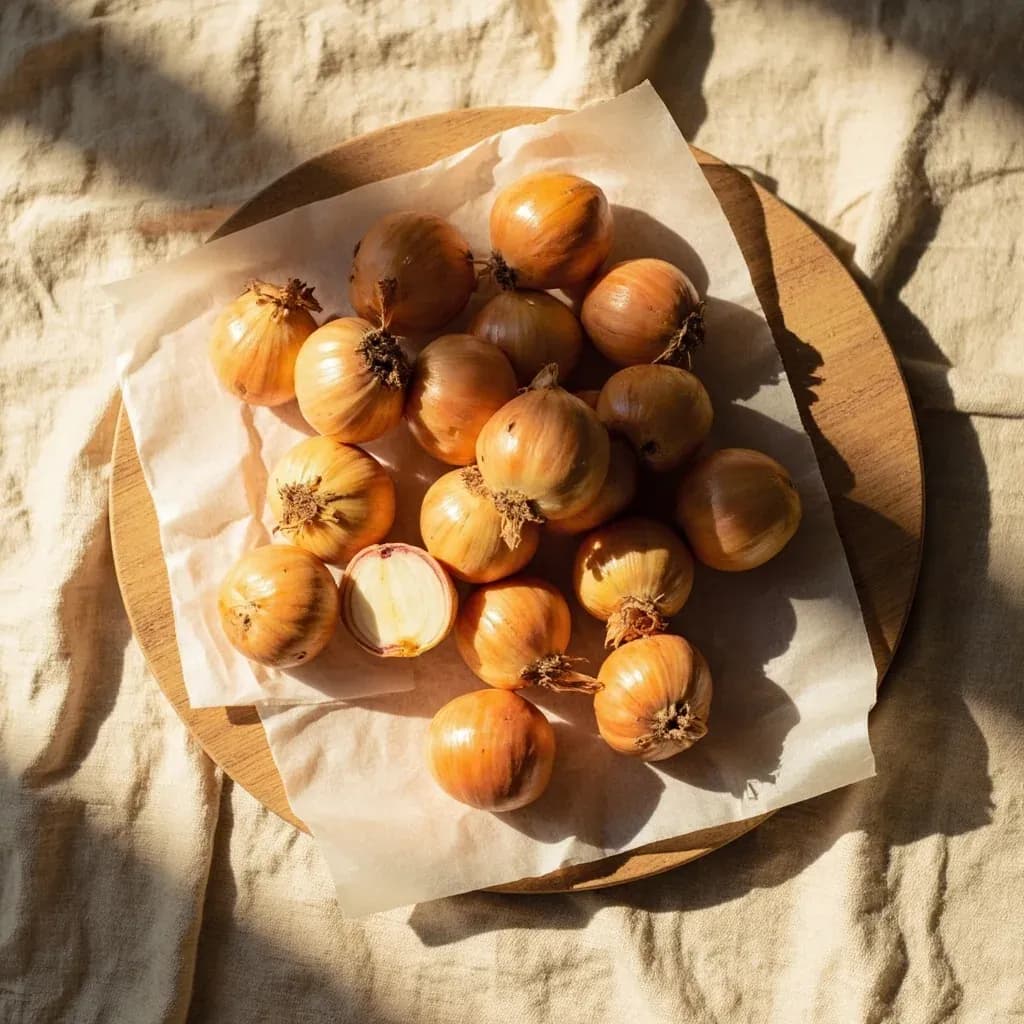
Tiny marble-sized onions left whole for braises, glazed sides, and pickling; their skins slip off easily after a quick blanch and they turn sweet when caramelized.
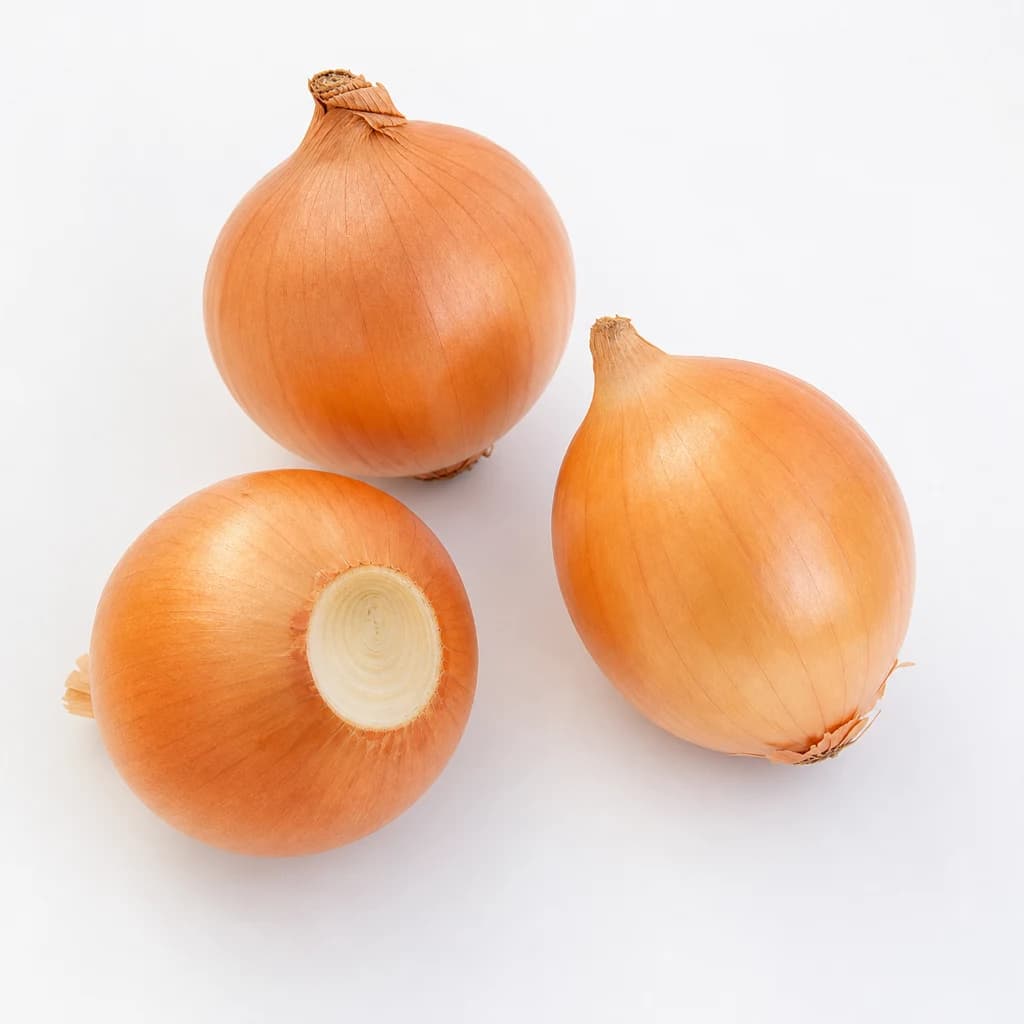
Pearl onions are a true small-bulbing onion, not an immature regular onion left to size up. That distinction is what makes them cook so gracefully: their layers stay tightly nested, their skins release cleanly after a brief blanch, and their sugars stay delicate rather than pungent. Cooked whole, they read as sweet, almost candy-like, with none of the sharp bite of a chopped Spanish onion. Most pearl onions in the market run 1–2 cm across, about the size of a large marble, which is small enough to eat in a single bite and large enough to hold their shape through long cooking.
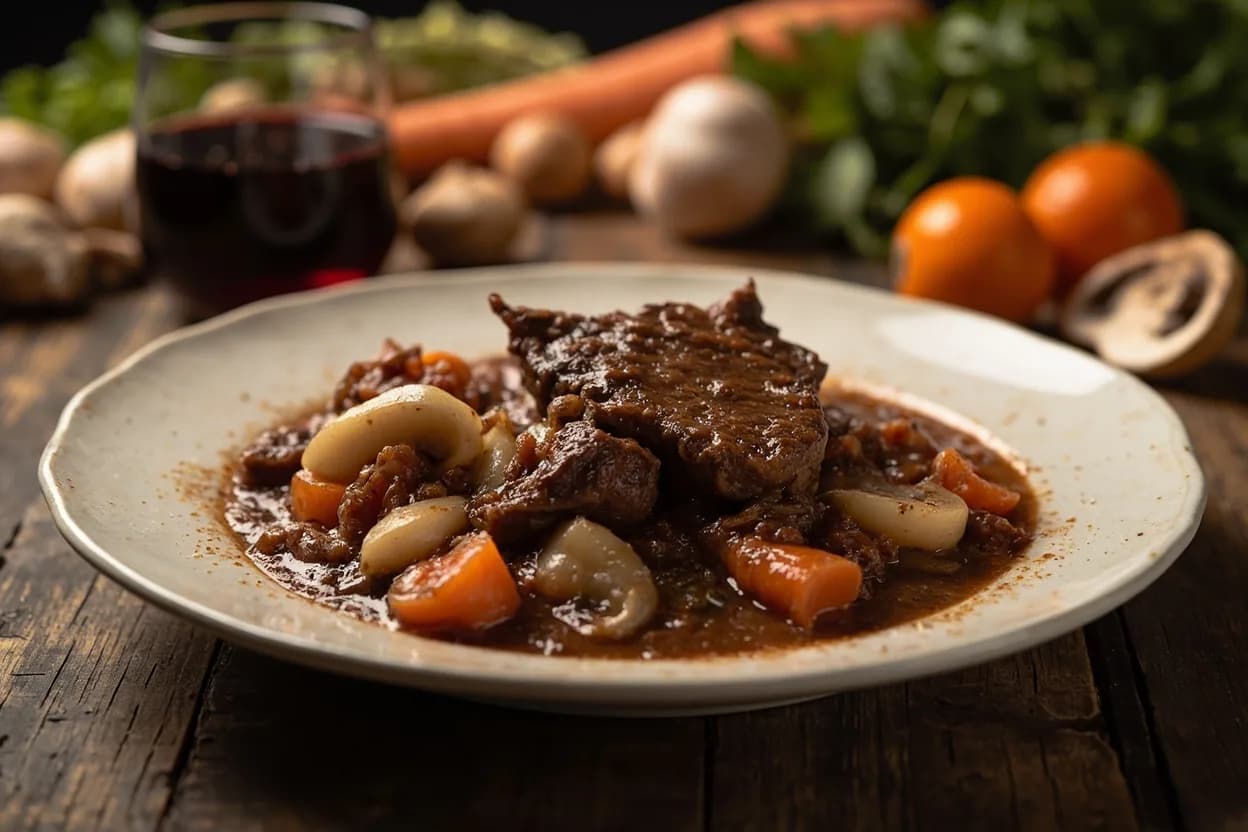
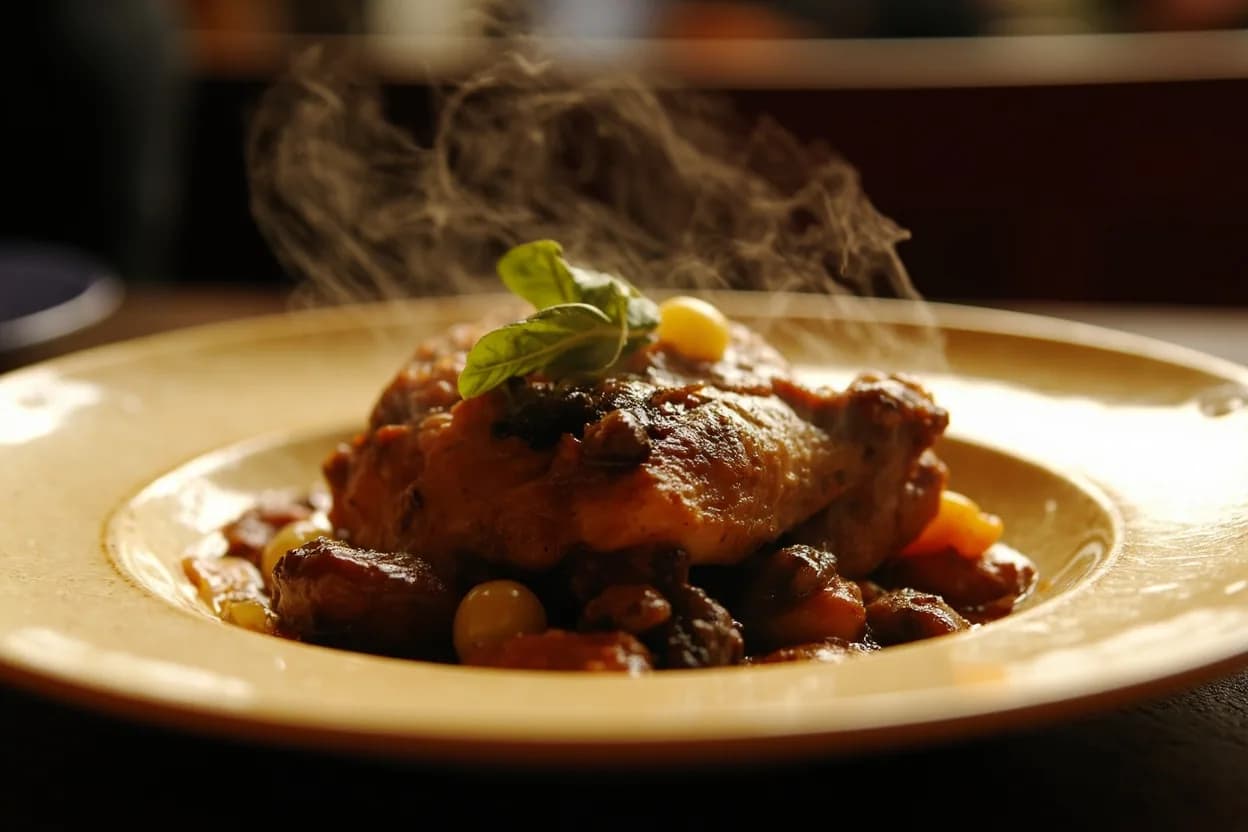
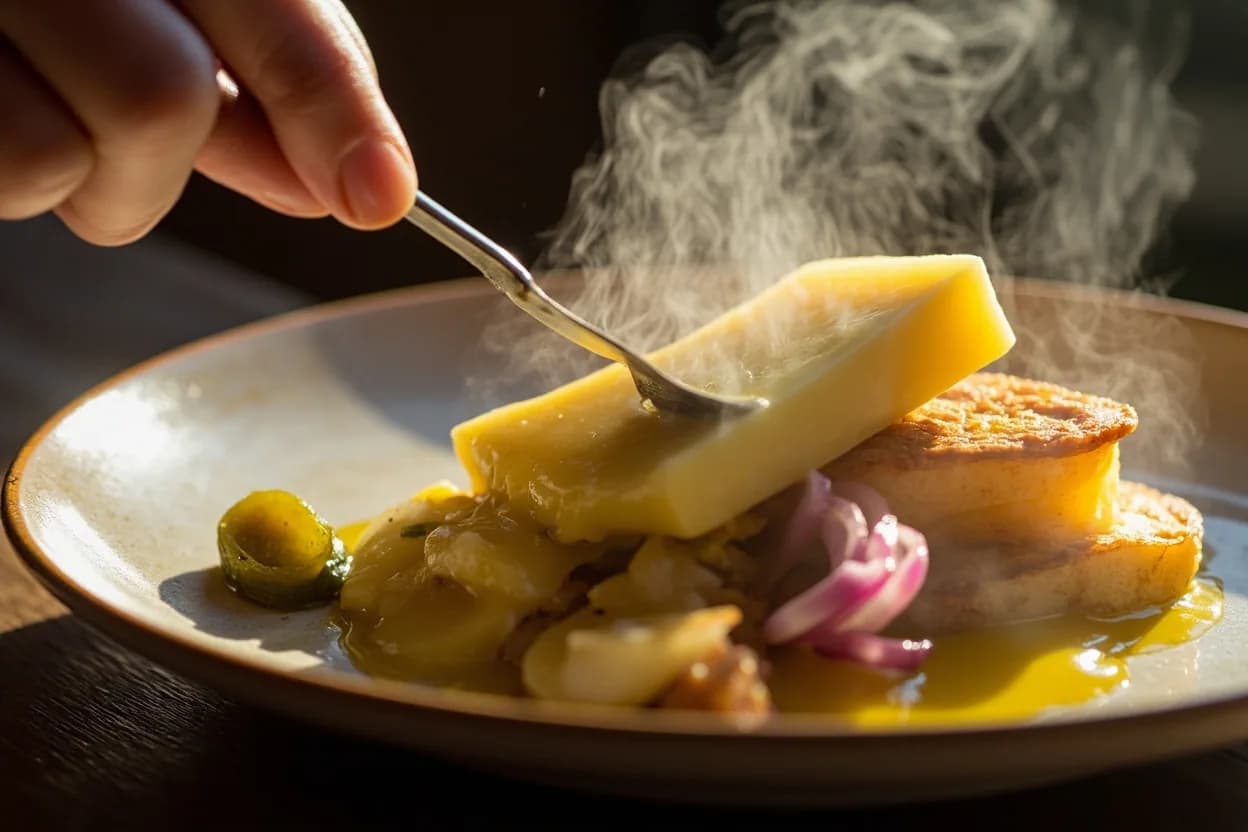
In the kitchen, pearl onions do three jobs particularly well. They glaze in butter into mahogany, tender little spheres that anchor a plate; they ride along in long braises like boeuf bourguignon and coq au vin, absorbing wine and stock while giving back sweetness; and they pickle into the sharp, briny cocktail onions that garnish a Gibson martini or anchor a composed salad. Frozen and jarred forms have made them a year-round ingredient, but for clean glazes and pickling, fresh white pearls peeled to order still deliver the best texture and flavor.
The trade-off is labor. Peeling a kilogram by hand is a quiet kind of tedium, which is exactly why the blanch-and-shock method matters and why frozen pearl onions are a legitimate shortcut rather than a compromise. Overcooking is the other trap: once the layers collapse into mush, you lose both texture and the visual point of having cooked them whole in the first place.
- Measured in
- g
- Storage
- Dark Cool
Find it in
Suits
Types & varieties
The standard and most widely available; mild, sweet, classic pearl-onion flavor
Smaller-scale red variety used for color contrast in salads, pickles, and braises; slightly sharper
Golden-skinned, similar size and use to white; common in some European markets
A slightly larger cousin (about 2.5–4 cm) often sold as 'pearl' in US markets; interchangeable in most braises
Italian flat, disc-shaped small onion often grouped with pearls; caramelizes exceptionally well
Pearl onion cured in vinegar, sugar, and spices; standard martini garnish and bar snack
The Blanch-and-Peel Method
Fresh pearl onions are nearly always sold with their papery skins on, and those skins cling stubbornly until heat loosens them. The fix is a quick boil followed by an ice bath. Use plenty of generously salted water so the temperature does not drop when the onions go in, and shock them the moment a minute or two has passed so they stop cooking. From there, a small flat cut at the root end gives the skin a starting point, and a gentle squeeze between thumb and forefinger pushes the onion out clean. The blanching water itself is worth saving; it picks up onion sugars and makes a fine base for soups, sauces, or the braising liquid that will cook the onions anyway.
- Trim the root end with a thin slice before blanching; it gives the peel somewhere to start and speeds peeling.
- Blanch 1–2 minutes in boiling salted water, then drain and shock in ice water until cool.
- Squeeze gently from the blossom end; the onion should slip out of its skin in one motion.
- If a pearl resists, score a shallow X in the root end with a paring knife and return to the hot water for 30 seconds.
Glazing, Braising, and Pickling
These are the three roles where pearl onions earn their place. Glazing is the showpiece: peeled onions are sweated in butter with a pinch of sugar and a splash of stock, then cooked uncovered in a wide pan until the liquid reduces to a syrup and the onions turn deep brown. Braising is the supporting role; whole peeled onions join beef, chicken, or game partway through cooking and finish the last 20–30 minutes so they hold their shape. Pickling is the sharpest application, turning the onions into the bright, briny garnish known around the bar as a cocktail onion.
Choosing and Storing
For glazing and pickling, choose firm, blemish-free white pearls under 2 cm; they absorb brine evenly and brown in a predictable time. Larger pearls and boiling onions are fine for braises, where the longer cook forgives a slightly looser texture. Keep fresh pearl onions in a cool, dark, well-ventilated spot, ideally a mesh bag so air can circulate; they will keep three to four weeks that way. Frozen pearl onions, sold already peeled, are a year-round workhorse for stews and glazes and should be dropped into the pan straight from the freezer so they do not leach moisture before they brown.
Common uses
Tips & pitfalls
- Dry peeled onions thoroughly before glazing so they brown rather than steam.
- Do not overcook: pearl onions should keep their shape and a slight bite, even in long braises—add them in the last 20–30 minutes.
- Frozen pearl onions are a legitimate shortcut for stews and glazes; add them straight from the freezer, no thawing.
- For pickling, choose firm, blemish-free white pearls under 2 cm; they absorb brine evenly.
- Pearl onions scorch easily in dry pans; always use enough butter, stock, or oil to keep them moist as they caramelize, and use a wide sauté pan so they sit in a single layer with room to brown.
Nutrition
Energy
167 kJ · per 100 g
Where the calories come from
Protein
1.1g
2% DV
Carbs
9.3g
3% DV
Fat
0.1g
0% DV
Fiber
1.7g
6% DV
Sugars
4.2g
of which
Sodium
4mg
0% DV
Source · USDA FoodData Central · Onions, raw
View on FDC →In the shops
Matched grocery products
No matched grocery products for Pearl Onion yet.
Good to know
- Also called
- Baby onions, cocktail onions (when pickled), oignon grelot (French), cream onions
- Size
- 1–2 cm (about ½ to ¾ inch) in diameter
- Color
- Most often white; also red/purple and yellow/gold varieties
- Flavor profile
- Mild and sweet; noticeably sweeter than mature bulb onions once cooked
- Fresh season
- Peak in late summer and fall; frozen, jarred, and pickled forms available year-round
- Storage (fresh)
- Cool, dry, dark, well-ventilated; 3–4 weeks
- Storage (frozen)
- Several months; add directly to the pan without thawing
- Yield
- 1 kg fresh pearl onions yields roughly 700–750 g peeled
- Iconic pairing
- Gibson martini (cocktail onion garnish in place of an olive)
Substitutes
- Frozen pearl onions — The most reliable 1:1 substitute; skip the peeling work and behave nearly identically in braises and glazes.
- Cipollini onions — Similar small size, slightly flatter; excellent when caramelized, with a touch more assertive flavor.
- Boiling onions — A bit larger (2.5–4 cm); trim and halve if you need pearl-sized pieces, or use whole in long braises.
- Small white onions, quartered — Works in stews; expect sharper flavor and less visual elegance.
- Pearl onions from a jar (canned in brine) — Acceptable for quick cooked applications; rinse well to remove brine before glazing.
Pairs with
Also called
pearl onion · baby onion · button onion · cebolla perla