Grains & Rice
Penne
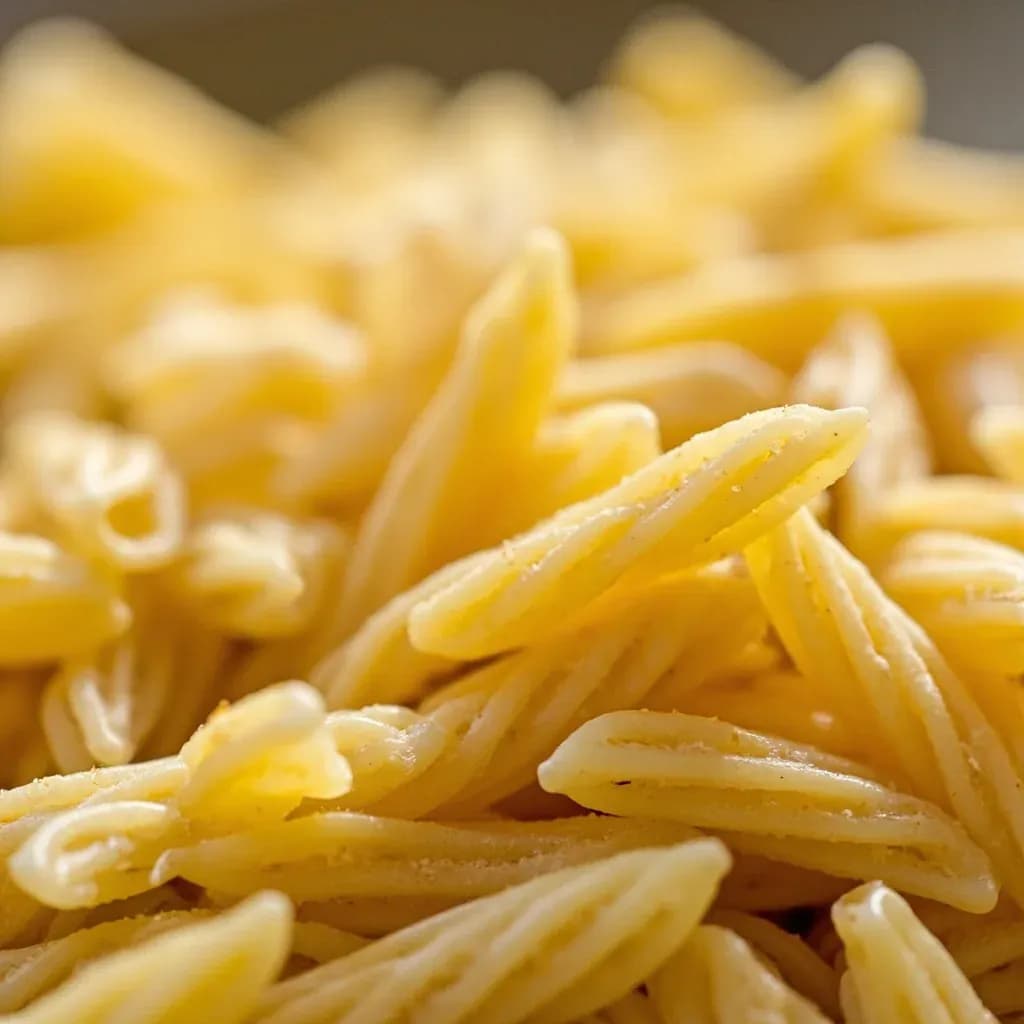
Quill-shaped tube pasta with ridges that grip tomato, cream, and baked sauces.
Penne are medium tube-shaped pasta cut at an angle like a quill, available smooth (lisce) or ridged (rigate). The ridges and hollow center capture sauces, making them a versatile choice for tomato, cream, pesto, and baked pasta dishes. Made from durum wheat semolina, they hold their shape and bite well.
Penne is a dry tube pasta distinguished by its diagonal cuts at both ends, which give it the appearance of a quill or feather nib—hence its name, the Italian plural for "quill." The diagonal cut is not merely decorative; it increases the exposed surface area and creates a wider opening at each end, allowing sauces to penetrate the pasta's interior more effectively than straight-cut tubes. Penne's ridged exterior (in the rigate variety) further amplifies sauce adhesion, making it one of the most versatile pasta shapes in Italian cooking. Its sturdy structure holds up well to both long oven bakes and quick sautés, making it equally suited to creamy baked dishes like penne alla vodka and lighter preparations like pasta salads. The hollow tube also provides textural contrast—a satisfying bite that complements both chunky ragù and smooth emulsified sauces.
- Measured in
- g
- Storage
- Pantry
Allergens
Types & varieties
Ridged exterior; ridges grip sauces effectively; the most common variety and the best performer with chunky or cream-based sauces
Smooth exterior, no ridges; sauce slides more readily, making it preferable for lighter preparations where a silky mouthfeel is desired
Half-length version, approximately 1 inch long; ideal for soups, stews, and cold salads where a shorter noodle is more manageable
Whole wheat version; nuttier flavor and firmer texture when cooked, requiring 1–2 minutes longer cooking time
Ridged penne with mushroom pieces incorporated directly into the dough, adding earthy flavor and visual interest
Tomato-enriched variety; subtle tomato flavor and reddish color, useful for dishes where tomato flavor is desired without added sauce
Why the diagonal cut matters
The diagonal cut of penne serves a functional purpose that has nothing to do with aesthetics. When pasta is cut on the diagonal, two things happen: the exposed interior opening is larger than in straight-cut tubes, allowing sauce to enter the hollow core, and the angled end creates a larger gripping surface on the exterior. This combination makes penne one of the most sauce-friendly tube pasta shapes. The ridges on penne rigate compound this effect—each groove creates a micro-channel that holds sauce against the pasta rather than letting it slide off.
Ridged vs. smooth: choosing the right penne
While penne rigate dominates supermarket shelves and restaurant menus, penne lisce has its own legitimate place in Italian cooking. The ridges that make rigate exceptional with heavy tomato or cream sauces can feel texturally overwhelming in delicate preparations—light olive oil dressings, simple aglio e olio, or subtle seafood sauces. Many Italian home cooks default to lisce for lighter preparations and rigate for anything with real body. When in doubt, rigate is the safer default for most cooked dishes, while lisce suits room-temperature applications and oil-based finishes.
Common uses
Tips & pitfalls
- Use approximately 4–6 quarts of water per pound of pasta to ensure the pasta has enough space and the starch released during cooking does not cause sticking or clumping
- Salt the water aggressively (about 1 tablespoon per pound) only after it reaches a rolling boil; seasoning during cooking is the only chance to flavor bland dried pasta, and salt is essential for building proper flavor in the finished dish
- Stir the pasta once or twice during the first 2 minutes after adding it to the boiling water, then leave it undisturbed; excessive stirring breaks the al dente surface that is forming
- Test for doneness 2 minutes before the package time indicates, then taste a piece cut lengthwise to check both the exterior texture and the interior chew—it should offer slight resistance at the very center
- Reserve at least 1 cup of starchy pasta cooking water before draining; the starch emulsifies and enriches sauces while the water loosens them if they tighten during tossing
- Do not rinse pasta after draining unless you are preparing a cold salad with oil coating, as rinsing washes away surface starch that helps sauces cling
- Add pasta to the sauce rather than pouring sauce over pasta; toss and cook together briefly over medium heat for 1–2 minutes to marry flavors and allow the pasta to absorb the sauce
- A common mistake is overdraining—leaving pasta too dry makes tossing difficult and risks breaking the pasta pieces; a slight moisture retention helps the sauce coat evenly
Nutrition
Energy
1552 kJ · per 100 g
Where the calories come from
Protein
13g
26% DV
Carbs
74.7g
27% DV
Fat
1.5g
2% DV
Fiber
3.2g
11% DV
Sugars
2.7g
of which
Sodium
6mg
0% DV
Source · USDA FoodData Central · approx. Pasta, dry, unenriched
View on FDC →In the shops
Matched grocery products
No matched grocery products for Penne yet.
Good to know
- Type
- Dry tube pasta, diagonally cut at both ends
- Material
- Durum wheat semolina and water (traditional); may contain eggs in egg pasta varieties
- Typical dimensions
- Approximately 2 inches (52 mm) long; 0.4 inches (10 mm) diameter
- Origin
- Campania, Italy; emerged in widespread use during the 19th century
- Cook time (dried)
- 10–12 minutes for al dente; 13–15 minutes fully cooked
- Storage (dry)
- Cool, dry place in airtight container; 1–2 years shelf life
- Etymology
- Italian for 'quills' or 'feathers,' referring to the diagonally cut ends resembling pen nibs
- Best purchase criterion
- Select 100% durum wheat semolina for superior gluten structure and al dente bite
Substitutes
- Rigatoni — Larger diameter, straight-cut ends rather than diagonal; excellent for chunkier sauces and baked dishes, though the larger tubes cook slightly differently
- Maccheroni — Italian elbow-style pasta; similar ridged tube shape but curved, providing a different visual presentation while maintaining good sauce grip
- Sedani — Slightly smaller and more curved than penne; a good substitute when a tighter curve is desired or for dense meat sauces
- Farfalle — Bow-tie shape; comparable cooking time but fundamentally different sauce interaction—better for lighter, cream-based sauces rather than chunky tomato
Pairs with
Also called
Penne Rigate · Penne Lisce · penne
Appears in these dishes
Related

White Rice
Fluffy long-grain rice — the neutral base for almost any meal

White Bread
Soft sandwich loaf for toast, sandwiches, and crumbs
Brown Rice
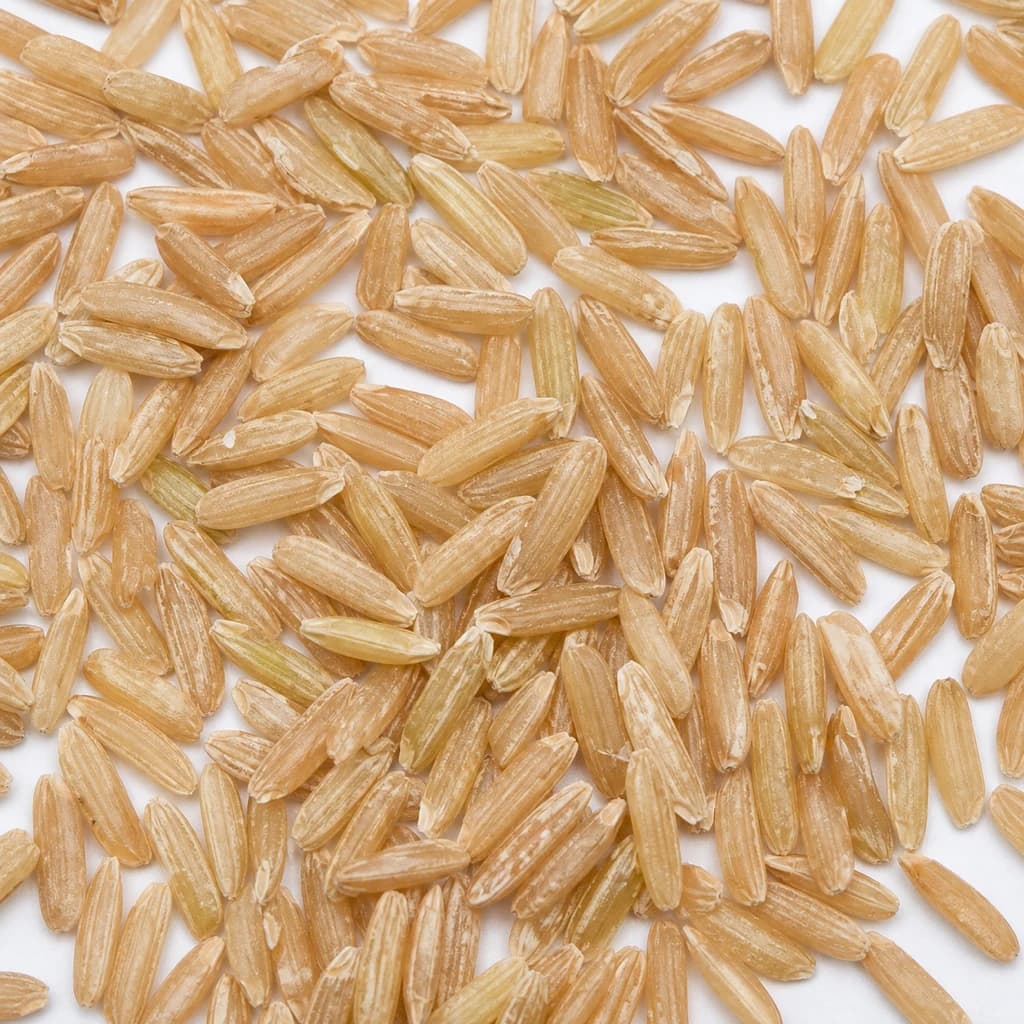
Nutty, whole-grain rice with chew and extra fiber

Basmati Rice
Fragrant, long-grain rice that cooks up light and separate
Jasmine Rice
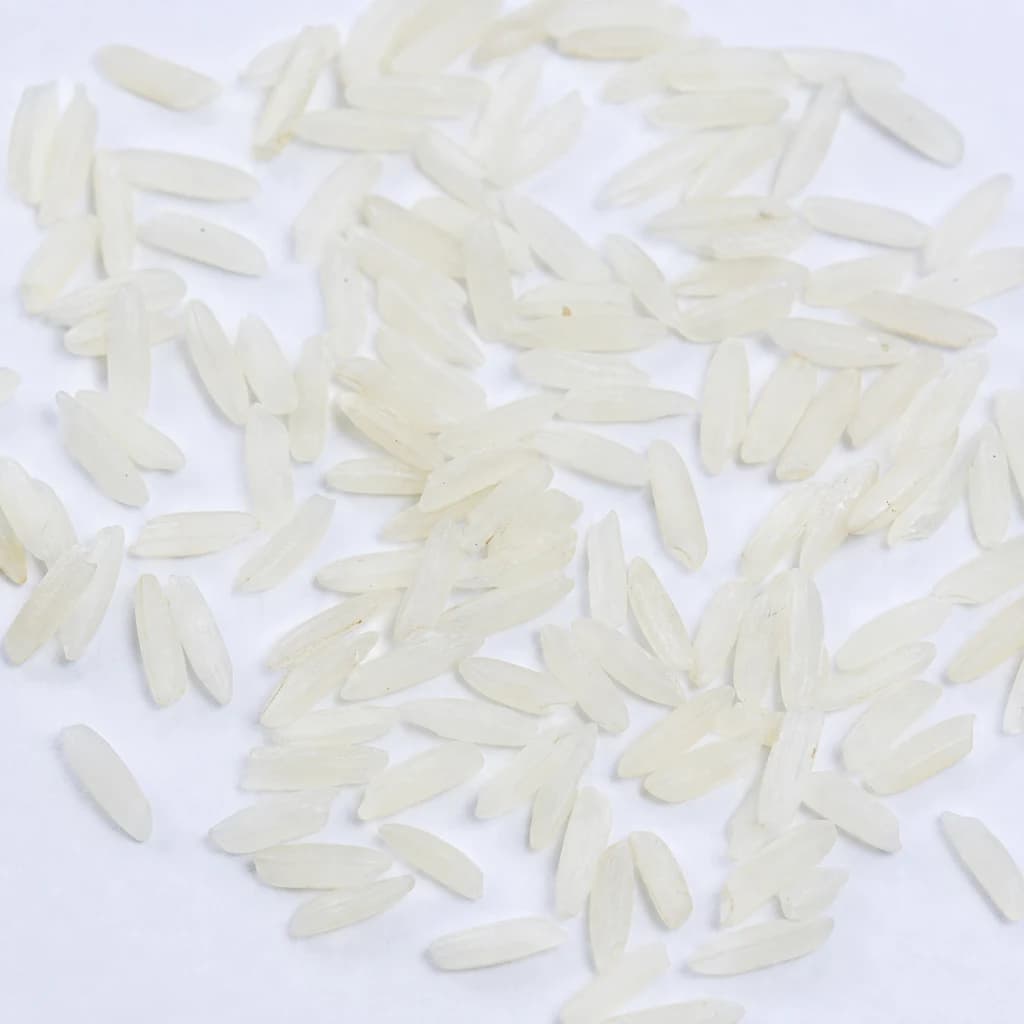
Soft, floral-scented rice that's the pillar of Thai meals
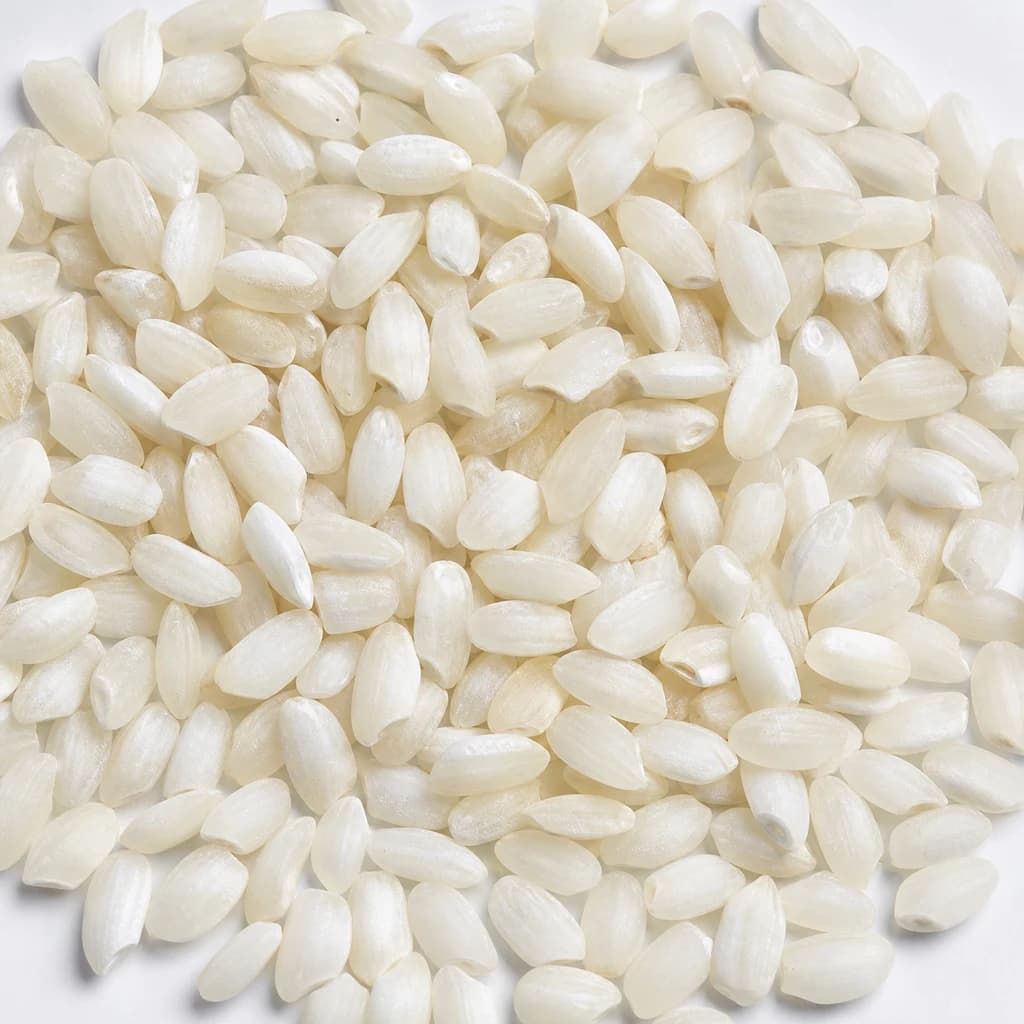
Arborio Rice
Plump, starchy rice that makes risotto creamy
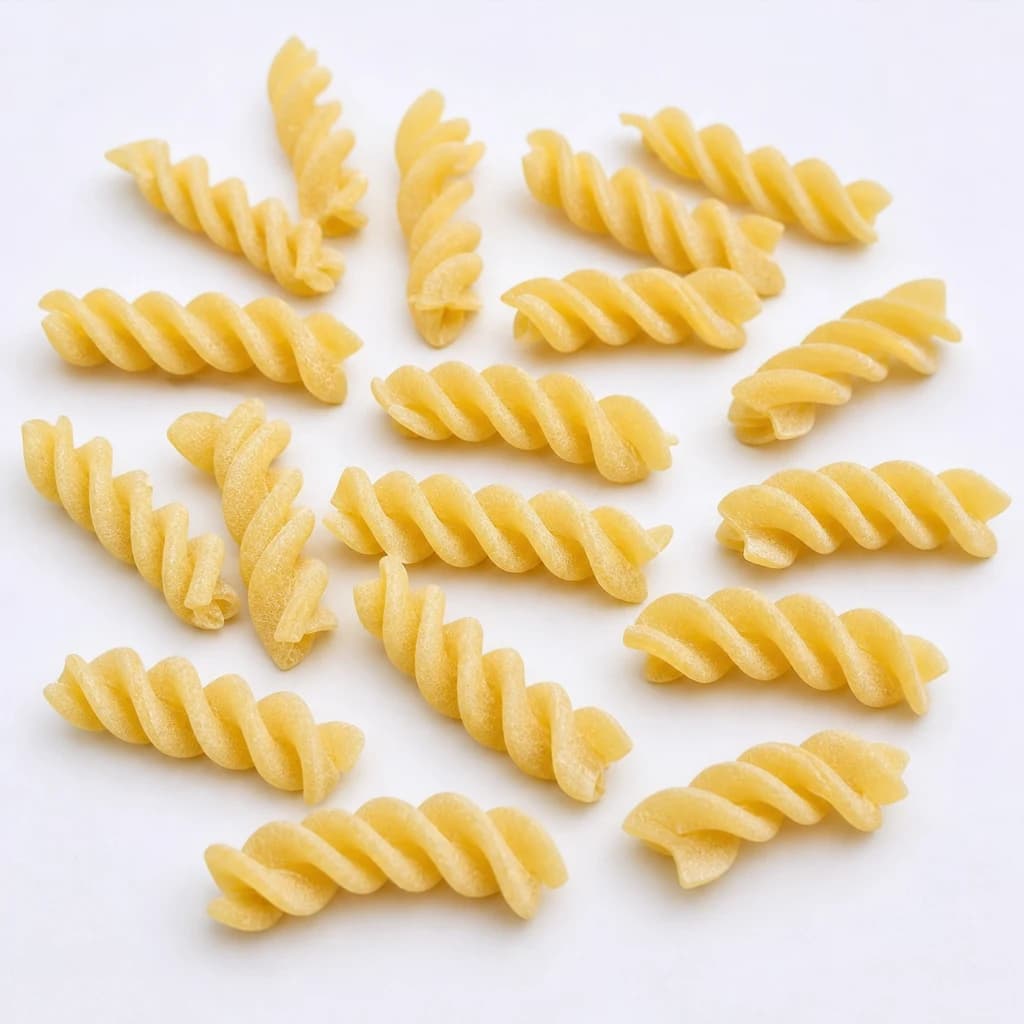
Fusilli
Spiraled pasta that twirls up sauce and dresses cold salads
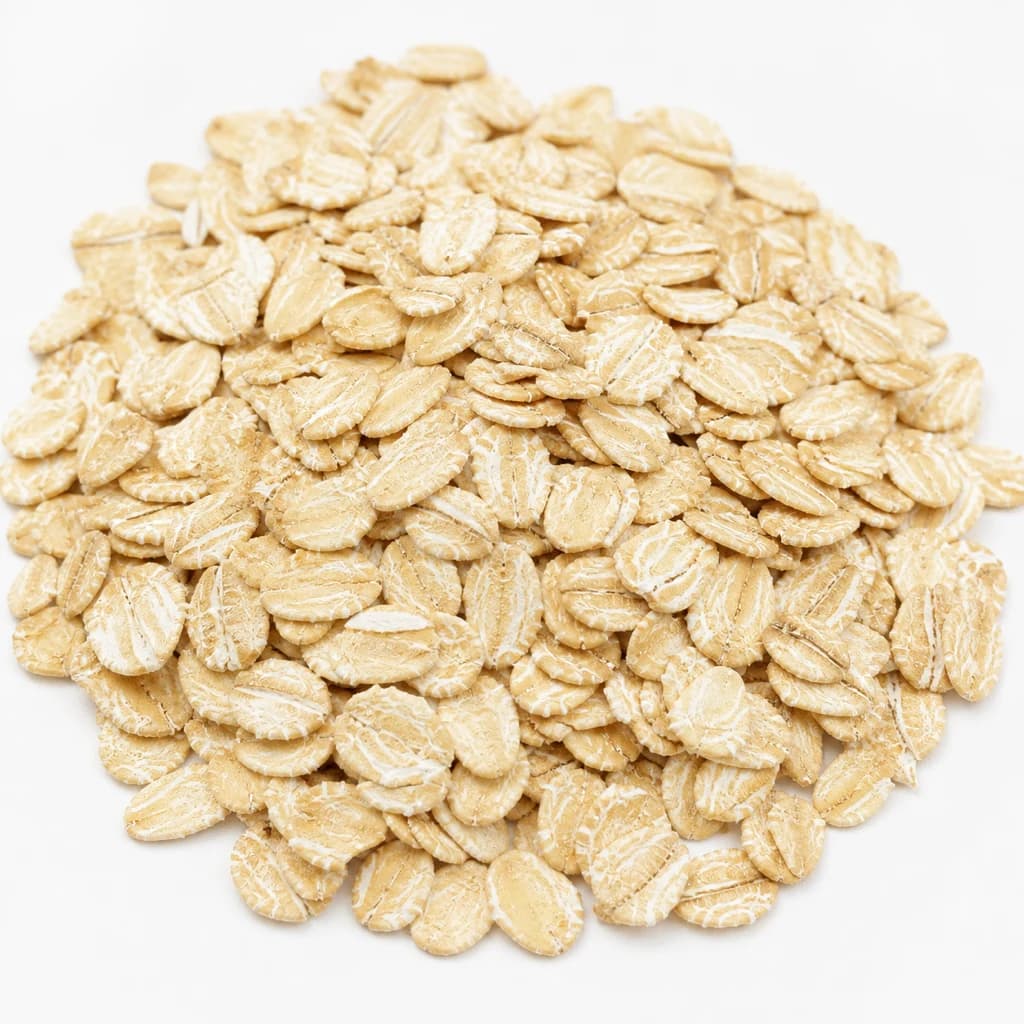
Rolled Oats
Hearty flakes for porridge, granola, and chewy cookies