Grains & Rice
Macaroni
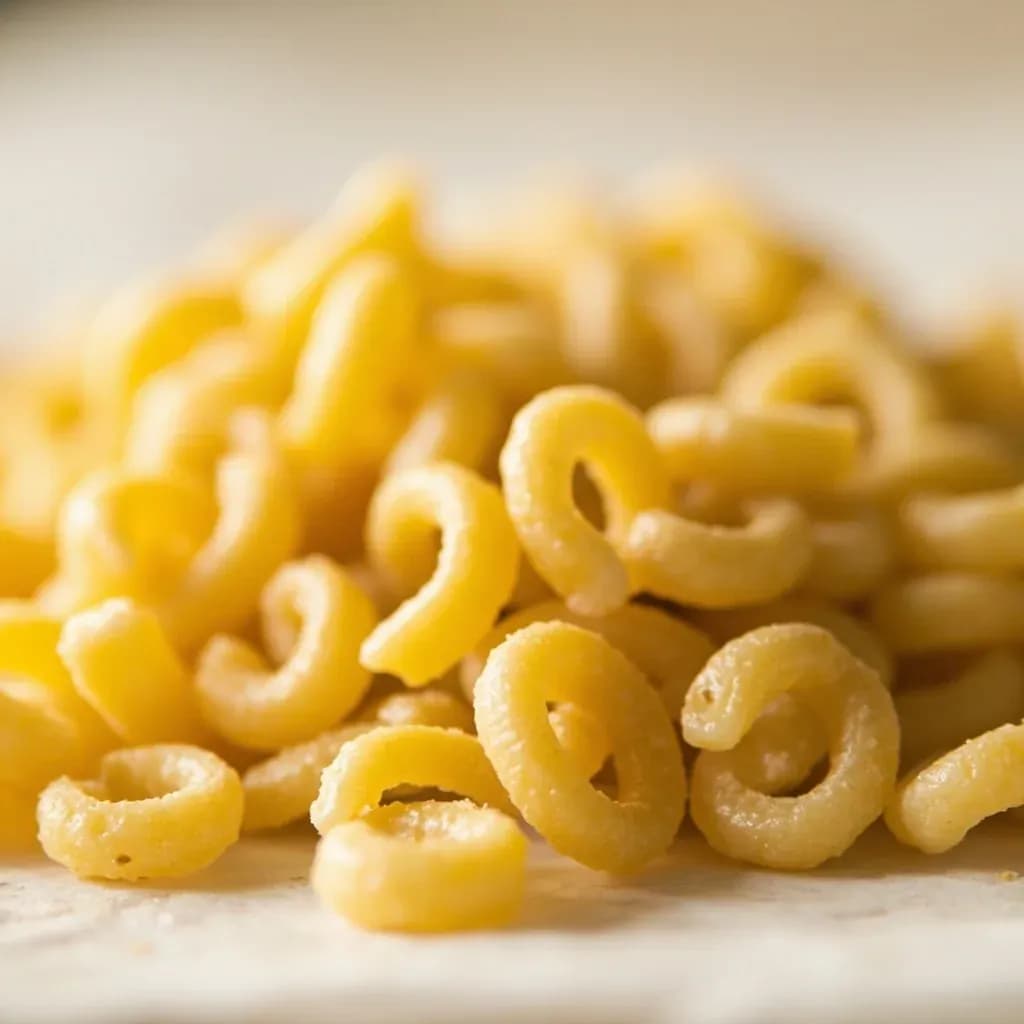
Short, curved tube pasta used for mac and cheese, baked dishes, and pasta salads.
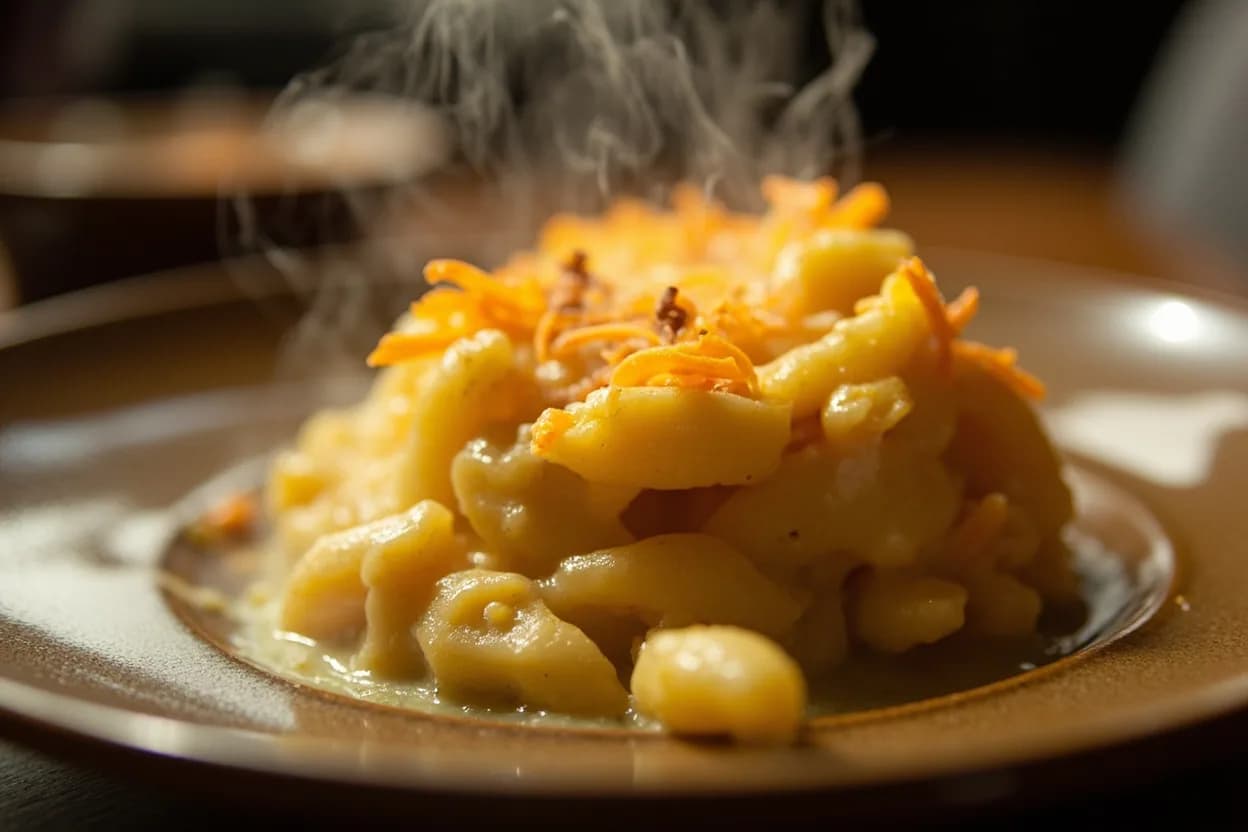
Macaroni is a short, hollow, often curved tube pasta made from durum-wheat semolina. Its shape holds sauce inside and out, making it the classic choice for macaroni and cheese, baked casseroles like pastitsio, and cold pasta salads. It cooks quickly and is one of the most familiar everyday pasta shapes.
Macaroni is a short, tubular dried pasta made from durum wheat semolina, characterized by its distinctive curved elbow shape. While the term derives from the Italian "maccheroni," American elbow macaroni diverged significantly from its Italian counterpart over the 18th and 19th centuries—smaller, more sharply curved, and now culturally inseparable from American cuisine. The elbow bend increases surface area and creates crevices that trap sauces exceptionally well, while the hollow interior holds creamy liquid. This geometry is why elbow macaroni outperforms straight tubes in cheese-based dishes, where maximum sauce adhesion matters. The low moisture content of dried macaroni gives it excellent structural integrity in baked dishes, where it resists turning mushy even after absorbing liquid in the oven.
- Measured in
- g
- Storage
- Pantry
Allergens
Types & varieties
The standard American macaroni; curved in a 90° bend. The workhorse of mac and cheese and pasta salads.
Roughly half the size of standard elbow; preferred for soups, light sauces, and children's dishes.
Bigger diameter and length; holds chunkier sauces better; less common but available from brands like Barilla and De Cecco.
Straight ridged tubes, larger than elbows. Italian in origin; used for robust meat and tomato sauces. Not a true macaroni but functionally similar.
Diagonally cut tubes with ridges; holds sauce well. A common Italian substitute when elbows are unavailable.
Spiral- or helix-shaped tubes; the curves and twists catch sauce. Used in the same applications as macaroni.
Corkscrew-shaped tubes with ridges; larger and more pronounced twists than cellentani. Excellent for holding creamy or chunky sauces.
Common uses
Tips & pitfalls
- Salt the water aggressively—about 1 tablespoon of Diamond Crystal kosher salt (or 1½ teaspoons table salt) per quart of water. Pasta absorbs salt as it cooks and absorbs almost nothing once drained.
- Use a large enough pot. Crowd the pot and the pasta sticks. Allow at least 6 quarts of water per pound of dried pasta.
- Bring water to a rolling boil over high heat before adding salt, then add the salt and the pasta. Do not add oil to the water—it does nothing to prevent sticking.
- Stir the pasta every 2–3 minutes during cooking to prevent the elbows from clumping at the bottom of the pot.
- For baked dishes (mac and cheese, casseroles), cook the macaroni 2–3 minutes shy of the package's al dente time. The pasta will continue cooking in the oven, and starting slightly underdone prevents a mushy finished dish.
- Save at least 1 cup of starchy pasta cooking water before draining. It emulsifies and loosens cheese sauces and thins overly thick pan sauces.
- Do not rinse hot pasta after draining unless you are making a cold salad and need to stop the cooking immediately. The starch on the surface helps sauces cling.
- For baked mac and cheese, coat the drained pasta briefly in butter or a ladle of sauce before combining with the rest. This prevents the pasta from fusing into a solid block as it bakes.
Nutrition
Energy
1552 kJ · per 100 g
Where the calories come from
Protein
13g
26% DV
Carbs
74.7g
27% DV
Fat
1.5g
2% DV
Fiber
3.2g
11% DV
Sugars
2.7g
of which
Sodium
6mg
0% DV
Source · USDA FoodData Central · Pasta, dry, enriched
View on FDC →In the shops
Matched grocery products
No matched grocery products for Macaroni yet.
Good to know
- Type
- Dried or fresh tubular pasta
- Primary Grain
- Durum wheat semolina (semolina di grano duro)
- Shape
- Short, curved tubes; the elbow bend is the defining characteristic
- Origin
- Italy, derived from the Italian word "maccheroni" (plural)
- Typical Length
- 3–5 cm (roughly 1.5–2 inches)
- Diameter
- About 6–8 mm for standard elbow; miniature versions are 2–3 mm
- Cook Time
- 8–12 minutes, depending on size and brand
- Shelf Life (dried)
- 1–2 years in a cool, dry, airtight container
- Yield (cooked)
- Approximately 2 cups per 8 oz (225 g) dry pasta
Substitutes
- Small Penne — Diagonal cut looks different but the tubular shape and sauce-holding capacity are equivalent.
- Cellentani — Spiral shape actually grips sauce better than a plain elbow; an excellent substitute in any application.
- Cavatappi — Larger corkscrew tubes; works well in salads and baked dishes; may require 1–2 extra minutes cooking time.
- Rigatoni — Substitute only in soups or chunky-sauce dishes; too large for traditional mac and cheese.
- Small Shell Pasta (conchiglie) — Curved shape and hollow interior work similarly; the ridged surface holds sauce well.
Pairs with
Also called
Elbow Macaroni · Maccheroni · macarrones
Appears in these dishes
Related

White Rice
Fluffy long-grain rice — the neutral base for almost any meal

White Bread
Soft sandwich loaf for toast, sandwiches, and crumbs
Brown Rice
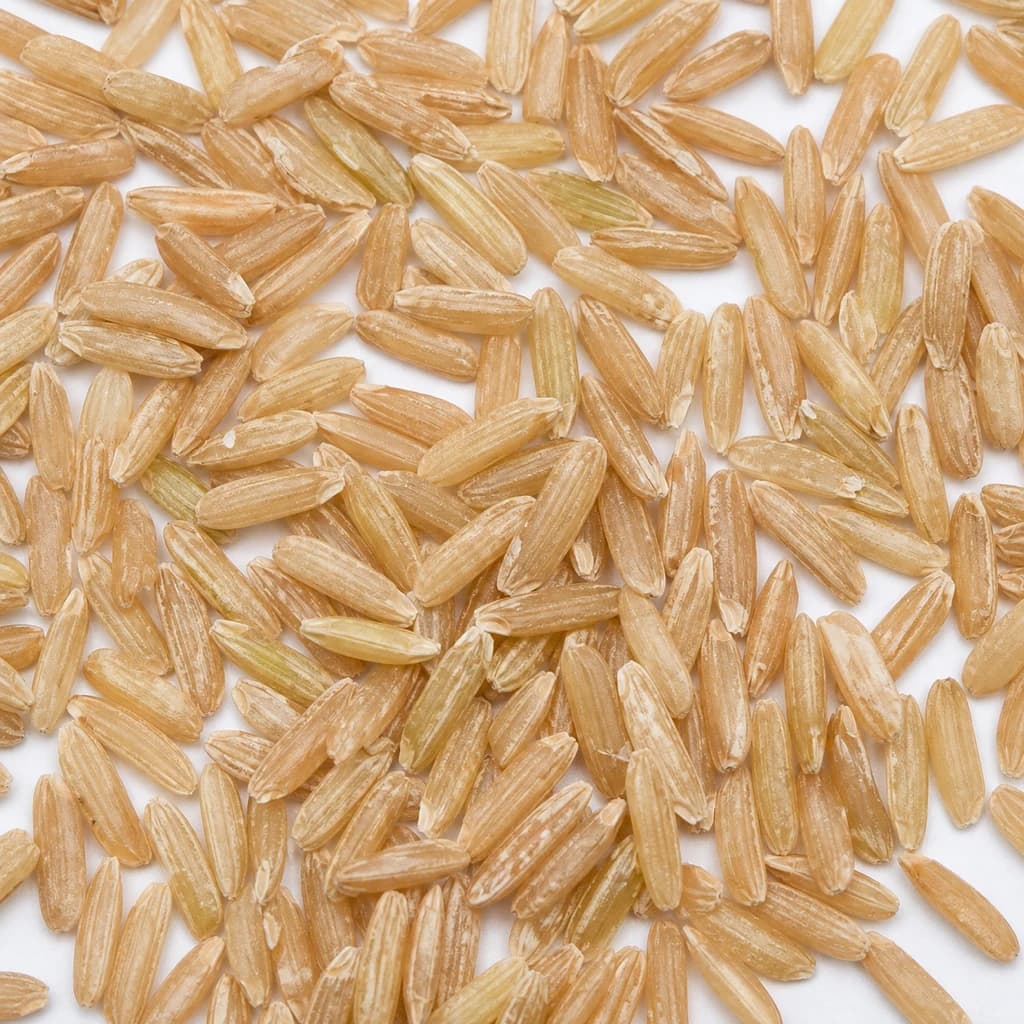
Nutty, whole-grain rice with chew and extra fiber

Basmati Rice
Fragrant, long-grain rice that cooks up light and separate
Jasmine Rice
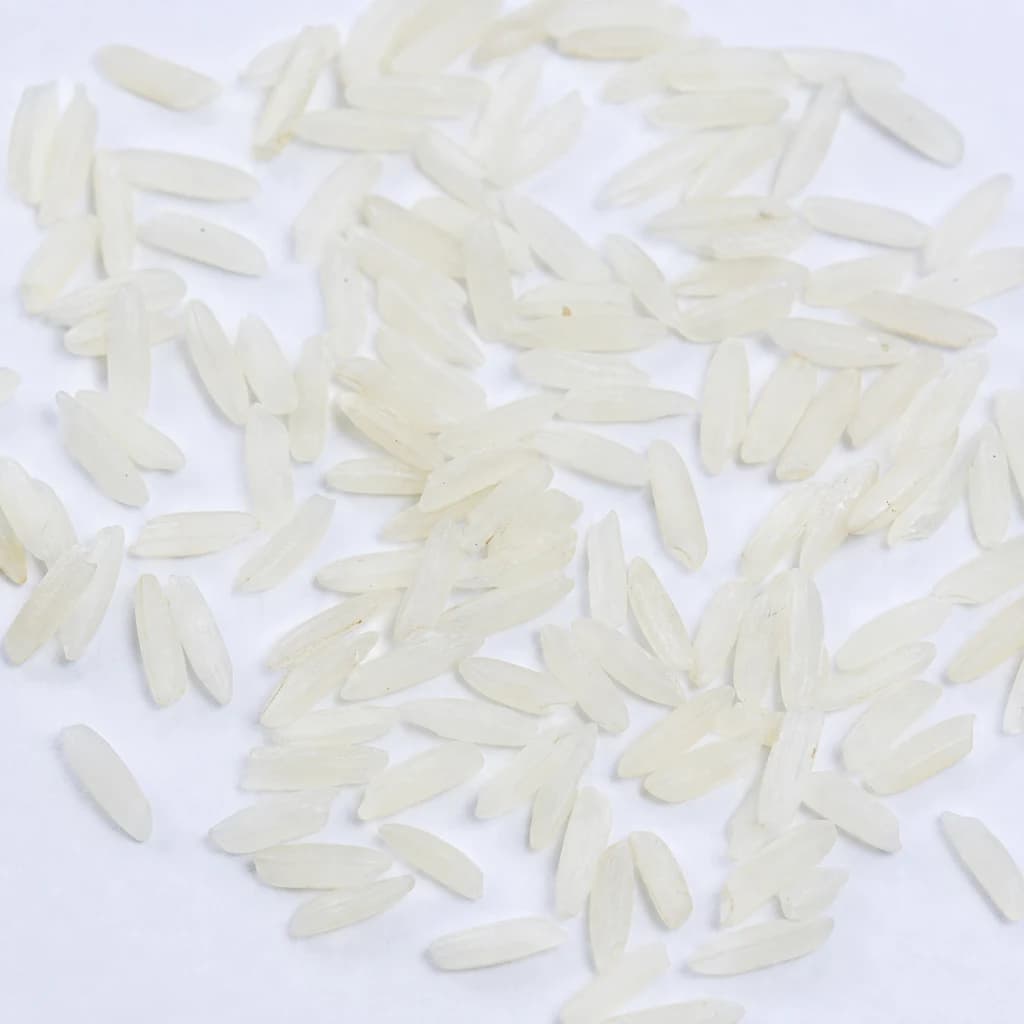
Soft, floral-scented rice that's the pillar of Thai meals
Arborio Rice
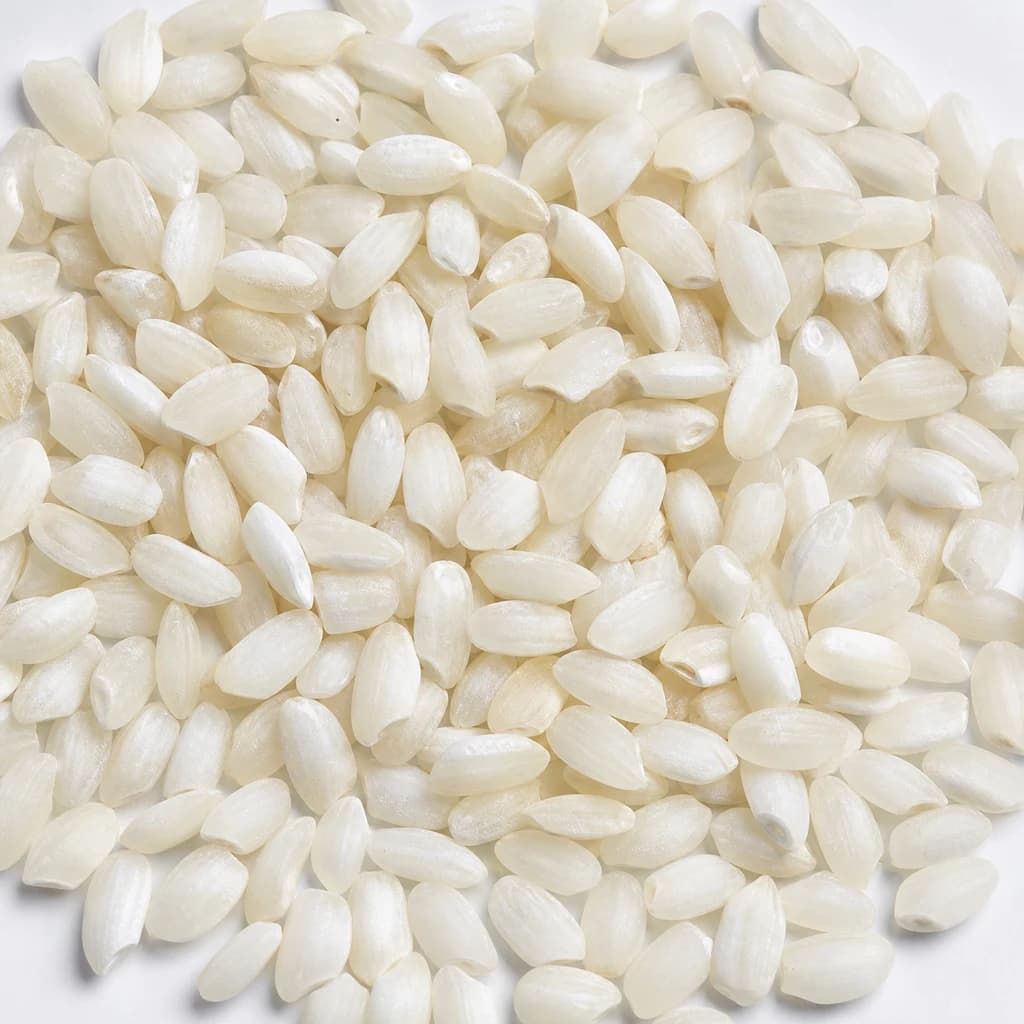
Plump, starchy rice that makes risotto creamy
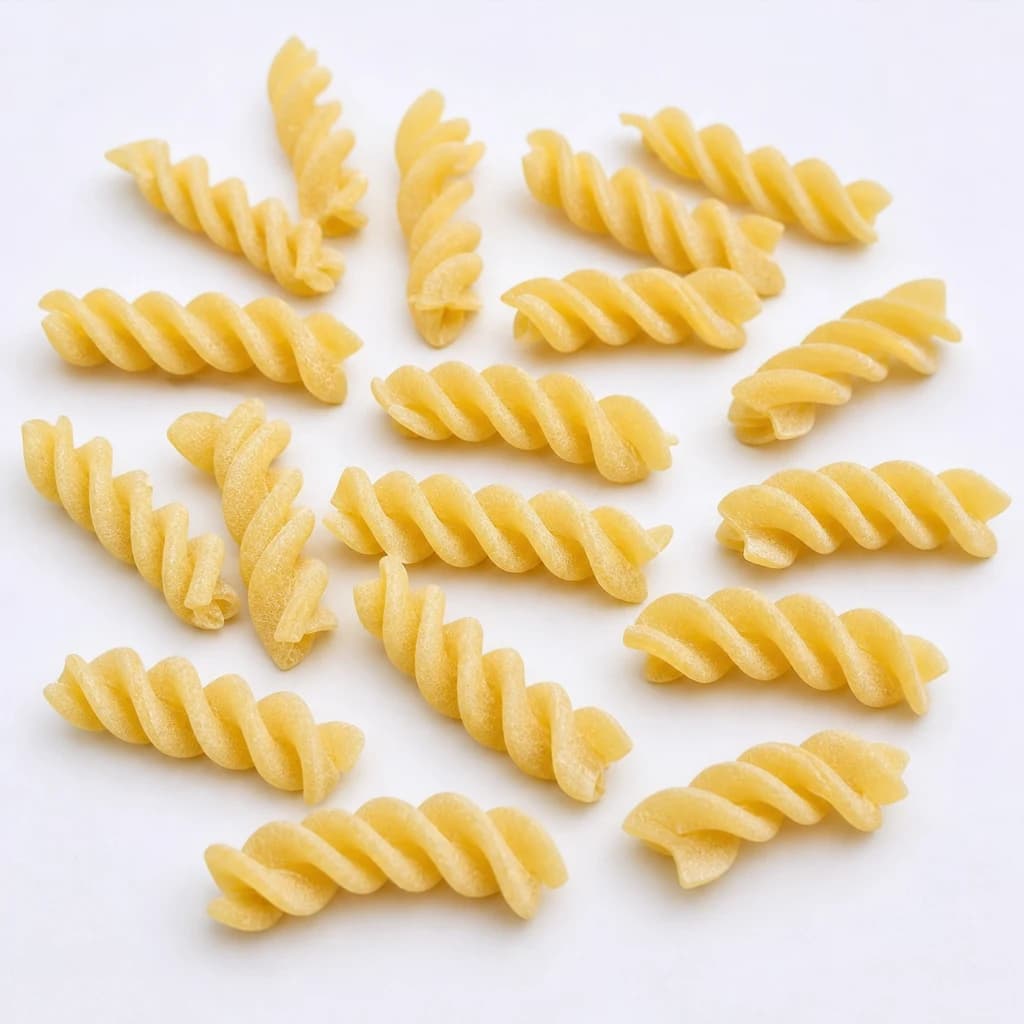
Fusilli
Spiraled pasta that twirls up sauce and dresses cold salads
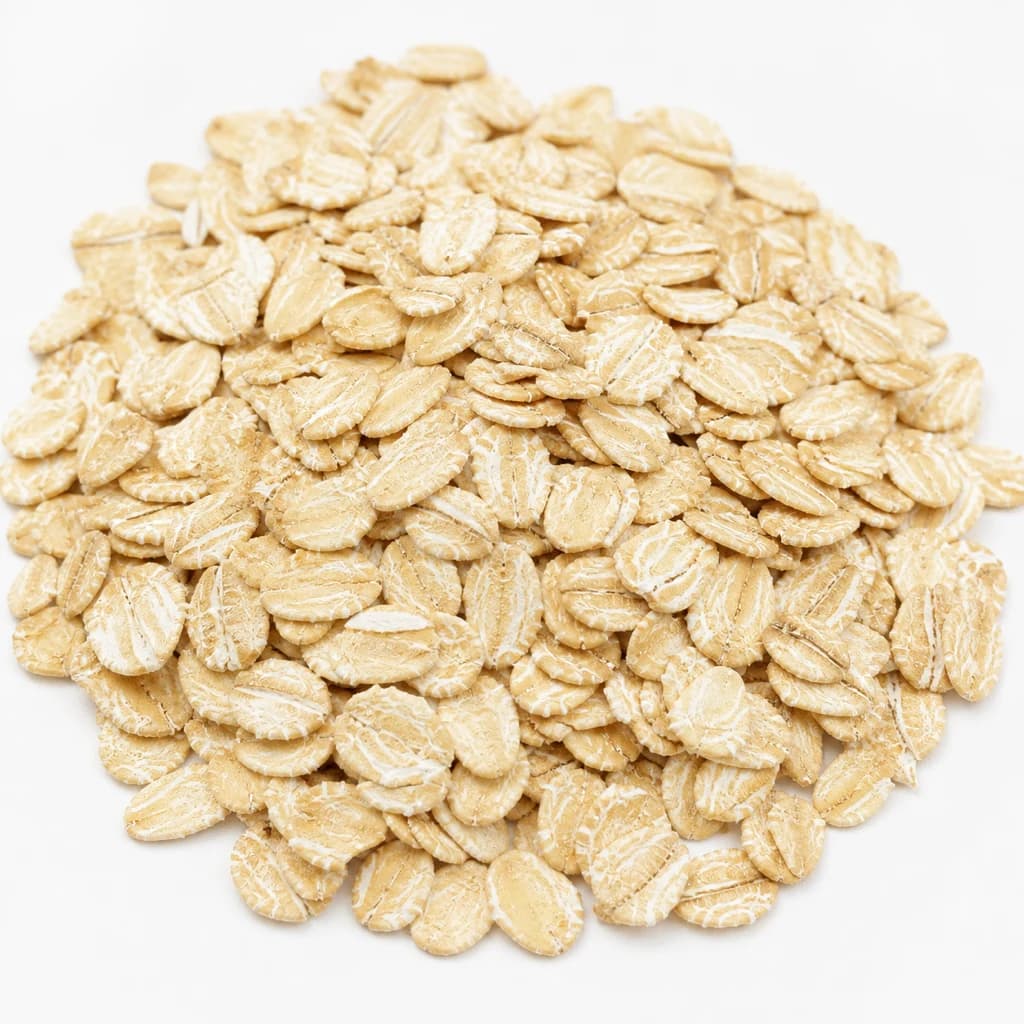
Rolled Oats
Hearty flakes for porridge, granola, and chewy cookies