Grains & Rice
Pishori Rice (Mwea Pishori)
Aromatic Kenyan basmati-type rice from Mwea, fragrant and long-grained.
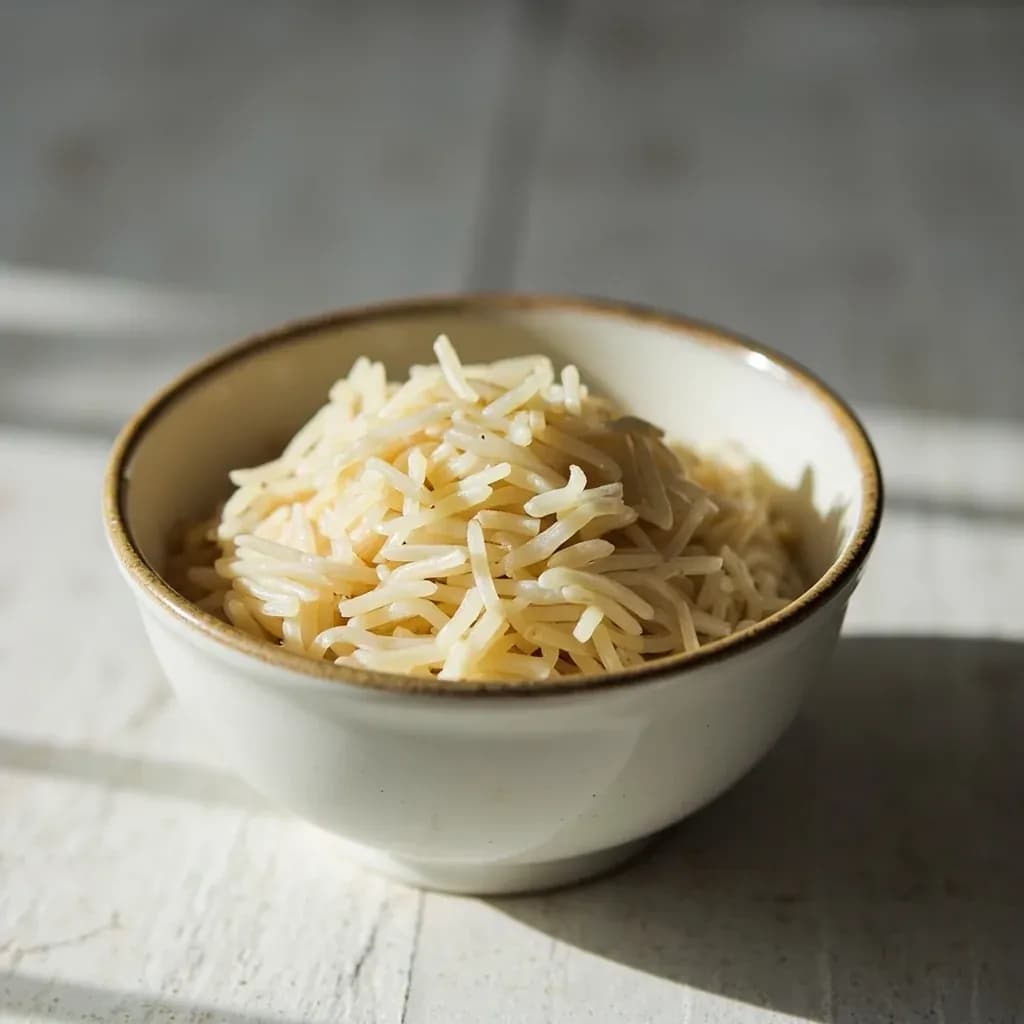
Pishori is a fragrant long-grain rice grown in the Mwea irrigation scheme of Kenya, closely related to basmati. It is prized across East Africa for its strong aroma, fluffy separate grains, and ability to carry pilau and biryani-style spices. Mwea Pishori carries a geographic reputation as the region's premium rice.
Pishori Rice (Mwea Pishori) is Kenya's most celebrated aromatic rice, grown primarily in the Mwea Irrigation Scheme of Kirinyaga County. It is a long-grain, basmati-type variety prized for its ability to elongate significantly during cooking while maintaining a dry, fluffy texture and a distinctive nutty, floral fragrance. The grains remain separate when properly cooked, making it ideal for pilafs and pilau preparations. Unlike true Indian basmati, Pishori is not traditionally aged before sale—it is typically milled and sold within the same season, which means the aroma is fresh but the grain requires proper soaking to achieve maximum length.
The rice derives its name from either the town of Pishori or the traditional 'kpishori' method of preparation—both etymologies appear in Kenyan food writing. The Mwea Irrigation Scheme, developed in the 1950s and 1960s, transformed the region into Kenya's primary rice-producing area, and Mwea Pishori emerged as its aromatic flagship. Its cultural significance cannot be overstated: it is the rice of celebration, served at weddings, holidays, and community gatherings. Understanding how to cook it properly—achieving those characteristic long, separate grains—is a basic culinary skill for any cook working with East African cuisine. Quality varies considerably by harvest and mill; when purchasing in open markets, look for clean, uniform grains with a strong, sweet aroma to ensure the best results.
- Measured in
- g
- Storage
- Pantry
Types & varieties
The standard aromatic rice from the Mwea growing region; considered the benchmark quality against which all other Kenyan aromatic rices are measured
Kenyan short-grain variety from central highlands; non-aromatic, different texture and culinary use
The Cultural Significance of Pishori
Pishori is deeply embedded in Kenyan culinary identity and is the default choice for special-occasion rice dishes across the country, from Nairobi restaurants to rural homes in Central Kenya. It appears at virtually every celebratory meal, making it more than just an ingredient—it represents hospitality, abundance, and Kenyan tradition. The rice's dominance in festive cooking means that most Kenyan home cooks have developed a practiced hand with it, treating perfect Pishori as a point of culinary pride.
- In Central Kenya, properly cooked Pishori is a marker of a capable cook
- It is the rice served at Swahili coastal celebrations and upcountry gatherings alike
- The ability to judge water by eye and cook by instinct rather than measurement is valued cooking knowledge
Selecting and Storing Pishori Rice
Because Pishori is not aged like basmati, its fragrance is at its peak when fresh from the mill. In open markets, press a few grains between your fingers—you should smell that characteristic nutty sweetness immediately. Avoid rice that smells flat, dusty, or musty. Store in an airtight container in a cool, dark pantry; the refrigerator is too moist and can introduce off-flavors. For best aroma and cooking performance, use within six months of purchase.
- Buy from sources with high turnover to ensure freshness
- Transfer from any packaging to airtight containers on purchase
- Never store near strong-smelling foods—rice absorbs odors readily
Common uses
Tips & pitfalls
- Rinse 2–3 times until water runs mostly clear to remove surface starch and excess powdery residue common in milled Kenyan rice
- Soak 20–30 minutes minimum—this allows grains to hydrate evenly and elongate fully during cooking; skipping this yields shorter, uneven grains
- Measure water precisely: 1 part rice to 2–2.5 parts water by volume; traditional Kenyan cooks often use slightly less water for drier, fluffier results
- Add salt only after water begins to boil, not before, to prevent the rice from cooking unevenly
- Cook on lowest heat once brought to boil, covered tightly, to steam gently—high heat fractures grains
- Fluff with a fork only, never a spoon, to keep grains intact and maintain their structure
- Common mistake: lifting the lid during cooking to check—this releases steam and drops temperature, causing uneven cooking
- Another mistake: using old or poorly stored rice—aroma diminishes significantly after 12 months, and grains lose their ability to elongate properly
Nutrition
Energy
1536 kJ · per 100 g
Where the calories come from
Protein
7.5g
15% DV
Carbs
76.3g
28% DV
Fat
3.2g
4% DV
Fiber
3.6g
13% DV
Sugars
0.7g
of which
Sodium
5mg
0% DV
Source · USDA FoodData Central · approx. Rice, brown, long-grain, raw (Includes foods for USDA's Food Distribution Program)
View on FDC →In the shops
Matched grocery products
No matched grocery products for Pishori Rice (Mwea Pishori) yet.
Good to know
- Origin
- Mwea, Kirinyaga County, Kenya (Mwea Irrigation Scheme)
- Type
- Aromatic long-grain white rice, basmati-type
- Grain Length
- Very long, slender grains that elongate significantly when cooked
- Aroma
- Distinct nutty, floral fragrance when raw and cooked
- Texture
- Dry and fluffy when properly cooked; grains remain separate
- Primary Producers
- Kenyan smallholder farmers and large-scale irrigation schemes in Mwea
- Typical Ratio
- 1 cup rice to 2–2.5 cups water for absorption method
- Soak Time
- 20–30 minutes before cooking for optimal length
- Rest Time
- 5–10 minutes after cooking, covered, before fluffing
- Shelf Life
- 6–12 months in airtight container in cool, dark pantry
Substitutes
- Basmati Rice — Closest substitute; use Pakistani or Indian basmati. Cook with similar water ratios. Kenyan pilau made with basmati is acceptable, though it lacks the specific Mwea Pishori character and fragrance.
- Texmati Rice — American-grown basmati-type; readily available in Kenya and serves as a common pantry substitute with similar cooking behavior
- Jasmine Rice — Thai variety; different floral note, slightly more moist and sticky. Acceptable for plain rice, less ideal for dry pilau-style dishes where separate grains are essential.
Pairs with
Also called
Mwea Pishori · Kenyan Basmati
Related

White Rice
Fluffy long-grain rice — the neutral base for almost any meal

White Bread
Soft sandwich loaf for toast, sandwiches, and crumbs
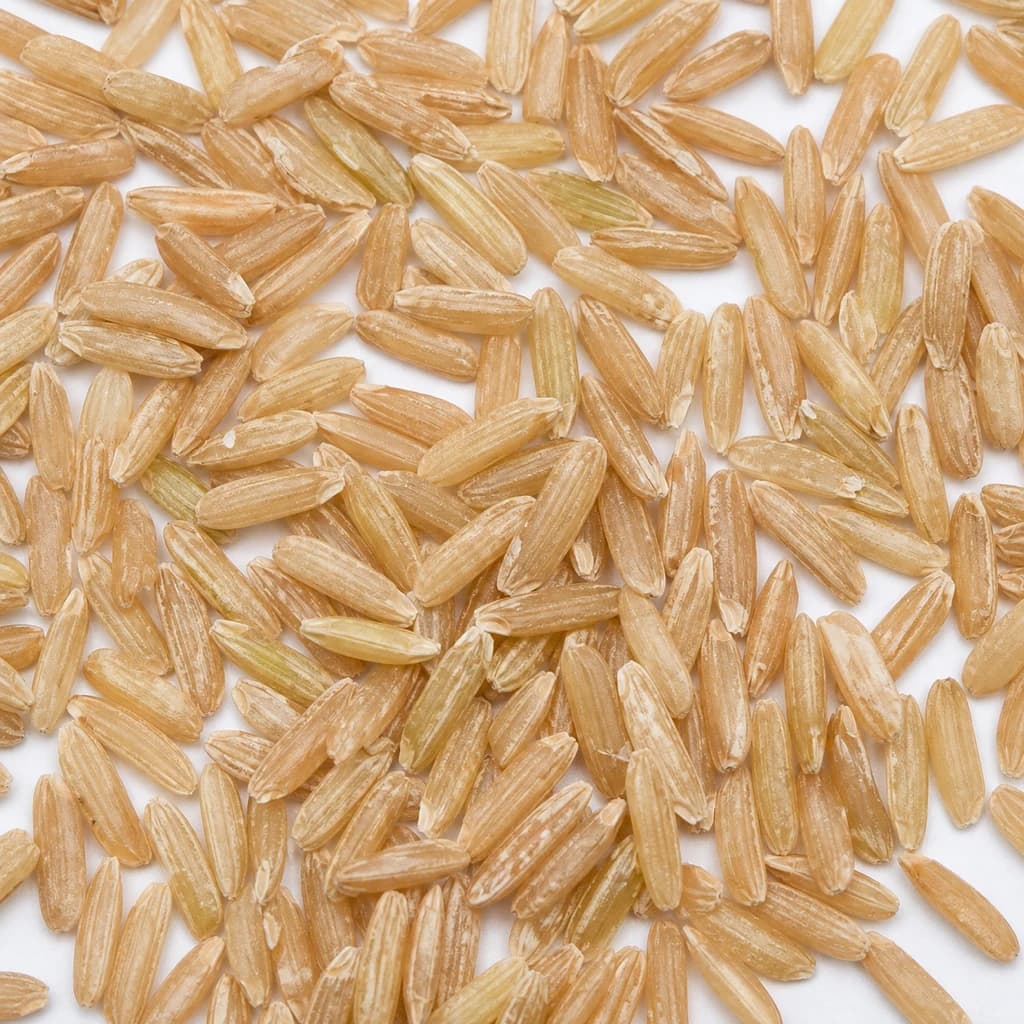
Brown Rice
Nutty, whole-grain rice with chew and extra fiber

Basmati Rice
Fragrant, long-grain rice that cooks up light and separate
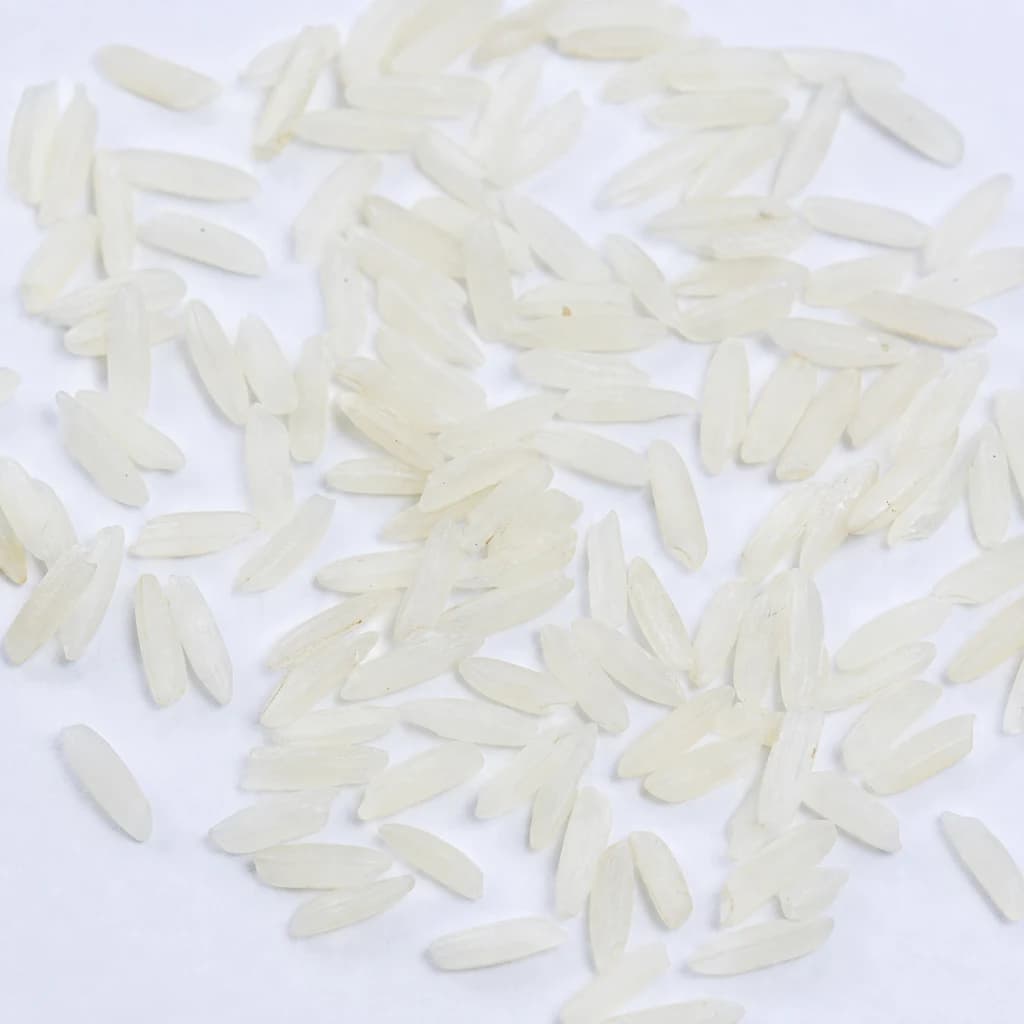
Jasmine Rice
Soft, floral-scented rice that's the pillar of Thai meals
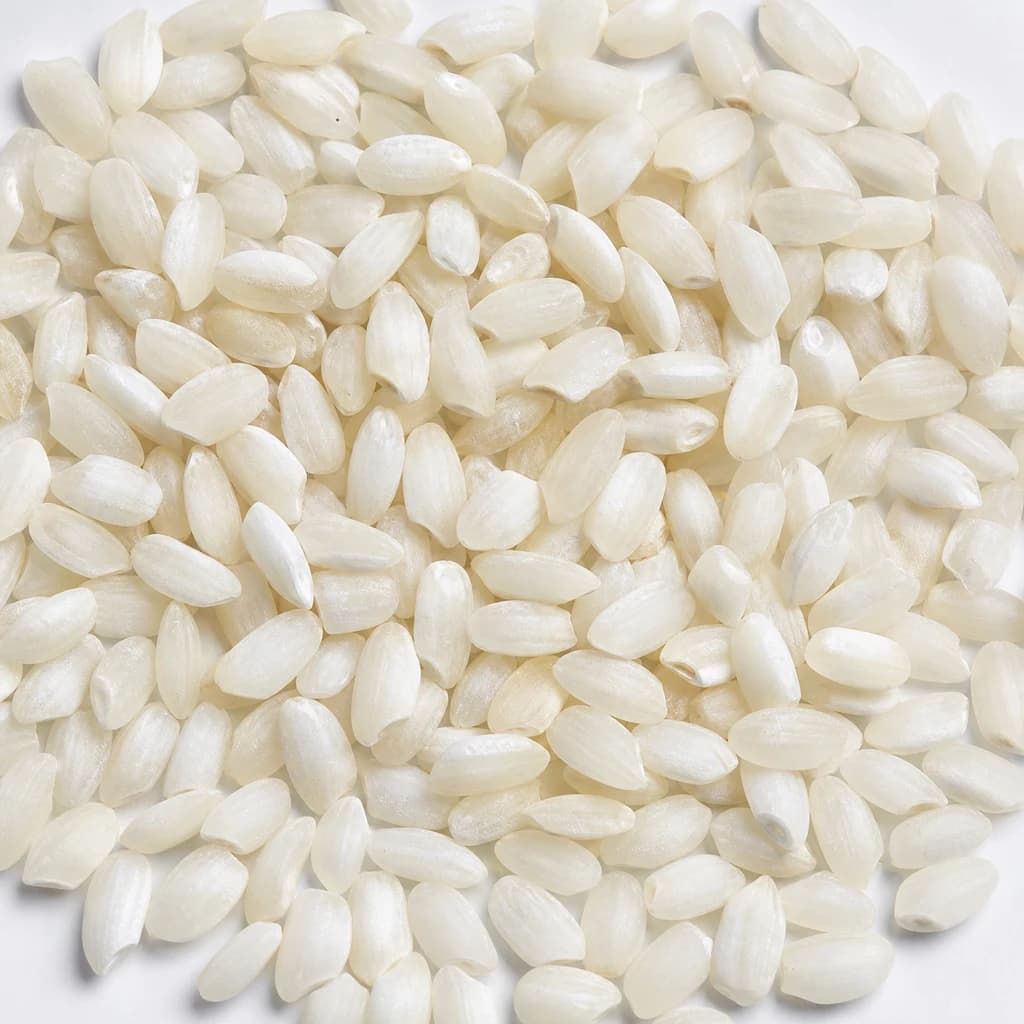
Arborio Rice
Plump, starchy rice that makes risotto creamy
Fusilli
Spiraled pasta that twirls up sauce and dresses cold salads
Rolled Oats
Hearty flakes for porridge, granola, and chewy cookies