Grains & Rice
Rice Paper (Bánh Tráng)
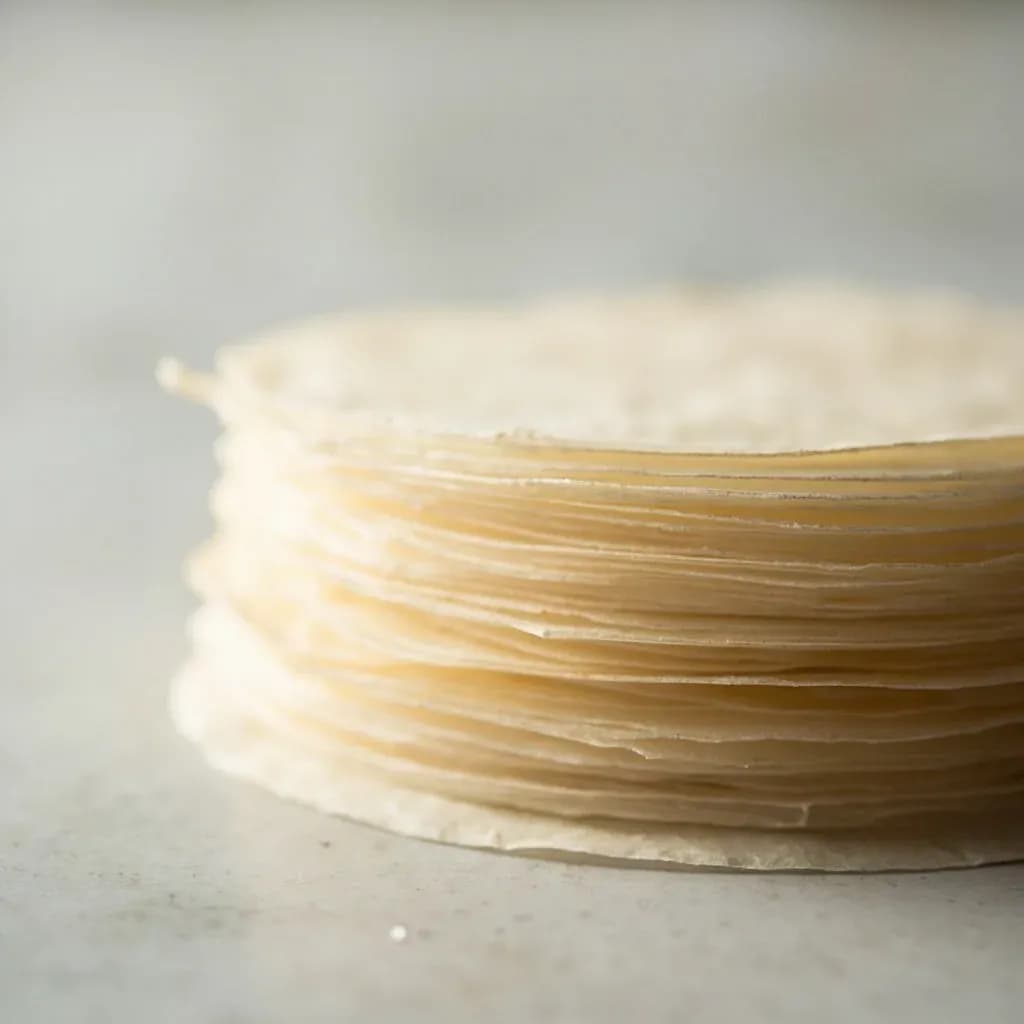
Thin translucent rice sheets softened with water to wrap Vietnamese spring rolls.
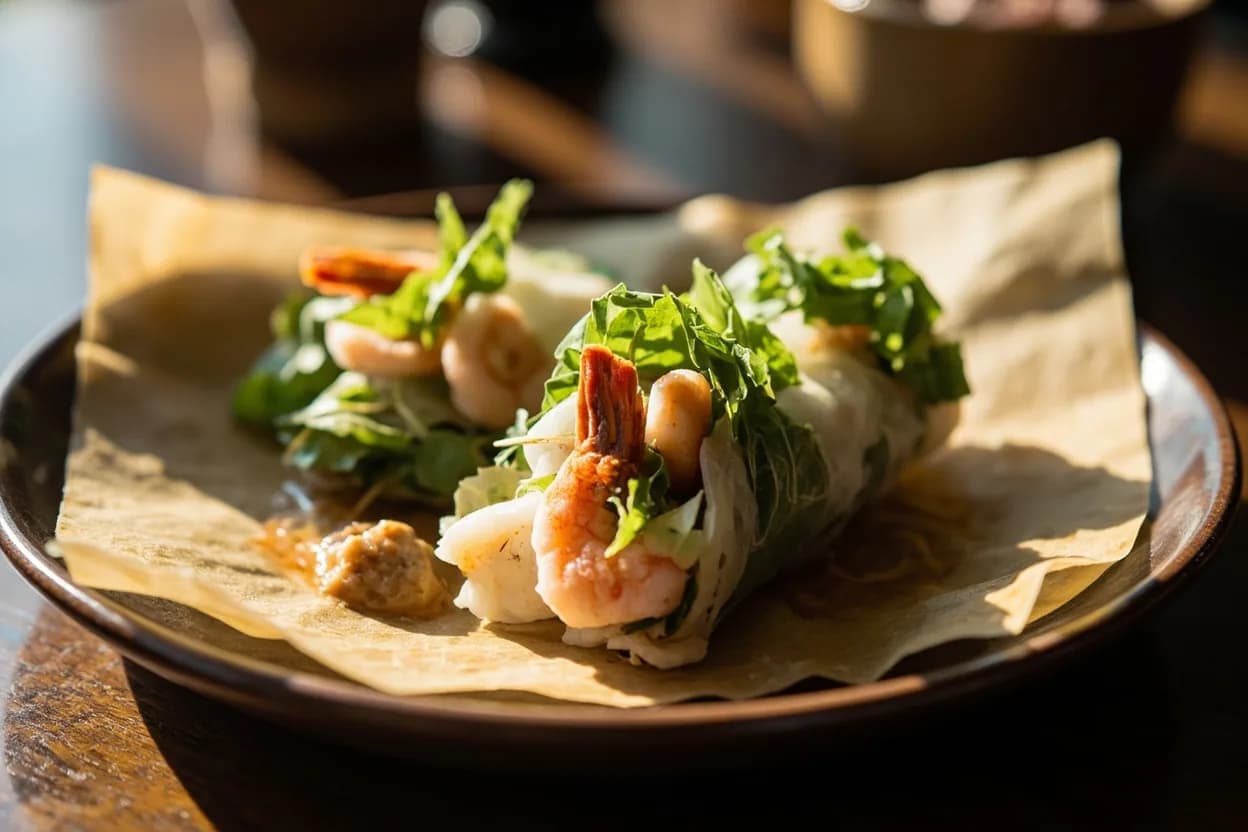
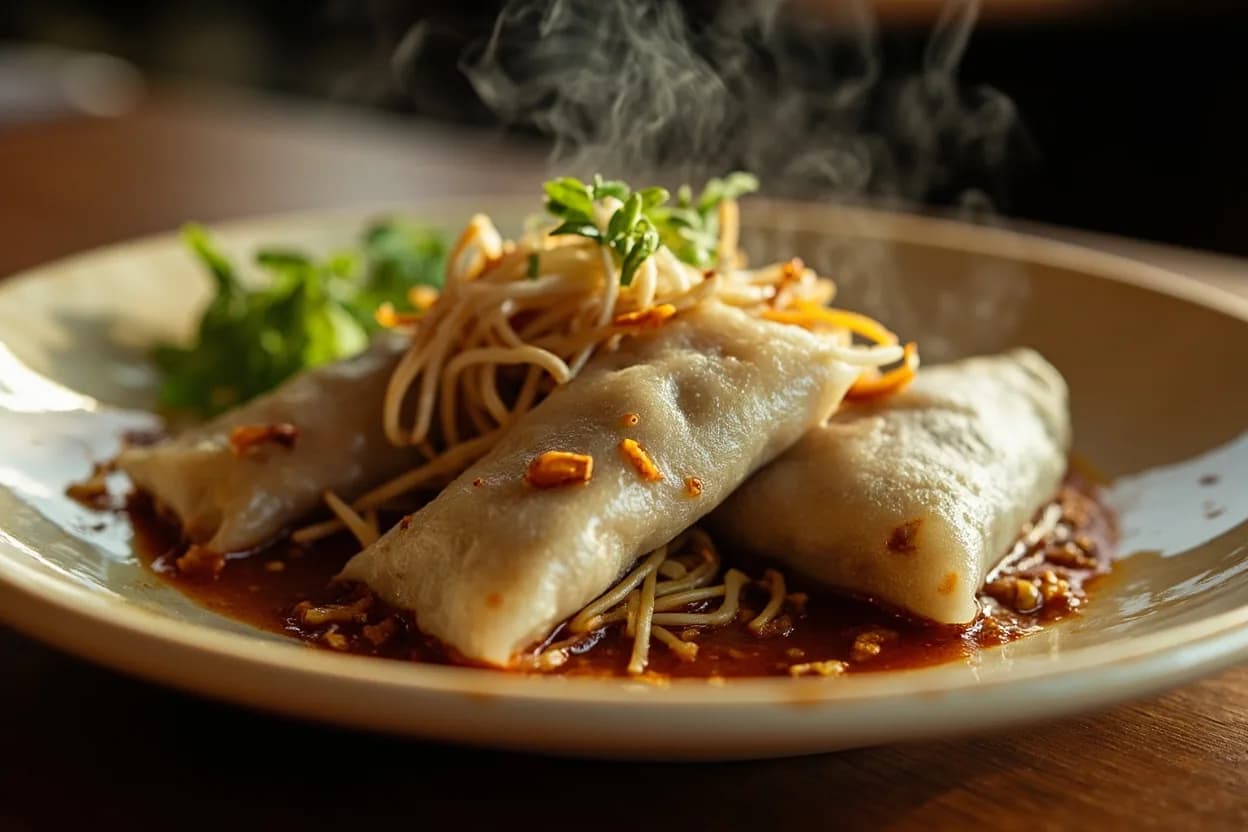
Rice paper, or bánh tráng, is a thin, brittle sheet made from rice flour, water, and often tapioca starch, dried on bamboo mats. Dipped briefly in water it turns pliable and translucent, becoming the wrapper for fresh summer rolls and fried spring rolls in Vietnamese cuisine. It is naturally gluten-free and stores indefinitely when dry.
Rice paper (bánh tráng) is a wafer-thin, water-activated wrapper made primarily from rice flour and water, with tapioca starch added in Vietnamese varieties to improve strength and transparency. When dipped briefly in room-temperature water, the brittle disc transforms into a pliable, slightly elastic sheet capable of holding fillings without tearing. The wrapper's behavior changes dramatically with cooking method: it stays translucent and pleasantly chewy when served fresh, develops a light, shatteringly crisp texture when fried, and chars to a satisfying crunch when grilled. Vietnamese bánh tráng differs meaningfully from Chinese rice wrappers: the addition of tapioca starch gives Vietnamese versions superior resilience when hydrated and a lighter, crispier result when fried, making them a standard across much of Southeast Asia.
- Measured in
- piece
- Storage
- Pantry
Types & varieties
Plain white rice paper; the most common variety for fresh and fried spring rolls
Coconut rice paper from Bến Tre region; adds subtle coconut flavor; slightly thicker
Rice paper topped or mixed with sesame seeds; common in southern Vietnam
Round wrappers, 22–25 cm diameter; designed for fresh spring rolls (gỏi cuốn)
Larger sheets for wrapping fried spring rolls; sold in rectangles or large rounds
Extra-thin variety; produces more delicate, translucent rolls; easier to tear if over-hydrated
Rice paper with butter or oil coating; used for grilling (bánh tráng nướng)
Hydration technique: the foundation of successful rolls
The single most critical skill for working with rice paper is proper hydration. Dip the wrapper in room-temperature water for 10 to 30 seconds per side—no longer. The wrapper will feel slightly firm at the edges and soft in the center when first dipped; this is correct. It continues to soften as you work, so what feels too firm on the plate will be perfect by the time you eat. After dipping, lay the wrapper flat on a clean, damp cloth or silicone mat. Do not stack wet wrappers directly on top of each other—they will stick and tear. Keep a damp towel draped over wrappers while you assemble batches, and work quickly enough that they don't dry out before rolling.
- Room-temperature water only—cold water hydrates unevenly, hot water makes the wrapper too soft too fast
- The wrapper is ready when it feels pliable and slightly tacky, not dripping wet
- If the wrapper tears while spreading, the water was too hot or you soaked too long—start fresh with cooler water and shorter dips
- Hold the dipped wrapper up briefly to let excess water run off before laying it flat
Choosing quality rice paper
Quality varies dramatically between brands, and this is one ingredient where the difference matters. Vietnamese grocery stores stock products far superior to the generic Asian sections of most supermarkets. Look for wrappers that are evenly thin throughout the disc, free of cracks, chips, or thick spots at the edges. The color should be uniform and slightly translucent even in the dry state. Packaging must be completely sealed—rice paper absorbs atmospheric moisture readily, and a compromised package produces wrappers that are either too brittle to work with or already stuck together into a useless block. When possible, purchase from a store with high turnover to ensure freshness within the sealed package.
- Avoid wrappers with visible cracks, uneven thickness, or a dull rather than slightly glossy surface
- The Mekong Delta (especially Bến Tre) is renowned for producing the most consistent, durable rice paper
- If a package has been exposed to humidity, the wrappers will be warped, sticky, or breaking—discard and buy fresh
Common uses
Tips & pitfalls
- Dip rice paper in water for only 10–30 seconds per side — it continues to soften as you roll and eat; soaking longer makes it gummy and prone to tearing
- Use room-temperature water; cold water hydrates unevenly, hot water makes the wrapper too soft too fast
- After dipping, lay the wrapper flat on a clean, damp surface (damp cloth or silicone mat) — it stays workable for several minutes without drying
- Stack prepared wrappers under a damp towel to prevent them from drying out while assembling rolls
- Roll tightly but without excessive pressure — air pockets are fine and normal in fresh spring rolls
- For fried rolls, ensure edges are sealed with a bit of water or egg white to prevent bursting in hot oil
- Season oil properly: bring to 350–375°F (175–190°C) and maintain that temperature for even, non-greasy frying
- For grilling (bánh tráng nướng), lightly brush with oil and grill directly over medium coals or gas flame, watching carefully — the wrapper goes from perfectly charred to burned in seconds
- Store opened packages in a zip-lock bag with the air pressed out, or transfer to an airtight container immediately — rice paper absorbs moisture from humid air and becomes unusable
- A common mistake is over-hydrating because the wrapper doesn't feel soft enough immediately after dipping — trust the process; it softens during assembly and eating
Nutrition
Nutrition
No USDA FoodData Central match for Rice Paper (Bánh Tráng) yet. We surface a per-100 g profile once a generic whole-food entry is matched and verified.
In the shops
Matched grocery products
No matched grocery products for Rice Paper (Bánh Tráng) yet.
Good to know
- Scientific name
- Oryza sativa (rice flour base)
- Primary ingredients
- Rice flour, water, salt; some varieties include tapioca starch, coconut, or sesame seeds
- Form
- Thin, dry, brittle sheets; translucent when hydrated
- Typical round diameter
- 22–25 cm (8.5–10 inches)
- Larger sheet dimensions
- 30–40 cm (12–16 inches) for fried rolls and baking
- Shelf life (dry)
- 1–2 years sealed; absorbs moisture from air once opened
- Storage
- Keep sealed in original packaging or airtight container at room temperature
- Flavor
- Mild, neutral rice taste; slight sweetness from tapioca starch in some varieties
- Texture (hydrated)
- Pliable and slightly chewy; crisp and airy when fried or baked
- Hydration time
- 10–30 seconds per side in water; do not soak
Substitutes
- Spring roll pastry / filo dough — Not a close substitute; filo creates a very different texture (flaky vs. chewy-crisp) and requires different preparation; acceptable only for fried applications
- Wonton wrappers — Wheat-based, not gluten-free; will brown and crisp differently; acceptable for fried spring rolls only
- Lettuce leaves (for fresh rolls) — Completely different experience — lettuce lacks the subtle chew and structural integrity of rice paper; used as an alternative in low-carb versions, not a true substitute
- Rice flour tortillas — Not commonly available; different texture and thickness; do not become translucent
- Banana leaves — Used in other Southeast Asian cuisines for wrapping; completely different flavor and texture; requires separate cooking method
Pairs with
Also called
Bánh Tráng · Spring Roll Wrapper · Rice Wrapper
Appears in these dishes

Related

White Rice
Fluffy long-grain rice — the neutral base for almost any meal

White Bread
Soft sandwich loaf for toast, sandwiches, and crumbs
Brown Rice
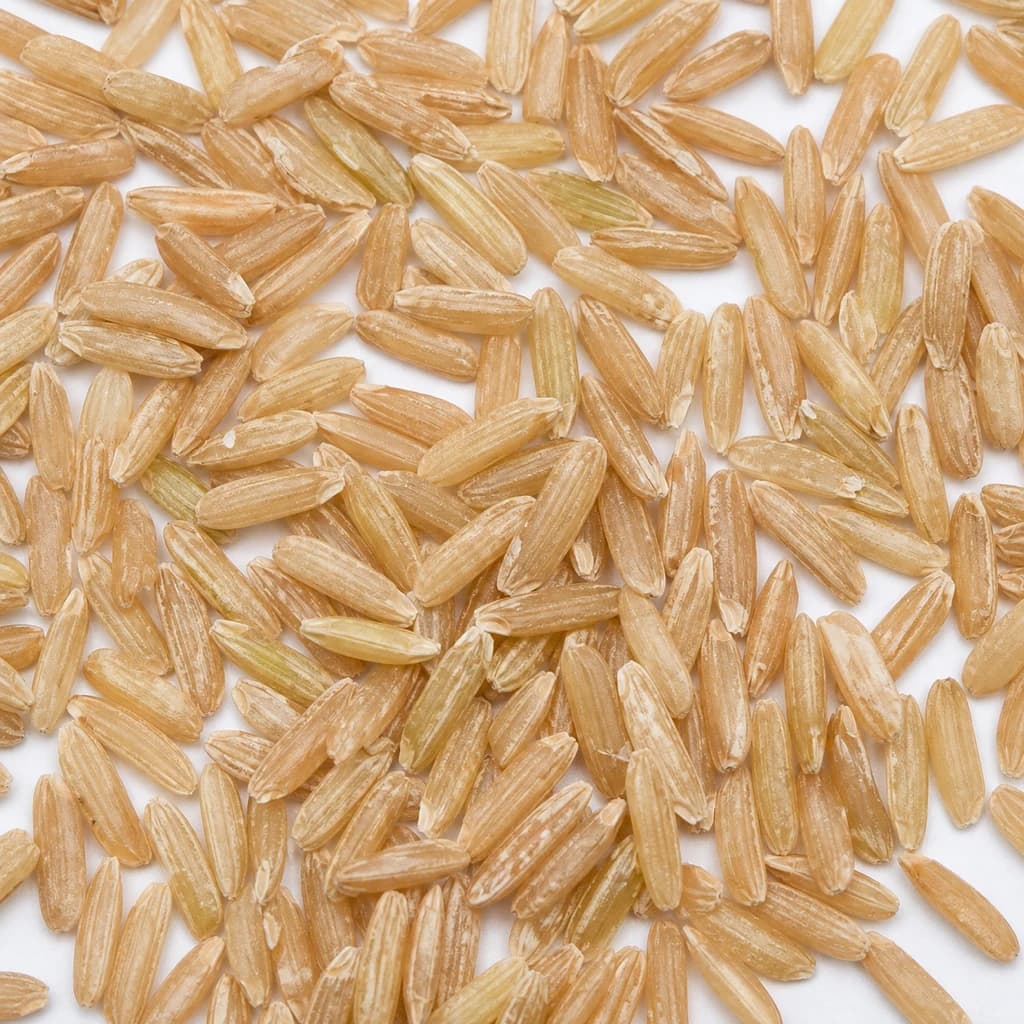
Nutty, whole-grain rice with chew and extra fiber

Basmati Rice
Fragrant, long-grain rice that cooks up light and separate
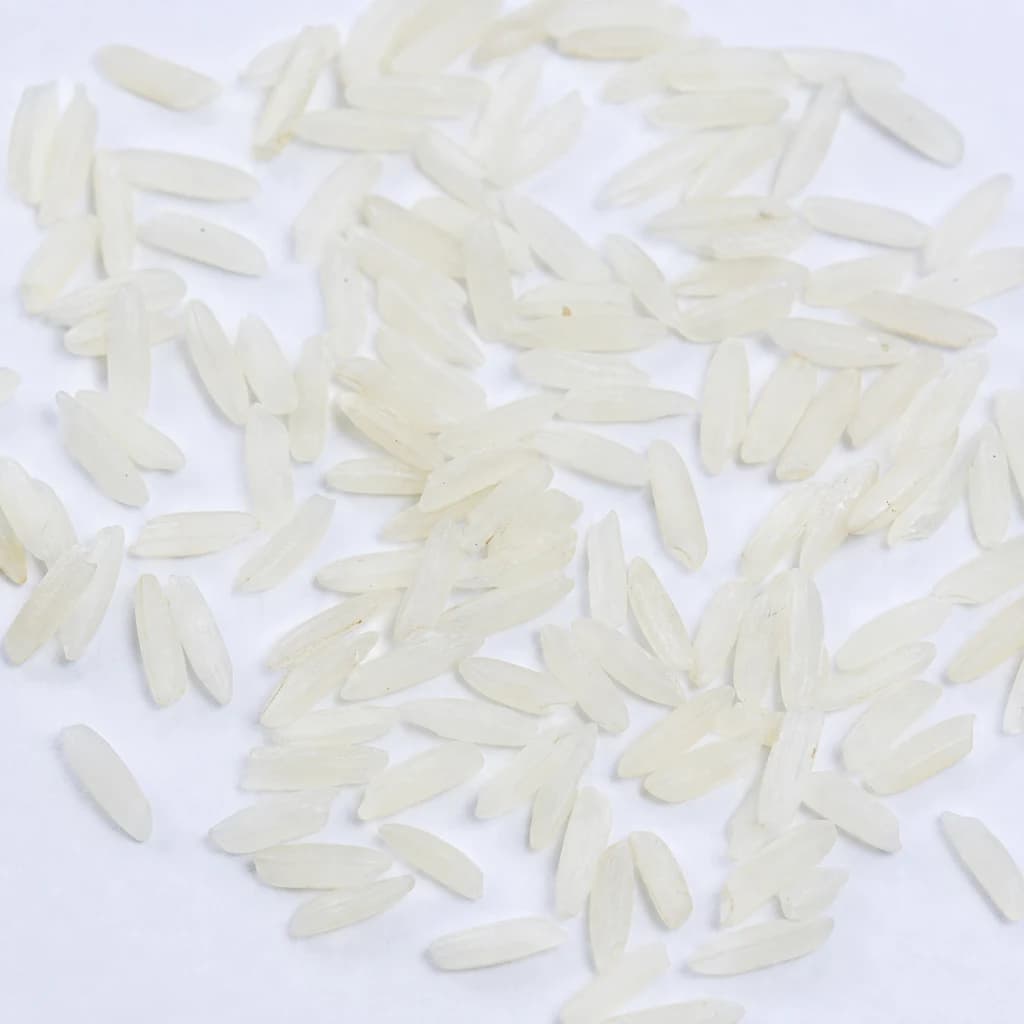
Jasmine Rice
Soft, floral-scented rice that's the pillar of Thai meals
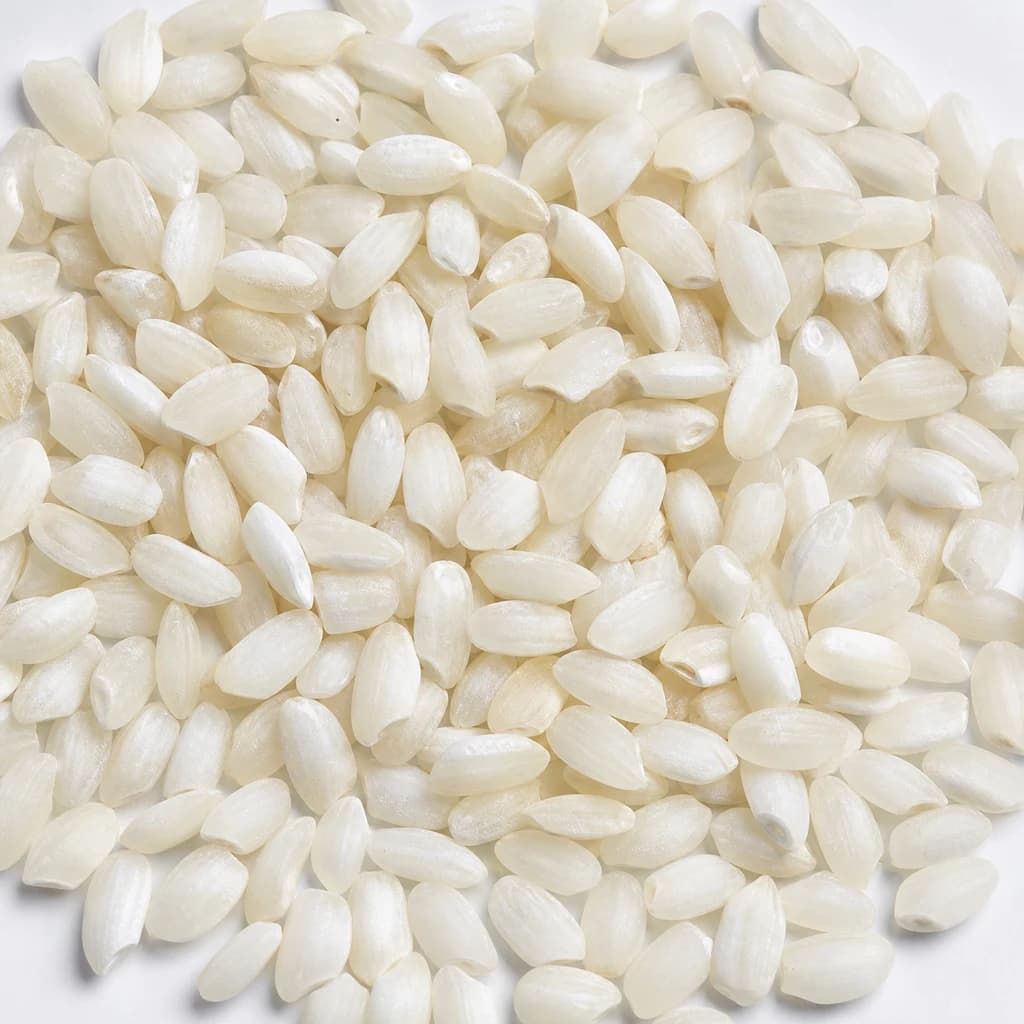
Arborio Rice
Plump, starchy rice that makes risotto creamy
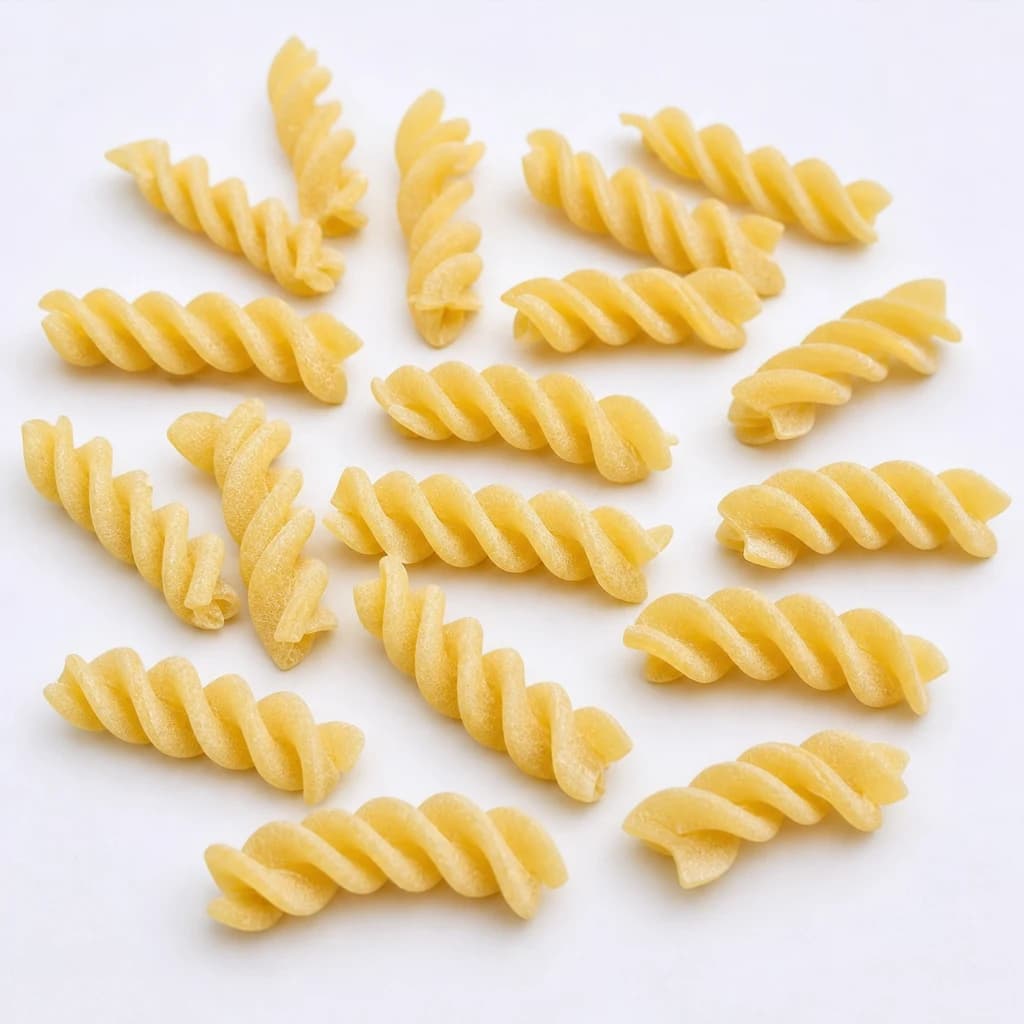
Fusilli
Spiraled pasta that twirls up sauce and dresses cold salads
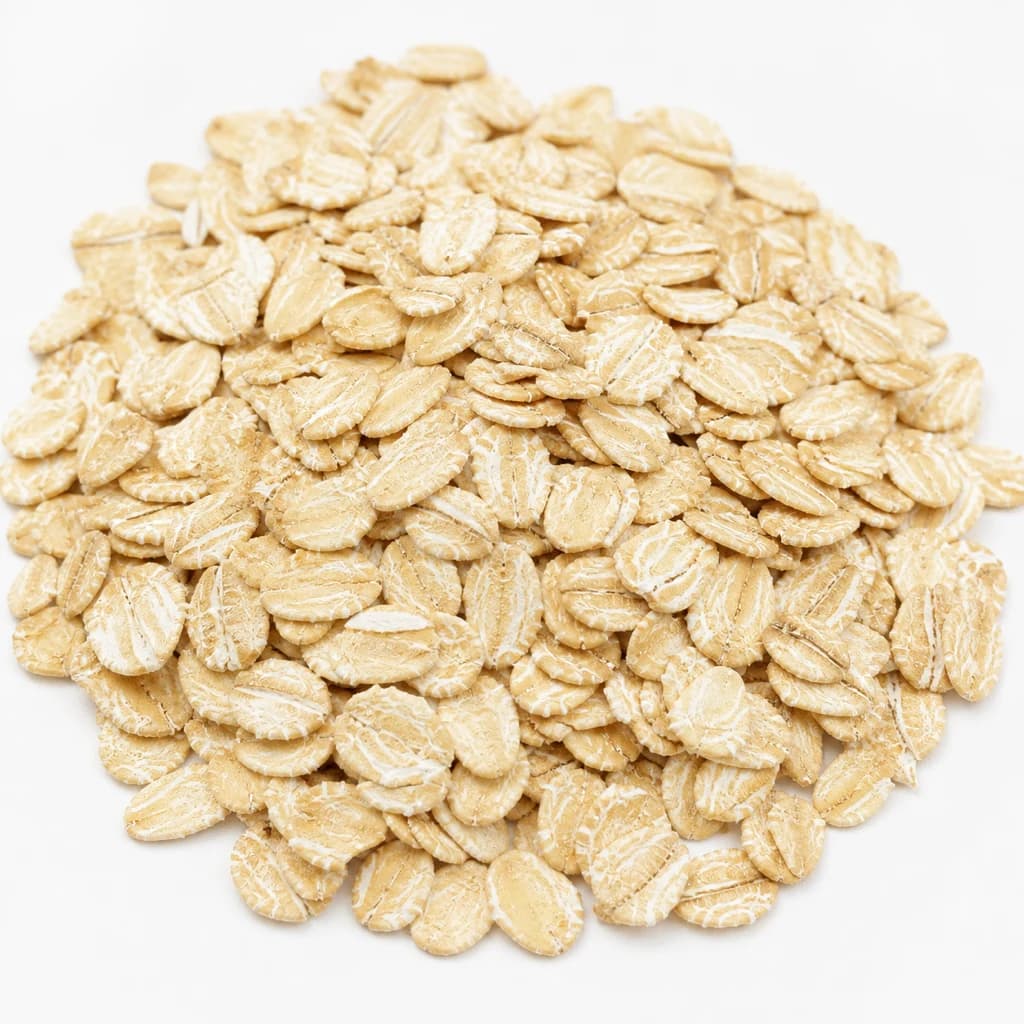
Rolled Oats
Hearty flakes for porridge, granola, and chewy cookies