Grains & Rice
Sago
Starch pearls from sago palm pith, simmered into puddings and chewy desserts.
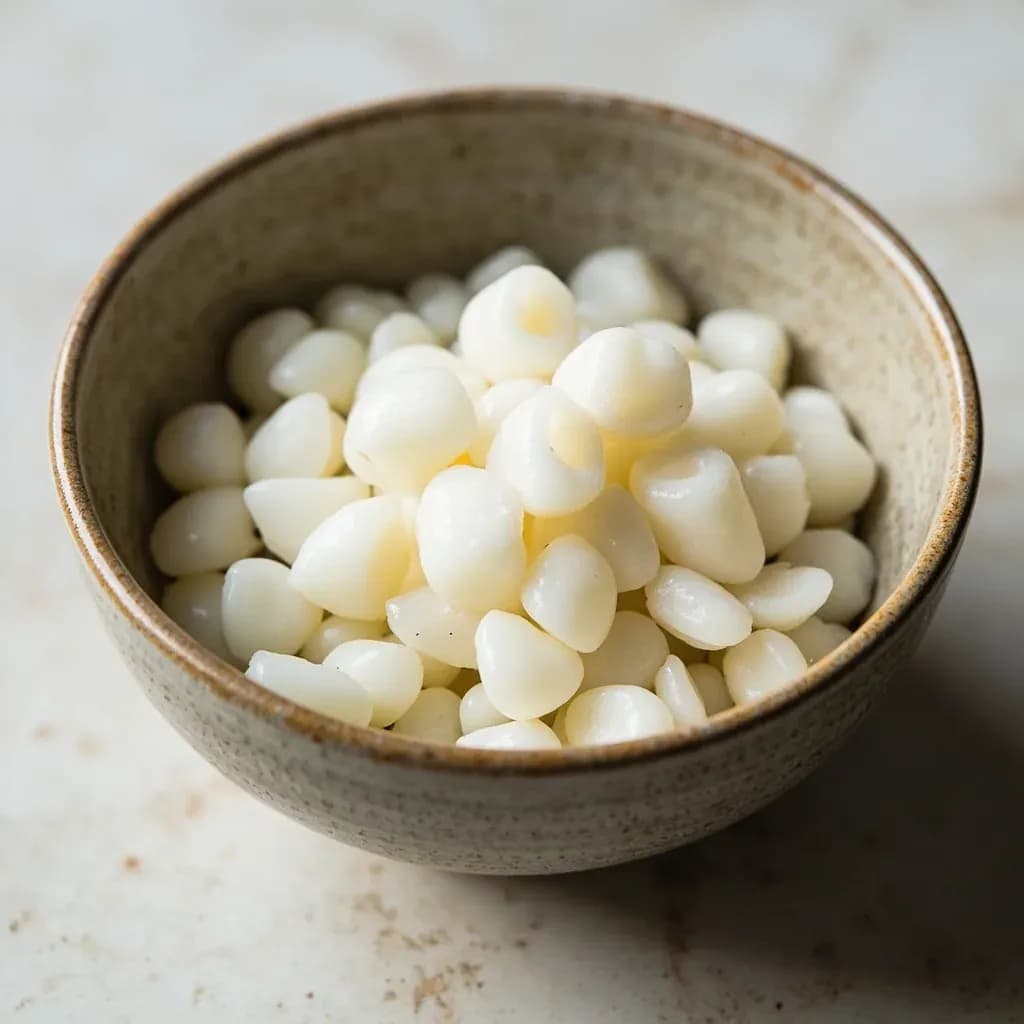
Sago is starch extracted from the pith of tropical sago palms and rolled into small pearls that turn glassy and chewy when cooked. It thickens puddings and drinks across South and Southeast Asia and Melanesia, and forms staples like Bruneian ambuyat and Papua New Guinean saksak. True sago differs from tapioca, though they are used similarly.
Sago is a starch extracted from the pith of the sago palm (Metroxylon sagu), a tropical palm native to Southeast Asia and the South Pacific. For centuries, it has served as a staple carbohydrate source in regions where rice cultivation is difficult, particularly in Malaysia, Indonesia, Papua New Guinea, and the Philippines. The starch is washed from the fibrous pith of harvested palm trunks, then dried and formed into small white pearls typically 2–3 mm in diameter. When simmered in liquid, these pearls transform from opaque white to translucent, developing a pleasantly chewy, slightly gelatinous texture that makes them ideal for puddings and desserts. True sago from Metroxylon palms is notably different from the tapioca pearls most commonly sold under that name in Western markets, though the two are frequently confused and often used interchangeably in recipes. Sago's neutral flavor is its defining characteristic—it acts as a silent vehicle for surrounding flavors, absorbing sweetness, aromatics, and the richness of coconut milk or milk without adding any competing taste of its own.
- Measured in
- g
- Storage
- Pantry
Types & varieties
The standard pearl form; 2–3 mm diameter, white and opaque when raw. Sold pre-tumbled (rounded) or as raw-cut pellets. The tumbled form is preferred for desserts as it produces smoother-textured results.
Finely ground sago starch; used as a thickening agent in sauces, soups, pie fillings, and batters. Works similarly to other starch thickeners but with a lighter hand in heat applications.
Partially gelatinized pearls that require shorter cooking times. Still need simmering to fully hydrate and reach proper translucency throughout.
Sago vs. Tapioca: Knowing the Difference
These two starches are frequently conflated in global markets, and using the wrong one can alter a recipe's outcome. Tapioca comes from the cassava root (Manihot esculenta), while true sago derives from the sago palm trunk. The most visible difference is size: tapioca pearls are often noticeably larger than sago pearls, and when cooked, tapioca tends to have a softer, more gelatinous bite. Sago pearls retain more structure and a slightly firmer chew. In Indian markets, sabudana refers to tapioca starch, not true sago. When a recipe specifically calls for sago, substituting tapioca will generally work in desserts but may produce a noticeably different texture. In savory or thickening applications using flour form, the difference is more subtle.
The Sago Palm and Sustainable Harvesting
The sago palm is remarkable in that it is a source of starch even as a living plant, unlike grain crops that must be harvested and replanted. A single palm can yield 150–300 kg of starch, making it extraordinarily productive. The palms are typically harvested after 8–15 years of growth, just before they flower—when starch content is at its peak. After harvesting, the stump is left in place, and new shoots from the remaining roots can regenerate the stand, making sago a relatively sustainable crop when managed properly. In traditional processing, the trunk is cut into sections, the pith is extracted and shredded, and starch is washed out with water and settled out in containers.
Common uses
Tips & pitfalls
- Always rinse sago pearls thoroughly before cooking to remove excess surface starch and prevent clumping during simmering.
- Use approximately 1 part sago to 6–8 parts liquid by volume for a proper pudding consistency; adjust based on desired thickness.
- Simmer gently—never boil vigorously. A rolling boil causes the pearls to burst, creating a gummy mass that sticks to the pot.
- Cook until the pearls are completely translucent throughout; any white or opaque center indicates insufficient cooking and a unpleasant chalky texture in the final dish.
- Add sugar only toward the end of cooking. Sugar added early causes the starch to toughen and significantly slows hydration of the pearls.
- For cold desserts or drinks, rinse cooked sago immediately with cold water after draining to stop the cooking process and keep the pearls distinct.
- Store uncooked sago away from strong odors—it absorbs neighboring flavors readily, which can ruin a delicate vanilla pudding.
- If sago pearls stick to the pot bottom and start to burn, do not stir the whole batch; discard and start fresh, as the scorched starch imparts an unpleasant flavor.
Nutrition
Nutrition
No USDA FoodData Central match for Sago yet. We surface a per-100 g profile once a generic whole-food entry is matched and verified.
In the shops
Matched grocery products
No matched grocery products for Sago yet.
Good to know
- Source plant
- Sago palm (Metroxylon sagu), a tropical palm native to Southeast Asia and the South Pacific.
- Part used
- Starch extracted from the pith of the palm stem.
- Primary form
- Small, white, opaque starch pearls typically 2–3 mm in diameter.
- Flavor
- Neutral; takes on the flavor of surrounding liquid.
- Texture cooked
- Translucent, chewy, slightly gelatinous when simmered in liquid.
- Typical preparation
- Simmered in water, milk, or coconut milk until fully translucent throughout.
- Yield
- Approximately 150–200 g of pearls yields 1 liter of cooked pudding base.
- Shelf life
- Indefinite when stored in an airtight container in a cool, dry place.
Substitutes
- Tapioca pearls — The most common substitute; derived from cassava rather than sago palm. Tapioca pearls are often slightly larger and have a softer, more gelatinous bite. Use at a 1:1 ratio in most dessert applications.
- Tapioca flour — Use as a direct replacement for sago flour as a thickener at a 1:1 ratio in sauces, pie fillings, and batters.
- Arrowroot starch — Best used as a thickener in place of sago flour. Arrowroot works best in clear liquids and low-heat applications. Use approximately three-quarters the amount of sago flour.
Pairs with
Also called
Saksak · Sago Pearl · Ambuyat · Sagu
Appears in these dishes
Related

White Rice
Fluffy long-grain rice — the neutral base for almost any meal

White Bread
Soft sandwich loaf for toast, sandwiches, and crumbs
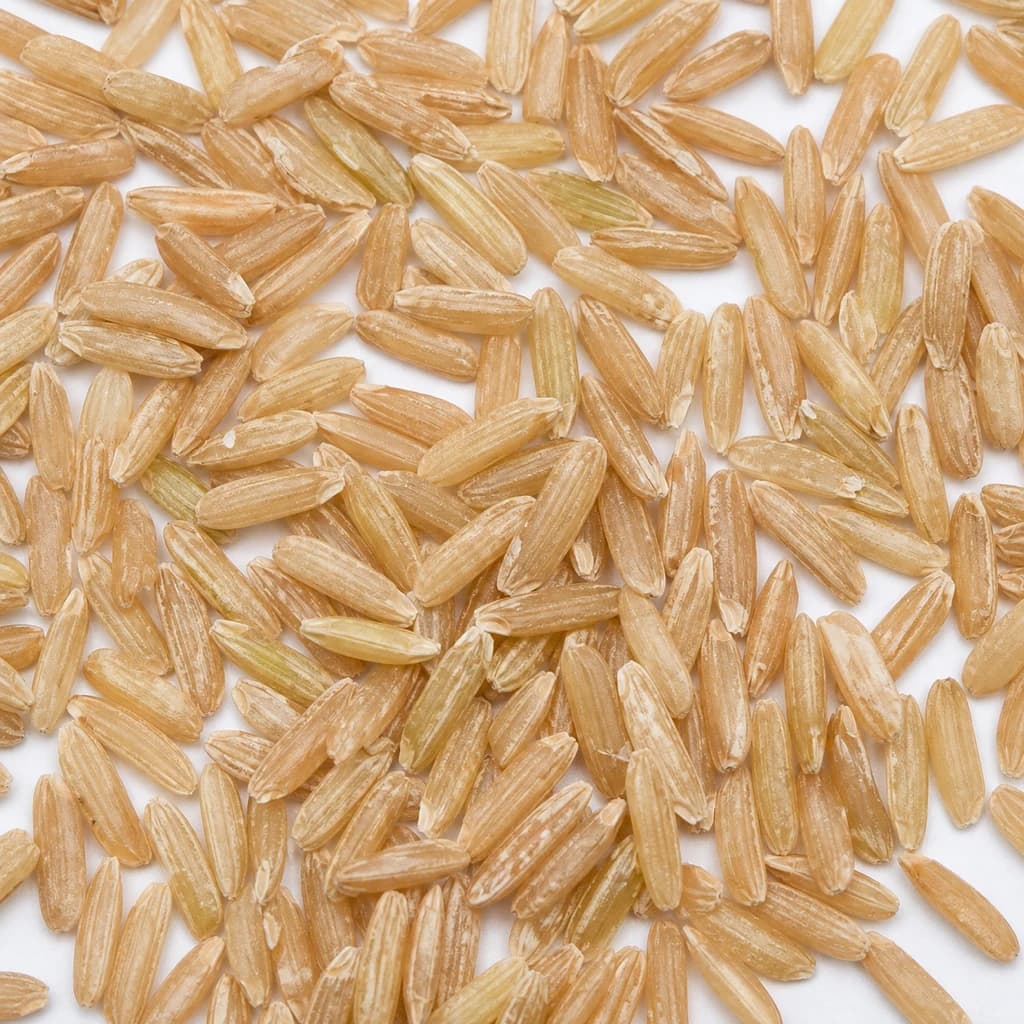
Brown Rice
Nutty, whole-grain rice with chew and extra fiber

Basmati Rice
Fragrant, long-grain rice that cooks up light and separate
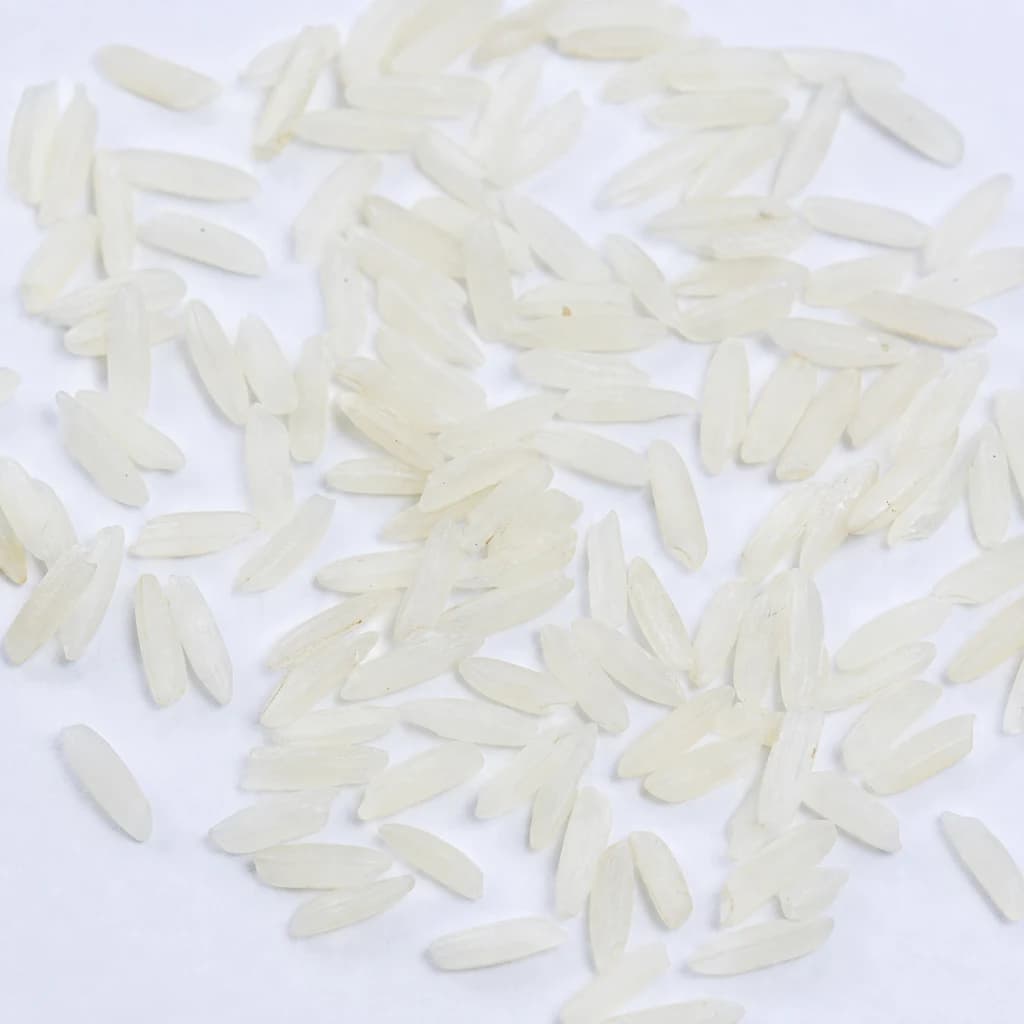
Jasmine Rice
Soft, floral-scented rice that's the pillar of Thai meals
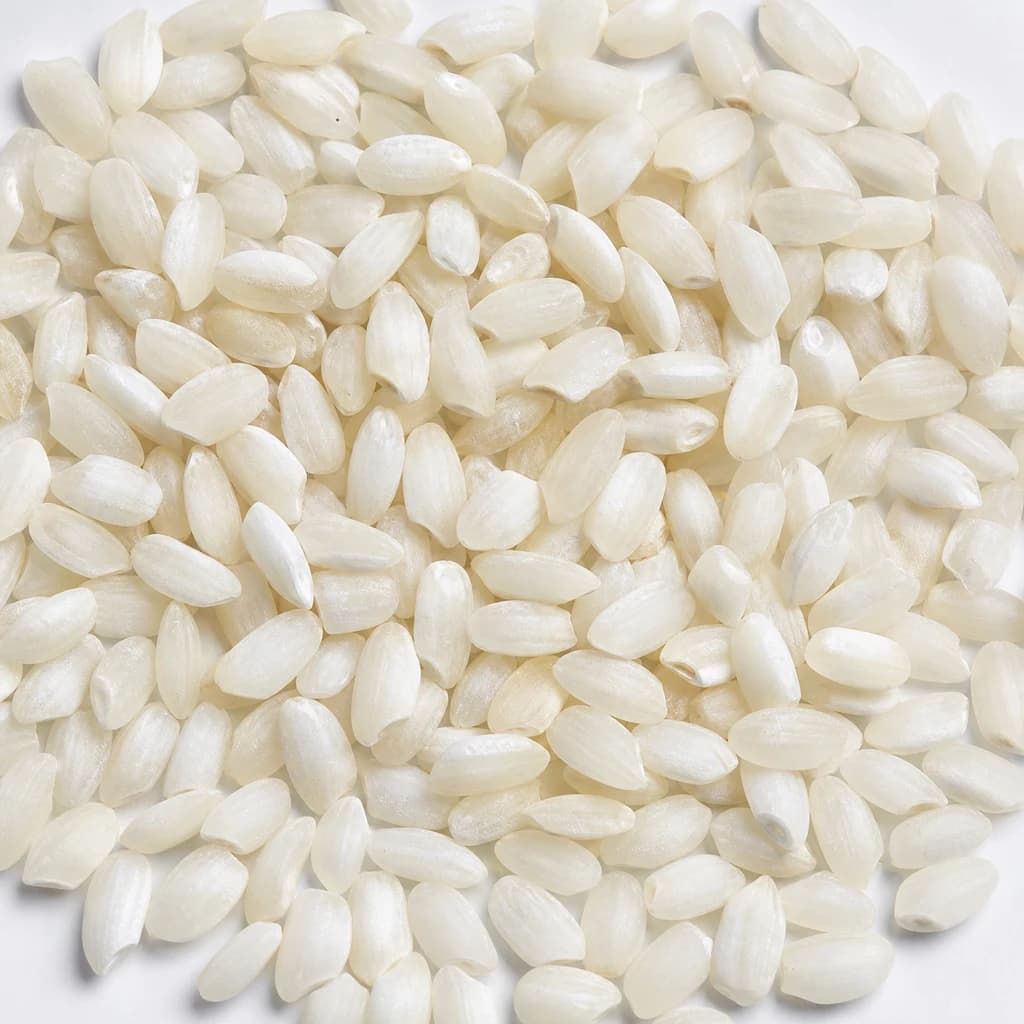
Arborio Rice
Plump, starchy rice that makes risotto creamy
Fusilli
Spiraled pasta that twirls up sauce and dresses cold salads
Rolled Oats
Hearty flakes for porridge, granola, and chewy cookies