Dairy & Eggs
Serra da Estrela Cheese
Portugal's prized sheep's-milk cheese, so soft when ripe it's scooped with a spoon through a cut-off top.
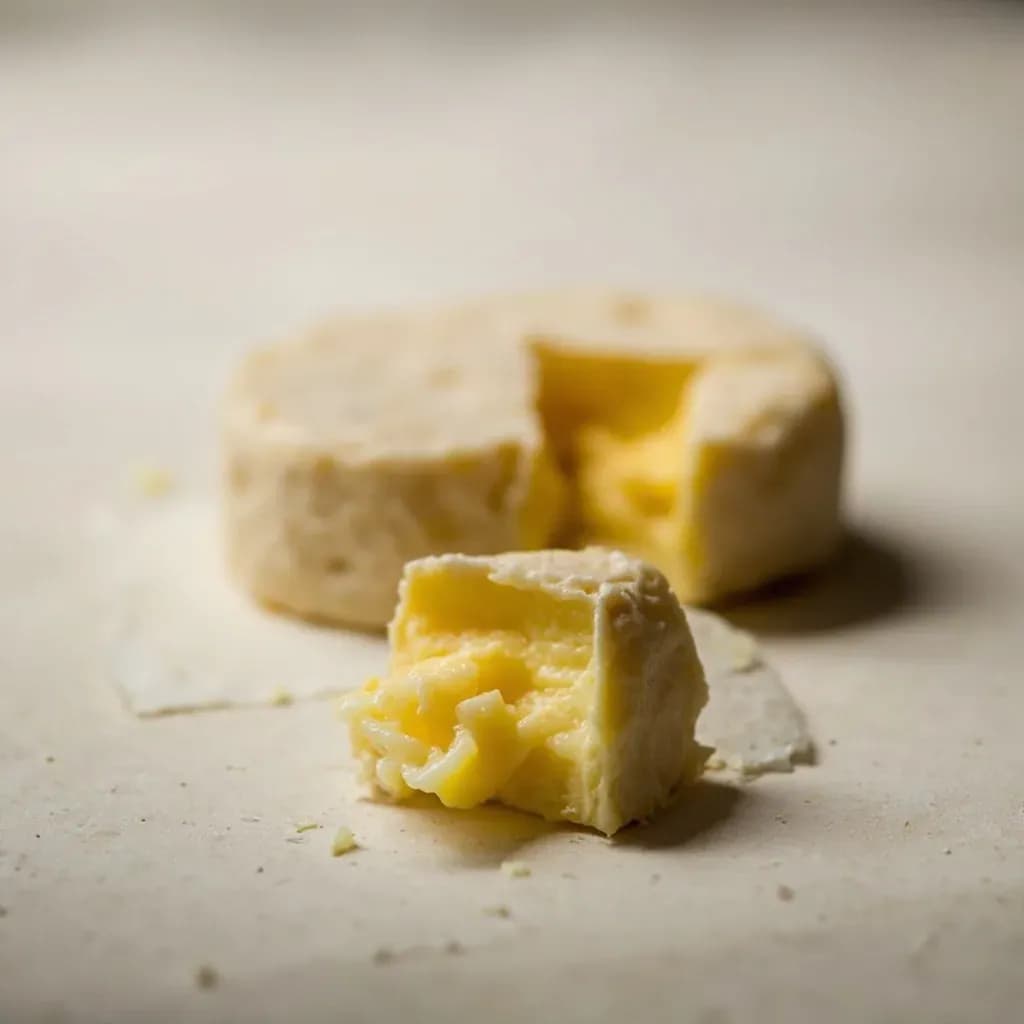
Serra da Estrela is a celebrated Portuguese cheese made from raw sheep's milk curdled with cardoon thistle rather than animal rennet. When ripe it has a thin rind and a buttery, oozy, almost spoonable interior with a tangy, slightly bitter, herbaceous flavor. It is traditionally served by cutting off the top and scooping out the molten center with bread.
Serra da Estrela is Portugal's most celebrated artisanal cheese, crafted in the mountains of Beira Alta from raw or pasteurized sheep's milk produced by the Churra Mondegueira breed. What distinguishes this cheese from all others is its traditional vegetable rennet derived from dried flor cardoon (Cynara cardunculus) flowers, which creates an unusually soft, buttery interior that remains fluid when fully ripe. The DOP designation protects this centuries-old method, requiring production within the demarcated Serra da Estrela Natural Park region using milk from flocks that graze the mountain pastures.
The cheese is made in small cylindrical wheels of 1–1.5 kg, minimally handled and left unpressed so the curd develops its characteristic soft, pillowy texture over a minimum 30-day maturation period. At peak ripeness, the paste yields to gentle pressure like a thick custard, and the traditional serving method reflects this: the entire top crust is sliced off and the interior is scooped out with a spoon. The flavor is rich and complex—lactic, nutty, with herbal and slightly bitter notes from the thistle rennet that distinguish it from animal-rennet versions. Historically a winter food, the cheese was made when mountain ewes produced richer milk and the cool alpine temperatures provided ideal conditions for aging.
Serra da Estrela occupies a unique position in the cheese world: it is one of the few traditional soft-ripened cheeses made with vegetable rennet, and its demand among serious cheese enthusiasts far exceeds supply. This drives premium pricing, and genuine thistle-rennet versions from certified producers are increasingly sought after—particularly as vegetarian consumers become aware that animal rennet is not required for this style of cheese. Industrial imitations exist, but they lack the complexity and tradition of the authentic mountain product.
- Measured in
- g
- Storage
- Fridge
Allergens
Types & varieties
Made with vegetable rennet; the original and most prized version from certified producers in the demarcated region
Version with a firmer curd texture, slightly less runny when ripe
Aged longer (3–6 months), drier texture; used for grating rather than scooping
Made in the surrounding Beira Interior region with similar methods; same thistle rennet tradition
Common uses
Tips & pitfalls
- Always bring to room temperature 1–2 hours before serving; cold suppresses the flavor and the characteristic runny texture
- Test ripeness by gently pressing the top—if it gives with slight resistance and shows a thumbprint that slowly fills in, it's ready to scoop
- To serve traditionally: slice off the entire top crust horizontally, then scoop the interior with a spoon—this is not a slicing cheese at peak ripeness
- If the cheese arrives very firm, store it at cool room temperature (not refrigerated) for 1–2 days to ripen; refrigeration halts the aging process
- Once cut, consume within 3–4 days; cover the cut surface loosely with cheese paper or wax paper, never plastic wrap which traps moisture and spoils the rind
- Never microwave to soften—it breaks the emulsion and results in greasy, separated curds with none of the silky texture
- Look for the official DOP seal and check the label for thistle rennet if vegetarian; industrial versions using animal rennet are increasingly common outside the region
- Buy from specialty Portuguese grocers or direct from mountain producers when traveling; mass-market versions rarely achieve the complexity of authentic artisanal wheels
Nutrition
Energy
1628 kJ · per 100 g
Where the calories come from
Protein
25.6g
51% DV
Carbs
1.6g
1% DV
Fat
31.1g
40% DV
Fiber
0g
0% DV
Sugars
1.6g
of which
Sodium
800mg
35% DV
Source · USDA FoodData Central · approx. Cheese, fontina
View on FDC →In the shops
Matched grocery products
No matched grocery products for Serra da Estrela Cheese yet.
Good to know
- Origin
- Serra da Estrela mountains, Beira Alta region, Portugal (DOP protected)
- Milk
- Raw or pasteurized sheep's milk from the Churra Mondegueira breed
- Rennet
- Traditional vegetable rennet from dried flor cardoon (Cynara cardunculus) flowers; animal rennet versions exist but are not traditional
- Type
- Soft, uncooked, unpressed cheese; interior stays buttery-soft when fully ripe
- Shape & Size
- Small cylindrical wheel, approximately 1–1.5 kg
- Maturation
- Minimum 30 days; traditionally consumed at peak ripeness when interior is runny
- Rind
- Thin, edible rind that forms naturally; top crust is traditionally cut off to access interior
- Color
- Pale straw-yellow paste; ivory exterior rind
- Season
- Produced year-round, with peak autumn and winter milk from mountain flocks
- Shelf Life
- Best within days of reaching ripeness; deteriorates quickly once fully soft
- Price
- Premium-priced; one of Portugal's most expensive cheeses
Substitutes
- Azeitão Cheese — Similar Portuguese soft sheep's milk cheese from the Setúbal region; uses thistle rennet and has comparable buttery texture
- Nisa — Protected name from the same cheese-making tradition in the Beira Interior region; softer texture when ripe, excellent substitute from the same rennet style
- Ossau-Iraty — French Pyrenees sheep's milk cheese; harder texture but similar nutty, buttery flavor profile
- Époisses de Bourgogne — French soft cow's milk cheese with similar runny ripeness; different milk source but comparable serving style and richness
Pairs with
Also called
serra da estrela · queijo serra da estrela
Related

Whole Milk
Rich, full-fat milk for drinking, coffee, sauces, and baking
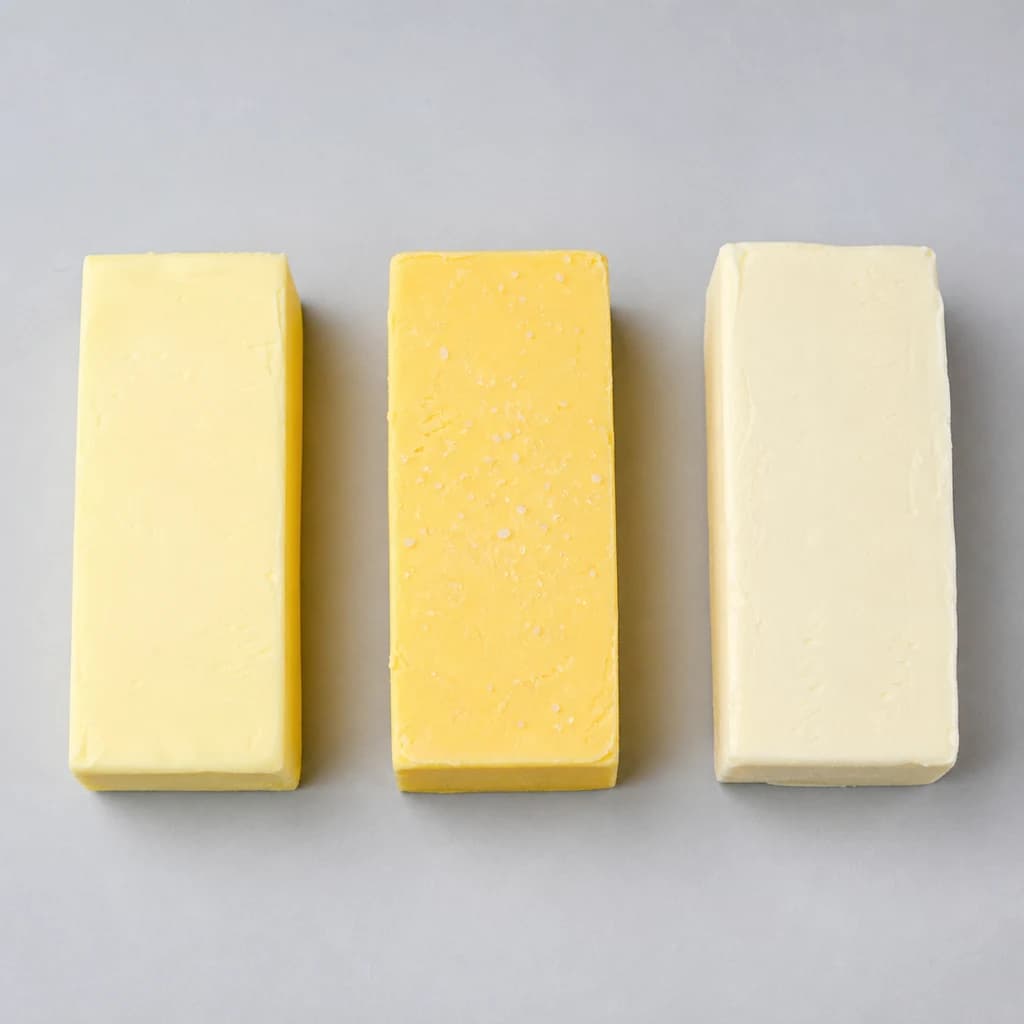
Butter
Golden fat for searing, baking, and finishing a sauce
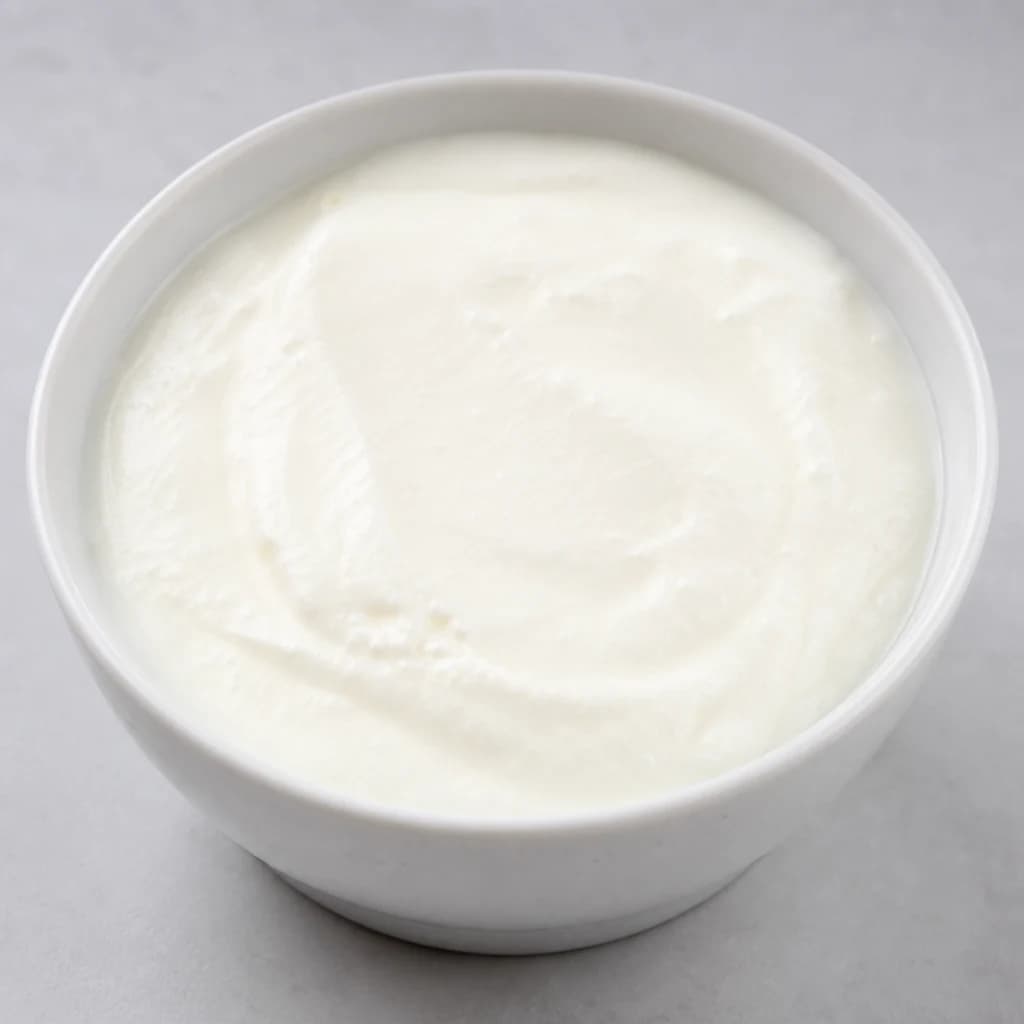
Yogurt
Tangy, creamy culture for breakfast, sauces, and marinades
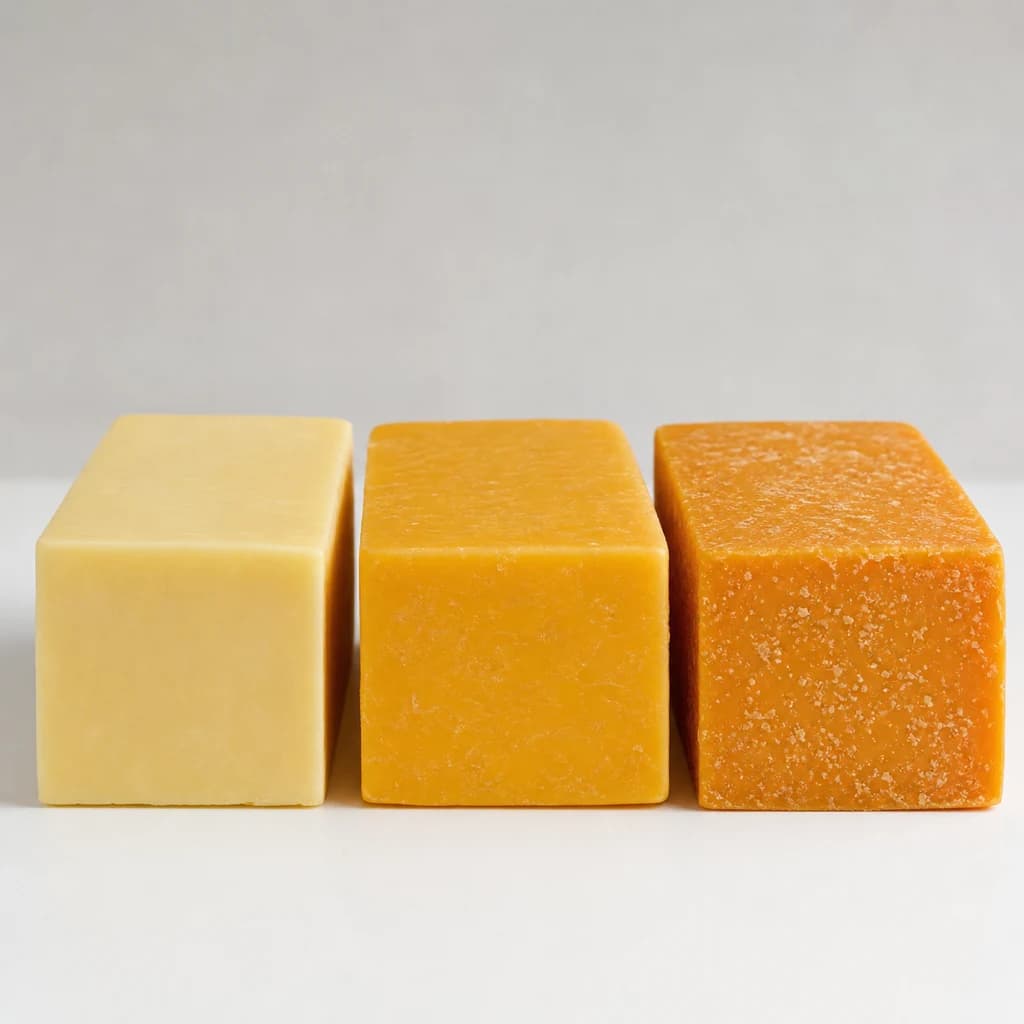
Cheddar Cheese
Sharp, melty cheese for sandwiches, gratins, and grating
Skim Milk
Fat-free milk for lighter drinking, coffee, and cooking
Heavy Cream
Rich cream that whips, enriches sauces, and sets ganache

Sour Cream
Tangy, thick cream for dolloping, baking, and dips
Mozzarella
Soft, milky cheese that melts into stretchy pizza pulls