Grains & Rice
Spätzle
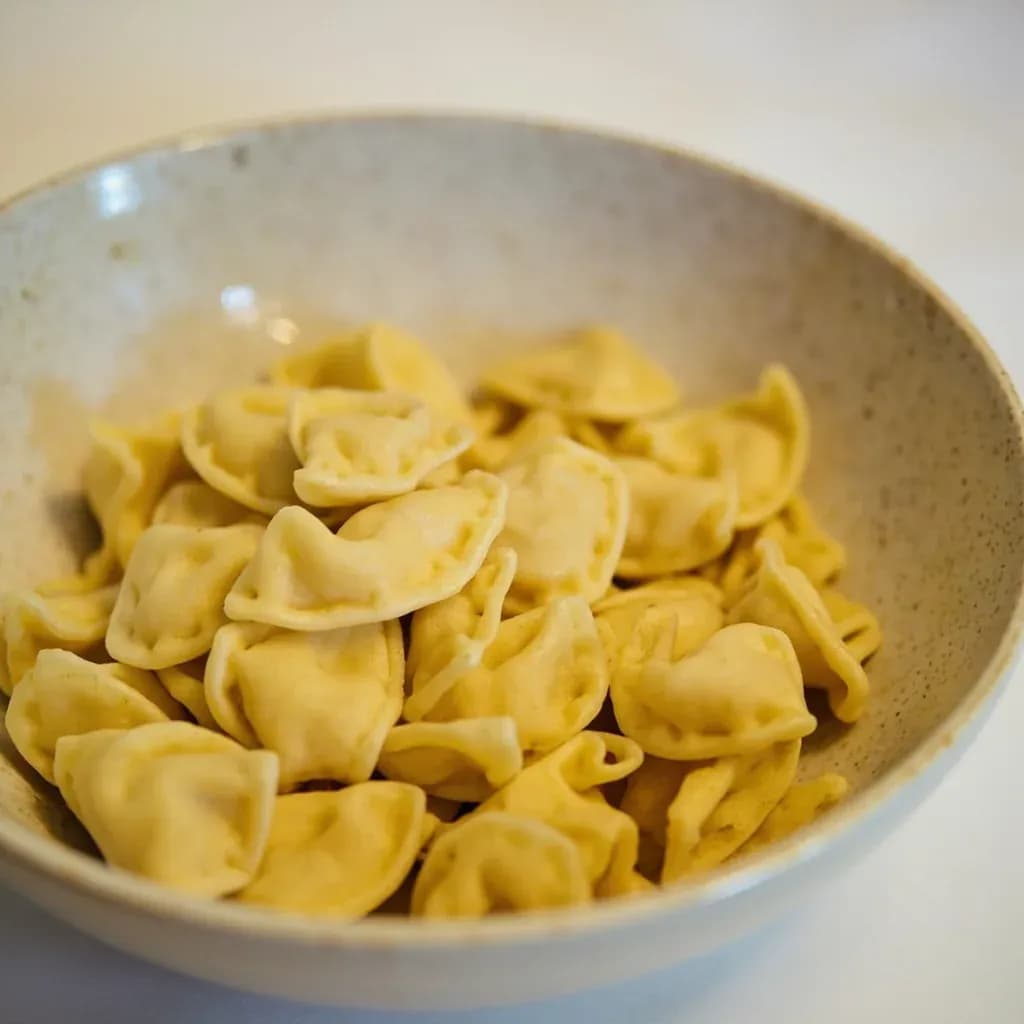
Soft egg-dough noodle dumplings scraped fresh into boiling water.
Spätzle are soft, irregular egg noodle dumplings made from a wet batter of flour, eggs, and water pressed or scraped into simmering water. A staple of southern German, Austrian, and Swiss cooking, they are buttered, baked with cheese as käsespätzle, or served alongside braises. A special flour and a spätzle press or board produce their craggy shape.
Spätzle are soft, hand-formed egg-dough dumplings that hold a treasured place at the heart of Swabian cooking. The name derives from the Swabian dialect word Spatz—sparrow—referring to the irregular, small shapes that result from scraping batter off a board into boiling water. Unlike extruded pasta, Spätzle rely entirely on egg protein and proper hydration for their tender-but-slightly-chewy bite; no commercial stabilizers or binding agents appear in traditional dough. The texture sits between a tender dumpling and a delicate noodle, with a surface that readily absorbs sauces while the interior remains pillowy. This duality is what makes Spätzle uniquely suited to the rich, buttery preparations that define Swabian and Austrian cuisine. Making them by hand on a wooden board remains the preferred method: the irregular surfaces and varied sizes created by scraping trap sauce beautifully and deliver an authentic rustic character that pressed or rotary-grater versions cannot replicate. The technique is simple—stir, rest, scrape, boil—but mastering the dough's exact consistency and the scraping motion requires practice, which is precisely why fresh, properly made Spätzle are worth seeking out or making at home.
- Measured in
- g
- Storage
- Fridge
Allergens
Types & varieties
Classic irregularly shaped small dumplings scraped from a board; the standard version
Smaller, more uniform, button-shaped dumplings; made with a press or perforated colander; traditional in Alsace and western Germany
Finger-shaped, slightly curved dumplings; rolled on grooved boards to create ridges; can be flour-only or potato-enriched
Made with durum wheat semolina instead of flour; firmer texture; common in industrial and restaurant versions
Layered baked dish with melted Emmental and Gruyère and fried onions; Swabian and Austrian comfort food at its finest
Large pasta-like squares folded over savory filling; technically a stuffed pasta but rooted in the same Swabian egg-dough tradition
The Dough: Getting Consistency Right
The single most important factor in good Spätzle is dough consistency. It should be sticky enough to cling to an inverted spoon or board without immediately sliding off, yet thin enough to fall in ribbons when lifted. This is not a firm pasta dough—it resembles a thick batter more than bread dough. If the dough is too stiff, the scraped pieces will tear apart in the boiling water, producing ragged, starchy fragments rather than plump dumplings. If too loose, the pieces will disintegrate or curl into tight balls with a gummy interior. Add water a teaspoon at a time to reach the correct consistency. After mixing, rest the dough covered with a damp cloth or plastic wrap at room temperature for 30 minutes; this allows the flour to fully hydrate and the gluten to relax, producing a noticeably smoother, more cooperative batter that scrapes cleanly. Room-temperature eggs incorporate more readily and create a more elastic dough than cold eggs straight from the refrigerator.
- Too stiff: pieces tear apart in boiling water—add water by the teaspoon
- Too loose: pieces disintegrate or curl into tight balls—add flour sparingly
- Rest dough 30 minutes before shaping; results are dramatically better
- Room-temperature eggs produce a smoother, more elastic dough
Shaping Methods Compared
The traditional Swabian method uses a flat wooden Spätzlebrett rubbed with a film of oil. Metal spatulas or bench scrapers work as alternatives to the curved Spachtel. Pour a portion of batter onto the board, hold the board at a low angle over simmering water, and use quick, firm strokes to push the batter through a gap at the lower edge—let gravity and pressure work together. This produces the characteristic irregular shapes. Presses with perforated plates or rotary grater-style tools (Spätzlehobel) offer convenience and speed, especially for larger batches, but yield overly uniform pieces and sometimes a denser, more compact texture. For the best balance of quality and practicality at home, try the board-and-scraper method first; the skill develops quickly, and the difference in texture and sauce retention is substantial.
- Board and scraper: best texture, requires practice, produces irregular shapes
- Press with perforated plate: faster, more uniform, slightly denser result
- Rotary grater (Hobel): convenient but overly uniform—acceptable for weeknight cooking
- Never use pasta machine or extrusion; these create wrong texture and shape
Common uses
Tips & pitfalls
- Use room-temperature eggs for a smoother, more elastic dough that incorporates air more readily.
- If dough is too stiff, it tears apart when scraped—add water a teaspoon at a time until it clings to an inverted spoon without falling.
- Let dough rest 30 minutes to hydrate flour fully; results are noticeably smoother and easier to work.
- Test a small piece first: it should sink, then float to the surface when done (8–12 minutes for fresh).
- For even cooking, cut floating pieces with scissors immediately so they don't curl into tight balls.
- Do not overcrowd the pot—maintain a vigorous boil and cook in batches if needed.
- Scrape dough with firm, quick strokes; hesitation produces uneven, ragged pieces.
- Toast dried Spätzle briefly in butter before adding liquid for noticeably better texture retention.
Nutrition
Nutrition
No USDA FoodData Central match for Spätzle yet. We surface a per-100 g profile once a generic whole-food entry is matched and verified.
In the shops
Matched grocery products
No matched grocery products for Spätzle yet.
Good to know
- Origin
- Swabia, Germany (Baden-Württemberg)
- Primary Ingredients
- Wheat flour, eggs, water, salt
- Egg Ratio
- 1 large egg per 100g flour standard; up to 1 egg per 50g for richer dough
- Cooking Time
- 8–12 minutes fresh (pieces float when nearly done); 15–20 minutes dried
- Traditional Equipment
- Spätzlebrett (ridged wooden board) and Spachtel (scraper), Spätzlepresse, or Spätzlehobel
- Fresh Storage
- 1–2 days refrigerated, well-wrapped
- Yield
- 400–500g dough yields 3–4 portions as a side dish
- Difficulty
- Low; technique is simple but requires practice to judge dough consistency
Substitutes
- Fresh egg tagliatelle or fettuccine — Similar width and egginess but smoother, more uniform shape; cook 2–3 minutes less than package directs
- Fresh ramen or udon noodles — Acceptable in soups or with Asian-style sauces; texture differs—bouncier and less tender than Spätzle
- Soft dumpling batter (Klöße/Knödel base) — Made from flour, eggs, and soaked bread; similar soft bite but denser overall; requires different preparation method
- Store-bought dried Spätzle — Available in German/Austrian grocery aisles and some specialty stores; cooking time 8–12 minutes; acceptable for convenience, though less tender than fresh
Pairs with
Also called
Spätzle Flour · Spätzlemehl · Spaetzle
Appears in these dishes
Related

White Rice
Fluffy long-grain rice — the neutral base for almost any meal

White Bread
Soft sandwich loaf for toast, sandwiches, and crumbs
Brown Rice
Nutty, whole-grain rice with chew and extra fiber

Basmati Rice
Fragrant, long-grain rice that cooks up light and separate
Jasmine Rice
Soft, floral-scented rice that's the pillar of Thai meals
Arborio Rice
Plump, starchy rice that makes risotto creamy
Fusilli
Spiraled pasta that twirls up sauce and dresses cold salads
Rolled Oats
Hearty flakes for porridge, granola, and chewy cookies