Dairy & Eggs
Trappista Cheese
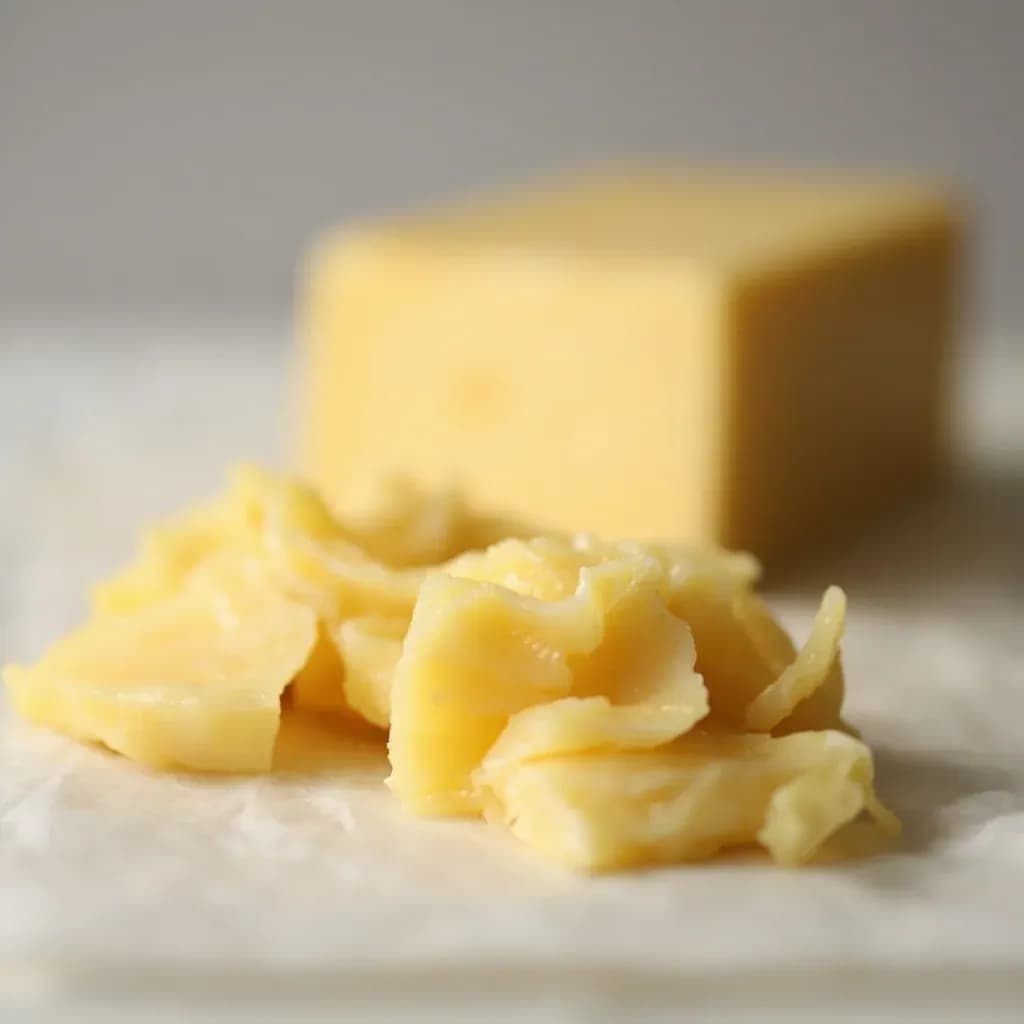
Central European semi-hard table cheese, mild and supple, sliced for breakfast and sandwiches.
Trappista is a semi-hard cow's-milk cheese popular across Hungary and the Balkans, descended from cheeses made by Trappist monks. It is pale yellow, smooth, and mildly savory with a few small holes, and melts and slices well. It is an everyday table and sandwich cheese.
Trappista is a Central European semi-hard table cheese rooted in monastic cheese-making traditions, though commercial production diverged significantly from the Abbey cheeses of Belgian and Dutch Trappist monasteries. Made from pasteurized cow's milk and aged just 2–12 weeks, it develops a supple, slightly elastic texture with occasional small eyes and a natural or waxed rind—typically red or orange. Its pale to deep orange-yellow color and mild, slightly tangy, buttery flavor come from careful selection of starter cultures and standard production methods that follow CODEX and EU guidelines for semi-hard cheeses. Each producing country—Hungary, Czech Republic, Slovakia, and Slovenia—maintains its own production standards, giving regional varieties their distinct character. The cheese's moderate fat content (45–50% in dry matter) and short aging period make it distinctly different from longer-aged European cheeses; it melts smoothly without turning rubbery, which is the key to its widespread use in Central European cuisine. Trappista functions as a workhorse cheese—reliable for sandwiches, breakfast boards, and hot preparations where consistent melting matters more than complex, aged flavor development.
- Measured in
- g
- Storage
- Fridge
Allergens
Types & varieties
Mild, pale yellow; widely sold as pre-sliced retail cheese; often waxed red
Slightly firmer texture; orange variety common; protected designation A2 in Hungarian standard
Similar to Czech style; produced under strict Slovak food safety standards
Slightly different production method; slightly more pronounced flavor than Czech variants
Regional variants made by Trappist monasteries; often more artisanal with longer aging
Trappista vs. True Trappist Cheeses
Do not confuse commercial Trappista with cheeses actually produced by Trappist monasteries in Belgium and the Netherlands. Authentic Trappist Abbey cheeses are typically aged longer, have more complex flavor development, and follow strict monastic production standards. Commercial Trappista bears the name only as an homage to those traditions. It is also distinct from French Trappist-style cheeses like Port Salut, which have different production methods and flavor profiles. When a recipe calls for Trappista, the commercial Central European variety is intended.
- Commercial Trappista is an industrial table cheese, not an Abbey cheese
- Authentic Trappist monastery cheeses are longer-aged and more complex
- Confusing the two will lead to disappointment in both directions
Buying and Selecting
Look for uniform color throughout—no gray spots, discoloration, or excessive moisture on the surface. The rind should be intact without cracks or drying. For pre-sliced retail packs, ensure the slices are not sticking together or showing signs of separation. Orange-colored varieties get their hue from annatto, a natural coloring agent, not from longer aging or higher quality. The red wax on Czech varieties is purely protective and edible. If buying from a deli counter, ask when the wheel was last cut; a fresh cut exposes the interior to air and accelerates drying.
- Select uniform color without gray or brown spots
- Check that pre-sliced packs are not stuck together
- Ask for cut date at deli counters for freshness assurance
Common uses
Tips & pitfalls
- Bring to room temperature 20–30 minutes before serving for best flavor and texture expression
- Slice thinly for sandwiches to take advantage of the supple, flexible texture
- Use moderate heat when melting—high heat causes oil separation and leads to tough, rubbery results
- Store original vacuum-sealed packaging; otherwise rewrap tightly in plastic wrap or beeswax wrap to prevent rind drying and flavor loss
- Do not confuse commercial Trappista with Trappist monastery cheeses, which are longer-aged and far more complex in flavor
- When pan-frying or grilling, watch carefully—it melts quickly and can become rubbery if cooked past the melting point
- Store refrigerated at 4–8°C and use within 4–6 weeks of opening for optimal quality
- Look for uniform color without gray spots or excessive surface moisture before purchasing
Nutrition
Energy
1628 kJ · per 100 g
Where the calories come from
Protein
25.6g
51% DV
Carbs
1.6g
1% DV
Fat
31.1g
40% DV
Fiber
0g
0% DV
Sugars
1.6g
of which
Sodium
800mg
35% DV
Source · USDA FoodData Central · approx. Cheese, fontina
View on FDC →In the shops
Matched grocery products
No matched grocery products for Trappista Cheese yet.
Good to know
- Origin
- Central Europe (Hungary, Czech Republic, Slovakia, Slovenia)
- Milk Type
- Cow's milk, typically pasteurized
- Texture
- Semi-hard, supple, with occasional small eyes
- Rind
- Natural rind or waxed, usually red or orange
- Color
- Pale yellow to deep orange-yellow
- Flavor
- Mild, slightly tangy, buttery; not strongly aged
- Aging
- 2–12 weeks (table cheese, not long-aged)
- Fat Content
- Approximately 45–50% fat in dry matter
- Typical Weight
- Whole wheels 3–12 kg; retail slices common
- Storage
- Refrigerate at 4–8°C, wrap tightly; use within 4–6 weeks of opening
- Production Standard
- Follows CODEX and EU standards for semi-hard cheese; national standards in Hungary, Czech Republic, Slovakia
Substitutes
- Young Maasdam — Similar mild, slightly sweet flavor and good melting properties; Dutch origin, widely available
- Young Gouda (4–8 weeks) — Comparable texture and mildness; slightly nuttier flavor profile
- Havarti — Danish-style semi-hard cheese; excellent melting, buttery flavor, though typically more expensive
- Young Emmental — Mild, semi-hard, melts well; more acidic flavor than Trappista but acceptable substitute
- Edam — Similar firmness and mildness; slightly firmer texture with nuttier finish
Pairs with
Also called
trappista · trappista cheese · trapist
Related

Whole Milk
Rich, full-fat milk for drinking, coffee, sauces, and baking
Butter
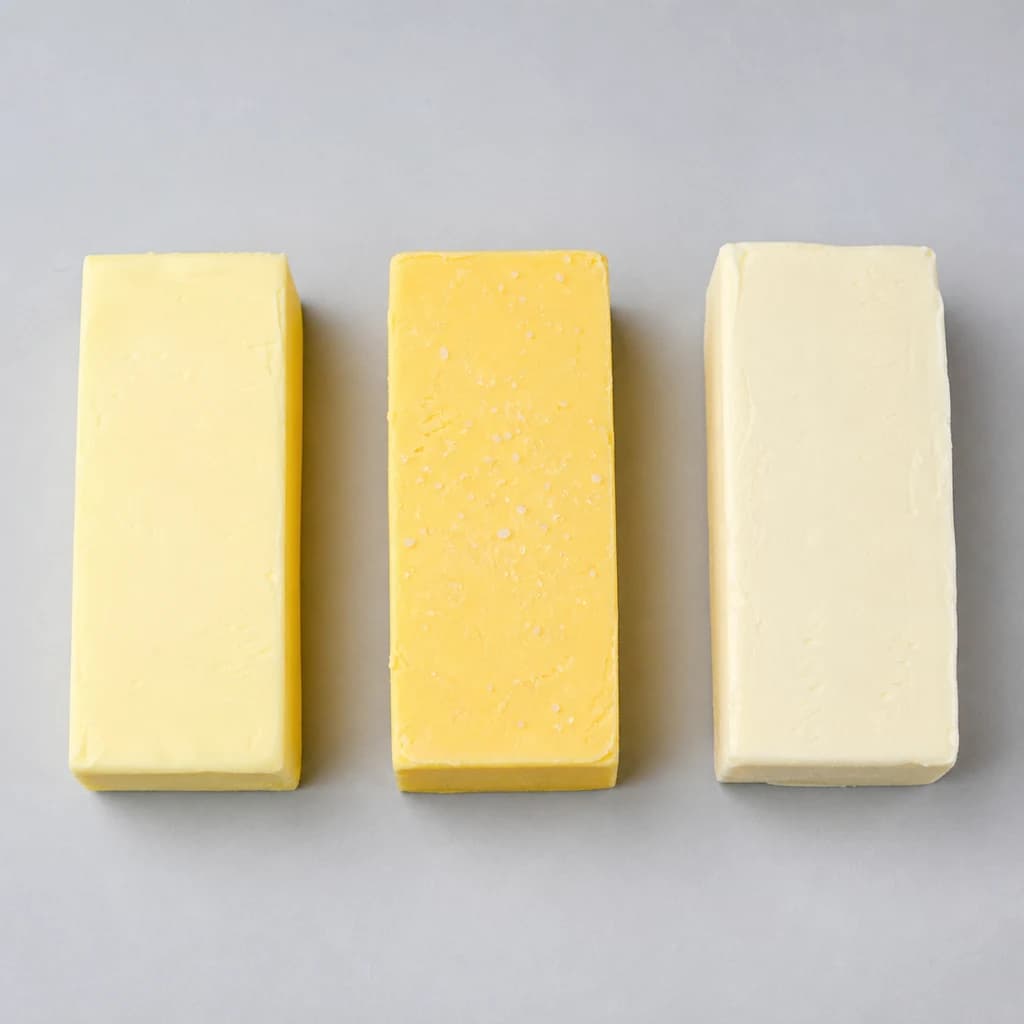
Golden fat for searing, baking, and finishing a sauce
Yogurt
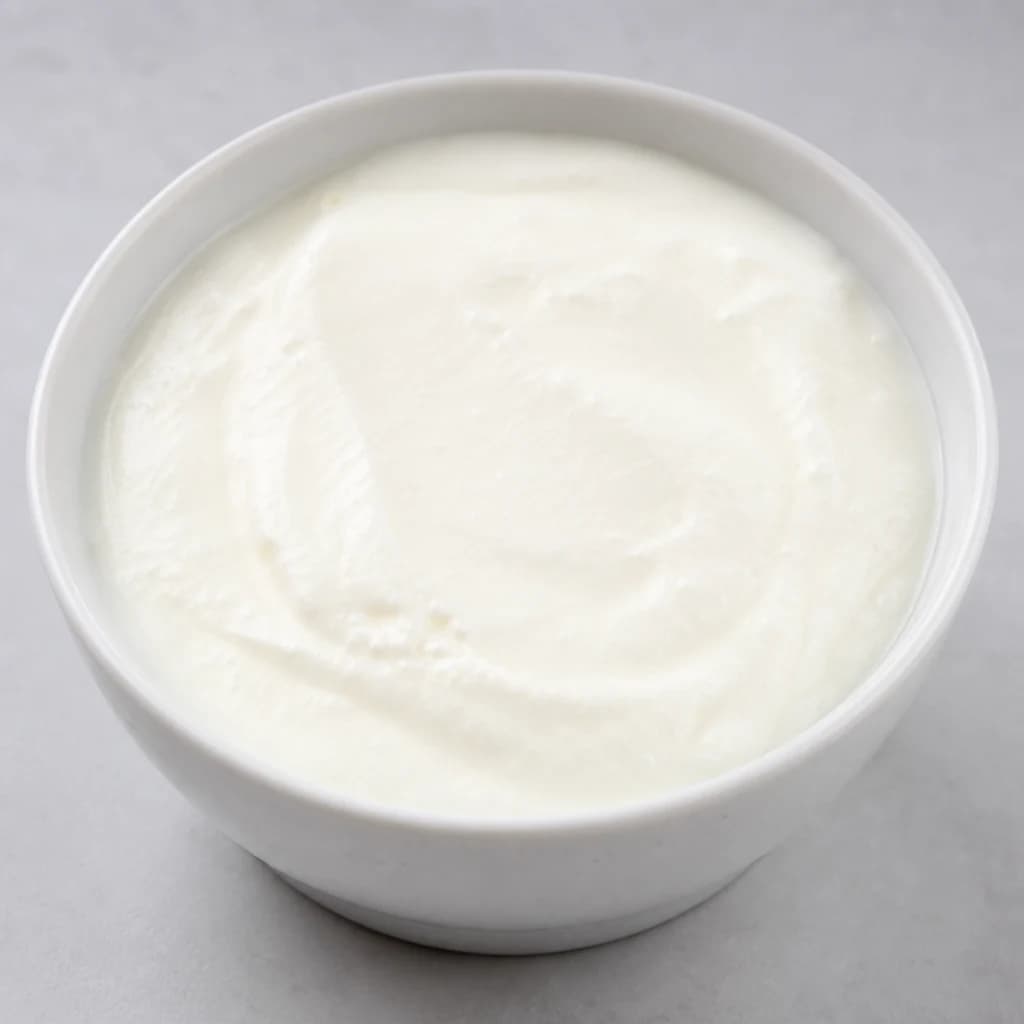
Tangy, creamy culture for breakfast, sauces, and marinades
Cheddar Cheese
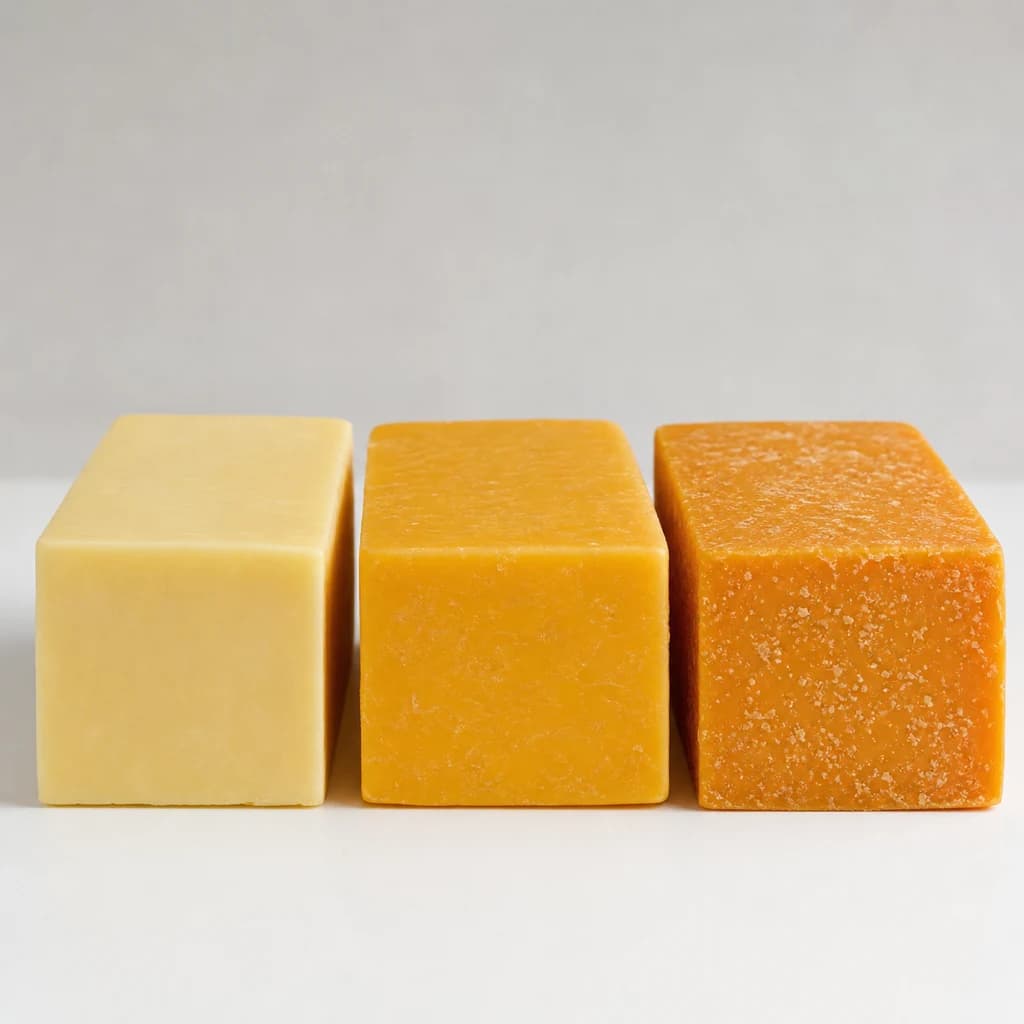
Sharp, melty cheese for sandwiches, gratins, and grating

Skim Milk
Fat-free milk for lighter drinking, coffee, and cooking
Heavy Cream
Rich cream that whips, enriches sauces, and sets ganache

Sour Cream
Tangy, thick cream for dolloping, baking, and dips
Mozzarella
Soft, milky cheese that melts into stretchy pizza pulls