Bakeware & Pans
Pie Weights (Baking Beans)
Ceramic or metal weights that hold a pastry case flat while blind-baking.
Reusable ceramic, metal, or repurposed dried-bean weights poured into a parchment-lined pastry case to weigh it down during blind-baking. They stop the base from puffing and the sides from slumping before a filling goes in, giving a crisp, evenly set crust. The weights are lifted out partway through baking so the base can dry and brown.
Pie weights are small, heat-tolerant objects — most often bean-shaped pieces of fired ceramic — that sit inside a raw pastry case during blind baking to keep the dough flat, anchored to the tin, and free of air pockets. Without this downward pressure, the butter in shortcrust or pâte sucrée melts and releases steam before the gluten and starch have set, and the base balloons upward while the sides slump toward the center. The weights do nothing more than hold the dough in place until the structure is rigid enough to support itself, which is why they can be made of any dense, oven-safe, flavorless material.
The practice itself is older than the modern ceramic bean. French pastry kitchens long used heavy brass or copper chains (chaîne à foncer) draped in a spiral inside tart rings, and the British "baking beans" name is a holdover from when home cooks filled pastry cases with dried haricot beans. Twentieth-century manufacturers began molding the same idea into kiln-fired clay pebbles, and ceramic remains the standard because it is cheap, dense, odorless, and indifferent to oven heat. Stainless-steel chains and ball bearings are the modern professional alternatives; both transfer heat efficiently and remove in one piece.
A good set lasts for decades, stains and all, and is one of the small, unglamorous purchases that makes the difference between a quiche with a level floor and one that sags in the middle. The weights never touch the filling or the finished dish — they sit on a disc of baking parchment, do their job, and come out before the pastry returns to the oven to finish drying.
Alternatives
Types & varieties
Bean- or pebble-shaped fired clay; the standard in home and professional kitchens.
Round version of the ceramic weight; rolls freely, so a parchment barrier is essential to keep it in place.
Linked metal chain draped in a spiral; conducts heat efficiently and conforms to any tin shape, lifting out in one piece.
Very dense and heavy; favored in some professional pastry kitchens for their weight-to-volume ratio. Source as food-grade to avoid lubricant contamination.
Lightweight metal disc or shot-style weights; less common in home baking and prone to discoloration.
Foil or cardboard rings placed over the rim; not a true weight and only used to stop the edge from over-browning.
The Two-Stage Blind Bake
Most pastry cooks use a two-stage bake: the first stage with weights to set the structure, the second stage without them to dry and color the base. Skipping the second stage is the most common reason for a soft, pale, or slightly damp bottom crust, especially on deeper tarts.
- Stage 1: line the chilled, docked pastry with a parchment disc, fill with weights to the rim of the case, and bake at the recipe's stated temperature for roughly two-thirds of the total blind-bake time.
- Stage 2: lift out the weights and parchment in one motion — chains come away in a single spiral, ceramic beans pour straight back into their bag — and return the empty shell to the oven.
- This is the moment to dock the base lightly with a fork if any bubbles have risen, and to watch for the colour you actually want: pale gold under a custard, deeper gold under a ganache or fruit filling.
- For very wet fillings (lemon curd, pecan pie, fresh-fruit tarts), brush the hot, dried-out base with a thin film of beaten egg white and return it to the oven for two minutes to seal the surface against sogginess.
Common uses
Tips & pitfalls
- Always line the chilled pastry with a disc of baking parchment before adding the weights — direct contact can mark the dough, imprint the pattern of the beans, or fuse the pastry to the surface.
- Chill the lined pastry for 15–30 minutes before adding weights and again before baking; cold butter is the main defense against shrinkage, and the weights are a partner, not a substitute, for that cold rest.
- Fill the weights to the rim of the case and distribute them evenly; gaps between beans let the base puff up through the holes, defeating the purpose.
- For a genuinely crisp base, always finish with the second, unweighted stage — five to ten minutes of dry heat after the weights come out is what turns a pale, flabby shell into one that snaps cleanly.
- Use heavy ceramic weights (or a generous layer of dried beans) for a deep tart ring; light weights can be displaced sideways as the butter melts, leaving the upper wall unsupported.
- Pie chains can be laid in cold from the tin and lifted out in a single spiral, which makes them noticeably faster than beans for repeat baking in a busy kitchen.
- Never improvise with sugar, salt, or flour as weights — sugar melts and caramelizes, salt corrodes the tin, and flour fuses to the pastry into a layer that is almost impossible to remove cleanly.
- Pre-heat the oven fully before the weighted shell goes in; a hot start sets the pastry before the butter has time to melt and slide down the sides.
- Keep a set of weights dedicated to baking only; contact with raw pastry or savory fillings can carry flavors into the next sweet tart you blind-bake.
Good to know
- Purpose
- Hold pastry flat against the tin during blind baking to prevent the base puffing up and the sides slumping.
- Common materials
- Fired ceramic (most common), stainless steel chains, stainless steel ball bearings, and aluminum.
- Typical packaging
- Ceramic sets sold in 1 lb (~450 g) or 2 lb (~900 g) bags; chains sold by length, often around 1 m.
- Heat resistance
- Ceramic and stainless steel are oven-safe at or above 230 °C / 450 °F; aluminum is safe but discolors over time.
- Reusability
- Indefinite if kept clean and dry; ceramic may darken with age but remains fully functional.
- Recommended quantity
- A single even layer covering the base of the lined tin, roughly 500 g to 1 kg for a 23–25 cm tart ring.
- Origin of the practice
- Blind baking dates back to medieval European pastry cookery; the modern ceramic bean is a 20th-century convenience.
- Storage
- Cool, dry place in the original bag or a lidded jar; metal weights must be fully dried to prevent rust.
Also called
Ceramic Baking Beans (Blind-Bake Weights) · Pie Weights · Baking Beans · Blind-Baking Weights
Related

Baking Sheet
Flat rimmed tray for cookies, roasts, and sheet dinners

Cooling Rack
Wire grid that lets bakes and fried food breathe

Muffin Tin
Multi-cup pan for muffins, cupcakes, and egg cups

Cake Pan
Round pan for even-baking layer cakes

Loaf Pan
Rectangular pan for bread, banana loaf, and terrines

Proofing Basket
Rattan banneton that shapes and marks rising dough
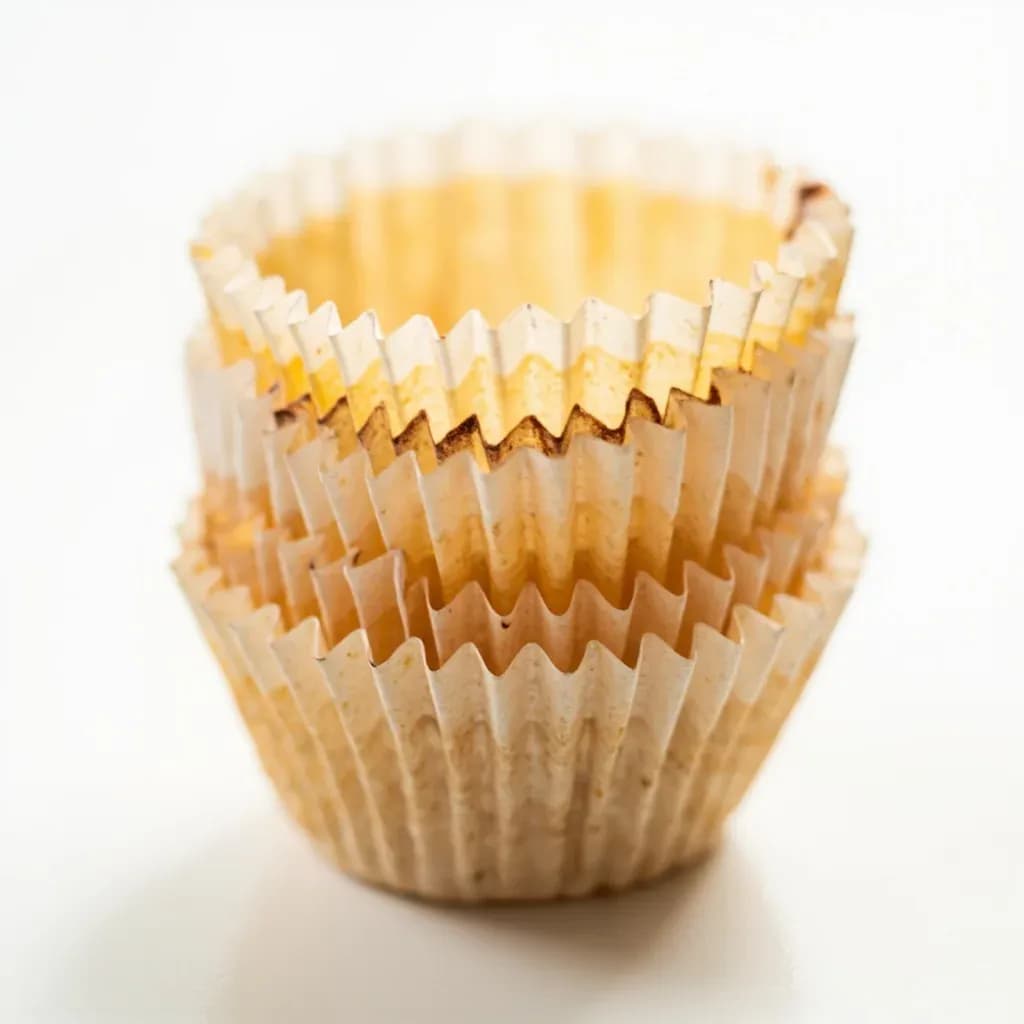
Paper Baking Cup
Pleated paper liner that holds cupcake and muffin batter for clean baking and serving.
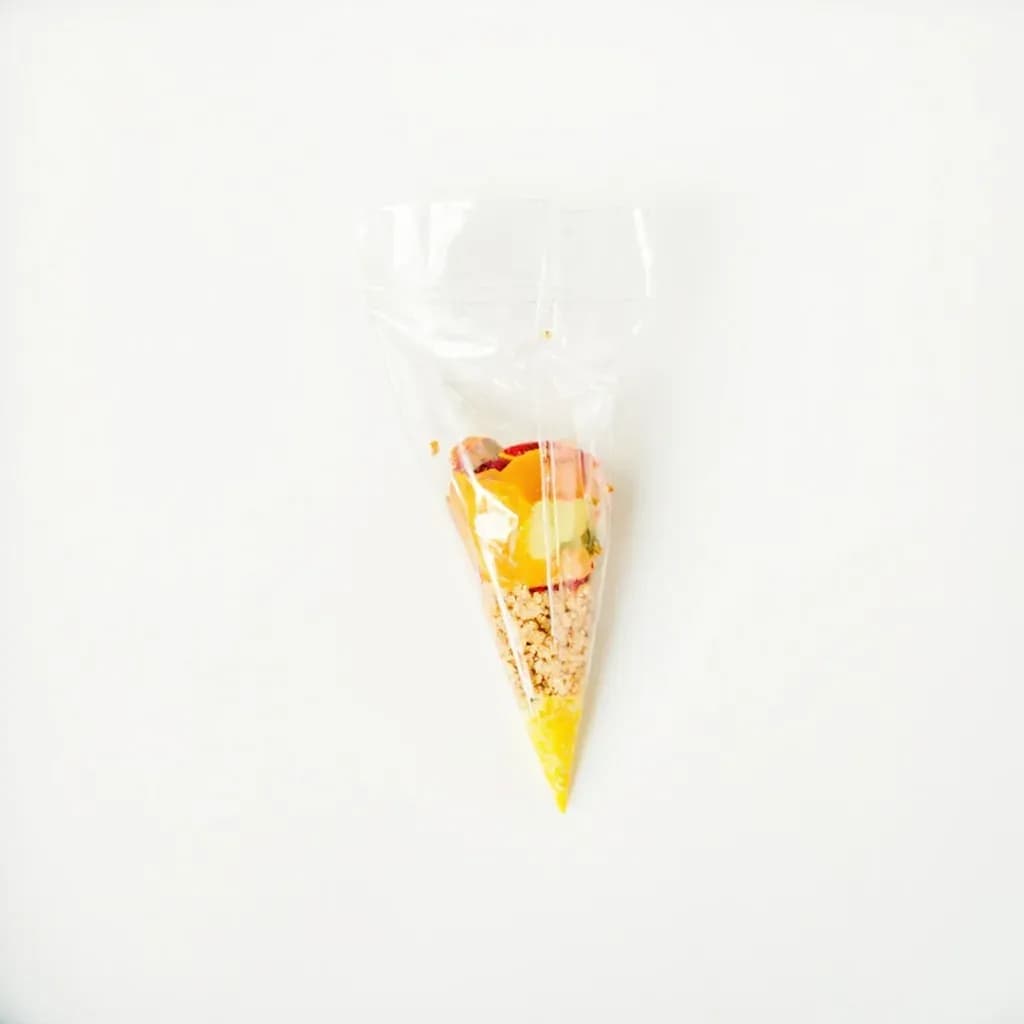
Disposable Piping Bag
Single-use cone bag for piping icing, batter, fillings, and purees with a tip.