
Bakeware & Pans
Proofing Basket
Rattan banneton that shapes and marks rising dough
A rattan or cane basket that cradles bread dough during its final rise, holding the shape and pressing the signature spiral ridges into the crust. Flour it well so the wet dough releases onto the peel. The cane also wicks moisture for a better skin.
A proofing basket — a banneton or brotform — is a rattan or cane basket that cradles a shaped loaf of bread through its final rise, holding the dough's round or oval form so it doesn't spread into a pancake and pressing the signature spiral ridges into the crust. The cane does something a bowl can't: it wicks moisture from the dough's surface, drying it slightly for a crisper, better-blistered crust. Flour it well and the wet dough releases cleanly onto the peel for baking. For home sourdough and artisan loaves, it's the tool that gives that bakery look and rise.
Types & varieties
For boules (round loaves); the most common shape.
For bâtards and oblong loaves.
A linen liner gives a smooth crust and easier release (no spiral rings).
Flouring and releasing
Wet dough sticks to bare cane, so dust the basket generously — rice flour resists sticking best and won't gum up like wheat flour. Lay the shaped dough seam-side up, let it proof, then invert it onto a peel or parchment to bake; a well-floured, well-seasoned basket drops the dough cleanly with the rings imprinted on top.
- Flour generously — rice flour resists sticking best
- Proof seam-side up; invert to bake
- A seasoned basket releases more easily over time
Care
Never wash a rattan banneton with soap and water for routine cleaning — just knock out loose flour and let it air-dry completely so it doesn't mildew. Every so often, brush it out and, if needed, give it a quick dry-out in a low oven. Store it somewhere airy. A cloth liner can be removed and washed.
Common uses
Tips & pitfalls
- Flour the basket generously — rice flour resists sticking far better than wheat.
- Proof the dough seam-side up so the smooth side becomes the top when you flip it out.
- Don't wash rattan with soap; knock out flour and air-dry fully to prevent mildew.
- A new basket sticks more; it seasons and releases better with use.
- Size the basket to the dough weight so the loaf fills it without overflowing or swimming.
Good to know
- Material
- Rattan/cane (classic) or pulp; some have a cloth liner
- Shapes
- Round and oval (oblong/bâtard)
- Common sizes
- Sized by dough weight — e.g. a 9-in round for a ~750 g loaf
- Key function
- Holds shape and wicks moisture for a crisp crust
- Reusable?
- Yes — improves with use as it seasons
- Price range
- Low to moderate
Also called
banneton · brotform
Related

Baking Sheet
Flat rimmed tray for cookies, roasts, and sheet dinners

Cooling Rack
Wire grid that lets bakes and fried food breathe

Muffin Tin
Multi-cup pan for muffins, cupcakes, and egg cups

Cake Pan
Round pan for even-baking layer cakes

Loaf Pan
Rectangular pan for bread, banana loaf, and terrines
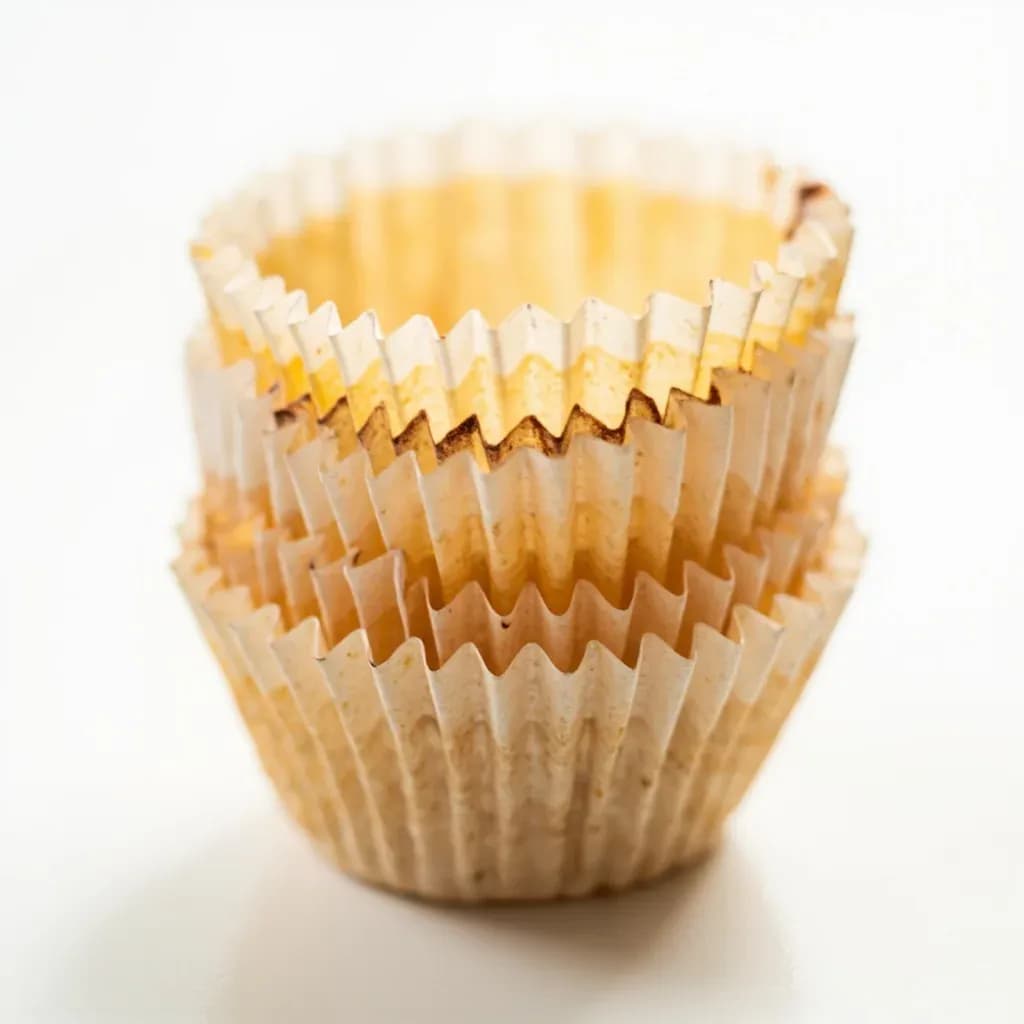
Paper Baking Cup
Pleated paper liner that holds cupcake and muffin batter for clean baking and serving.
Disposable Piping Bag
Single-use cone bag for piping icing, batter, fillings, and purees with a tip.
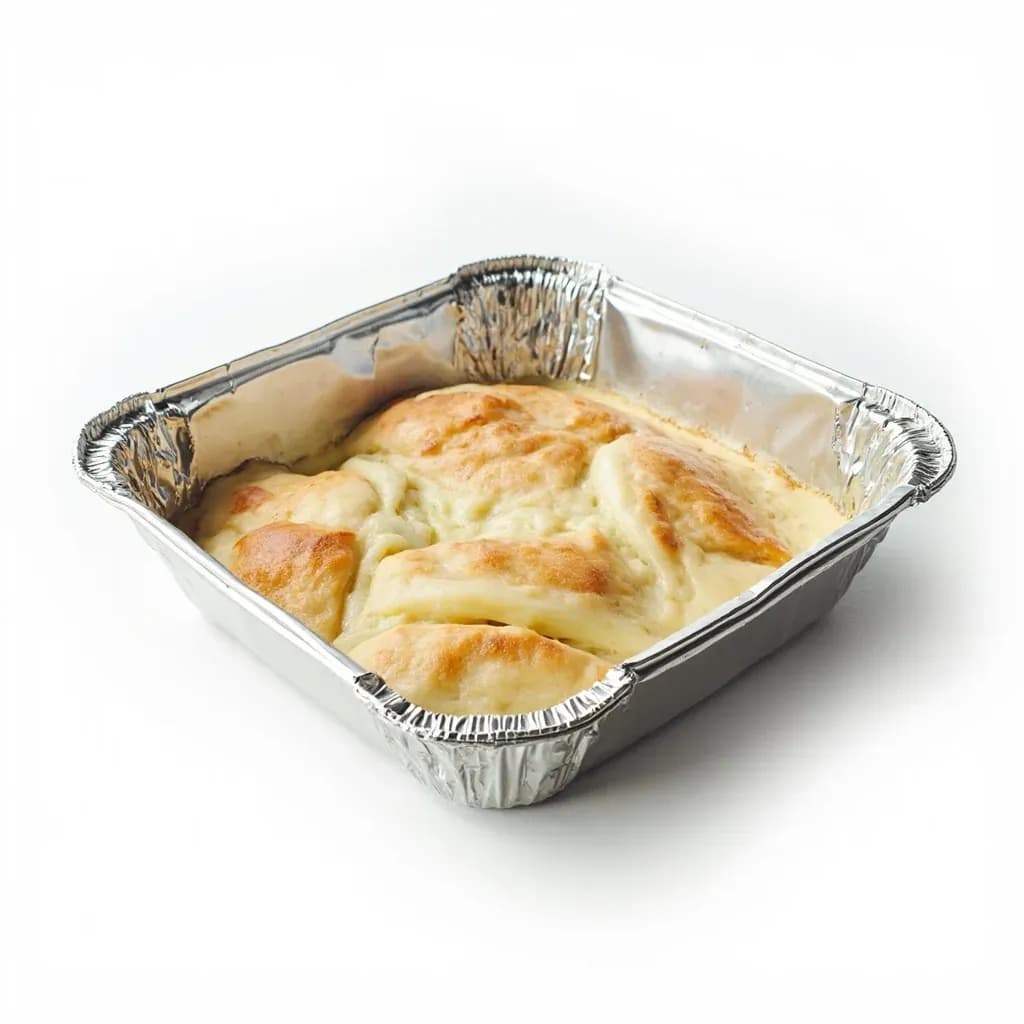
Disposable Aluminum Tray
Single-use foil pan for roasting, baking, and transporting food without cleanup.