Bakeware & Pans
Praline Paper Cup
Small fluted paper cup that holds individual pralines, truffles, and petits fours.
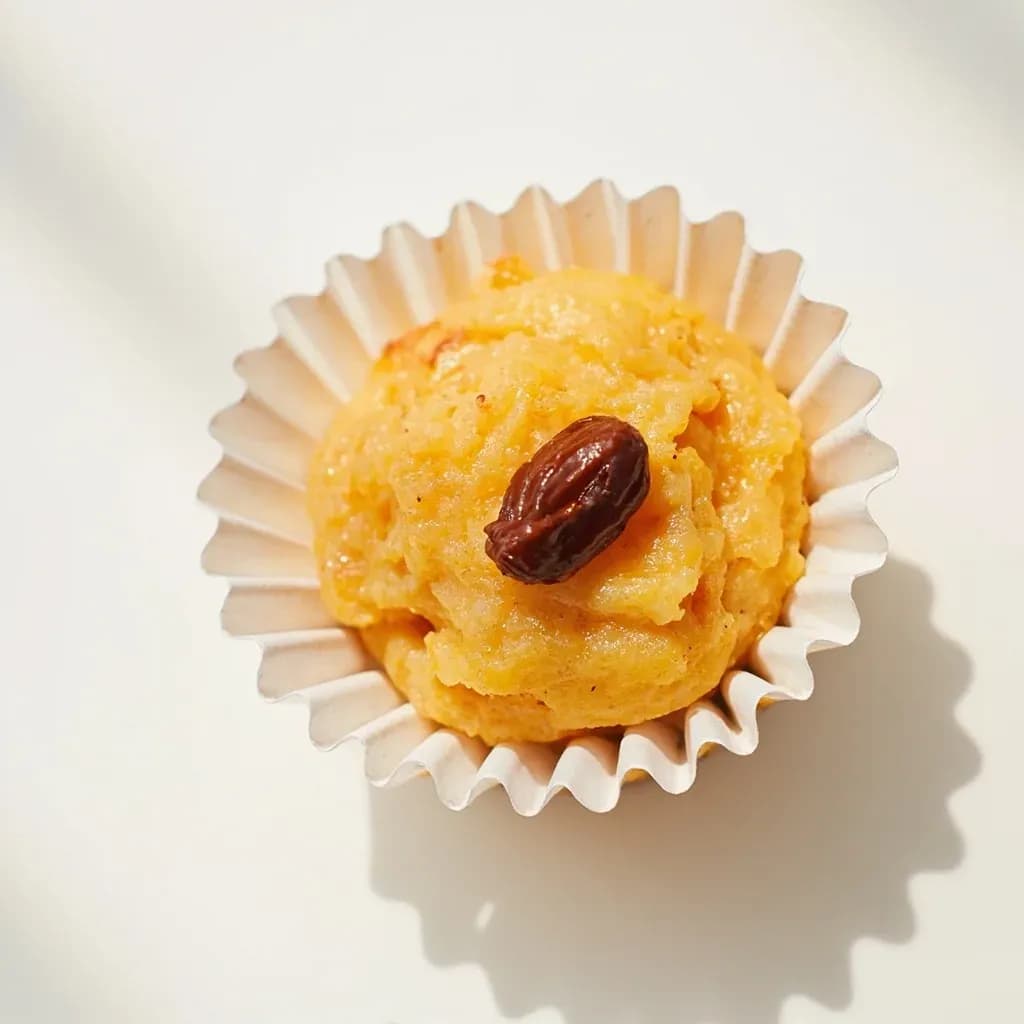
A small fluted paper or foil cup that cradles individual pralines, truffles, chocolates, and petits fours for presentation and packing. It keeps delicate confections from sticking together and gives a tidy, gift-box look. The same small paper cases double as liners for mini tarts and bite-size baked goods.
A praline paper cup is a small, single-use paper receptacle — typically round with vertically fluted (pleated) sides — used to hold individual confections such as pralines, truffles, bonbons, and petits fours. It is a presentation and handling aid rather than a mold: the bonbon is shaped elsewhere (in a polycarbonate mold, by hand-rolling, or by baking) and the cup simply cradles the finished piece on a tray, in a gift box, or on a buffet. Most are made from food-grade paper with a greaseproof or light wax coating to resist cocoa butter and nut oils, and decorative versions carry a metallized foil lining in gold, silver, or copper.
The cup matters more than its modest appearance suggests. In a professional chocolate box, it stops truffles from scuffing against one another, keeps fingerprints off glossy shells, and provides a clean visual frame for each piece. In a bakery or tea service, the same cup dresses up a small financier, a candied nut, or a layered mousse without the cook having to invest in dedicated bakeware. Because the cup is chosen to fit the bonbon, sizing is the most important decision: too wide and the chocolate base shows an empty ring, too tight and the piece is pinched or the cup is crushed.
Paper cups behave differently depending on their lining. Plain greaseproof paper absorbs a small amount of fat over time, which is acceptable for short service but can look greasy after a day on chocolate. Wax-coated and foil-lined cups shed fat cleanly and tolerate refrigeration, which is why they dominate chocolatier assortments. Standard paper cups are not oven-safe and warp in humid storage, so they are best kept sealed, dry, and reserved for room-temperature or chilled fillings.
Alternatives
Types & varieties
The classic vertically pleated paper cup used for truffles and molded pralines.
Pleated paper cup with a metallic foil lining (gold, silver, copper) for a polished, gift-ready finish.
Uncoated or lightly coated paper cup, often natural or white, suited to softer fillings that may release oils.
Very small diameter (around 15–20 mm) for one-bite bonbons, dragées, or sugared almonds.
Deeper, taller fluted cup used for mini tartlets, layered mousses, and individual verrines-style desserts.
Non-round molded paper cups (square, hexagonal, pyramid) for presentation-focused petits fours.
Choosing the Right Cup
Match the cup to the bonbon, not the other way around. The cup should be slightly larger than the piece — enough that the bonbon sits flat and the rim rises just above the base of the shell, not so much that an empty ring shows around the chocolate. For a standard 25–30 mm truffle, a 30–35 mm cup is usually the right pairing. Reserve foil-lined cups for glossy, high-fat work (ganache, nut pralines, buttercream) where bleed-through is a concern, and plain greaseproof cups for drier items such as dragées, candied nuts, or baked petits fours.
- Chocolate truffles and molded bonbons: foil-lined or wax-coated, sized so the cup is roughly 5–10 mm wider than the bonbon.
- Oily nuts and dragées: foil-lined to prevent oil spotting the paper over several hours on a tray.
- Baked petits fours (financiers, mini madeleines): plain greaseproof in white or natural kraft, chosen slightly smaller than the baked base.
- Chilled layered desserts served in the cup: taller corbeille-style fluted cups that hold the height of the dessert without overflow.
Handling and Storage
Paper cups are cheap but easy to ruin with poor handling. Keep them sealed in their original bag until use, store them in a dry cupboard away from heat and steam, and press each cup flat at the base before filling so it sits level on the tray. When packing layered gift boxes, slip a small square of tissue or acetate between stacked cups so chocolate from one cup does not mark the bottom of the next.
- Keep unopened cups in a sealed bag in a dry cupboard; humidity curls the rim and warps the flutes.
- Open the bag only at the point of use, and reseal it between sessions.
- Press the base flat between thumb and forefinger before placing on the tray to stop rocking.
- For multi-tier boxes, separate layers with tissue or a small acetate square to protect the chocolate above.
Common uses
Tips & pitfalls
- Choose greaseproof or wax-lined cups for chocolate work and oily nuts; untreated paper absorbs cocoa butter and develops a greasy sheen.
- Match cup diameter to the bonbon — a 5–10 mm gap is fine, but more than that and the chocolate base shows an empty ring around the truffle.
- Chill the centers briefly before dipping so the chocolate shell sets cleanly; place the finished bonbons in the cup once the shell has firmed up to avoid smearing.
- Do not put standard paper cups in the oven — they will scorch; reserve them for room-temperature or chilled fillings only.
- Pick up cups by the rim, not the fluted sides, to avoid crushing the pleats and leaving a mark on glossy chocolate.
Good to know
- Material
- Food-grade paper, often with a grease-resistant or light wax coating; decorative versions carry a metallized foil lining.
- Shape
- Round base with vertically fluted (pleated) sides; some have a rolled or scalloped top edge.
- Typical base diameter
- Roughly 20–50 mm, with 25–35 mm most common for pralines and truffles.
- Typical height
- About 15–30 mm, depending on size.
- Origin of form
- Adapted by chocolatiers from pleated paper baking cases (patty pans) for individual bonbons.
- Oven safety
- Not oven-safe unless explicitly labeled; intended for room-temperature or chilled use only.
- Disposable
- Single-use.
- Packaging
- Sold in bulk bags or boxes, commonly 100, 250, 500, or 1,000-count.
Also called
Paper Tart Cup Liner · Praline Cup · Petit Four Case · Candy Cup
Related

Baking Sheet
Flat rimmed tray for cookies, roasts, and sheet dinners

Cooling Rack
Wire grid that lets bakes and fried food breathe

Muffin Tin
Multi-cup pan for muffins, cupcakes, and egg cups

Cake Pan
Round pan for even-baking layer cakes

Loaf Pan
Rectangular pan for bread, banana loaf, and terrines

Proofing Basket
Rattan banneton that shapes and marks rising dough
Paper Baking Cup
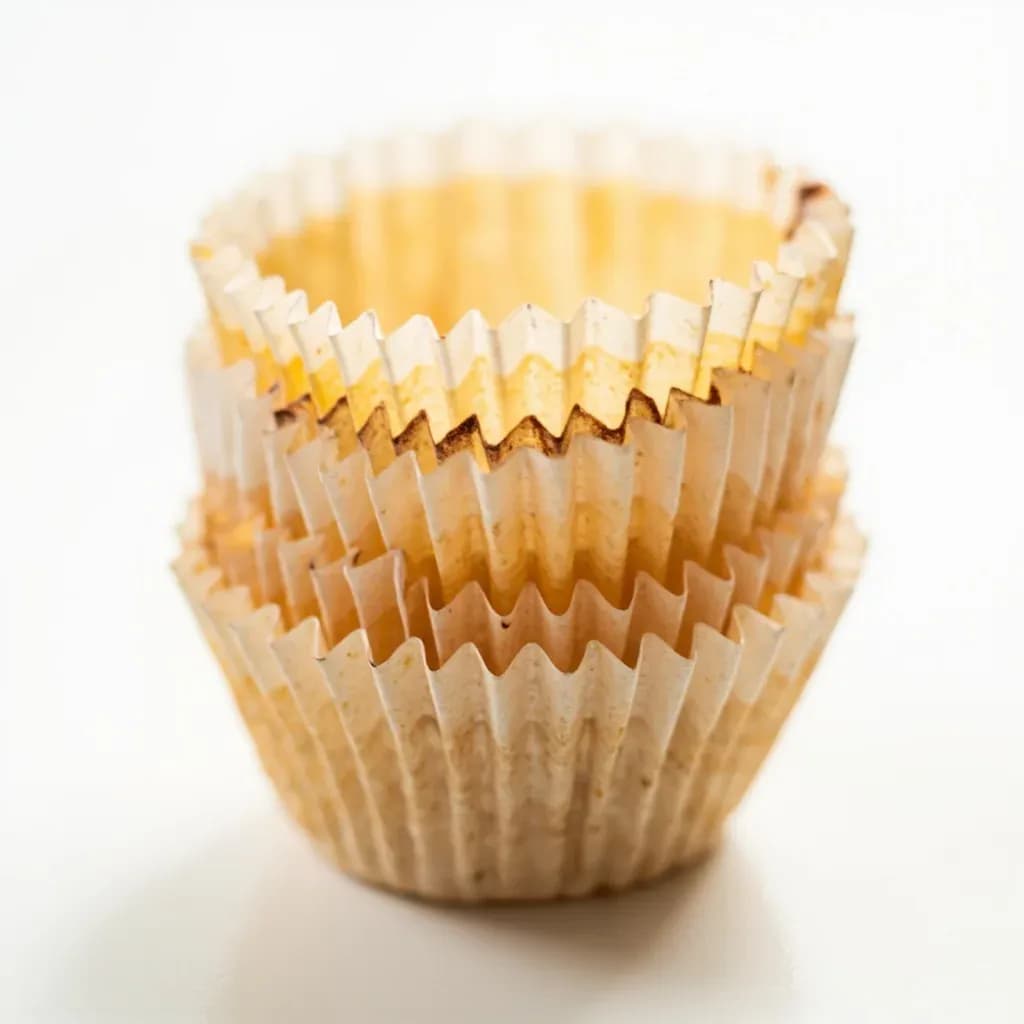
Pleated paper liner that holds cupcake and muffin batter for clean baking and serving.
Disposable Piping Bag
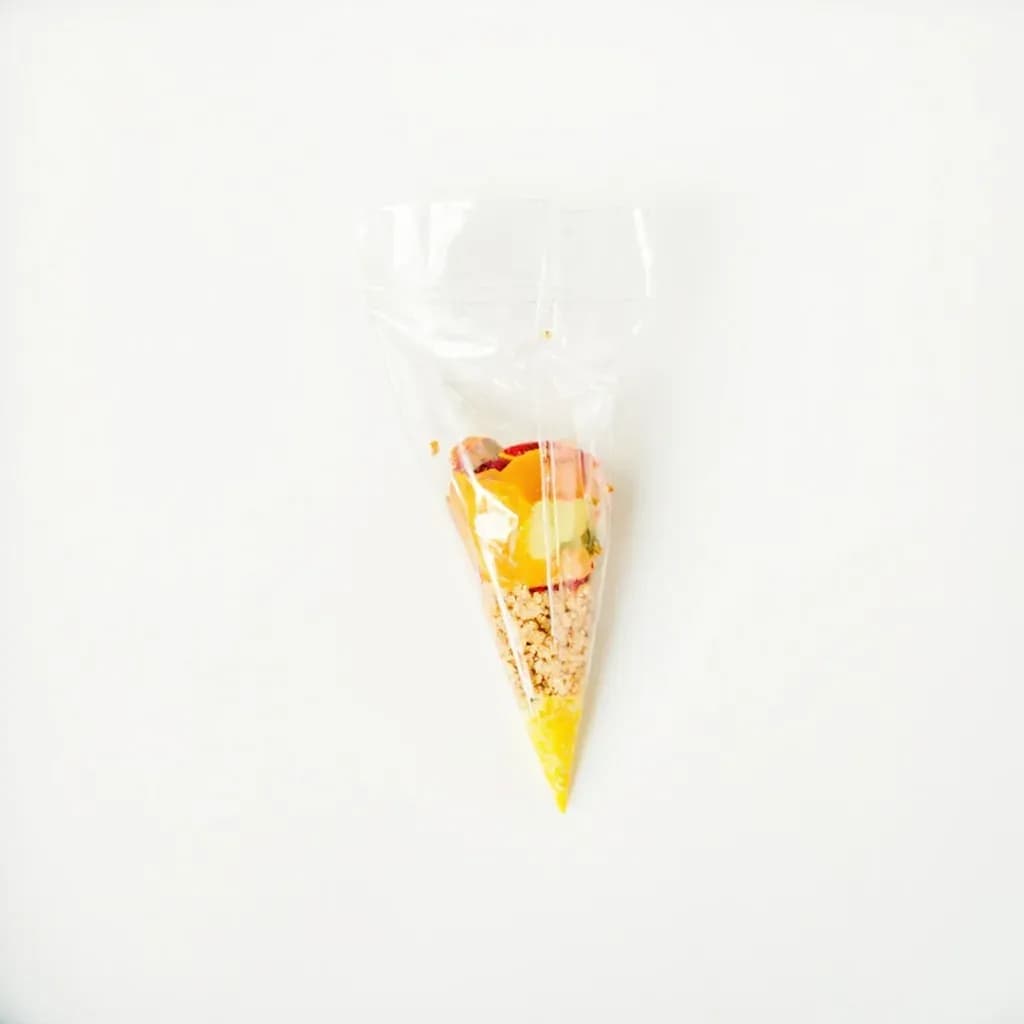
Single-use cone bag for piping icing, batter, fillings, and purees with a tip.