Heat & Safety
Smoking Sawdust
Fine flavor-wood dust that smolders to cold-smoke fish, cheese, and salt.
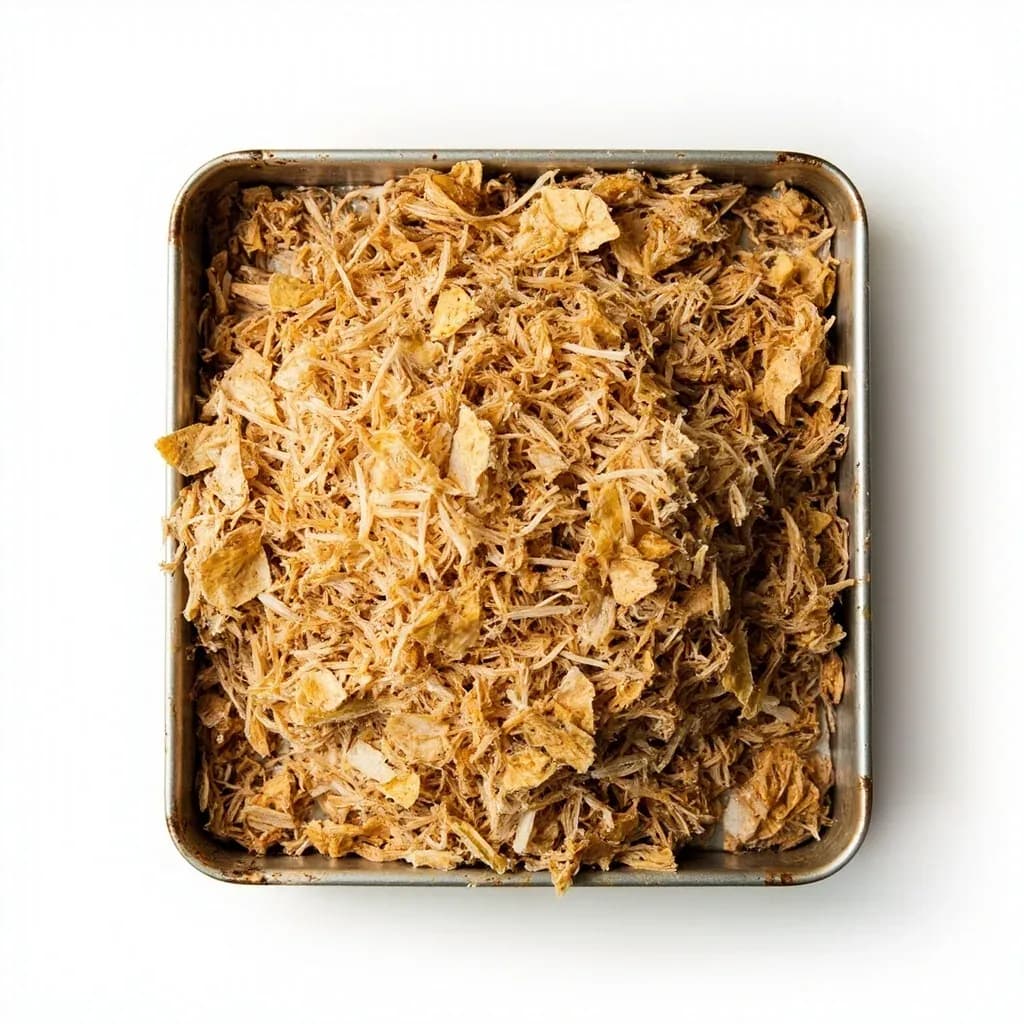
Smoking sawdust is finely ground hardwood that burns slowly with low heat, making it ideal for cold smoking delicate foods like cheese, fish, and salt. It is loaded into a smoke generator or tray where it smolders rather than flames. The fine grain produces a steady, gentle stream of smoke over long periods.
Smoking sawdust is finely milled hardwood, typically graded under 2 mm, sold as a loose powder or fine granules in food-grade form. It is a by-product of furniture and flooring mills, separated at source from any treated, glued, or painted stock so that the smoke it produces is safe around food. Most commercial dust is kiln-dried to around 6–10% moisture, the range in which it smolders cleanly rather than flaming or going acrid.
The product fills a specific niche in smoking. Wood chips (3–10 mm) smolder unevenly and burn out within minutes; compressed pellets are dense, designed for hot electric smokers, and smother in a true cold-smoke generator. Fine dust packs tightly enough to hold an ember for 6–12 hours per load while admitting just enough air to keep a thin, cool smoke flowing. That makes it the standard fuel for tower-style cold smoke generators and for cylindrical maze tubes dropped into gas or charcoal grills, both engineered to feed smoldering dust rather than burning chunks.
Because cold smoking takes place below roughly 30 °C (85 °F), it imparts smoke flavor without cooking, and is almost always paired with a salt cure, nitrite, or acid for fish and meat, or with a low-moisture food like cheese, salt, or butter. The species of wood, the dryness, and the airflow through the generator do nearly all of the work; the dust itself contributes no texture to the food.
Alternatives
Types & varieties
Mild, faintly sweet; classic with oily fish, poultry, and pork loin
Mild with a sweet edge; gives a warm reddish-mahogany tint to salmon and ham
Delicate, clean smoke; the traditional Pacific Northwest choice for salmon
Lightly sweet and gentle; suits poultry, ham, cheese, and butter
Clean, neutral, slightly sweet; a European charcuterie standard and a reliable reference wood
Medium intensity, all-purpose; reads as 'classic' in sausages, brisket, and cheese
Strong, bacon-like; bold smoke for red meat and pork shoulder
Rich, nutty, slightly sweeter than hickory; good with poultry and cheese
Intense, earthy, slightly bitter; best in short bursts for steak or used sparingly in blends
Soft fruit-wood character, often blended with oak for cheese and white fish
Commercial mixes aimed at specific profiles; check the species list on the label before assuming a single-wood flavor
How it differs from chips and pellets
Smoking sawdust sits in a gap that other wood fuels do not fill well. Chips and chunks need a lot of oxygen and a hot bed of coals to smolder; in a cold smoker with no heat source, they go out within minutes. Pellets are the opposite problem: they are compressed under high pressure and were designed to drop into a hot pot in an electric or pellet smoker, where they smolder predictably at 100–200 °C. Drop the same pellet into a cold smoke generator and it tends to choke itself or burn through in a few minutes rather than lasting a session. Fine dust threads the needle — loose enough to admit air, but with particles small enough to stay in contact and hold an ember for many hours at room temperature. This is why dedicated cold smoke generators and maze tubes are sized and vented for dust, not pellets, and why substituting one for the other usually ends in an extinguished or flaming load.
Choosing a wood for the job
Match intensity to the food's delicacy and fat content. Strong woods (hickory, mesquite) carry well into red meat and hard cheeses; soft woods (alder, apple, maple, cherry) read clearly on fish, poultry, butter, and fresh cheese without overwhelming them. Fruit woods (cherry, plum, pear) also contribute color, which matters for salmon and ham. As a working rule: the lighter the food, the milder the wood, and the longer the exposure, the more the wood matters — a 24-hour salmon smoke with mesquite will taste like a campfire, while the same time on alder will taste like a Pacific coast smokehouse.
- Delicate foods (white fish, mozzarella, butter) → alder, maple, apple, pear
- Oily fish and poultry → cherry, alder, apple, pecan
- Pork and ham → apple, cherry, hickory, maple
- Red meat and sausage → oak, hickory, mesquite (in short bursts)
- Cheese aged or hard → oak, beech, pecan, cherry
Common uses
Tips & pitfalls
- Keep the dust bone-dry — even slightly damp sawdust will not smolder and produces black, bitter smoke
- Load only the chamber size recommended by your generator; overfilling starves oxygen and extinguishes the smolder within minutes
- Light the dust at the corner or edge of the pile, not in the centre, so the ember spreads slowly across the load
- Run the smoke outside or into a covered, ventilated chamber; never in a kitchen or an unventilated room, and avoid breathing the smoke directly
- Remember that cold smoking does not cook food — pair it with a salt cure, nitrite, or acid marinade for fish and meat to keep it safe at low temperatures
- Stagger lighter and sawdust layers in tube-style maze generators so smoke begins within a few minutes rather than after the dust is fully ignited
- Avoid softwoods such as pine, spruce, and fir — their resins flare and give a harsh, kerosene-like flavor
- Buy only from suppliers that state 'food grade' or 'untreated hardwood' on the label; industrial sawdust is frequently contaminated with glues, finishes, or preservatives
- Store opened bags in an airtight tin with a desiccant sachet; humidity between sessions is the single most common reason a generator fails to light
- Match wood to food intensity — hickory or mesquite on cheese or white fish will dominate, while alder or apple on brisket will vanish
Good to know
- Material
- Finely milled hardwood, typically graded under 2 mm particle size
- Form
- Loose powder or fine granules, sold by weight (commonly 250 g to 2 kg)
- Moisture content
- Kiln-dried to roughly 6–10% for clean smoldering
- Burn profile
- Smolders for 6–12 hours per load in a dedicated generator, producing cool, thin smoke under ~30 °C (85 °F)
- Yield
- Roughly 50–100 g of dust per hour of smoke, depending on airflow and generator design
- Compatible equipment
- Tower cold smoke generators (ProQ, Smoke Daddy, Camerons), maze smoke tubes for gas and charcoal grills, and cold-smoke attachments for electric smokers
- Not the same as
- Smoking pellets (compressed, designed for hot smokers) or wood chips (3–10 mm, which smolder unevenly and burn out quickly)
- Storage
- Airtight tin or resealable bag, kept dry; humidity is the most common cause of smoldering failure
- Safety
- Never use sawdust from construction lumber, pallets, or treated wood — adhesives, varnishes, and preservatives release toxic fumes when burned
Also called
Smoking Sawdust / Wood Chips · Saw Dust Catch Bag · Cold Smoke Dust
Related

Paper Towels
Disposable sheets for spills, drying, and patting dry

Kitchen Towels
Reusable cloths for drying, gripping, and wiping

Oven Mitts
Heatproof gloves to handle hot pans and trays safely

Disposable Gloves
Single-use gloves for safe, mess-free handling

Cleaning Cloths
Reusable cloths for wiping counters and spills

Tortilla Warmer
Insulated holder that keeps tortillas warm and soft

Trivet
Heatproof stand that shields surfaces from hot pots

Ice Bath Setup
Bowl of ice water that halts cooking and sets color