Appliances & Heat
Electric Cooktop
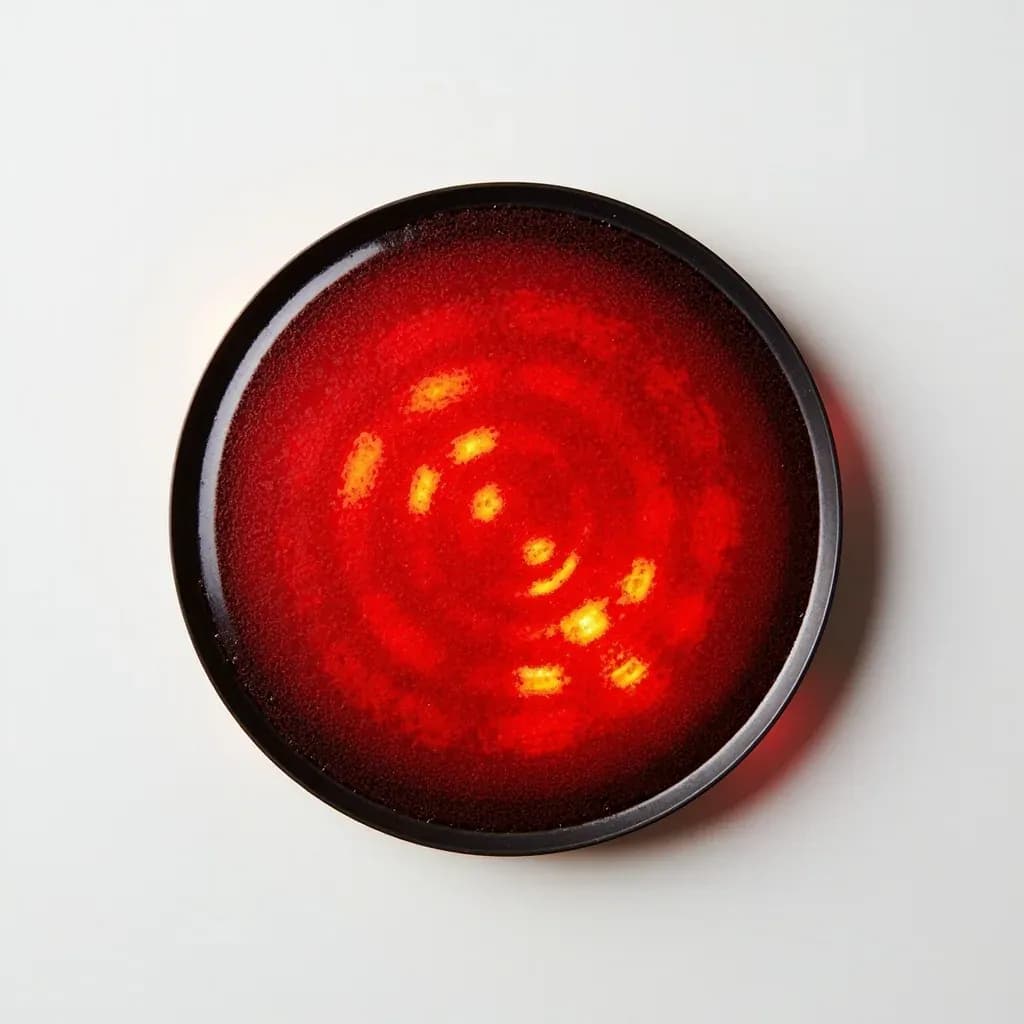
Cooktop with electric coil or radiant elements that heat cookware by conduction.
An electric cooktop heats food using resistive coil elements or radiant elements beneath a ceramic-glass surface. It needs no gas line and provides even, steady heat, though it responds more slowly to adjustments than gas or induction. Coil versions are inexpensive and durable, while smooth-top radiant versions are easier to clean.
An electric cooktop is a stationary cooking surface that uses electrical resistance — and, in the case of induction, electromagnetic excitation — to heat pots and pans in direct contact with it. Unlike gas, which transfers heat through a flame, an electric cooktop passes current through a heating element (a coiled wire, a halogen lamp, or a copper induction coil beneath a glass-ceramic panel) and then conducts that heat into the cookware. This makes it a sealed, low-ventilation appliance well suited to open kitchens, small apartments, and any setting where gas hookups are impractical or unwelcome.
What defines cooking on an electric cooktop is its thermal personality. Resistance elements (coils and radiant glass) heat slowly and cool slowly, so a knob turn to "medium" is really a promise the surface will eventually arrive there. Induction behaves differently: the pan base becomes the heat source, warmth arrives within seconds, and adjustments feel almost gas-like. Either way, the surface is a flat plane that demands flat pans — warped, ridged, or concave bottoms simply will not transfer heat efficiently.
The practical trade-offs are efficiency, responsiveness, and cookware. A glass-ceramic radiant top transfers roughly 60–70 percent of its energy to the food, while an induction top moves 80–90 percent. Induction also keeps the surrounding surface cool, but it refuses to heat anything that is not ferromagnetic, ruling out bare aluminum and copper. Choosing between them is a question of cooking style: forgiving and slow, or fast and precise.
Alternatives
Types & varieties
Tubular metal coils seated in recessed drip pans; the least expensive type, slow to heat and slow to cool, and the easiest to repair because the coils lift out.
Sealed cast-iron plates common on older European ranges; very sluggish to respond to knob changes, prized for steady simmering.
A smooth glass surface over coiled resistance elements; easy to wipe clean but demands flat pans and gentle cleaners.
Glass surface heated by halogen lamps that radiate intense infrared; very fast preheat, but largely superseded by radiant and induction designs.
An oscillating magnetic field excites ferrous cookware directly; the pan heats while the surface stays nearly cool, giving the responsiveness of gas with the highest efficiency in the category.
Variable-zone burners that match pan footprint for small saucepans, oval fish kettles, or rectangular griddles.
Reading the power curve of a radiant element
A common surprise for cooks moving from gas to electric is that the numbered settings on a knob do not represent equal jumps in heat. Most infinite switches are non-linear: setting 9 (or "High") is full power, setting 5 is often closer to 60–70 percent, and settings 1–3 are tiny increments of low heat used for keeping things warm. Learning where your personal stove lands for a true simmer — usually somewhere between 2 and 4 on a 10-step dial — is the single biggest adjustment to making electric cooking feel natural. A drop of water on the surface is the fastest test: it should bead and skitter in a tight ball (too hot), glide smoothly (medium), or sit still and slowly steam (simmer).
Induction: a closely related branch
Although induction cooktops are sold in the same appliance aisle and use the same 240V supply as resistance models, the technology is fundamentally different. A high-frequency alternating current passes through a copper coil beneath the glass, producing a magnetic field that induces eddy currents in the pan base, which then resistively heat the metal. The cooking surface itself warms only from the pan above it, which is why induction tops stay cool enough to touch seconds after a pan is removed.
For cooks, the practical consequences are four: response time is nearly instant; energy bills drop because almost all the wattage goes into the food; the kitchen stays cooler; and the stove is safe to wipe down immediately after cooking. The single non-negotiable is cookware — a magnet must cling firmly to the base. Cast iron, enameled steel, and clad stainless with a magnetic layer all qualify; bare aluminum and copper will not heat at all, and tri-ply pans without a ferromagnetic base will be ignored by the field.
- Test compatibility by seeing if a fridge magnet sticks to the pan base.
- Expect the fan inside the cooktop to run briefly after a burner shuts off — it cools the electronics, not the pan.
- Use a small saucepan on the smallest element; a 10-inch pan on a 6-inch zone will cycle on and off and scorch food in the center.
Common uses
Tips & pitfalls
- Match pan diameter to element diameter: an overhanging pan wastes energy and can trap heat against the glass-ceramic, while an undersized pan scorches in the middle and leaves a ring of unused burner.
- Keep pan bottoms flat, clean, and dry. Warps, a film of salt, or a crust of burnt-on food can noticeably reduce heat transfer on a smooth top.
- Never put a cold, wet pan on a hot glass-ceramic surface — the thermal shock can crack the glass. Preheat gently, and lift (don't slide) heavy cast iron to avoid scratches.
- Use only ceramic-cooktop–rated cleaners and non-scratch pads. Regular scouring powder, SOS pads, and oven cleaner will permanently haze a glass top.
- Wipe sugary spills (jam, caramel, fudge, syrup) off while the surface is still warm, before they cool and fuse to the glass — once bonded, they can pit the surface and require a razor scraper to remove.
- After cleaning a smooth top, buff on a thin layer of ceramic cooktop conditioner or polish; it leaves a protective film that makes future spills easier to lift and helps hide fine scuffs.
- On a coil stove, pull out the drip pans every few weeks and clean beneath them. Spillover baking onto the pan is the leading cause of smoke and bad smell on an electric range.
- Use the residual-heat indicator light as a free warming zone — turn the burner off a few minutes early, and the stored heat will finish rice, melt butter, or keep a sauce at serving temperature.
- For induction, a low-power simmer element or a diffuser ring gives much finer control than a high-wattage burner turned down; a 3,000-watt element at setting 1 still cycles on with full power for short bursts.
Good to know
- Power source
- Electric, typically 240V in North America and 220–240V in most of Europe and Asia
- Heating principle
- Electrical resistance heating for coil and radiant models; electromagnetic induction for induction models
- Element sizes
- Common diameters of 6, 8, and 9 inches (15–23 cm), with dual-ring, oval, and expandable zones on many smooth-top models
- Surface materials
- Stainless steel drip pans with exposed coils, or a glass-ceramic panel (such as Schott Ceran) over radiant or halogen elements
- Controls
- Knob with an infinite switch, or electronic touch controls with numbered power levels
- Energy efficiency
- Roughly 60–70% for radiant/glass tops, 80–90% for induction
- Cookware requirement
- Flat-bottomed pans for all types; ferromagnetic (cast iron or magnetic stainless) for induction only
- Origin
- Electric resistance stoves patented in the 1880s–1890s; consumer induction cooktops first sold in the U.S. in the late 1980s
Also called
Electric Cooktop · Electric Hob · electric coil stove · electric hob
Related

Stovetop
The everyday burners where most cooking actually happens

Oven
Enclosed dry heat for roasting, baking, and braising

Grill
Live-fire or gas grates for char, smoke, and high heat

Smoker
Low, slow heat and wood smoke for barbecue and brisket

Air Fryer
Countertop convection that crisps with little or no oil

Slow Cooker
Set-and-forget low heat for stews, beans, and braises

Pressure Cooker
Sealed steam pressure that cooks tough food in a fraction of the time

Rice Cooker
Foolproof, perfectly steamed rice every single time