
Transform & Preserve
Deglaze
Loosen the browned pan bits with liquid to capture pure flavor
Deglazing pours liquid into a hot pan after searing and scrapes up the browned fond stuck to the bottom — the most flavorful part. It's the first move in building a pan sauce. Use wine, stock, or water, and scrape with a wooden spoon while the liquid bubbles.
Deglazing rescues the most flavorful thing in the pan: the fond, those browned, sticky bits left behind after searing meat or sautéing vegetables. They're concentrated Maillard flavor glued to the metal, and a splash of liquid dissolves them and lifts them back into a sauce. It's the very first move in building a pan sauce — pour in wine, stock, or water, then scrape with a wooden spoon as the liquid bubbles and the fond melts in. What looked like a mess to scrub turns into the soul of the sauce.
- Difficulty
- Easy
Types & varieties
Wine lifts the fond and adds acidity and depth; reduce to cook off the raw alcohol.
Broth or stock for a savory, alcohol-free base — gentler and family-friendly.
A splash of acid for brightness and to cut through rich, fatty fond.
Malty or fruity liquids for braises and hearty sauces.
How to do it
- 1
Remove the food
Take the seared meat or vegetables out, leaving the browned fond stuck to the pan.
- 2
Pour off excess fat
Drain most of the fat but keep the fond — that's the flavor you're after.
- 3
Add the liquid
With the pan still hot, pour in your deglazing liquid; it should hiss and bubble immediately.
- 4
Scrape up the fond
Drag a wooden spoon across the bottom, loosening every browned bit into the bubbling liquid.
- 5
Reduce
Let the liquid simmer and reduce, concentrating the dissolved fond into a flavorful base.
- 6
Finish the sauce
Mount with butter, add cream or herbs, and season to build the finished pan sauce.
Why the fond matters
Fond is the caramelized residue of proteins and sugars left when food browns against a hot pan — pure, concentrated Maillard flavor. It sticks because it's dried onto the surface, but it's water-soluble, so liquid dissolves it instantly. Deglazing transfers all that flavor from the pan into the sauce, which is why a quick pan sauce can taste like it took hours.
Common uses
Tips & pitfalls
- Deglaze while the pan is still hot — cold fond is harder to lift.
- If using wine, let the alcohol cook off before tasting or adding cream.
- A flat-edged wooden spoon scrapes corners best.
- Even plain water deglazes fine if you have no wine or stock.
- Don't deglaze a burnt pan — bitter fond ruins the sauce.
Good to know
- When
- Right after searing/sautéing, while the fond is hot and the pan is empty of food
- Liquid
- Wine, stock, broth, water, vinegar, or beer — about ½ cup to start
- Tool
- A wooden spoon to scrape without scratching
- Drain fat first
- Pour off excess fat but keep the browned fond
- Next step
- Usually reduce, then enrich or mount with butter
Also called
deglazing
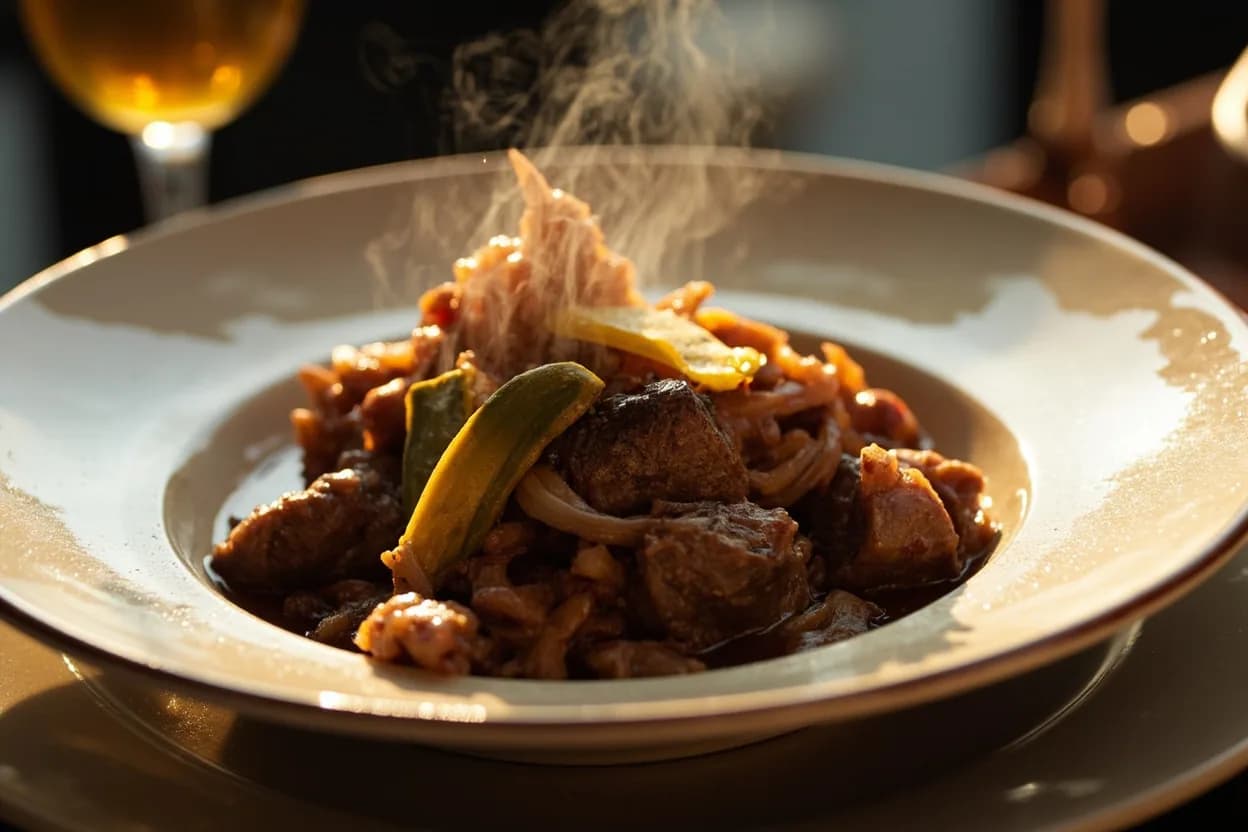
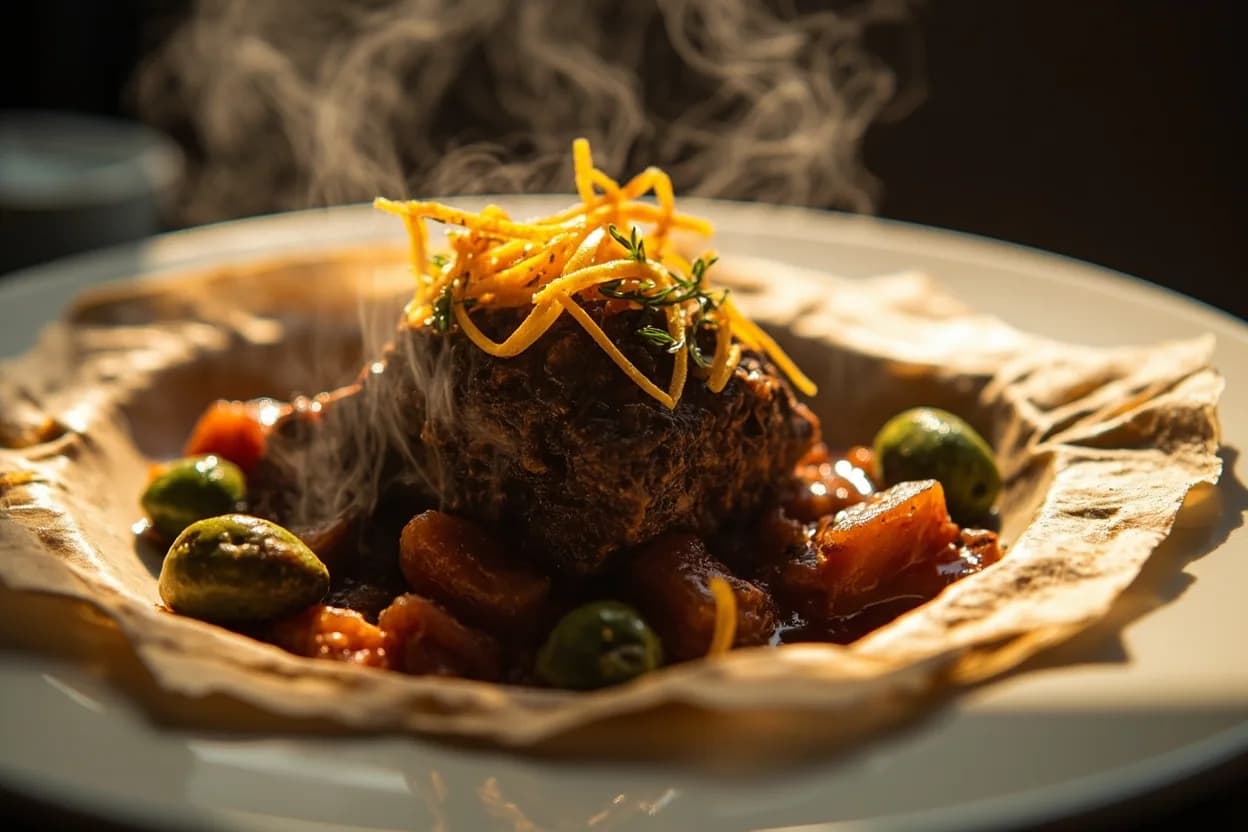
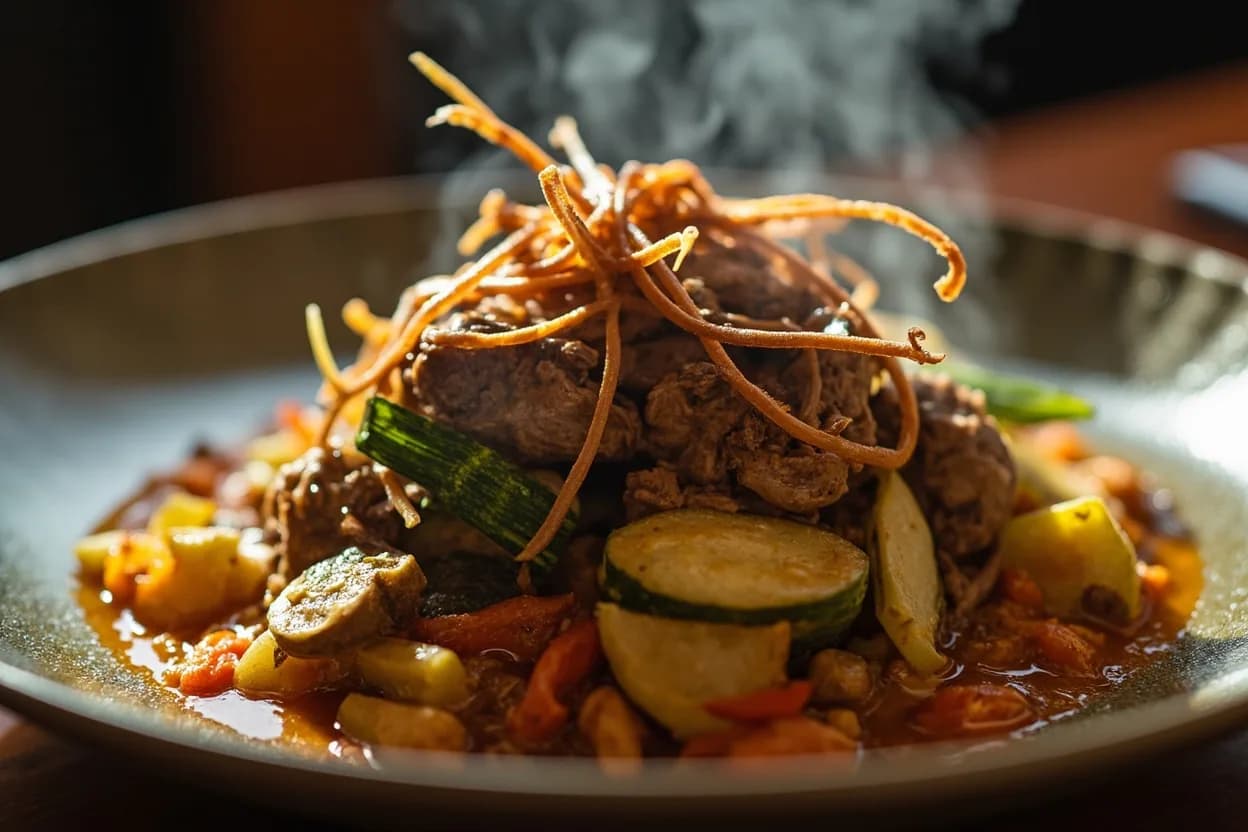
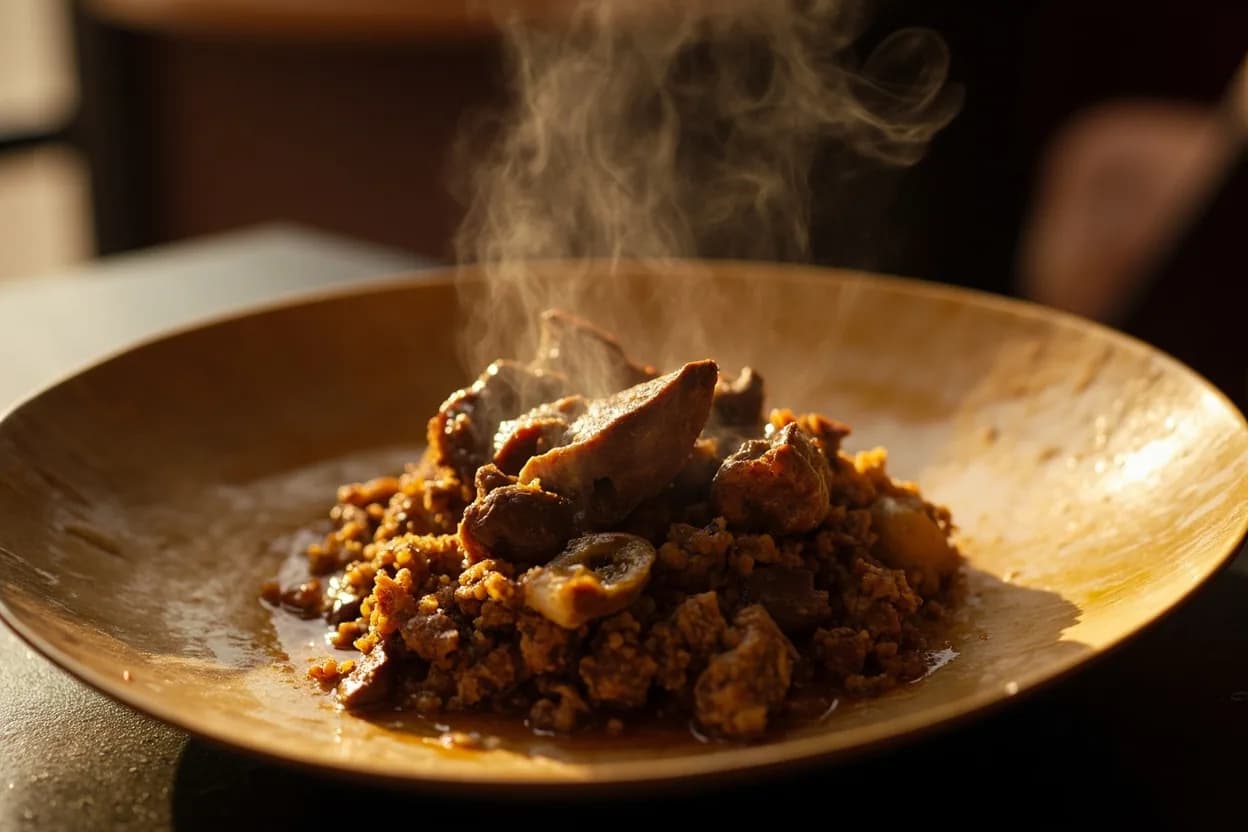
Dishes that rely on it
Related

Confit
Cook slowly submerged in fat for silky tenderness and keeping

Cure
Draw out moisture with salt and time to preserve and concentrate

Pickle
Steep in acidic brine for bright, tangy, crunchy preservation

Ferment
Let friendly microbes transform food into tangy, complex flavor

Marinate
Soak in a seasoned mix to flavor and tenderize before cooking

Brine
Soak in salt water so meat stays juicy and seasoned throughout

Dehydrate
Slowly dry out moisture to concentrate flavor and extend shelf life

Cold-Smoke
Perfume cured food with smoke without cooking it through