
Transform & Preserve
Cold-Smoke
Perfume cured food with smoke without cooking it through
Cold-smoking exposes already-cured food to smoke at low temperatures so it takes on flavor without actually cooking. It's how smoked salmon, cheese, and bacon get their perfume. Temperature control is critical — too warm and you've entered the food-safety danger zone.
Cold-smoking flavors food with smoke without cooking it. The food sits in a chamber kept cool — below about 30 °C — while smoke from smoldering wood drifts over it, depositing aromatic and lightly antimicrobial compounds over hours. Because the temperature never rises enough to cook, the food must already be cured: cold-smoking is the finishing perfume on smoked salmon, bacon, cheese, and charcuterie, not a standalone cook. Temperature control is everything; let the chamber creep into the bacterial danger zone with uncooked food inside and you're courting trouble.
- Difficulty
- Advanced
Types & varieties
Cured salmon smoked cool until silky and translucent, sliced paper-thin.
Hard cheeses smoked cool for a few hours, then rested to mellow.
Cured pork belly cold-smoked for flavor before later cooking.
Dry or solid items smoked cool to carry smoke into seasonings and spreads.
How to do it
- 1
Cure thoroughly
Salt-cure the meat or fish completely first — cold smoke adds flavor, not safety, so the cure must do the preserving.
- 2
Form a pellicle
Air-dry the cured food in the fridge until the surface turns tacky; smoke adheres to this pellicle far better.
- 3
Set up cool smoke
Generate smoke from a separate firebox or a cold-smoke tube/pellet maze so heat stays away from the food.
- 4
Hold low temperature
Keep the chamber below 30 °C, working in cool weather or with ice if needed to stop the food from cooking.
- 5
Smoke in stages
Smoke for a few hours, tasting or resting between sessions; flavor builds and can quickly become acrid.
- 6
Rest before serving
Let cheese and meats rest, ideally a day, so the harsh fresh-smoke edge mellows into roundness.
Smoke without heat
In cold-smoking the wood smolders in a separate compartment so only cooled smoke reaches the food. The smoke deposits phenols and other compounds that flavor the surface and offer mild antimicrobial and antioxidant effects, but it does not raise the internal temperature enough to cook or pasteurize. That's why the cure has to be complete before the food ever sees smoke.
Safety
This is the riskiest preservation technique to attempt at home — treat it seriously. Because cold-smoking holds food for hours at 15–30°C, squarely in the bacterial danger zone, and the smoke neither cooks nor pasteurizes it, the food MUST be fully cured (salt/nitrite, adequate water-activity reduction) BEFORE it ever sees smoke.
- Always fully cure meat and fish (with appropriate nitrite cure for slow-dried products) before cold-smoking; the smoke alone will not make food safe. Do not cold-smoke uncured food.
- Hold the chamber below ~30°C — anything warmer drifts into the danger zone where bacteria multiply on uncooked food.
- Cold-smoked fish (e.g. smoked salmon) is a known Listeria monocytogenes vehicle — pregnant, elderly, infant, and immunocompromised people should avoid ready-to-eat cold-smoked fish unless it is cooked.
- Use sushi-grade or previously frozen fish for cold-smoked salmon to control parasites.
- Refrigerate finished cold-smoked products at or below 4°C, observe use-by dates, consume within a few days, or freeze.
Common uses
Tips & pitfalls
- A pellet smoke tube turns any grill or box into a cold smoker.
- Smoke cheese on a cool day or over a tray of ice to keep it from sweating.
- Under-smoke rather than over — acrid smoke can't be undone.
- Always let smoked food rest before tasting; fresh off the smoke is harshest.
- A dry pellicle is the difference between smoke that clings and smoke that slides off.
Good to know
- Temperature
- Below ~30 °C (85 °F) — cool enough not to cook
- Cure first
- Meat and fish must be salt-cured before cold-smoking
- Time
- A few hours for cheese; several hours to a day for salmon and bacon
- Wood
- Mild fruit or alder for fish; hickory/oak for bacon
- Best season
- Cool weather — easier to hold a low chamber temperature
Also called
cold smoking
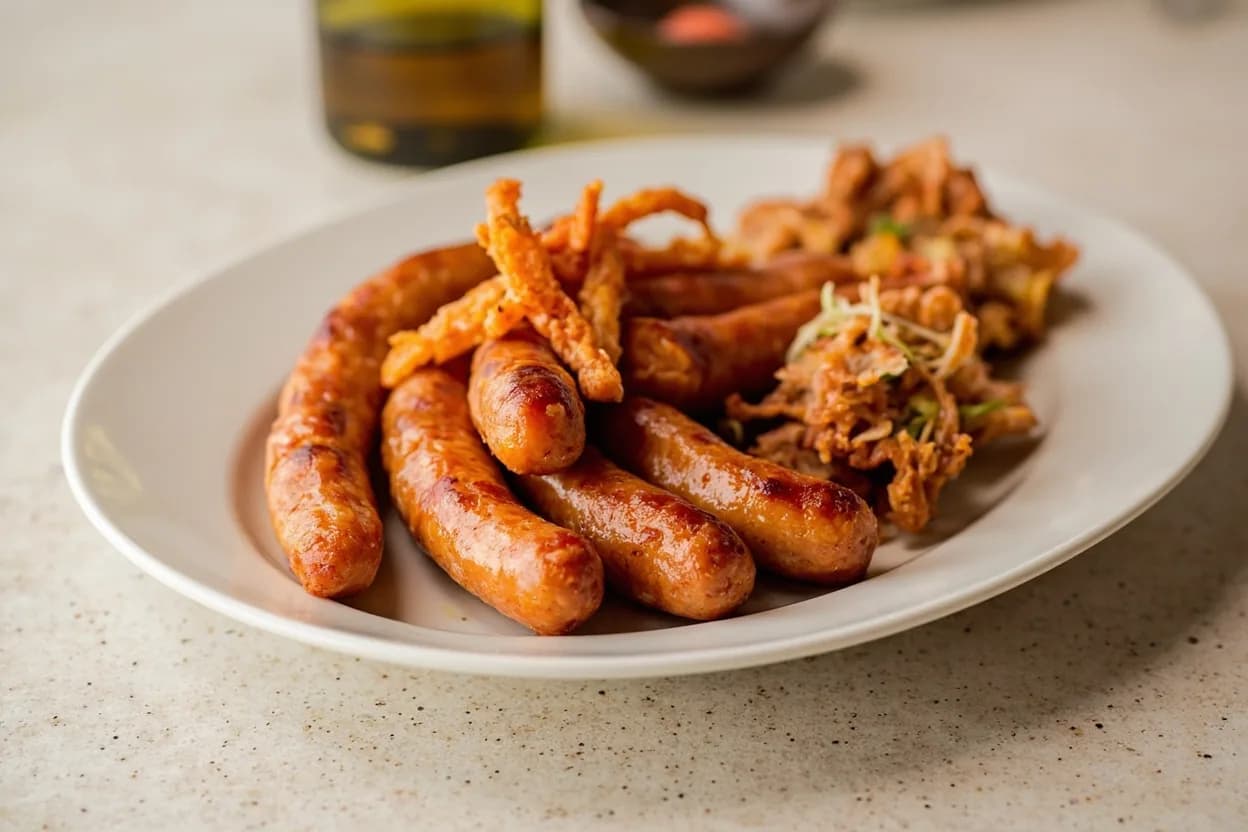
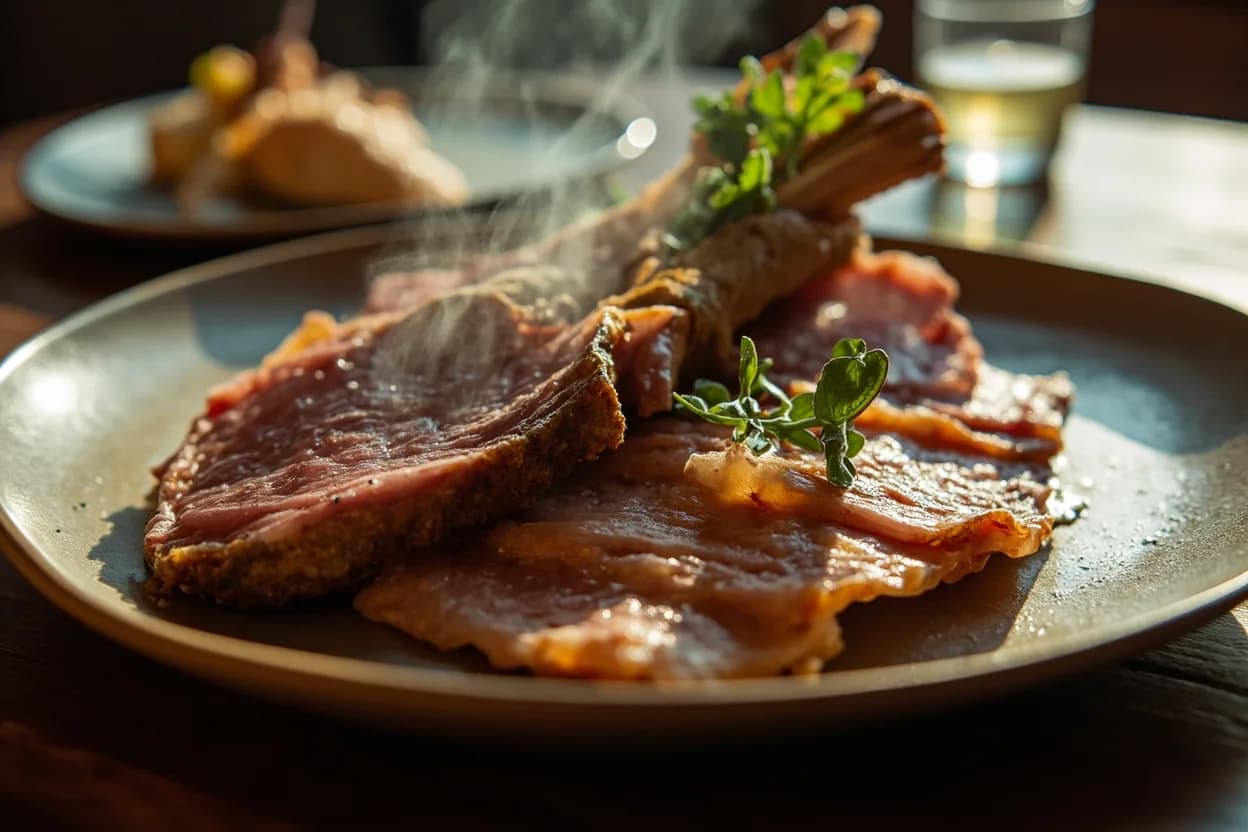
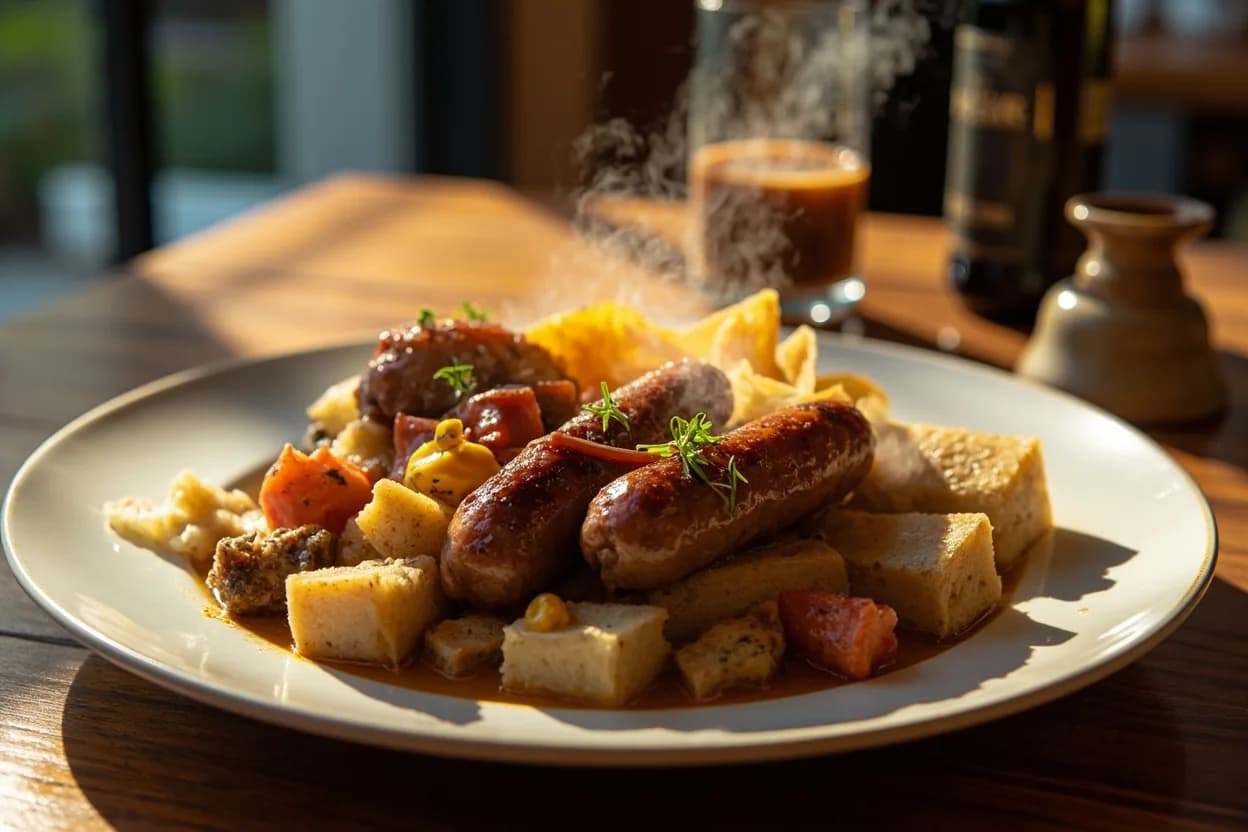
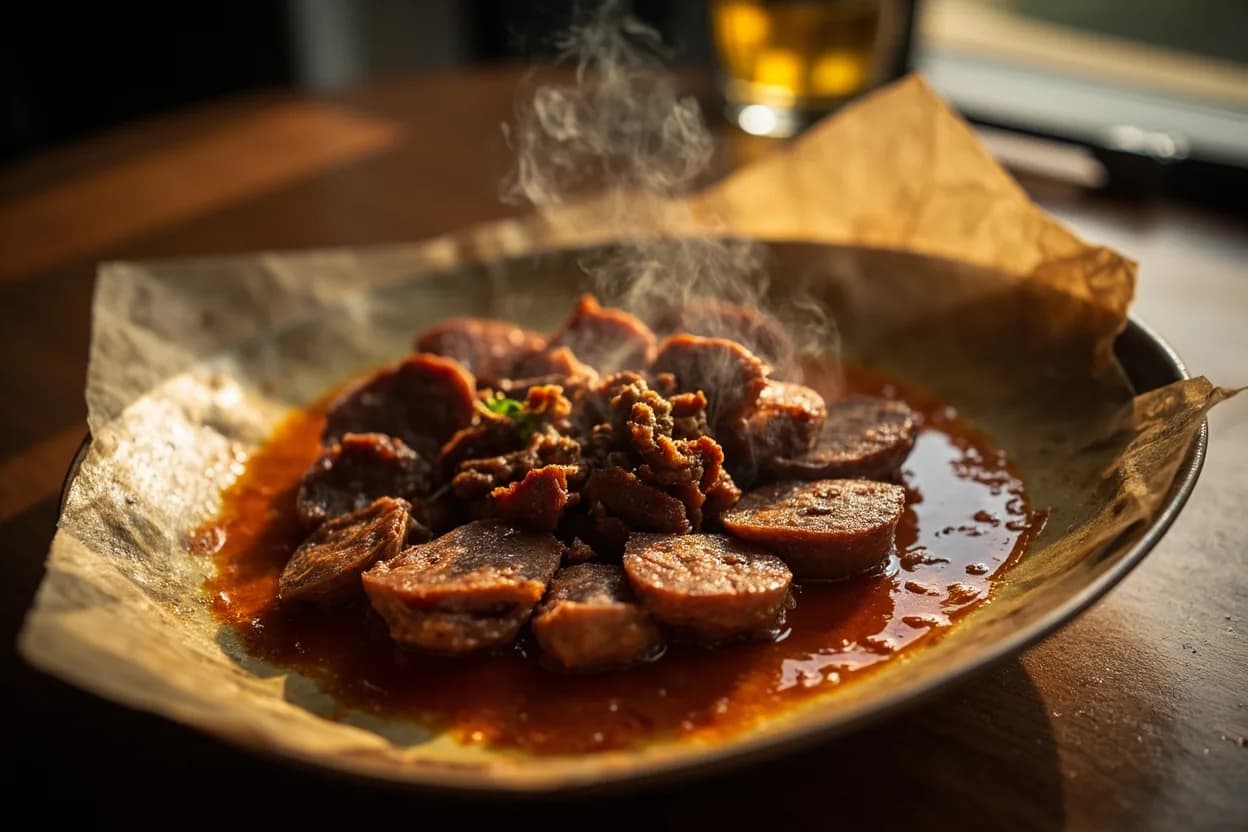
Dishes that rely on it
Related

Confit
Cook slowly submerged in fat for silky tenderness and keeping

Cure
Draw out moisture with salt and time to preserve and concentrate

Pickle
Steep in acidic brine for bright, tangy, crunchy preservation

Ferment
Let friendly microbes transform food into tangy, complex flavor

Marinate
Soak in a seasoned mix to flavor and tenderize before cooking

Brine
Soak in salt water so meat stays juicy and seasoned throughout

Dehydrate
Slowly dry out moisture to concentrate flavor and extend shelf life

Emulsify
Whisk fat and liquid into one glossy, stable suspension