
Transform & Preserve
Emulsify
Whisk fat and liquid into one glossy, stable suspension
Emulsifying forces oil and water-based liquids to combine into a smooth, glossy whole that won't separate — the basis of mayonnaise, hollandaise, and vinaigrette. Add the fat slowly while whisking hard, and have an emulsifier like egg yolk or mustard doing the binding.
Emulsifying forces two liquids that don't normally mix — oil and water — into one smooth, stable suspension. The trick is to break the oil into droplets so tiny they stay dispersed, and to coat each droplet with an emulsifier that keeps them from coalescing back into a slick. Egg yolk (rich in lecithin) and mustard are the classic emulsifiers; vigorous whisking or blending provides the energy. Get it right and you have glossy, clinging mayonnaise, hollandaise, or vinaigrette; get the balance or the pace wrong and the emulsion 'breaks' into a greasy, separated mess.
- Difficulty
- Intermediate
Types & varieties
Egg yolk emulsified with oil, lemon, and mustard into a thick, stable spread.
A warm emulsion of egg yolk and melted butter, balanced on gentle heat.
Oil whisked into acid with mustard; the most temporary, easily re-shaken emulsion.
Garlic-forward emulsion, traditionally pounded with garlic as part of the base.
Whisking cold butter into a reduced wine-vinegar-shallot base to form a warm, stable emulsified sauce that is tangy and silky.
How to do it
- 1
Start with the emulsifier
Begin with egg yolk, mustard, or both at room temperature in a bowl — this is what will hold oil and water together.
- 2
Add acid and seasoning
Whisk in a little lemon juice or vinegar and salt to set the water phase before the oil goes in.
- 3
Drizzle oil drop by drop
At the start, add oil a few drops at a time while whisking hard, letting each addition fully incorporate.
- 4
Build to a stream
Once it begins to thicken and look glossy, pour the rest in a slow, steady stream, still whisking.
- 5
Adjust consistency
Loosen a too-thick emulsion with a few drops of water or acid; the gloss should hold.
- 6
Taste and finish
Balance with salt and acid. Refrigerate egg emulsions and use them fresh.
The science
An emulsion is countless microscopic oil droplets suspended in water (or vice versa). Mechanical energy — whisking, blending — shears the oil into tiny droplets, and the emulsifier's molecules wrap each droplet with a water-friendly outside and oil-friendly inside, keeping them from merging. Add oil too fast and the droplets aren't broken up before they meet, so they coalesce and the emulsion breaks.
Fixing a broken emulsion
A split mayo or hollandaise is rescuable.
- Start fresh with a new yolk (or a teaspoon of water/mustard) in a clean bowl and whisk the broken mixture into it slowly, as if it were the oil.
- Add oil too quickly is the usual culprit — go slower next time.
- Cold ingredients resist emulsifying; warm them slightly.
- Too much oil for the emulsifier overwhelms it — respect the ratio.
Common uses
Tips & pitfalls
- Set the bowl on a damp towel so it won't skate while you whisk two-handed.
- An immersion blender makes near-foolproof one-jar mayonnaise.
- Room-temperature eggs emulsify far more easily than fridge-cold.
- A pinch of mustard is cheap insurance against breaking.
- If a vinaigrette splits, just shake or re-whisk it — it's the most forgiving emulsion.
Good to know
- Emulsifier
- Egg yolk, mustard, lecithin, or even honey — bridges oil and water
- The rule
- Add the oil slowly at first, whisking constantly
- Mayo ratio
- Roughly 1 yolk emulsifies up to ~250 ml oil
- Vinaigrette ratio
- ~3 parts oil to 1 part acid, with mustard to stabilize
- Temperature
- Room-temperature ingredients emulsify more readily than cold
Also called
emulsion
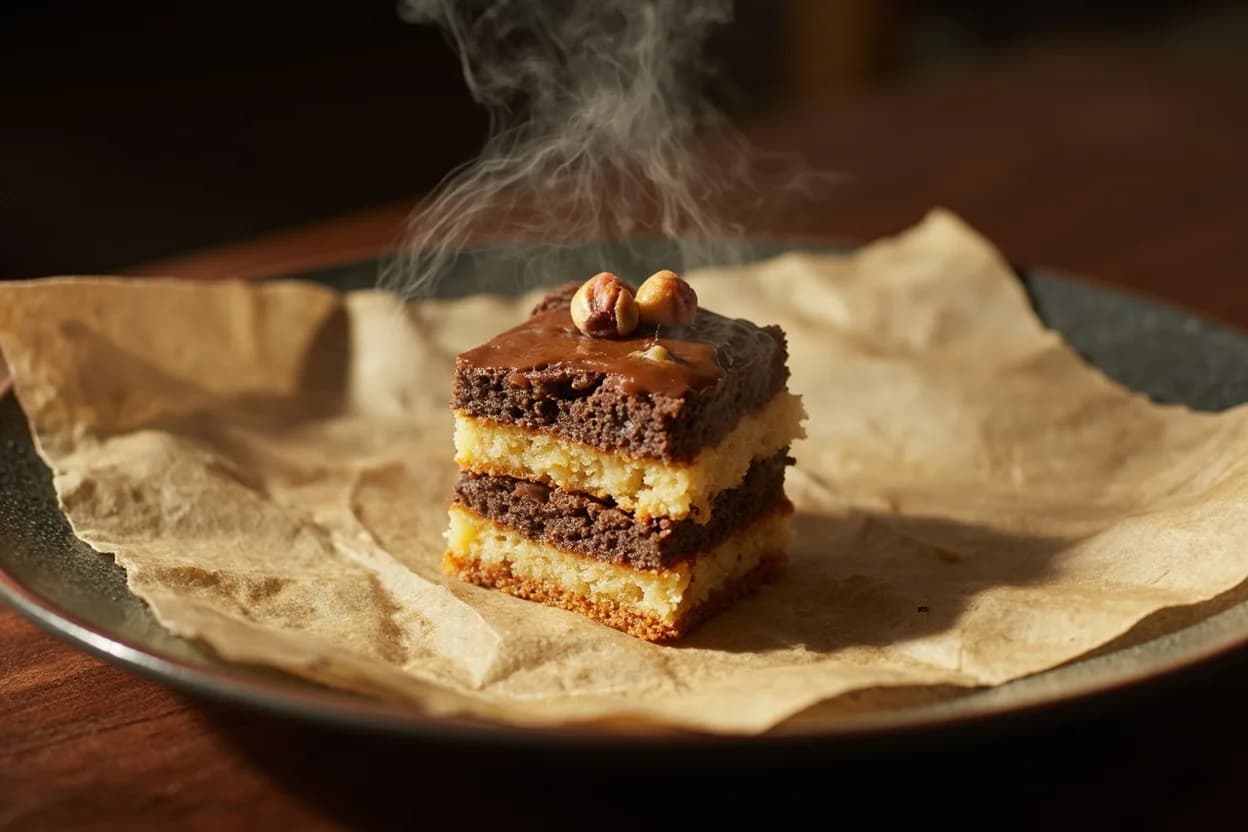
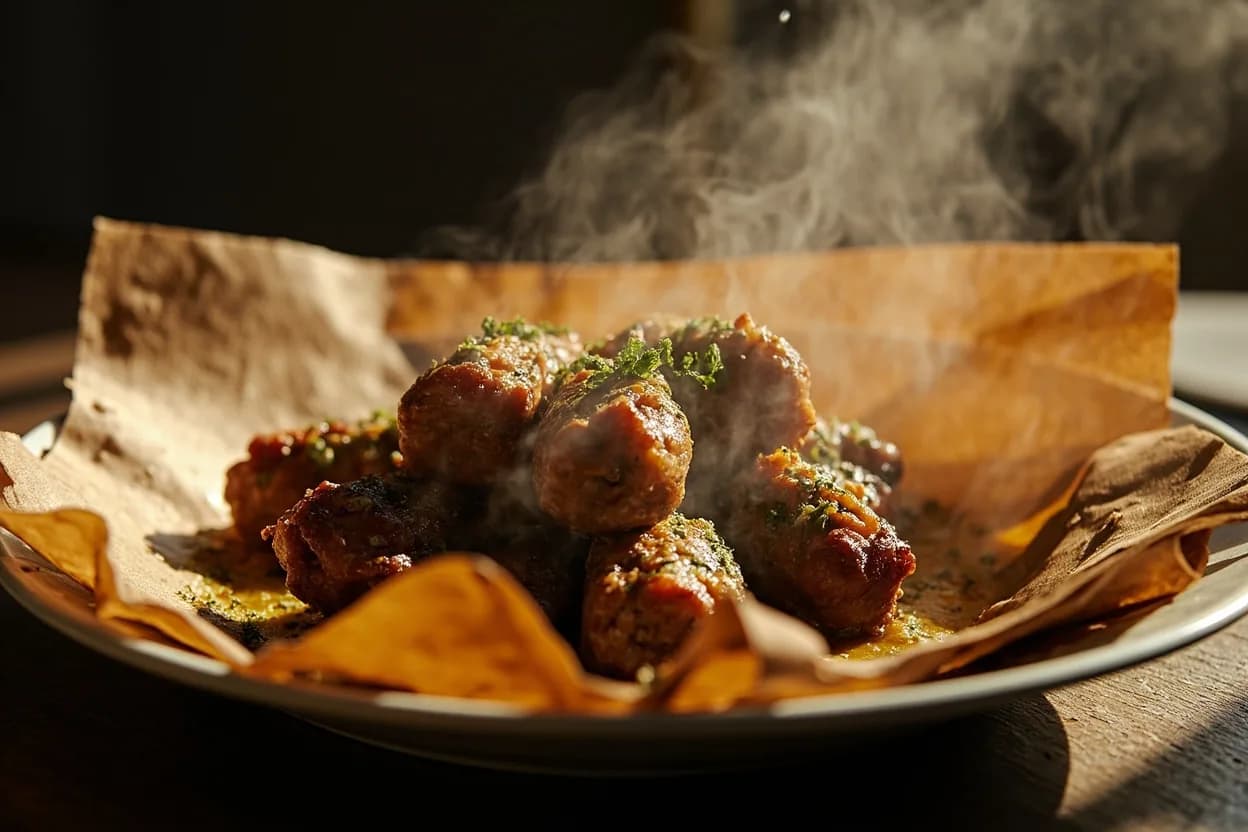
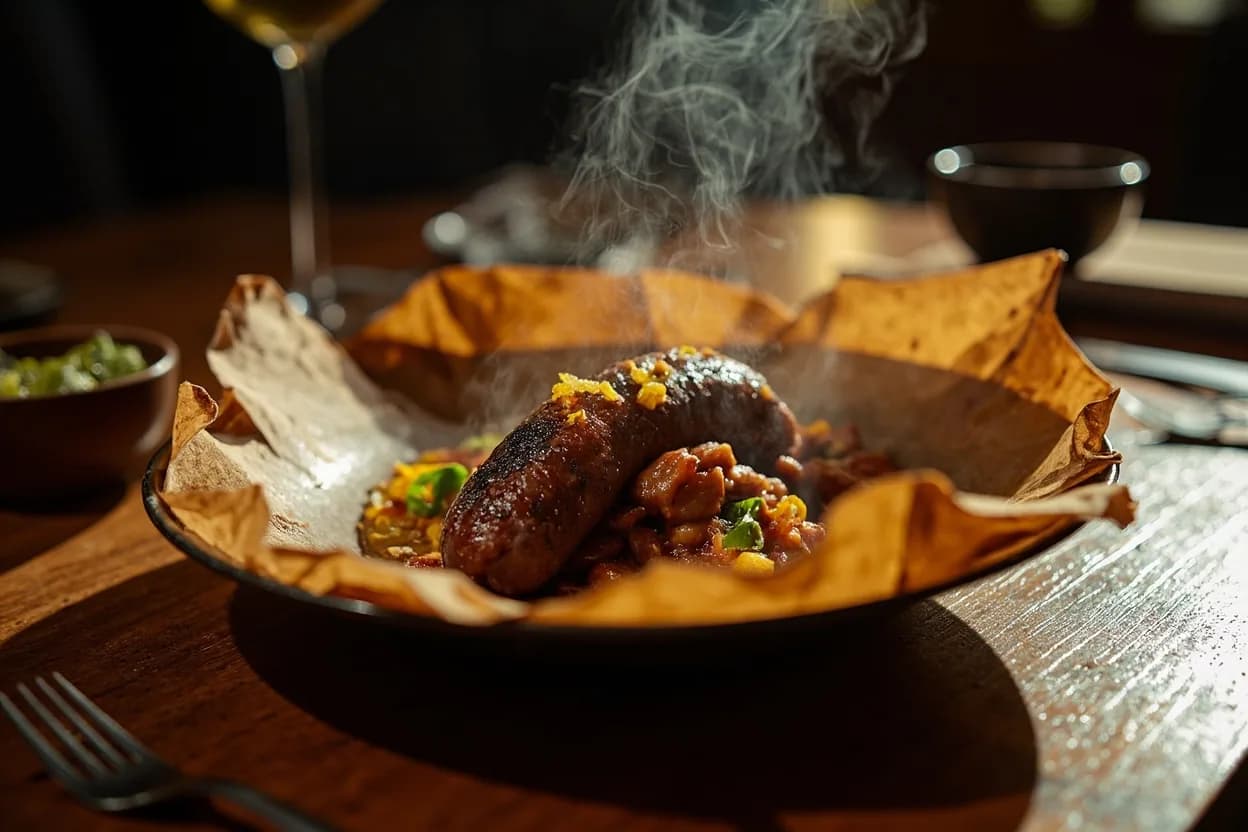
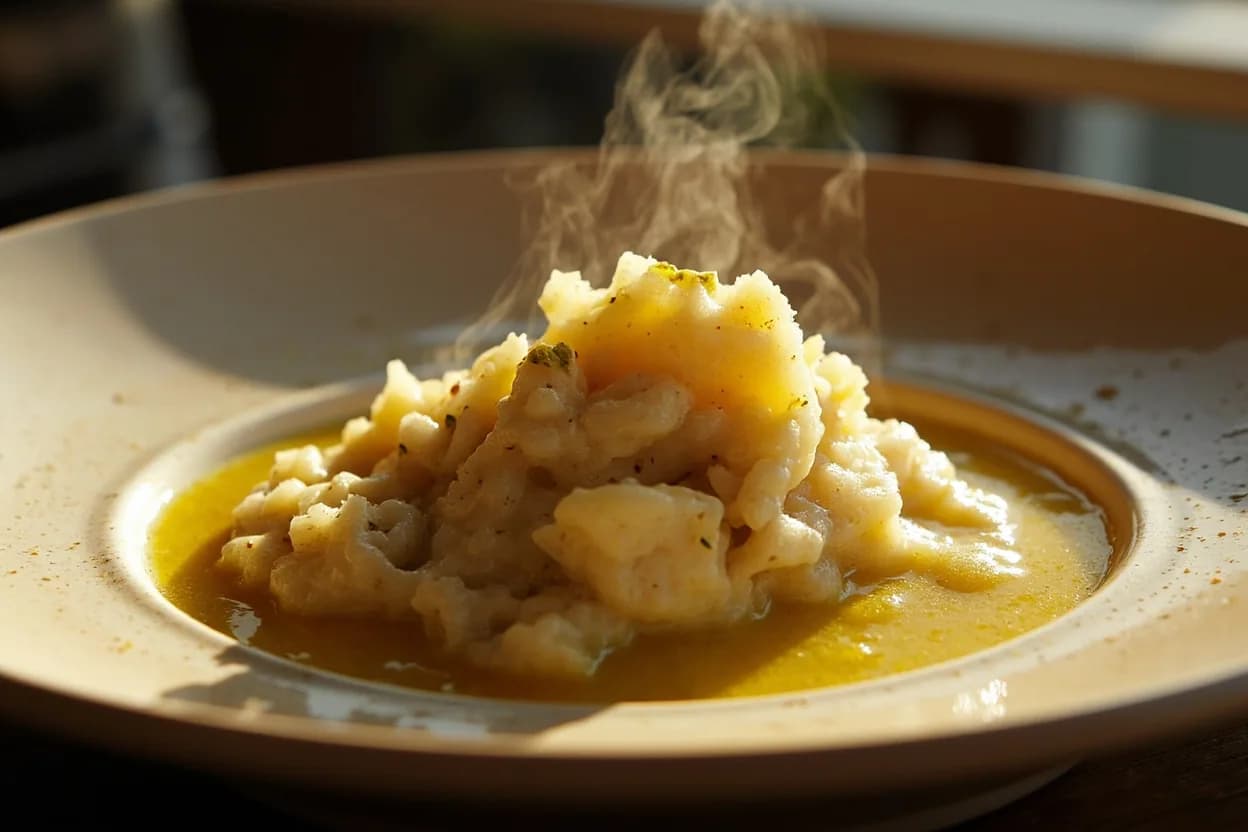
Dishes that rely on it


Related

Confit
Cook slowly submerged in fat for silky tenderness and keeping

Cure
Draw out moisture with salt and time to preserve and concentrate

Pickle
Steep in acidic brine for bright, tangy, crunchy preservation

Ferment
Let friendly microbes transform food into tangy, complex flavor

Marinate
Soak in a seasoned mix to flavor and tenderize before cooking

Brine
Soak in salt water so meat stays juicy and seasoned throughout

Dehydrate
Slowly dry out moisture to concentrate flavor and extend shelf life

Cold-Smoke
Perfume cured food with smoke without cooking it through