
Prep & Assembly
Garnish
Add a final flourish that lifts a dish's color, aroma, and appeal
Garnishing adds a final, deliberate flourish — fresh herbs, a squeeze of citrus, a scatter of seeds, a drizzle of oil — to lift a dish's color, aroma, and appeal. The best garnishes echo what's already in the dish. Keep it restrained and edible; a garnish should add, not clutter.
Garnishing adds a final, deliberate flourish — fresh herbs, a squeeze of citrus, a scatter of seeds, a drizzle of oil — to lift a dish's color, aroma, and appeal. The best garnishes echo what's already in the dish. Keep it restrained and edible; a garnish should add, not clutter.
- Difficulty
- Easy
How to do it
- 1
Choose a garnish that reflects a flavor in the dish.
- 2
Prep it fresh — chop herbs, zest, or toast seeds.
- 3
Add it just before serving so it stays vibrant.
- 4
Place with restraint, leaving negative space.
Common uses
Tips & pitfalls
- Echo, don't clash — garnish with what's already in the dish.
- Everything on the plate should be edible.
- A little acid or fresh herb at the end wakes a whole dish up.
Good to know
- Tool
- Knife, spoon, tweezers, your eye
- Best for
- Plated mains, soups, desserts, drinks
- Cue
- A purposeful finish that echoes the dish
Also called
garnish with · finish
Dishes that rely on it
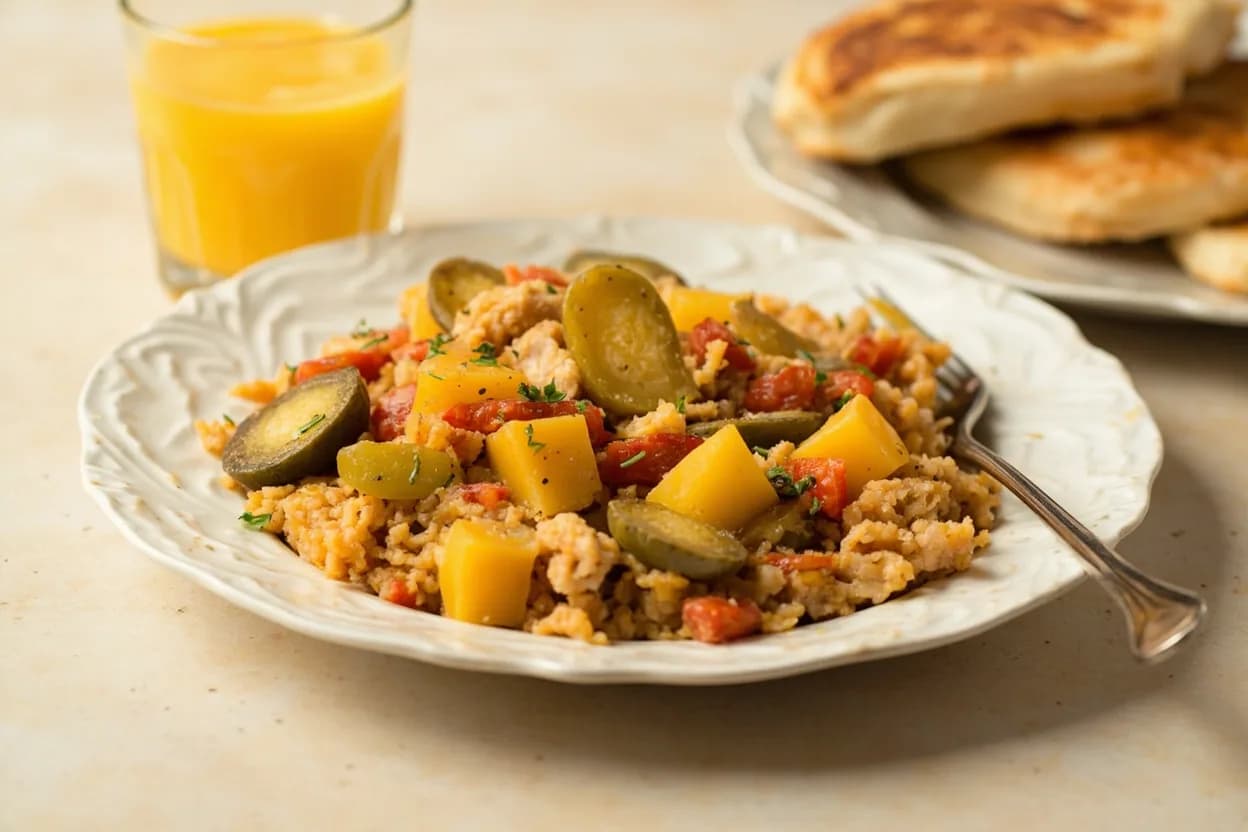
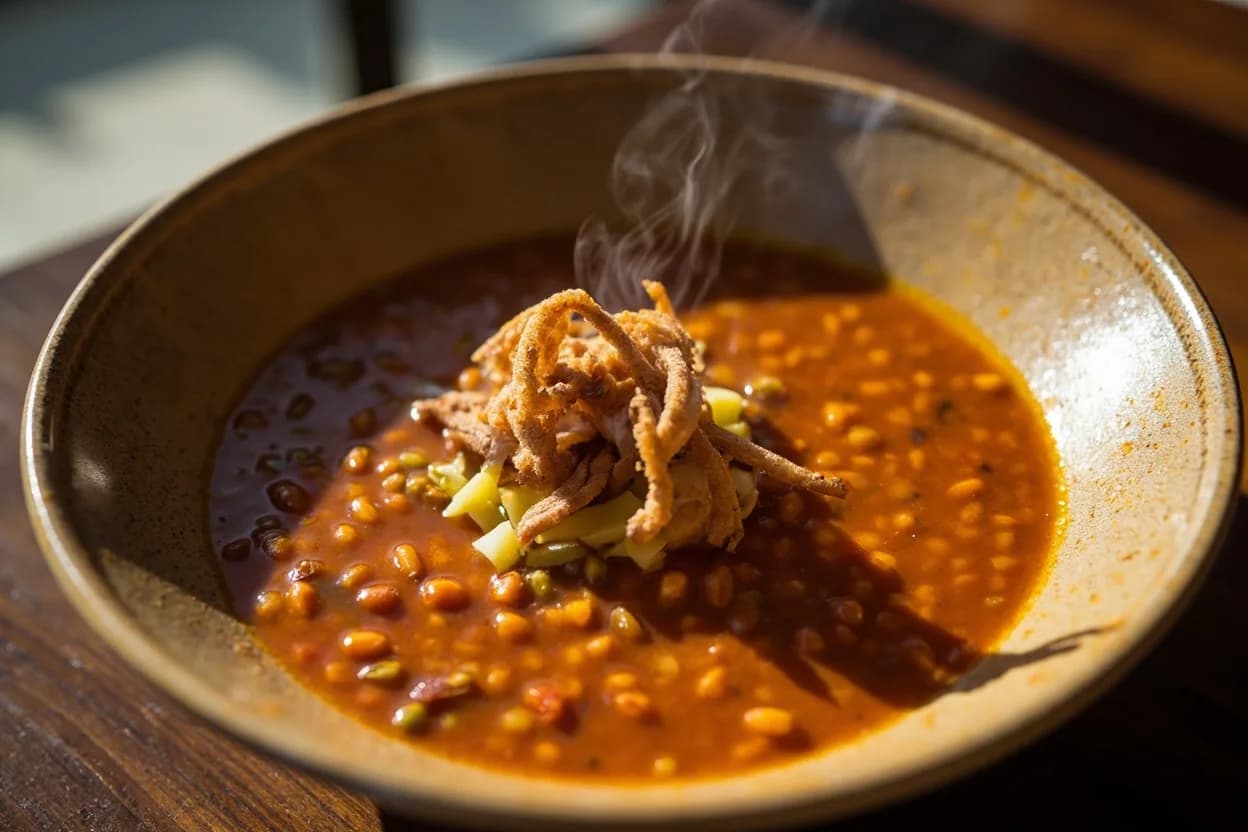
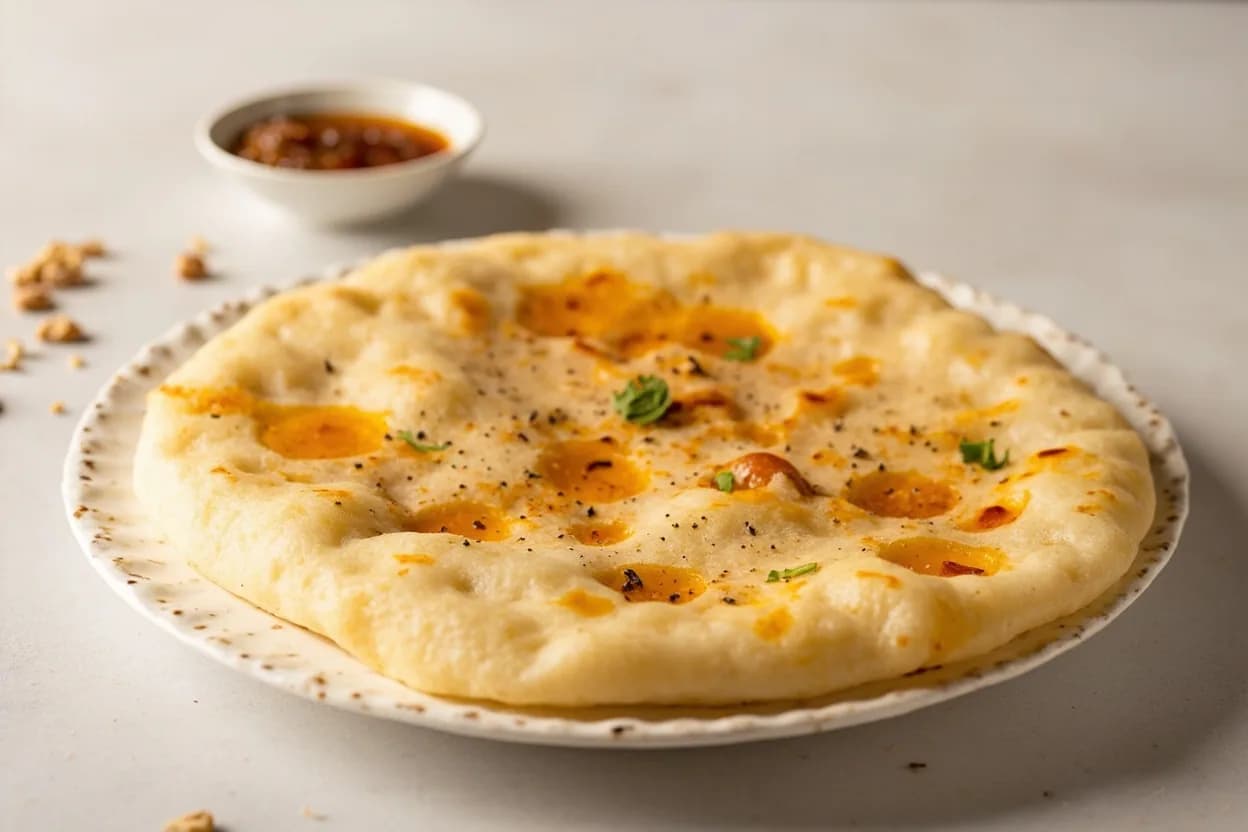
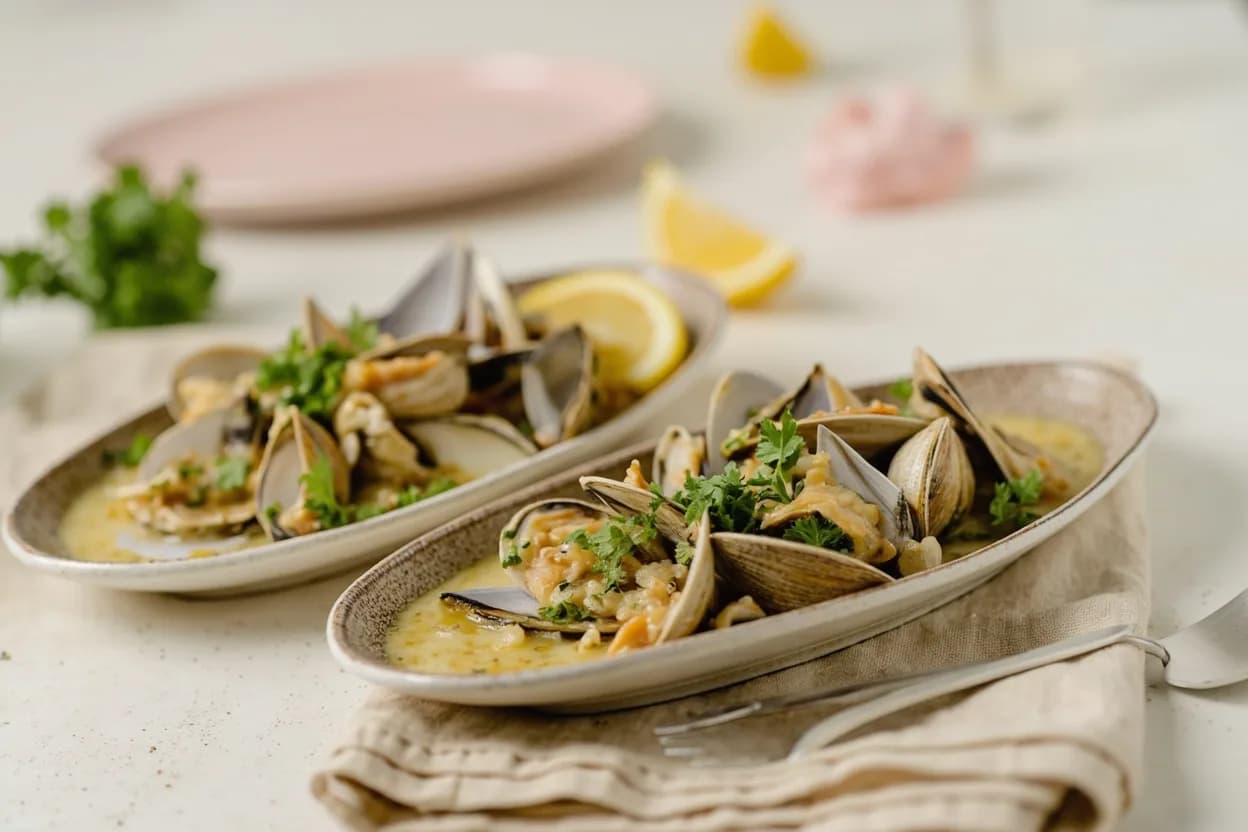
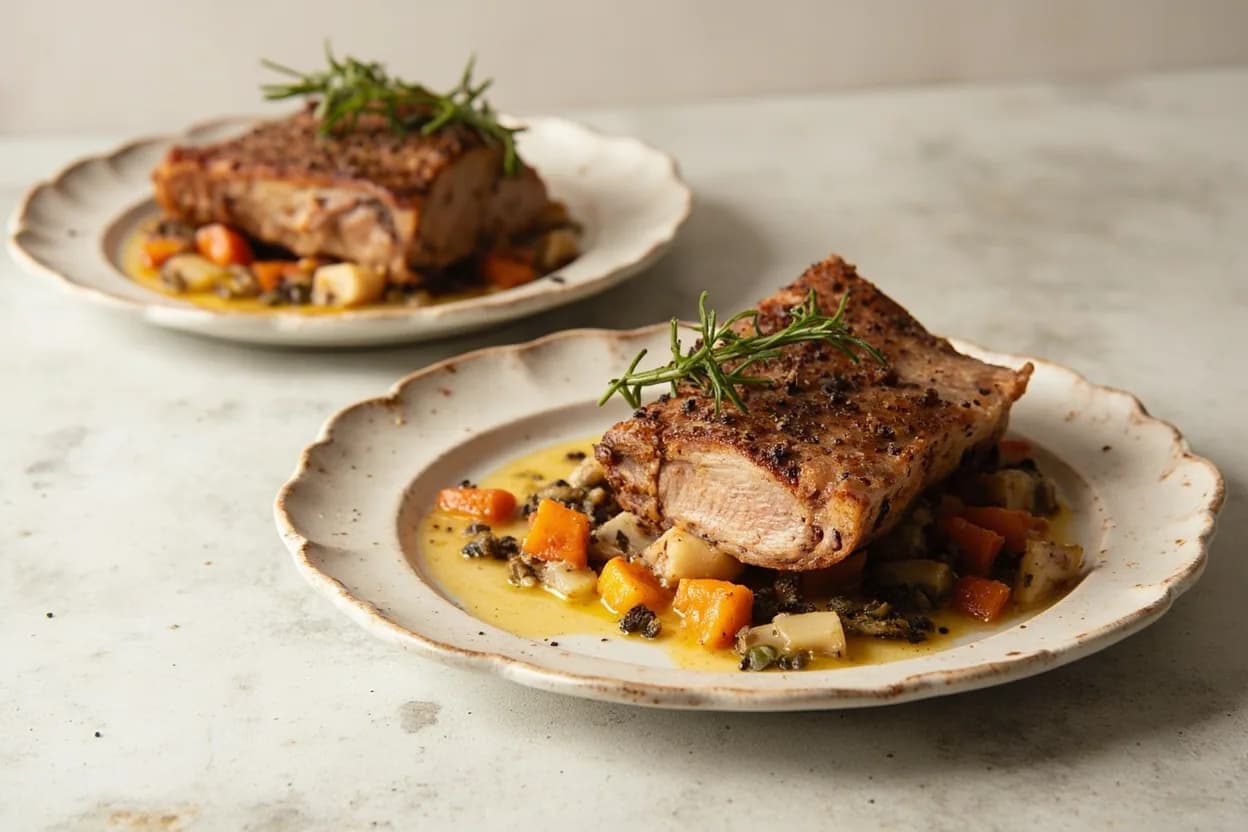
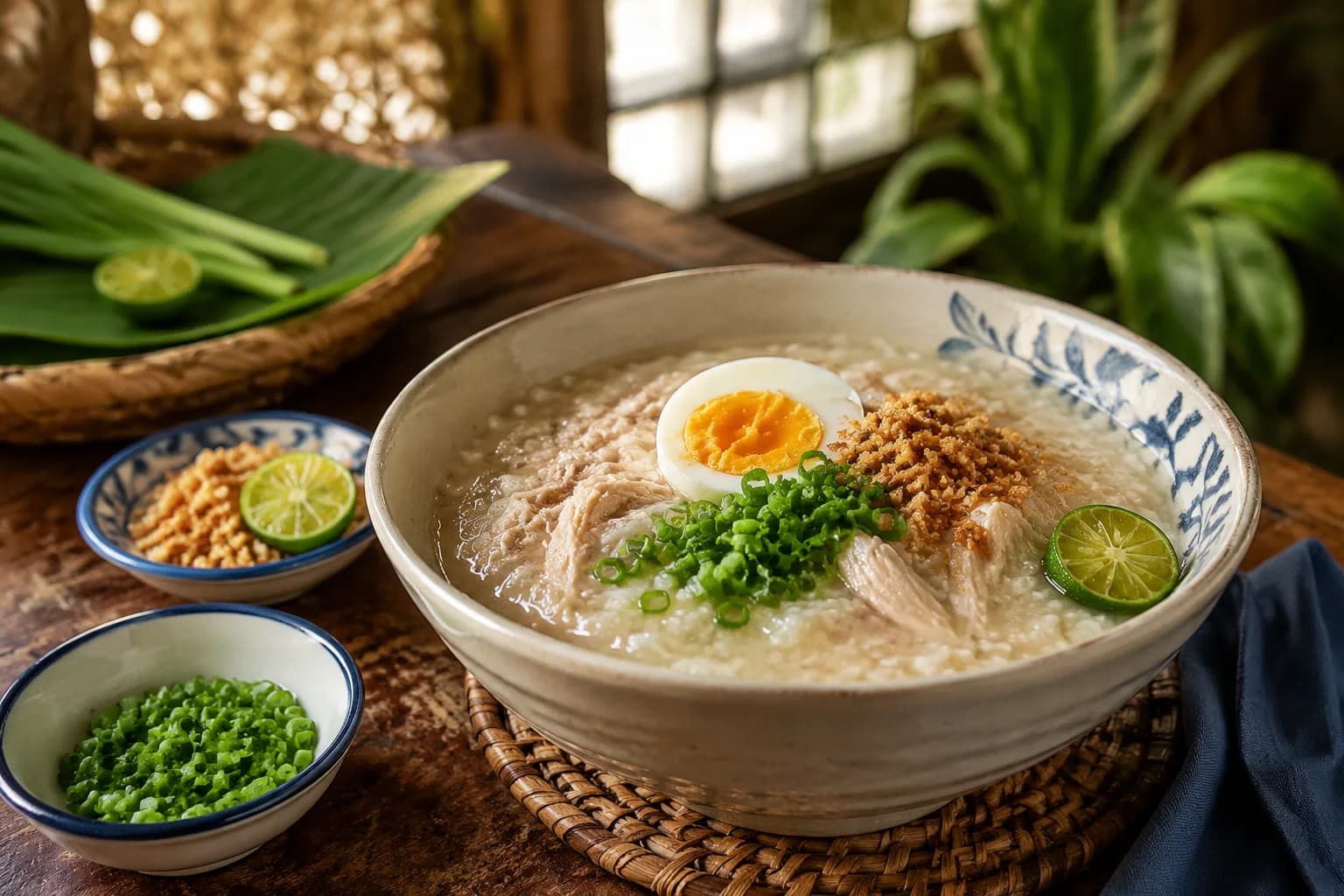
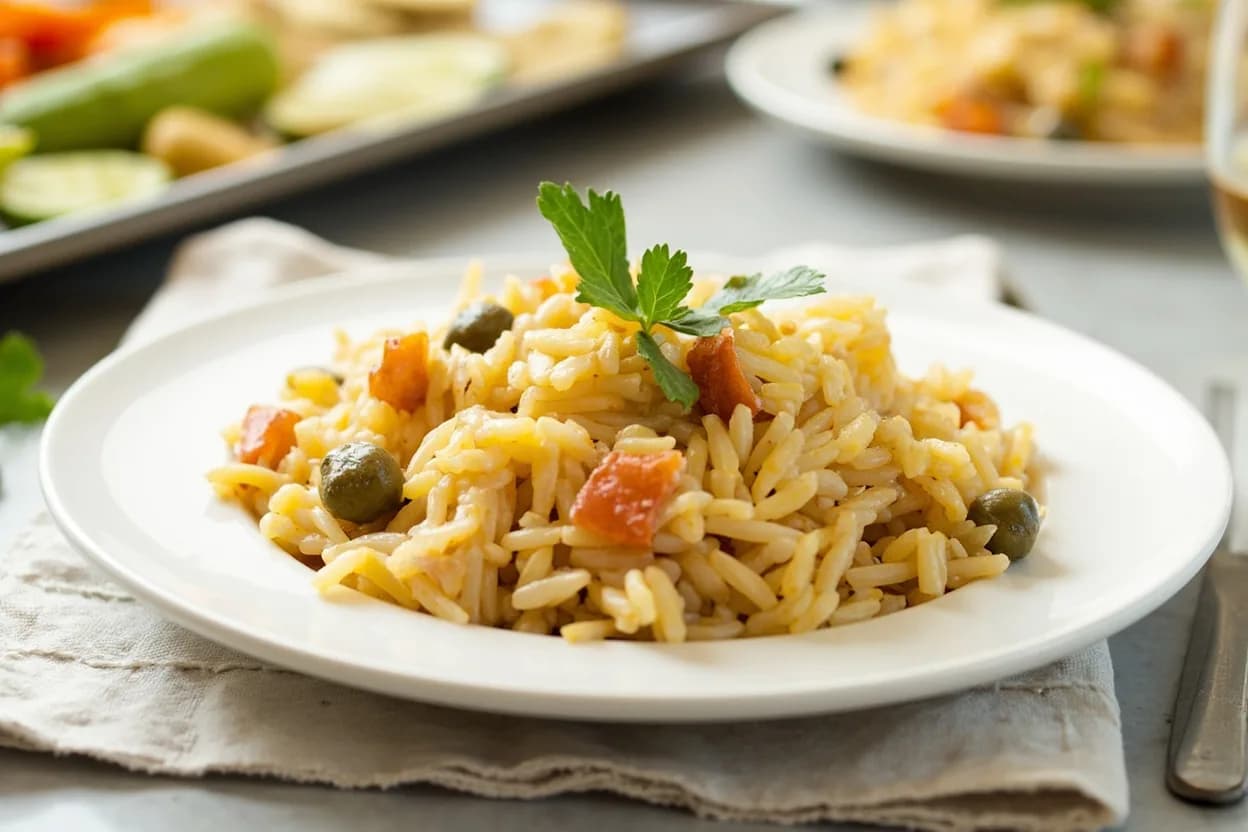
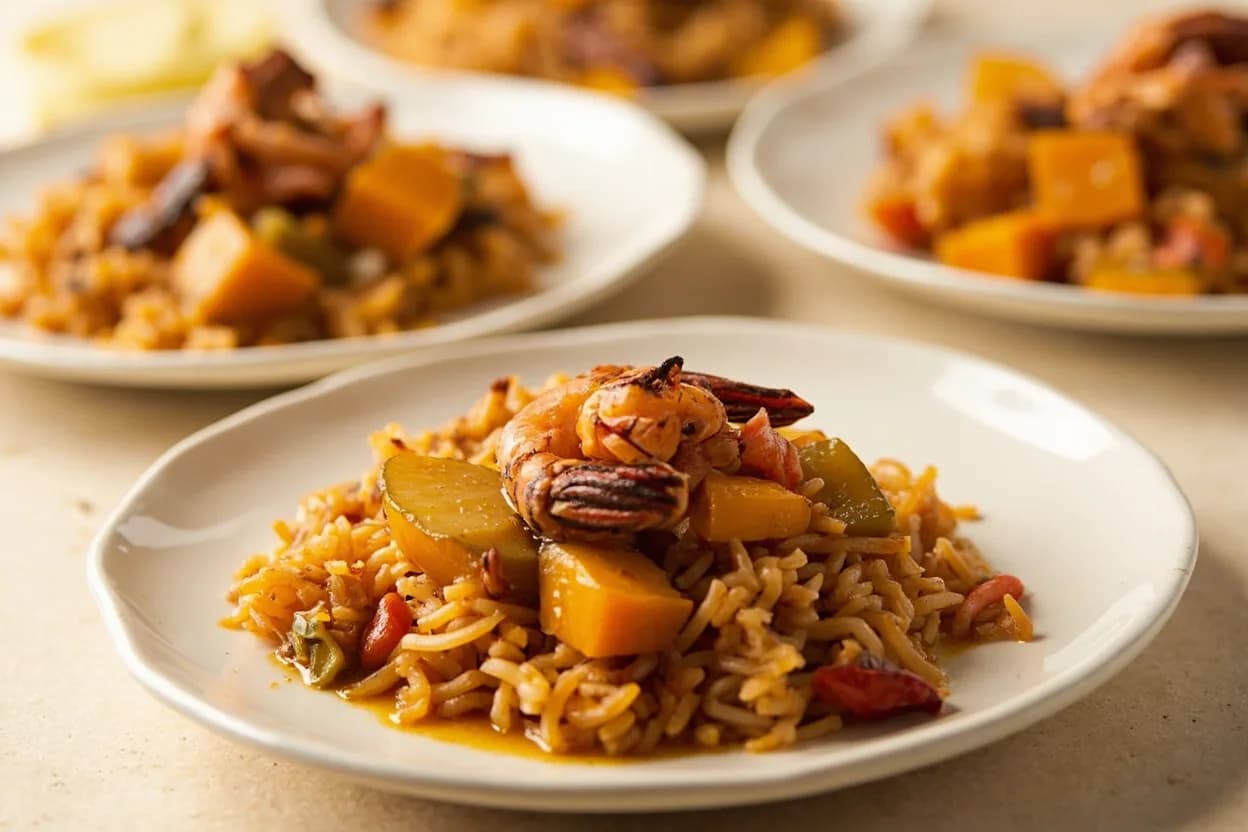
Related

Whisk
Beat ingredients smooth and aerated with a looping wire motion

Sift
Pass dry ingredients through mesh to aerate and remove lumps

Strain
Pour through mesh to separate solids from liquid for a smooth result

Filter
Pass liquid through fine material to clarify out the smallest particles

Rice
Press cooked potatoes through small holes for fluffy, lump-free texture

Mash
Crush soft cooked food into a rustic, creamy purée

Grind
Crush food into a coarse to fine texture, from spices to meat

Grate
Shred food into fine bits against a sharp-toothed surface