
Transform & Preserve
Render
Melt fat out slowly until skin crisps and clean fat pools
Rendering coaxes fat to melt out of meat or skin over low heat, leaving crisp cracklings and a pool of clean cooking fat. It's how you crisp bacon, duck skin, or chicken thighs. Start in a cool pan and go slow so the fat liquefies before the skin burns.
Rendering melts the fat out of meat or skin over gentle heat, accomplishing two things at once: it leaves the remaining tissue crisp and the rest of the fat clean, liquid, and ready to cook with. Bacon, duck skin, chicken thighs, and pork belly all rely on it — start them in a cool, dry pan and let the heat coax the solid fat to liquefy slowly, well before the skin or meat can scorch. Rush it on high heat and the surface burns while fat stays trapped beneath, leaving you with flabby skin and bitter cracklings.
- Difficulty
- Easy
Types & varieties
Strips cooked low until the fat melts and the meat crisps, leaving a pan of clean fat.
Scored duck breast started skin-side down in a cold pan for crackling skin.
Chopped pork or beef fat melted slowly into pure cooking fat for storage.
Skin and fat trimmings cooked down into golden schmaltz.
How to do it
- 1
Start in a cold pan
Place fatty skin or meat in an unheated pan; a cold start gives the fat time to melt before the surface browns.
- 2
Apply low heat
Turn the heat to low or medium-low and let the fat begin to liquefy gradually.
- 3
Let the fat run
As the fat melts and pools, it bastes and fries the surface. Don't rush or crank the heat.
- 4
Pour off excess
Spoon or pour off rendered fat as it accumulates so the food crisps rather than deep-fries (and save it).
- 5
Crisp the surface
Once most of the fat is out, raise the heat briefly to crisp the skin to deep golden.
- 6
Strain and store
Strain the clean rendered fat into a jar and refrigerate for future cooking.
Why low and slow
Fat melts at a far lower temperature than the point at which skin and meat burn. Starting cold and going slow gives the solid fat time to liquefy and escape before the surface scorches. If you start too hot, the exterior browns and seals while the fat underneath stays solid, so you get burnt skin over a flabby fat layer instead of crisp, fully rendered results.
Common uses
Tips & pitfalls
- Score duck and pork skin in a crosshatch to help the fat escape.
- A cold-pan start is the single biggest factor in crisp skin.
- Pour off fat as it builds so the food doesn't deep-fry.
- Strained rendered fat keeps for weeks in the fridge and adds huge flavor.
- Pat skin dry before rendering — surface moisture slows crisping.
Good to know
- Heat
- Start cold, go low and slow — patience renders fat without burning
- Start dry
- No added oil needed; the fat is the oil
- Skin side down
- Render skin-side down first for the longest, gentlest melt
- Sign of doneness
- Skin turns deep golden and crisp; fat runs clear
- Save the fat
- Strain and keep rendered fat (schmaltz, lard, duck fat) for cooking
Also called
render fat
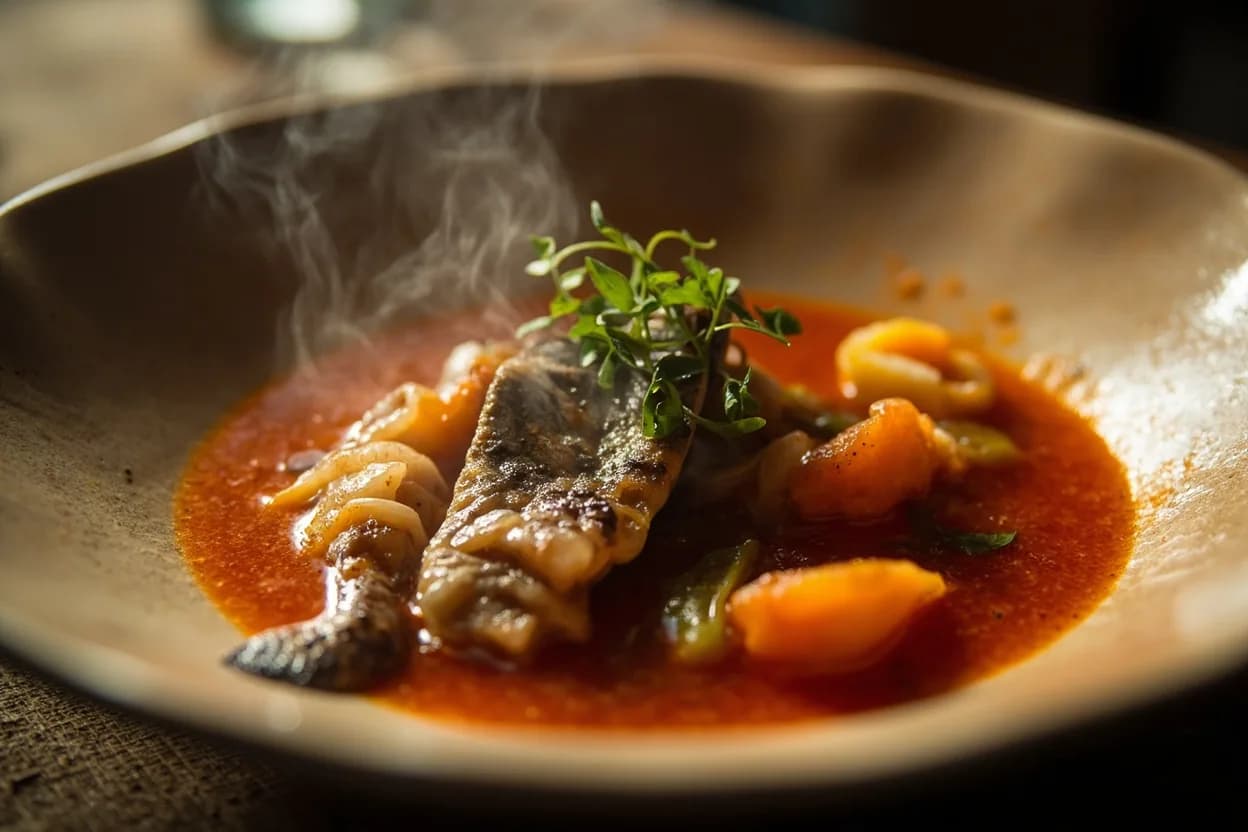
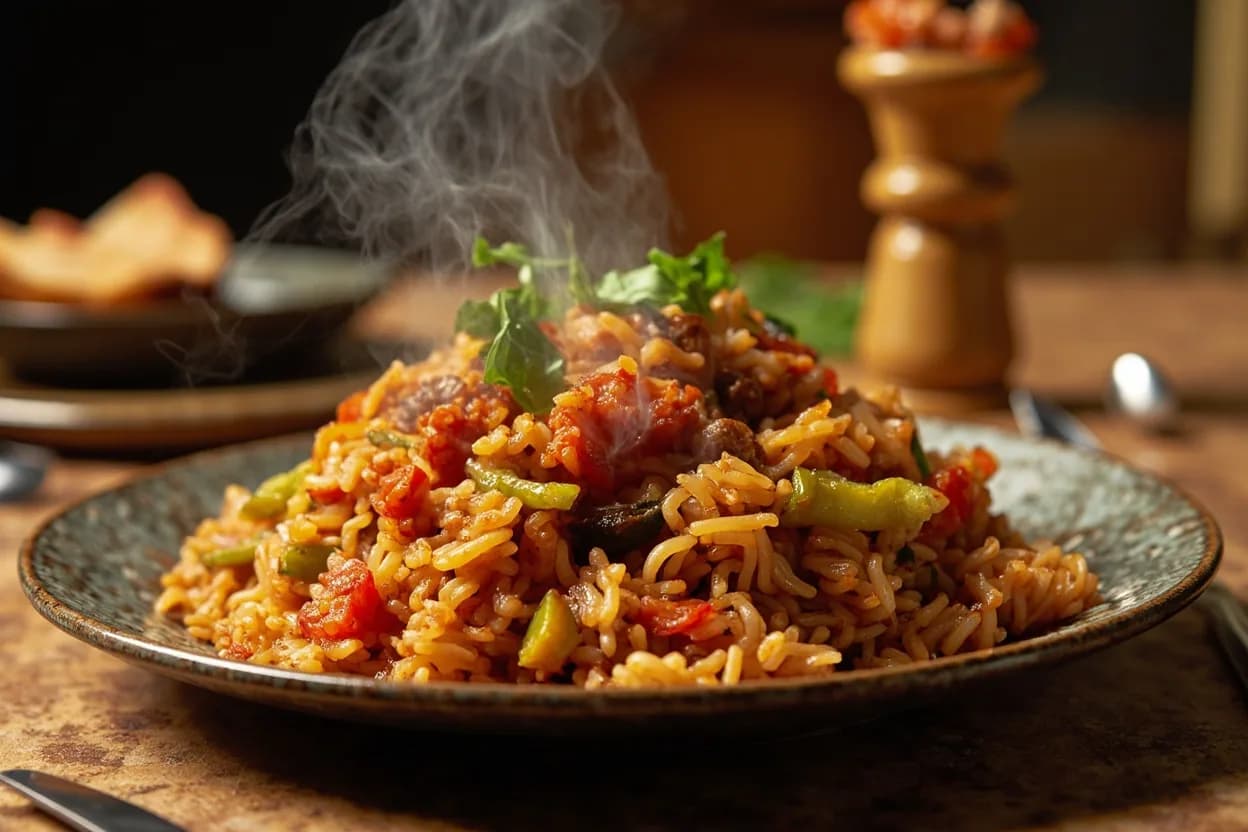
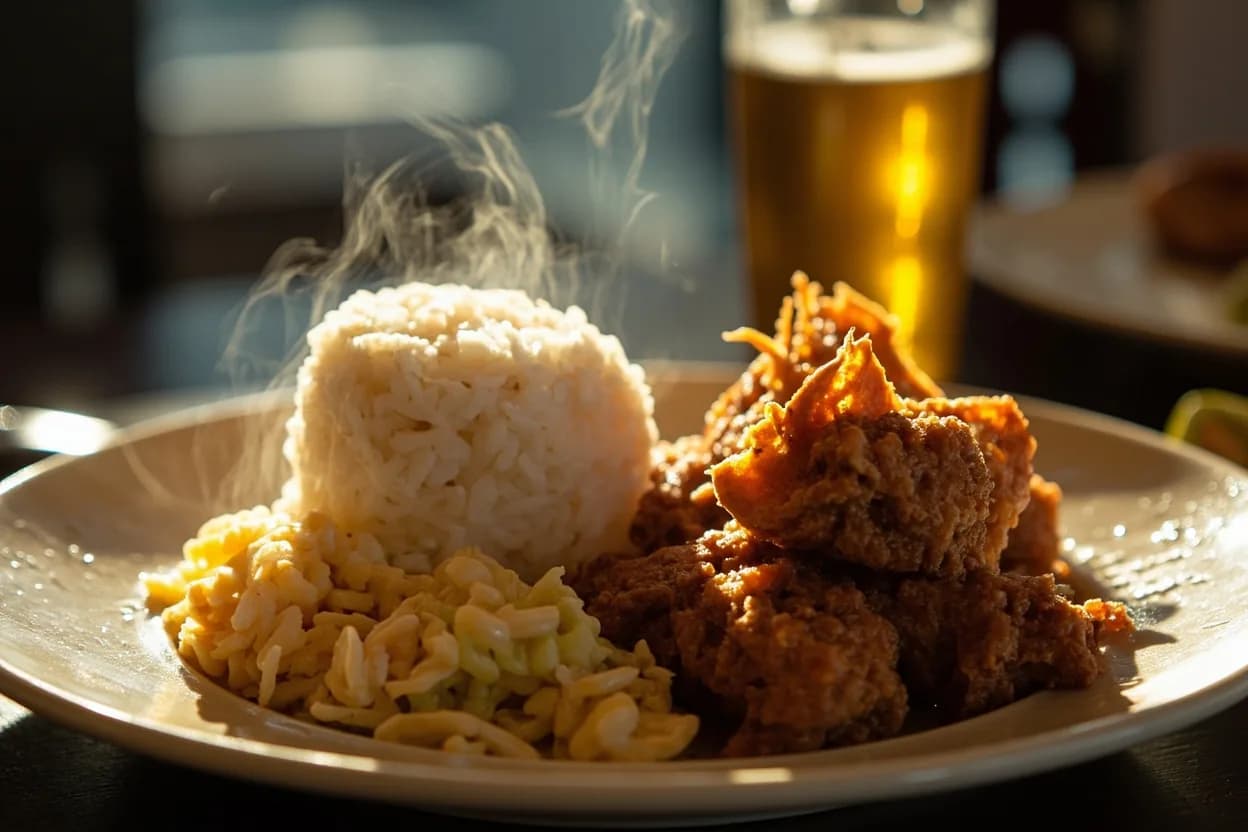
Dishes that rely on it
Related

Confit
Cook slowly submerged in fat for silky tenderness and keeping

Cure
Draw out moisture with salt and time to preserve and concentrate

Pickle
Steep in acidic brine for bright, tangy, crunchy preservation

Ferment
Let friendly microbes transform food into tangy, complex flavor

Marinate
Soak in a seasoned mix to flavor and tenderize before cooking

Brine
Soak in salt water so meat stays juicy and seasoned throughout

Dehydrate
Slowly dry out moisture to concentrate flavor and extend shelf life

Cold-Smoke
Perfume cured food with smoke without cooking it through