Western Europe
Basque (Spain)
Also: Euskal Sukaldea, Basque Country cuisine, País Vasco cuisine
The world's most decorated regional cuisine, forged in txoko societies and Michelin temples alike, built on bacalao, the Cantabrian Sea, and obsessive technique.
Basque cuisine is the culinary tradition of the Basque Country (Euskadi) straddling northern Spain and southwestern France. It is characterized by an extraordinary reverence for pristine ingredients — particularly salt cod, fresh seafood, and aged beef — combined with precise classical saucing and, since the 1970s, the global vanguard of Nueva Cocina Vasca. The Basque Country holds more Michelin stars per capita than any other region on earth. Equally important is the txoko, the private gastronomic brotherhood that has institutionalized serious amateur cooking for centuries.
The flavour base
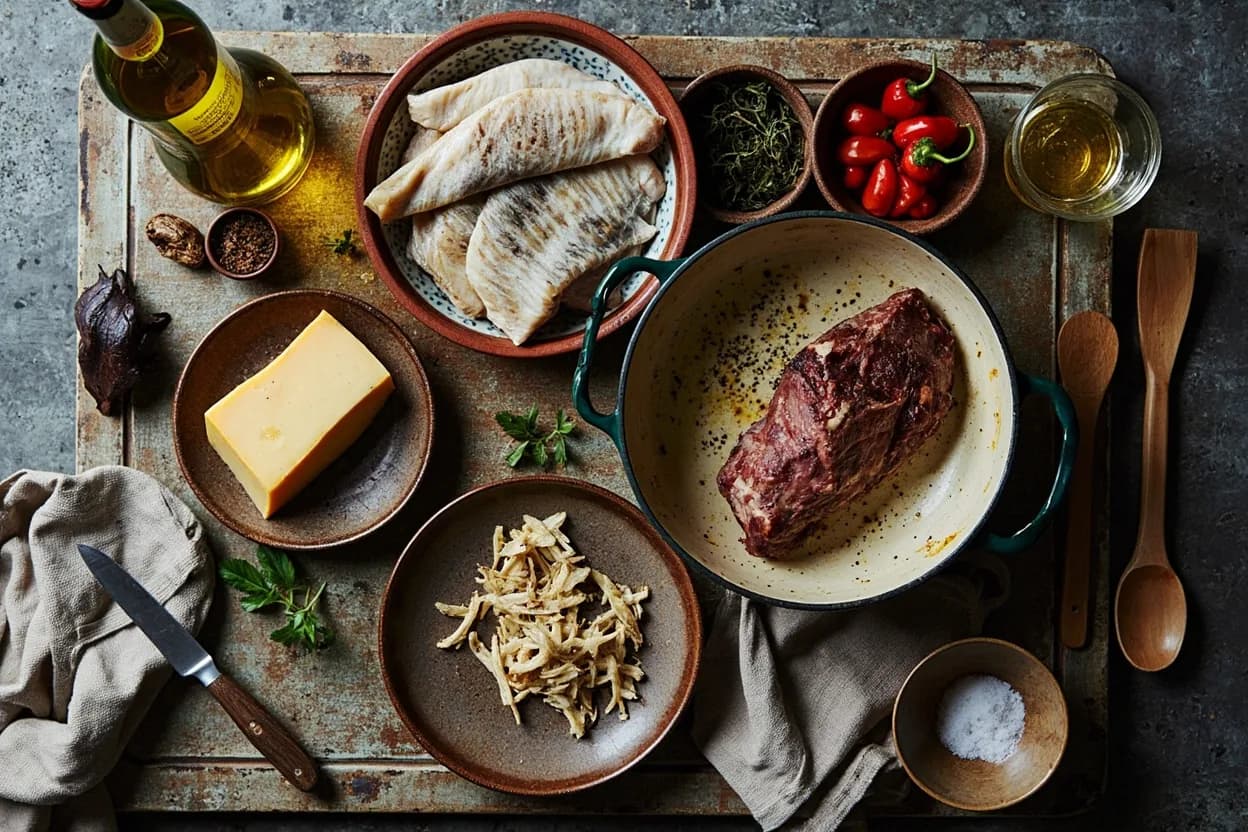
Pil-pil emulsion (salt cod gelatin whisked with olive oil and garlic), Basque green sauce (parsley, garlic, white wine, fish stock), and the deep reductions of salsa vizcaína (dried choricero pepper, onion, olive oil)
Pantry staples
Key ingredients
Signature techniques
Signature dishes
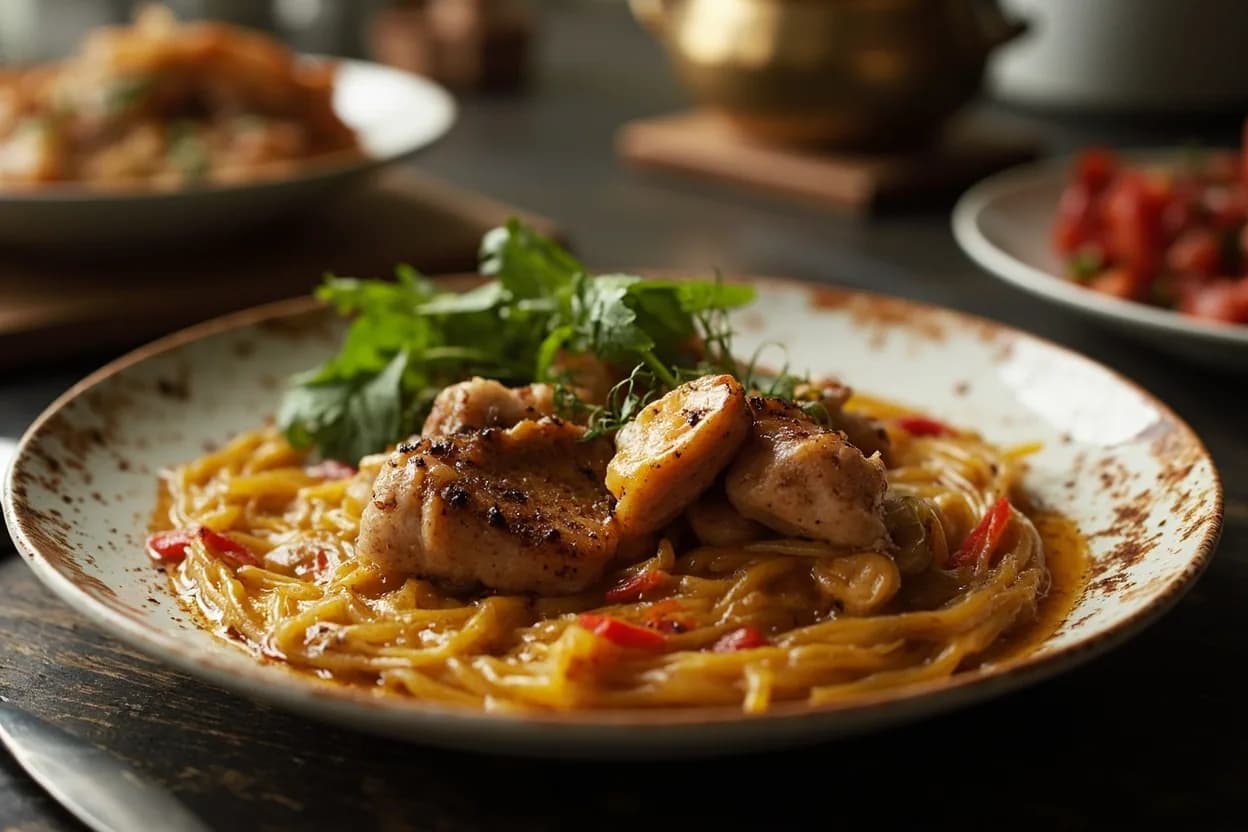
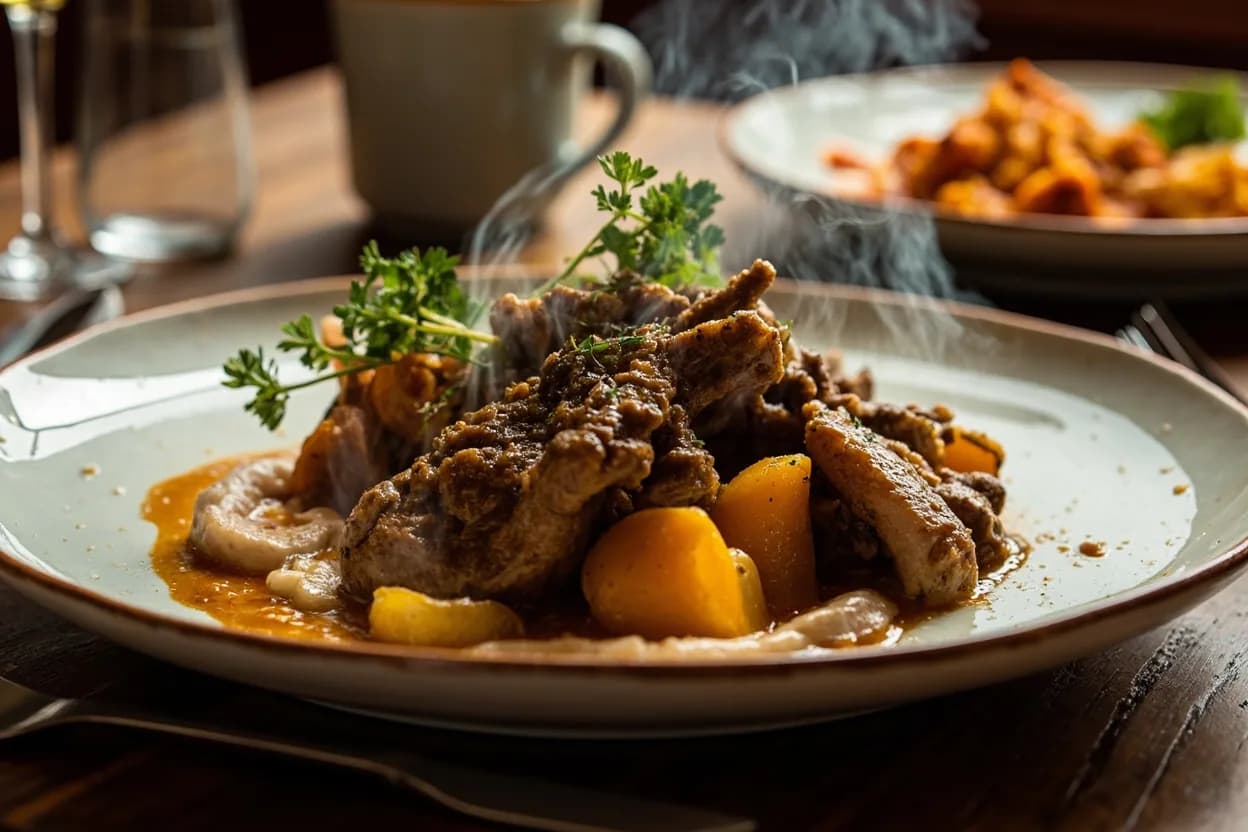
Basque (Spain) on the table
At the table
Meals anchor on a generous midday main, often preceded by pinxtos (pintxos) at the bar counter — the Basque one-bite culture is its own meal format. Evening poteos (bar-hopping rounds) fuel pintxo grazing. Formal meals follow the Spanish pattern of starter, main, dessert, but with exceptional local wine pairing: txakoli with seafood, Rioja Alavesa reds with meat.
History & context
The Basques are Europe's oldest surviving pre-Indo-European people, and their cuisine reflects millennia of Atlantic fishing, mountain pastoralism, and fierce cultural autonomy. Basque whalers and cod fishermen navigated the North Atlantic from the 13th century, bringing back salt cod that became the regional staple. The txoko gastronomic society tradition — men's cooking clubs in San Sebastián — dates to the 19th century and nurtured the serious amateur kitchen culture. In 1976, chefs Juan Mari Arzak and Pedro Subijana launched Nueva Cocina Vasca, consciously updating classical technique with lighter, ingredient-first philosophy. San Sebastián (Donostia) subsequently became the city with the highest concentration of Michelin stars in the world.
Regional variations
- Guipúzcoa (San Sebastián)
Epicenter of alta cocina and the pintxo bar scene; most Michelin concentration.
- Vizcaya (Bilbao)
Home of salsa vizcaína and bacalao a la vizcaína; industrialized port food culture.
- French Basque (Lapurdi/Soule)
Axoa de veau, piperade, Bayonne ham; French culinary influence without losing Basque identity.
- Álava (Vitoria-Gasteiz)
More inland, heavier on lamb, Rioja Alavesa wine culture, and potaje legume stews.
Related cuisines
- French Basque
Shares ingredients and culture across the political border; piperade and Bayonne ham reflect the overlap.
- Cantabrian
Neighboring Atlantic coast tradition with shared seafood emphasis.
- Navarrese
Eastern neighbor sharing chorizo, bean stews, and cider culture.
Canonical recipes
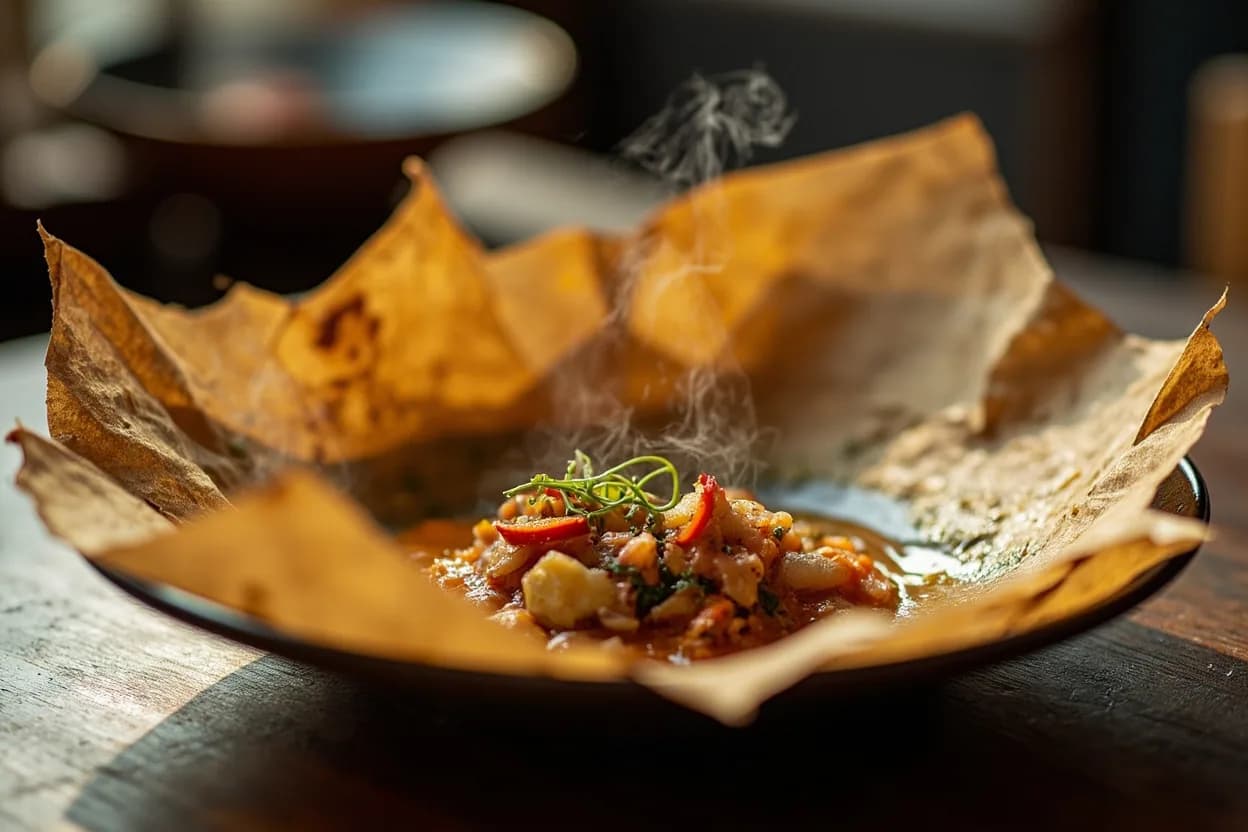
The dishes that define Basque (Spain), documented in the Canon.
References
- 1.The Basque Table — Teresa Barrenechea
- 2.Mugaritz: A Natural Science of Cooking — Andoni Luis Aduriz
- 3.Nueva Cocina Vasca — Juan Mari Arzak
- 4.The Food of Spain — Claudia Roden
Confidence: high
Notes
Txoko culture
The txoko (gastronomic society) is a members-only kitchen space — historically men only, though this is changing — where members cook for each other, preserve recipes, and pass technique across generations. San Sebastián alone has over 100 active txokos. This institutionalized amateur cooking is a direct ancestor of the professional excellence the region produces.
Pintxos vs tapas
Pintxos (or pintxos in Euskara) are not tapas. They are composed, often architectural, one-to-two-bite preparations displayed on bar counters — charged per piece, not offered free. The pintxo trail (poteo) is a structured social ritual, not casual snacking.