Proteins
Baby Eel
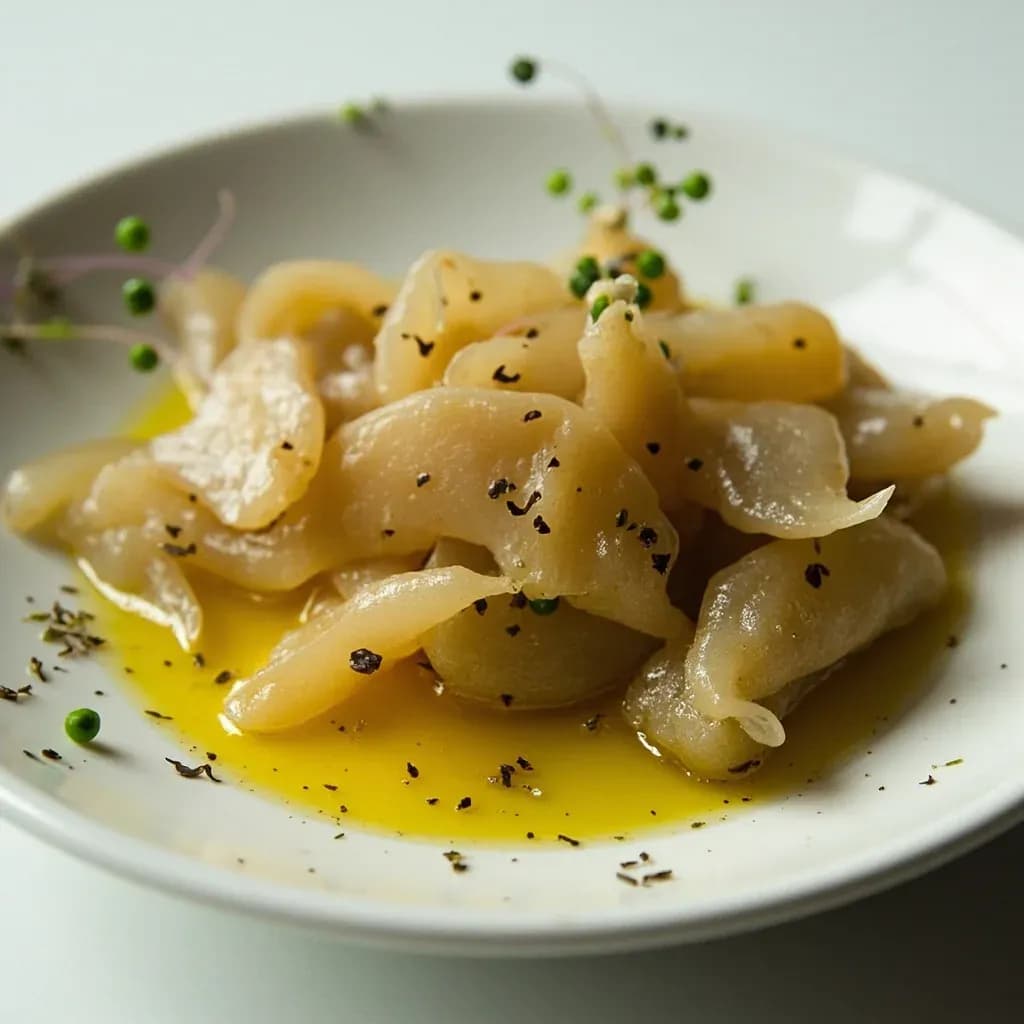
Tiny translucent elvers (angulas) flash-cooked in garlic oil as a Spanish delicacy.
Baby eels, or elvers (angulas in Spain), are the tiny translucent juvenile stage of the European eel, an extremely prized and costly delicacy. They are flash-cooked in olive oil with garlic and chili in an earthenware dish and eaten with a wooden fork. Their scarcity has made many dishes now use a surimi imitation, gulas.
Baby eels—known commercially as angulas—are the juvenile stage of the European eel (Anguilla anguilla), harvested during their autumn upstream migration from the sea into freshwater rivers. At this glass-eel or elver stage, they are tiny, translucent creatures roughly the size of a wooden matchstick, ranging from five to ten centimeters in length. Their flesh has a delicate, almost ethereal sweetness with a clean oceanic taste entirely unlike the muddy character of adult eel, and a tender, lightly gelatinous texture that firms up beautifully with quick cooking. This rarity and the extreme seasonality of their harvest have made them one of Spain's most prized and expensive seafoods, particularly in the Basque Country and Galicia where they have been a winter delicacy since the nineteenth century. The traditional preparation, angulas a la bilbaína, is a study in restraint: hot olive oil, golden garlic, a strip of guindilla pepper, and the eels themselves cooked for mere seconds until just opaque and curled.
Because European eel stocks have declined dramatically from overfishing, habitat loss, and climate pressures, the fishery is now heavily regulated under EU quotas with strict seasonal closures. Spanish angulas come primarily from Galicia and the Basque Coast, though limited quantities arrive from France and Britain's historic glass-eel rivers like the Severn and Thames. The product you find in market will be either live (kept on wet ice) or recently frozen, as they deteriorate within hours at room temperature. Understanding their extreme perishability and the need for swift, high-heat cooking is essential to respecting both the ingredient and the tradition.
From a cook's perspective, baby eels behave like the delicate luxury ingredient they are: they require no cleaning or gutting, yield nearly one hundred percent edible product, and demand only seconds in a hot pan to transform from translucent and gelatinous to opaque with a slight bite. Overcooking is the cardinal sin—it turns them rubbery and expels their moisture into the oil, diluting the garlicky richness that defines the dish. The challenge and reward of cooking angulas lies in this precision: building a fragrant oil, adding the eels at the precise moment, and serving them immediately so the residual heat does not continue cooking them on the plate.
- Measured in
- g
- Storage
- Fridge
Allergens
Types & varieties
The commercial term; slightly larger elvers, creamy-white, most common in markets
Smaller, more translucent glass eels; prized for their delicate texture; season begins in November
British term for glass eels; historically abundant in rivers like the Severn and Thames
The Biology and the Crisis
European eels are remarkable creatures with a complex life cycle spanning thousands of miles. Spawning occurs in the Sargasso Sea; larvae drift on ocean currents toward Europe, transforming into glass-clear elvers that swim upstream into freshwater rivers where they grow into yellow eels and eventually silver eels that return to the sea to spawn. It is this brief glass-eel stage that becomes angulas. Stocks have collapsed to a fraction of historical levels due to overfishing at the elver stage, damming of rivers, pollution, and changing ocean conditions linked to climate change. EU regulations now impose strict quotas and seasonal closures, making legally sourced angulas a scarce and expensive commodity.
- Always verify your supplier sources from sustainable, quota-compliant fisheries
- Wild-caught from regulated EU waters is the standard to seek; some aquaculture operations exist but are limited
- The scarcity is real and not simply seasonal—populations have not recovered despite decades of management
Sourcing and Quality Indicators
Freshness is paramount. Live or ice-packed angulas should be used within twenty-four hours of purchase. Frozen product, if handled correctly in the cold chain, is a legitimate option that preserves quality for several months. Avoid any product with a strong ammonia or fishy odor, which indicates breakdown. When buying live, look for active, undamaged eels that respond to touch. Translucency is a marker of youth and freshness; milky or opaque specimens are past their prime.
- If buying frozen: confirm it was frozen at sea or immediately after landing; thaw slowly on ice in refrigeration, never at room temperature
- Smell is your first quality test—clean, briny ocean scent only
- Reputable fishmongers in coastal Spanish cities or specialty importers are your best source; supermarket availability is rare even in Spain
Common uses
Tips & pitfalls
- Always cook in very hot oil for 30–60 seconds only; overcooking turns them rubbery and releases excess moisture into the pan
- Ensure garlic slices are golden, not burned, before adding eels—the oil should be fragrant but calm when you add them
- If using frozen: thaw slowly on ice in the refrigerator; do not refreeze under any circumstances
- Test a few strands first to judge doneness: they should curl slightly and turn opaque from translucent
- Serve immediately; they continue cooking in residual heat and will toughen noticeably even thirty seconds on the plate
- When buying live: look for active, undamaged eels; avoid any with a strong fishy or ammonia smell
- The oil ratio matters: enough to coat and shallow-fry, not deep-fry—roughly 2–3 mm depth in a wide pan is sufficient
- Do not salt the eels before cooking; the traditional recipe uses no seasoning other than the oil, garlic, and pepper
- If the oil temperature drops when you add the eels (it will), wait a few seconds for recovery before serving; sluggish curling means the oil was too cool
- Pair with bread to soak up the garlicky oil—it is considered part of the dish, not an afterthought
Nutrition
Nutrition
No USDA FoodData Central match for Baby Eel yet. We surface a per-100 g profile once a generic whole-food entry is matched and verified.
In the shops
Matched grocery products
No matched grocery products for Baby Eel yet.
Good to know
- Species
- Anguilla anguilla (European eel), glass eel/elver stage
- Also Called
- Angulas (Spanish), elvers, glass eels, pibbles (historical English)
- Typical Size
- 5–10 cm long, pencil-thick or smaller
- Appearance
- Translucent to milky-white, gelatinous when raw
- Peak Season
- Autumn to early winter; traditionally caught during upstream migration
- Flavor
- Delicate, sweet, briny; clean oceanic taste, not muddy
- Texture
- Tender, slight bite; firms up when cooked
- Storage
- Keep alive in cold seawater if possible; otherwise use within 24 hours on wet ice
- Price Point
- Premium; among the most expensive seafood in Spain
- Yield
- Near 100%; no cleaning or gutting required
Substitutes
- Smelt — Closest flavor and size; gut and cook whole; less gelatinous but similarly delicate, and far more accessible
- Whitebait — Minute fried fish; different species but comparable textural experience; more readily available in most markets
- Fine linguine — In the classic garlic-oil dish, a practical substitute that carries the same technique and flavor profile; not a flavor match but preserves the spirit of the dish
Also called
Elver · Angulas
Related
Egg
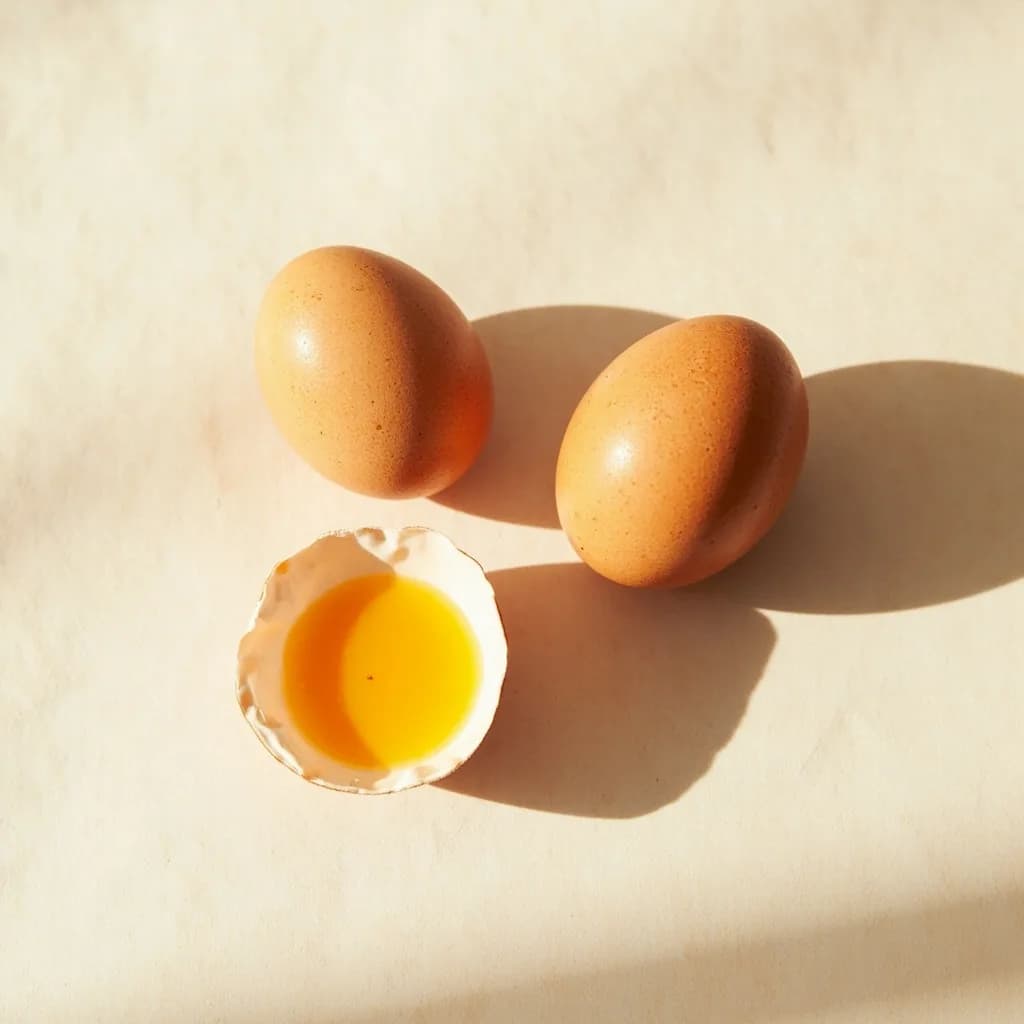
The kitchen's everything ingredient — bind, leaven, enrich, or fry
Chicken Breast
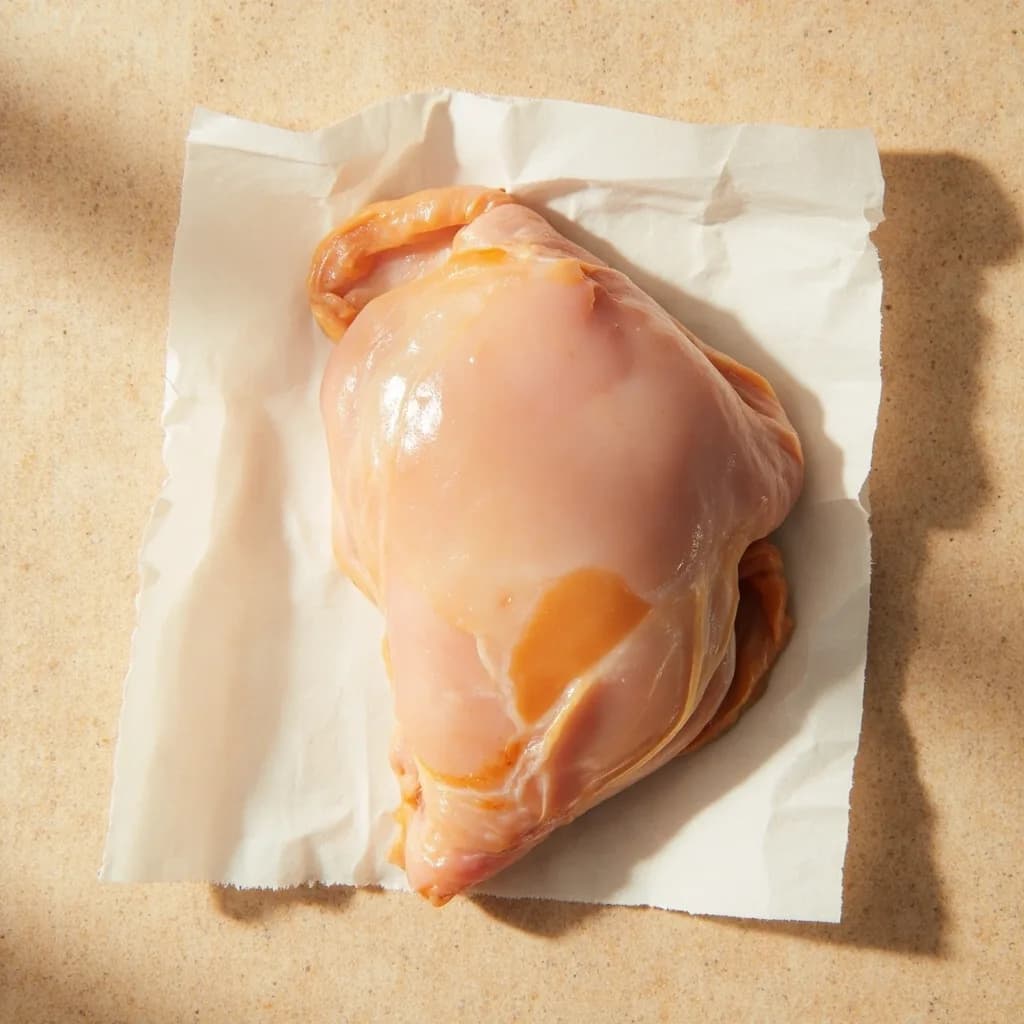
Lean, quick-cooking white meat for everyday dinners

Ground Beef
Versatile minced beef for burgers, ragù, tacos, and meatballs
Pork Loin
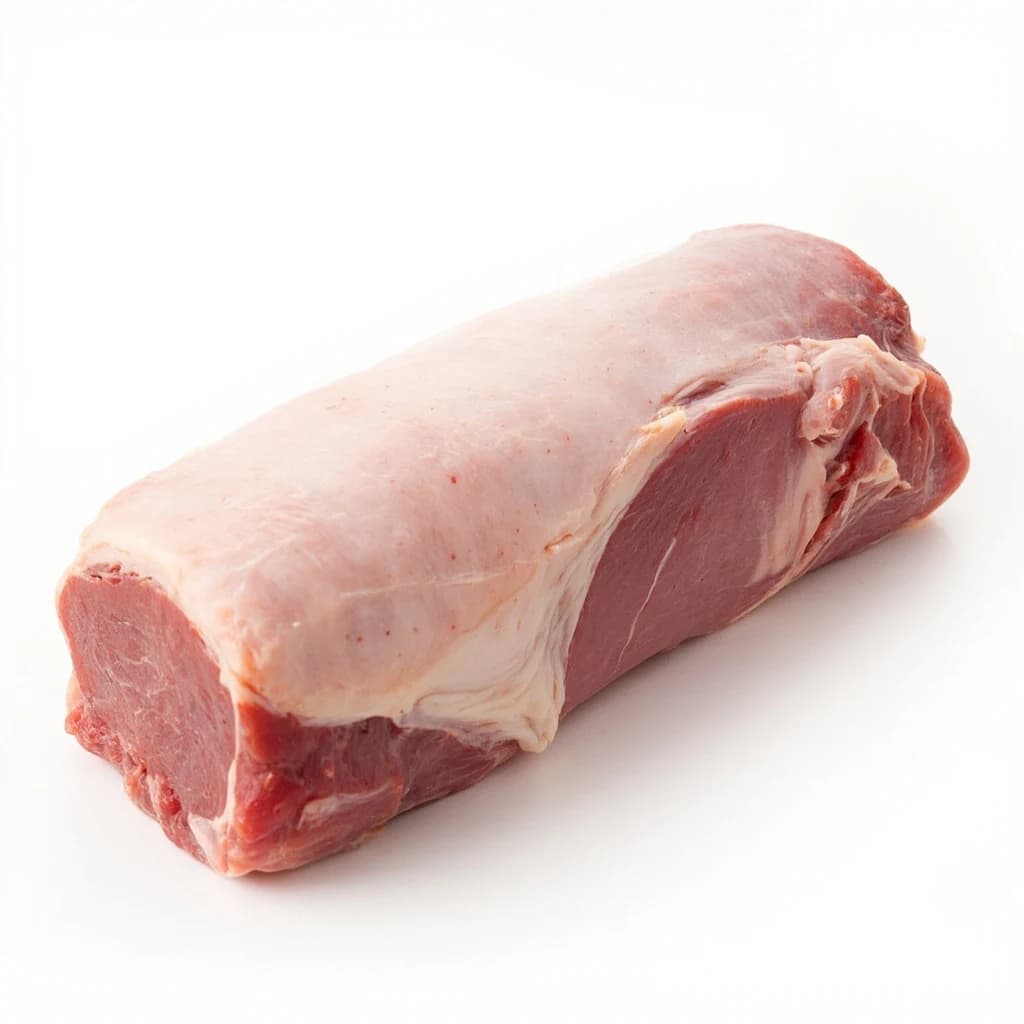
Lean, tender roasting cut that stays juicy with care
Salmon
Rich, rosy fish that roasts, grills, or cures beautifully

Egg White
Pure protein that whips to airy peaks for meringue and more
Egg Yolk
Rich, golden yolk for custards, mayonnaise, and pasta

Quail Egg
Tiny, speckled eggs for garnishing and elegant bites