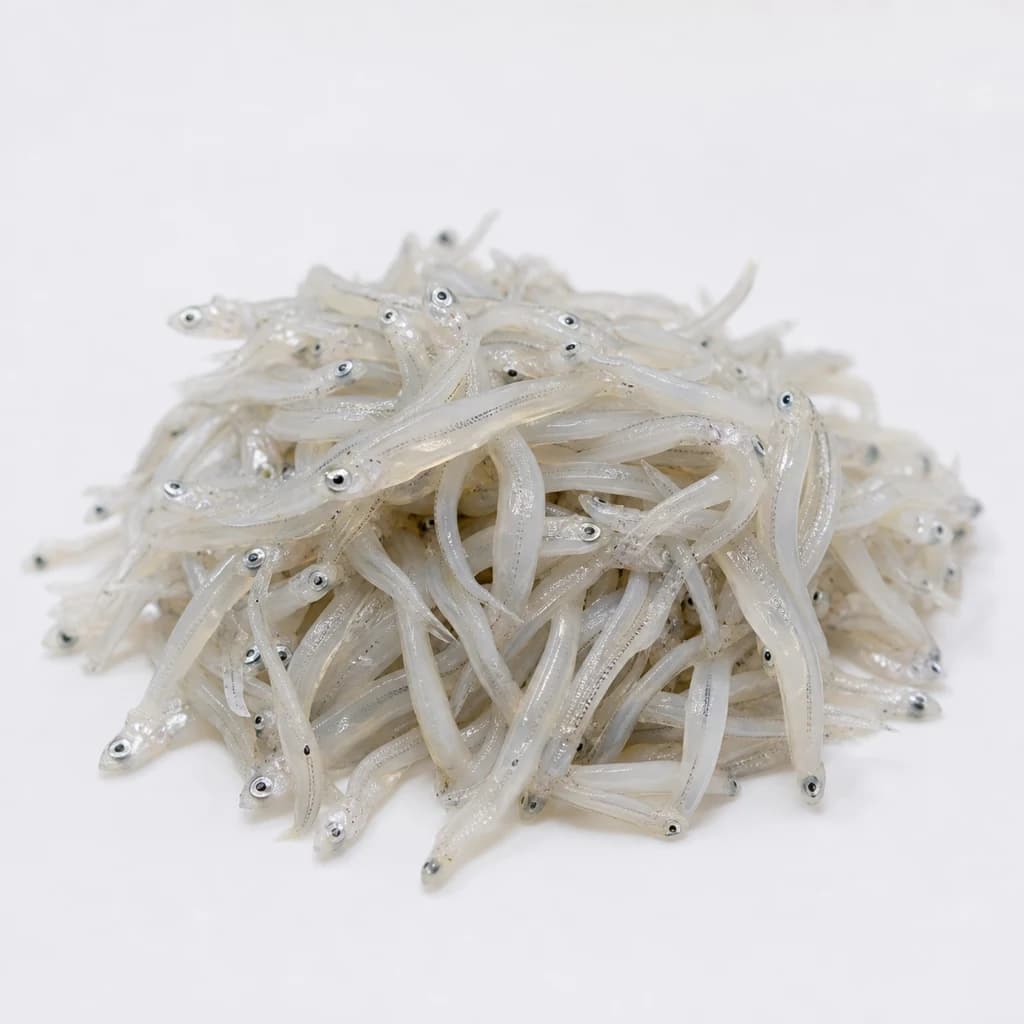
Natural form
Fresh raw shirasu: tiny translucent juvenile sardines piled loosely on a white surface.
Shows the defining visual trait — near-transparent, silver-white, 2–3 cm elongated fry — so readers immediately recognize the ingredient.
Proteins
Shirasu (Whitebait)
Tiny young sardine fry, eaten raw, boiled, or dried over rice in Japan.
Shirasu are tiny, translucent juvenile sardines or anchovies, a popular Japanese ingredient. They are eaten fresh and raw (nama-shirasu), lightly boiled, or partially dried, and are commonly served piled over rice (shirasu-don), in omelets, or with grated daikon. Their delicate, briny flavor makes them a seasonal coastal treat.
Shirasu refers specifically to the fry of clupeoid fish—primarily sardines (Sardinops melanostictus), though occasionally anchovy or herring—harvested before scales develop. The fish are tiny, typically 1–3 cm, and their near-translucent appearance when fresh gives them the English name "whitebait." What makes shirasu remarkable is its delicacy: the entire fish is eaten, including the soft, calcium-rich bones, which give it a barely-there texture that dissolves on the palate. In Japan, it occupies a revered position as both a seasonal delicacy and an everyday ingredient, appearing everywhere from humble rice bowls to formal kaiseki spreads. The ingredient's character changes dramatically with processing: fresh ma-shirasu is almost ethereal, kama-shirasu (briefly boiled in seawater) develops a pleasing firmness and intensified sweetness, while dried shirasu-boshi becomes a concentrated, shelf-stable condiment with deep umami. Understanding these forms and their appropriate uses is fundamental to cooking with shirasu well.
- Measured in
- g
- Storage
- Fridge
Allergens
Types & varieties
Fresh, raw whitebait; translucent appearance; most delicate texture; requires strict freshness and immediate use
Briefly boiled in seawater; firm texture; extended shelf life of 2–3 days refrigerated; sweetness is intensified through cooking
Sun-dried or machine-dried; concentrated flavor; can be stored for weeks; eaten as-is or reconstituted
Partially dried (semi-dried); intermediate texture and moisture between fresh and fully dried; popular for donburi bowls
Designation indicating catch method using cotton nets (wata); typically indicates fresher, higher quality in market hierarchies
Regional Distinction and Sourcing
Shirasu from Shizuoka's Suruga Bay commands premium prices, attributed to the species (young Sardinops melanostictus) and the fishing grounds' reputation. Hokkaido shirasu peaks in autumn, while Shikoku and Kyushu sources are strongest in late winter through spring. When sourcing, prioritize transparency of fresh ma-shirasu—any opacity or yellowing indicates age—and smell for a clean, ocean-forward scent; discard anything with sour or ammonia notes.
Common uses
Tips & pitfalls
- Select fresh ma-shirasu by checking translucency—opaque or yellowing indicates age and declining quality
- Smell should be clean and ocean-like; any sour or ammonia notes mean discard immediately
- When boiling kama-shirasu at home, use well-salted water and cook only 30–60 seconds; overcooking makes them tough and dulls the sweet flavor
- Lightly toast dried shirasu-boshi in a dry pan for 1–2 minutes to restore crunch and aroma before using as a finishing garnish
- Do not add acid (lemon, vinegar) to fresh shirasu until just before serving; it begins to cook the delicate fish immediately
- For shirasu-don, warm the rice briefly while keeping shirasu at room temperature—the contrast of warm rice and cool whitebait is intentional and essential
- When storing fresh shirasu, place on a bed of crushed ice in a colander; do not seal in plastic as trapped moisture accelerates spoilage
- In sushi preparation, handle raw shirasu minimally with wet hands to preserve the delicate texture and prevent breaking
Nutrition
Nutrition
No USDA FoodData Central match for Shirasu (Whitebait) yet. We surface a per-100 g profile once a generic whole-food entry is matched and verified.
In the shops
Matched grocery products
No matched grocery products for Shirasu (Whitebait) yet.
Good to know
- Definition
- Young sardine fry (occasionally anchovy or herring) harvested before scale development
- Primary Regions
- Shizuoka (Suruga Bay), Hokkaido (Hakodate), Kagoshima, Miyazaki
- Peak Season
- Spring (March–May) and autumn (September–November) by region
- Size
- 1–3 cm in length when harvested
- Fresh Storage
- Keep on ice; consume within 12–24 hours of purchase
- Dried Storage
- Sealed container, cool dark place; up to 2 months (lightly dried); longer for fully dried
- Flavor
- Mild, clean, briny sweetness; subtle umami; minimal fishiness when truly fresh
- Nutritional Note
- Rich in calcium (from soft edible bones), protein, and omega-3 fatty acids
- Japanese Script
- 白子 (shirasu)
Substitutes
- Dried baby anchovies (chirimen-jako) — Smaller size; saltier and more intense fish flavor; rehydrate before use in cooked preparations
- Dried krill (okiami) — Similar size and texture; more robust shrimp-like flavor; common in both Korean and Japanese cooking
- Capelin roe — Different category (roe vs. fry) but similar visual presentation and mild flavor profile
- Fresh or dried smelt — Larger fry; more pronounced fish taste; acceptable substitute in rice bowls and salads
Pairs with
Also called
Whitebait · Baby Sardines
Appears in these dishes
Related
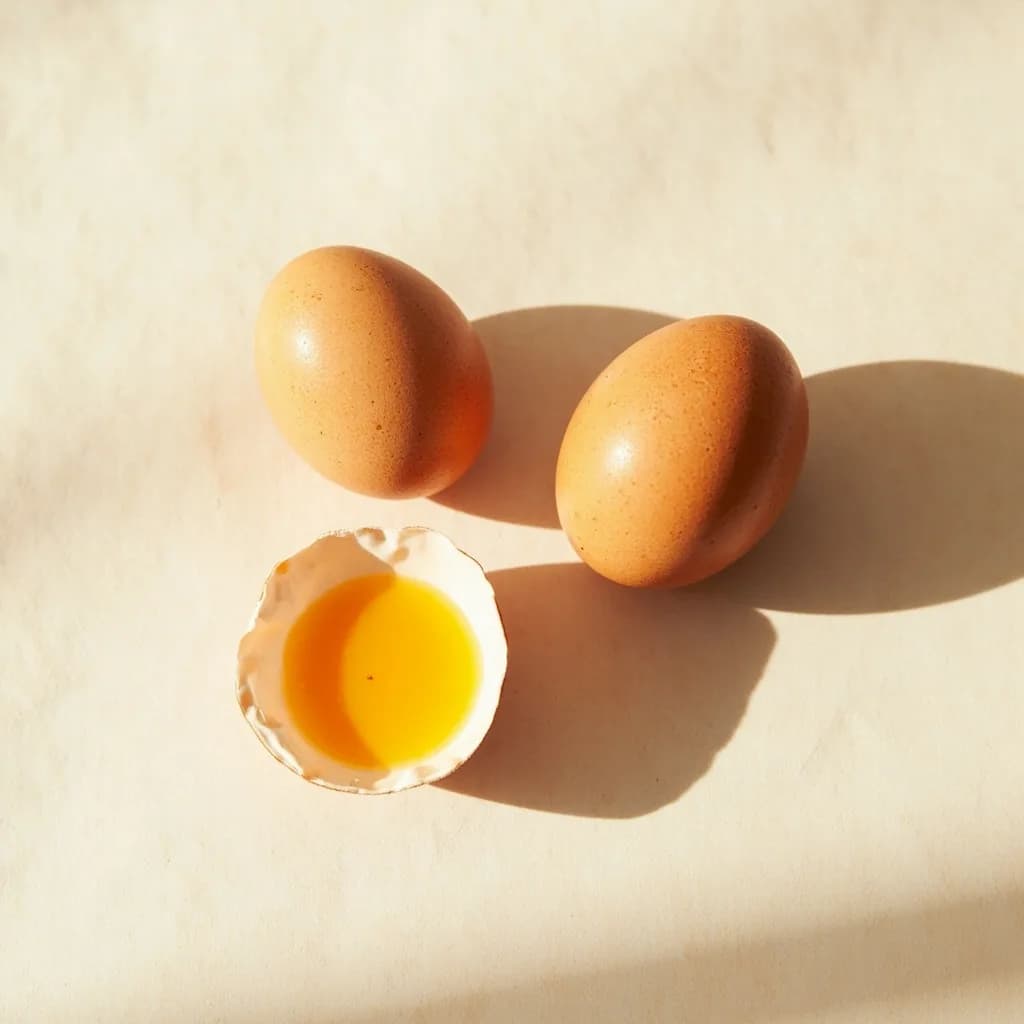
Egg
The kitchen's everything ingredient — bind, leaven, enrich, or fry
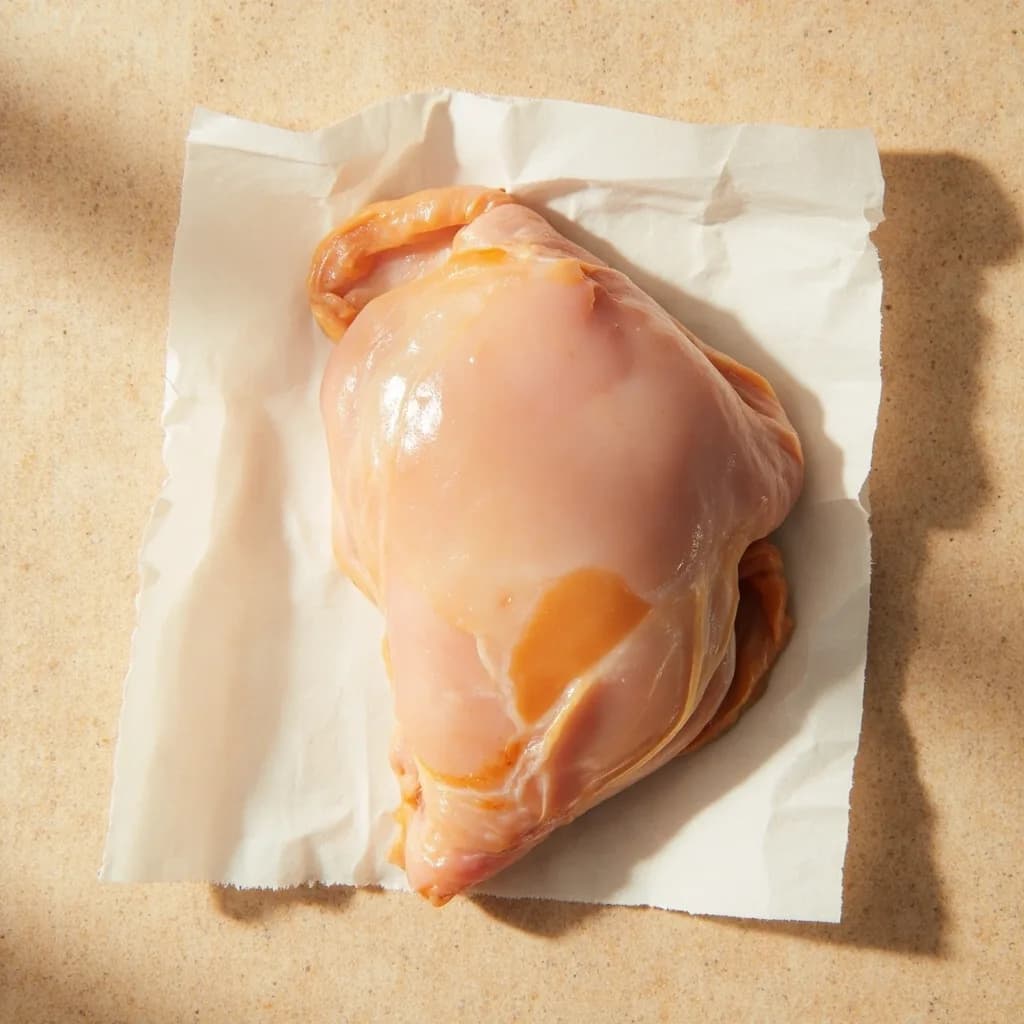
Chicken Breast
Lean, quick-cooking white meat for everyday dinners

Ground Beef
Versatile minced beef for burgers, ragù, tacos, and meatballs
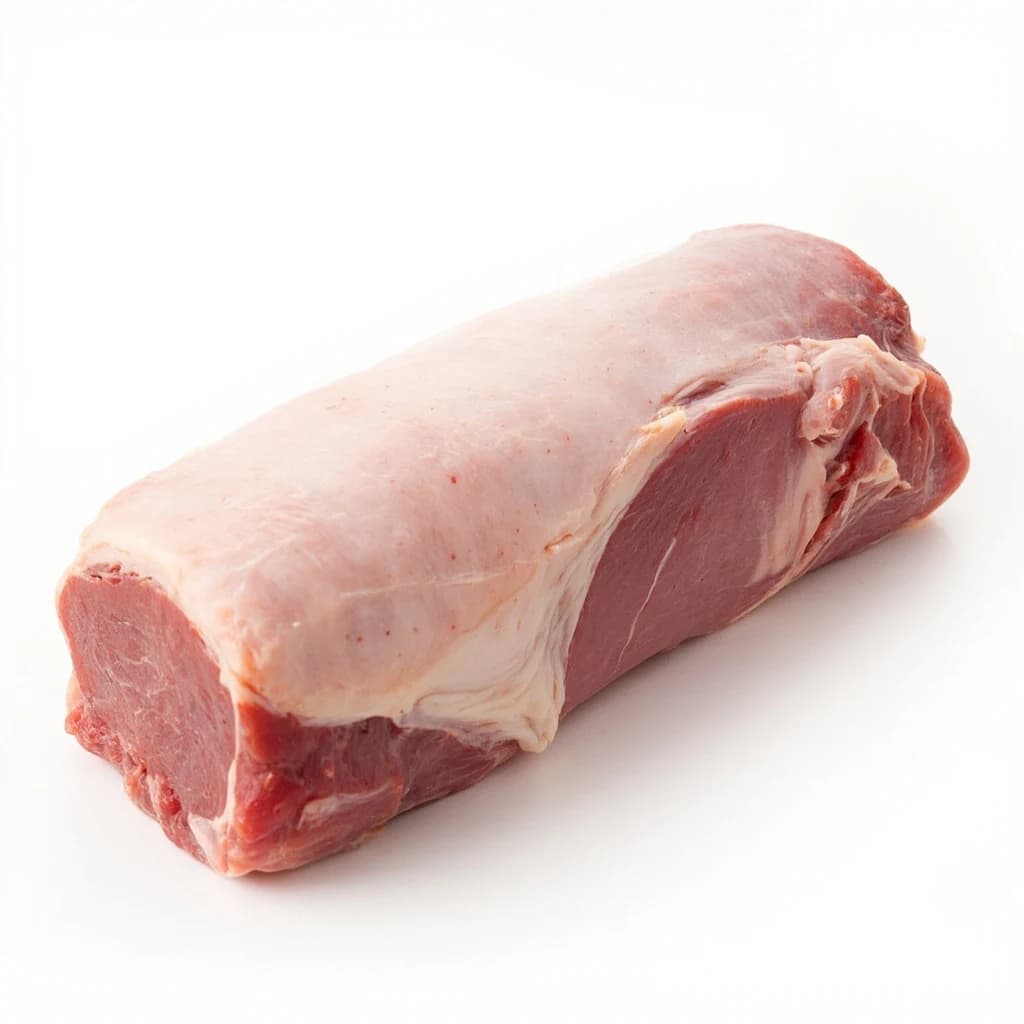
Pork Loin
Lean, tender roasting cut that stays juicy with care
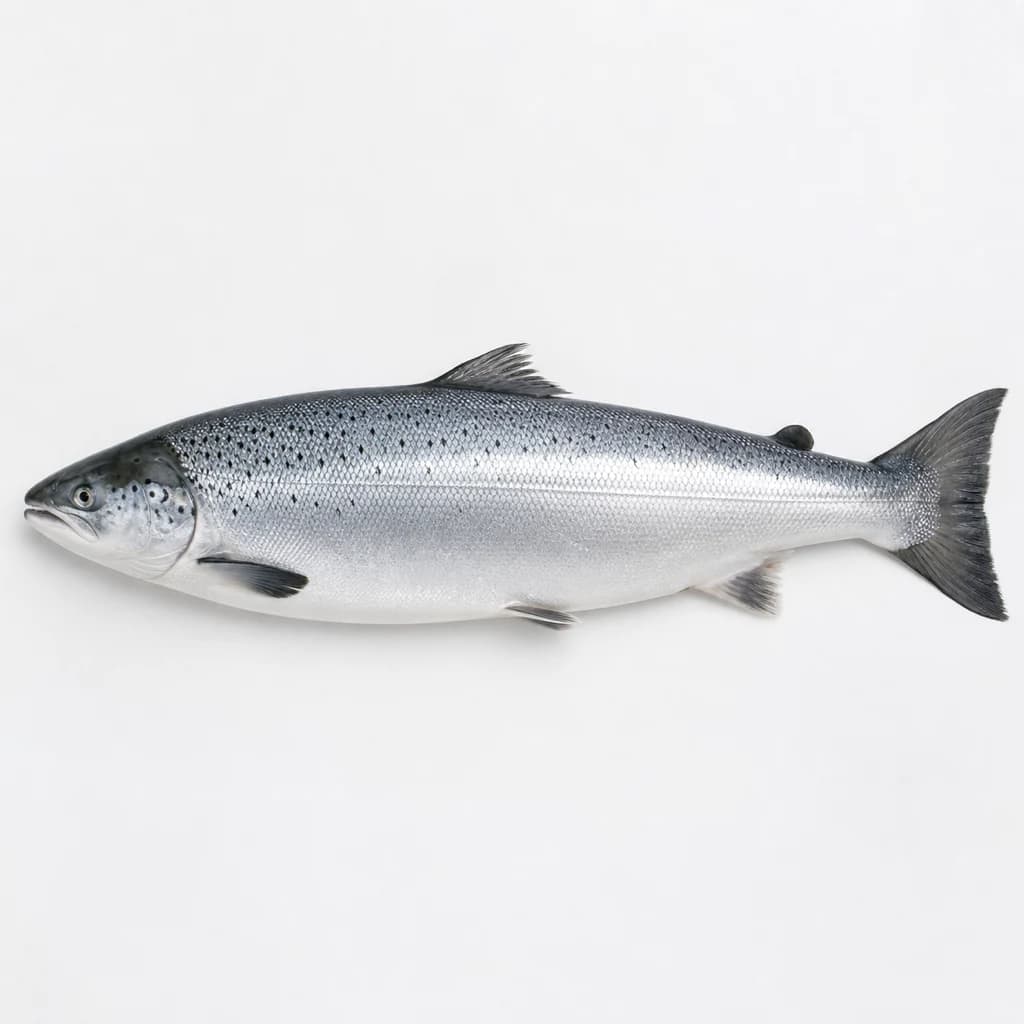
Salmon
Rich, rosy fish that roasts, grills, or cures beautifully

Egg White
Pure protein that whips to airy peaks for meringue and more

Egg Yolk
Rich, golden yolk for custards, mayonnaise, and pasta

Quail Egg
Tiny, speckled eggs for garnishing and elegant bites