Legumes & Beans
Natto
Sticky, pungent fermented soybeans eaten over rice in Japanese breakfasts.
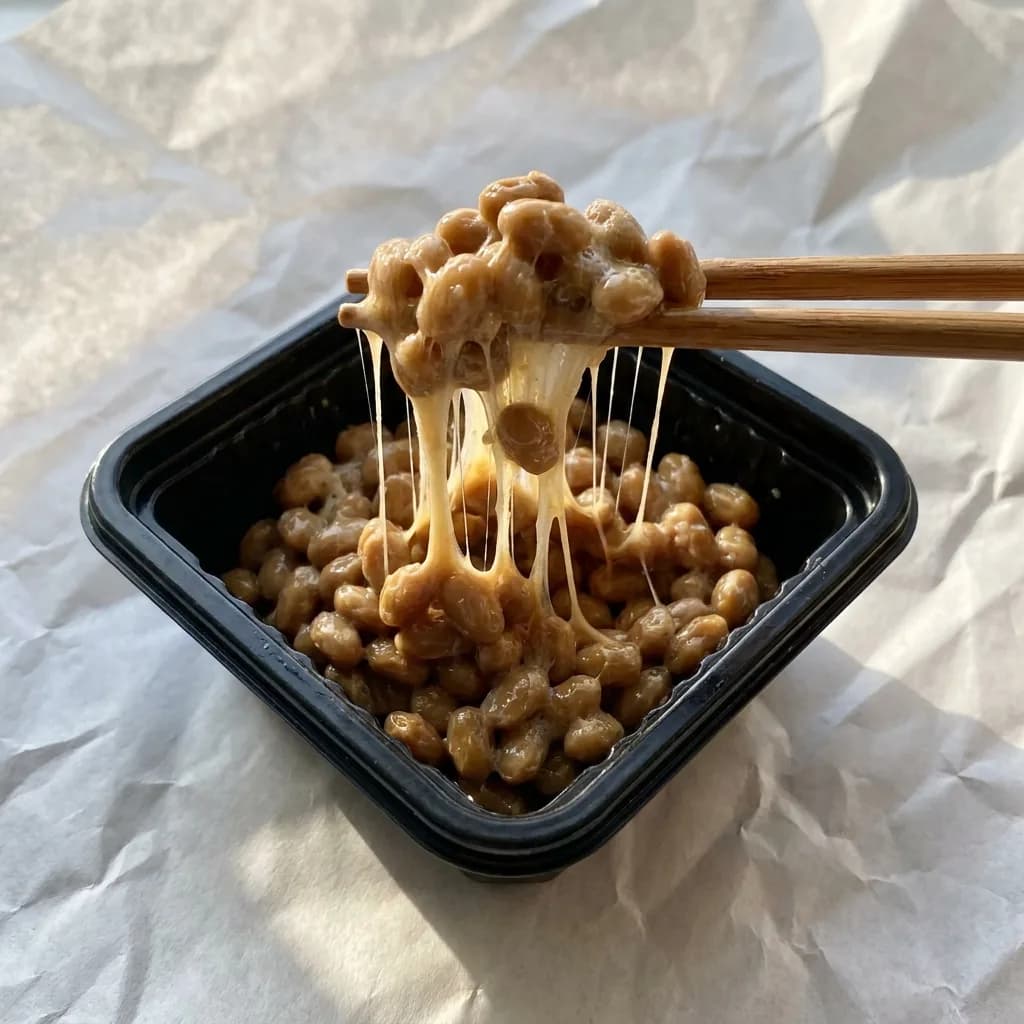
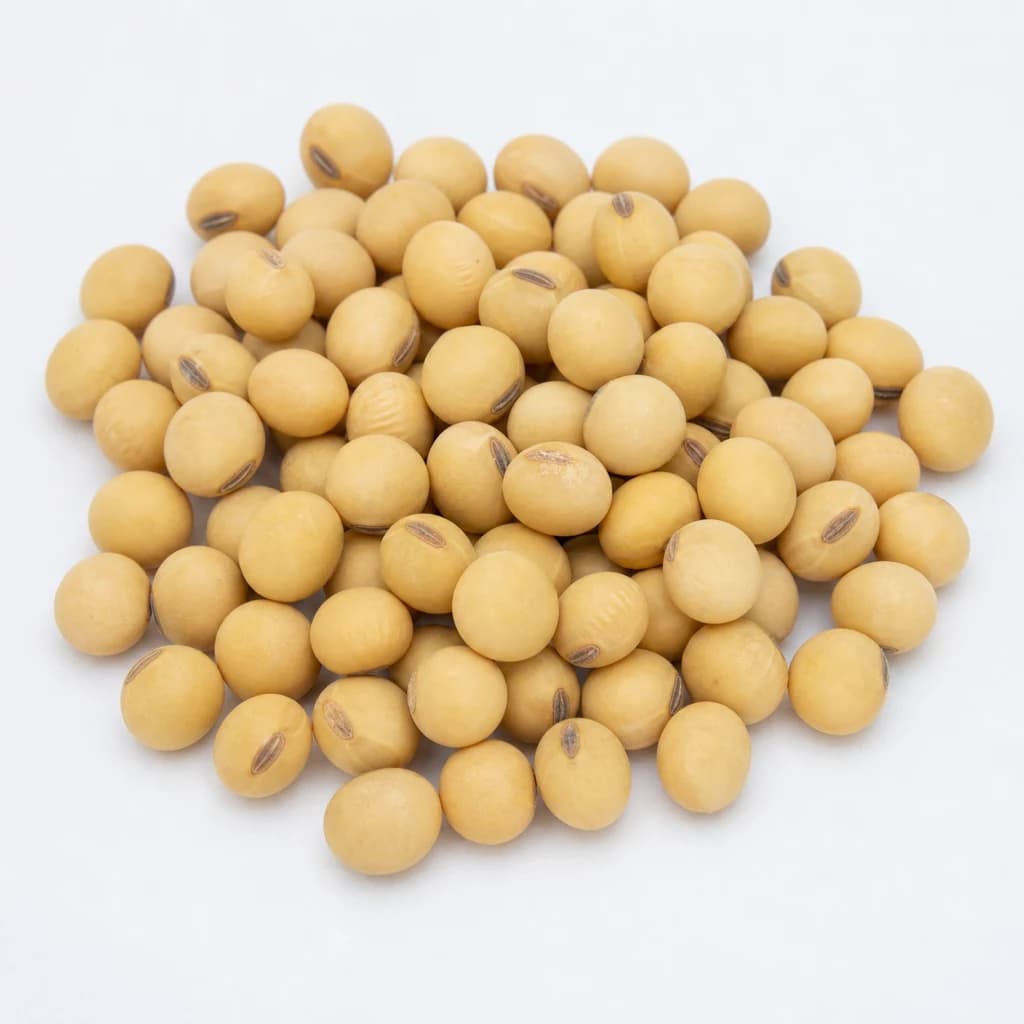
Natto is whole soybeans fermented with Bacillus subtilis, producing a sticky, stringy coating and a powerful, pungent aroma. A traditional Japanese breakfast food, it is stirred to develop its slime and eaten over rice, often with mustard, soy sauce, and scallions. It is highly nutritious and rich in vitamin K2.
Natto is a Japanese fermented soybean preparation distinguished by its dramatic stringy mucus and pungent ammonia aroma, both direct products of fermentation by Bacillus subtilis. The bacteria break down soybean proteins during a 24–48 hour fermentation at around 40°C (104°F), producing extracellular polyglutamic acid—the compound that creates the characteristic sticky threads when the beans are stirred. This fermentation also generates pyrazines, which contribute nutty undertones beneath the sharp ammonia notes. The product is typically flash-pasteurized after fermentation for shelf stability, killing live bacteria; unpasteurized natto sold in Japan is labeled nama-natto and carries a more aggressive ammonia profile with active enzymes. Regional preferences shape the product significantly: eastern Japan's Hama-natto prioritizes maximum stickiness and pungency, while western Japan's Tera-natto favors smaller, drier beans with a milder character. Its polarizing reputation internationally belies its deep cultural significance in Japan, where it provides concentrated umami and vitamin K2 in a simple raw preparation that requires no cooking.
- Measured in
- g
- Storage
- Fridge
Allergens
Types & varieties
Kanto (eastern Japan) style; larger beans, strong ammonia aroma, very sticky
Kansai (western Japan) style; smaller beans, drier texture, milder flavor
Kyoto specialty; premium grade, delicately fermented
Tokyo area brand-style; standardized quality and flavor
Hokkaido style; soybeans fermented with salt, heavier texture
Natto finished with a layer of sweet white miso on top
Natto pressed and dried; rehydrates for use in cooked dishes
Why the Texture Is Irreplaceable
The signature stringiness of natto comes from polyglutamic acid, a polymer of D- and L-glutamic acid that the bacteria secrete as a protective biofilm during fermentation. The threads form when you stir the beans vigorously—exposing them to air and mechanical action activates the polymer matrix. Do not rinse, drain, or over-handle natto, as each of these actions degrades the mucus and with it, the essential character of the dish.
- Never rinse or drain natto before using
- Stir vigorously with chopsticks or a fork to develop maximum threads
- Brief exposure to air after opening helps the mucus matrix activate
Buying and Storing Guidance
Check expiration dates carefully when purchasing—older natto develops excessive ammonia that tips from pleasantly pungent into unpleasant bitterness. Once opened, consume within 10–14 days refrigerated. The tare packets included with most commercial natto contain soy sauce, mirin, and sometimes dashi; add these after any cooking step to prevent the sugars from burning. Freezing is possible for up to 3 months but comes at a severe texture cost: ice crystals rupture the polyglutamic acid matrix, leaving crumbly rather than stringy beans. If you must freeze, use within 1 month and reserve the product for cooked applications where texture matters less.
- Always check the sell-by date before purchasing
- Add the included seasoning sauce after cooking, not before
- Freezing degrades the defining stringiness irreversibly
Common uses
Tips & pitfalls
- Open the package and let it breathe for 30 seconds before eating; the ammonia smell dissipates slightly and the beans release more mucus when exposed to air.
- To reduce ammonia intensity, briefly blanch or pan-fry natto — it mellows the pungency substantially.
- Always add the included tare (seasoning sauce) after cooking if using natto in a hot dish; the sugars and salt caramelize better without the sauce present during heating.
- The sticky threads are the defining characteristic — do not rinse or drain natto, or you lose its essential texture.
- When buying, check the expiration date carefully; older natto develops excessive ammonia and bitter notes.
- For homemade natto: soak soybeans overnight, steam or pressure-cook until fully tender but not mushy, then inoculate with natto starter or wrap a fresh natto pack around the beans, ferment in a warm spot (40 °C) for 24 hours.
- Freezing destroys the stringy polyglutamic acid matrix; if you must freeze, consume within 1 month and accept that the texture will be crumbly, not sticky.
- Immunocompromised individuals should only consume commercially sterilized natto, not raw nama-natto, due to bacterial contamination risk.
Nutrition
Energy
883 kJ · per 100 g
Where the calories come from
Protein
19.4g
39% DV
Carbs
12.7g
5% DV
Fat
11g
14% DV
Fiber
5.4g
19% DV
Sugars
4.9g
of which
Sodium
7mg
0% DV
Source · USDA FoodData Central · Natto
View on FDC →In the shops
Matched grocery products
No matched grocery products for Natto yet.
Good to know
- Origin
- Japan (Kochi Prefecture claims earliest records, 11th–12th century)
- Primary fermentation culture
- Bacillus subtilis var. natto
- Key flavor compounds
- Pyrazines and ammonia from proteolysis during fermentation
- Signature texture
- Sticky, stringy mucus from polyglutamic acid produced by the bacteria
- Typical serving size
- 40–50 g individual container, one per person
- Shelf life (refrigerated)
- 10–14 days after opening; unopened, check package date
- Home fermentation time
- 24–48 hours at 40–42 °C (104–108 °F)
- Major allergen
- Soybeans
Substitutes
- Tempeh — Not fermented with the same bacteria; lacks the sticky texture and ammonia notes entirely, but provides comparable fermented-soybean umami; serve marinated and pan-fried as a textural substitute
- Cheonggukjang (Korean) — Short-fermented soybean paste with Bacillus subtilis; similar ammonia-pungency and stickiness but coarser, saltier; use as a 1:1 substitute in cooked Korean dishes
- Douchi (Chinese fermented black beans) — Different fermentation culture (Aspergillus), so flavor and texture differ; acceptable in savory cooked applications where fermented soy is needed but not for raw rice dishes
Pairs with
Also called
Fermented Soybeans · 納豆
Appears in these dishes
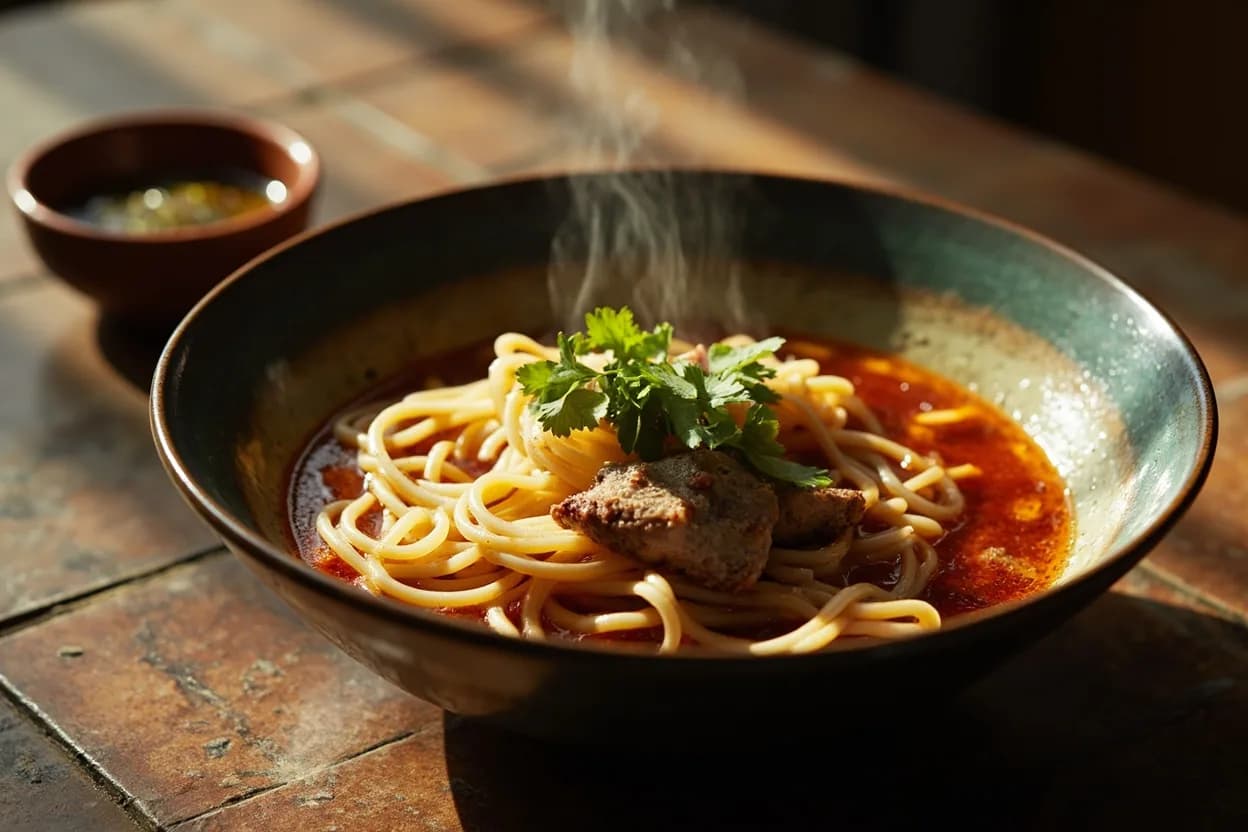
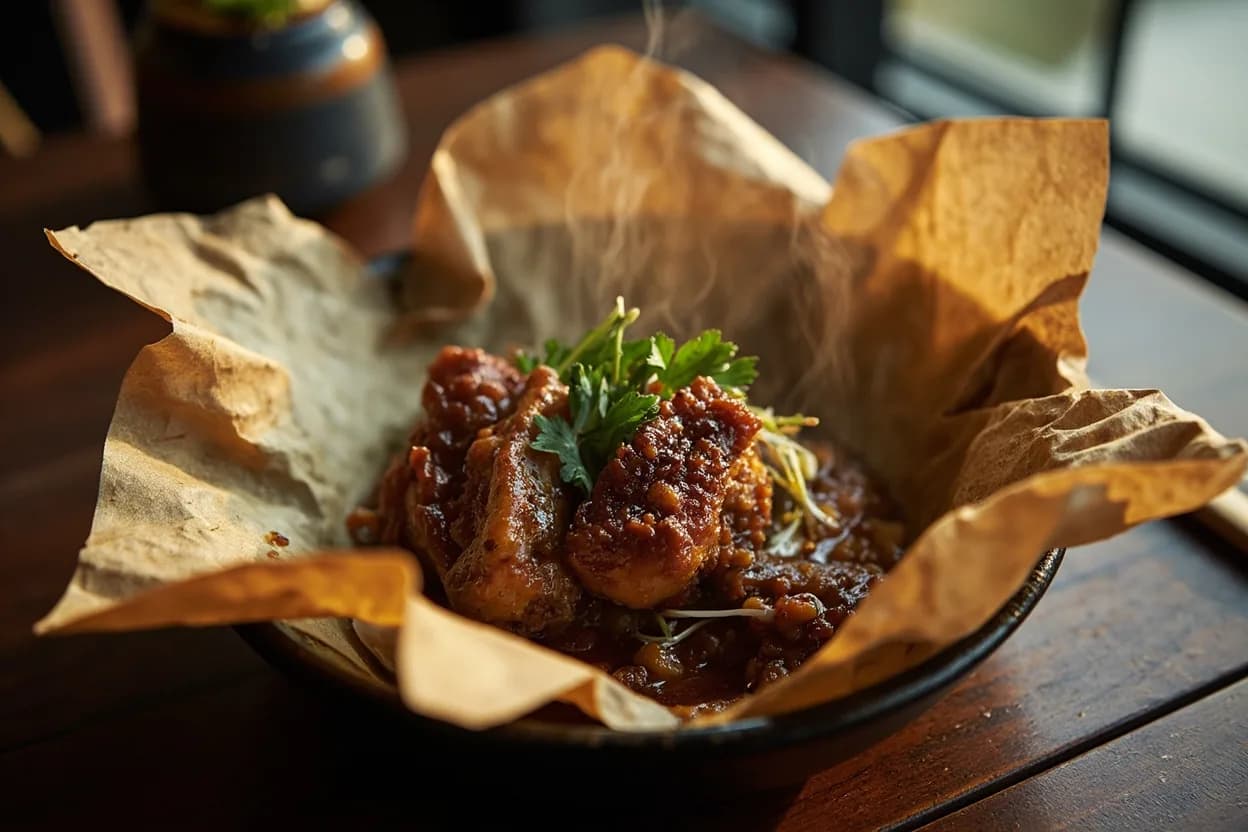
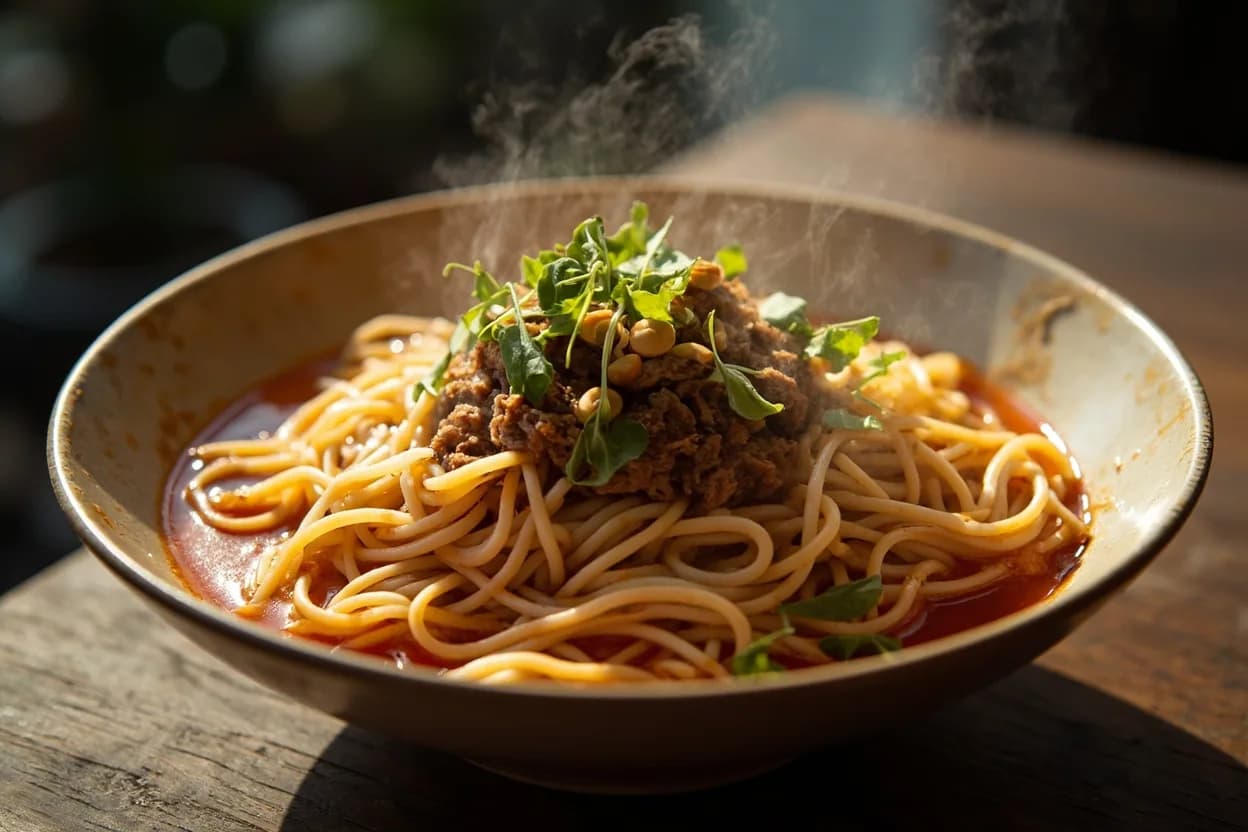
Related
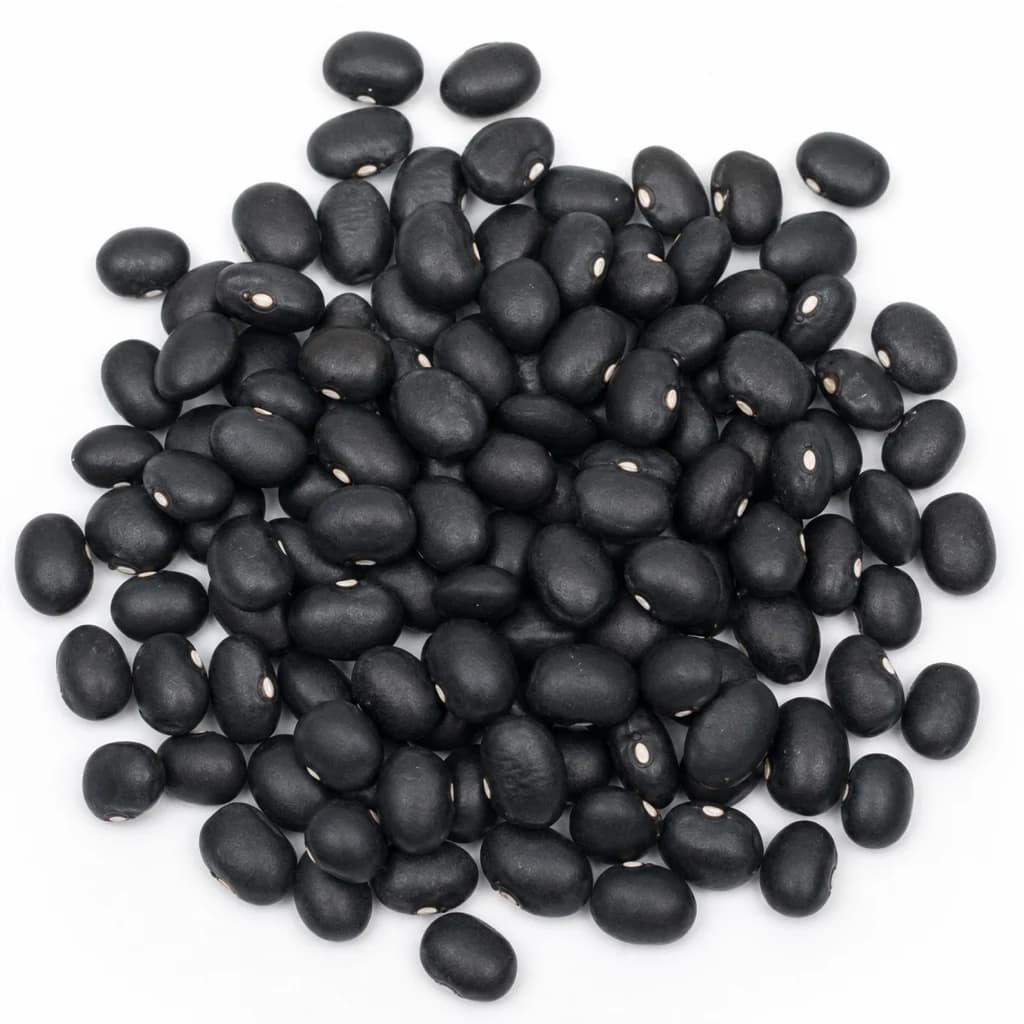
Black Beans
Earthy, creamy beans for bowls, soups, and tacos
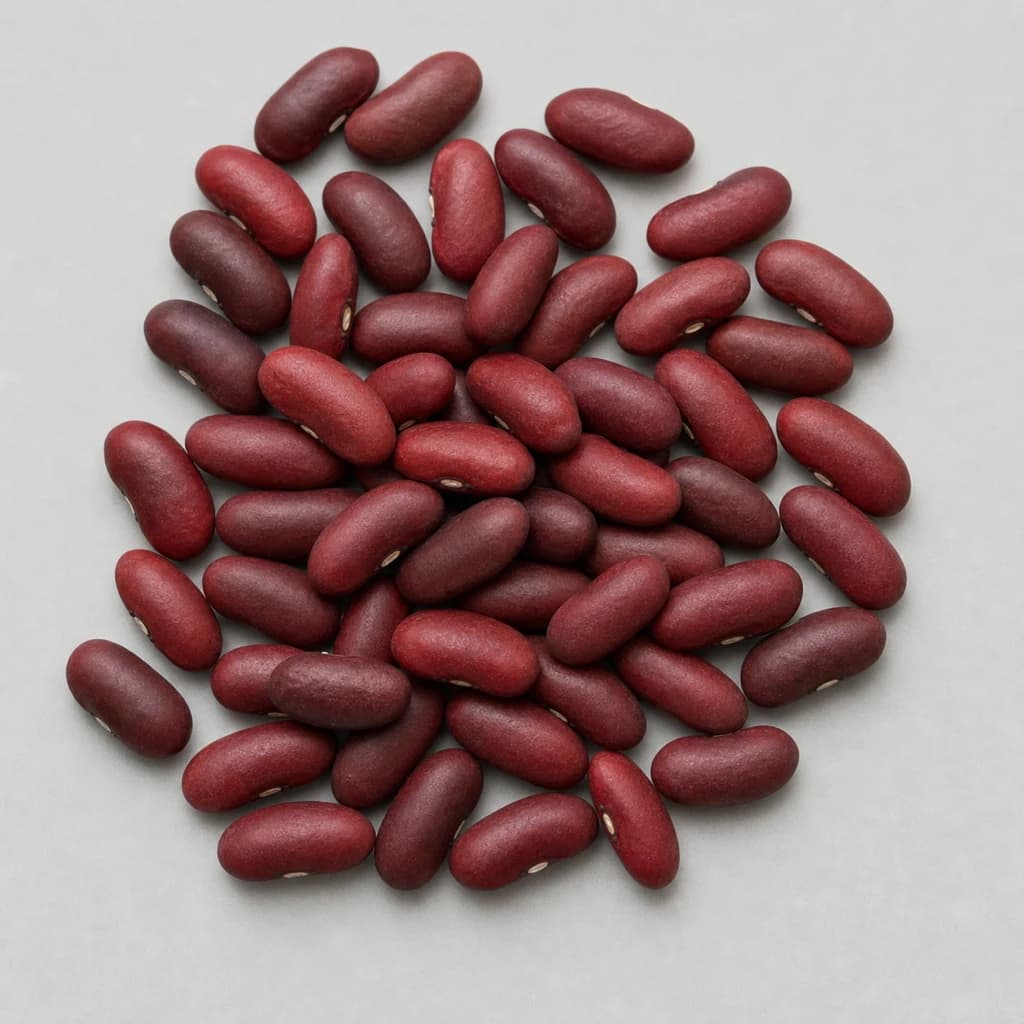
Kidney Beans
Hearty red beans that hold their shape in chili and stews
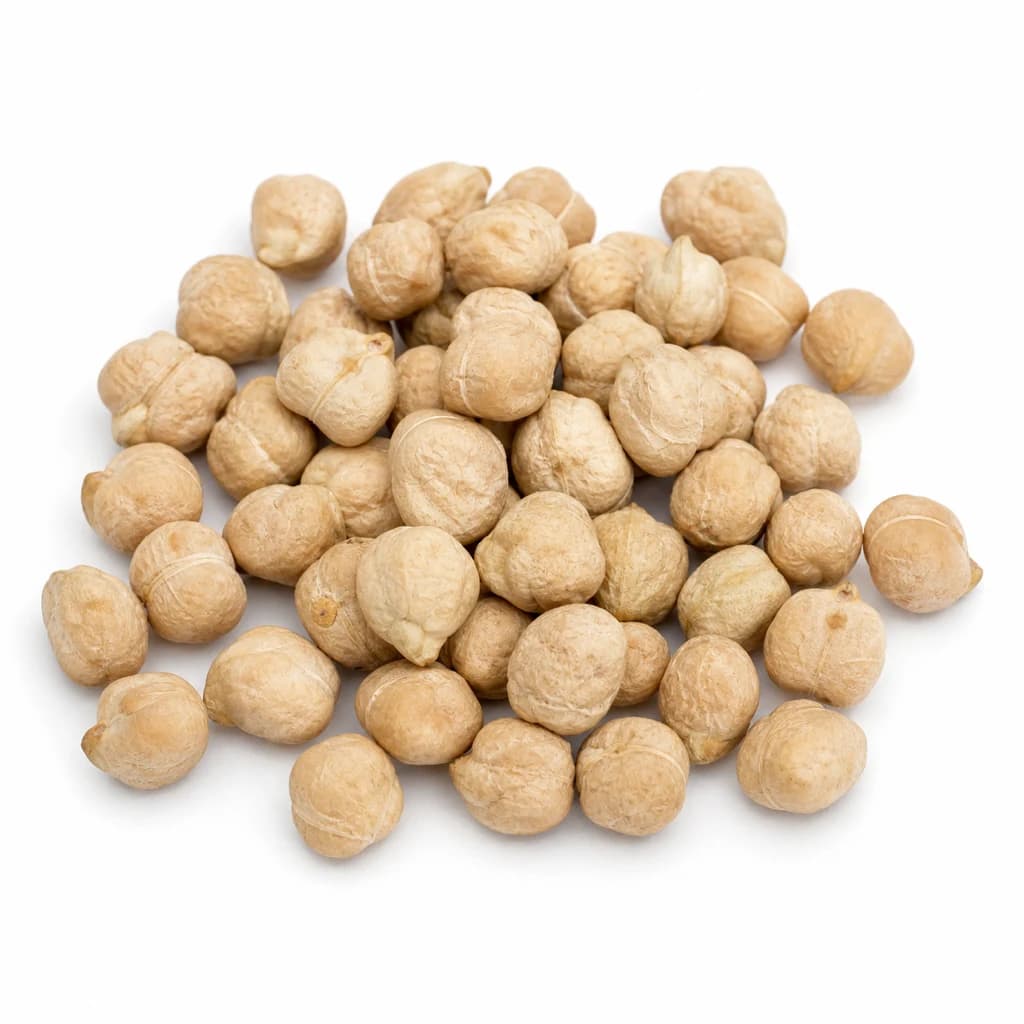
Chickpeas
Nutty, versatile beans for hummus, curries, and roasting
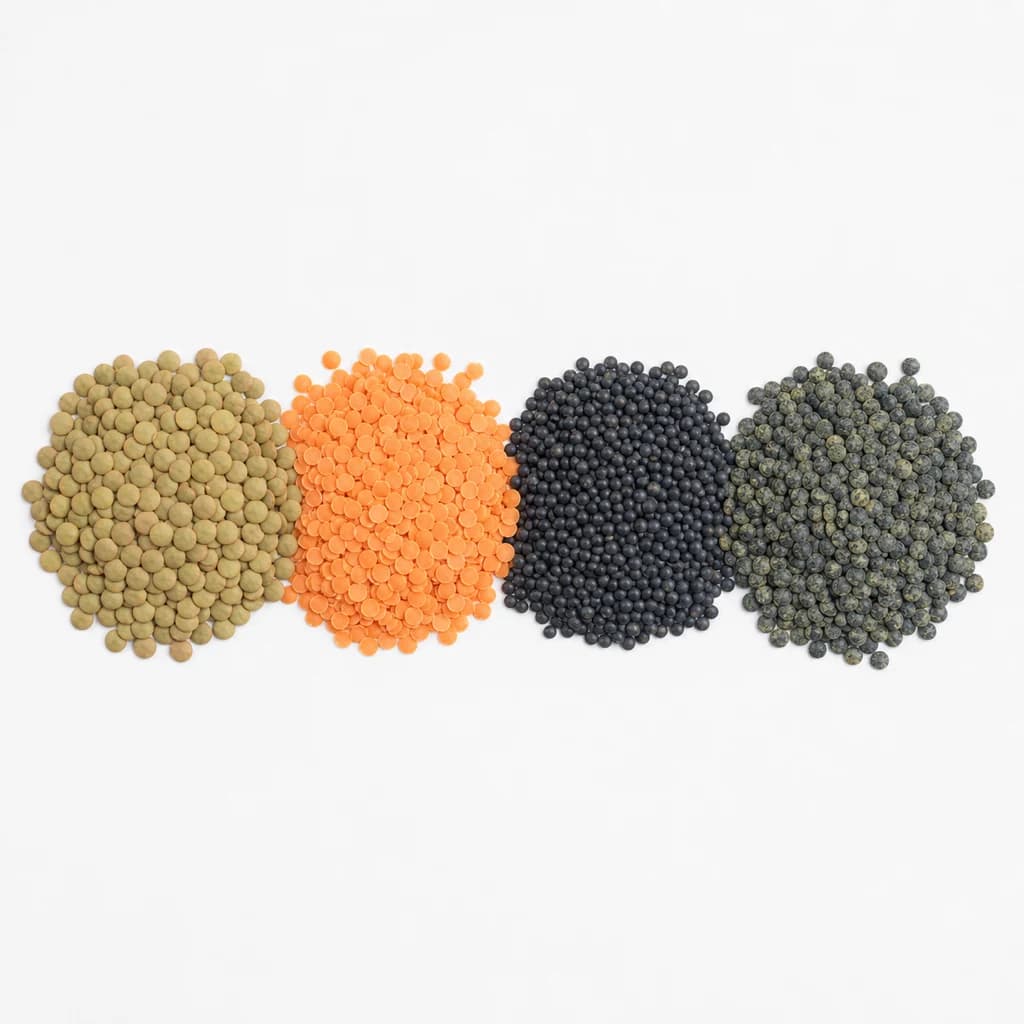
Lentils
Quick-cooking pulses for soups, dals, and hearty salads

White Beans
Creamy, mild beans for soups, stews, and silky purées
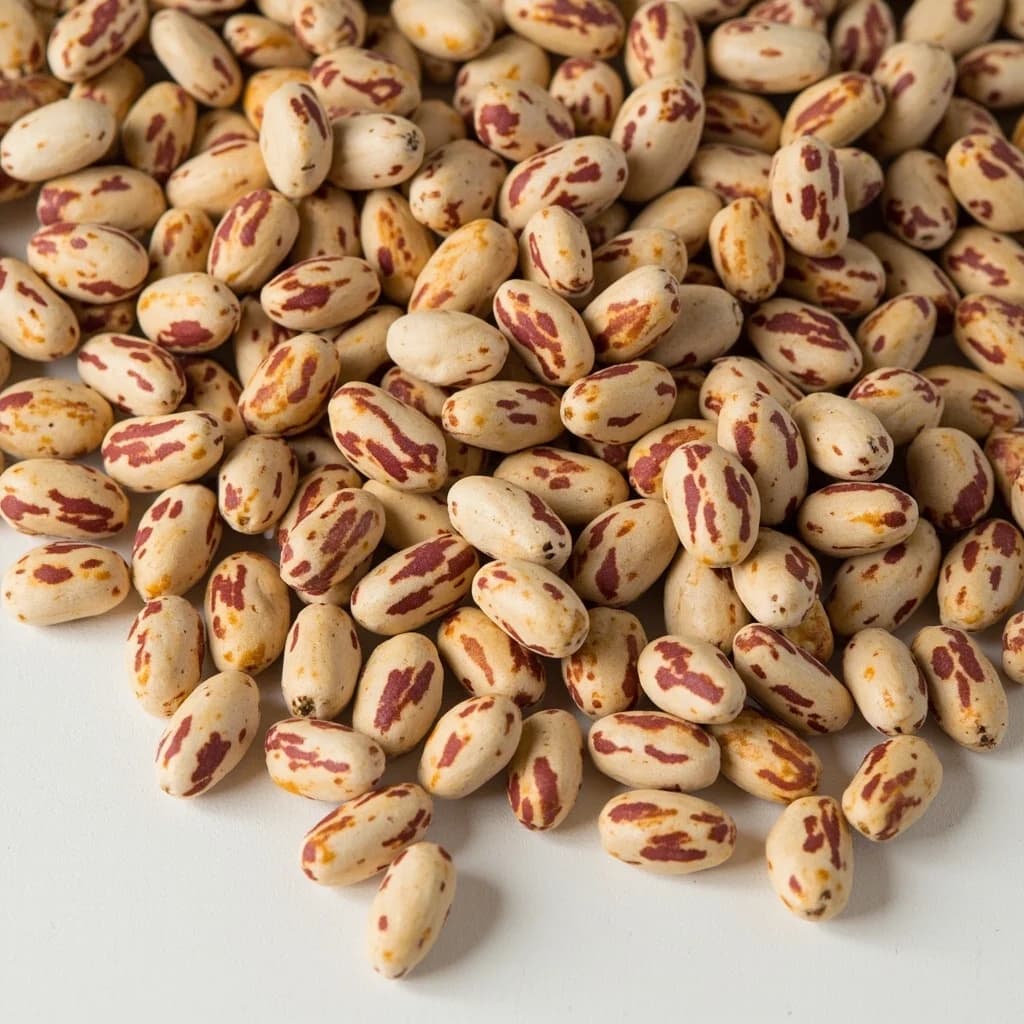
Pinto Beans
Creamy, speckled beans for refried beans and stews

Split Peas
Quick-cooking peas that melt into thick, comforting soups
Soybeans
Protein-packed beans, the base for tofu and miso