Western Europe
Basque (France)
Also: French Basque, Pays Basque cuisine, Cuisine basque française, Iparralde cooking
The French face of Basque cooking — piperade, Bayonne ham, Espelette pepper, and a restaurant culture that helped invent modern gastronomy.
French Basque cuisine is the culinary tradition of the three northern Basque provinces (Labourd, Basse-Navarre, and Soule) administered under France, collectively called Iparralde. It shares foundational elements with Spanish Basque cooking — piment d'Espelette, fresh cod, sheep's milk cheese, and txakoli wine — while layering French technique, the cured-meat mastery of Bayonne, and a distinctive Atlantic seafood character. The French Basque table is more rustic and less restaurant-centric than its Spanish counterpart, though the cross-border dialogue between Bayonne, Biarritz, and San Sebastián has produced some of the most innovative cooking in Europe.
The flavour base
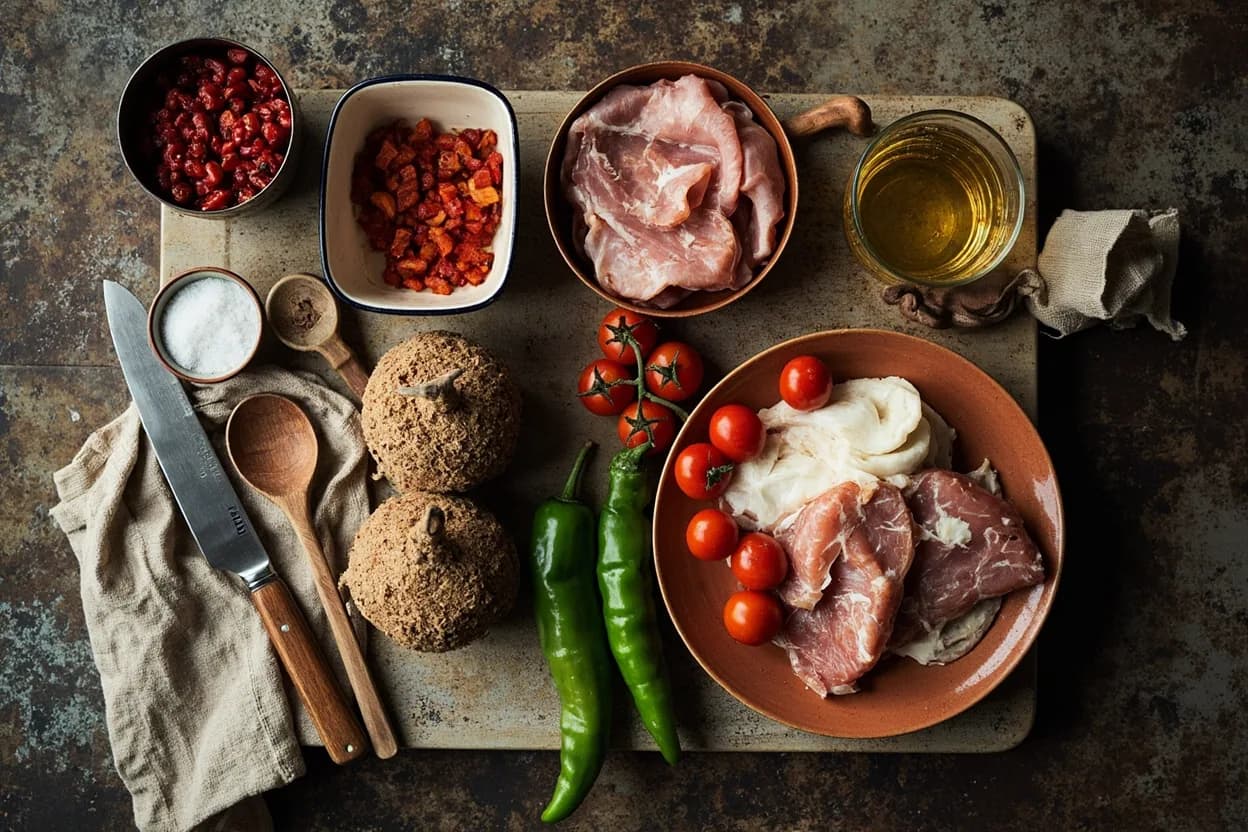
Piperade — a slow-cooked base of onion, tomato, and green pepper seasoned with piment d'Espelette — is the region's equivalent of a sofrito and underpins dozens of preparations from eggs to fish. Bayonne ham fat is used as a cooking medium in the same way butter defines Norman cooking.
Pantry staples
Key ingredients
Signature techniques
Signature dishes
Basque (France) on the table
At the table
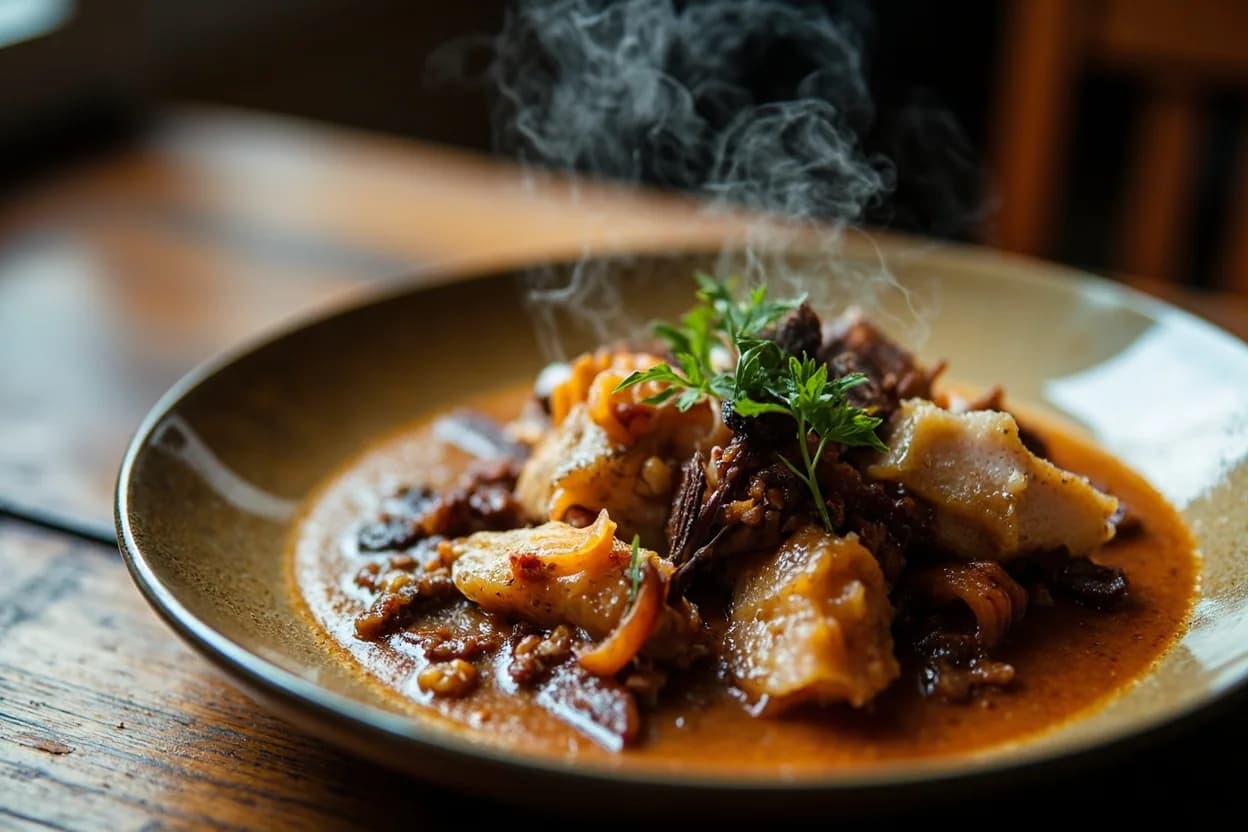
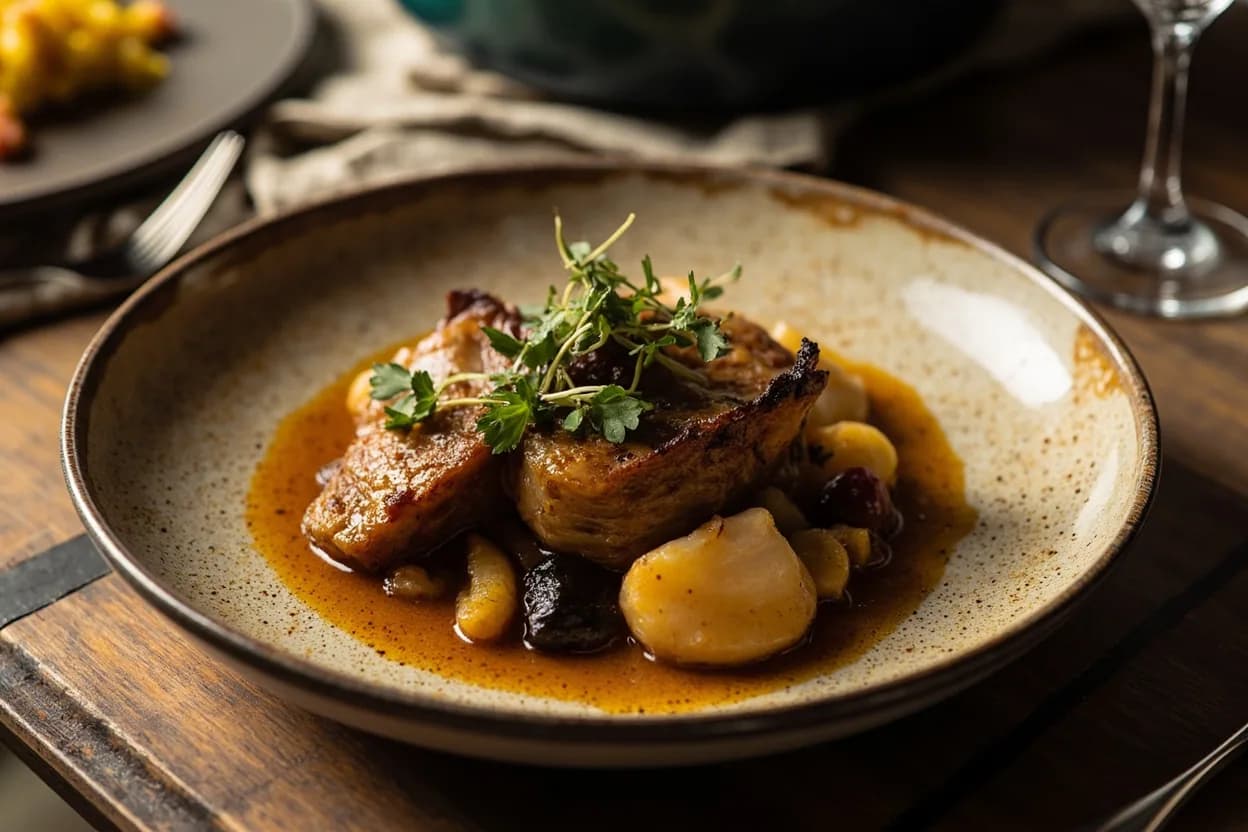
Meals follow French rhythm (starter–main–cheese–dessert) but with Basque informality and generosity. Communal gatherings — around a whole roasted lamb or a pot of ttoro — are as important as restaurant dining. The pintxos counter culture, borrowed from the Spanish side, has taken root in Bayonne and Saint-Jean-de-Luz; standing at the zinc bar with a small plate and a glass of txakoli is a lunchtime norm.
History & context
The Basque people are Europe's oldest continuous ethnic group, with a language (Euskara) of unknown origin predating Indo-European settlement. Their coastal position made them expert whalers and cod fishermen from the 11th century onward — Basque sailors are believed to have fished the Grand Banks of Newfoundland decades before Columbus, and they introduced salt-cod preservation techniques that shaped the entire Atlantic world. Bayonne became a major trade and curing centre in the Middle Ages; its smoked ham achieved legal protection (IGP) in 1998. The French Basque restaurant scene gained global attention in the late 20th century as proximity to San Sebastián's nueva cocina vasca spilled north — the Darroze family in Villeneuve-de-Marsan and the Guérard circle at Eugénie-les-Bains emerged from this borderland ferment. Piment d'Espelette received AOC status in 2000, the first French spice to do so.
Regional variations
- Labourd (côte basque)
The Atlantic coast, centred on Bayonne, Biarritz, and Saint-Jean-de-Luz; seafood-dominant, tuna and anchovy traditions strong, most tourist-facing and pintxos-influenced.
- Basse-Navarre
Inland, mountainous; lamb and sheep farming dominate; Ossau-Iraty cheese production; the cooking is more robustly rural and less influenced by Spanish innovation.
- Soule
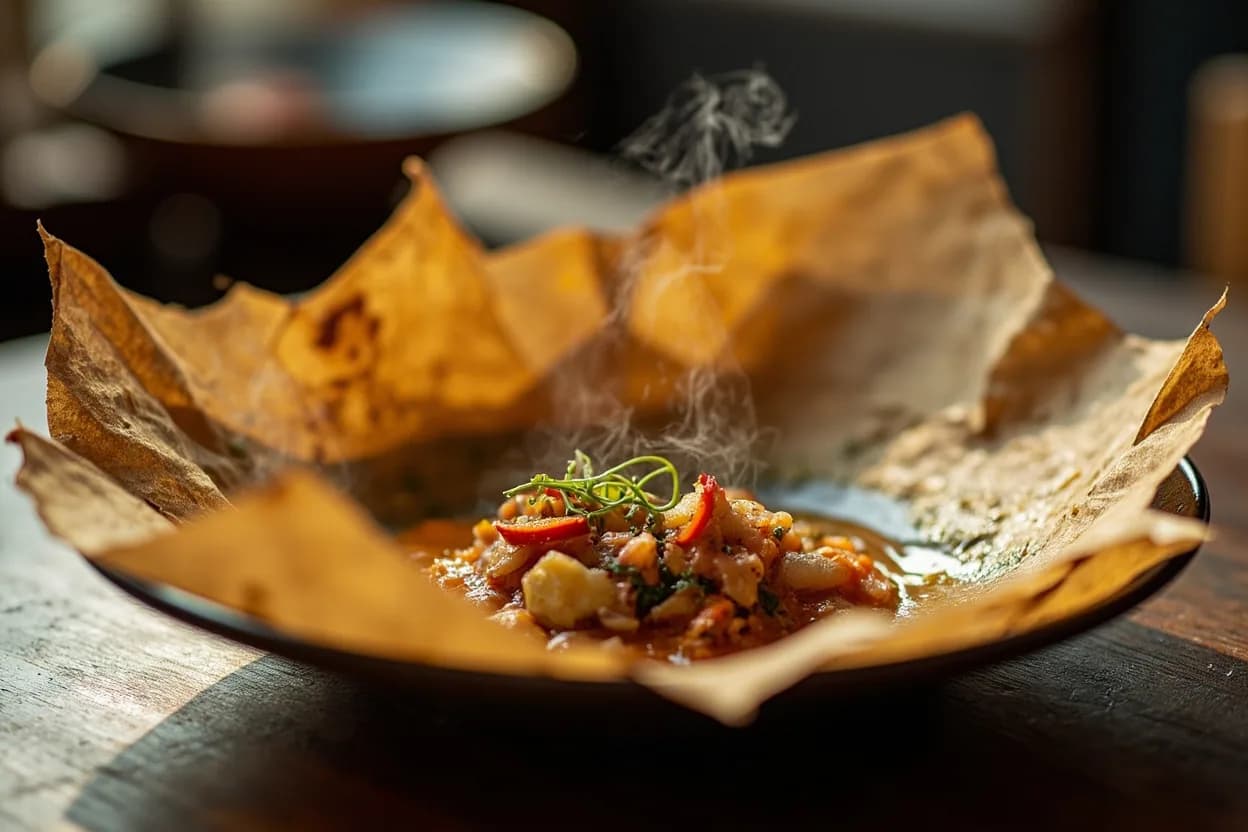
The smallest and least-visited province; retains the oldest traditions including taloa (corn flatbread) and a sheep-herding culture; less known even within France.
Related cuisines
The same culture split by the Pyrenees; Spanish side (Hegoalde) is more innovation-driven and pintxos-bar-centric; shared pantry of Espelette pepper, salt cod, and brebis.
Northern neighbour sharing the duck and foie gras traditions of the Landes; Armagnac replaces txakoli at the table.
- Navarrese
Shares the pepper-and-lamb grammar and the bacalao tradition from the interior Spanish Basque provinces across the border.
Canonical recipes
The dishes that define Basque (France), documented in the Canon.
References
- 1.The Basque Kitchen — Gerald Hirigoyen (1999)
- 2.Culinaria France — André Dominé, ed. (1998)
- 3.The Food of France — Waverley Root (1958)
- 4.Larousse Gastronomique (2009 edition), entries on Pays Basque
- 5.AOC Piment d'Espelette specification, INAO (2000)
Confidence: high
Notes
Piment d'Espelette
This mild, fruity dried red pepper from the village of Espelette has almost entirely replaced black pepper in Basque savory cooking. Its heat level (100–4,000 Scoville) is far below a chili's, but its aroma is complex and irreplaceable. In October the village strings scarlet peppers on every façade to dry — one of France's most photographed harvests.
The Bayonne ham distinction
Jambon de Bayonne is dry-cured (not smoked) with Adour river basin salt and Espelette pepper, then aged a minimum of seven months. The cold smoke aroma often attributed to it comes from the curing room air circulation rather than actual smoking — a common misconception.