
Natural form
Fresh black cherries on the stem, showing their deep purple-to-black skin and glossy surface.
Shows the reader exactly what to look for when selecting ripe black cherries at the market — color, sheen, and stem attachment.
Produce
Black Cherry
Deep-purple, sweet-rich cherry eaten fresh or used in desserts and sauces.
Black cherries are dark-purple to near-black sweet cherries with rich, wine-like flesh and a deep, sugary flavor. They are eaten fresh, baked into pies and clafoutis, or simmered into sauces and compotes that pair with duck and pork. Their intense color and sweetness also make them popular in jams and liqueurs.
Black cherries are the sweet-cherry category's most intensely flavored members, with skin so dark it appears nearly purple-black rather than the standard deep red. This variety belongs to Prunus avium, the same species as other sweet cherries, but differs in the concentration of anthocyanin pigments that create both the characteristic color and the pronounced wine-like complexity that develops when the fruit reaches full ripeness. The distinction matters in the kitchen: recipes calling for black cherries assume their concentrated flavor and deeper color, so substituting standard red cherries requires adjustments to quantity and expected outcome.
The cherry season runs from late May through August in the Northern Hemisphere, with peak flavor and texture occurring within days of harvest. Unlike sour cherries, which hold their shape and acidity well under heat, black cherries become quite soft when cooked, making them ideal for sauces, compotes, and purées where a jammy texture is desired. Their lower acidity means they require less sugar to taste balanced, though this also makes them less versatile for savory applications where brightness is needed. The kernels inside the pits contain amygdalin, which yields hydrogen cyanide when metabolized—commercial products like maraschino liqueur use the kernels, but home cooks should discard them.
Black cherries stain heavily and bruise easily due to their thin, delicate skin. Work on non-porous surfaces and wear an apron when processing large quantities. The fruit's high water content and moderate acidity create an environment where spoilage can develop quickly, so proper storage and handling are essential to maintaining quality from purchase to table.
- Measured in
- g
- Storage
- Fridge
Types & varieties
The most common commercial variety; very dark red to near-black with firm flesh and exceptional sweetness
Heirloom variety dating to the 1790s; smaller, very dark purple, intensely flavored with classic cherry character
Large, heart-shaped cherry; deep maroon color, rich flavor, slightly firmer texture than Bing
Self-pollinating variety; dark red-black, sweet with good acidity balance for fresh eating
Developed in New York; very dark, cold-hardy, excellent for both fresh eating and cooking applications
Common uses
Tips & pitfalls
- Select firm cherries with glossy, unblemished skin and fresh green stems still attached; stems should resist pulling when gently tugged
- Avoid cherries with brown spots, wrinkles, or dull appearance—these indicate age, dehydration, or improper cold chain handling
- Do not wash cherries until immediately before use; excess moisture accelerates spoilage and can cause the skin to split
- For easy pitting, use a proper cherry pitter or a clean metal paper clip pushed through the stem end; pit over a bowl to catch the juice
- Save pits for cherry-kernel infused cream or syrups only if experienced with the process; discard otherwise to avoid amygdalin exposure
- Blind taste tests consistently rank black cherries as sweeter than red varieties, so reduce sugar by 10–15% when substituting in recipes designed for red cherries
- When cooking cherries, add a pinch of salt early in the process to enhance perceived sweetness and draw out juices more effectively
- Make a quick cherry gastrique by reducing equal parts cherry juice and red wine vinegar with sugar for a savory pan sauce base
- Frozen cherries are preferable to canned for most savory applications; flash-freezing at peak ripeness preserves better texture and flavor
- Dark cherries stain heavily—wear an apron and work on non-porous cutting boards or stainless surfaces
Nutrition
Energy
264 kJ · per 100 g
Where the calories come from
Protein
1.1g
2% DV
Carbs
16g
6% DV
Fat
0.2g
0% DV
Fiber
2.1g
8% DV
Sugars
12.8g
of which
Sodium
0mg
0% DV
Source · USDA FoodData Central · approx. Cherries, sweet, raw
View on FDC →In the shops
Matched grocery products
No matched grocery products for Black Cherry yet.
Good to know
- Scientific Name
- Prunus avium (sweet cherry)
- Season
- Late May through August, peak June–July in Northern Hemisphere
- Color
- Deep purple-black skin, dark red to burgundy flesh
- Flavor Profile
- Intensely sweet with lower acidity than red cherries; rich, wine-like complexity when fully ripe
- Storage
- Refrigerate unwashed in perforated plastic bag; 32–34°F, 90–95% humidity for up to 10 days
- Freezing
- Wash, pit, freeze on tray, transfer to airtight containers; maintains quality 8–12 months
- pH Range
- 4.0–4.5 (moderately acidic)
- Yield
- 1 pound fresh = approximately 2 cups pitted cherries
Substitutes
- Morello Cherries — Dark-red sour cherry variety; excellent for sauces and desserts but reduce added sugar in recipes due to higher acidity
- Montmorency Cherries — Most common sour cherry in the US; use sparingly in sweet applications, increase sugar, and add a pinch of baking soda to neutralize acidity; ideal for savory dishes
- Sweet Red Cherries — Less intense flavor but workable; increase quantity by 10–15% and expect a lighter color in finished dishes
- Frozen Sweet Cherries — Often flash-frozen at peak ripeness; thaw and drain excess liquid before using in pies; ideal for cooking when fresh are unavailable
- Aronia (Chokecherries) — Much more astringent; requires cooking with significant sugar; use half the quantity and adjust for tartness
- Canned Black Cherries (in syrup) — Drain and rinse to reduce syrup; usable but softer texture; best for sauces and compotes
Pairs with
Also called
Black Cherries · Dark Cherry
Related
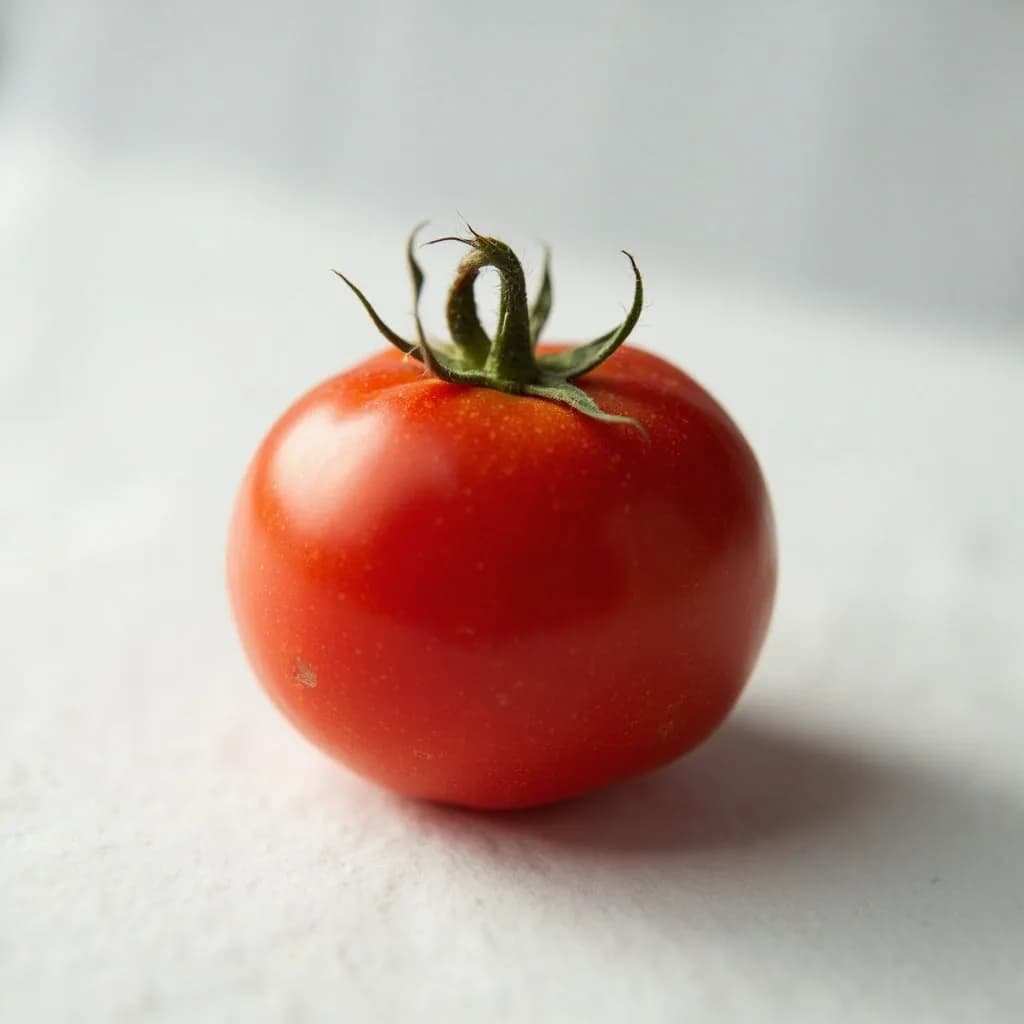
Tomato
Juicy, sun-sweet fruit for sauces, salads, and slow-cooked depth
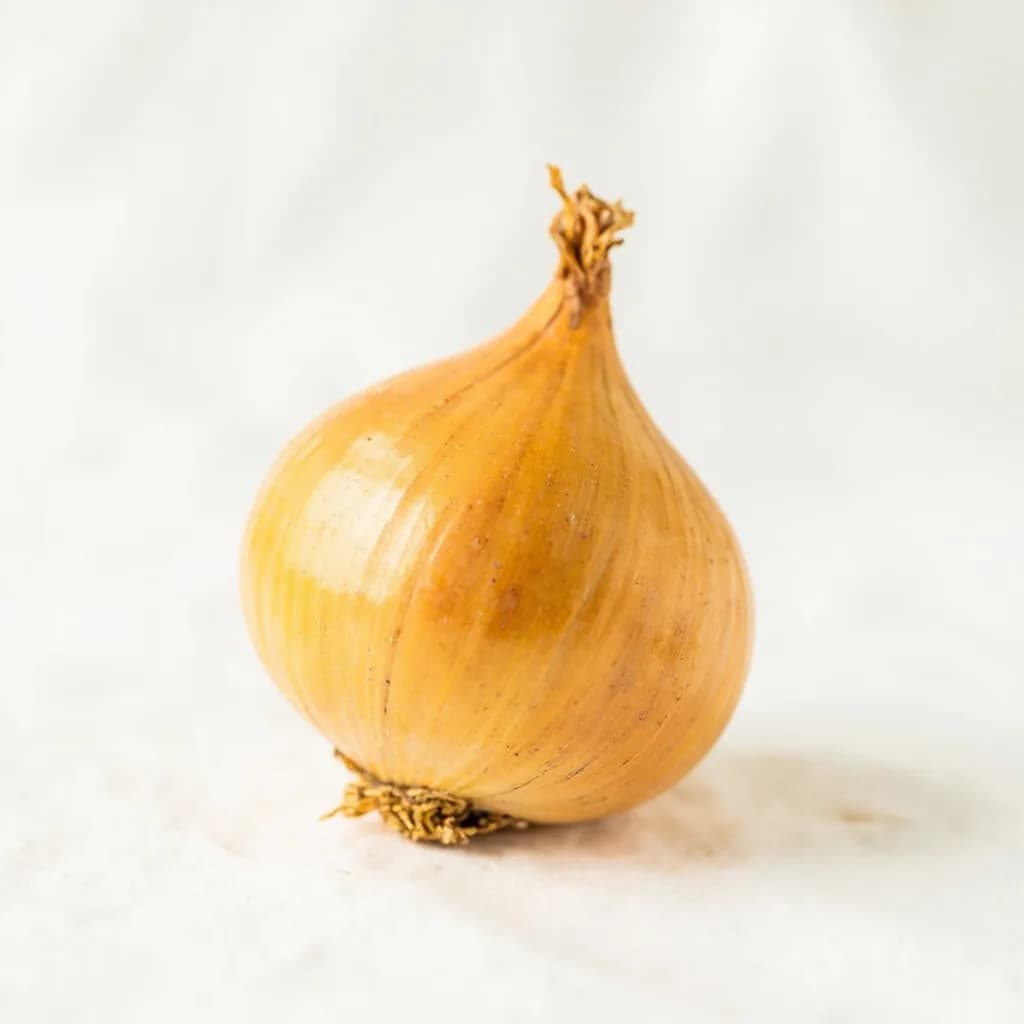
Yellow Onion
The aromatic backbone of soups, sofritos, and braises
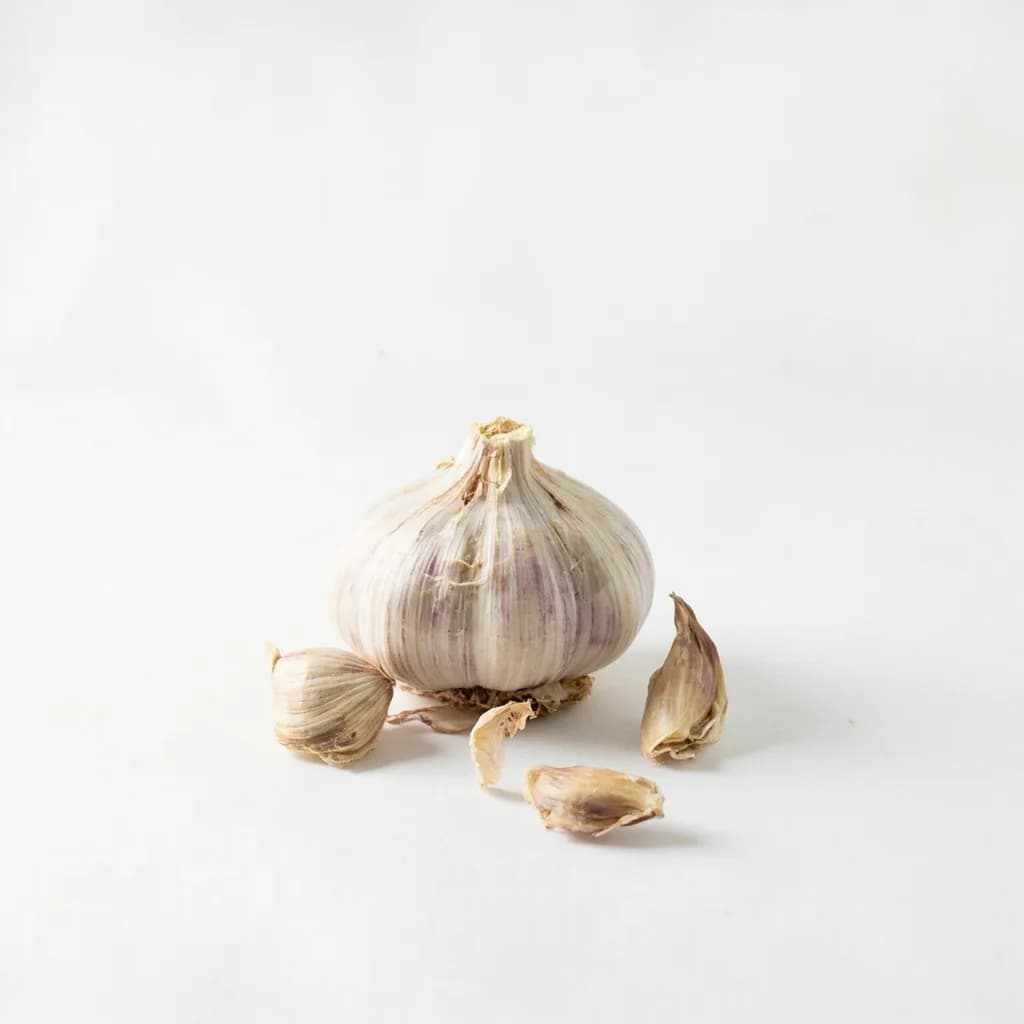
Garlic
Pungent cloves that perfume nearly every savory dish
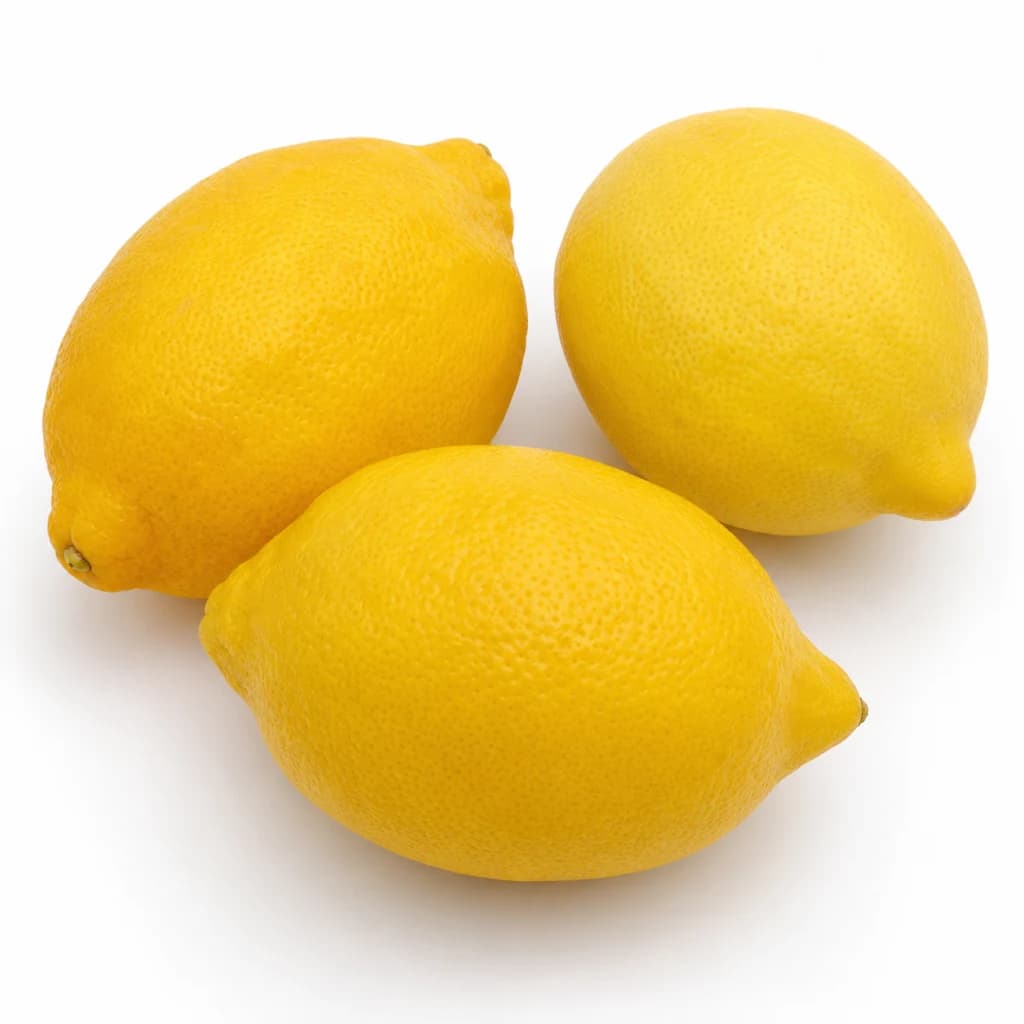
Lemon
Bright, acidic citrus that wakes up almost any dish
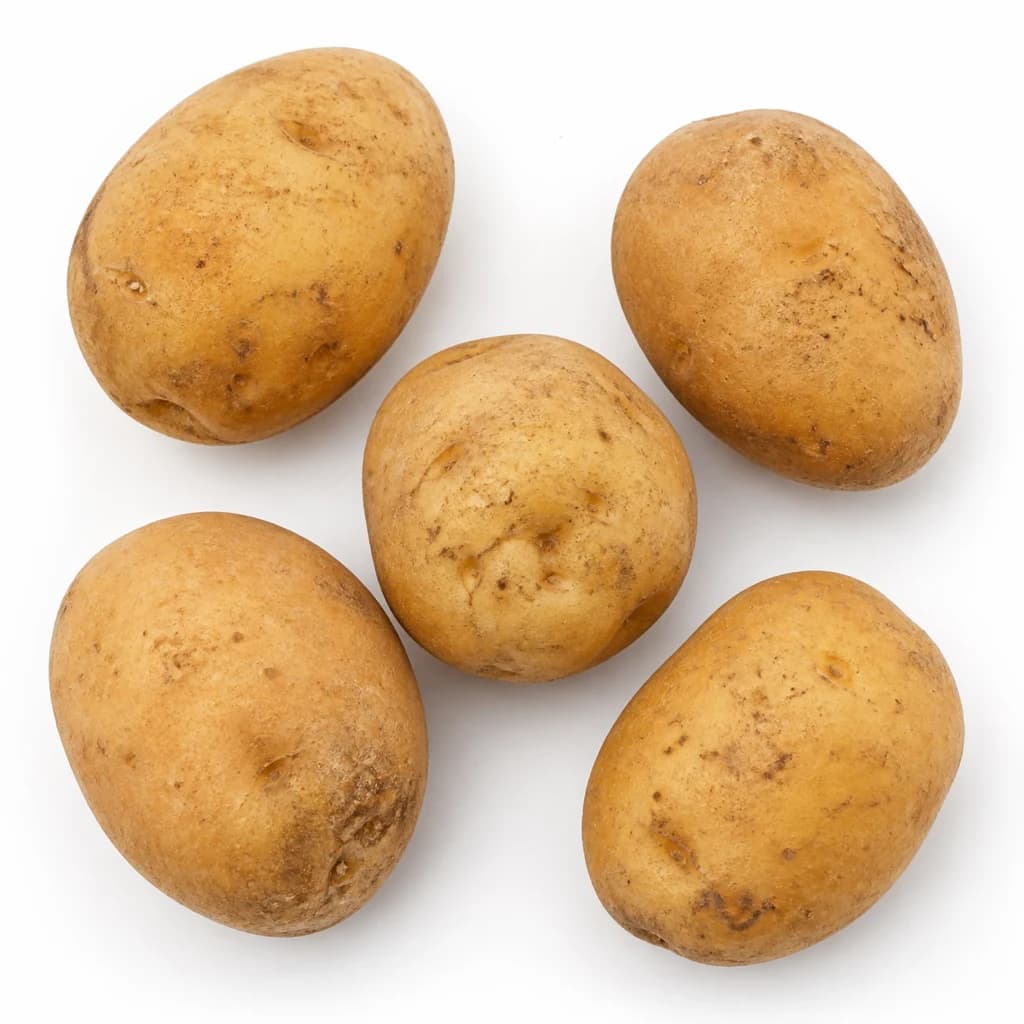
Potato
Humble, hearty staple — roast, mash, fry, or boil
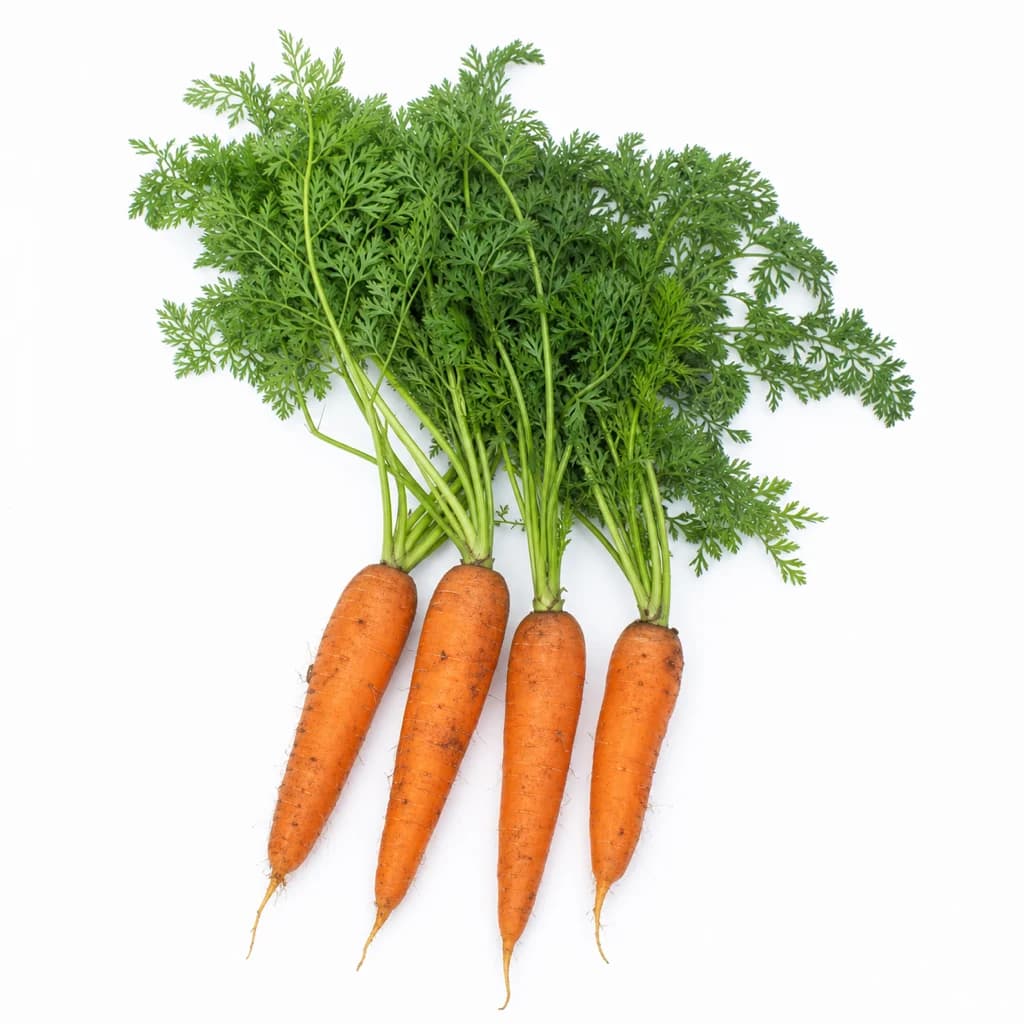
Carrot
Sweet, crunchy root — raw, roasted, or the base of a sofrito
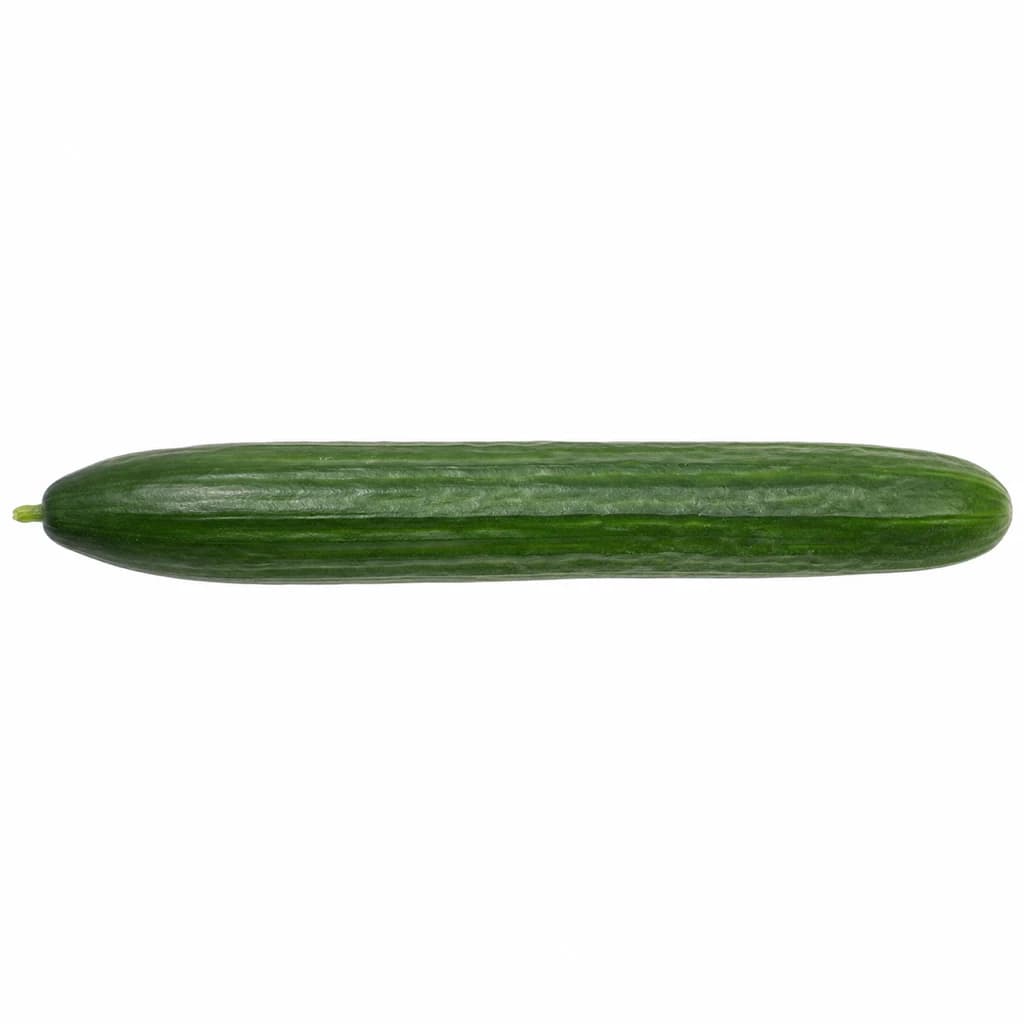
Cucumber
Cool, crisp, and watery — for salads, pickles, and tzatziki

Lettuce
Crisp leaves for salads, wraps, and a fresh crunch