Middle East
Bedouin
Also: Arabian nomadic cuisine, Desert Arab cuisine, Badu cooking
The ancient nomadic cuisine of the Arabian desert — zarb pit roasts, mansaf in a river of jameed, dates and camel milk, and a hospitality ethic so extreme it shaped an entire regional food culture.
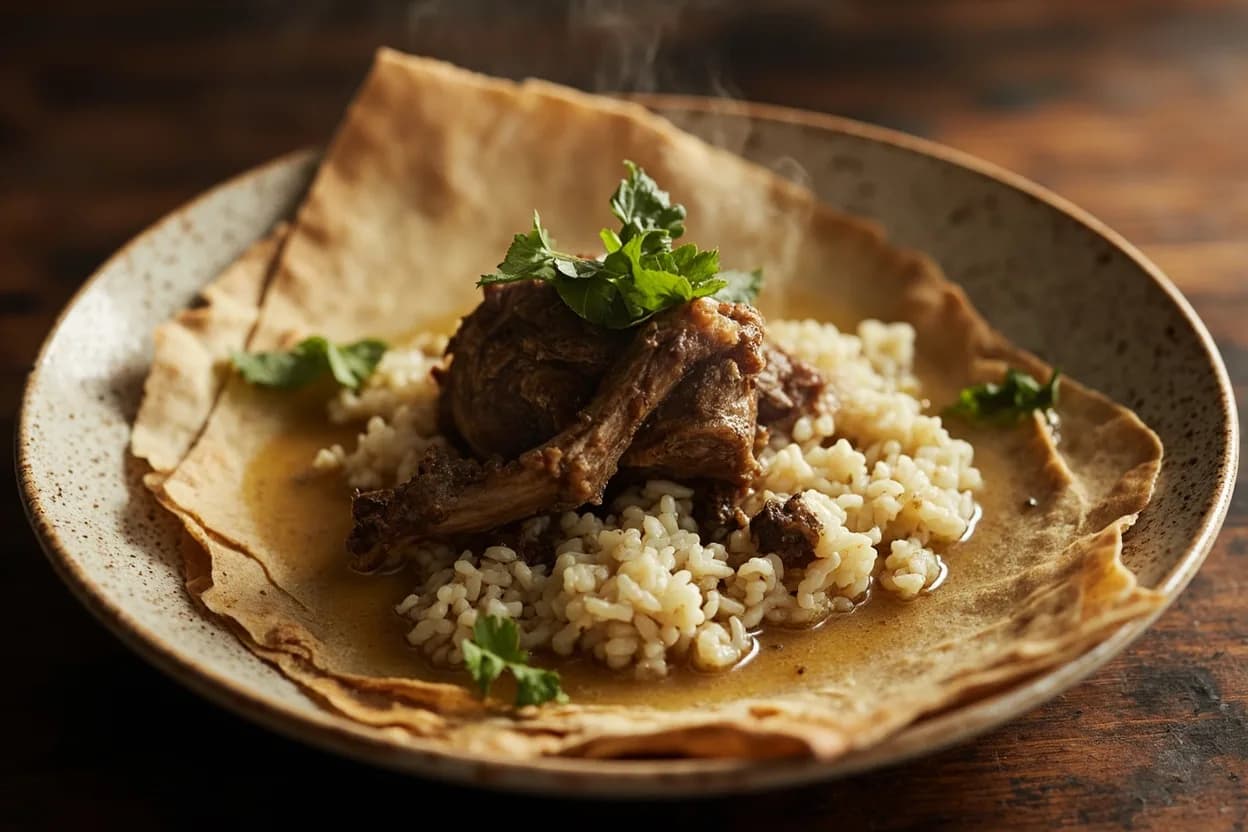
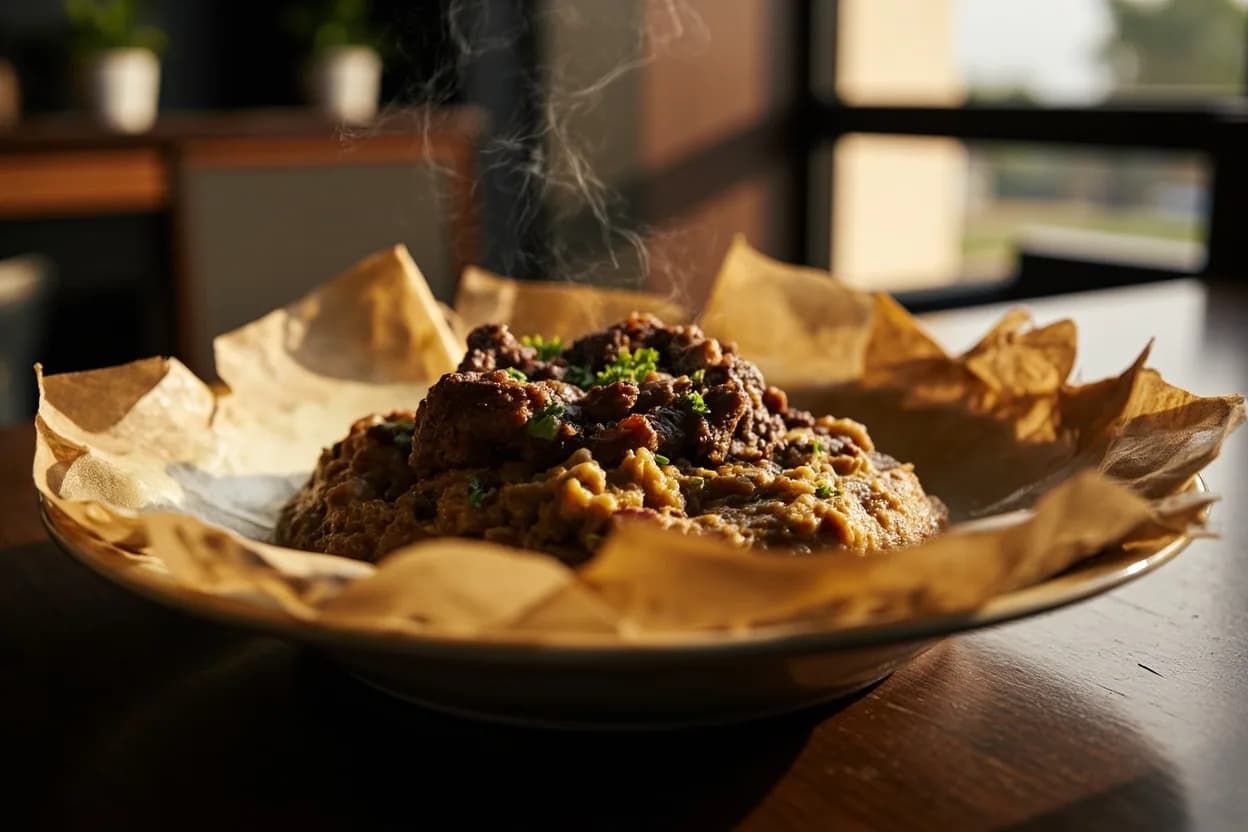
Bedouin cuisine is the food tradition of the nomadic Arab tribes of the Arabian Peninsula and adjacent deserts — a cuisine forged by scarcity, mobility, and a code of hospitality (diyafa) that requires feeding any guest, known or unknown, without limit. The defining characteristics are: whole-animal cookery (especially lamb and camel), preservation techniques adapted to desert conditions (drying, fermentation in sealed vessels, date-based preservation), flatbread baked directly on hot coals, and an almost total absence of plant-based preparation in classical form. Zarb (pit cooking), mansaf (feast lamb in fermented dried-yogurt sauce), and dates with camel milk are the pillars. The cuisine is simultaneously austere and lavish — daily life was spare; the feast was total.
The flavour base
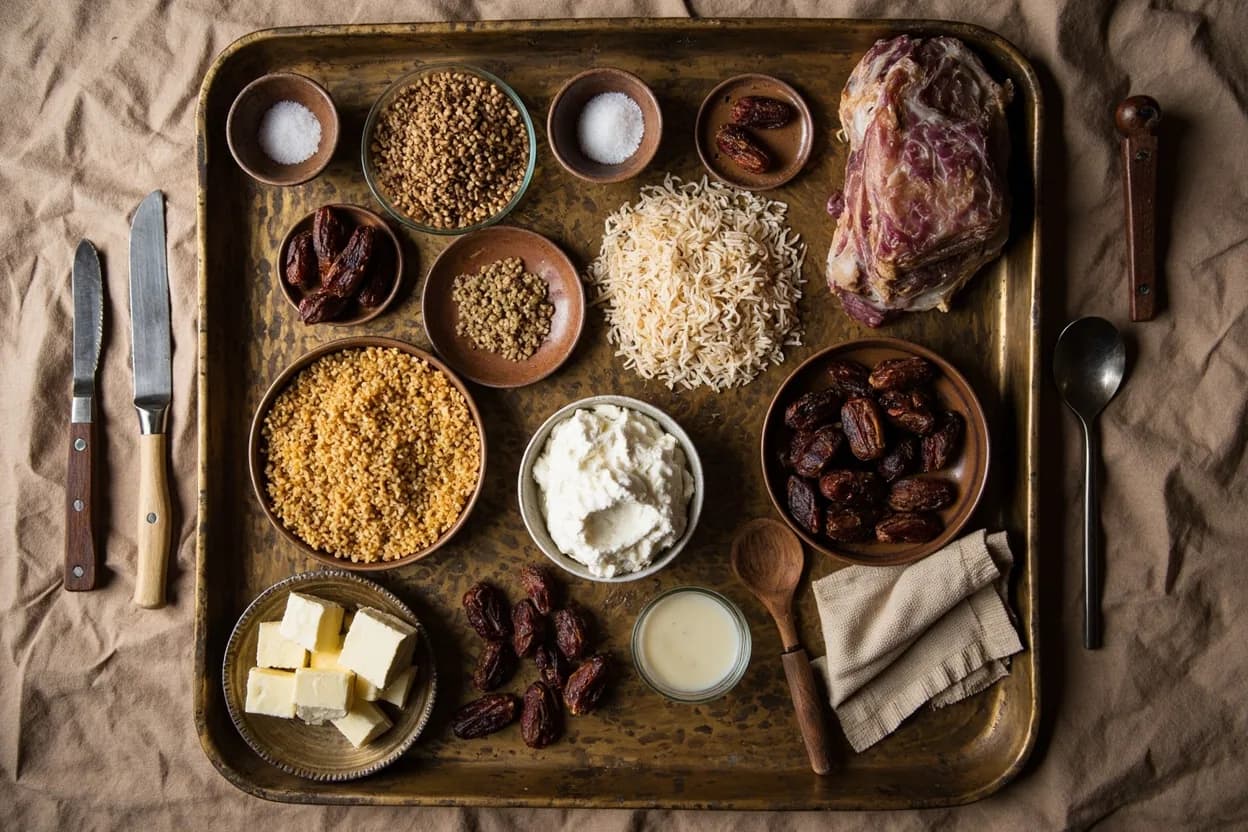
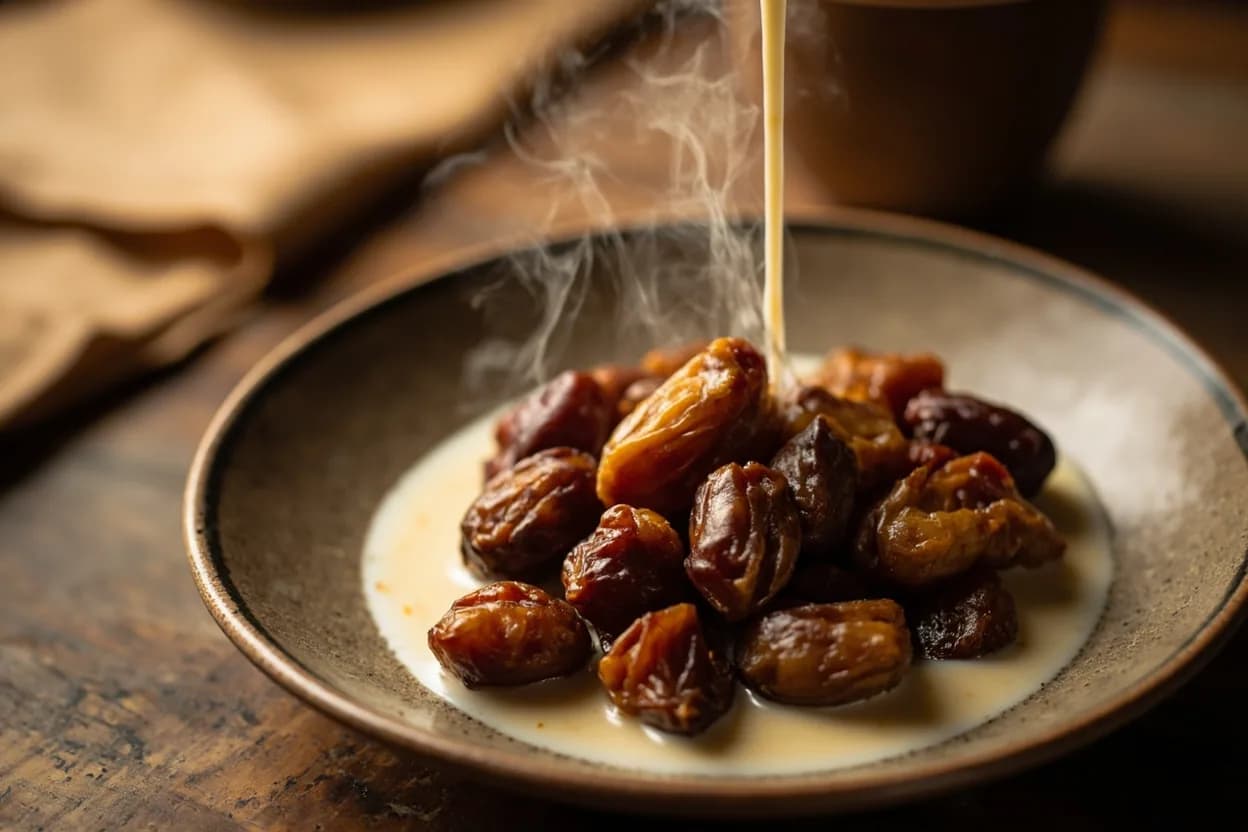
Dried and fermented camel's (or goat's) milk — particularly jameed, a hard salted dried yogurt formed into balls or discs — is the single most culturally distinctive flavor agent. When dissolved in water and simmered with lamb, it creates a fatty, tangy, almost cheesy sauce that is the basis of mansaf. Outside of jameed, Bedouin flavor building relies on clarified butter (smen or samneh), cardamom in coffee, and dried dates' natural sweetness.
Pantry staples
Key ingredients
Signature techniques
Signature dishes
Bedouin on the table

At the table
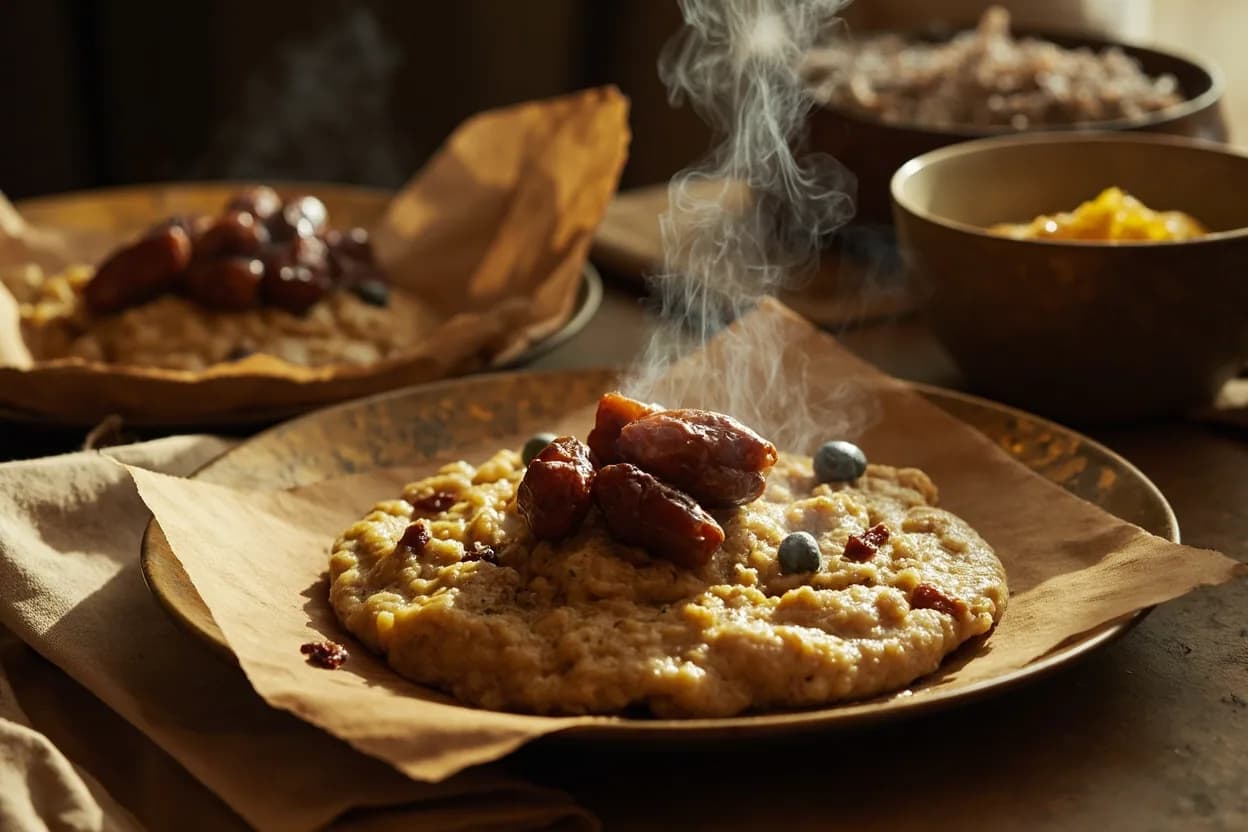
Bedouin meal structure is organized around hospitality and scarcity rather than daily routine. Daily life was austere: dates, milk, bread, and leftover stew. The feast — triggered by a guest, a wedding, a death, or a seasonal celebration — was the organizing principle of Bedouin cooking. At a feast, the entire animal is served. Mansaf is laid on a communal platter eaten standing, with guests reaching in by right hand. The host does not eat until guests are satisfied. Arabic coffee (qahwa) is served before and after eating; refusing it is a social slight. The meal ends with incense (oud or bukhoor) wafted over guests as a signal the hospitality is complete.
History & context
Bedouin food traditions are among the Arabian Peninsula's oldest continuous practices, predating Islam by millennia. The nomadic Semitic tribes of the Nafud, Rub' al Khali, Syrian Desert, and Negev developed a cuisine adapted to radical mobility — only preserved, fermented, dried, or high-fat foods could survive without refrigeration across desert crossings. Dates and camels were the caloric foundations of the ancient Bedouin economy; camel milk provided protein, fat, and vitamins in a landscape otherwise nutrient-poor. Islam codified the hospitality ethic (diyafa) as religious obligation, but the practice predates the Quran. The 20th century brought sedentarization: Bedouin across Saudi Arabia, Jordan, Egypt (Sinai), Israel/Palestine, and the Gulf settled in towns, but the feast traditions — zarb, mansaf, qahwa — survived the transition intact, now performed at weddings and national occasions as assertions of Arab identity.
Regional variations
- Jordanian / Levantine Bedouin
Most closely associated with mansaf; jameed is sourced from eastern Jordan and northern Saudi Arabia specifically.
- Sinai Bedouin (Egypt)
Zarb is the dominant feast technique; camel meat more common; date-and-clarified-butter flatbreads distinctive.
- Najdi (Central Arabian)
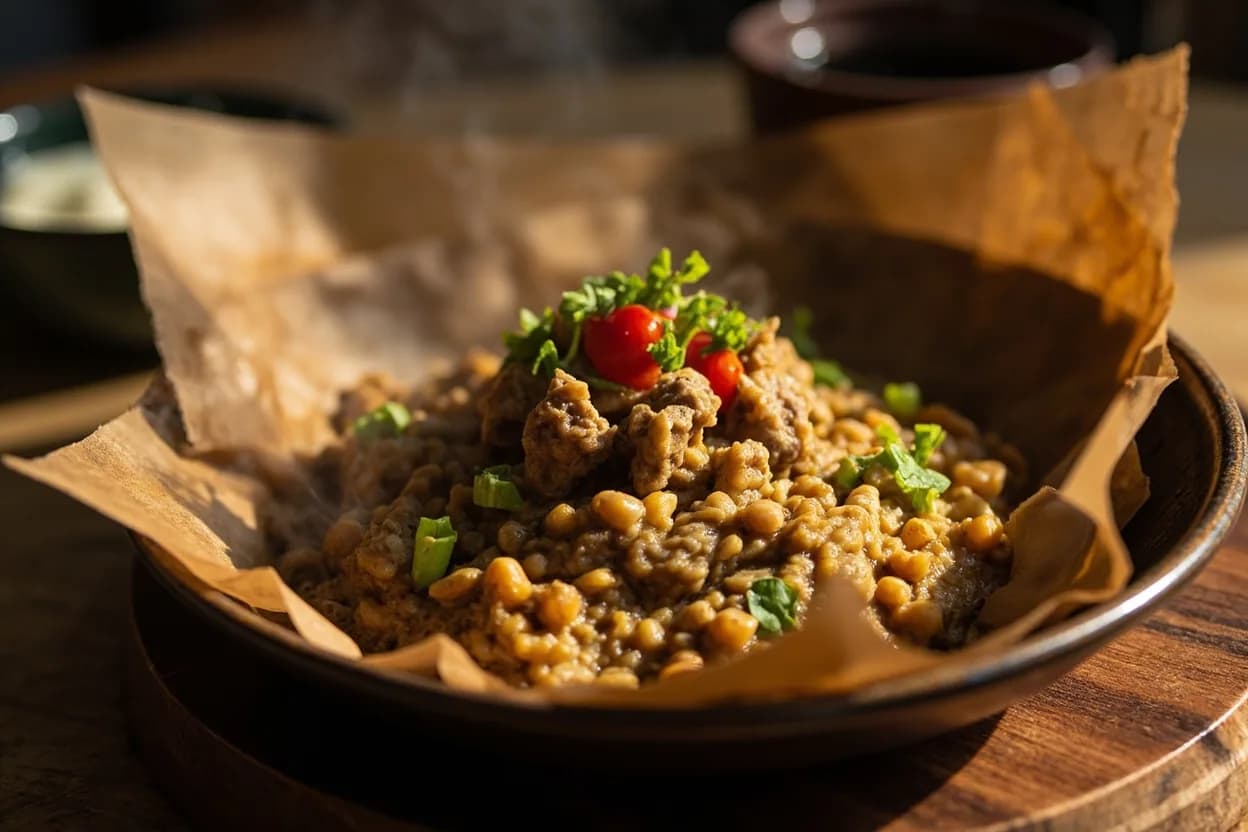
Harees and jareesh dominate; camel milk dairy is central; Riyadh-style Saudi cooking descends largely from Najdi Bedouin.
- Gulf (Eastern Arabian) Bedouin
Greater Indian Ocean spice influence (cardamom, black pepper, cloves); rice with machboos or kabsa coloring the Bedouin feast.
Related cuisines
Mansaf is Jordan's national dish; Jordanian cuisine is in large part the urbanization of Bedouin traditions.
- Saudi
Najdi Saudi cooking is the direct descendant of Central Arabian Bedouin cooking: harees, jareesh, and zarb remain national staples.
- Emirati
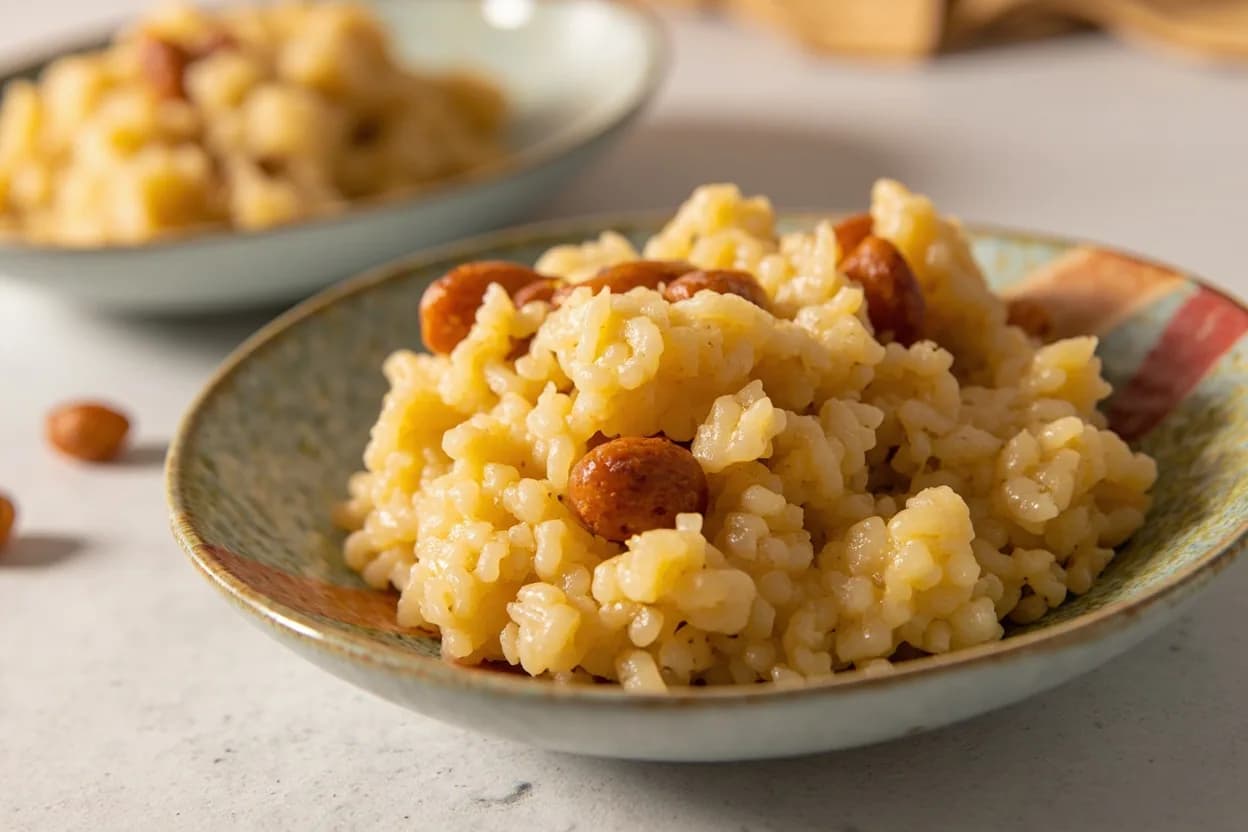
Gulf Bedouin practices underpin Emirati food culture; harees appears on every Ramadan table in the UAE.
Bedouin from the Negev share mansaf and malla traditions with Palestinian highland cooking.
Canonical recipes
The dishes that define Bedouin, documented in the Canon.

References
- 1.Feast: Food of the Islamic World — Anissa Helou
- 2.The Arabian Nights Cookbook — Habeeb Salloum and Leila Salloum Elias
- 3.A New Book of Middle Eastern Food — Claudia Roden
- 4.Bedouin Cooking and Customs — Jibrail Jabbur, The Bedouins and the Desert (anthropological context)
Confidence: high
Notes
Hospitality as cuisine
No entry on Bedouin food can omit diyafa — the code of desert hospitality that makes feeding guests not merely polite but morally mandatory. A traveler arriving at a Bedouin tent was fed before being asked their name or purpose. The size of the feast was calibrated to demonstrate wealth, generosity, and social standing simultaneously. This ethic is the reason Bedouin cooking contains a 'feast cuisine' wildly outsized relative to the daily diet — the hospitality occasion was the occasion that mattered.
Zarb vs. tandoor
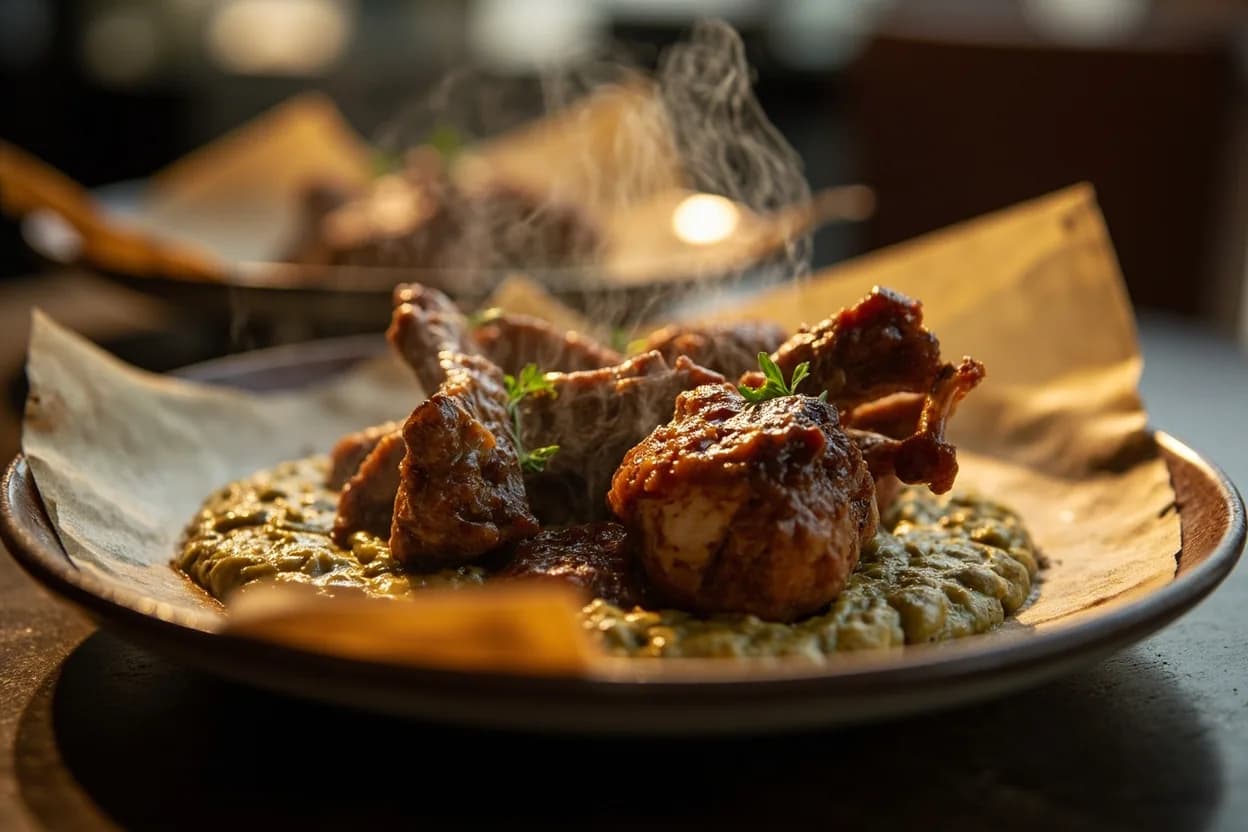
Zarb is often confused with the tandoor oven of South Asian cooking, but the two are structurally different. A tandoor is a clay cylinder used for bread and vertical skewers; zarb is an underground pit with a sealed lid, where meat and vegetables cook in their own steam plus coal heat for hours. The result is a soft, falling-off-the-bone texture with a concentrated caramelized exterior — distinct from both grilled and roasted meat.