Baking
Flatbread
Thin, often unleavened bread baked flat — for wrapping, dipping, and scooping.
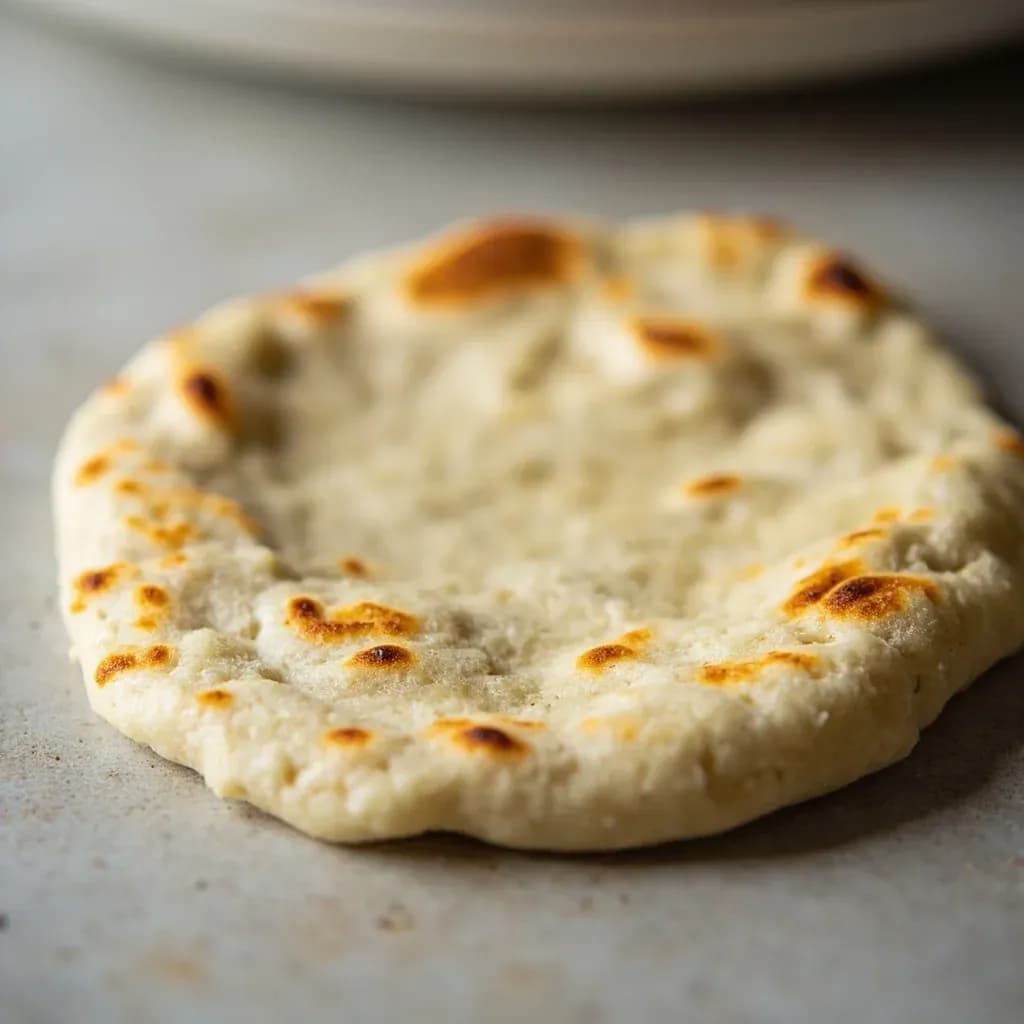
Flatbread is a broad family of thin breads, leavened or not, baked flat in an oven, on a griddle, or against a tandoor wall. Spanning khubz, taboon, lavash, and many regional styles, it is torn to scoop stews and dips, wrapped around fillings, and served alongside nearly every meal in the Middle East and beyond. Its thinness gives a soft or crisp chew depending on the bake.
Flatbread is one of the oldest prepared foods, with archaeological evidence from the Ancient Near East dating to approximately 12,000 BCE. Its essential simplicity—flour, water, salt, and sometimes a leavening agent—has allowed it to adapt to virtually every grain-growing culture on earth. From teff flour in Ethiopia to nixtamalized corn in Mesoamerica to whole wheat on the Indian subcontinent, flatbread reflects regional ingredients and traditions more directly than almost any other bread form.
The distinction between flatbreads and sandwich breads is structural: flatbreads are thin and remain flat rather than rising into a loaf shape. They may be leavened with yeast or baking powder, or left completely unleavened. Cooking methods vary by tradition—dry skillet (tava or comal), tandoor oven, griddle, or baking stone—but all rely on direct contact with high heat to develop characteristic charring, pockets, or crispness. This heat exposure is what transforms a simple dough into a bread with complex flavor and useful texture.
Globally, there are well over 50 distinct flatbread varieties, each with specific techniques, regional associations, and cultural roles. Some, like matzo, carry strict religious requirements; others, like injera, require multi-day fermentation. The common thread is utility: flatbreads serve as utensils, plates, wrappers, and vehicles for food in ways that loaf breads cannot.
- Measured in
- piece
- Storage
- Pantry
Allergens
Types & varieties
Common uses
Tips & pitfalls
- Room temperature flatbreads are more pliable and tear less easily; always bring refrigerated ones to room temperature before serving
- To warm flatbreads without drying them out: wrap in a damp kitchen towel and heat in a 300°F (150°C) oven for 5–8 minutes, or heat directly over a gas burner for 30–60 seconds per side
- For homemade dough: allow adequate rest time (30–60 minutes) after kneading to relax gluten; this makes rolling much easier and produces a more tender bread
- Rolling consistency matters: uniform thickness ensures even cooking; irregular thickness causes some areas to burn while others stay underdone
- High heat is essential for proper puffing (pita, naan, roti); the sudden expansion of steam creates the characteristic lift
- Do not crowd the cooking surface; flatbreads need space for steam to escape and for the edges to char properly
- For crispy flatbreads (lavash, pizza base): finish on a preheated baking stone or in the highest oven setting for 1–2 minutes after initial cooking
- Commercial varieties often contain preservatives; check ingredients if avoiding additives; homemade flatbreads taste significantly fresher within hours of making
- Freeze in single layers separated by parchment paper; this prevents sticking and allows you to thaw only what you need
Nutrition
Energy
1113 kJ · per 100 g
Where the calories come from
Protein
12.5g
25% DV
Carbs
47.1g
17% DV
Fat
3.1g
4% DV
Fiber
6.3g
23% DV
Sugars
9.4g
of which
Sodium
375mg
16% DV
Source · USDA FoodData Central · approx. Bread, potato
View on FDC →In the shops
Matched grocery products
 €1.50
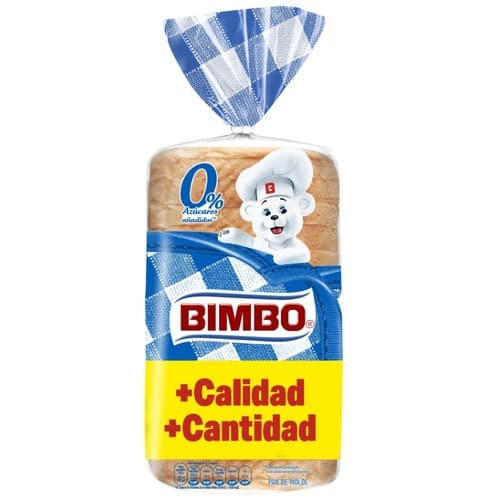
€1.50Large Sandwich Bread
BIMBO · kg · Bonpreu
 €2.89
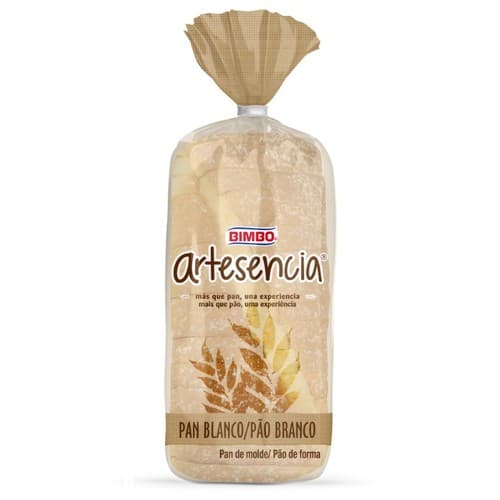
€2.89Artisan Sandwich Bread
BIMBO · kg · Bonpreu
 €1.27
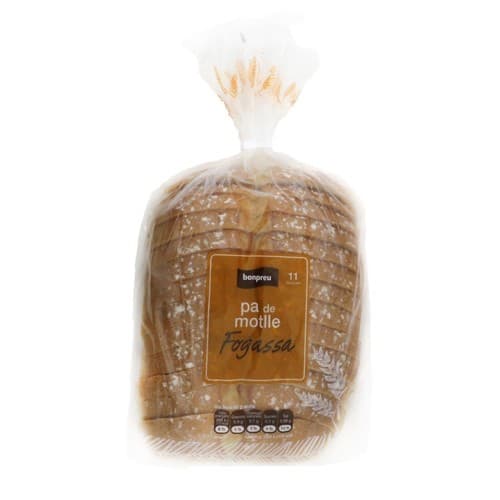
€1.27Fogassa Sandwich Bread Bonpreu
BONPREU · kg · Bonpreu
 €2.99
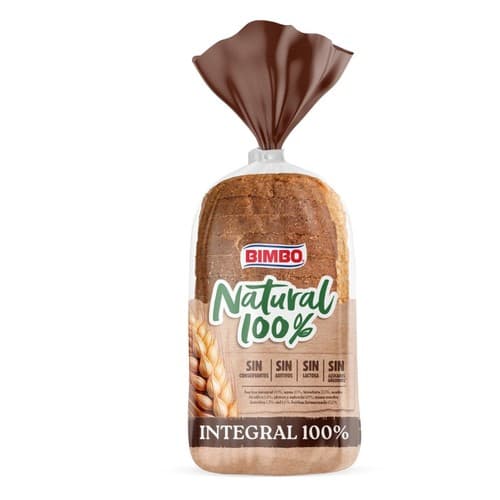
€2.99100% Whole Wheat Sandwich Bread
BIMBO · kg · Bonpreu
 €2.99
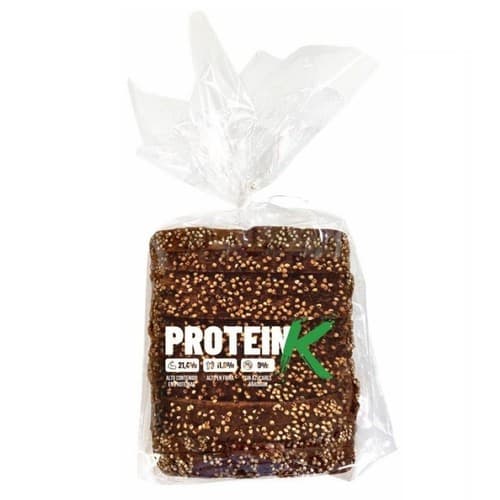
€2.99KETTERER Protein Sandwich Bread
KETTERER · kg · Bonpreu
 €0.80
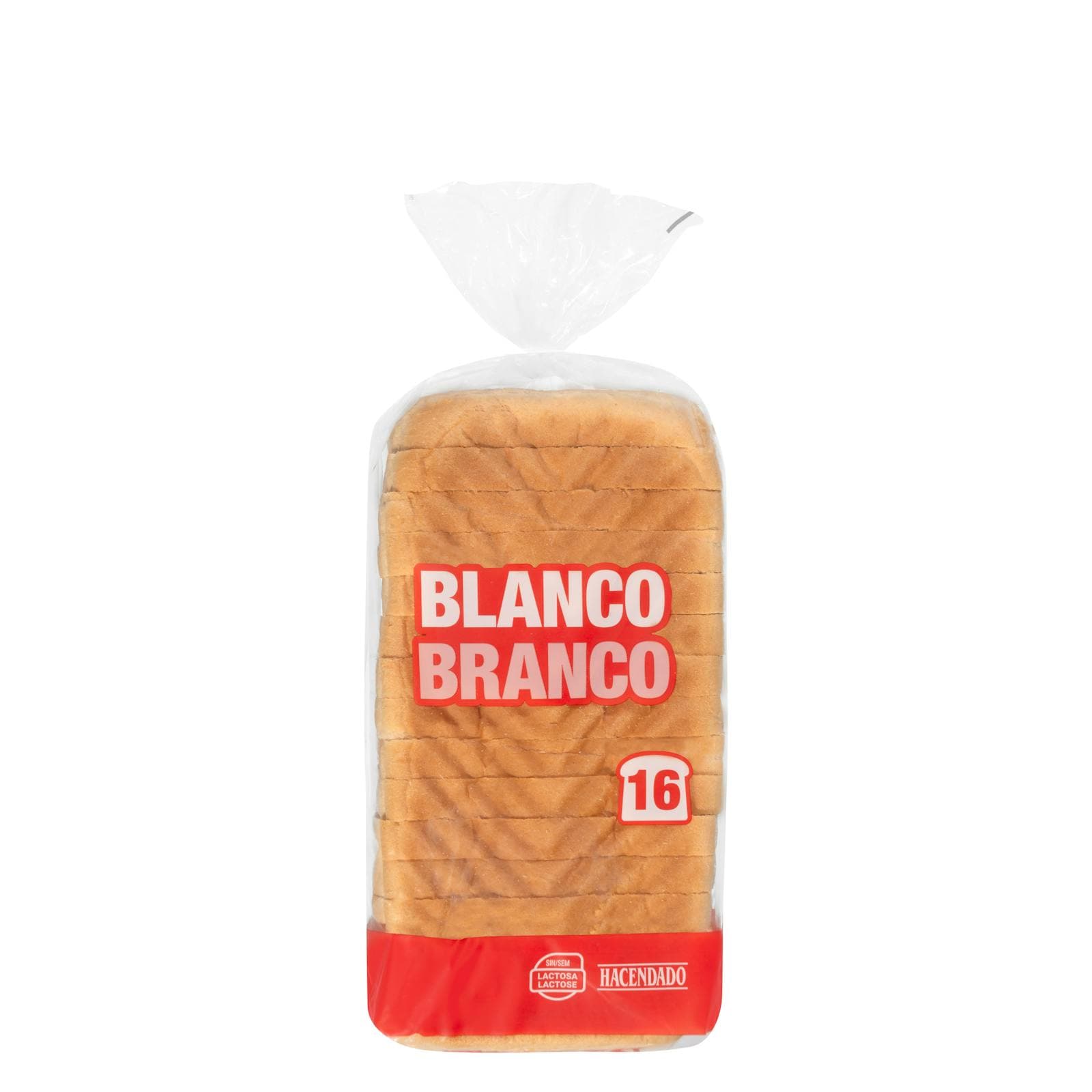
€0.80White Sliced Bread
Hacendado · 460 g · Mercadona
Good to know
- Origin
- Ancient Near East; evidence of flatbread-like foods dates to approximately 12,000 BCE
- Leavening
- Can be leavened (yeast, baking powder) or unleavened (flour, water, salt)
- Cooking method
- Typically cooked on a hot dry surface: griddle, comal, tandoor, skillet, or baking stone
- Temperature
- Cooking surfaces range from moderate (400–450°F/200–230°C for flour tortillas) to very hot (900°F/480°C+ in a tandoor)
- Flour types
- Wheat (most common), corn, spelt, teff, rye, chickpea (besan), and multigrain blends
- Typical dimensions
- 6 to 18 inches (15–45 cm) in diameter; thickness from tissue-thin to ½ inch (1.3 cm)
- Shelf life
- Unleavened: 2–3 days at room temperature; leavened: 1–2 days; properly stored in airtight container
- Freezer storage
- Up to 3 months; thaw at room temperature or reheat directly from frozen
- Nutritional note
- Generally lower in fat than leavened sandwich breads; whole-grain varieties offer fiber and minerals
Substitutes
- Flour tortilla — Closest substitute for pita in wraps and dipping; similar size and pliability
- Pita — Can replace naan for pizza bases and alongside curries; lacks the yogurt richness but functional
- Roti or chapati — Direct substitute for any unleavened flatbread use; widely available at Indian grocery stores
- Greek pocketless pita — Thinner than standard pita; works well for wraps when pocket-style isn't required
- Tortilla chips (for scooping) — Only for textural substitute; cannot wrap or dip in the same way
Pairs with
Also called
Flatkaka · Arabic Flatbread · Khubz · Taboon Bread
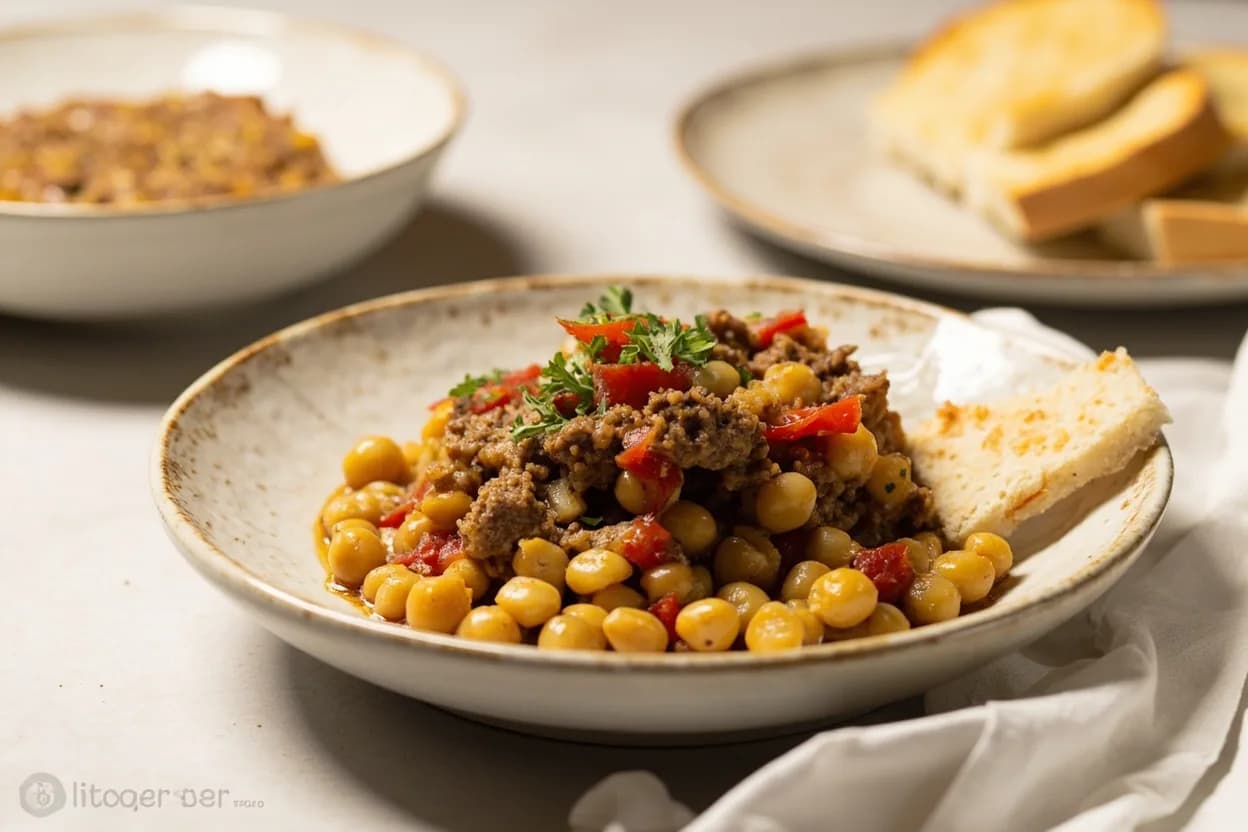
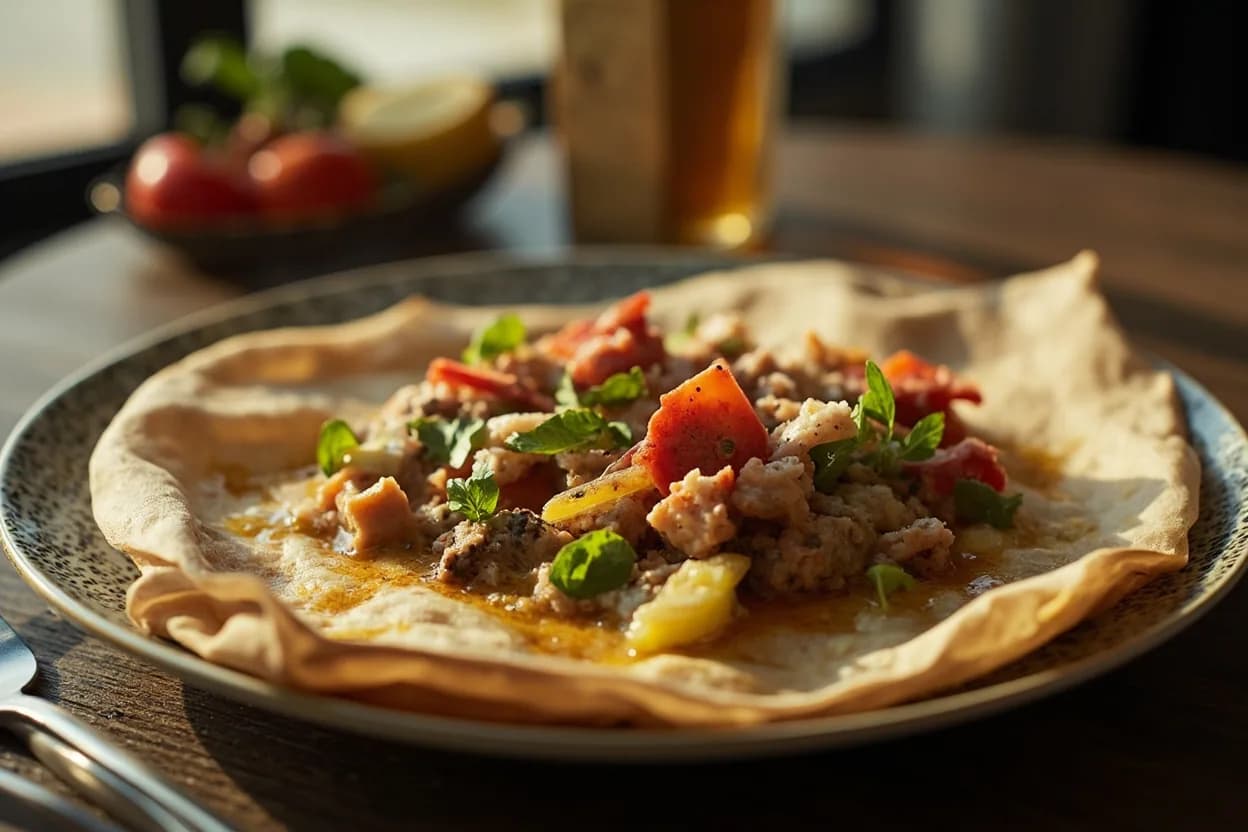
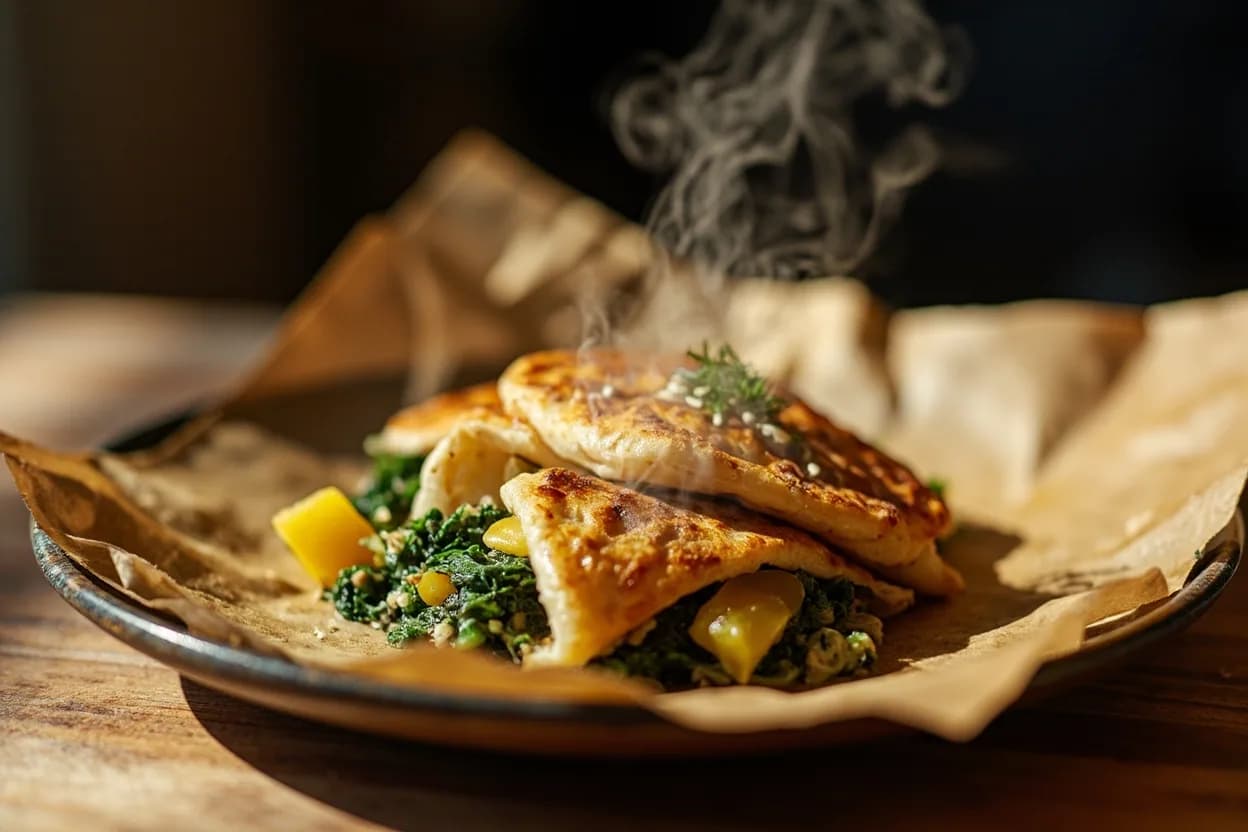
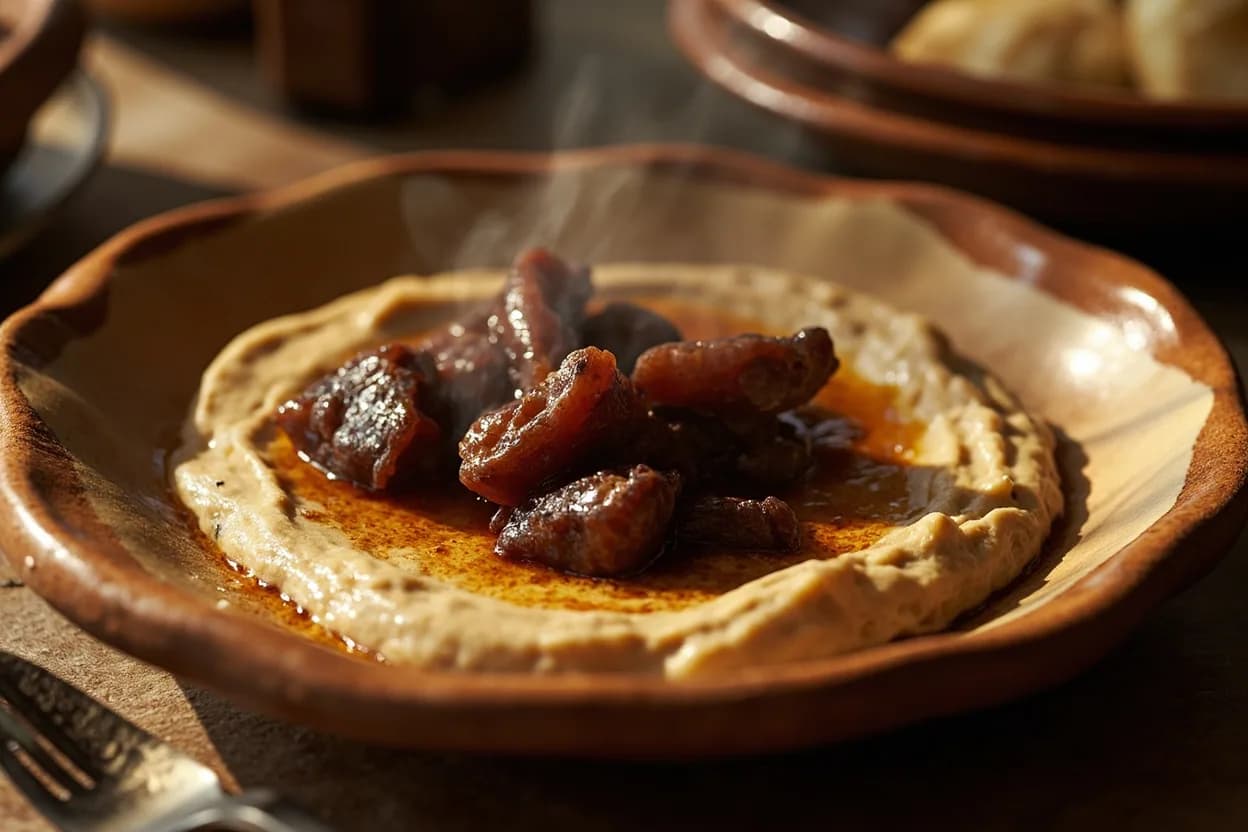
Appears in these dishes
Related

All-Purpose Flour
The do-anything flour for bread, cakes, sauces, and dredging

Bread Flour
High-protein flour for chewy, well-risen breads
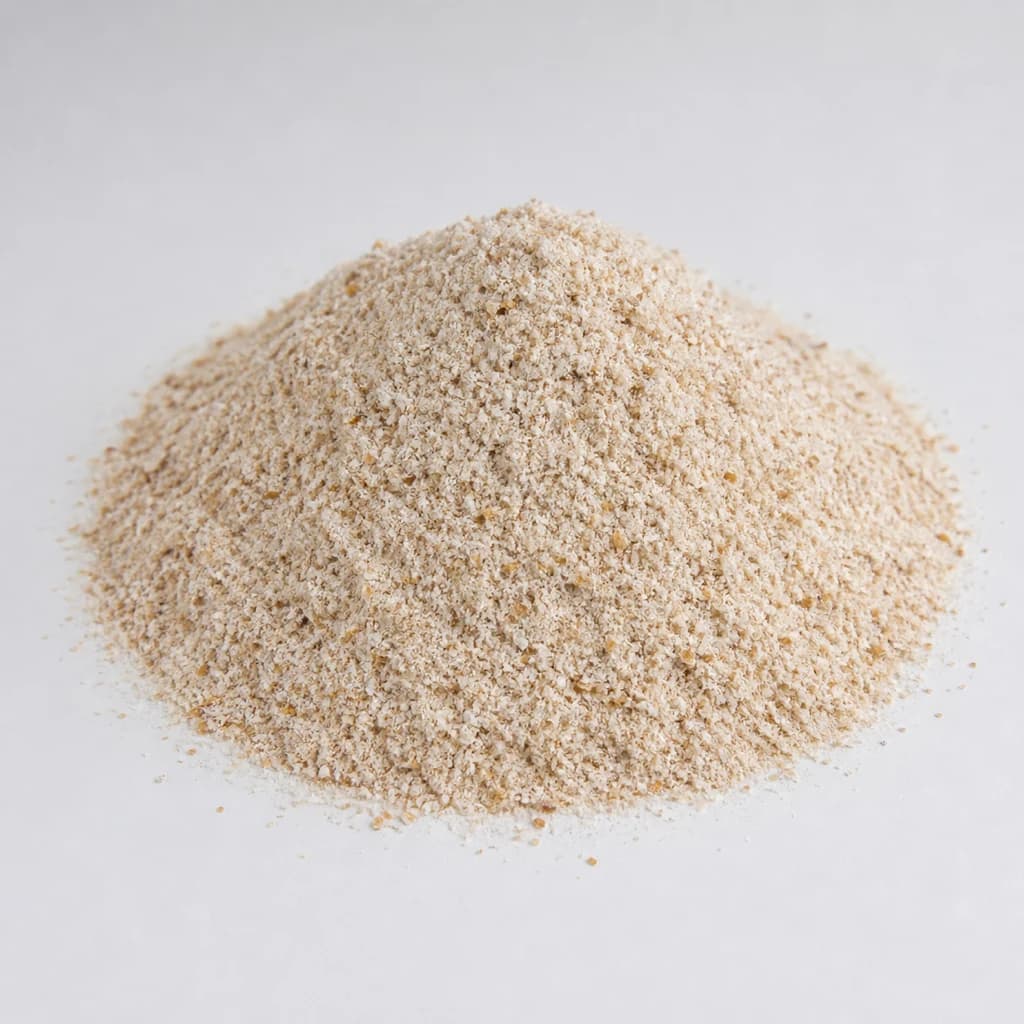
Whole Wheat Flour
Nutty, whole-grain flour for hearty breads and bakes
Cake Flour
Fine, low-protein flour for tender, delicate cakes
Almond Flour
Nutty, gluten-free flour for macarons and tender bakes

Baking Powder
All-in-one leavener for fluffy cakes, pancakes, and biscuits

Baking Soda
Pure leavener that needs acid to lift — and tenderize
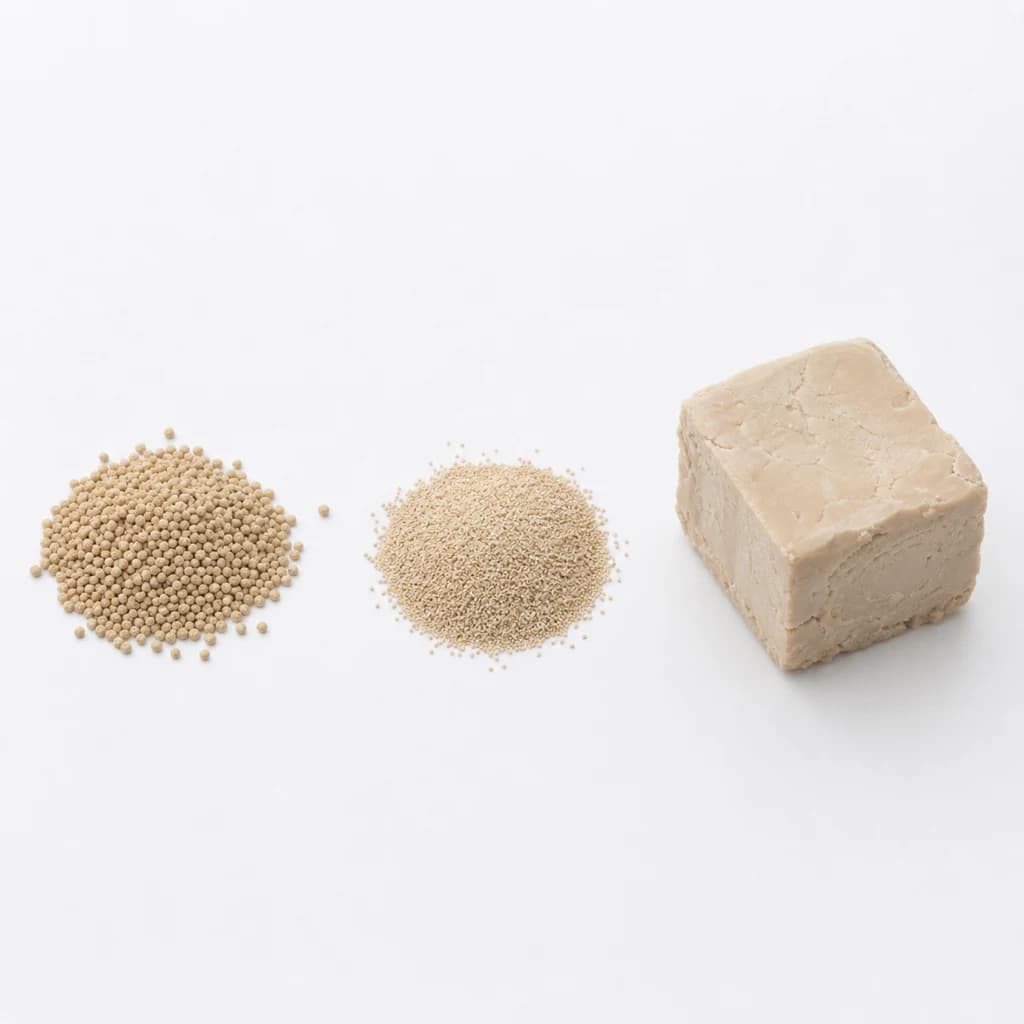
Yeast
Living leaven that makes bread rise and dough come alive