Grains & Rice
Injera
Spongy sour Ethiopian flatbread fermented from teff, used as both plate and utensil for stews.
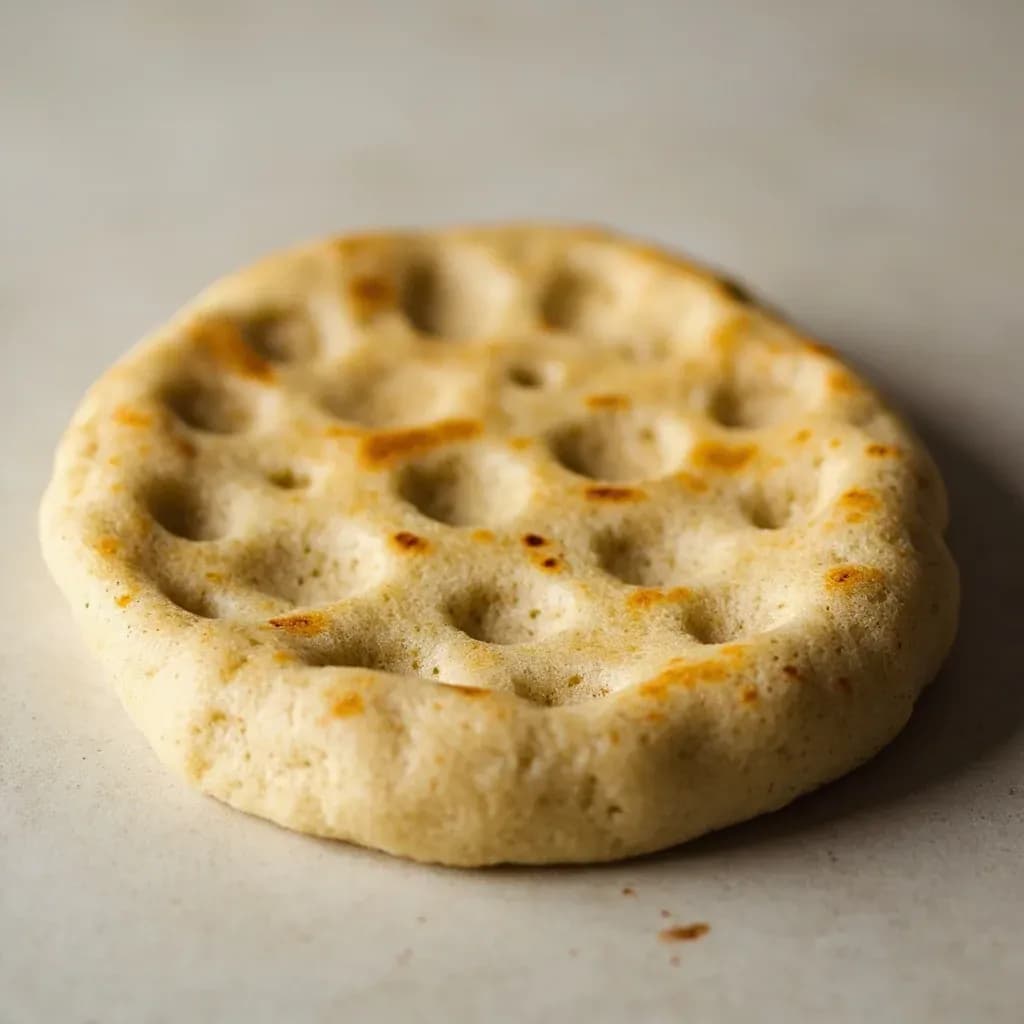
Injera is a large, spongy, slightly sour flatbread central to Ethiopian and Eritrean cuisine, made from a fermented teff batter cooked on a wide griddle. Its surface is dotted with tiny holes that soak up sauces, and it doubles as both the serving plate and the utensil for scooping wat stews. The tang comes from a multi-day fermentation of the teff batter.
Injera is a fermented Ethiopian flatbread made from teff flour, and it is arguably the most functionally sophisticated bread in the world. Its primary purpose is not merely to accompany a meal but to serve as both plate and utensil—tearing a piece to scoop stews, meats, and vegetables, then eating it along with the food. The fermentation process over 2–3 days develops a complex sourness and creates CO2 bubbles that form its characteristic honeycomb surface, making it simultaneously porous and sturdy enough to hold generous portions of wot without tearing. Traditionally made on a mitad—a concave clay electric griddle—the spongy, tangy bread anchors Ethiopian cuisine and is deeply woven into cultural identity and hospitality rituals, with each household maintaining an 'absit' (starter culture) passed between neighbors like a living heirloom.
The grain at the heart of injera is teff (Eragrostis tef), an ancient millet no larger than a poppy seed, native to the Ethiopian Highlands. Teff is naturally gluten-free and remarkably nutritious—high in fiber, iron, and calcium. The flavor profile is pleasantly sour and tangy, a result of lactic acid bacteria rather than acetic acid, giving it a yogurt-like acidity rather than a sharp vinegar punch. When poured onto a hot mitad, the batter spreads into a thin disc that steams under a tight lid, rising as CO2 trapped in the batter expands, creating the distinctive 'eyes'—the porous honeycomb craters that make injera instantly recognizable.
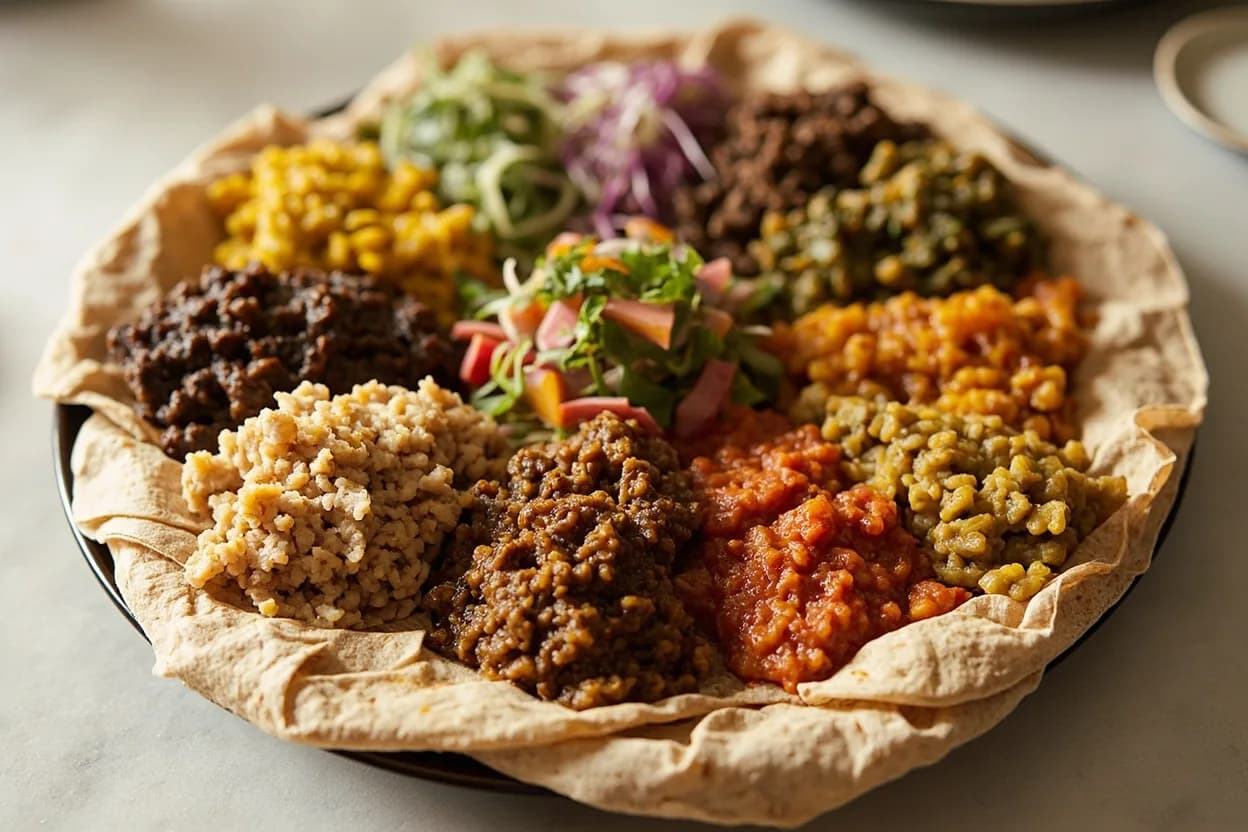
In Ethiopian dining custom, injera is never cut with a knife; it is torn by hand and the right hand is used exclusively. The meal is served communal-style, with the largest injera as the base plate and smaller ones layered on top, stews piled in the center for sharing. The bread soaks up sauces beautifully while maintaining its integrity, and the slightly sour flavor cuts through the richness of dishes like doro wot, making each bite balanced and complete.
- Measured in
- piece
- Storage
- Fridge
Types & varieties
Pure teff injera, the traditional gold standard; dark color, strongest sour flavor
Eritrean-style blend of teff with wheat flour; lighter, softer texture
Made with barley flour mixed with teff; common in Addis Ababa
Substitute using enset (false banana) flour for teff scarcity or dietary needs
Teff cut with sorghum, millet, or corn; used when teff is expensive
The Fermentation Process
Injera fermentation is a wild-yeast sourdough process, not an instant leavening. The starter (absit) contains naturally occurring yeasts and lactic acid bacteria from the teff flour and the local environment, which produce both CO2 (for rise) and lactic acid (for sourness). This cannot be replicated with commercial yeast or baking powder—those produce a flat, bread-like disc, not true injera. The batter should be left at room temperature (70–80°F/21–27°C) and fed daily with a splash of water and flour until bubbly and doubled. Rushing fermentation by adding commercial yeast produces an overly airy crumb and destroys the authentic tangy flavor that defines good injera. A healthy starter can be maintained indefinitely in the refrigerator, fed weekly with fresh teff flour and water, like any sourdough culture.
- The starter is called 'absit' and is considered a household essential passed between neighbors
- Fermentation temperature matters: too cold (below 65°F/18°C) slows activity significantly; too hot (above 85°F/29°C) risks off-flavors
- The batter is ready when it has doubled in volume and smells pleasantly sour with visible bubbles on the surface
- A mature starter improves with each feeding, developing more complex sourness over time
Cooking on a Mitad
The mitad is a concave Ethiopian clay electric griddle, traditionally made from red clay and fired at low heat. Its slight concavity helps distribute heat evenly and its mineral content subtly seasons the bread. If using a conventional non-stick pan, ensure it is large (at least 12 inches) and has a tight-fitting lid. The cooking process relies entirely on steaming—the lid traps moisture, which gelatinizes the starches and allows the batter to rise. Without a proper lid seal, the injera will not develop the characteristic honeycomb texture.
- Heat to 375°F/190°C before pouring—test by flicking water droplets on the surface; they should dance and evaporate immediately
- Pour batter in a spiral from the center outward, starting thick then thinning to create even coverage
- Cover immediately after pouring; do not lift the lid until the injera is done
- The injera is finished when the entire surface is covered with holes and the edges begin to lift from the pan
- Do not flip—unlike a crepe, injera cooks only on one side
Common uses
Tips & pitfalls
- Start the batter 2–3 days ahead; fermentation cannot be rushed without compromising flavor and rise
- The batter is ready when it has doubled in volume and smells pleasantly sour with bubbles on the surface
- Use a non-stick pan or mitad over medium heat (375°F/190°C); the pan must be properly preheated before pouring
- Pour batter in a spiral from the center outward, starting thick then thinning; cover immediately with a tight lid to steam
- Injera is done when the surface is covered with holes and the edges begin to lift—do not flip
- Starter can be maintained indefinitely like a sourdough culture; feed with fresh teff flour and water weekly if refrigerated
- Common mistake: opening the lid too early, which collapses the bubbles and produces dense, flat bread
- Common mistake: using too much heat, which browns the surface before it sets and prevents proper rise
Nutrition
Energy
1113 kJ · per 100 g
Where the calories come from
Protein
12.5g
25% DV
Carbs
47.1g
17% DV
Fat
3.1g
4% DV
Fiber
6.3g
23% DV
Sugars
9.4g
of which
Sodium
375mg
16% DV
Source · USDA FoodData Central · approx. Bread, potato
View on FDC →In the shops
Matched grocery products
No matched grocery products for Injera yet.
Good to know
- Origin
- Ethiopian Highlands (Ethiopia and Eritrea)
- Primary Grain
- Teff (Eragrostis tef), a tiny ancient millet
- Fermentation
- 2–3 days with wild yeast and lactic acid bacteria (sourdough method)
- Texture
- Spongy, honeycomb-porous surface called "eyes"
- Flavor
- Slightly sour and tangy from lactic acid fermentation
- Color
- Dark brown-gray with white teff; lighter with mixed flours
- Typical Diameter
- 15–20 inches (40–50 cm)
- Cooking Surface
- Mitad (Ethiopian clay electric griddle) or flat non-stick pan
- Cooking Time
- 2–3 minutes per injera, covered
- Gluten
- Naturally gluten-free (teff contains no gluten)
- Storage
- 2–3 days at room temperature wrapped; up to 1 week refrigerated
- Yield
- 1 cup teff flour yields 2 large injera
Substitutes
- Sourdough Crepe/Pancake — A thin, fermented rice or buckwheat pancake can approximate the sour flavor and use pattern, but lacks the characteristic spongy rise
- Enset Flour Injera — The closest traditional substitute; uses fiber from the enset (false banana) plant, native to southern Ethiopia
- Sorghum Injera — Common in Sudan; similar porous texture but milder flavor; 100% sorghum requires a leavening agent as it lacks teff's natural fermentation profile
Pairs with
Also called
Taita · Injera Bread
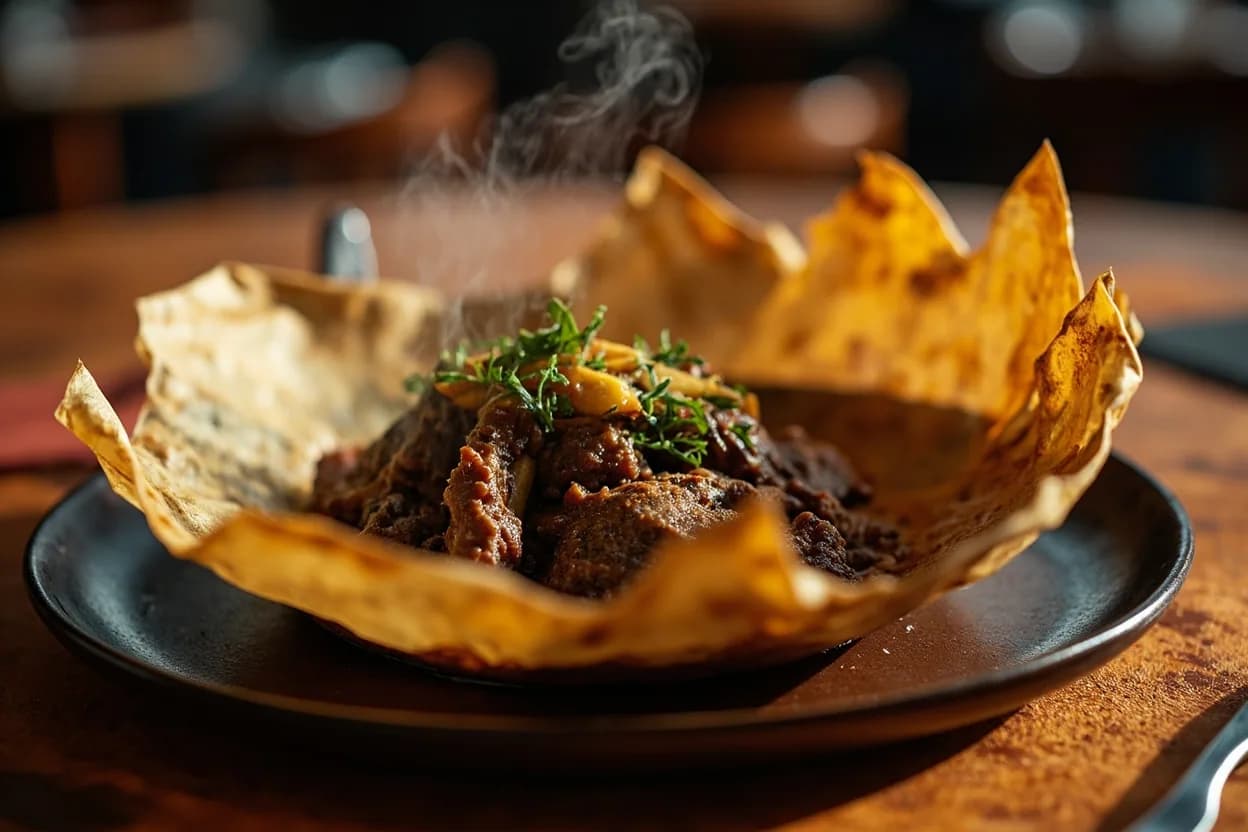
Appears in these dishes
Related

White Rice
Fluffy long-grain rice — the neutral base for almost any meal

White Bread
Soft sandwich loaf for toast, sandwiches, and crumbs
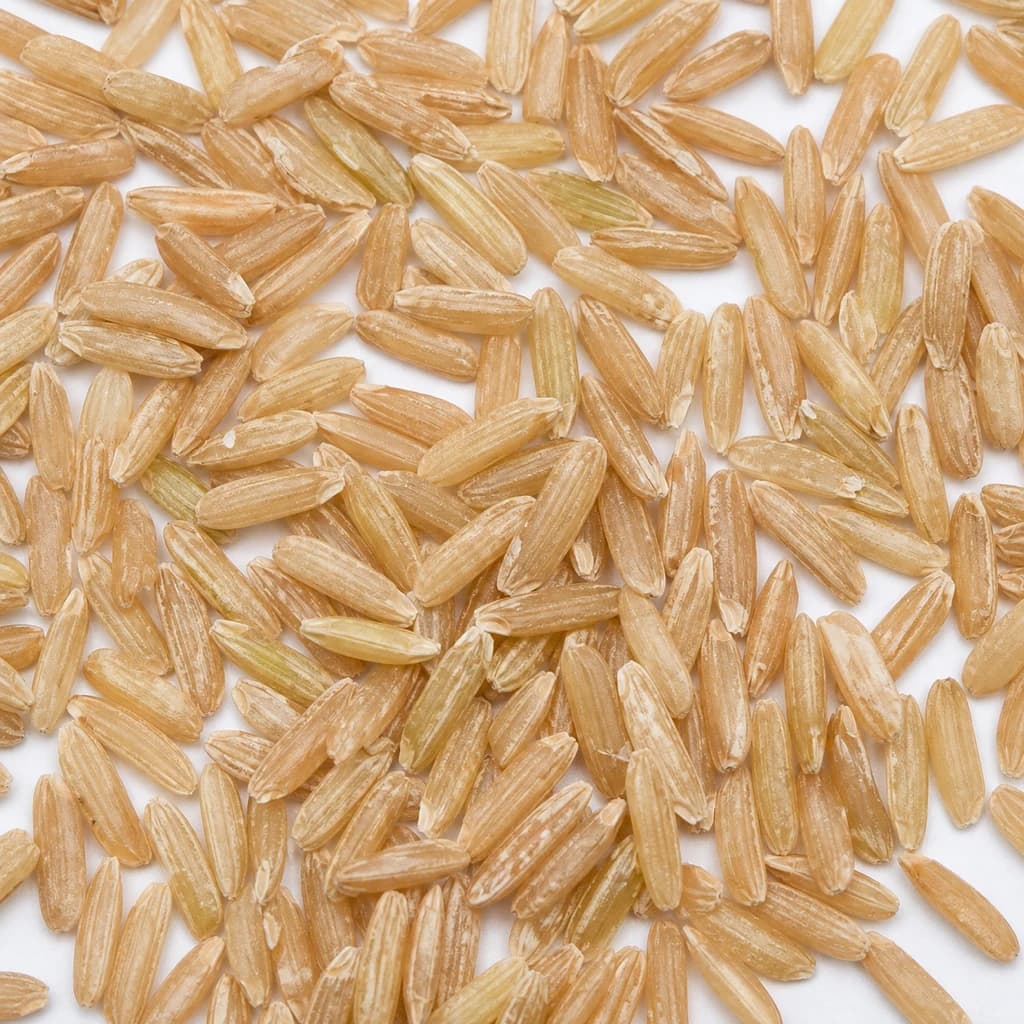
Brown Rice
Nutty, whole-grain rice with chew and extra fiber

Basmati Rice
Fragrant, long-grain rice that cooks up light and separate
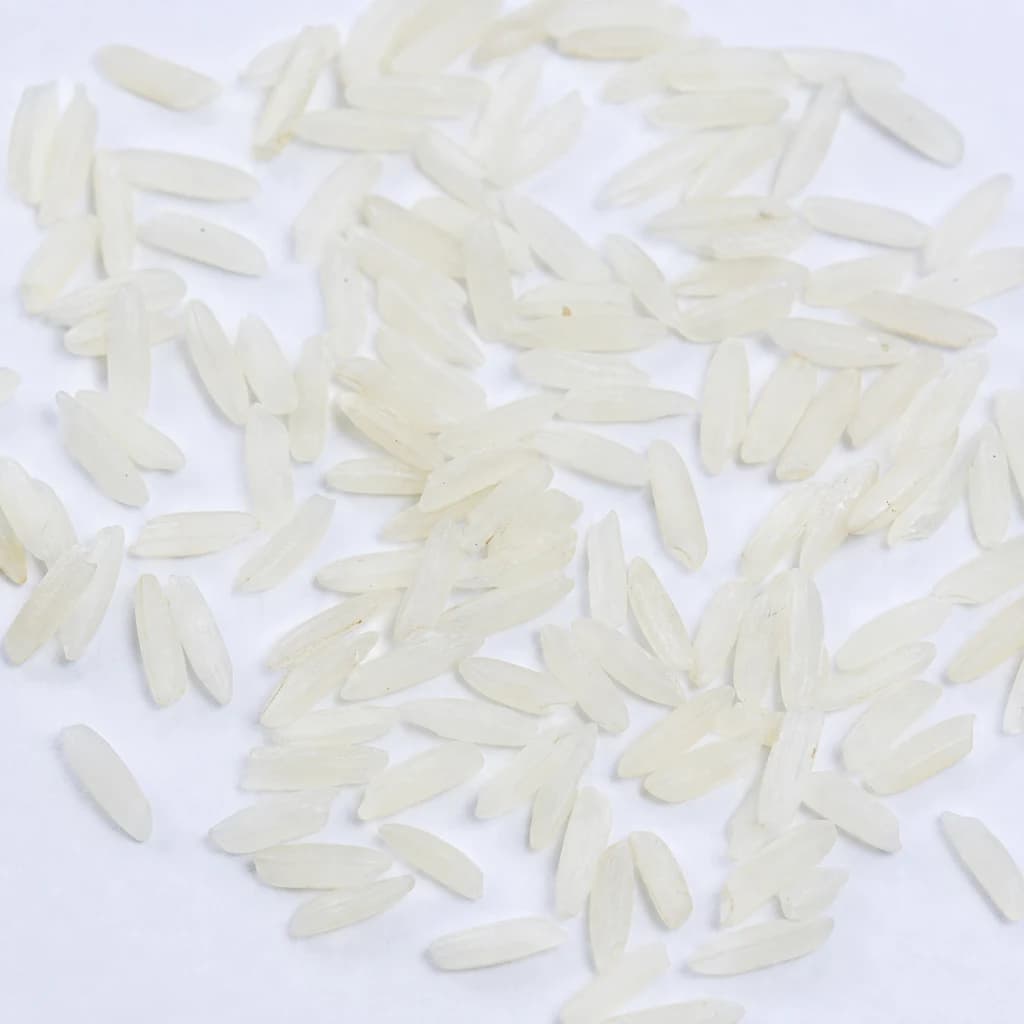
Jasmine Rice
Soft, floral-scented rice that's the pillar of Thai meals
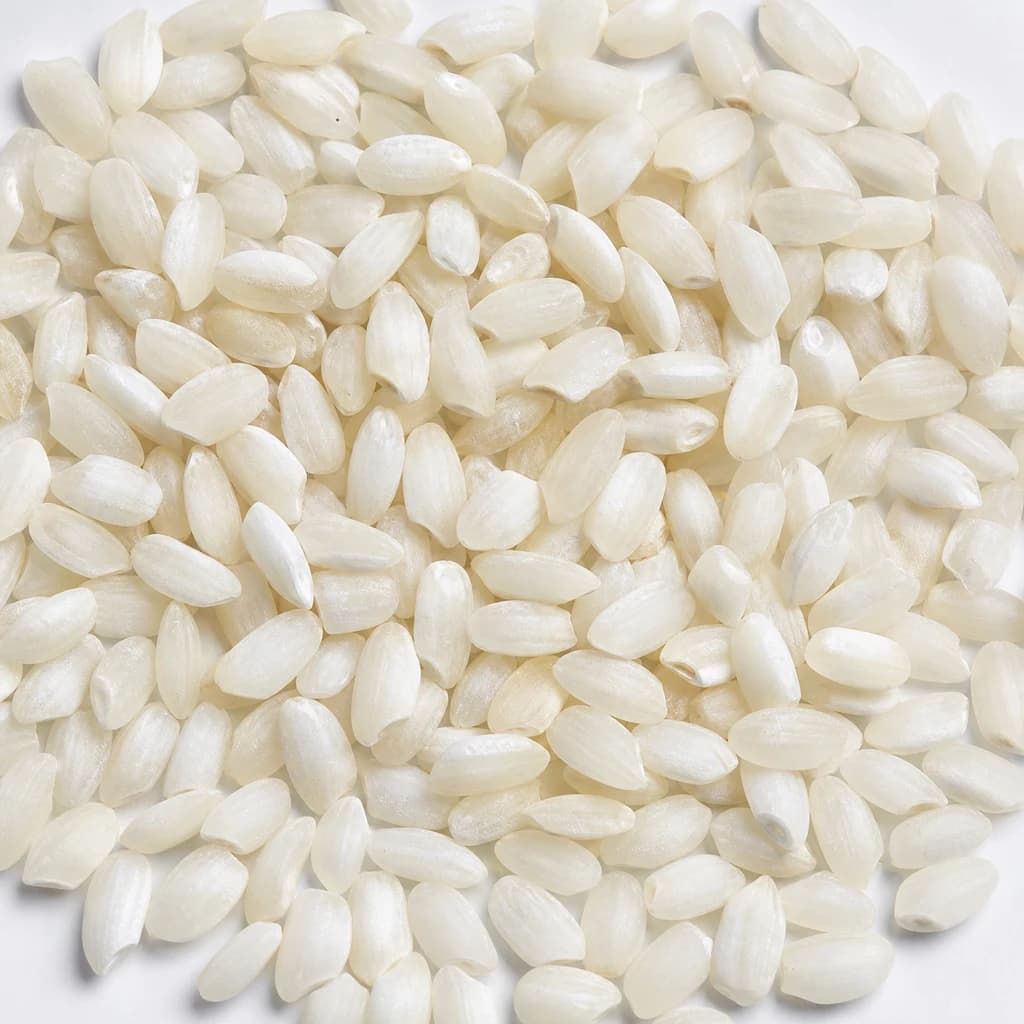
Arborio Rice
Plump, starchy rice that makes risotto creamy
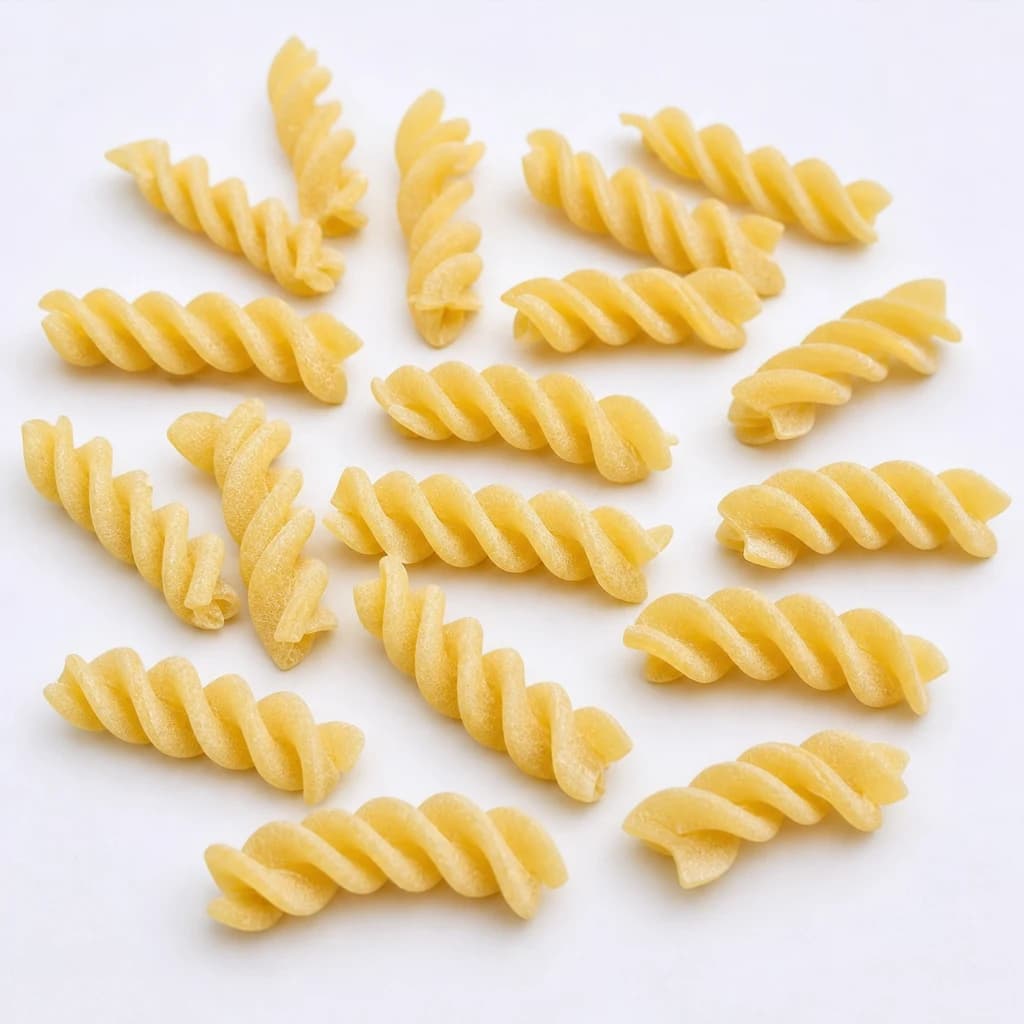
Fusilli
Spiraled pasta that twirls up sauce and dresses cold salads
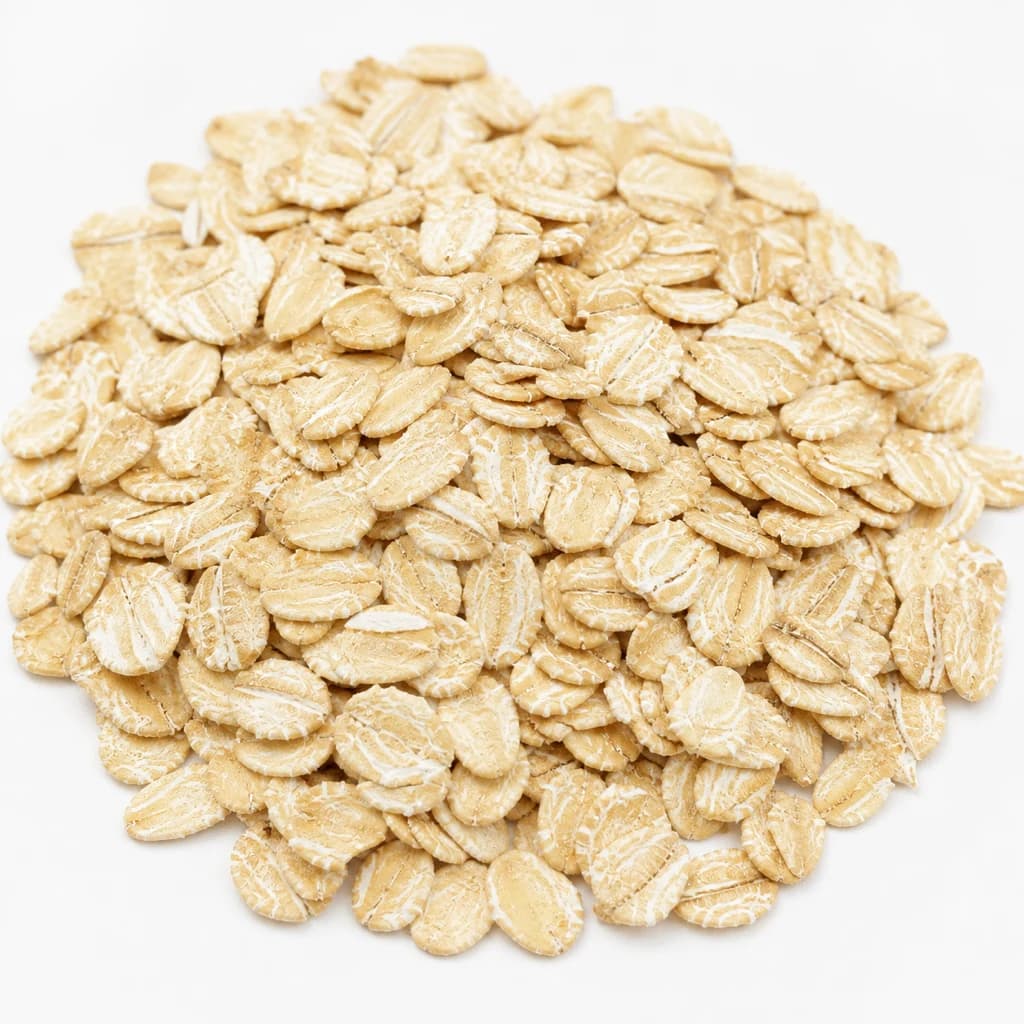
Rolled Oats
Hearty flakes for porridge, granola, and chewy cookies