Grains & Rice
Chapati
Soft unleavened Indian flatbread of whole-wheat flour cooked on a hot griddle.
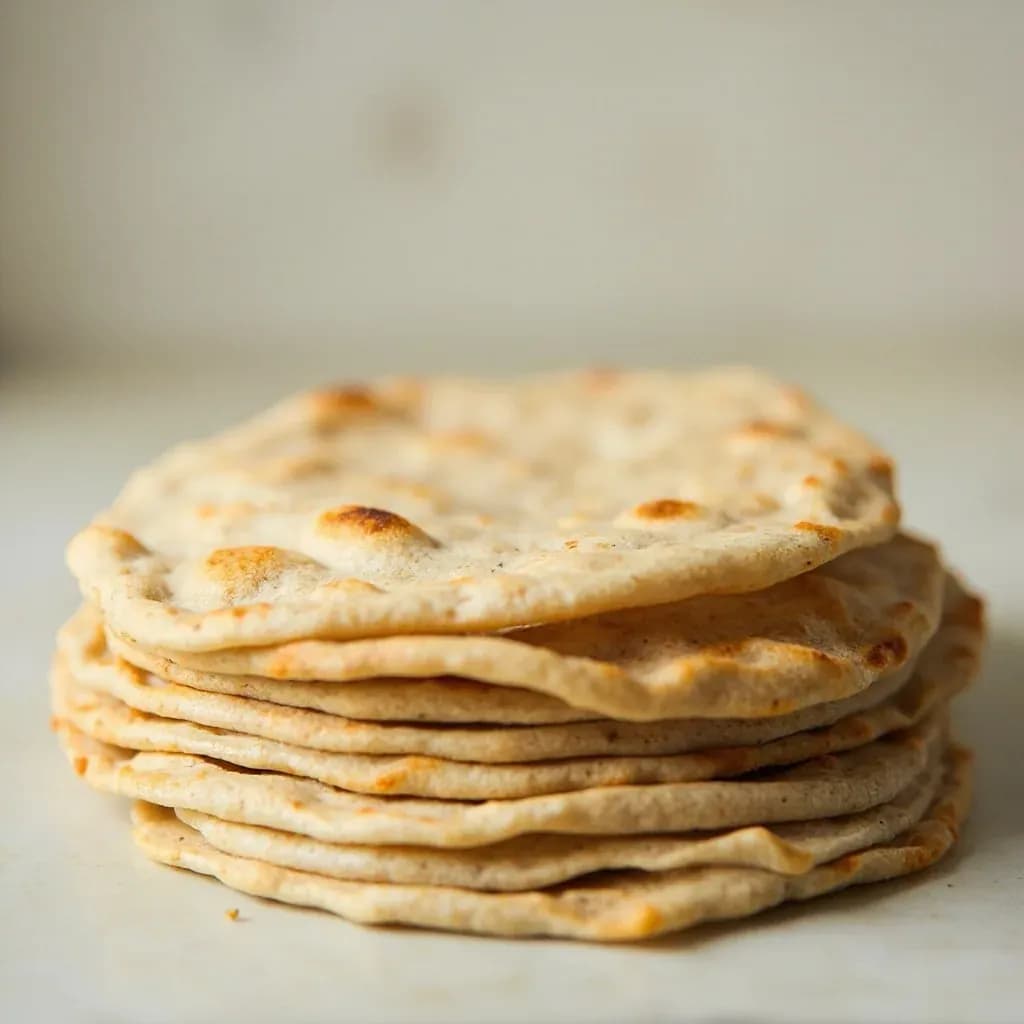
Chapati is a thin, soft unleavened flatbread made from whole-wheat atta flour, water, and a little salt. A staple across the Indian subcontinent and East Africa, it is rolled thin and cooked on a dry tawa or griddle, often puffing up over an open flame. It is used to scoop curries, dals, and vegetables.
Chapati is the daily bread of the Indian subcontinent—an unleavened flatbread made from whole wheat atta, cooked on a dry griddle until it puffs with trapped steam. Unlike leavened breads that rely on yeast or fermentation, chapati's lift comes entirely from the moisture inside the dough turning to steam during cooking. This produces a bread that is simultaneously light and sturdy, with a subtle nutty depth from the stone-ground flour and a slight chew from the bran and germ retained in good-quality atta.
The technique is simple in principle but demands attention to detail: correct dough hydration, adequate resting time, and a properly heated tawa. Get these right and the chapati will puff confidently, developing distinct layers that separate slightly as steam inflates the interior. Get them wrong and you get a dense, rubbery disc. The puff is not merely theatrical—it indicates that the gluten network held the steam pressure, meaning the crumb is open and the bread is genuinely cooked through. In Indian households, the chapati is rarely eaten alone; it functions as an edible utensil, a vehicle for dal, sabzi, and curry, and a measure of a cook's competence.
Regional naming varies: in North India it is called roti; when cooked until fully puffed it becomes phulka; in Maharashtra and among diaspora communities worldwide it is most commonly chapati. The bread travels well, stores reasonably when wrapped in cloth, and adapts to both humble and celebratory contexts—from a weeknight dal to a festival feast.
- Measured in
- piece
- Storage
- Pantry
Allergens
Types & varieties
Synonym in many regions; strictly may imply slightly thicker bread
Roti cooked until fully puffed with trapped steam; most common North Indian style
Deep-fried variant; puffs into a hollow sphere; used for breakfast and celebrations
Layered with ghee or oil folded into dough; can include stuffings like potato or paneer
Gujarati variant with turmeric, cumin, and sometimes fenugreek leaves added to dough
Hyderabadi origin; rolled paper-thin, cooked on inverted concave griddle
Rajasthani style; deliberately indented with knuckles while cooking, served with dal
Bengal region; besan (gram flour) and spices added to wheat flour
The Puff: How It Works
The characteristic puff of a well-cooked chapati is steam-driven. As the dough cooks on the hot tawa, moisture inside converts to steam faster than it can escape through the dough surface. Pressure builds between the layers, inflating the bread. For this to happen, three conditions must be met: the dough must be adequately hydrated (60–70%), it must have rested long enough for the gluten to relax and hold steam pressure without tearing, and the griddle must be hot enough to generate steam rapidly. A cold or under-hydrated dough produces a flat, dense bread. Insufficient heat produces rubbery texture. Master these three variables and puffing becomes reliable.
- Hydration: 60–70% water-to-flour ratio by weight
- Resting: 15–30 minutes covered at room temperature
- Heat: water droplet should evaporate in 1–2 seconds on the tawa
Atta Matters
Not all whole wheat flours are equivalent for chapati. True atta is stone-ground, which retains more of the wheat germ and bran, giving the bread its characteristic nutty flavor and golden color. Modern roller-milled whole wheat flour grinds the grain more finely and removes some germ oil, resulting in a flatter flavor and softer texture. For best results, sift the atta before use to aerate it—this lightens the dough and improves puffing. If using store-bought atta, look for a brand labeled specifically for chapati or roti. Stone-ground atta retains more germ oil, which can turn rancid; store in an airtight container in the freezer for longest shelf life.
- Stone-ground atta retains more germ oil and bran for better flavor
- Sift and aerate flour before mixing to improve puffing
- Store atta in an airtight container in the freezer to prevent rancidity from germ oils
Common uses
Tips & pitfalls
- Use room-temperature water for dough; cold water produces tougher bread and inhibits gluten development
- Rest dough covered for at least 15–30 minutes to hydrate flour fully and relax gluten before rolling
- Roll with even pressure from center outward to uniform thickness; uneven chapatis cook lopsided
- Place rolled chapati on tawa and watch for small bubbles (30–60 seconds); flip once bubbles appear and edges look slightly dry
- For proper puffing, flip again after initial bubble stage and press edges gently with tongs or a folded cloth as steam builds
- Cook the second side briefly after puffing—overcooking dries out the bread and causes it to become stiff
- Stack cooked chapatis immediately in a kitchen towel; they steam and soften each other
- Brushing with melted ghee or butter immediately after cooking adds richness and extends softness
- Common mistake: insufficient tawa temperature causes rubbery, pale texture; test with water droplet before each batch
- Common mistake: over-flouring the rolling surface creates dry, gritty texture; use minimal dusting or press dough directly on clean surface
- Common mistake: skipping dough rest results in tough, springy bread that resists rolling and refuses to puff
- Common mistake: pressing down on chapati while it puffs flattens it before layers set; let steam do the work
Nutrition
Nutrition
No USDA FoodData Central match for Chapati yet. We surface a per-100 g profile once a generic whole-food entry is matched and verified.
In the shops
Matched grocery products
No matched grocery products for Chapati yet.
Good to know
- Origin
- Indian subcontinent, especially North India; documented in Sanskrit texts dating to 1st century CE
- Primary Flour
- Atta—stone-ground whole wheat flour, typically 95% extraction, with germ and bran retained
- Cooking Surface
- Cast iron or heavy steel griddle (tawa), sometimes with slight convex shape
- Cooking Temperature
- Griddle heated to smoking point before cooking; drop of water should sizzle vigorously and evaporate in 1–2 seconds
- Cooking Time
- 60–90 seconds per side on high heat; total 3–4 minutes per chapati
- Dough Hydration
- 60–70% hydration (flour weight basis); dough should be slightly tacky but not sticky
- Typical Size
- 6–8 inches (15–20 cm) diameter; rolled thin, about 1–2 mm thick
- Yield
- 8–10 chapatis from 250 g flour (about 1½ cups)
- Difficulty
- Easy to master; requires practice to achieve even puffing
- Storage
- Best eaten immediately; can be stacked in a cloth-wrapped container for 4–6 hours
Substitutes
- Atta (whole wheat flour) — Direct substitute; all-purpose flour produces softer but less authentic bread with a different texture
- Mufat (refined wheat flour) — Produces softer bread but lacks the fiber and nutty flavor of whole-grain atta
- Jowar (sorghum) flour — Gluten-free alternative; mix 50/50 with rice flour for better binding and less crumbling
- Bajra (pearl millet) flour — Traditional in Rajasthan; denser texture, often mixed with wheat flour for better results
- Rice flour tortilla — Not traditional; best for gluten-free emergencies; toast on dry pan and expect different texture
Pairs with
Also called
Roti · Phulka
Appears in these dishes
Related

White Rice
Fluffy long-grain rice — the neutral base for almost any meal

White Bread
Soft sandwich loaf for toast, sandwiches, and crumbs
Brown Rice
Nutty, whole-grain rice with chew and extra fiber

Basmati Rice
Fragrant, long-grain rice that cooks up light and separate
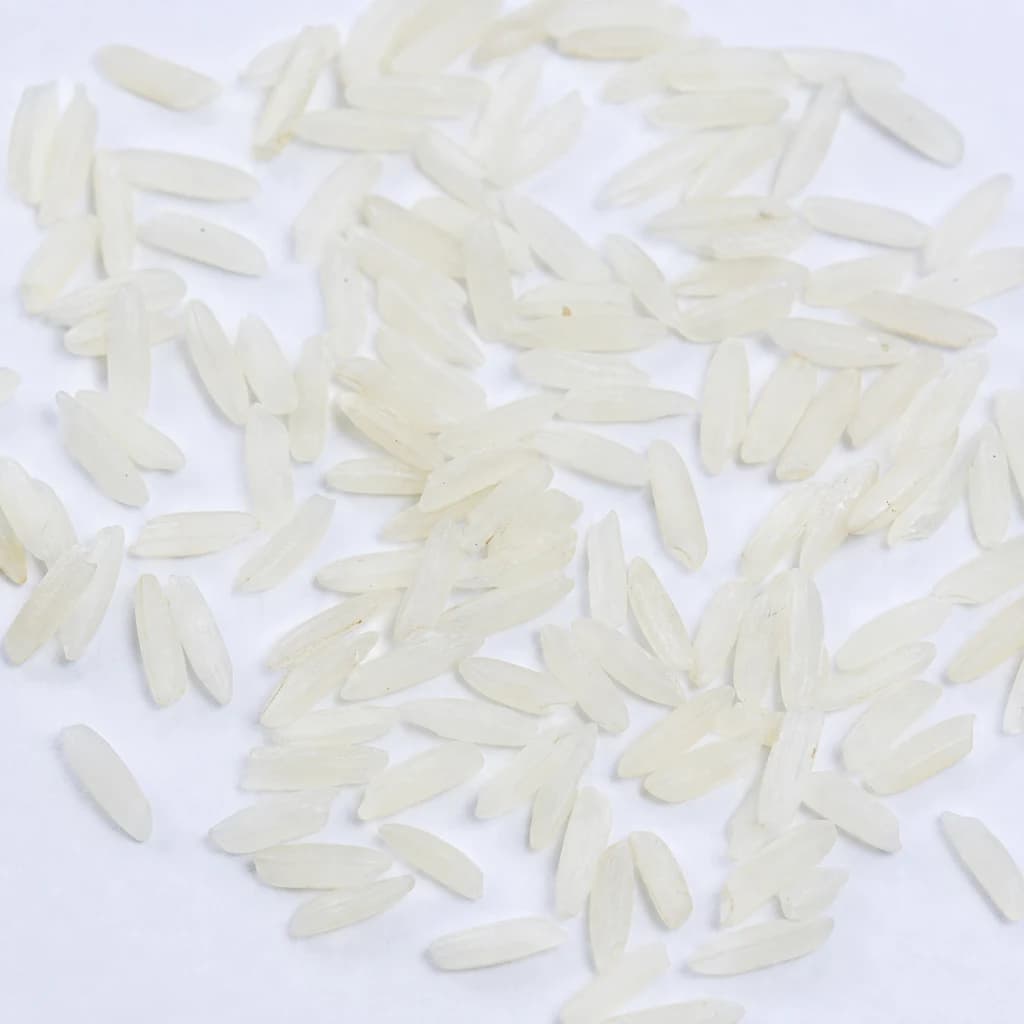
Jasmine Rice
Soft, floral-scented rice that's the pillar of Thai meals
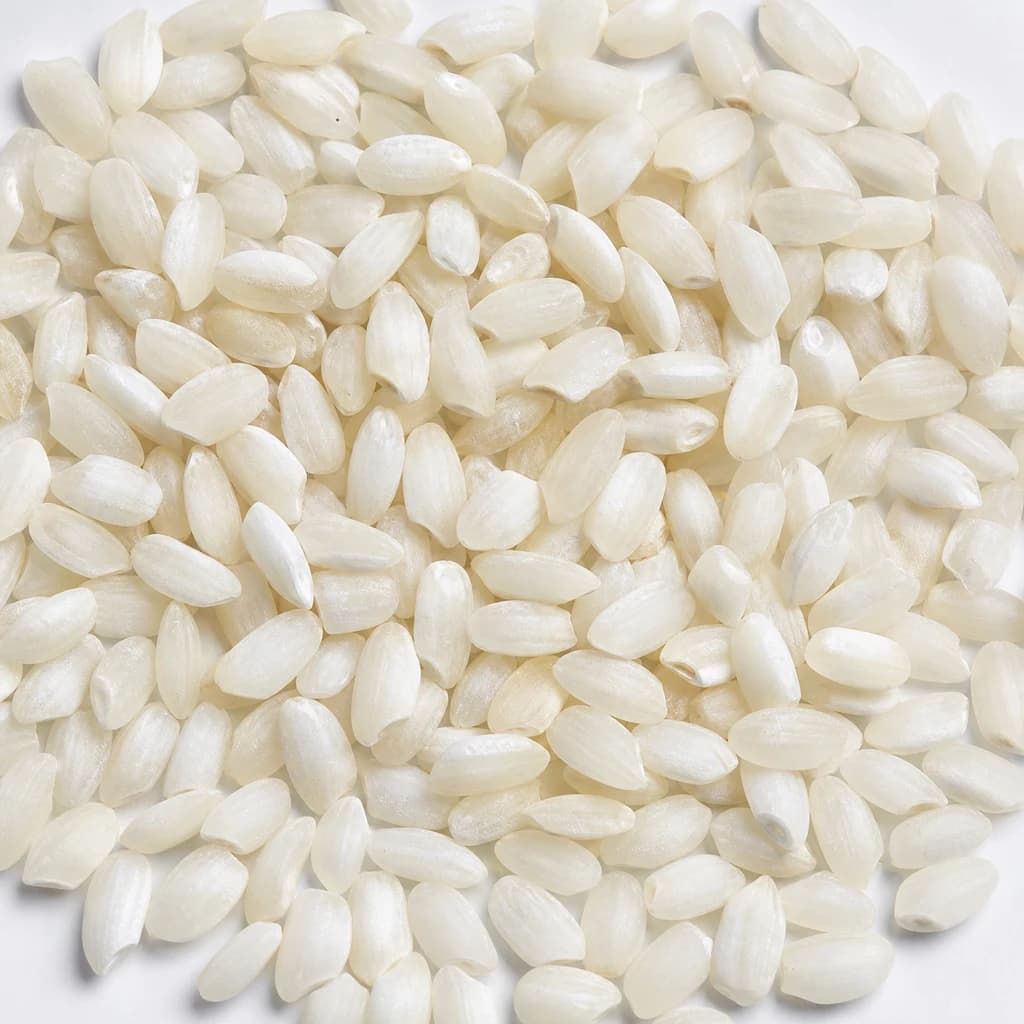
Arborio Rice
Plump, starchy rice that makes risotto creamy
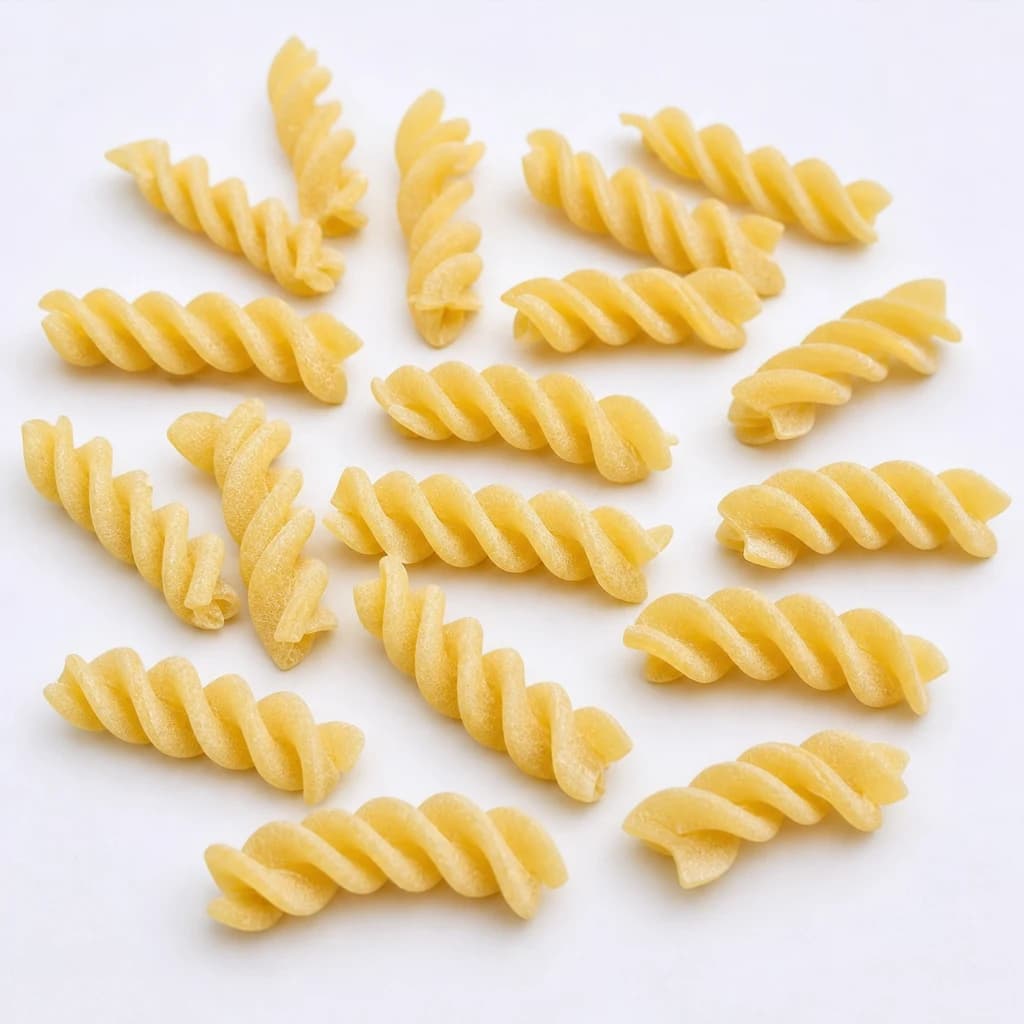
Fusilli
Spiraled pasta that twirls up sauce and dresses cold salads
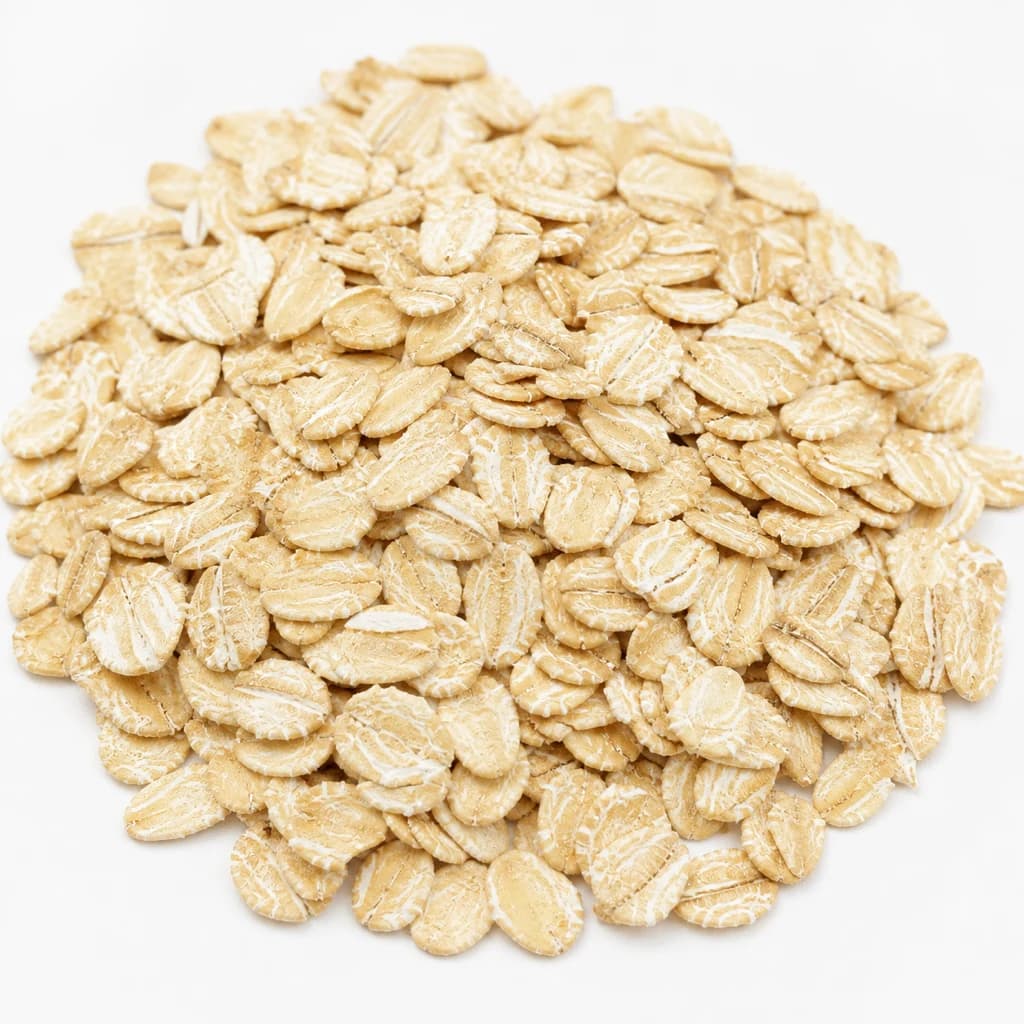
Rolled Oats
Hearty flakes for porridge, granola, and chewy cookies