Baking
Roti Flour (Atta)
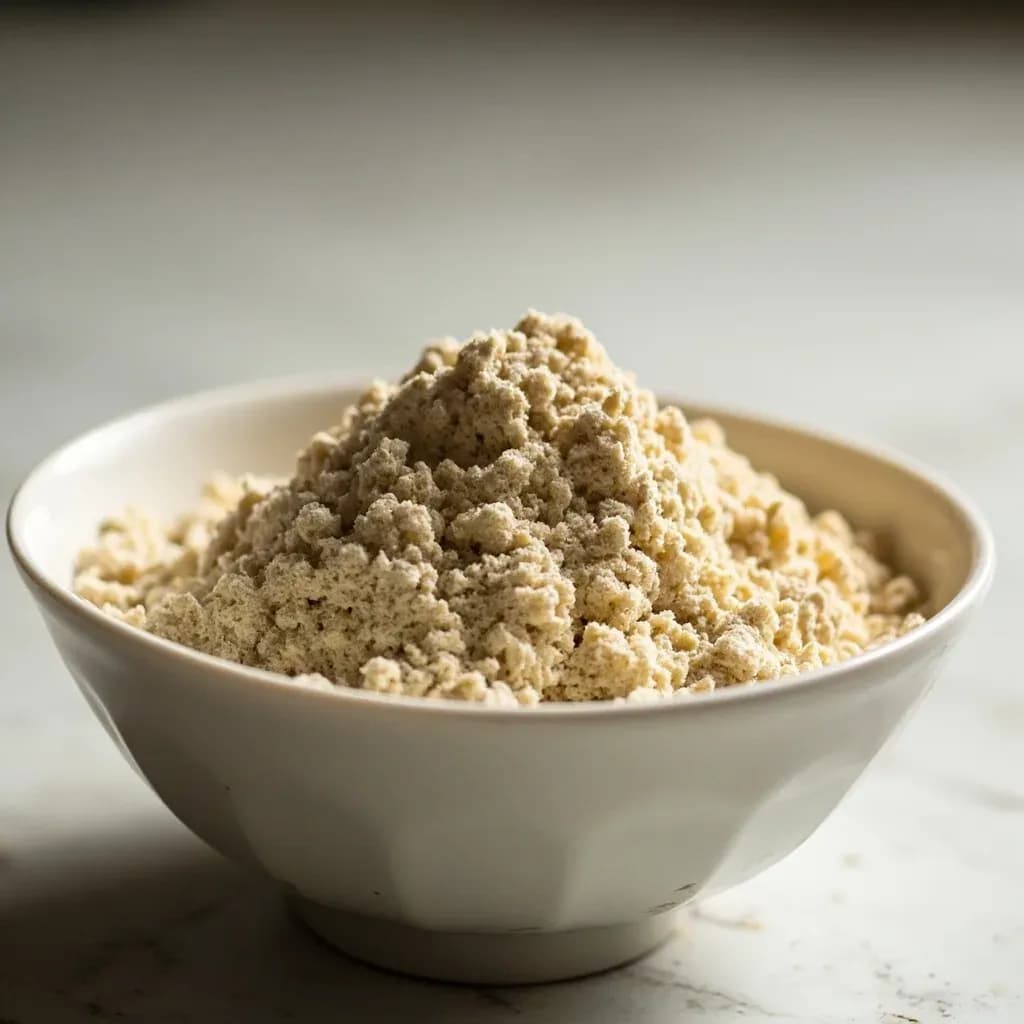
Finely milled whole-wheat atta flour for soft Indian rotis and chapatis.
Roti flour, known as atta, is finely ground whole-wheat flour milled from hard wheat with the bran included. Its high protein and fine texture produce soft, pliable dough for rotis, chapatis, and parathas that puff on the griddle. It is a daily staple flour across South Asia.
Roti flour, known as atta in Hindi and Urdu, is a finely milled whole-wheat flour specifically formulated for making Indian flatbreads. Unlike standard Western whole wheat flour, atta is ground to a smoother consistency and typically uses softer varieties of Triticum aestivum wheat grown on the Indian subcontinent—varieties like HD 2967 and PBW 550 that yield less dense, more pliable doughs than the hard wheat used in Western bread flours. The bran and germ are incorporated into the flour, giving it a creamy beige to light golden color and a protein content of roughly 10–12%, which is sufficient for developing an elastic dough without becoming chewy. Ash content, representing the mineral concentration from the bran and germ, typically runs 0.5–1.2% in quality atta.
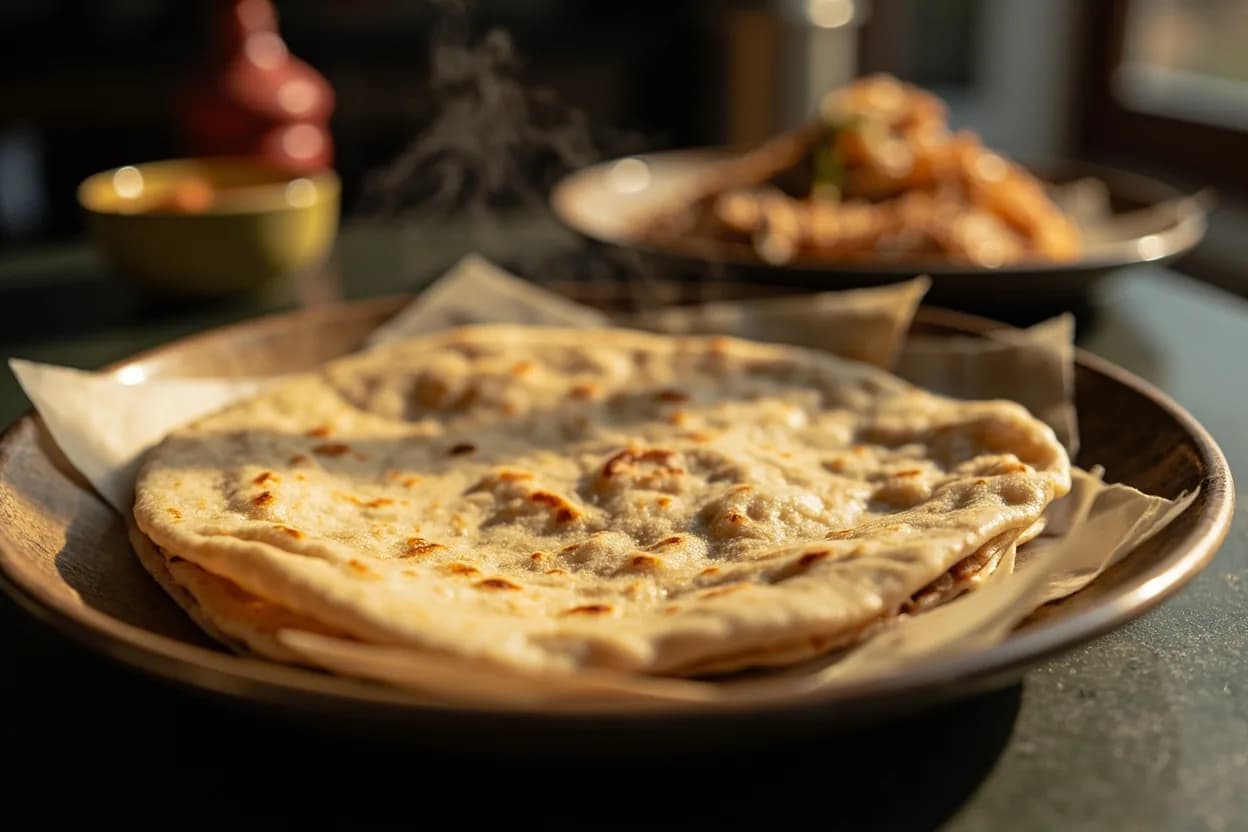
This flour is the backbone of daily meals across the Indian subcontinent and the diaspora, producing rotis, chapatis, parathas, and puris that range from soft and pillowy to crisp and flaky. The key to working with atta lies in understanding its hydration behavior: the finely ground bran absorbs water gradually, and the gluten network develops differently than in refined flour. Properly made roti dough should feel soft, slightly tacky, and responsive—not tight or springy. Many commercial Indian brands add small percentages of chickpea flour (besan) to improve binding and achieve a brighter golden color. When buying internationally, seek out 'chapatti flour' or 'atta' specifically rather than generic whole wheat flour, which is often coarser and produces noticeably different results in both texture and hydration requirements.
- Measured in
- g
- Storage
- Pantry
Allergens
Types & varieties
Most common commercially; consistent texture, widely available, fastest hydration for dough making
Coarser texture, more fibrous; traditional milling method produces a slightly nutty flavor; requires longer dough rest
Made from durum wheat; yields softer, more pliable dough; particularly popular in North India
Blended with soybean, chickpea, oat, or other flours; higher fiber but denser texture
Broader category; may include finer-ground whole wheat specifically labeled for chapatis; acceptable substitute for atta
Common uses
Tips & pitfalls
- Use room temperature or lukewarm water—never cold. Cold water tightens the gluten and produces non-elastic dough that tears easily when rolling
- Start with roughly ½ cup water per cup of atta and add incrementally; dough should be soft, pliable, and slightly tacky but not sticky to your palms
- Rest the dough 15–30 minutes covered with a damp cloth before rolling. This allows gluten to relax and ensures even moisture absorption throughout the flour
- Knead just until smooth—5 to 8 minutes by hand. Over-kneading develops excessive gluten, making rotis chewy and preventing them from puffing properly
- Add 1 teaspoon of oil or melted ghee per cup of atta for softer rotis that stay pliable for hours after cooking
- Roll thin and evenly; thick rotis will have raw dough in the center while the outside burns. Aim for near-transparency at the edges
- Cook on medium-high heat. Too low produces dried-out, stiff rotis; too high burns the exterior while leaving the center underdone
- Press the edges with a folded kitchen cloth or flat spatula during cooking—this ruptures steam trapped inside and encourages full puffing
- Common mistake: skipping the dough rest. Rushed dough tears easily and produces dense, hard rotis instead of soft, layered ones
- Storage: sift flour before storing to remove any debris; place a bay leaf in the container as a natural weevil deterrent
Nutrition
Nutrition
No USDA FoodData Central match for Roti Flour (Atta) yet. We surface a per-100 g profile once a generic whole-food entry is matched and verified.
In the shops
Matched grocery products
No matched grocery products for Roti Flour (Atta) yet.
Good to know
- Type
- Whole wheat flour (Triticum aestivum)
- Origin
- Indian subcontinent; essential to South Asian cuisine for centuries
- Milling
- Finely milled; traditionally stone-ground, modern versions use steel roller mills
- Color
- Creamy beige to light golden brown
- Gluten
- Contains gluten; protein content typically 10–12%
- Ash content
- 0.5–1.2% in quality atta (indicator of bran and germ retention)
- Shelf life
- 3–6 months in cool, dry pantry; up to 1 year refrigerated or frozen in airtight container
- Price range
- Inexpensive; premium stone-ground versions cost 2–3× standard roller-milled
Substitutes
- Whole wheat pastry flour — Lower protein than atta; results in more tender, delicate rotis. Acceptable alternative in US markets where atta is unavailable
- Mix ¾ cup whole wheat flour + ¼ cup all-purpose flour — Compromises between nutrition and workability; reduces tearing and produces a lighter-textured roti
- Durum wheat flour (fine semolina grind) — Similar gluten structure to atta; produces soft rotis with a slightly different, nuttier flavor profile
- All-purpose flour (maida) — Lacks fiber and bran; makes softer rotis but significantly reduces nutritional value. Use only when other options are unavailable
- Chickpea flour (besan) blend (80:20) — Used specifically for missi roti; not a direct substitute for plain roti but adds protein and distinct flavor
Pairs with
Also called
Atta · Chapati Flour · Whole Wheat Atta
Appears in these dishes
Related

All-Purpose Flour
The do-anything flour for bread, cakes, sauces, and dredging

Bread Flour
High-protein flour for chewy, well-risen breads
Whole Wheat Flour
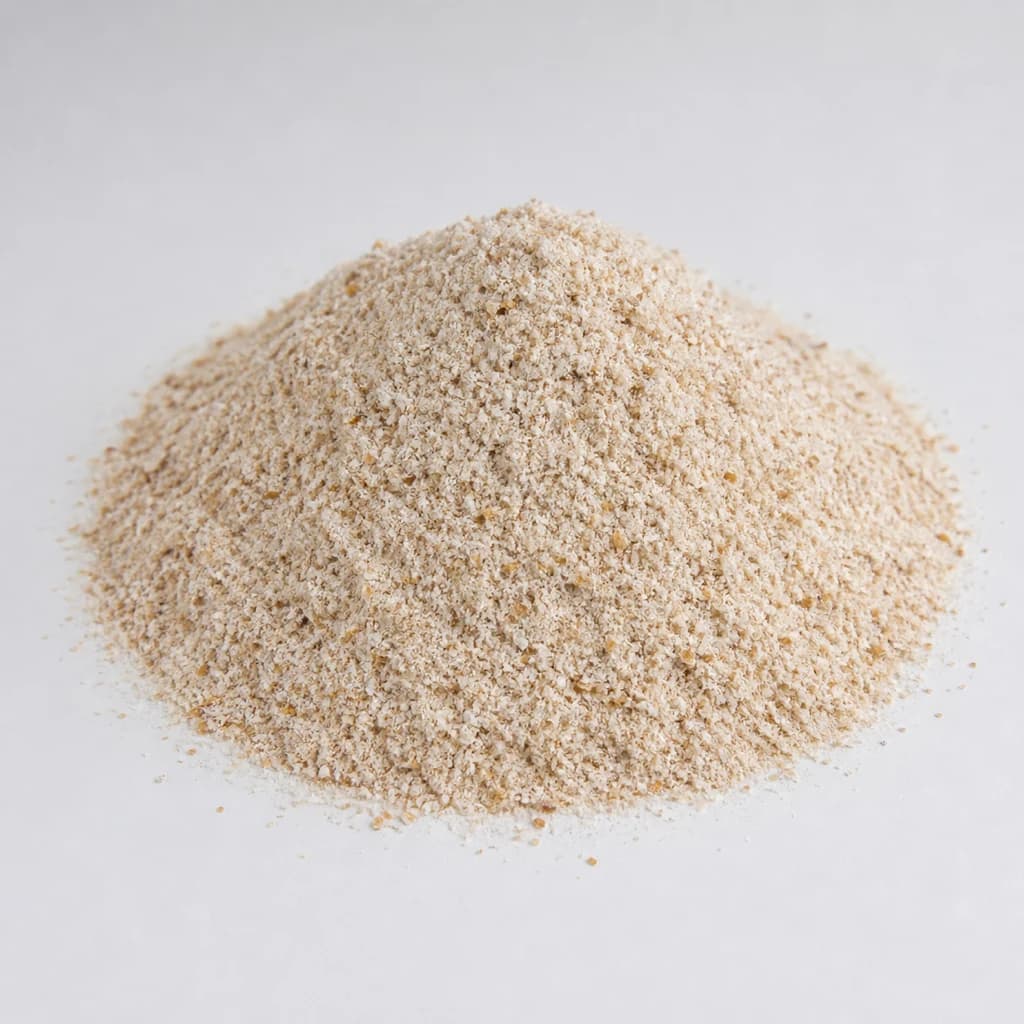
Nutty, whole-grain flour for hearty breads and bakes
Cake Flour
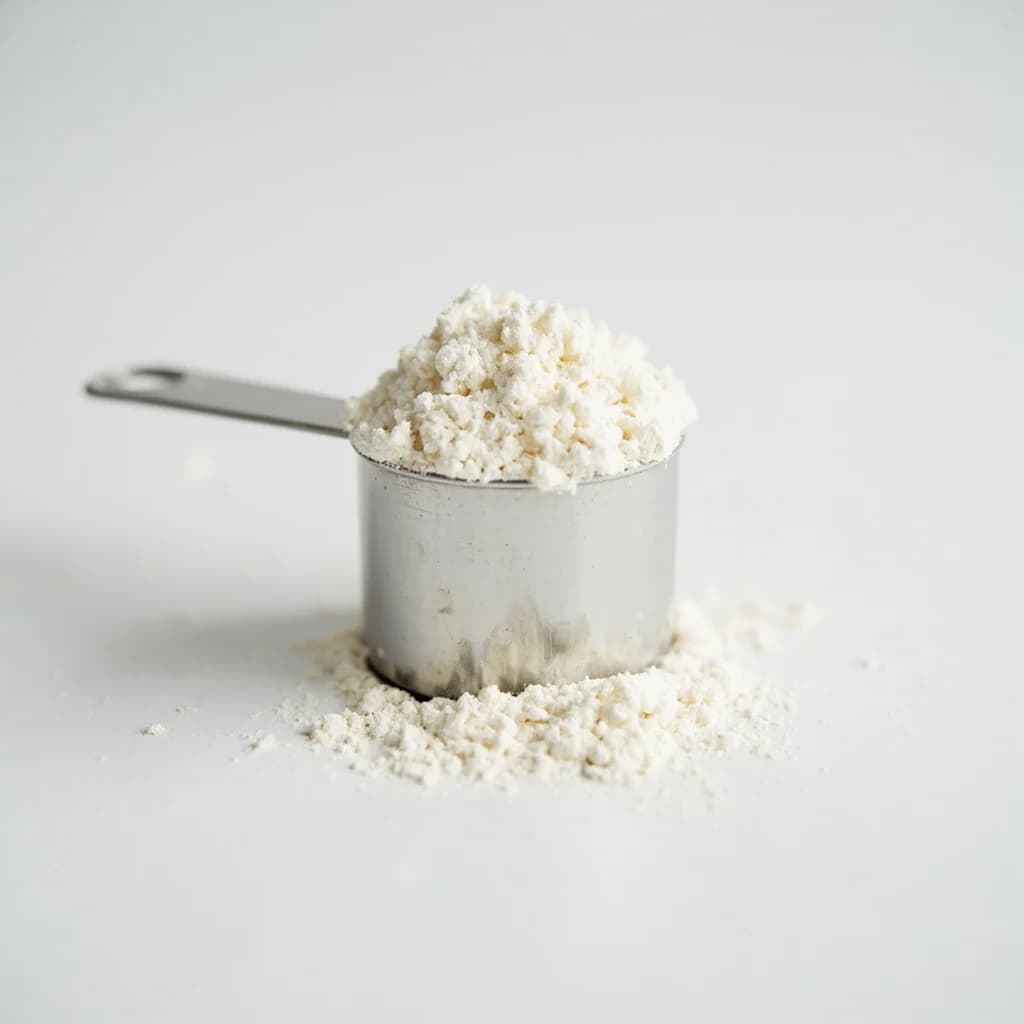
Fine, low-protein flour for tender, delicate cakes
Almond Flour
Nutty, gluten-free flour for macarons and tender bakes

Baking Powder
All-in-one leavener for fluffy cakes, pancakes, and biscuits

Baking Soda
Pure leavener that needs acid to lift — and tenderize
Yeast
Living leaven that makes bread rise and dough come alive