Grains & Rice
Piadina
Thin, soft Italian flatbread from Romagna folded around cured meats and cheese.
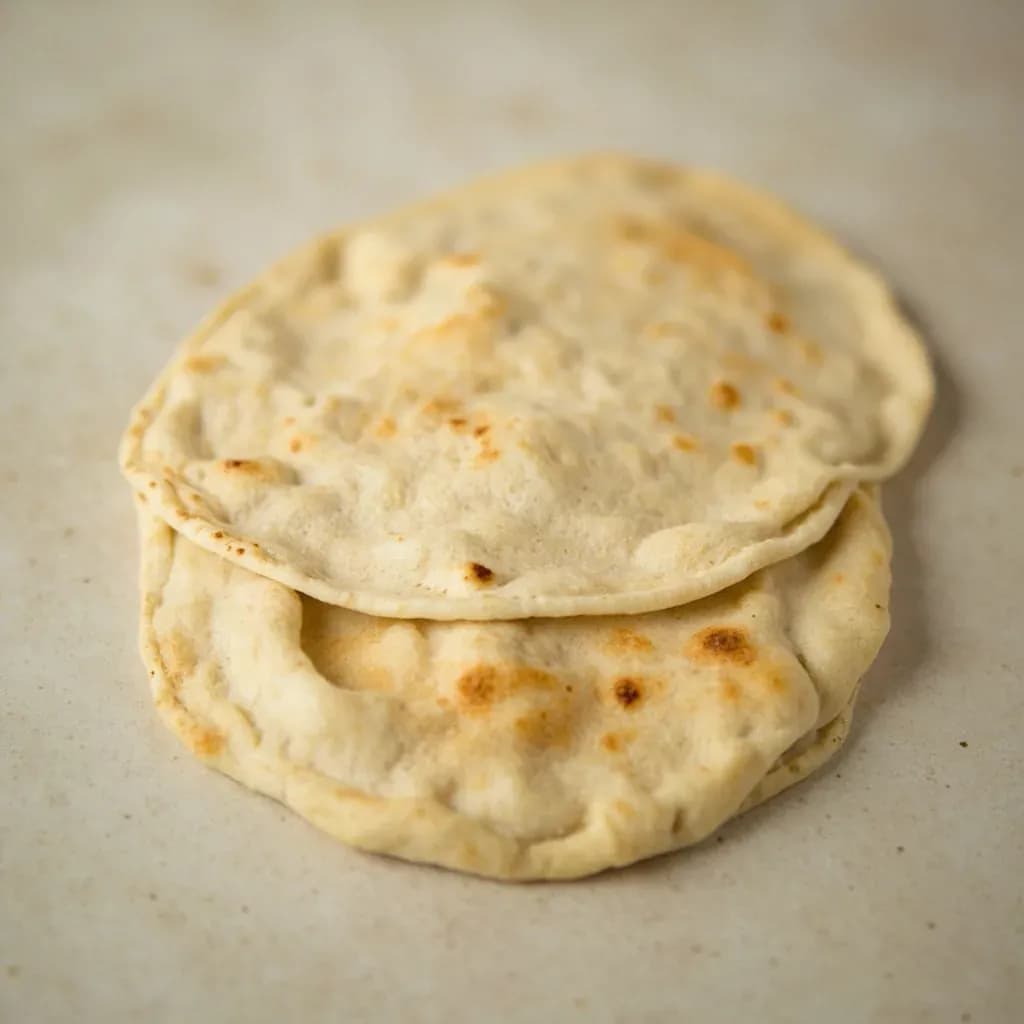
Piadina is a thin, unleavened Italian flatbread from the Emilia-Romagna region, cooked quickly on a hot griddle until lightly blistered. It is folded around fillings such as prosciutto, squacquerone cheese, and arugula for a classic street-food wrap. Traditionally made with flour, lard or olive oil, and water, it stays soft and pliable.
Piadina is a traditional thin flatbread from Romagna, the eastern portion of the Emilia-Romagna region in Italy. Unlike pizza dough or leavened breads, piadina is made from a simple dough of flour, water, fat (traditionally lard, today often olive oil), and salt that is rolled thin and cooked quickly on very high heat. The result is a pliable, slightly chewy flatbread with characteristic charred spots that folds cleanly around fillings without cracking or tearing. It is the cornerstone of Romagnolo street food, served warm from the griddle at piadinarie—casual stands that dot every town and village in the region. The piadina romagnola received IGP (Protected Geographical Indication) status in 2014, which now defines acceptable ingredients, dimensions, and production methods for bread bearing that protected name.
The flatbread behaves differently from most Western breads: it is meant to be cooked just before serving, used immediately, and never toasted or reheated in a way that sacrifices its signature softness. Commercial versions sold in Italian supermarkets often contain baking powder and softeners to extend shelf life and increase puffing; these are noticeably different from the traditional product, which relies on technique and timing rather than chemical leavening. The dough should be thin enough to see light through it in places when held up, yet strong enough to hold wetter fillings like squacquerone cheese without becoming soggy. Understanding this balance between thinness and structural integrity is the key to working with piadina successfully.
In Romagna, piadina is never merely a carrier for other foods—it is an integral part of the meal. It is eaten alongside pasta dishes to mop up sauces, served with soups, and used as an edible plate for cured meats and cheese. The flatbread's mild, slightly rich flavor allows bold fillings to dominate without competition, and its pliable texture makes it equally at home as a sandwich wrapper or a simple vehicle for olive oil and salt. Once you understand how it is meant to behave, piadina becomes one of the most versatile and satisfying breads in the Italian repertoire.
- Measured in
- piece
- Storage
- Pantry
Allergens
Types & varieties
Traditional recipe with lard, flour, water, and salt; unleavened. Gives the most authentic flavor and slightly crisp edge.
Modern household version substituting extra virgin olive oil for lard. Slightly more tender and fruity; the most common version made at home today.
Dough includes milk for added tenderness and a softer, more tender crumb. Popular in some rural areas of Romagna.
Piadina with rosemary, sage, or other fresh herbs kneaded into the dough. Fresh herbs are typically added after the rest period to preserve their aroma; dried herbs can be mixed in before resting.
Piadina vs. Other Flatbreads
Piadina is often confused with pizza dough, but the differences are fundamental. Pizza dough is fermented, topped with sauce and cheese, and baked. Piadina is cooked on a dry griddle without toppings and served as a vessel for cold or warm fillings. It also differs from Middle Eastern and Central Asian breads in important ways. Lavash is softer and more tearable when cold. Pita, even when thin, lacks the characteristic pliable chew of piadina. Flour tortillas are similar in thinness and flexibility but carry a distinctly different flavor from the lard or olive oil used in piadina. The piadina's slight richness and tender-chewy texture are its defining characteristics—qualities that make it uniquely suited to folding around the cured meats and soft cheeses of the Romagnolo tradition.
- Piadina is never topped before cooking—it is the wrapper, not the dish itself
- Unlike pizza, piadina contains no yeast or fermentation step
- The fat content (lard or oil) is higher than in most flatbreads, giving it tenderness and pliability
The Testiera: Traditional Cooking Surface
The traditional tool for cooking piadina is the testiera, a curved terra cotta disc heated directly over a gas flame or open fire. The curve is functional: it allows rendered fat to pool at the edges rather than pooling under the entire bread, giving more even browning and preventing sticking. In modern home kitchens, a heavy cast iron skillet or griddle preheated until it just begins to smoke is the best substitute. The surface must be extremely hot—piadina should begin to blister and char within seconds of contact. Lower heat produces a rubbery, pale flatbread that never develops the characteristic spots and flavor. A pizza steel or stone can also work well, heated in a very hot oven or on the stovetop, though it requires careful handling.
- Preheat your pan for at least 5–10 minutes over the highest heat before cooking the first piadina
- A cast iron skillet retains heat better than thinner stainless steel and produces more consistent results
- Wipe the pan with a paper towel dipped in a small amount of lard or oil between piadine if sticking occurs
Common uses
Tips & pitfalls
- Allow the dough to rest 30–60 minutes under plastic wrap after mixing and before rolling. This relaxes the gluten, making the dough easier to roll thin and preventing it from springing back during cooking.
- Roll the dough as thin as possible—aim for 3 mm or less. When held to light, you should see shadows through the thinner areas without the dough tearing.
- Cook on very high heat in a preheated dry skillet. The piadina should char and blister within 30–60 seconds per side; if it does not, the heat is too low.
- Do not over-flour the work surface when rolling. Excess flour creates a dry, tough outer skin on the cooked piadina that prevents it from folding cleanly.
- If using lard in the dough, render it gently and allow it to cool to room temperature before incorporating—it should be solid and workable, not liquid.
- Fold each piadina in half immediately after cooking and keep warm under a clean towel. This traps steam and keeps the bread pliable until serving.
- Commercial piadina that has dried out can be revived: cook briefly in a dry hot pan for 30 seconds per side to restore flexibility.
- A common mistake is using a rolling pin that is too heavy or applying uneven pressure, which creates variable thickness and leads to uneven cooking.
Nutrition
Nutrition
No USDA FoodData Central match for Piadina yet. We surface a per-100 g profile once a generic whole-food entry is matched and verified.
In the shops
Matched grocery products
 €1.50
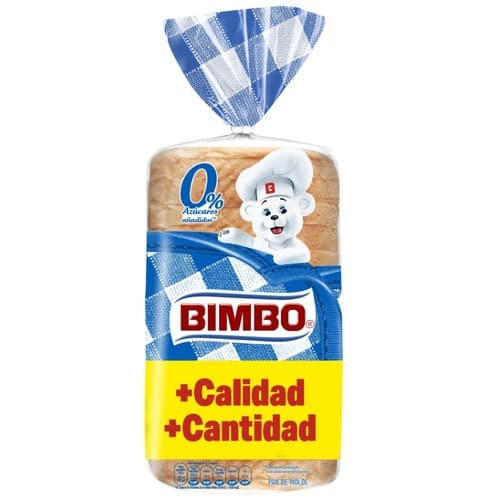
€1.50Large Sandwich Bread
BIMBO · kg · Bonpreu
 €2.89
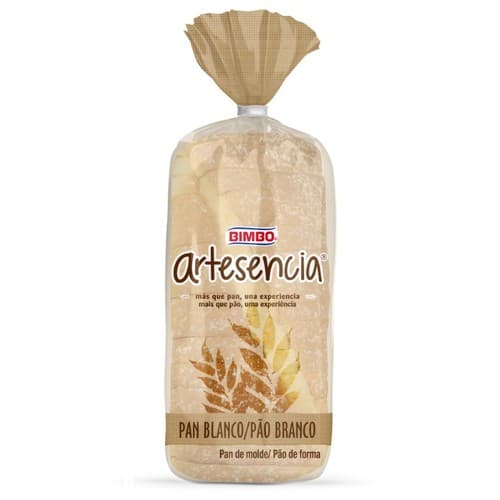
€2.89Artisan Sandwich Bread
BIMBO · kg · Bonpreu
 €1.27
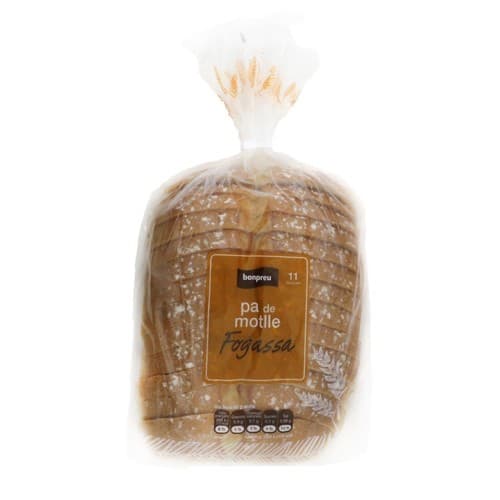
€1.27Fogassa Sandwich Bread Bonpreu
BONPREU · kg · Bonpreu
 €2.99
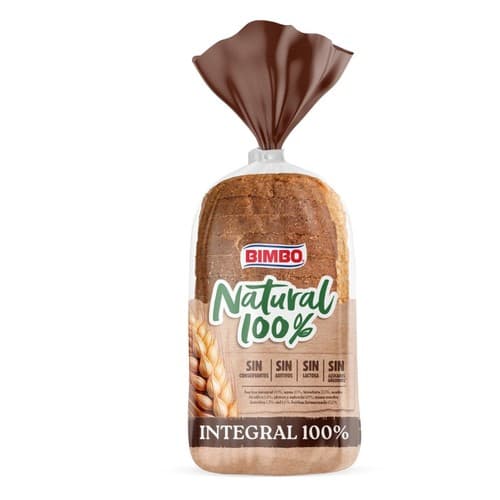
€2.99100% Whole Wheat Sandwich Bread
BIMBO · kg · Bonpreu
 €2.99
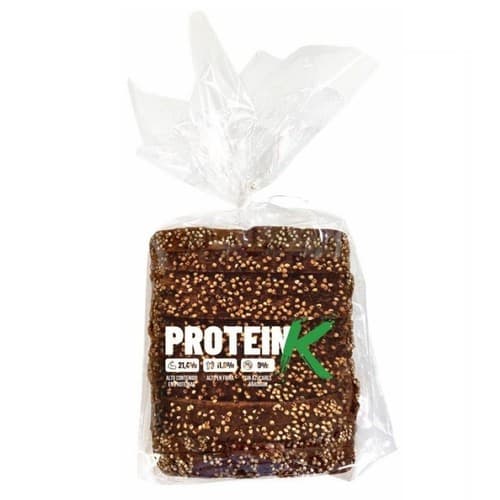
€2.99KETTERER Protein Sandwich Bread
KETTERER · kg · Bonpreu
 €0.80
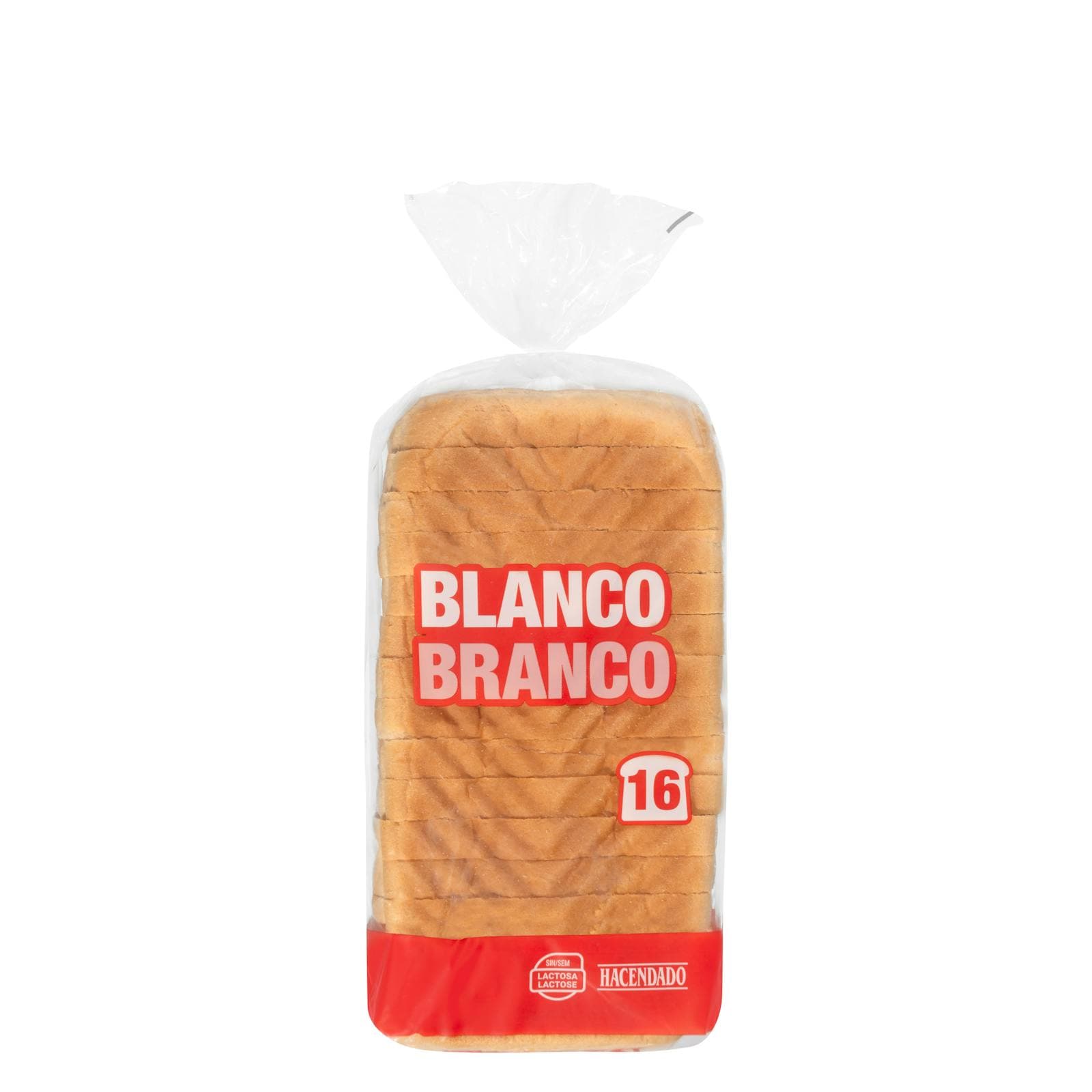
€0.80White Sliced Bread
Hacendado · 460 g · Mercadona
Good to know
- Region of Origin
- Romagna, Emilia-Romagna, Italy (IGP protected since 2014)
- Traditional Fat
- Lard (strutto); modern household versions commonly use extra virgin olive oil
- Leavening
- Typically unleavened; commercial versions may include baking powder
- Typical Dimensions
- 20–30 cm (8–12 inches) diameter, 3–5 mm thick
- Cooking Equipment
- Testiera (curved terra cotta disc) or preheated heavy cast iron skillet/griddle
- Cooking Time
- 1–2 minutes per side on very high heat until blistered and puffed
- Shelf Life
- Best fresh; 1–2 days wrapped at room temperature; freezes well for up to 3 months
- Yield
- Approximately 6–8 piadine from 500g of flour
Substitutes
- Mexican flour tortilla — Similar in thickness and pliability, folds well around fillings. Flavor is different—more wheat-forward and less rich—but works as a practical substitute in a pinch.
- Armenian or Middle Eastern lavash — Comparable in thinness and flexibility. Softer and more tearable when cold, but acceptable as a wrapper for sandwiches and rolls.
- Thin pita (Arabic flatbread) — Can be substituted but has a different texture—tends to become chewy and slightly dry when cool. Warm briefly before using if possible.
- Grilled naan (Indian flatbread) — Acceptable in a pinch for wraps, though thicker and more bubbled in character. Not a close match but functional for the same purpose.
Pairs with
Also called
Piada
Appears in these dishes
Related

White Rice
Fluffy long-grain rice — the neutral base for almost any meal

White Bread
Soft sandwich loaf for toast, sandwiches, and crumbs
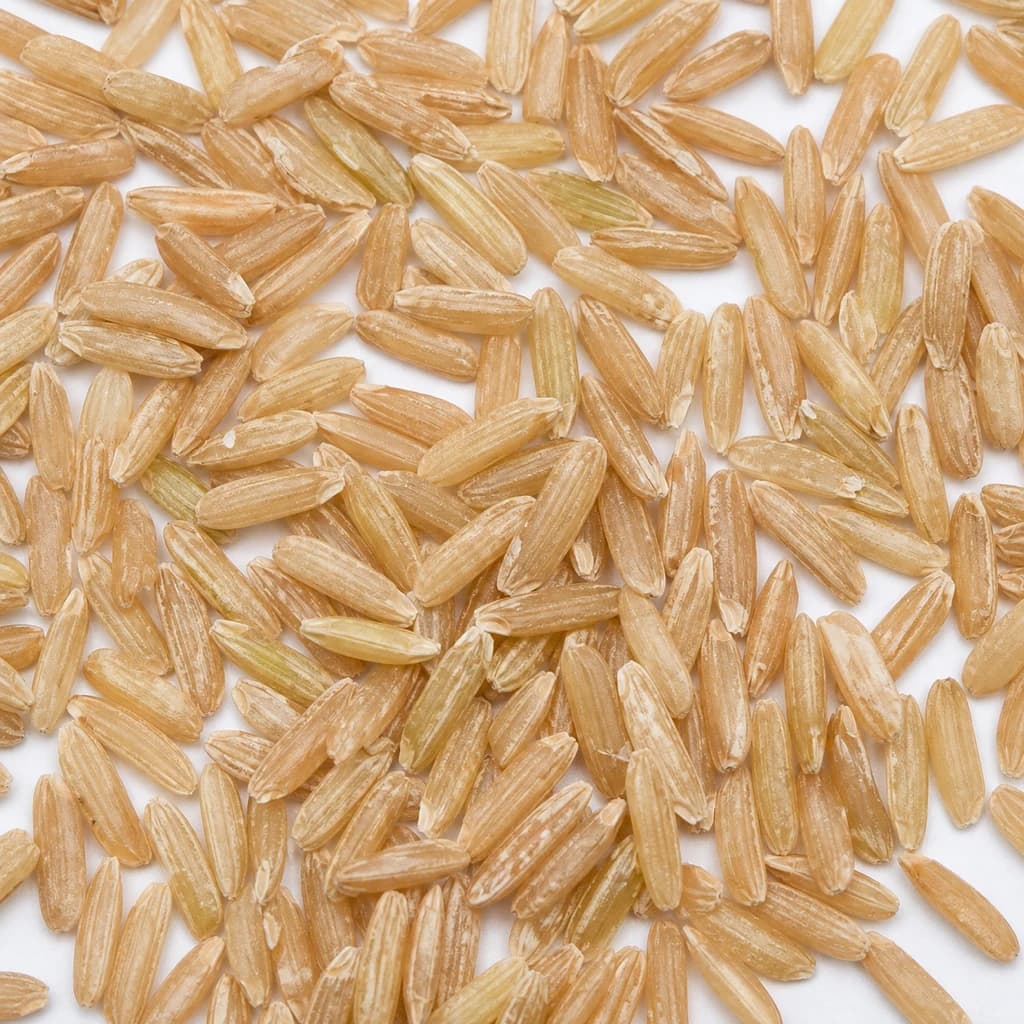
Brown Rice
Nutty, whole-grain rice with chew and extra fiber

Basmati Rice
Fragrant, long-grain rice that cooks up light and separate
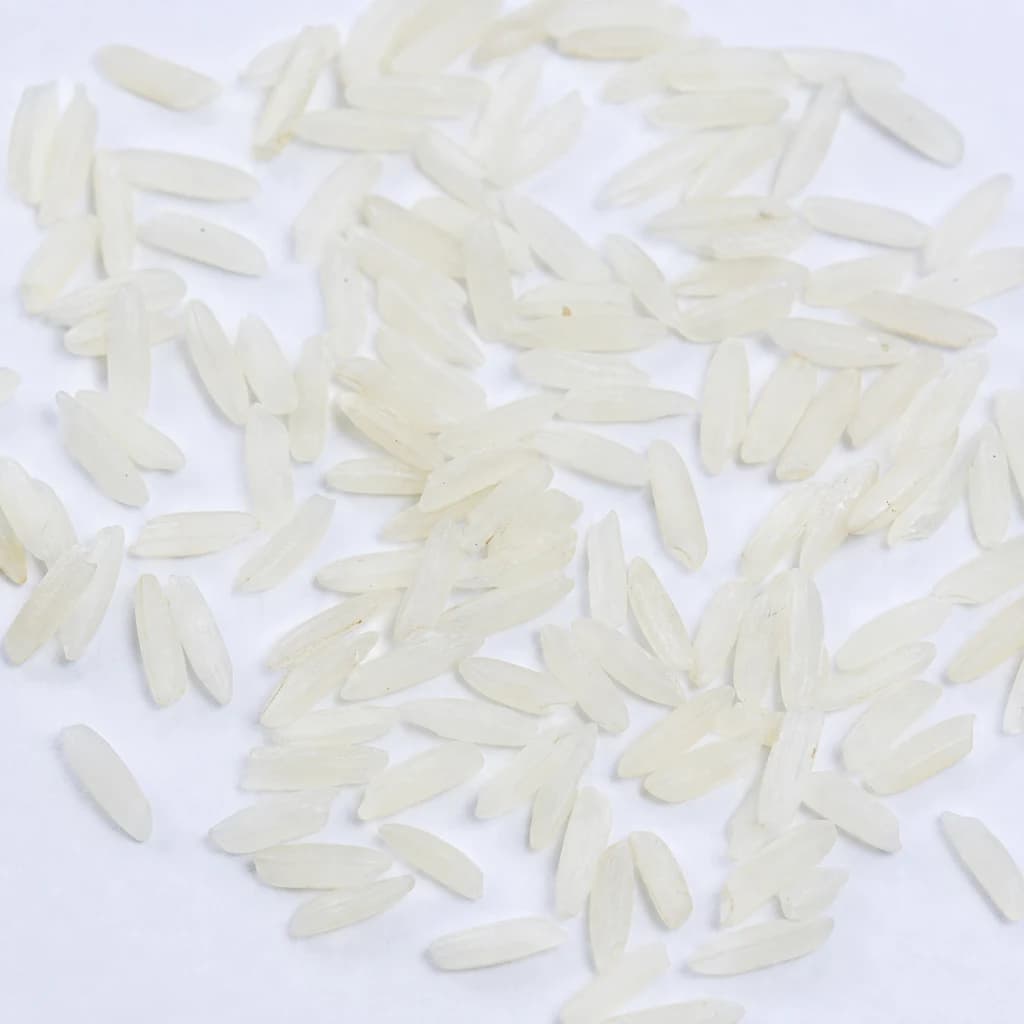
Jasmine Rice
Soft, floral-scented rice that's the pillar of Thai meals
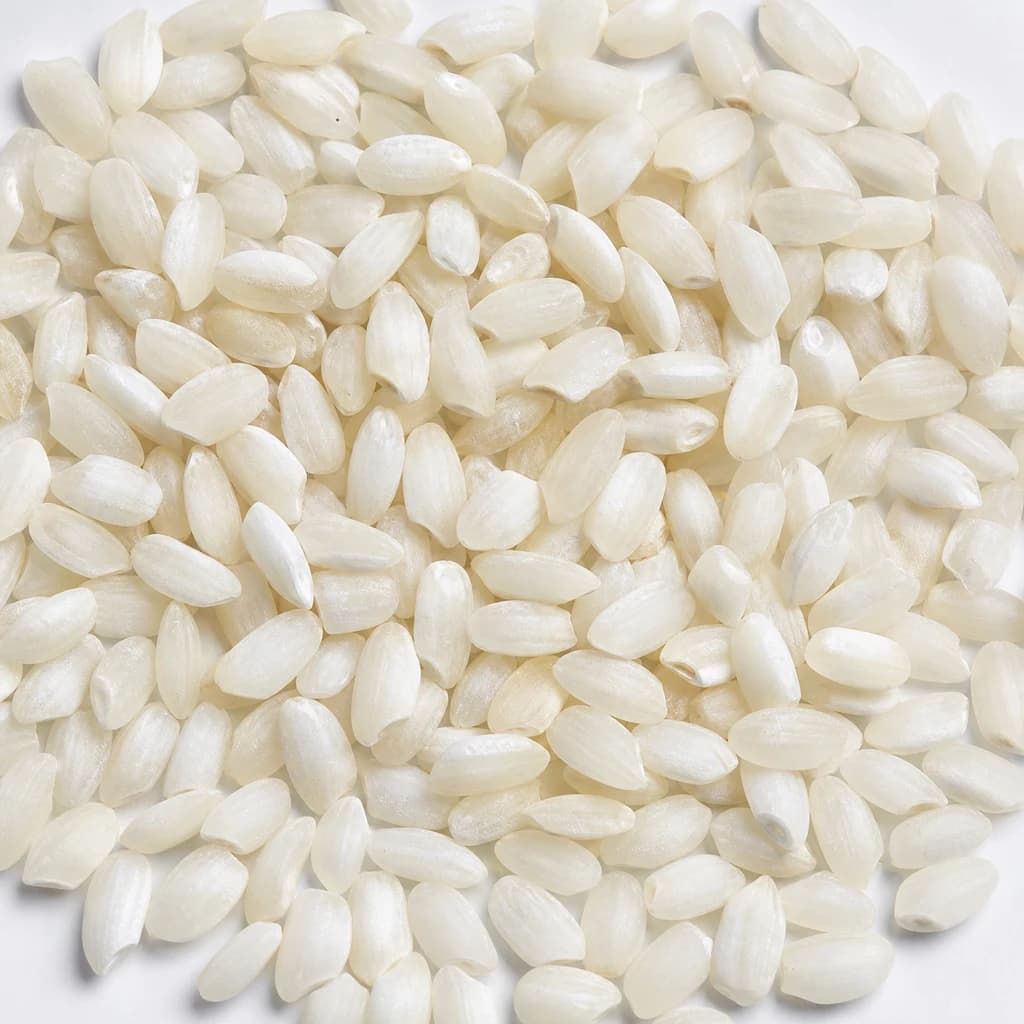
Arborio Rice
Plump, starchy rice that makes risotto creamy
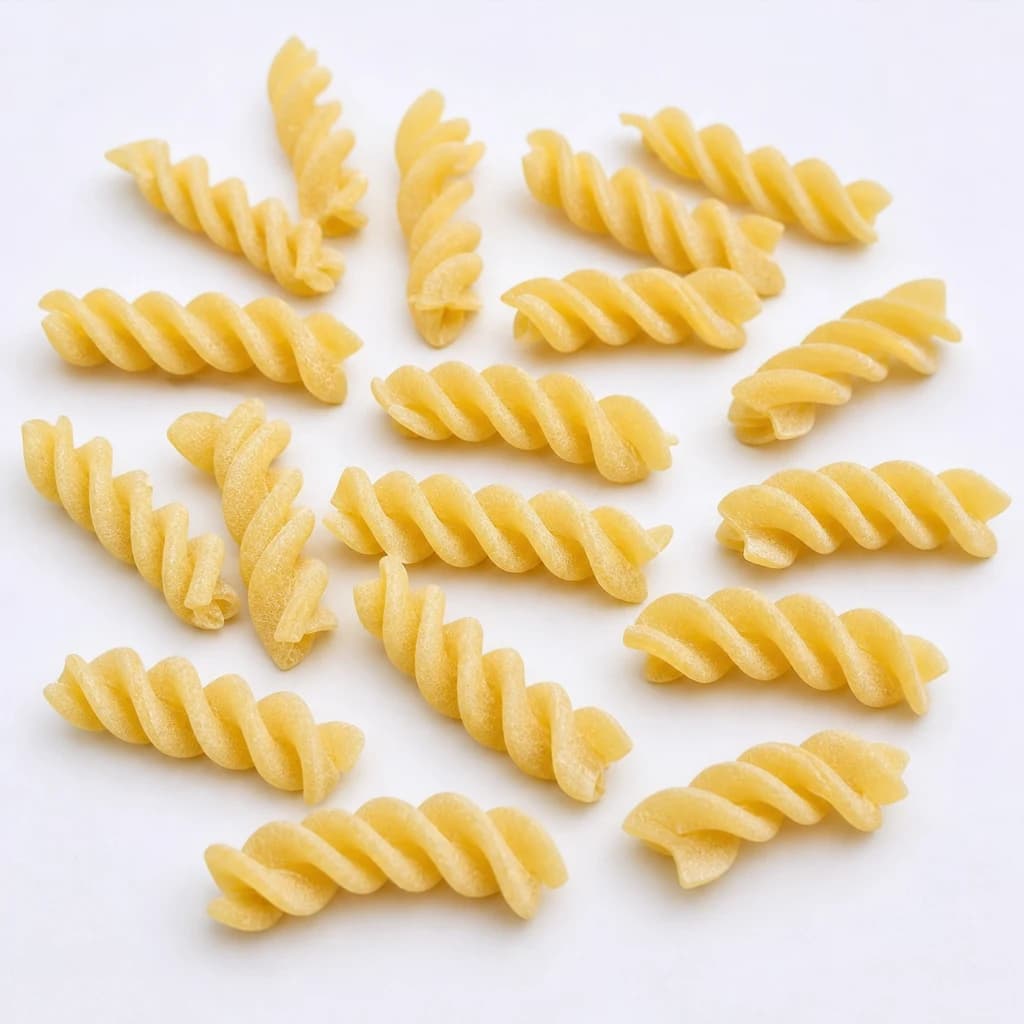
Fusilli
Spiraled pasta that twirls up sauce and dresses cold salads
Rolled Oats
Hearty flakes for porridge, granola, and chewy cookies