Dairy & Eggs
Squacquerone Cheese
Soft, spreadable Italian cow's-milk cheese from Emilia-Romagna, sweet-tangy and slathered inside warm piadina.
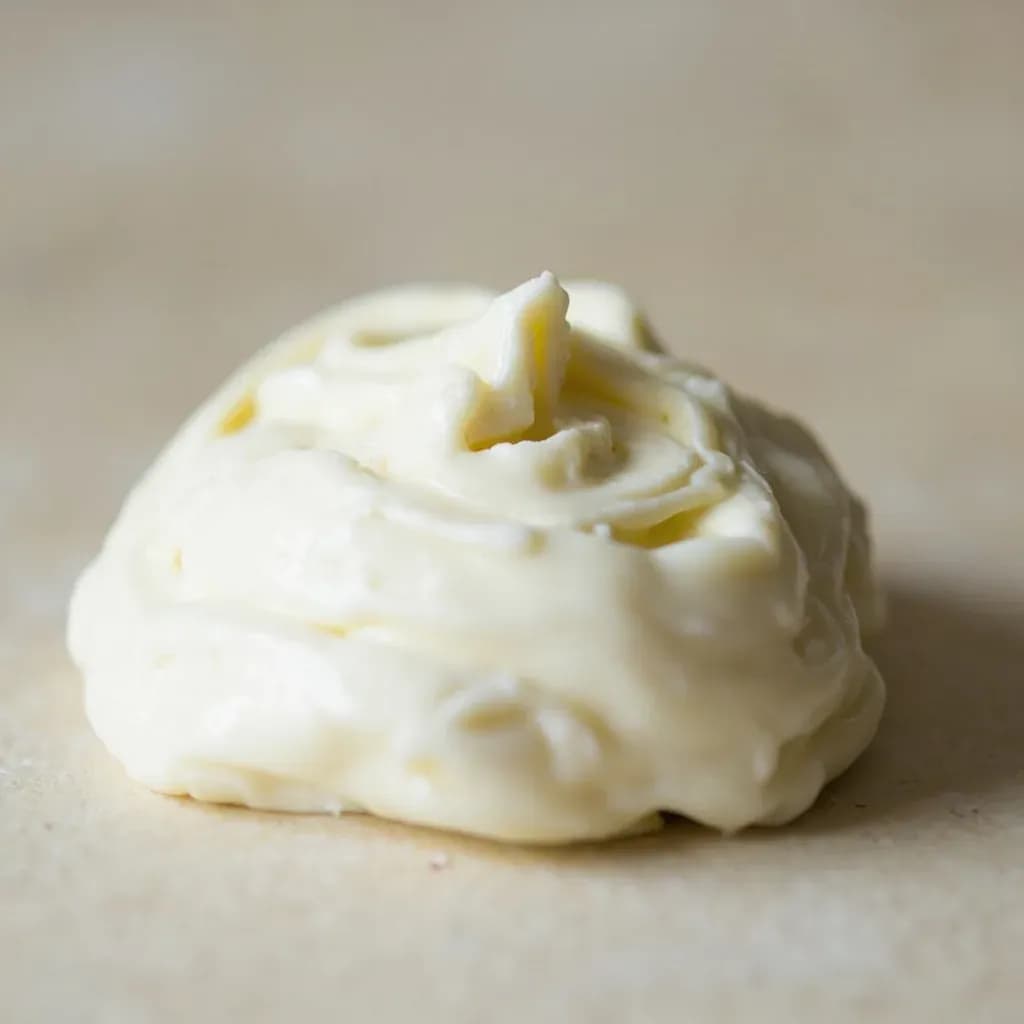
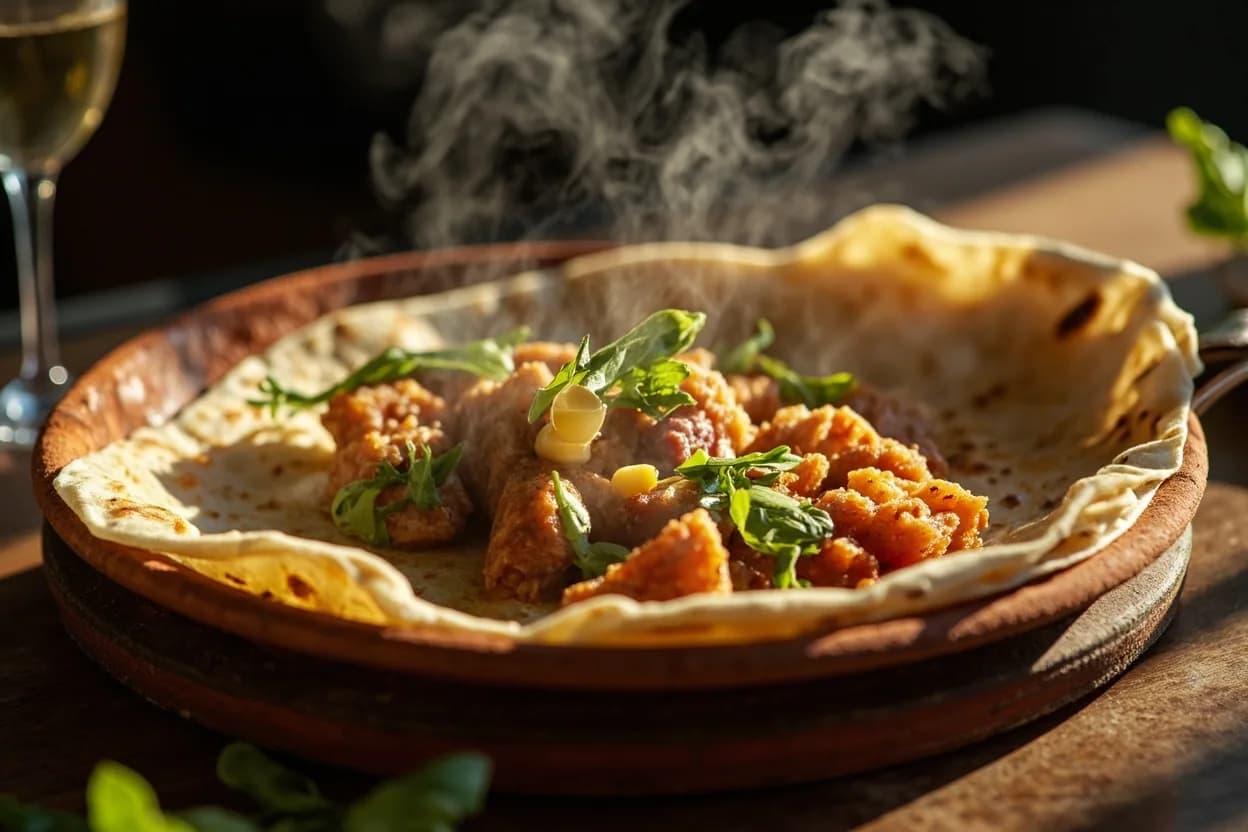
Squacquerone (squacquerone di Romagna) is a very soft, almost runny fresh cow's-milk cheese from Emilia-Romagna with no rind. It is pale white, milky, and lightly sour-sweet. It is most famously spread inside warm piadina flatbread, often with rocket and prosciutto.
Squacquerone is a fresh, soft, spreadable cow's-milk cheese from Romagna, the eastern portion of the Emilia-Romagna region in northern Italy. Its name derives from the Romagnolo dialectal word squacquerà, meaning "to squash" or "to spread"—a perfect description of its pillowy, almost pourable texture when ripe. The cheese has no rind and is essentially a fresh curd that has been drained only lightly, leaving a high moisture content and a fat content of roughly 20–24%. Traditional production uses calf rennet and takes less than 48 hours from milk to finished cheese, with minimal salt and no preservatives.
This cheese belongs to the northern Italian family of fresh, unaged soft cheeses that includes stracchino, crescenza, and taleggio's fresh variants, but squacquerone is distinctly Romagnolo—not to be confused with any cheese from Lombardy or Veneto. It carries PAT designation (Prodotto Agroalimentare Tradizionale number 98), confirming it as one of Italy's officially recognized traditional food products, though it lacks EU DOP or IGP protection. Authentic production still originates overwhelmingly from the province of Forlì-Cesena and surrounding Romagna. Because it contains no preservatives and drains only lightly, squacquerone is extraordinarily perishable—5 to 10 days sealed, and best consumed within 1 to 2 days of opening.
In the kitchen, squacquerone's defining trait is its silkiness when served at room temperature. Cold from the refrigerator it becomes rubbery and tight; at room temperature it spreads like a thick cream and weeps a little whey, which is normal and desirable. It must never be cooked aggressively—low heat only or added off-heat, or it will turn grainy and separate. Its sweetness, gentle tang, and delicate structure make it a singular cheese for both raw and lightly warmed applications.
- Measured in
- g
- Storage
- Fridge
Allergens
Types & varieties
The standard type; PAT designation protects the traditional production method in Romagna. Artisanal producers vary subtly in texture and flavor, but no formal sub-varieties exist.
A truffle-infused variant increasingly available from some producers; not traditional but adds earthy depth alongside the cheese's sweetness.
Common uses
Tips & pitfalls
- Always serve squacquerone at room temperature—cold from the refrigerator it turns rubbery and loses its characteristic silkiness. Let it sit out for 30–60 minutes before serving.
- Buy from sources with high turnover. Its brevity means stale product tastes flat and grainy; a fresh squacquerone should smell milky and clean, not dull.
- Do not confuse squacquerone with stracchino—they are cousins but not identical. Squacquerone is noticeably more delicate, softer, and slightly sweeter; stracchino is firmer and more acidic.
- It weeps whey when very ripe—this is normal and desirable for spreading. Do not drain it off; the whey helps create that creamy, pourable texture.
- Never cook squacquerone aggressively. Add it off-heat or use only low, gentle warmth, or it will turn grainy and separate. It is not a cheese for frying or high-heat applications.
- If the surface darkens or develops off odors, discard it. This cheese spoils faster than most and should smell fresh and milky, never sour or ammonia-like.
- Do not freeze squacquerone. The texture will be destroyed completely—ice crystals rupture the delicate curd structure, leaving a watery, crumbly mess when thawed.
- Press it gently when buying: the cheese should spring back slowly with a yielding, almost liquid feel. Avoid any that feels tight, dense, or bounces back quickly.
Nutrition
Energy
1628 kJ · per 100 g
Where the calories come from
Protein
25.6g
51% DV
Carbs
1.6g
1% DV
Fat
31.1g
40% DV
Fiber
0g
0% DV
Sugars
1.6g
of which
Sodium
800mg
35% DV
Source · USDA FoodData Central · approx. Cheese, fontina
View on FDC →In the shops
Matched grocery products
No matched grocery products for Squacquerone Cheese yet.
Good to know
- Origin
- Emilia-Romagna, Italy (specifically Romagna)
- Milk Type
- Cow's milk (usually whole)
- Classification
- Fresh, soft, spreadable cheese; PAT (Prodotto Agroalimentare Tradizionale)
- Fat Content
- Approximately 20–24%
- Texture
- Very soft, pillowy, spreadable; almost pourable when ripe
- Rind
- None (sold unpacked or wrapped)
- Shelf Life
- 5–10 days sealed; consume within 1–2 days of opening
- Storage
- Refrigerate at 4–6°C; keep covered; do not freeze
- Season
- Year-round; peak quality in spring and autumn when cattle graze on fresh grass
- Traditional Form
- Small rounds or rectangular loaves wrapped in parchment or foil
Substitutes
- Stracchino — The closest substitute; slightly firmer and more acidic, but works well in piadina, sandwiches, and bruschetta where the slight textural difference is acceptable.
- Crescenza — A Milanese variant of the same fresh soft-cheese tradition; virtually identical to stracchino. Use it the same way as stracchino.
- Robiola di Roccaverano — Acceptable for spreading with a slightly more complex, earthy flavor, but it is pricier and not as soft as true squacquerone.
- Fresh Buffalo Mozzarella — Better texture retention when cooked or grilled, but it lacks the tang and spreadability of squacquerone. Use only when that firmer pull is desirable.
- Crème Fraîche or Mascarpone — Acceptable only for cooked applications where you need something to hold together—risotto, pasta sauces, baked dishes. Neither has the tang or true cheese character but both resist heat better.
Pairs with
Also called
squacquerone · squacquerone di romagna
Appears in these dishes
Related

Whole Milk
Rich, full-fat milk for drinking, coffee, sauces, and baking
Butter
Golden fat for searing, baking, and finishing a sauce
Yogurt
Tangy, creamy culture for breakfast, sauces, and marinades
Cheddar Cheese
Sharp, melty cheese for sandwiches, gratins, and grating
Skim Milk
Fat-free milk for lighter drinking, coffee, and cooking
Heavy Cream
Rich cream that whips, enriches sauces, and sets ganache

Sour Cream
Tangy, thick cream for dolloping, baking, and dips
Mozzarella
Soft, milky cheese that melts into stretchy pizza pulls