Natural form
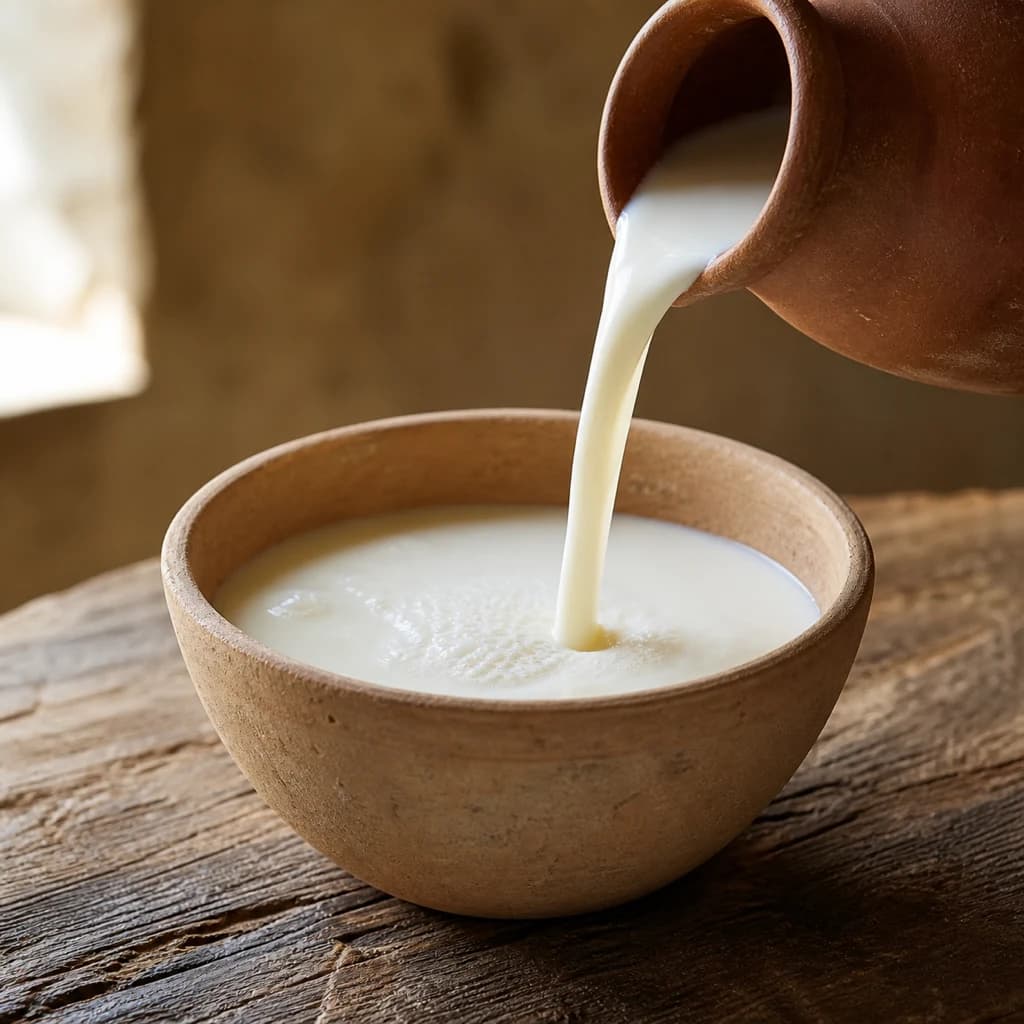
Fresh camel milk poured into a traditional ceramic bowl, thin and lightly ivory in color.
Shows the milk's defining visual traits — pale off-white color and thin, watery body — distinguishing it from richer cow's milk at a glance.
Dairy & Eggs
Camel Milk
Lean, slightly salty milk from camels, drunk fresh or fermented across arid regions.
Camel milk is a staple in arid and pastoral regions of Africa, the Middle East, and Central Asia, with a thin body and a mildly salty, slightly tangy taste. It is drunk fresh, soured, or fermented, and is valued for keeping well in heat and being lower in fat than cow's milk. It is harder to turn into cheese because it does not curdle as readily.
Camel milk is the liquid secreted by female camels, produced by dromedary (one-humped) camels across the Middle East, Horn of Africa, and North Africa, and by Bactrian camels in Central Asia and Mongolia. It has sustained pastoralist communities for over 5,000 years and remains a dietary cornerstone in arid regions where cattle cannot thrive. A single camel yields only 3–5 liters daily—roughly one-tenth of a dairy cow's output—making it scarce and expensive outside its native geography. The global camel dairy industry is expanding, with operations in Australia, the United States, Europe, Kenya, Mauritania, UAE, and Saudi Arabia bringing camel milk to new markets.
Nutritionally, camel milk differs meaningfully from conventional dairy. It contains higher protein, three to five times more vitamin C than cow's milk, and smaller fat globules that contribute to a thinner consistency and superior frothing ability. The flavor is its most distinctive characteristic: slightly salty and mineral-forward, with a subtle gamey undertone in raw form and noticeably less sweetness than cow's milk. The lactose content is lower but not absent, and the pH runs slightly more alkaline. These properties directly affect how it behaves in cooking and require adjusted technique compared to standard dairy.
From a culinary standpoint, camel milk's unique casein profile—predominantly kappa-casein and lacking beta-lactoglobulin—makes it incompatible with traditional rennet coagulation, limiting conventional cheese-making. However, it excels in fermented products, ice cream, beverages, and desserts. The milk's high vitamin C content also acts as a mild natural preservative, though fresh milk remains highly perishable and demands rigorous cold-chain handling from source to table.
- Measured in
- ml
- Storage
- Fridge
Allergens
Types & varieties
Unprocessed; consumed within 24–48 hours of milking; most common in pastoral communities where it is drunk immediately after milking
Heat-treated for extended shelf life; the primary commercial form available in specialty markets and online internationally
Traditional fermented camel milk from Kazakhstan, Turkmenistan, and Mongolia; tangy, slightly effervescent; typically homemade via back-slopping with a small amount of previous batch
Strained fermented milk; texture runs looser than cow's milk labneh due to different protein structure; popular in Saudi Arabia and UAE
Dehydrated for storage and transport; reconstituted for drinking or cooking; useful where fresh milk is unavailable
Specialized commercial product; camel milk's smaller fat globules produce exceptionally smooth texture with fine ice crystals
Common uses
Tips & pitfalls
- Never boil camel milk vigorously—heat gently to 85–95°C (185–203°F) and hold; high heat denatures proteins and produces a grainy, curdled texture
- For cheese-making, skip conventional rennet entirely—use acid coagulation with lemon juice or citric acid at 75–80°C (167–176°F); the unique casein structure makes rennet ineffective
- Store fresh camel milk at 4°C (39°F) or below at all times; it spoils faster than cow's milk due to lower natural antimicrobial activity—temperature abuse is the leading cause of spoilage in exported milk
- When substituting for cow's milk in baking, use a 1:1 ratio by volume but expect slightly saltier, more mineral-forward results that may alter the balance of sweet recipes
- For yogurt, culture at 40–43°C (104–109°F) for 8–10 hours; the final texture will be noticeably thinner than cow's milk yogurt—strain through cheesecloth for labneh if a thicker product is desired
- Thaw frozen camel milk blocks slowly in refrigeration, never at room temperature, to preserve texture and prevent localized warming
- When sourcing internationally, verify cold-chain integrity before purchasing—look for intact packaging and check that the product has been continuously refrigerated
- Authentic shubat requires back-slopping with a small amount of previous batch rather than commercial freeze-dried starters, which tend to produce inconsistent results
Nutrition
Energy
452 kJ · per 100 g
Where the calories come from
Protein
6g
12% DV
Carbs
5.4g
2% DV
Fat
7g
9% DV
Fiber
0g
0% DV
Sodium
44mg
2% DV
Source · USDA FoodData Central · approx. Milk, sheep, fluid
View on FDC →In the shops
Matched grocery products
No matched grocery products for Camel Milk yet.
Good to know
- Flavor
- Slightly salty, mineral-forward; less sweet than cow's milk; subtle gamey undertone in raw form
- Color
- Slightly whiter than whole cow's milk
- Fat content
- 3.5–5.4% by breed and diet; smaller fat globules than cow's milk, which improves frothing and creates smoother ice cream
- Protein content
- Higher than most ruminant milks; lacks beta-lactoglobulin; predominantly kappa-casein
- Lactose
- Approximately 4.8%—lower than cow's milk but not lactose-free
- Vitamin C
- Three to five times higher than cow's milk
- Primary sources
- Dromedary camels in Middle East, Horn of Africa, North Africa; Bactrian camels in Central Asia and Mongolia
- Shelf life
- Fresh: 24–48 hours unrefrigerated, 5–7 days at 4°C (39°F); pasteurized: 2–3 weeks refrigerated
- Texture
- Thinner consistency than cow's milk; froths well
- pH
- Slightly more alkaline than cow's milk, approximately 6.5
Substitutes
- Goat Milk — Closest in fat profile and protein structure; mildly earthy flavor similar to camel milk's gamey note; use 1:1 ratio; avoid if casein sensitivity is a concern since both are ruminant milks
- Whole Cow's Milk — Sweeter and less mineral-forward; acceptable in most cooked applications; not suitable for lactose-sensitive individuals or those avoiding cow's milk specifically
- Sheep's Milk — Higher fat and protein; richer flavor; excellent for cheese-making due to favorable casein balance; difficult to source fresh outside specialist suppliers
- Oat Milk (unsweetened) — Vegan alternative with neutral flavor and similar thin consistency; not a direct nutritional match; best suited for beverages and smoothies rather than cooking
Pairs with
Also called
Caano Geel
Appears in these dishes

Related

Whole Milk
Rich, full-fat milk for drinking, coffee, sauces, and baking
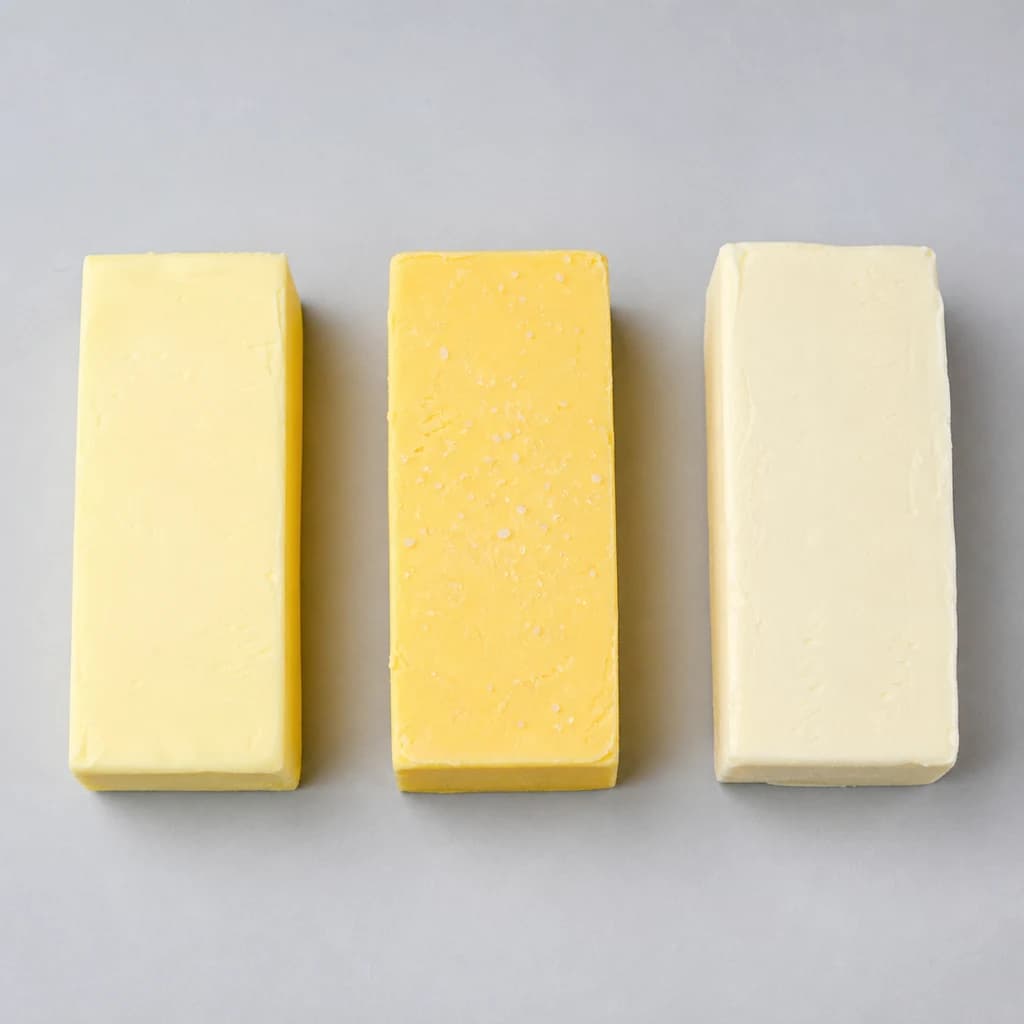
Butter
Golden fat for searing, baking, and finishing a sauce
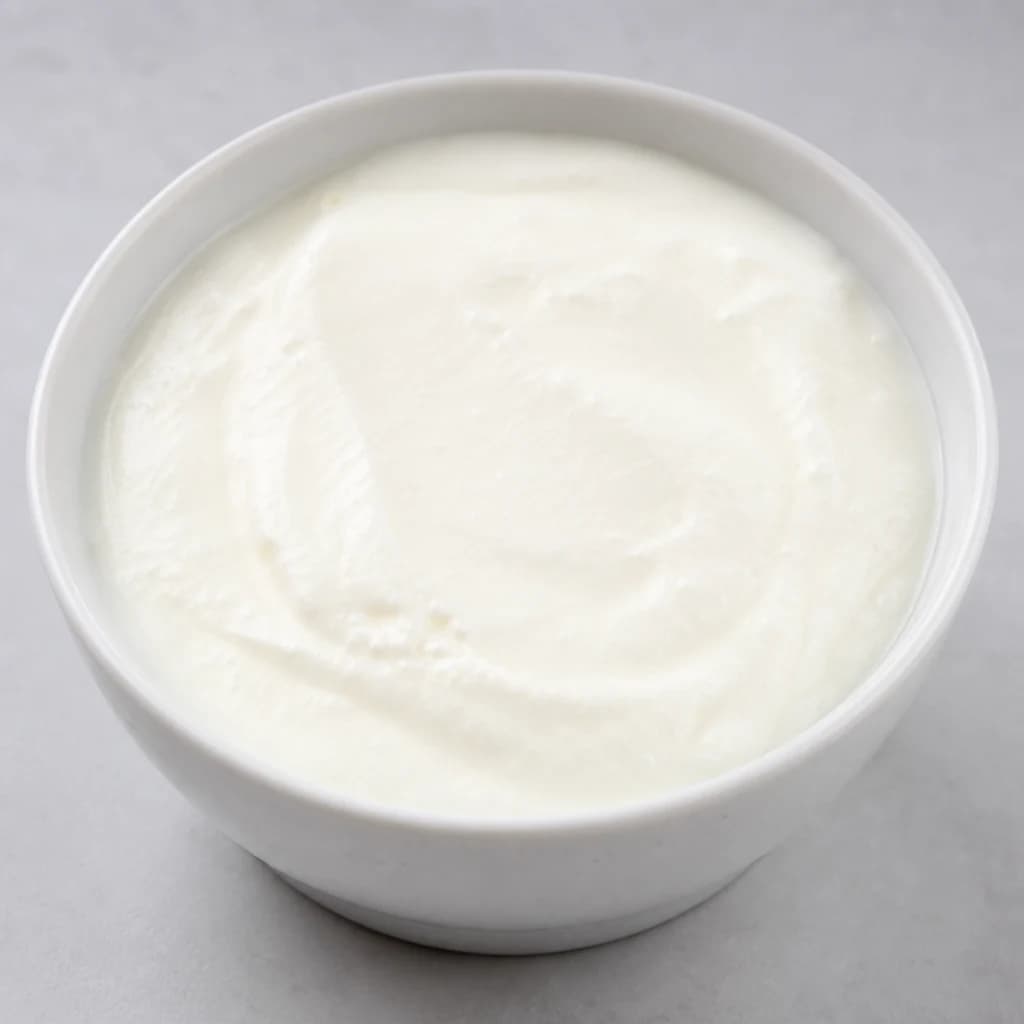
Yogurt
Tangy, creamy culture for breakfast, sauces, and marinades
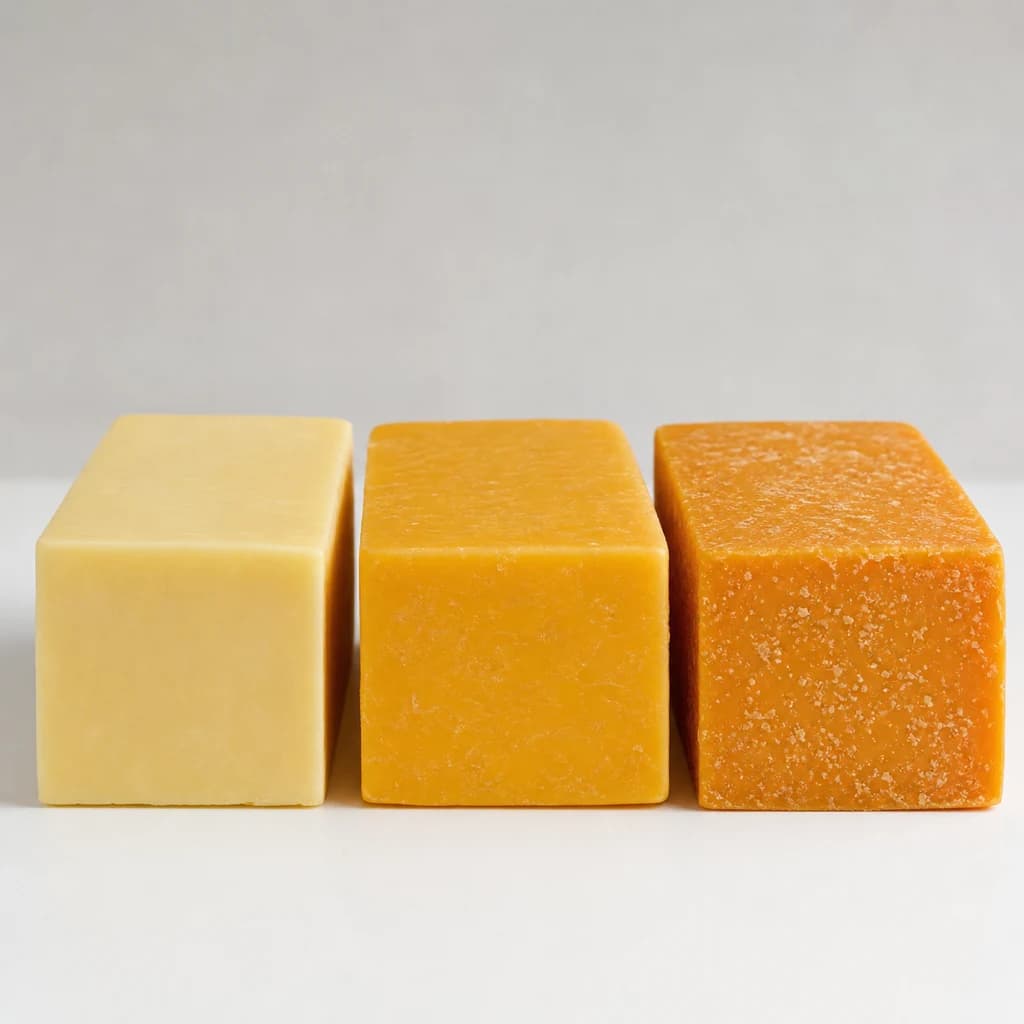
Cheddar Cheese
Sharp, melty cheese for sandwiches, gratins, and grating
Skim Milk
Fat-free milk for lighter drinking, coffee, and cooking
Heavy Cream
Rich cream that whips, enriches sauces, and sets ganache

Sour Cream
Tangy, thick cream for dolloping, baking, and dips
Mozzarella
Soft, milky cheese that melts into stretchy pizza pulls