Western Europe
Bordelais
Also: Cuisine bordelaise, Bordeaux cuisine, Gironde cuisine
Bordeaux's food culture of lamprey, cèpes, entrecôte, and Arcachon oysters — a cuisine of the Atlantic estuary built around the world's most prestigious red wines.
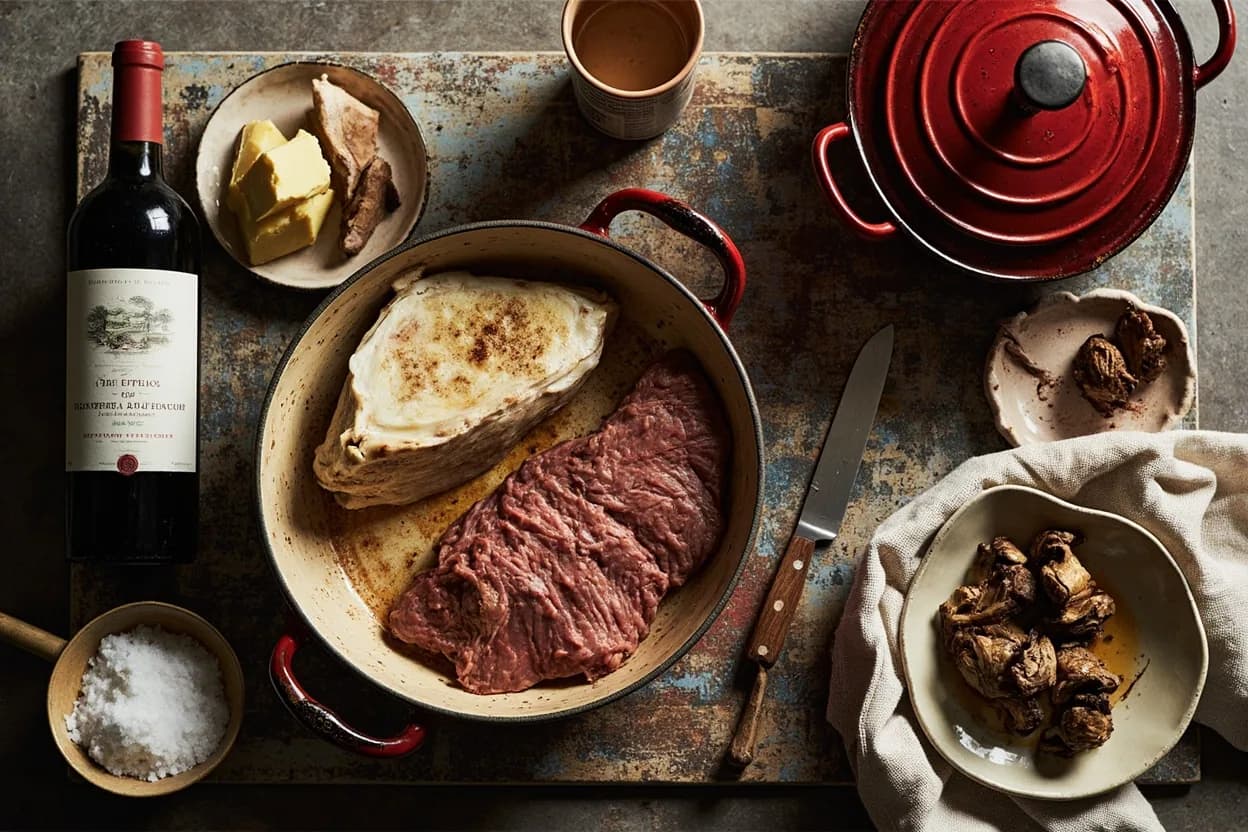
Bordelais cuisine is the cooking of the Gironde department and the Bordeaux metropolitan area, defined above all by its relationship to the Cabernet Sauvignon- and Merlot-dominated red wines of the Médoc, Saint-Émilion, and Pomerol. Like Burgundy, it is a wine-first cuisine, but its character is distinctly Atlantic and estuarial rather than continental: the Gironde estuary brings lamprey, shad, sturgeon, and shrimp into the larder alongside the inland cèpe mushrooms, Pauillac lamb, and Bazas beef. The canonical sauce bordelaise — a bone marrow and red wine reduction — encapsulates the cuisine's logic: extraordinary wine applied to a robust, meaty base. Bordelais cooking is less rustic than Gascon and less refined than Lyonnais; it occupies a confident bourgeois middle position of quality ingredients handled with classical technique.
The flavour base
A reduction of Bordeaux red wine (typically Merlot or Cabernet) with shallots and demi-glace, finished with marrow — sauce bordelaise — is the structural sauce; shallot-and-wine is also the basis for lamprey and shad preparations
Pantry staples
Key ingredients
Signature techniques
Signature dishes
Bordelais on the table
At the table
A formal Bordelais meal is organized around the wine, with the most serious bottle serving as the structural anchor. White Bordeaux (dry Graves, or Sauvignon-Sémillon from Entre-Deux-Mers) opens the meal with oysters or river fish. The red — from Médoc or Saint-Émilion — arrives with the entrecôte or lamb. Cheese (Ossau-Iraty from the adjacent Pyrenees, or a mild chèvre) bridges to a tart dessert; canelé are presented with coffee. Bordeaux's merchant class imported this sequence from 18th-century English wine-trade entertaining and it has remained largely unchanged.
History & context
Bordeaux's wine trade shaped its cuisine directly. The English crown controlled Gascony and Bordeaux from 1152 to 1453 (the Plantagenet inheritance through Eleanor of Aquitaine), and the claret trade with England established wine as the region's economic and cultural center of gravity. After the English departure, Dutch merchants in the 17th century drained the Médoc marshes and planted the great châteaux vineyards. The négociant class that managed the wine trade — Barton, Lynch, Lawton — was often Irish or British and brought a bourgeois entertaining culture of formal wine service with food. The cuisine codified around this: entrecôte and lamproie as the prestige dishes, cèpes as the local luxury, oysters from Arcachon as the opening salvo. Canelé de Bordeaux dates to at least the 18th century and was originally a recipe of the Carmélite convent in Bordeaux, possibly using egg yolks left over from wine-fining (which used the whites).
Regional variations
- Médoc (left bank, Atlantic coast)
Lamb from Pauillac (PDO); estuary fish; the most Cabernet-dominant wines in the world; grilling over vine-cane sarments is a left-bank custom.
- Saint-Émilion and Libournais (right bank)
Merlot country; more stone fruit in the wine; cuisine slightly richer, more truffle-adjacent (Périgord border); macarons de Saint-Émilion are native here.
- Arcachon Basin and Landes coast
Oyster and seafood dominant; pinasse fishing boats; oysters eaten with crépinettes (small flat sausages) is the regional ritual; lighter than inland Bordelais cooking.
- Graves and Entre-Deux-Mers
Produces the dry white Bordeaux (Sauvignon Blanc and Sémillon) used for fish dishes; the Entre-Deux-Mers plateau is market garden territory between the Garonne and Dordogne rivers.
Related cuisines
Immediate neighbor to the southeast; shares cèpes, Bayonne ham, and duck fat, but Gascony is more rural and confit-centered where Bordelais is more wine-integrated and bourgeois.
- Périgord (Dordogne)
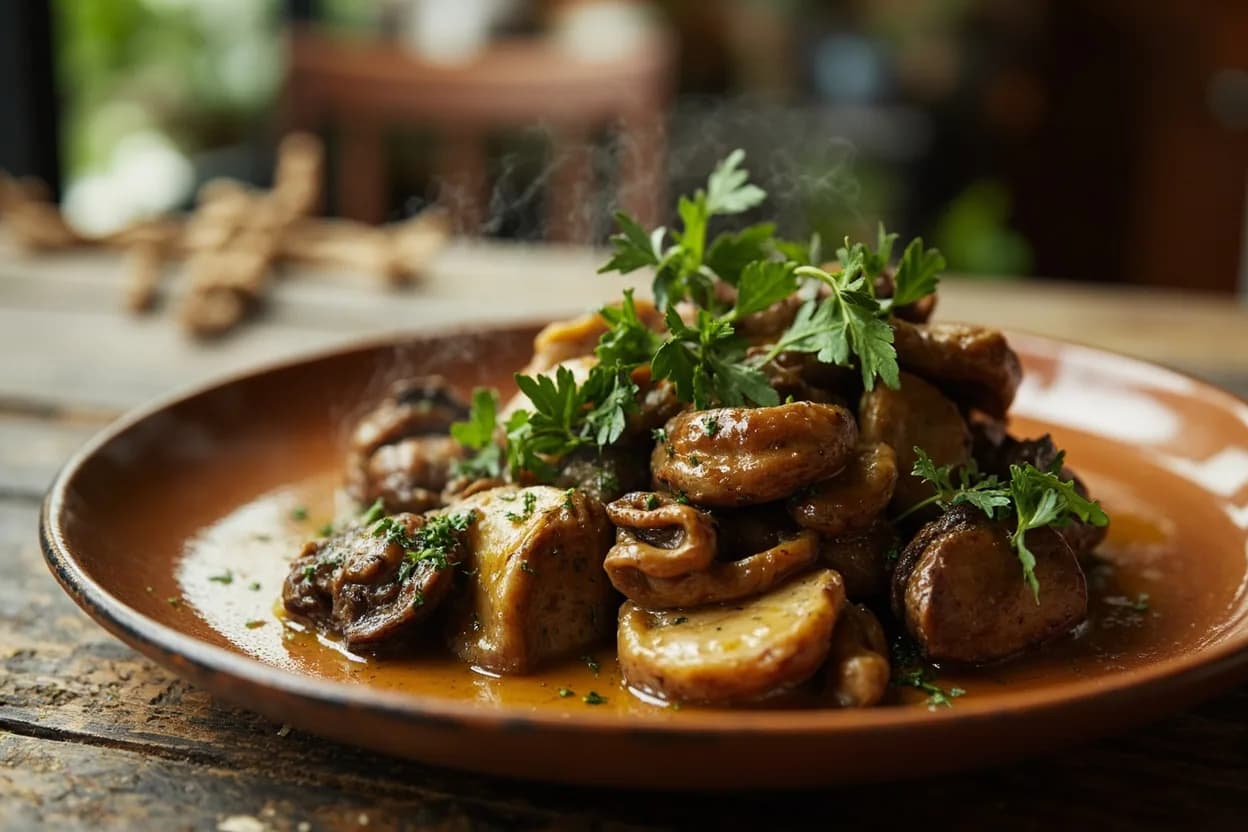
Northeast neighbor with shared cèpe and walnut territory; truffles cross from Périgord into some Bordelais preparations; both cuisines use Cabernet-family wines.
Both are prestige-wine cuisines built on red wine sauces and beef; sauce bordelaise (marrow + Bordeaux reduction) parallels boeuf bourguignon (Pinot Noir braise); the two cuisines are the clearest expression of French wine-integrated cooking.
Canonical recipes
The dishes that define Bordelais, documented in the Canon.
References
- 1.The Food of France — Waverly Root (1958)
- 2.Bordeaux: The Definitive Guide — David Peppercorn (1991)
- 3.The Cooking of South-West France — Paula Wolfert (1983)
- 4.Le Guide Culinaire — Auguste Escoffier (1903, trans. H.L. Cracknell & R.J. Kaufmann 2011)
Confidence: high
Notes
Lamproie à la bordelaise
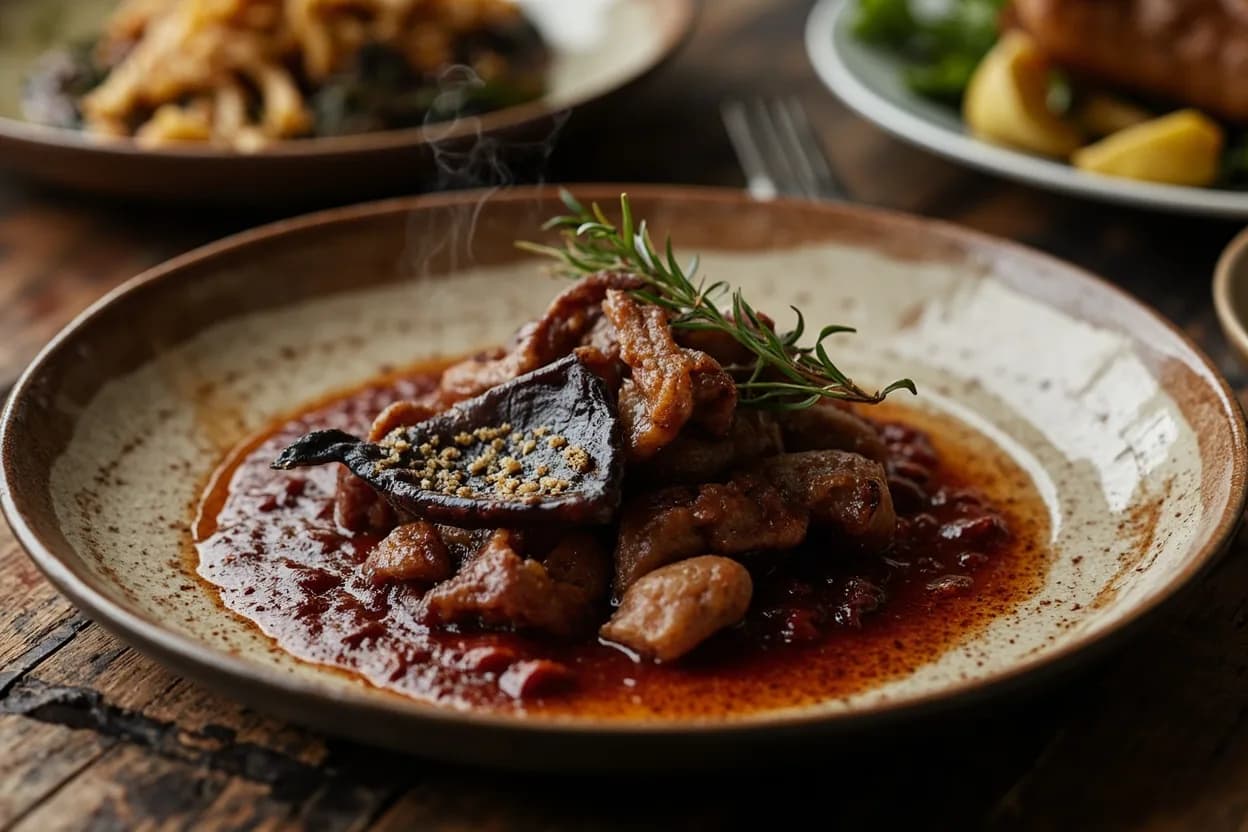
Lamprey (Petromyzon marinus) is caught in the Gironde estuary from January to April and is bled as soon as caught; the blood is reserved and used to thicken and enrich the braising wine, in the manner of a civet. The dish is labor-intensive, historically expensive, and considered a luxury of the Bordeaux bourgeoisie; it is increasingly rare as lamprey populations have declined in the Garonne watershed. The sauce color is almost black, the flavor extraordinarily rich.
Canelé de Bordeaux: mold and technique
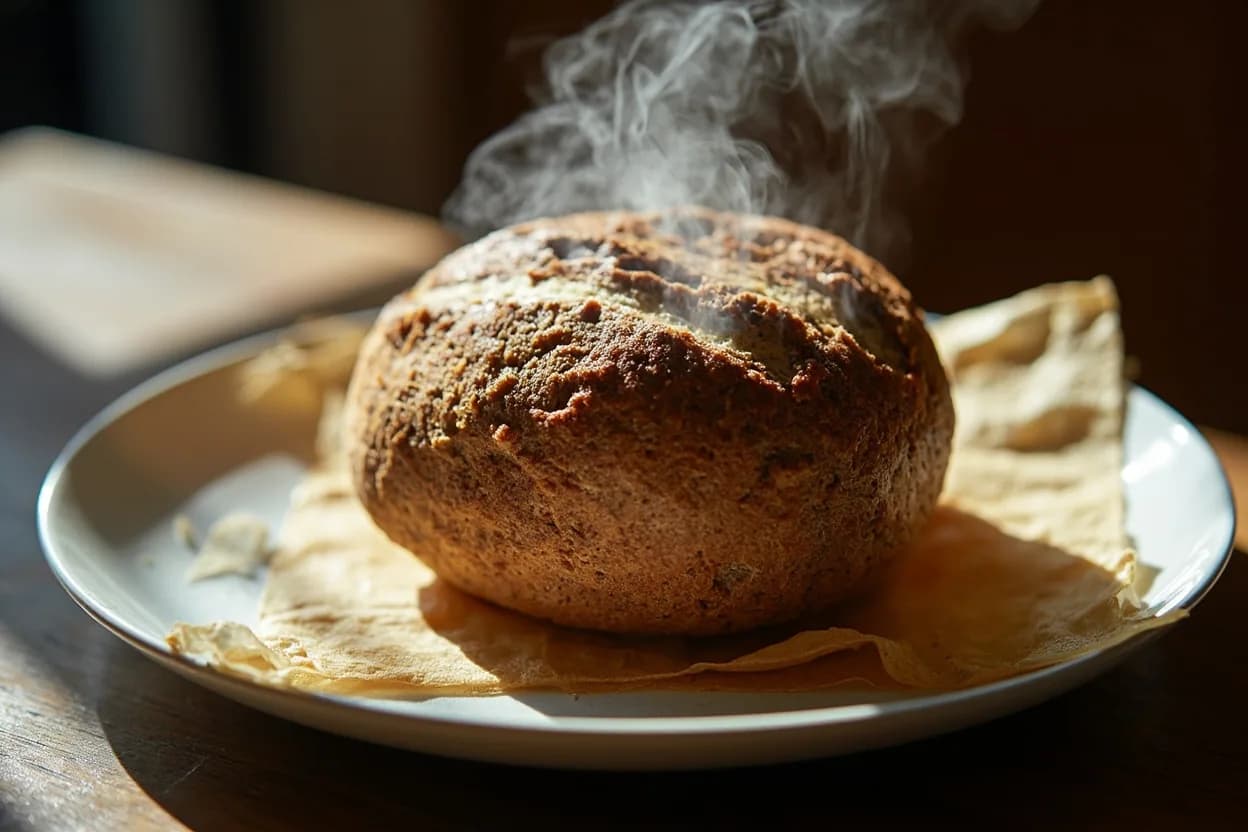
Canelé (singular; the circumflex accent is contested by some Bordeaux purists who spell it cannelé) are baked in small fluted copper molds lined with beeswax and butter. The high thermal mass of copper and the wax lining produce the signature contrast: a very dark, near-caramelized crust with a soft, almost flan-like custard interior scented with rum and vanilla. Silicone molds produce an inferior result. The batter benefits from resting 24–48 hours under refrigeration before baking.